Understanding Forfaiting: A Comprehensive Guide for Professional Investors

Learn all about forfaiting, the attractive financing solution for professional investors in export businesses. Discover how it works, benefits, risks, and more.
Introduction to Forfaiting
Forfaiting—a unique and vital financing instrument for international trade transactions—has gained significant traction in the world of exports due to its numerous benefits for exporters. By selling their medium and long-term receivables, or invoices, at a discount through an intermediary called a forfaiter, exporters can secure immediate cash flow while transferring risk to the forfaiter. In this section, we’ll delve into the world of forfaiting, discussing its advantages, disadvantages, and the key players involved in these transactions.
Forfaiting is a process through which exporters sell their receivables to a forfaiter at a discount. This intermediary assumes the credit risk associated with the sale while providing immediate cash flow to the exporter. The importer then pays the forfaiter the face value of the receivables upon maturity, ensuring that the exporter receives their original invoice amount, less any fees charged by the forfaiter. Forfaiting is most commonly utilized for large, international sales of commodities or capital goods with invoices exceeding $100,000. The process simplifies transactions and offers numerous benefits that make it an attractive financing option for exporters.
The forfaiter acts as the transaction intermediary, purchasing receivables and assuming credit risk on behalf of the exporter. These intermediaries are typically banks or financial institutions with expertise in export financing, ensuring a secure and efficient transaction process.
By engaging in forfaiting, exporters can benefit from:
- Immediate Cash Flow: Forfaiting provides cash flow that enables businesses to meet operational expenses and invest in their future growth.
- Risk Mitigation: The forfaiter assumes credit risk, eliminating the need for the exporter to spend time and resources on collecting payments from buyers.
- Protection against Transfer Risk: Forfaiting offers protection against transfer risk by ensuring that payment is made regardless of the importer’s ability or willingness to pay.
- Foreign Exchange Rate and Interest Rate Hedging: The forfaiter often provides hedging instruments, safeguarding exporters from potential currency fluctuations and interest rate changes.
- Flexible Financing: Forfaiting offers a range of financing options tailored to suit the specific needs of different industries and transactions.
Understanding Forfaiting’s Key Components:
- Receivables: The receivables are the invoices that the exporter sells at a discount to the forfaiter, with payment due upon maturity.
- Forfaiter: A financial institution or bank that purchases the receivables and assumes the credit risk on behalf of the exporter.
- Immediate Payment: The exporter receives immediate cash flow upon selling their receivables to a forfaiter, enabling them to meet their short-term obligations.
- Maturity: The maturity date is when the importer pays the forfaiter the face value of the invoices sold.
- Discount: The exporter receives less than the face value of the receivables at the time of sale to cover the fees charged by the forfaiter.
- Credit Risk: The forfaiter assumes the risk of non-payment from the importer, ensuring that the exporter is paid upon maturity regardless of the buyer’s ability or willingness to pay.

How Forfaiting Works
Forfaiting is an innovative financing solution that allows exporters to sell their medium and long-term receivables at a discount through a third party called a forfaiter. This process enables exporters to receive immediate cash, eliminating the risk of potential default on the part of importers. Forfaiting typically involves an intermediary such as a bank that guarantees payment upon purchase of these receivables.
In a forfaiting transaction, the exporter sells their receivables to the forfaiter at a discounted price. The exporter no longer holds any liability towards the importer for these receivables, mitigating credit risk. Upon purchasing these receivables, the forfaiter assumes the risk of potential default by the importer and receives payment from them upon maturity.
Forfaiting benefits the importer as well. By making smaller payments instead of upfront payments, they can manage their cash flow more effectively. The importer’s receivables are transformed into a debt instrument such as an unconditional bill of exchange or promissory note, allowing them to be traded on the secondary market.
The forfaiting process simplifies international transactions by converting credit sales into cash transactions, offering immediate cash flow and eliminating collection costs for exporters. Moreover, it provides the flexibility to tailor financing offerings based on an exporter’s specific needs and adapts to various types of international transactions.
Advantages and Disadvantages of Forfaiting:
Advantages:
- Elimination of credit risk through the forfaiter’s guarantee.
- Protection against transfer risks and foreign exchange rate or interest rate changes.
- Immediate cash flow and simplified transactions, reducing collection costs.
- Flexibility to customize financing offerings based on an exporter’s requirements.
- Useful in countries with high political risk, where access to export credit agencies is limited.
Disadvantages:
- Generally more expensive compared to commercial lender financing, increasing export costs.
- Minimum transaction sizes and unavailability for deferred payments or smaller transactions.
- Limited availability in certain currencies due to international liquidity concerns.
- Lack of an international credit agency to provide guarantees for forfaiting companies.
Understanding the Role of a Forfaiter
The forfaiter plays a crucial role in the forfaiting process by purchasing the receivables from the exporter and assuming responsibility for potential default risk from the importer. They guarantee payment upon maturity and provide liquidity to the transaction by turning the receivables into tradable debt instruments on the secondary market. The forfaiter earns revenue through fees charged for their services, which typically include discounting, commitment, and option fees.

Advantages of Forfaiting for Exporters
Forfaiting offers numerous benefits to exporters, making it an attractive financing solution in the world of international trade. By selling their medium and long-term receivables—the amount owed by importers—at a discount through an intermediary known as a forfaiter, exporters can gain immediate cash flow, eliminate risk, and improve their overall financial position. In this section, we delve deeper into the advantages of forfaiting for exporters.
One of the most significant benefits is the elimination or mitigation of various risks. Forfaiting shields exporters from credit risk as they make the sale without recourse to the importer. This means that even if an importer defaults on payment, the exporter has no liability. Moreover, transfer risk—the uncertainty regarding whether and when funds will be transferred from the importer to the exporter—is also addressed through forfaiting. The forfaiter takes on this responsibility by purchasing the receivables outright, ensuring that exporters receive immediate cash.
Furthermore, forfaiting provides protection against foreign exchange and interest rate risks. Since the payment amount is guaranteed, exporters are insulated from fluctuations in exchange rates or interest rates, which can significantly impact their bottom line in international transactions. Additionally, by converting receivables into debt instruments such as unconditional bills of exchange or promissory notes, these financial instruments can be traded on secondary markets, offering greater liquidity for exporters.
Another advantage is the simplification of the transaction process. The credit-to-cash conversion facilitated by forfaiting expedites payment and removes the need for collection efforts, making the process more straightforward for exporters. Furthermore, exporters can remove the accounts receivable from their balance sheet, improving cash flow and financial reporting.
The flexibility of forfaiting is another appealing aspect. The offering can be tailored to meet an exporter’s specific needs, allowing them to adapt it to various international transactions. For example, forfaiting can serve as a replacement for credit or insurance coverage for a sale. Additionally, it enables exporters to transact business with importers in countries where access to export credit agencies is limited, providing a valuable solution for managing political risk.
Despite its advantages, forfaiting does come with some disadvantages. It tends to be more expensive than commercial lender financing, leading to higher export costs for exporters. This cost is often passed on to importers as part of the standard pricing. Additionally, only transactions with a minimum value of $100,000 and longer terms are eligible for forfaiting. However, if executed correctly and under the right circumstances, forfaiting can provide exporters with significant advantages in the global marketplace.
In conclusion, understanding the benefits of forfaiting is crucial for professional investors and exporters navigating the complex world of international trade finance. By mitigating risks, providing immediate cash flow, simplifying transaction processes, and offering flexibility, forfaiting has proven to be a valuable financing tool in global business. Stay tuned as we continue exploring the intricacies of this important financial instrument.

Disadvantages of Forfaiting
While forfaiting offers numerous benefits such as risk mitigation and immediate cash flow, it does come with certain costs and limitations that must be considered by exporters. In this section, we will discuss the disadvantages of forfaiting and how they might impact your business decisions.
Firstly, one of the primary drawbacks of forfaiting is its cost structure. Forfaiting tends to be more expensive than commercial lender financing due to the additional risk mitigation services provided by forfaiters. This added expense can result in higher export costs, which can potentially affect a company’s competitive edge in the market. These increased costs are typically passed on to the importer as part of the standard pricing.
Secondly, only transactions exceeding $100,000 and having longer terms (usually between one to three years) qualify for forfaiting. This requirement significantly limits the types of transactions suitable for forfaiting compared to other financing methods. For instance, forfaiting is not an option for smaller transactions or those with deferred payments.
Additionally, discrimination exists when it comes to countries and currencies in forfaiting. Only selected currencies are accepted in the practice due to international liquidity. This factor limits the reach of forfaiting for exporters dealing in non-traditional or emerging markets where such currencies may not be widely used.
Lastly, there is no international credit agency that can provide guarantees for forfaiting companies. While this lack of a guarantee may not be an issue for transactions with lower risk profiles, it could pose challenges when dealing with longer maturities or higher-risk scenarios. As a result, forfaiting might not be suitable for long-term transactions involving significant financial exposure.
In conclusion, while forfaiting is a valuable financing solution for exporters seeking immediate cash flow and risk mitigation, it is essential to understand the costs and limitations associated with this method. By being aware of these disadvantages, you can make informed decisions when considering forfaiting as an option in your export finance strategy.

Forfaiting vs. Other Financing Options
As we’ve seen in the previous sections, forfaiting is an attractive financing solution for exporters due to its numerous benefits such as risk mitigation and immediate cash flow. However, it is essential to compare this financing option to other methods available to exporters: factoring, insurance, and bank credit.
Factoring
Factoring is the sale of accounts receivables to a third party (called a factor) at a discount. This method provides an exporter with immediate cash and eliminates the need to collect outstanding debts. Factoring can be used for both domestic and international transactions, but its primary focus is on short-term receivables with maturities ranging from 30 days up to one year. In contrast, forfaiting deals primarily with medium to long-term receivables that can have maturities between one and three years.
Insurance
Exporters may use insurance as a risk mitigation tool in international trade transactions. This financing solution helps protect against commercial, political, or credit risks by transferring these risks to an insurer. Insurance policies are particularly useful for high-risk transactions involving countries with weak economic conditions and uncertain business environments. However, the cost of insurance can be significant, making it less attractive compared to other financing options like forfaiting in certain situations.
Bank Credit
In comparison to forfaiting, traditional bank credit involves borrowing a predetermined amount from a financial institution with agreed-upon terms and conditions. This method is suitable for exporters that require short-term financing or have established relationships with their banks. With bank credit, the lending institution assesses the creditworthiness of the borrower based on various factors like collateral, cash flow, and financial statements. However, unlike forfaiting, bank credit does not provide risk mitigation to the exporter as it relies on the importer’s ability to pay back the debt.
To summarize, each financing method—forfaiting, factoring, insurance, and bank credit—has its advantages and disadvantages. Forfaiting provides exporters with risk mitigation, immediate cash flow, and flexibility, making it an attractive option for medium to long-term international sales. However, for smaller or shorter receivables, factoring might be the better choice. Insurance is suitable for high-risk transactions, while bank credit offers a more traditional financing solution with established relationships but limited risk mitigation benefits. By understanding these differences, exporters can make informed decisions when selecting the optimal financing option based on their specific needs and circumstances.

Use Cases of Forfaiting in Export Finance
Forfaiting’s benefits have been well documented; it offers exporters risk mitigation through the purchase and guaranteed payment for their receivables. But where is forfaiting most commonly utilized? In which industries or countries does this financing method prove particularly effective? Let us examine some real-life examples to better understand forfaiting’s use cases in export finance.
First, let us look at the agroindustry sector. Large scale commodity exports—such as grains and sugar—are a significant portion of international trade, with many transactions involving large receivables. For example, an agricultural cooperative in Brazil sells soybeans to an importer in China. However, due to the long payment terms common in such sales, cash flow for the Brazilian cooperative may be insufficient. In this scenario, forfaiting offers a viable solution: the cooperative can sell its receivables from the Chinese buyer to a forfaiter. By doing so, it receives immediate cash and eliminates the risk of non-payment by the importer.
Next, let us discuss aerospace and defense industries. These sectors involve long-term projects and high ticket sizes, with receivables maturing in years rather than months. The inherent risk for exporters can be substantial due to extended payment terms and geopolitical uncertainties. Forfaiting, however, allows these businesses to manage their cash flow more effectively while mitigating credit risk. An aerospace company in the United States exports aircraft parts to a military organization in India. Due to the lengthy project and payment schedule, the U.S. company may face difficulty with immediate liquidity. With forfaiting, it can sell its receivables from the Indian military organization to a forfaiter, ensuring cash flow while minimizing credit risk.
Lastly, let us consider developing countries and their role in forfaiting. While many developed nations have access to extensive financial resources and export credit agencies (ECAs), developing countries may not possess these advantages. In such cases, forfaiting can offer a means of financing international transactions that would otherwise be difficult or impossible. For instance, a textile manufacturer in Bangladesh exports garments to a retailer in Europe, but the retailer is unable to make immediate payment due to cash flow concerns. By utilizing forfaiting, the Bangladeshi manufacturer can sell its receivables from the European retailer to a forfaiter and receive immediate cash, enabling it to continue production and meet its obligations.
Forfaiting’s use cases extend beyond these examples, but the industries and countries discussed illustrate its potential benefits in managing risk and ensuring cash flow for international trade transactions. As international business evolves and becomes increasingly complex, understanding forfaiting’s role as a financing solution becomes crucial for both exporters and importers alike.
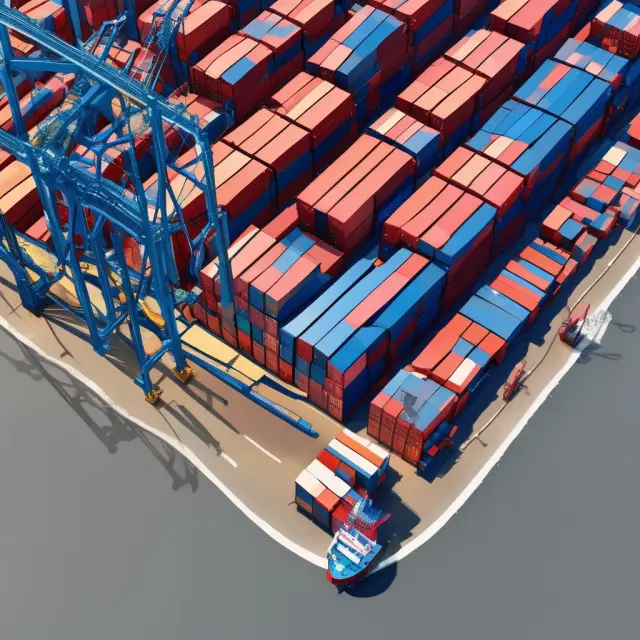
Understanding the Role of a Forfaiter
A Forfaiter plays a vital role in the forfaiting process as it acts as the bridge between the exporter and the importer by purchasing the receivables from the former and collecting payment from the latter. In essence, the forfaiter assumes the credit risk involved in the transaction, providing both parties with security and liquidity.
The forfaiter’s role extends beyond purchasing the receivable to guaranteeing its payment. When an exporter sells its receivables to a forfaiter, they receive cash upfront without having to wait for the importer to pay. This immediate cash flow is a significant advantage for exporters, particularly when dealing with long credit periods or large sales transactions.
To facilitate this transaction, the forfaiter works closely with the importer’s bank, which guarantees the payment and ensures that the importer will fulfill its obligations as stated in the agreement. The importer’s bank’s involvement also assuages concerns related to transfer risk—the uncertainty surrounding international transactions involving multiple parties and currencies.
Forfaiters are typically financial institutions, such as banks or specialized financing companies, that have expertise in the forfaiting process. These institutions understand the unique nature of export receivables and the associated risks. They possess the resources to evaluate each transaction on a case-by-case basis, ensuring a high degree of quality and risk assessment.
The forfaiter charges fees for its services, including an upfront discount rate, which is based on the maturity and creditworthiness of the receivables being sold, as well as any additional administrative or ongoing fees. These fees compensate the forfaiter for assuming the credit risk and providing liquidity to the exporter.
By serving as the intermediary in these transactions, the forfaiter fosters a more efficient and less complicated transaction process. For small and medium-sized enterprises (SMEs) that may not have the resources or knowledge to navigate the complexities of international trade financing, forfaiting provides an accessible solution.
The forfaiter’s role is crucial in managing risk associated with these transactions. The forfaiter assumes credit risk by purchasing the receivables, providing the exporter with a guarantee that they will receive payment regardless of the importer’s ability to pay. Additionally, the forfaiter manages currency and transfer risks by facilitating international transactions and ensuring that the payments are made in the appropriate currencies and at agreed-upon intervals.
In summary, the forfaiter plays a vital role in the forfaiting process. By purchasing receivables from exporters and assuming credit risk, they provide liquidity to the exporter and ensure secure payment from importers, while also managing associated transfer and currency risks.

Forfaiting Risks and Mitigation Strategies
While forfaiting offers numerous benefits to exporters by providing immediate cash flow, eliminating credit risk, and reducing collection costs, it also comes with inherent risks that need careful consideration. This section explores the primary risks associated with forfaiting and strategies to mitigate them.
Currency Risk: Forfaiting transactions typically involve international sales and cross-border currency transactions. Currency fluctuations can pose a significant risk to both exporters and forfaiters. To mitigate this risk, forfaiters usually enter into a forward contract with the exporter to fix the exchange rate at the time of sale. This strategy allows both parties to agree on a consistent exchange rate for the duration of the transaction.
Interest Rate Risk: Forfaiting involves long-term debt instruments. Interest rates can fluctuate, affecting both the cost of the financing and the interest earned by the forfaiter. Hedging strategies like interest rate swaps or options can help mitigate this risk. By entering into a swap agreement with another party, the forfaiter can agree to exchange cash flows based on floating interest rates in the future, thus protecting against adverse interest rate movements.
Transfer Risk: Transfer risk, also known as country risk, refers to the potential that the importer may default on payments due to political instability, economic downturns, or other reasons specific to their country. To mitigate this risk, forfaiters typically require a guarantee from an accredited institution like the importer’s bank or a government entity. This guarantee provides added security by ensuring that payment obligations will be met in the event of an importer default.
Mitigation Strategies: The following are common strategies to mitigate risks associated with forfaiting:
- Guarantees: Seek guarantees from reputable institutions, like banks or governments, to minimize transfer and credit risk.
- Hedging Instruments: Use hedging instruments such as forward contracts, interest rate swaps, and options to protect against currency and interest rate risks.
- Selection of Receivables: Carefully select receivables based on the importer’s creditworthiness and the country’s political stability.
- Due Diligence: Perform thorough due diligence on both parties involved in a forfaiting transaction—exporters and importers—to ensure they have solid reputations and financial standings.
- Monitor Market Trends: Stay informed about economic, political, and industry trends to anticipate potential risks and take necessary actions to mitigate them.
- Regulatory Compliance: Adhere to local and international regulations like KYC (know your customer) and AML (anti-money laundering) to maintain a strong reputation and comply with best practices.
- Building Long-Term Relationships: Develop long-term relationships with reliable partners, such as reputable forfaiters, to ensure consistency in transactions and risk management strategies.
In conclusion, while forfaiting offers numerous advantages, it is crucial to understand and manage the associated risks. By implementing robust risk mitigation strategies and partnering with experienced financial institutions, exporters can effectively mitigate potential risks and enjoy the benefits of this valuable financing solution.

Forfaiting Regulations and Compliance
When engaging in forfaiting transactions, it is crucial to be aware of the applicable regulations and compliance requirements. Two primary regulatory concerns are KYC (know your customer) and AML (anti-money laundering).
Know Your Customer (KYC) refers to the due diligence process that financial institutions employ to verify a client’s identity, assess potential risks, and establish a business relationship. Forfaiters must follow KYC guidelines when purchasing receivables from exporters or trading debt instruments on secondary markets. Compliance with KYC regulations ensures that the forfaiter maintains a transparent and secure transaction environment while reducing the risk of financial crimes.
AML, or anti-money laundering, is another crucial regulatory consideration for forfaiting transactions. Money laundering involves disguising proceeds from illegal activities as legitimate funds through various methods such as trade transactions, complex schemes, or cash transfers. Forfaiters must adhere to stringent AML regulations to prevent the use of their services for money laundering purposes and maintain a robust compliance framework.
In order to meet regulatory requirements, forfaiters typically employ experienced compliance teams that specialize in due diligence, risk assessment, and ongoing monitoring. Compliance procedures may include:
- Customer identification and verification: Forfaiters confirm the identity of counterparties through documentation like passports, national ID cards, or other forms of identification, as well as background checks.
- Risk assessment: Based on various risk indicators like geopolitical conditions, industry sector, transaction size, and customer reputation, forfaiters evaluate the likelihood and potential impact of potential risks to their business.
- Continuous monitoring: Forfaiters maintain ongoing monitoring systems to ensure that clients remain compliant with all regulations and that transactions comply with established policies.
- Record-keeping and reporting: Compliance teams keep extensive records of client interactions, financial transactions, and internal communications to provide detailed reports when required by regulators or for auditing purposes.
- Training and education: To maintain a culture of compliance, forfaiters invest in training programs for their employees to ensure they are aware of the latest regulations, best practices, and potential threats.
By adhering to these regulatory requirements and maintaining a strong commitment to compliance, forfaiters can effectively manage risk, build trust with clients, and maintain a reputable business standing within the global financial community.

Forfaiting in the Future: Trends and Developments
The future of forfaiting as an export finance solution remains promising due to its numerous advantages in handling risk management and providing cash flow solutions for exporters. However, recent trends and developments in the financial industry might affect this market’s dynamics and shape how it is used moving forward.
One significant trend that could impact forfaiting transactions is digitalization. The increasing adoption of technology across industries, including finance, is driving the automation of traditional processes, making them more efficient and cost-effective. Forfaiting platforms can utilize blockchain technology to streamline transactions, create smart contracts, reduce settlement times, and improve transparency in a secure environment. This digital revolution can lead to increased investor confidence, lower operational costs, and more accessible financing for smaller exporters.
Another trend is the growing importance of emerging markets and developing economies. As these countries grow their economies and international trade relations, they are becoming attractive targets for export financing. Forfaiting’s role in facilitating transactions with high political risk and providing access to liquidity can be increasingly valuable, especially when dealing with currencies that lack international market depth.
In addition, regulatory changes and increasing globalization are shaping the future of forfaiting. The Basel III regulations have resulted in increased capital requirements for banks, potentially limiting their involvement in riskier transactions such as forfaiting. However, alternative financing solutions like private debt funds and non-bank financial institutions can step in to fill the gap and expand the market.
Moreover, the increasing focus on sustainable finance is leading to a growing awareness of the environmental, social, and governance (ESG) factors that influence investments. Forfaiting transactions that meet ESG criteria or have positive social impact could attract more investors and increase demand for this financing option.
Finally, the rise of the green economy can create new opportunities for forfaiting in the renewable energy sector. The market’s growing interest in renewable energy projects can result in an increased need for export financing that offers risk mitigation and immediate cash flow solutions.
In conclusion, forfaiting remains a vital financing solution for exporters seeking risk management and cash flow advantages. As the financial landscape continues to evolve with digitalization, emerging markets, regulatory changes, and sustainable finance trends, forfaiting’s future prospects seem promising. By adapting to these developments, forfaiting can continue to provide value for both investors and exporters in an increasingly interconnected global economy.

FAQs About Forfaiting
What exactly is forfaiting? Forfaiting refers to the process where exporters sell their medium and long-term receivables (the amount an importer owes them) at a discount to a third party called the forfaiter. Exporters can eliminate risk by selling these receivables without recourse, meaning they have no liability regarding the importer’s possible default on the receivables.
What is the role of a forfaiter? A forfaiter acts as an intermediary in forfaiting transactions. They typically buy these receivables from exporters to provide immediate cash flow and mitigate risks like credit risk, transfer risk, and exchange rate or interest rate fluctuations. Banks or financial firms are common forfaiters.
What types of receivables can be sold through forfaiting? Receivables must meet specific requirements, including being medium to long-term obligations (generally with maturities between one and three years), having a minimum value of $100,000, and originating from international sales of commodities or capital goods.
Who benefits the most from forfaiting? Forfaiting primarily benefits exporters, as it enables them to receive immediate cash flow by selling their receivables at a discount while minimizing risk exposure. It’s especially useful for large sales with long payment terms and high value, in addition to transactions involving buyers in countries with high political or credit risk.
What risks does forfaiting mitigate? Forfaiting helps exporters manage various risks, including credit risk (the buyer might default on their payments), transfer risk (payment delays due to complicated international payment procedures), and exchange rate and interest rate fluctuations.
Can I use forfaiting instead of insurance coverage or factoring? Yes, forfaiting can replace traditional methods like insurance coverage or factoring in certain scenarios. By selling receivables through forfaiting, you can simplify the transaction process and obtain immediate cash flow without assuming collection costs or credit risk.
How does forfaiting differ from factoring? Factoring is a financing method that allows businesses to sell their accounts receivable at a discount to a factor. The factor takes on the credit risk, collects the receivables directly from customers, and provides cash to the business immediately. Forfaiting, on the other hand, involves selling medium-to-long-term receivables at a discount without assuming any collection risk or retaining control over the relationship with the customer.
What are some common disadvantages of using forfaiting? Forfaiting can be more costly than traditional financing options from commercial lenders, and it may not be suitable for transactions involving deferred payments or lower-value receivables. Additionally, forfaiting is less accessible for certain currencies and countries due to the lack of international credit agencies providing guarantees.
What is an example of a successful forfaiting transaction? The Black Sea Trade & Development Bank (BSTDB) is a well-known institution that utilizes forfaiting as part of its financial offerings. Forfaiting enables exporters to sell their receivables, supported by accepted bills of exchange or promissory notes, to BSTDB. The bank then provides immediate cash flow and risk mitigation for the exporter while facilitating international transactions with a minimum operation size of €5 million over one-to-five-year repayment periods.
 Next entry · No. 1,604Understanding Forfeited Shares: An Explanation and Implications
See also
-
 No. 5,876
15 Oct 2025
17 min
Understanding Z-Shares: A Valuable Investment Option for Employees
Business Finance
No. 5,876
15 Oct 2025
17 min
Understanding Z-Shares: A Valuable Investment Option for Employees
Business Finance -
 No. 5,745
04 Oct 2025
19 min
Understanding Window Guaranteed Investment Contracts: A Low-Risk Investment Option for Professional and Institutional Investors
Business Finance
No. 5,745
04 Oct 2025
19 min
Understanding Window Guaranteed Investment Contracts: A Low-Risk Investment Option for Professional and Institutional Investors
Business Finance -
 No. 4,638
05 Jul 2025
18 min
Understanding Share Repurchases: A Comprehensive Guide for Institutional Investors
Business Finance
No. 4,638
05 Jul 2025
18 min
Understanding Share Repurchases: A Comprehensive Guide for Institutional Investors
Business Finance -
 No. 4,606
02 Jul 2025
19 min
Understanding Simplified Employee Pension (SEP) IRAs: A Comprehensive Guide for Small Businesses and Self-Employed Individuals
Business Finance
No. 4,606
02 Jul 2025
19 min
Understanding Simplified Employee Pension (SEP) IRAs: A Comprehensive Guide for Small Businesses and Self-Employed Individuals
Business Finance -
 No. 3,253
13 Mar 2025
19 min
Understanding Money Purchase Plans: A Comprehensive Guide for Institutional Investors
Business Finance
No. 3,253
13 Mar 2025
19 min
Understanding Money Purchase Plans: A Comprehensive Guide for Institutional Investors
Business Finance -
 No. 3,144
04 Mar 2025
19 min
Understanding Maturity Date and Its Implications for Investors
Business Finance
No. 3,144
04 Mar 2025
19 min
Understanding Maturity Date and Its Implications for Investors
Business Finance