Understanding Form 1120-S: Filing an Income Tax Return for U.S. S Corporations

Learn about Form 1120-S, the U.S. income tax return for S corporations, including filing requirements and important schedules.
Introduction to Form 1120-S and Its Purpose
Form 1120-S plays a crucial role in the U.S. income tax process for S corporations. This comprehensive tax document serves as the primary means for S corporations to submit their financial information, including income, gains, losses, credits, and deductions, directly to the Internal Revenue Service (IRS). By understanding what Form 1120-S is and its importance in filing taxes, S corporation owners can ensure they meet all necessary requirements and avoid potential penalties.
Section Title: What Is Form 1120-S?
Form 1120-S, U.S. Income Tax Return for an S Corporation, is a significant tax document designed to report essential financial information for businesses registered as S corporations. When an S corporation files this form with the IRS, it’s acknowledging that the organization has elected to be taxed under Subchapter S of the Internal Revenue Code (IRC). This election results in the business not being subjected to double taxation since income, losses, deductions, and credits are passed through to individual shareholders.
Form 1120-S is a critical piece of an S corporation’s annual financial reporting process. It provides essential information about the business, enabling the IRS to assess and determine each shareholder’s tax liability based on their ownership percentage. Filing Form 1120-S accurately and timely ensures that both the corporation and its individual shareholders avoid potential penalties or complications during their respective tax filings.
Section Title: Who Must File Form 1120-S?
An S corporation is required to file Form 1120-S if it has elected Subchapter S status with the IRS using Form 2553, Election by a Small Business Corporation. This form must be accepted by the IRS before an S corporation is obliged to submit its annual tax return. An S corporation is defined as a domestic corporation that does not have more than 100 shareholders and is not an ineligible corporation (i.e., it’s not an estate or trust).
Section Title: What Information Is Reported on Form 1120-S?
Filing Form 1120-S involves providing a wide range of information regarding the S corporation, including its income, gains, losses, credits, and deductions. This document is where the S corporation reports its total revenue, gross receipts, and expenses. Additionally, it details any taxable income or losses, as well as any applicable credits and deductions.
Importantly, Form 1120-S requires that all shareholders’ individual allocations are reported on Schedule K-1, which is then attached to the form. Shareholders’ profit or loss distributions are calculated using their percentage of ownership in the corporation. Properly completing and filing this tax document not only ensures accurate reporting for the S corporation but also facilitates streamlined individual shareholder tax filings.
By thoroughly understanding Form 1120-S, S corporations can successfully navigate their annual tax obligations while minimizing potential complications and maintaining compliance with IRS regulations.

Who Must File Form 1120-S?
Form 1120-S is a crucial document for S corporations in the United States, serving as their annual income tax return to the Internal Revenue Service (IRS). S corporations must file this form if they have met the necessary requirements and had their election accepted by the IRS. S corporations are a specific business entity structure that is advantageous due to its pass-through taxation system. Instead of being double-taxed like traditional C corporations, S corporation profits and losses are passed directly to individual shareholders for federal tax purposes.
To be eligible to file Form 1120-S, the corporation must have met the following conditions:
- Be a domestic corporation
- Have fewer than 100 shareholders
- Not have any ineligible shareholders (nonresident alien or partnerships) holding more than 50% of shares
- Be an S corporation for the entire tax year
The S corporation election is initiated by filing IRS Form 2553, and once accepted, the business can file its first Form 1120-S. It’s important to note that S corporations are still required to pay certain taxes at the corporate level, such as unemployment tax. These payments are not reported on Form 1120-S but rather on IRS Form 941 or other appropriate forms.
Form 1120-S plays a significant role in allocating profits and losses to individual shareholders for their personal income taxes. The form includes various schedules, such as K-1, that provide details about each shareholder’s portion of the business’s income, gains, deductions, and credits. Schedule K-1 is essential since it helps individual taxpayers accurately report their share in the business’s income to the IRS using their personal 1040 tax return.
In conclusion, Form 1120-S is an essential document for S corporations in the United States. Its primary function is to file annual tax information with the IRS and distribute the necessary information to individual shareholders via Schedule K-1, ensuring accurate tax reporting at both corporate and personal levels.

Information Reported on Form 1120-S
Form 1120-S serves as the U.S. income tax return for S corporations, providing essential information about their financial status and operations to the Internal Revenue Service (IRS). By filing this document, S corporations share crucial data related to their income, gains, losses, credits, deductions, and other significant aspects of their business activities.
An S corporation is a type of business entity that elects to be taxed as a pass-through entity, meaning the company’s profits and losses are passed through to the individual shareholders for federal tax purposes. As part of this process, Form 1120-S plays a pivotal role in reporting essential financial information to the IRS.
Income, Gains, Losses: Form 1120-S reports an S corporation’s income from all sources. This includes sales, receipts, returns, and allowances. The form also requires details about other income such as interest, rents, royalties, dividends, annuities, and gains or losses from the sale of property.
Deductions: Expenses incurred by an S corporation are reported on Form 1120-S as deductions. These expenses include salaries and wages paid to employees, repairs, depreciation, advertising, pensions, taxes, bad debts, rents, and insurance.
Taxes and Payments: The form also covers the excess net passive income, estimated tax penalty, and any other miscellaneous taxes or payments due to the IRS.
Schedules: Form 1120-S includes several schedules that provide additional information related to an S corporation’s financial status. Some of these schedules include Schedule B – Other Information, Schedule K – Shareholders’ Pro Rata Share Items, Schedule L – Balance Sheet per Books, Schedule M-1 – Reconciliation of Income (Loss) per Books with Income (Loss) per Return, and Schedule M-2 – Analysis of Accumulated Adjustments Account, Shareholders’ Undistributed Taxable Income Previously Taxed, Accumulated Earnings and Profits, and Other Adjustments.
Accurately completing Form 1120-S is crucial for S corporations as it impacts both the business and its individual shareholders. The consequences of errors or failure to file can result in penalties and interest charges. For assistance in filing Form 1120-S, S corporations may choose from various options such as tax software, professional tax preparers, or accountants.

Filing Form 1120-S
Form 1120-S is an essential document for S corporations as it represents their income tax return to the Internal Revenue Service (IRS). The form includes comprehensive information about a corporation’s income, gains, losses, credits, deductions, and other relevant details.
Two methods are available for submitting Form 1120-S: electronic filing or mailing it physically. Regardless of the preferred approach, it is crucial to file this form accurately and on time to avoid penalties and potential complications.
Electronic Filing
Small business owners can complete their tax filings electronically using specialized software designed for this purpose. This method offers a range of benefits such as speed, convenience, and reduced human error.
Many S corporation owners choose to prepare their tax returns independently using dedicated tax software, which may require payment for access. However, it could be more affordable compared to engaging professional services, especially for less complicated financial situations.
Professional Services
For businesses with more intricate tax scenarios or those seeking additional expertise and guidance, hiring a tax professional is an excellent option. This can include accountants or tax preparers who have the experience and knowledge required to navigate complex tax situations. The outsourcing of tax filings reduces the likelihood of errors and offers peace of mind for business owners.
Mail Filing
Although the IRS continues to accept paper returns, it is recommended that businesses file their tax forms electronically due to potential processing delays when submitting through the mail. To file Form 1120-S by mail, obtain all required forms and instructions from the official IRS website or consult a tax professional for assistance.
Importance of Accompanying Form K-1
Schedule K-1 (Form 1120-SCHED K-1) is an essential component that must be included with the filing of Form 1120-S. This document identifies individual shareholders in the S corporation and reports their respective portions of income, profits, losses, credits, and deductions.
Shareholders’ information from Schedule K-1 will subsequently be reported on their individual tax returns, enabling them to accurately calculate and pay their taxes accordingly. It is crucial that both Form 1120-S and the accompanying Schedule K-1 are completed accurately and filed within the required deadlines to maintain compliance with IRS regulations.
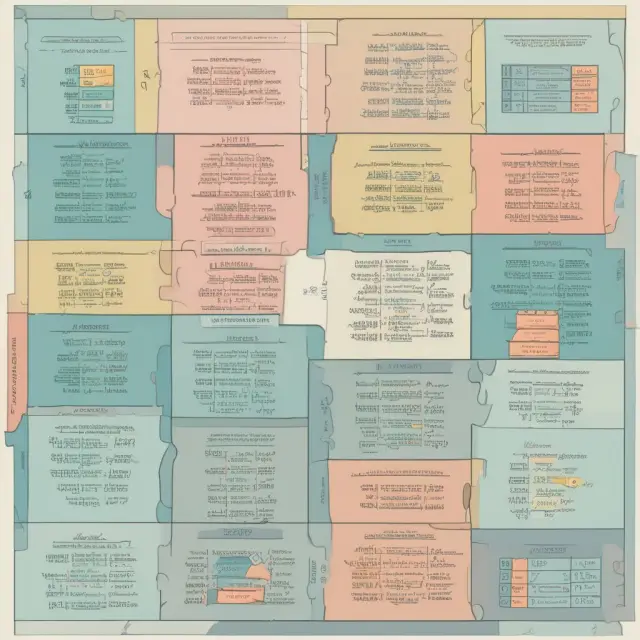
Understanding Schedules Accompanying Form 1120-S
Form 1120-S, U.S. Income Tax Return for an S Corporation, is a comprehensive document that requires various schedules to provide the IRS with complete and accurate information about an S corporation’s financial status. The following schedules are typically included with Form 1120-S:
1. **Schedule B: Other Information**
This schedule reports additional items not covered in other sections, such as interest, gains or losses from the sale of property, and certain types of income that may not be included in the ordinary course of business.
2. **Schedule K: Shareholders’ Pro Rata Share Items**
This schedule is crucial for individual shareholders as it lists their shares, stock basis, and distributes their portion of income, gains, losses, deductions, and credits based on their ownership percentage in the company.
3. **Schedule L: Balance Sheet per Books**
Schedule L reports a corporation’s assets, liabilities, and equity as of the end of the tax year according to the company’s accounting records. It helps the IRS ensure that the reported financial information matches their records.
4. **Schedule M-1: Reconciliation of Income (Loss) per Books with Income (Loss) per Return**
This schedule is used to reconcile the income and losses reported in a corporation’s accounting records with the amounts reported on Form 1120-S. It ensures that all income sources have been accounted for, including items that may have been overlooked or reported incorrectly in the initial tax return.
5. **Schedule M-2: Analysis of Accumulated Adjustments Account, Shareholders’ Undistributed Taxable Income Previously Taxed, Accumulated Earnings and Profits, and Other Adjustments**
This schedule calculates various adjustments to the corporation’s taxable income, such as accumulated adjustments account, undistributed taxable income previously taxed, accumulated earnings and profits, and other adjustments. These calculations are crucial for determining the amount of tax owed by the S corporation.
Understanding these schedules and their significance in the tax filing process can help ensure a complete and accurate Form 1120-S submission. By providing detailed financial information, S corporations not only comply with tax regulations but also safeguard themselves from potential audits or penalties.

When Is Form 1120-S Due?
Form 1120-S, the U.S. income tax return for S corporations, must be filed with the Internal Revenue Service (IRS) by specific due dates to report an S corporation’s annual financial information. For those unfamiliar with this requirement, understanding the due date for Form 1120-S and its filing process is essential.
Form 1120-S Due Date
Form 1120-S should be filed by the 15th day of the third month following the S corporation’s tax year end. For instance, if an S corporation’s tax year runs from January 1 to December 31, Form 1120-S must be submitted to the IRS by March 15. However, for those with a fiscal year running from July 1 through June 30, Form 1120-S should be filed on September 15. Meeting these deadlines ensures that the S corporation avoids potential penalties and maintains compliance with tax regulations.
Understanding Your Obligations
Upon realizing you must file Form 1120-S, it is crucial to familiarize yourself with your responsibilities to guarantee accurate and timely submissions. Preparing this form involves gathering all relevant financial data, completing the required sections, and filing the document electronically or via mail. Moreover, an S corporation needs to provide Schedule K-1 to each shareholder, which lists their portion of the profit or loss allocated from the company’s tax return.
Stay Informed
Misunderstanding the due date for Form 1120-S may lead to financial consequences. Late filings can result in penalties and interest charges on unpaid taxes, making it essential to stay informed and plan accordingly. Keeping up with important deadlines not only ensures regulatory compliance but also helps you focus on growing your business while minimizing potential tax headaches.
Seeking Assistance
If you need help navigating the filing process or have any questions about Form 1120-S, consider seeking professional assistance from a tax advisor, accountant, or tax software provider. By leveraging their expertise and guidance, you can confidently file Form 1120-S on time while minimizing potential errors.
In conclusion, understanding the due date for Form 1120-S and your obligations as an S corporation is crucial to ensure regulatory compliance and financial success. Proactively managing this annual filing requirement will help you focus on growing your business while mitigating unnecessary tax complications.

Importance of Accurately Completing Form 1120-S
Filing an incorrect or incomplete Form 1120-S, the U.S. income tax return for S corporations, can lead to severe consequences. The IRS holds S corporations accountable for providing accurate financial information and ensuring all necessary forms are timely submitted. Failure to do so can result in penalties and potential legal actions.
Penalties for Inaccuracies or Late Filing
The IRS imposes both monetary and non-monetary consequences for mistakes made on Form 1120-S or late filings:
1. Monetary Penalties: The IRS may levy penalties on S corporations for inaccuracies found on their filed Forms 1120-S, including negligence penalties and substantial understatement penalties. Negligence penalties apply to errors resulting from a lack of due dilgence or reasonable care, while substantial understatements of income result in higher penalties.
2. Interest Charges: Accurate reporting of taxes owed is crucial to avoid additional interest charges accruing on any unpaid tax liabilities. The IRS applies interest to late payments and underpayments.
3. Legal Actions: In extreme cases, failure to file or incorrect filings can result in legal proceedings against the S corporation. This may include formal audits, which could potentially lead to additional fines and potential criminal charges for tax evasion.
Accurate Reporting for Shareholder Distributions
S corporations distribute profits and losses directly to shareholders through Schedule K-1. Accurately reporting these distributions is essential not only for the S corporation but also for each individual’s personal tax return. Failure to do so may result in incorrect tax liabilities, underreported income, or potential legal actions against both the S corporation and its shareholders.
Professional Help with Form 1120-S
Given the importance of accurately filing Form 1120-S, it is highly recommended that S corporations consider seeking professional assistance, such as tax software, accountants, or tax preparers. These professionals can help ensure accurate reporting and filings while minimizing potential risks of errors and penalties.

Assistance with Filing Form 1120-S
Filing a tax return for an S corporation can be a complex process, especially when it comes to Form 1120-S – the U.S. income tax return for this type of entity. If you’re an S corporation owner and feel overwhelmed by the form or lack confidence in your ability to file it accurately, several resources are available to help.
Tax Software
Many small business owners opt for tax software like TurboTax Business or QuickBooks Enterprise to complete their Form 1120-S. These programs offer user-friendly interfaces and detailed instructions to guide users through the process. They also allow for easy import of financial data from your accounting software, making the filing process more efficient.
Professional Tax Preparers or Accountants
For businesses with more complicated tax situations, hiring a professional tax preparer or accountant may be the best option. A tax professional can ensure that all required information is accurately reported on the form and help you minimize your overall tax liability. Additionally, they can provide guidance on potential deductions and credits, ensuring that your business takes full advantage of available opportunities to reduce its tax burden.
IRS Assistance
The IRS provides free assistance for individuals and businesses with limited income and a simple tax situation. You can reach out to them via their toll-free number at 1-800-829-1040 or through their website. Keep in mind that their resources may be limited, and the process could take longer than working with a professional tax preparer or accountant.
Filing Electronically
Regardless of which method you choose, remember that Form 1120-S must be filed electronically to meet IRS requirements. This not only helps reduce paper usage but also expedites the processing time, making it a more convenient and efficient option for taxpayers. By carefully considering your options, you’ll be able to make an informed decision on how best to file Form 1120-S for your S corporation.

Conclusion: The Role of Form 1120-S in U.S. S Corporation Taxation
As a business owner of an S corporation, it is crucial to understand the importance and significance of filing Form 1120-S correctly and timely. This tax document serves as the annual income tax return for your S corporation, reporting all essential information including income, gains, losses, credits, deductions, and other financial data to the Internal Revenue Service (IRS).
Who Is Required to File Form 1120-S?
Form 1120-S is a mandatory requirement for any S corporation that has elected to be taxed as such by filing Form 2553 with the IRS. S corporations are pass-through entities, meaning their income, losses, deductions, and credits flow directly to individual shareholders for federal tax purposes.
Information Reported on Form 1120-S
The information reported on Form 1120-S is extensive, detailing various aspects of the business’s financial situation. It includes income from sales, receipts, and other sources, deductions for expenses like compensation, repairs, or rents, as well as taxes paid and credits claimed.
Filing Methods for Form 1120-S
You can choose to file Form 1120-S either electronically using tax software or by mailing a completed paper version to the IRS. It’s essential to note that this form must be accompanied by Schedule K-1, which provides detailed information about each shareholder’s portion of the corporation’s income, gains, losses, credits, and deductions.
Understanding Schedules Accompanying Form 1120-S
Numerous schedules accompany Form 1120-S to provide further details on various aspects of the corporation’s finances. These include Schedule K for shareholder information, Schedule B for additional information, and other schedules like M-1, M-2, L, and K-1 that help reconcile income reported per books with income reported per return or present a balance sheet.
When Is Form 1120-S Due?
Form 1120-S is due by the 15th day of the third month following your S corporation’s tax year end. For instance, if your tax year follows the calendar year (January to December), then your return must be filed by March 15th. Late filing or inaccurate completion may result in penalties and interest charges from the IRS.
To ensure successful navigation of the Form 1120-S process, consider seeking assistance from tax professionals, such as accountants or tax preparers, to guarantee accurate filing and avoid potential complications.

FAQs
What is Form 1120-S, and what role does it play in the U.S. income tax system?
Form 1120-S is the annual income tax return for U.S. S corporations to report their income, gains, losses, credits, deductions, and other essential information to the Internal Revenue Service (IRS). It’s crucial for S corporations because they do not pay corporate taxes; instead, they pass through the tax liabilities to their individual shareholders. Form 1120-S is a critical document that helps ensure accurate distribution of profits and losses among shareholders and maintains tax compliance.
Who must file Form 1120-S?
S corporations need to submit Form 1120-S if they have elected S corporation status by filing the appropriate paperwork, and the IRS has approved the election. It is essential for any U.S.-based S corporation, regardless of its size or industry.
What information is reported on Form 1120-S?
The form covers various aspects of an S corporation’s financial status, including income items such as receipts and sales, deductions like salaries, wages, and repairs, tax payments, and accumulated adjustments. It also includes schedules for shareholder information, balance sheets, and reconciliation of income (loss) per books with the income (loss) per return.
How can Form 1120-S be filed?
S corporations may file their annual tax returns electronically or by mailing a completed Form 1120-S to the IRS. Electronic filing is highly recommended due to its faster processing time and reduced potential for errors compared to paper filings. It is essential to note that an S corporation must also include Schedule K-1 with each shareholder’s portion of income, profits, losses, tax credits, and deductions.
When should Form 1120-S be filed?
Form 1120-S should be submitted to the IRS within three months after the end of an S corporation’s fiscal year. Specifically, it is due by the 15th day of the third month following the tax year. For instance, if a company’s tax year runs from January 1 to December 31, Form 1120-S is due on March 15.
What are the consequences of failing to file or incorrectly completing Form 1120-S?
Neglecting to file Form 1120-S or providing incorrect information may result in several negative repercussions, including late filing penalties, underpayment penalties, and potential legal action by the IRS. It is crucial for S corporations to ensure the accuracy and timely submission of their annual tax returns to maintain compliance with tax regulations.
How can businesses obtain help in completing Form 1120-S?
Small business owners or accountants may use specialized tax software, engage professional tax preparers or consult with an experienced accountant for assistance in preparing and filing Form 1120-S. While tax software can be costly, it can save businesses time and resources compared to hiring a tax expert. For more complex financial situations, seeking the guidance of a skilled accountant may be advisable to minimize errors and ensure compliance with IRS regulations.
 Next entry · No. 1,612Guide to Filing Form 1310 for Deceased Taxpayers: Claiming Refunds
See also
-
 No. 1,606
10 Oct 2024
19 min
Understanding Form 1065: U.S. Return of Partnership Income
Accounting
No. 1,606
10 Oct 2024
19 min
Understanding Form 1065: U.S. Return of Partnership Income
Accounting -
 No. 4,568
29 Jun 2025
20 min
Understanding the Complexities of Schedule K-1 for Financial Reporting
Business Finance
No. 4,568
29 Jun 2025
20 min
Understanding the Complexities of Schedule K-1 for Financial Reporting
Business Finance -
 No. 1,618
12 Oct 2024
18 min
Understanding Form 4506 and Requesting Tax Return Copies: A Comprehensive Guide for Investors and Professionals
Business Finance
No. 1,618
12 Oct 2024
18 min
Understanding Form 4506 and Requesting Tax Return Copies: A Comprehensive Guide for Investors and Professionals
Business Finance -
 No. 1,617
12 Oct 2024
18 min
Understanding Form 2848: Power of Attorney and Declaration of Representative in IRS Tax Proceedings
Business Finance
No. 1,617
12 Oct 2024
18 min
Understanding Form 2848: Power of Attorney and Declaration of Representative in IRS Tax Proceedings
Business Finance -
 No. 1,616
12 Oct 2024
27 min
Form 2439: Understanding the Notice to Shareholder of Undistributed Long-Term Capital Gains
Business Finance
No. 1,616
12 Oct 2024
27 min
Form 2439: Understanding the Notice to Shareholder of Undistributed Long-Term Capital Gains
Business Finance -
 No. 1,613
11 Oct 2024
21 min
Understanding SEC Form 13F: The Insights and Limitations for Institutional Investors
Business Finance
No. 1,613
11 Oct 2024
21 min
Understanding SEC Form 13F: The Insights and Limitations for Institutional Investors
Business Finance