Understanding Functional Obsolescence: A Risk for Consumers and Businesses Alike

Exploring the concept of functional obsolescence in various industries and its impact on consumers and businesses. Understand definitions, strategies, and…
What is Functional Obsolescence?
Functional obsolescence represents the decline of an asset’s value or desirability due to a component or design feature that has become obsolete. This concept applies to several industries, including real estate and technology. In essence, functional obsolescence stems from changes in consumer preferences, technological advancements, and market standards, making certain items less competitive and less attractive to buyers.
Understanding Functional Obsolescence
Functional obsolescence can significantly impact consumers by leading to losses and decreased satisfaction. For instance, a consumer may purchase an item with the belief that it will meet their long-term needs, only to find out later that it has become functionally obsolete due to technological advancements or changing consumer preferences.
To mitigate such losses, it’s essential for consumers to consider an item’s long-term usefulness before making a purchase. In other words, they must evaluate if the item will still be relevant and valuable in the future, despite potential obsolescence risks. This approach can help them make more informed decisions regarding their investments in consumer goods.
In various industries, companies take functional obsolescence into account when planning long-term business strategies. One common method for quantifying functional obsolescence is depreciation. Depreciation refers to the decline in an asset’s value over time due to wear and tear or changes in market conditions. By calculating depreciation, businesses can assess the declining usefulness of their assets and plan for potential replacements accordingly.
Planned Obsolescence: A Business Strategy
Some companies adopt a deliberate approach to functional obsolescence, known as planned obsolescence, as a business strategy. This tactic involves designing products with a predetermined lifespan or specific limitations to ensure that customers will eventually need to replace them. Planned obsolescence is common in industries such as technology and consumer electronics, where rapid innovation leads to constant updates and new models.
Functional Obsolescence in Real Estate
Functional obsolescence can significantly impact the real estate market. In this context, it refers to a reduction in the value of a property due to outdated design features or amenities that no longer meet modern standards. For instance, a home with an older kitchen or bathroom might be considered functionally obsolete when compared to similar properties in the neighborhood that have been updated with newer features.
In real estate appraisals, assessing functional obsolescence can be subjective due to various factors affecting property values. Despite this challenge, efforts have been made to objectively quantify functional obsolescence by considering the cost of upgrading the obsolete feature or the impact on the overall value and desirability of the property. In some cases, renovations can help overcome functional obsolescence, allowing property owners to increase their asset’s value and competitiveness in the market.
Examples of Functional Obsolescence
Functional obsolescence is evident in various industries and sectors. For instance, consider a 1950s house with three bedrooms and one bathroom located in a neighborhood filled with modern homes that boast at least five bedrooms and four bathrooms. Due to its smaller size and fewer bathrooms, the older home is considered functionally obsolete despite being structurally sound and livable.
The technology industry is another sector where functional obsolescence is prevalent. The rapid pace of technological advancements often makes older devices, such as smartphones or computers, less desirable and less competitive in the market. As a result, companies may discontinue support for these products, making them functionally obsolete, thus encouraging consumers to upgrade to newer models.
In conclusion, understanding functional obsolescence is crucial for both consumers and businesses alike. By recognizing this concept and its potential impact on various industries, one can make informed decisions regarding investments in goods and services and develop effective strategies for managing the risks associated with functional obsolescence.
Impact on Consumers: Functional Obsolescence and Personal Choices
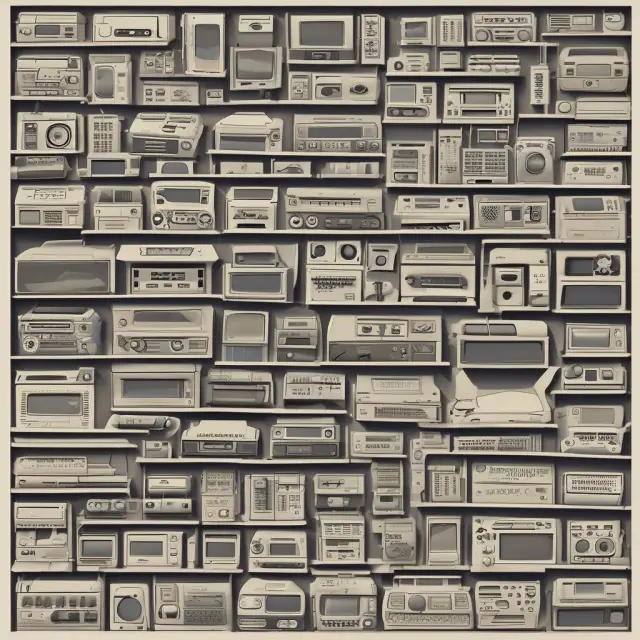
Functional obsolescence can significantly influence consumers’ personal choices and decision-making processes. It is the reduction of an item’s usefulness or desirability due to outdated design features that cannot be easily altered or updated. As technology advances, functional obsolescence becomes more prevalent in various industries, particularly consumer electronics and real estate. Consumers can mitigate losses from functional obsolescence by considering the long-term usefulness of their purchases. For example, before purchasing an electronic device such as a smartphone or laptop, consumers may want to consider whether they are willing or able to upgrade it when newer versions or technologies emerge.
Functional obsolescence can also impact consumers’ choices in terms of disposing of old products. The constant introduction of refreshed versions can lead to feelings of pressure to replace existing items even if they still function well, resulting in increased e-waste and associated environmental concerns. In the case of real estate, functional obsolescence often manifests as lower appraisal values due to outdated design features that do not meet current market standards or tastes.
Understanding Functional Obsolescence and Consumer Choices
To navigate the effects of functional obsolescence, consumers need to be aware of their options for mitigating losses. One strategy is to consider the long-term usefulness of a product. For instance, purchasing a high-quality, durable item that can be easily updated or modified when new technologies emerge may help reduce the impact of functional obsolescence on personal finances and environmental sustainability.
Another consideration for consumers is the importance of understanding their needs and preferences. A consumer’s usage patterns and priorities can help guide their decision-making process. For example, someone who only uses a basic smartphone might opt for a model with limited capabilities and a longer lifespan, whereas someone who relies heavily on advanced features may choose to upgrade more frequently.
Functional Obsolescence in Consumer Electronics: Examples and Strategies
Consumer electronics are an industry where functional obsolescence is particularly noticeable due to the constant introduction of newer versions with improved features. While this can lead to significant benefits, it also means that older devices become obsolete quickly. To minimize the impact of functional obsolescence on their finances and the environment, consumers might consider strategies such as:
- Repairing or refurbishing existing products instead of purchasing new ones.
- Opting for modular designs that allow upgrades or modifications to extend the lifespan of a product.
- Choosing devices with open-source software platforms that enable customization and community support.
Functional Obsolescence in Real Estate: Assessment and Solutions
Functional obsolescence is also relevant to real estate, as outdated design features or misalignment with market standards can decrease a property’s value. Homeowners and buyers may consider strategies such as renovation, demolition, or addition of new features to overcome functional obsolescence. Real estate appraisers use various methods to assess the impact of functional obsolescence on property values, but the process remains subjective due to the unique characteristics of each property and market conditions.
In conclusion, understanding functional obsolescence is essential for consumers to make informed decisions in both their personal and financial lives. By considering long-term usefulness and their individual needs, consumers can mitigate losses caused by functional obsolescence and contribute to a more sustainable consumer culture.

Functional Obsolescence in Consumer Electronics: Examples and Strategies for Companies
Functional obsolescence is a significant issue in the consumer electronics industry, where companies frequently release new, updated versions of their products to stay competitive. This constant introduction of newer models results in older devices becoming functionally obsolete over time. Understanding how functional obsolescence affects consumers and businesses can help mitigate potential risks and losses.
Functional Obsolescence Impacts on Consumers: A Case Study in Consumer Electronics
In the consumer electronics market, functional obsolescence often results in an item’s loss of desirability due to an outdated design feature or compatibility issue with newer devices. For example, a 10-year-old laptop may struggle to connect to newer WiFi networks, limiting its functionality and usefulness for consumers. To mitigate these losses, consumers must consider the long-term usefulness of the goods they purchase.
Avoiding Functional Obsolescence: Strategies for Companies in the Consumer Electronics Industry
To avoid functional obsolescence, companies must strike a balance between innovation and maintaining compatibility with existing products. For instance, Apple’s “Made for iPhone” certification program allows accessory manufacturers to create compatible accessories, ensuring that their older devices remain useful and relevant for consumers. This approach can help build brand loyalty and customer trust, as consumers appreciate companies that prioritize their needs and minimize the risks of functional obsolescence.
Planned Obsolescence: A Business Strategy with Ethical Implications
Some companies intentionally create planned obsolescence by designing products to become functionally obsolete within a specified timeframe. This strategy can be seen as an effort to maintain market dominance and revenue through frequent product releases. However, the ethical implications of planned obsolescence are often debated. Critics argue that it contributes to excessive waste and consumer frustration, while proponents believe it drives innovation and progress.
In conclusion, understanding functional obsolescence is crucial for both consumers and businesses in the consumer electronics industry. By staying informed about its potential risks and strategies for mitigating these risks, individuals can make more informed purchasing decisions, while companies can design products that meet consumer needs while maintaining compatibility with existing devices.

Functional Obsolescence in Real Estate: Assessment and Solutions
Functional obsolescence refers to the loss of value or desirability of a real estate property due to an outdated design feature, location, or outdated building code. This reduction in appeal can significantly impact appraisals and property values. In this section, we’ll discuss how to assess and address functional obsolescence in real estate.
Impact on Appraisal Values
Real estate is subject to the test of time, as design features and location preferences change over time. Functional obsolescence can result in lower appraisals due to outdated designs, building codes, or location-specific factors. For instance, an older home may have a smaller number of bathrooms compared to newer properties in the same neighborhood. This discrepancy can lead to a lower appraised value for the older property, even if it’s well-maintained.
Subjective Assessment Process
Assessing functional obsolescence in real estate is generally subjective due to various factors influencing buyers’ preferences and market trends. There isn’t one definitive method to measure functional obsolescence objectively, which can create challenges for both appraisers and property owners. However, a thorough understanding of the local real estate market, consumer demand, and recent sales data can help in assessing the impact of functional obsolescence on a property.
Renovation Solutions to Overcome Functional Obsolescence
While it’s challenging to avoid functional obsolescence entirely, homeowners can take steps to mitigate its effect and increase their property value. Renovations or upgrades aimed at modernizing the property are essential in this context. For example, updating a bathroom or kitchen design, improving energy efficiency, or adding more bedrooms or bathrooms can help bring an older house up to par with contemporary market standards. This approach can potentially increase a property’s appraised value and overall desirability to potential buyers.
In conclusion, functional obsolescence in real estate is a significant factor that can influence both property values and appraisals. By understanding the subjectivity of its assessment process and employing renovation strategies, homeowners and real estate professionals can navigate this complex issue effectively. Staying informed about local market trends and consumer preferences are crucial to minimizing the impact of functional obsolescence on your property’s value and desirability.

Understanding Planned Obsolescence: A Business Strategy
Functional obsolescence is not only a concern for individual consumers; it’s also an issue that companies need to consider when producing goods or services. Planned obsolescence refers to a deliberate strategy of making products obsolete within a predetermined time frame. This approach, while sometimes controversial, has been used in various industries as a means of driving sales and profits.
The concept of planned obsolescence dates back to the 1930s when companies began intentionally designing appliances that would wear out quickly, leading consumers to replace them more frequently. Today, this strategy is still prevalent in industries like consumer electronics, where technological advances render older devices obsolete and less desirable.
Companies employ several tactics to drive planned obsolescence. One method involves creating products with limited compatibility or upgradeability, ensuring that users must eventually replace them to keep up with the latest technology or trends. For instance, a smartphone manufacturer may release new models every year, making it challenging for consumers to maintain their current devices due to a lack of software updates or compatibility issues with newer applications.
Another tactic involves introducing proprietary technologies or standards that only work with specific products or services. This creates an ecosystem where users are locked into a particular brand, and upgrading or switching to another brand can be both expensive and inconvenient. For example, some camera manufacturers use unique battery types for their cameras, making it necessary for consumers to purchase new batteries each time they buy a new model.
The ethical implications of planned obsolescence are often debated. Critics argue that this strategy creates unnecessary waste and contributes to the growing problem of e-waste. Proponents, however, claim that it fuels innovation and growth in industries, leading to advancements that benefit consumers.
To counteract the impact of planned obsolescence on businesses and consumers, it’s essential to understand how it works and make informed decisions when purchasing products or services. This includes considering the long-term usefulness of a product, looking for devices with modular designs or upgradeable components, and evaluating whether proprietary technologies are essential or just marketing tactics.
In conclusion, planned obsolescence is a strategy used by businesses to make their products obsolete within a predetermined time frame. While it can lead to increased sales and profits, it also has ethical implications and can create unnecessary waste. Consumers can mitigate the impact of planned obsolescence by being informed and making thoughtful purchasing decisions. By considering the long-term usefulness of a product, looking for modular designs, and evaluating proprietary technologies, consumers can reduce their overall costs while minimizing waste.

Measuring Functional Obsolescence: Depreciation, Appraisals, and Objective Methods
Functional obsolescence is a significant concern for both consumers and businesses when it comes to asset depreciation or the loss of value due to an outdated feature or design. Measuring functional obsolescence can help individuals and organizations make informed decisions regarding their purchases, investments, and long-term planning.
Functional Obsolescence in Real Estate
In real estate, functional obsolescence often leads to a decrease in appraisal values. It refers to the loss of value when properties have outdated features that are not desirable to buyers or do not meet current market standards. For instance, an older home with one bathroom located in a neighborhood filled with newly built homes containing multiple bathrooms might be considered functionally obsolete.
Measuring functional obsolescence in real estate is a challenge due to its inherent subjectivity. While various methods have been attempted to objectively quantify the effect of functional obsolescence, appraisals and assessments remain largely subjective. Several factors contribute to these assessments, including location, design trends, and market demand.
To counteract functional obsolescence in real estate, renovations can sometimes be employed to restore a property’s functionality or attractiveness. Homeowners may choose to invest in upgrades that align with market preferences and standards to maintain their property’s value.
Functional Obsolescence in Consumer Electronics
In the realm of consumer electronics, functional obsolescence is a constant challenge. With companies continuously introducing newer versions of devices, older models can quickly become obsolete due to outdated technology or features that are no longer compatible with modern devices.
Functional Obsolescence and Depreciation
Depreciation is an essential aspect of measuring functional obsolescence in business assets. Depreciation refers to the decline in value of a tangible asset over time due to wear, tear, or technological advancements that make it less valuable. Companies can use various accounting methods, such as straight-line depreciation or declining balance method, to calculate the depreciation expense. By tracking an asset’s value over its useful life, companies can anticipate when it may become functionally obsolete and plan for upgrades or replacements accordingly.
Functional Obsolescence and Sustainability
The issue of functional obsolescence contributes significantly to sustainability concerns due to the waste generated by discarded devices and products. To reduce the environmental impact, individuals and organizations can make informed purchasing decisions based on product longevity and repairability, as well as invest in upgrades rather than replacing entire systems.
In conclusion, understanding functional obsolescence is crucial for consumers and businesses alike to make educated choices about their investments and long-term planning. By recognizing the methods to measure functional obsolescence and its implications, individuals and organizations can minimize losses and mitigate risks associated with outdated technologies or design features.
In real estate, functional obsolescence can significantly impact property values, making it essential for homeowners to stay informed about market trends and renovation possibilities. In consumer electronics, the importance of recognizing functional obsolescence lies in making purchasing decisions that prioritize long-term functionality and durability over short-term gains.
Functional Obsolescence in the Technology Industry: Examples and Implications for Users
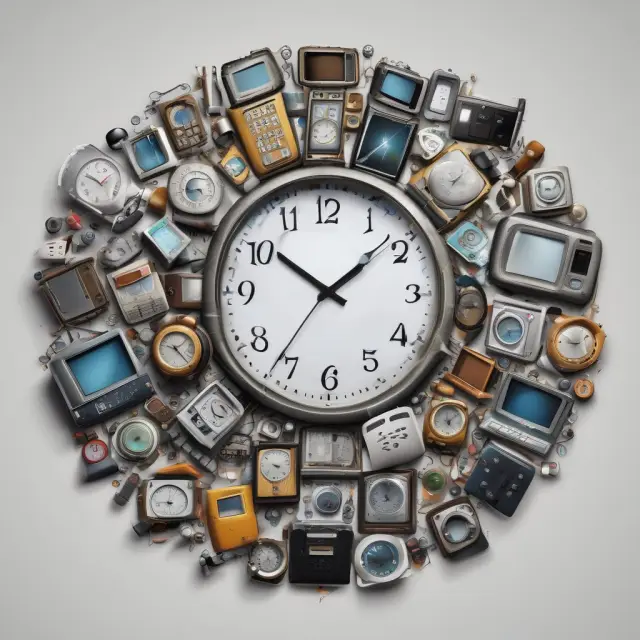
Functional obsolescence plays a significant role in the technology industry as new innovations render older devices or software obsolete. The continuous introduction of newer, upgraded versions forces consumers to consider frequent purchases to maintain functionality and compatibility with modern standards. Functional obsolescence in technology has far-reaching implications for both users and businesses.
Consumer Electronics
One common example of functional obsolescence in the technology industry is the consumer electronics market, where gadgets are regularly updated and upgraded. With the rapid pace of technological change, consumers often face the decision of whether to upgrade or replace their devices, leading to significant financial implications. For instance, older televisions with tube displays have been replaced by flat-screen TVs, leaving many entertainment centers functionally obsolete.
Smartphones are another prevalent example of functional obsolescence within the technology industry. With each new model comes a host of improved features and capabilities that can make even a relatively new smartphone feel outdated. As companies cease software updates or support for older devices, consumers may be forced to upgrade despite their preference or financial constraints.
Planned Obsolescence: A Business Strategy
Functional obsolescence is sometimes used strategically by businesses, known as planned obsolescence. This approach involves deliberately limiting a product’s lifespan to encourage frequent replacement purchases or upgrades. While some companies argue that planned obsolescence is necessary for innovation and progress, others face criticism for creating products with inherently short lifespans.
Functional Obsolescence in Real Estate: Parallels with Technology
The concept of functional obsolescence also applies to the real estate industry. For instance, a home might be considered functionally obsolete if its design does not meet modern standards or preferences, leading to reduced appraisal values and potential challenges for homeowners. While it can be more challenging to objectively quantify functional obsolescence in real estate compared to technology, identifying and addressing these issues can lead to significant improvements in the property’s value and desirability.
Mitigating Losses from Functional Obsolescence
To mitigate losses caused by functional obsolescence, consumers should consider the long-term usefulness of their purchases and focus on compatibility with future upgrades or enhancements. For instance, investing in devices that can be easily updated or repaired may help extend their usable life. Additionally, staying informed about market trends and technological advancements can enable users to make more informed decisions when considering a purchase or upgrade.
Understanding the Implications of Functional Obsolescence
Functional obsolescence is an inevitable part of the technology industry, but consumers can take steps to minimize its impact on their wallets and reduce waste by making informed choices based on long-term usefulness. By staying abreast of technological trends and considering compatibility with future upgrades, users can make purchases that are both functional and financially sustainable.
In summary, understanding functional obsolescence is crucial for consumers in the technology industry. The concept’s far-reaching implications include frequent updates, planned obsolescence, and potential financial losses. By being aware of these trends and taking steps to minimize their impact on their budgets, consumers can make informed decisions about their purchases while also reducing waste and environmental impact.
Functional Obsolescence and Sustainability: Reducing Waste and Increasing Durability
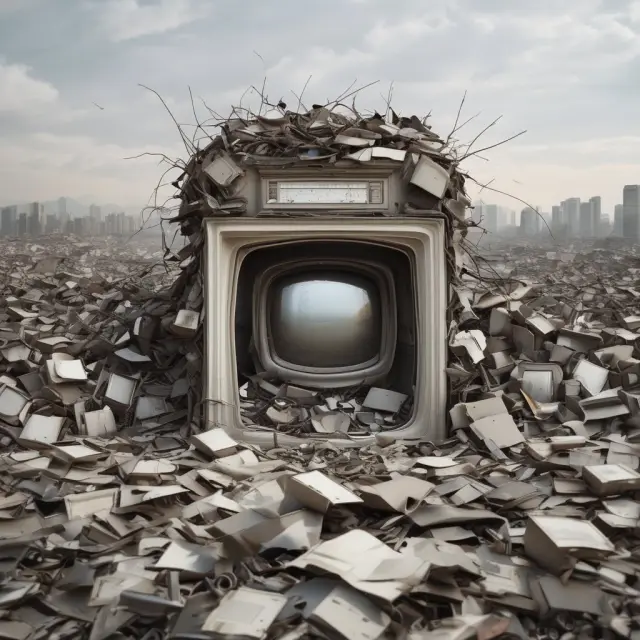
Functional obsolescence is an inevitable reality in various industries that ultimately contributes to significant waste. It’s the reduction of an object’s usefulness or desirability due to outdated design features or technologies which cannot be easily updated, leading to the need for replacement. In today’s fast-paced world, where new innovations and improvements are introduced almost daily, this can lead to a great deal of waste, both in terms of resources and financial costs.
One industry where functional obsolescence is prevalent is technology. Consumers are often lured into purchasing the latest versions of smartphones or computers, even if their current devices still function effectively, due to features that make their older models obsolete. This not only results in additional expenses for consumers but also has a significant impact on the environment with an estimated 53.6 million tons of e-waste generated annually worldwide (as per a report by the United Nations University).
Another industry where functional obsolescence is prevalent is real estate. Homes built several decades ago can become obsolete due to changing consumer preferences, neighborhood developments or even outdated building codes. For instance, consider a 1950s house with three bedrooms and one bathroom located in a gated subdivision filled with two-story houses containing five bedrooms and four bathrooms. The older house does not meet the demand for modern conveniences and larger living spaces, making it functionally obsolete.
Reducing waste caused by functional obsolescence is essential from both an environmental and economic standpoint. One strategy is to focus on durability and sustainability in design and manufacturing processes. This can be achieved through implementing modular designs which allow for easier upgrades and repairs, using eco-friendly materials, and adopting circular economy principles like reuse, repair, and recycling.
Another strategy involves consumer education about the importance of considering long-term usefulness before making a purchase. Consumers can also be encouraged to explore options that maximize the life cycle of their investments, such as upgrading individual components rather than entire systems or seeking out products designed for easy repair and maintenance. By reducing the pace at which consumers replace products, we can significantly reduce waste and associated resource consumption.
Planned obsolescence is a strategy employed by companies to ensure that current versions of their products will become obsolete within a known time period. This approach contributes to waste by encouraging consumers to discard perfectly functional items in favor of newer versions. While it may benefit businesses financially, it also raises ethical concerns and can have negative impacts on the environment and consumers’ wallets.
In conclusion, understanding functional obsolescence and its implications is crucial for both consumers and businesses alike. By embracing sustainable design principles, focusing on durability, and adopting a more mindful approach to consumption, we can reduce waste generated by functionally obsolete products and contribute positively to the environment.

Functional Obsolescence in Art: The Concept of ‘Obsolescence’ in the Art World
The term functional obsolescence is commonly used to describe how a product or object loses its value due to an outdated design feature that cannot be easily changed. However, it is important to recognize that this concept doesn’t only apply to consumer goods or real estate; it also extends to the world of art. In the realm of visual arts, functional obsolescence can refer to a work of art becoming less desirable due to societal changes and evolving trends.
Understanding Functional Obsolescence in Art
Functional obsolescence in the context of art can be traced back to historical movements and their changing influence on artistic styles and values throughout history. For instance, an artwork that was once revered during a particular era may later become less desirable or even forgotten as new trends emerge. A prime example can be found in the evolution of Impressionism, which emerged during the late 19th century as a radical departure from traditional academic painting styles. Initially, impressionist works were criticized for their lack of clear subject matter and visible brushstrokes that seemed haphazard to many viewers. However, as societal tastes shifted, these once controversial techniques became the foundation for modern art movements such as Post-Impressionism, Expressionism, and Fauvism.
Functional Obsolescence in Art: Examples and Implications for Collectors
As tastes change, so too can the desirability of certain works of art. For instance, an artist who was once celebrated for their groundbreaking techniques may eventually fall out of favor as new movements arise. Functional obsolescence in art can present challenges for collectors, especially those looking to build a comprehensive collection or invest in pieces with long-term value. Collecting art is not just about acquiring beautiful objects; it’s also about understanding the historical context and artistic trends that shape the market.
Functional Obsolescence: A Double-Edged Sword for Artists
Functional obsolescence can be a double-edged sword for artists, as their work may become less desirable in the eyes of collectors and dealers. However, it can also present opportunities to challenge established norms and create new trends that redefine artistic values. For example, during the Dada movement in the early 20th century, artists like Marcel Duchamp created works intended to shock and provoke viewers, thus paving the way for later movements like Surrealism and Conceptual Art.
Functional Obsolescence: Rediscovering Lost Masterpieces
Despite the ever-evolving nature of art trends, some forgotten or overlooked masterpieces can be rediscovered and appreciated anew. For example, the works of artists like Camille Pissarro and Mary Cassatt, who were once overshadowed by their more famous contemporaries such as Monet and Degas, have gained renewed recognition in recent years thanks to research and scholarly interest.
Functional Obsolescence and the Importance of Contextualizing Art
The concept of functional obsolescence in art emphasizes the importance of understanding historical context and artistic trends when evaluating a work of art’s desirability and potential value. By examining an artwork’s place within its historical and cultural context, collectors, scholars, and enthusiasts can develop a deeper appreciation for its significance and relevance.
In conclusion, functional obsolescence is not just a concern for consumers and businesses; it also plays a role in the ever-evolving world of art. By understanding how societal shifts can impact the desirability and value of works of art, collectors and enthusiasts can navigate this complex landscape and discover new perspectives on artistic trends that have stood the test of time.
Understanding Functional Obsolescence: A Key Takeaway
The concept of functional obsolescence in art highlights how societal changes, evolving tastes, and artistic movements shape the desirability and value of works of art. Collecting art requires an understanding of historical context and artistic trends to appreciate its significance and potential long-term value.

FAQs About Functional Obsolescence
Functional obsolescence (FO) is a term used when an object or asset becomes less useful, functional, or desirable due to the outdatedness of its design features that cannot be easily changed. While it primarily affects real estate and technology industries, FO can also apply to various other sectors such as furniture, vehicles, and consumer electronics. In this FAQ section, we answer some common questions regarding functional obsolescence, including misconceptions, examples, and potential solutions.
What is the difference between functional and economic obsolescence?
Functional obsolescence refers to the loss of an asset’s functionality or desirability due to outdated design features that cannot be easily changed. In contrast, economic obsolescence deals with the decrease in value caused by external factors such as changing market conditions, new technologies, or location-related issues.
How does functional obsolescence impact consumer electronics?
Functional obsolescence plays a significant role in the ever-evolving consumer electronics industry. Companies often release newer versions of devices with enhanced features and capabilities that make older models obsolete. This phenomenon is called planned obsolescence when companies intentionally design products to have a limited lifespan for marketing purposes, ensuring continuous sales growth.
What is the relationship between functional obsolescence and real estate appraisals?
Real estate appraisals take functional obsolescence into consideration while assessing property values. Functional obsolescence occurs when a property’s design features are outdated, not useful, or misaligned with market tastes and standards. For instance, an older home may have lower appraised value if it has fewer bedrooms than the average for the neighborhood, despite being otherwise well-maintained.
What are some strategies to mitigate functional obsolescence risks?
Consumers can consider the long-term usefulness of purchased goods to minimize potential losses caused by functional obsolescence. For example, choosing items that offer flexibility and compatibility with future upgrades or technologies can help extend their lifespan. Additionally, businesses can plan ahead and anticipate the need to sell or repurchase assets due to functional obsolescence risks.
How do companies deal with functional obsolescence in their business strategies?
Functional obsolescence is a crucial factor that companies consider when planning for long-term asset management. By calculating depreciation and tracking an asset’s declining usefulness, they can make informed decisions about when to sell or repurchase assets to maintain competitiveness. However, some companies adopt planned obsolescence as a strategy to ensure continuous sales growth by making their products functionally obsolete within a known time period.
What is the role of functional obsolescence in sustainable business practices?
Functional obsolescence contributes to waste and sustainability concerns, as it results in frequent replacement of goods that could have continued to serve their purpose with minor modifications. Adopting circular economy principles, such as repairing, refurbishing, or recycling products, can help reduce the environmental impact caused by functional obsolescence.
What is the ethical side of planned obsolescence?
Planned obsolescence raises ethical concerns when companies intentionally design products to become obsolete within a specific timeframe for marketing purposes, leading to increased consumer spending and waste. Companies can minimize these concerns by focusing on designing products that prioritize durability, flexibility, and compatibility with future technologies, rather than planned obsolescence strategies.
 Next entry · No. 1,705Understanding Fund Flow: A Key Indicator for Institutional Investors
See also
-
 No. 900
28 Jun 2024
18 min
Understanding Different Types of Debt: A Comprehensive Guide for Institutional Investors
Business Strategy
No. 900
28 Jun 2024
18 min
Understanding Different Types of Debt: A Comprehensive Guide for Institutional Investors
Business Strategy -
 No. 3,922
07 May 2025
21 min
Understanding Modern Payment Methods: Credit, Debit, Cash, and Mobile
Business Finance
No. 3,922
07 May 2025
21 min
Understanding Modern Payment Methods: Credit, Debit, Cash, and Mobile
Business Finance -
 No. 3,139
04 Mar 2025
19 min
Understanding Mastercard: An In-Depth Look into the Global Payments Processing Giant
Business Finance
No. 3,139
04 Mar 2025
19 min
Understanding Mastercard: An In-Depth Look into the Global Payments Processing Giant
Business Finance -
 No. 2,036
04 Dec 2024
20 min
Understanding the Hart-Scott-Rodino Antitrust Improvements Act of 1976: A Comprehensive Guide for Institutional Investors
Business Finance
No. 2,036
04 Dec 2024
20 min
Understanding the Hart-Scott-Rodino Antitrust Improvements Act of 1976: A Comprehensive Guide for Institutional Investors
Business Finance -
 No. 2,033
04 Dec 2024
19 min
Understanding the Harmonic Mean: Definition, Calculation, Differences from Arithmetic and Geometric Means, and Use Cases in Finance
Business Finance
No. 2,033
04 Dec 2024
19 min
Understanding the Harmonic Mean: Definition, Calculation, Differences from Arithmetic and Geometric Means, and Use Cases in Finance
Business Finance -
 No. 2,019
03 Dec 2024
19 min
Understanding Hard Call Protection in Bond Investing: Protecting Your Bonds from Early Redemption
Business Finance
No. 2,019
03 Dec 2024
19 min
Understanding Hard Call Protection in Bond Investing: Protecting Your Bonds from Early Redemption
Business Finance