Understanding General Public Distributions: From Private Companies to Publicly Traded Stocks

Understanding the concept, process, and benefits of general public distributions, including IPOs, in the context of private companies transitioning to…
Introduction to General Public Distributions
Understanding the concept of a general public distribution (GPD) is essential for investors and financial professionals seeking insights into the world of finance and investment. This term refers to the process by which a private company transitions to becoming a publicly traded entity through selling its shares to the public at large for the first time. Contrary to conventional public distributions, which primarily target institutional investors, general public distributions offer several benefits to both companies and their early investors.
Defining a General Public Distribution
A GPD is the process of issuing and distributing stocks or other securities to the general public through an Initial Public Offering (IPO). In this context, “the general public” refers to individuals and entities alike, encompassing both retail and institutional investors. By selling shares in a company’s IPO, that business can raise capital, expand, and generate liquidity for its earliest backers. Once sold, these newly issued shares are actively traded within the secondary market among various buyers and sellers.
Understanding the Process
A GPD marks the first time a private company offers its stocks to the public. The issuance of these securities is typically managed through an underwriter or investment bank. In the primary market, investors buy shares directly from the issuing company; in contrast, the secondary market sees transactions between buyers and sellers who trade shares among themselves.
Motivations for Companies
There are various reasons why a company might choose to undertake a GPD. One primary motivation is to fund expansion initiatives, such as building new facilities or acquiring competitors. Another motivation is to provide liquidity to early investors, some of whom may wish to cash out their investments. Furthermore, the prestige, credibility, and creditworthiness associated with publicly traded companies can also serve as significant incentives.
Role of the SEC
The Securities and Exchange Commission (SEC) plays an integral role in ensuring that IPOs are conducted fairly, transparently, and with equal access to potential investors. They oversee the registration process for these securities offerings and ensure that all necessary disclosures are made available to the public.
Understanding Retail vs. Institutional Ownership
The impact of retail vs. institutional ownership in primary and secondary markets varies. While the primary market is characterized by transactions between companies and investors, the secondary market sees continuous trading among individual and institutional investors. Both types of ownership ultimately matter as they help balance the supply and demand for publicly traded shares.
Real-World Examples
XYZ Corporation, a prominent technology company, serves as an excellent example of a successful GPD. They opted for equity financing through an IPO to fund expansion plans and raise capital, attracting both retail and institutional investors. Ultimately, the secondary market facilitated a balance in ownership, allowing the stock to be traded among various investors based on their valuations.
Challenges and Risks
While GPDs offer numerous advantages, they also come with challenges. Companies must navigate regulatory requirements and disclose extensive financial information to potential investors. Additionally, negative media coverage or market volatility can significantly impact shareholder value. Effective communication is crucial for companies to mitigate these risks and maintain investor confidence.
Conclusion:
By understanding the ins and outs of general public distributions, investors and financial professionals alike gain a valuable perspective on the intricacies of finance and investment. From the benefits that companies reap from going public to the role of the SEC in regulating IPOs, this concept plays a significant role in shaping capital markets and corporate growth strategies.
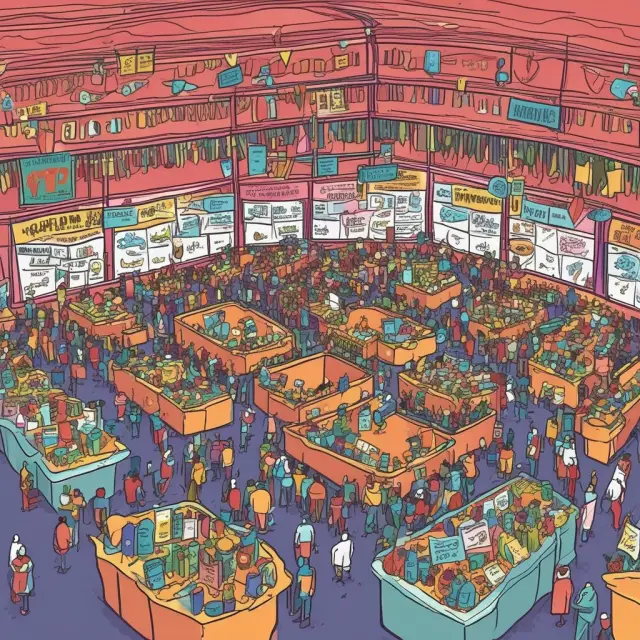
Defining a General Public Distribution
A general public distribution refers to an initial public offering (IPO) where a private company sells its shares to the wider public for the first time. This is different from conventional public distributions, which involve selling mostly to institutional investors, such as investment banks, hedge funds, and pension funds.
In the context of finance, the term ‘general public distribution’ signifies the transition of a private company into a publicly traded entity. It provides several benefits for both companies and early investors by enabling access to capital and enhancing liquidity.
Understanding Public Distributions: Primary vs. Secondary Markets
The primary market is where investors purchase securities directly from the issuing company, whereas the secondary market refers to transactions involving existing shares bought and sold among investors. When it comes to IPOs, companies choose whether to target a broader public audience or focus on institutional investors. This choice impacts their future ownership distribution and market presence.
When a company sells its shares in a general public distribution, it reaches a wider base of potential buyers. The primary market, where these initial sales take place, allows for more diversity in share ownership between retail and institutional investors, as well as a larger pool of capital for the business itself.
Post-IPO trading occurs primarily in the secondary market, where shares are bought and sold among existing owners. This active trading environment is essential since it provides liquidity to the company by ensuring that its stock remains attractive to potential buyers, even after the initial distribution of shares.
Why Go Public?
There are various reasons a company might consider a general public distribution:
1) Capital Raising: Companies may wish to raise funds for expansion plans like constructing new facilities, hiring additional employees, or increasing research and development initiatives.
2) Liquidity Enhancement: A successful IPO can increase liquidity by allowing early investors to cash out their shares while simultaneously providing a public market for subsequent trading activity.
3) Prestige & Credibility: The status of a publicly traded company often brings increased prestige, credibility, and creditworthiness in the business world.
A Real-World Example: XYZ Corporation’s IPO
XYZ Corporation, an emerging technology firm, seeks to fund its expansion plans by going public through a general public distribution. By selling shares to a diverse range of potential investors, XYZ maximizes its access to capital and investor base while ensuring liquidity for the company’s future growth. Following the IPO, trading activity will predominantly occur in the secondary market, allowing share ownership to be determined by those who value the stock most highly.

The Process of Conducting a General Public Distribution (IPO)
In finance and investment, the term general public distribution refers to the initial sale of a private company’s shares to the public at large through an Initial Public Offering (IPO). This is in contrast to conventional distributions, where shares are largely sold to institutional investors. By undertaking this process, a private company transforms into a publicly traded entity and enters the world of securities trading.
Understanding the Importance of Primary and Secondary Markets
The IPO transaction itself occurs within what is known as the primary market, where shares are bought directly from the issuing company. This is distinct from the secondary market, in which investors trade shares with each other, often at a premium or discount to their initial offering price. In most cases, the majority of transactions occur within the secondary market.
Advantages for Companies and Early Investors
There are several reasons why a company would choose to go public via a general public distribution (IPO). For instance, they might be looking to raise capital to fund expansion plans such as building new facilities, hiring additional employees, increasing research and development initiatives, or even acquiring competitors. In these instances, an IPO serves as a means of equity financing. Alternatively, a company may seek to increase liquidity for its early investors who wish to cash out their holdings. Moreover, becoming publicly traded brings a degree of prestige, credibility, and creditworthiness to the company that can be beneficial in various ways.
The Role of the Securities and Exchange Commission (SEC)
Before a private company can conduct an IPO and enter the public markets, it must first satisfy the regulatory requirements set forth by the Securities and Exchange Commission (SEC). The SEC plays a crucial role in ensuring fairness, transparency, and equal access to all investors. This includes the requirement that companies file a registration statement with the SEC, which outlines the details of their business, financial condition, and intended use of proceeds.
Real-World Examples of General Public Distributions (IPOs)
A prominent example of a successful general public distribution is XYZ Corporation, a technology company seeking to expand its operations abroad and acquire competitors. Weighing their fundraising options, XYZ decides on an IPO as the best choice for equity financing. To determine which type of IPO to pursue—general public or conventional—XYZ must consider the potential impact on retail vs. institutional investors. Ultimately, the secondary market plays a critical role in ensuring that shares are distributed according to investor demand and market sentiment. Regardless of who holds the majority of shares following the IPO, the secondary market allows for ongoing trading among participants, making it an essential component of public equity markets.

Why Companies Consider a General Public Distribution
A general public distribution (GPD), also known as an Initial Public Offering (IPO), offers private companies numerous benefits when they decide to sell their shares to the public. This section explores the motivations behind companies choosing this path, including expansion plans, increased liquidity, and gaining prestige and credibility.
Expansion Plans: Companies often consider a GPD as an effective means of raising funds for growth initiatives such as building new facilities, hiring employees, or pursuing R&D projects. For instance, XYZ Corporation, a prominent technology firm, is seeking to expand its reach beyond the US market by opening offices abroad and acquiring competitors. To finance these plans, it decided on equity financing via an IPO.
Increased Liquidity: A GPD can also serve the interests of early investors in a company who may wish to cash out their investment. By selling shares to the public through an IPO, these investors can realize their gains, while the company benefits from the influx of new capital for future endeavors.
Prestige, Credibility, and Creditworthiness: Going public also enhances a company’s reputation as it signals financial stability and success. Potential customers, partners, or even employees may be more inclined to engage with a publicly traded business due to the perceived legitimacy and transparency that comes with being listed on major exchanges.
In conclusion, companies opt for general public distributions (GPDs) to fund their growth plans, provide liquidity for early investors, and establish prestige and credibility within their respective industries. In the case of XYZ Corporation, going public enabled them to expand their business globally while providing a lucrative opportunity for initial investors to cash out their investments.
Understanding Retail vs. Institutional Ownership
In the next section, we’ll discuss the role of retail and institutional ownership in the context of general public distributions and its impact on both primary and secondary markets.

The Role of the Securities and Exchange Commission (SEC)
In the world of finance, the Securities and Exchange Commission (SEC) plays a crucial role in regulating general public distributions, most notably through its oversight of initial public offerings (IPOs). The SEC’s primary objective is to ensure that the IPO process is fair, transparent, and accessible to all investors. Let us discuss how they accomplish this:
Fairness: The SEC ensures fairness by mandating that all potential investors receive equal access to relevant information regarding the company’s financial situation, business model, and future prospects. This is crucial, as investors cannot make informed decisions without comprehensive disclosure. To ensure transparency, companies must submit a Registration Statement to the SEC, which outlines their business operations, financial condition, risks, and management structure. Furthermore, the SEC mandates that these documents be made publicly available through the Electronic Data Gathering, Analysis, and Retrieval (EDGAR) system, providing equal access to all investors, regardless of location or resources.
Transparency: The SEC’s commitment to transparency is evident in its regulations requiring companies to file periodic reports detailing their ongoing financial performance. These reports include quarterly earnings releases and annual reports, offering investors a consistent stream of up-to-date information about the company’s financial health and growth trajectory. Moreover, these reports are publicly available on EDGAR, allowing all investors equal access to essential information that can influence stock prices.
Equal Access: The SEC plays a significant role in ensuring equal access to IPOs for both institutional and retail investors. They accomplish this by mandating that all investors have an equal opportunity to purchase shares at the IPO price during the offering period, which is typically several days long. This policy levels the playing field, preventing large institutional investors from dominating the allocation of newly issued shares. Additionally, the SEC enforces strict regulations against insider trading and other forms of market manipulation, ensuring that all investors operate under a level playing field when participating in an IPO.
In conclusion, the SEC plays a vital role in regulating general public distributions by mandating fairness, transparency, and equal access to information for all investors. Their oversight helps protect potential investors from fraudulent or misleading practices while enabling companies to raise capital efficiently and fairly.

Understanding Retail vs. Institutional Ownership
In the world of finance and investment, general public distributions play a significant role in the growth of companies as they transition from private to publicly traded entities. One crucial aspect of this process is understanding the difference between retail and institutional ownership, two distinct categories of investors that impact both primary and secondary markets in unique ways.
Retail Ownership: Impact on Primary Markets
When a company decides to go public via an initial public offering (IPO), it sells its shares directly to the public for the first time. This transaction takes place in what is known as the primary market, which involves buying securities from the issuer itself. Retail investors are individual investors who participate in this process by purchasing newly issued stocks at their IPO price.
Retail ownership plays a vital role during an IPO because it generates significant demand and contributes to the overall success of the offering. High retail investor participation can increase visibility, build momentum, and provide a positive sentiment for the company’s stock in the secondary market. Moreover, strong retail demand can lead to a higher IPO price, benefiting early investors, as well as providing the company with more capital to fund its expansion plans.
However, it is essential to note that while retail ownership plays an important role during the primary market transaction, its influence wanes once the shares hit the secondary market. The primary market is a one-time event where the shares are sold for the first time at their IPO price, whereas the secondary market is an ongoing platform where investors buy and sell securities among themselves based on market demand and supply.
Secondary Market: Importance of Institutional Ownership
Institutional ownership refers to investments held by institutions such as mutual funds, hedge funds, pension funds, or insurance companies. These large organizations are significant players in the secondary market, which is where most trading activity occurs after the IPO. As a result, their presence can significantly impact the price of stocks and the overall liquidity of the shares.
Institutional investors play a crucial role in maintaining an orderly secondary market by providing liquidity to individual investors who wish to sell their holdings. Their involvement helps stabilize share prices during periods of high volatility or uncertainty, allowing retail investors to exit their positions without suffering significant losses. Additionally, institutional investors’ deep pockets and large trading volumes can influence stock prices through their buy-and-sell decisions.
A balanced distribution of ownership between retail and institutional investors is essential for the healthy functioning of a publicly traded company’s shares in both primary and secondary markets. This balance ensures that companies benefit from the demand generated by individual investors during the IPO while also securing the liquidity, stability, and price support offered by institutional investors in the secondary market.
In conclusion, understanding retail vs. institutional ownership is crucial to grasp the implications of general public distributions for both private companies transitioning to publicly traded entities and their investors. While retail ownership plays a critical role during primary market transactions, it’s essential that shares continue to find a healthy balance between individual and institutional owners in the secondary market to ensure stability, liquidity, and overall success for publicly traded stocks.

Real-World Examples of General Public Distributions (IPOs)
A general public distribution (GPD) comes into play when a private company offers its equity to the entire investing community for the first time. This process, commonly known as an Initial Public Offering (IPO), transforms a privately held corporation into a publicly traded company. Let’s dive deeper into one real-world example: XYZ Corporation.
XYZ Corporation is a burgeoning technology enterprise, gearing up for expansion and looking to raise capital. Their management team envisions growth through new foreign offices, additional hiring, R&D investments, and potential acquisitions. However, they are currently a private company, with limited access to significant sources of external funding. To address this challenge, XYZ decides to consider an Initial Public Offering (IPO).
The decision between launching a general public distribution (GPD) or a conventional public distribution hinges on various factors. In a GPD, a greater percentage of the shares are likely to be held by retail investors. The alternative—a conventional public distribution—typically leans toward institutional ownership. However, both options lead to similar outcomes in the long run. This is due to the secondary market’s role: once the shares have been sold in the primary market, they become subject to trading among buyers and sellers.
Now let us examine what happened with XYZ Corporation. During its IPO, it opted for a general public distribution strategy. However, institutional investors were initially favored due to their substantial financial resources and market influence. But remember that retail investors could still participate in the secondary market if they desired. This is where the beauty of a GPD comes into play: it ultimately ensures a balance in ownership between various investor classes based on supply and demand.
To illustrate this concept, let’s consider an example where there is significant unmet demand for XYZ shares from retail investors. These potential buyers might offer to purchase the shares held by institutional investors in the secondary market. Conversely, if the company had opted for a conventional public distribution and the shares were mostly owned by retail investors, but demand from institutions surged, retail investors would be able to sell their stakes. In this way, the secondary market fosters a healthy balance between various investor classes based on prevailing market conditions.
Now that you understand the importance of general public distributions and their real-world implications, let’s delve deeper into other aspects of this intriguing topic in future sections. Stay tuned for further insights into the role of the Securities and Exchange Commission (SEC), reasons why companies choose to go public, and the risks involved in a general public distribution.

Risks and Challenges in General Public Distributions
The process of a general public distribution (IPO) can pose significant risks and challenges for both companies and investors. Let’s examine these potential pitfalls and the methods by which they might be addressed through effective communication.
For privately-held corporations, the decision to go public represents a pivotal turning point in their corporate development. While an IPO provides numerous benefits such as access to additional capital, increased liquidity, and enhanced prestige, it also introduces a host of new responsibilities for management teams and shareholders alike.
One significant challenge companies face during the IPO process is accurately determining the price at which they should offer their shares to the public. This is often referred to as the “IPO pricing.” An incorrect pricing strategy can lead to either underpricing or overpricing the shares. Underpricing can result in a windfall for early investors, but it may also generate significant attention and demand from retail and institutional buyers, potentially leading to an inflated stock price that could prove unsustainable in the long run. Overpricing, on the other hand, can deter initial demand from potential investors, causing shares to languish on the market until their value becomes more attractive.
Another risk associated with IPOs is the potential for insufficient supply of shares available to meet investor demand. This may lead to a “short squeeze,” where short sellers (who have sold securities they do not yet own, hoping to buy them back at a lower price) find themselves unable to cover their positions when the stock price rises dramatically due to strong investor interest. In extreme cases, this can result in a short-term “pump and dump” scenario, where artificially inflated prices are rapidly unwound as sellers cash out, leaving unsuspecting retail investors with significant losses.
Effective communication plays a crucial role in mitigating these risks for all parties involved. Companies can engage in careful planning and preparation to ensure that their IPO pricing strategy is sound and well-received by the market. This may include conducting thorough market research, engaging in pre-IPO roadshows to generate interest among potential investors, and collaborating with underwriters to establish a fair and realistic offering price.
Similarly, clear and transparent communication from companies during the IPO process can help alleviate concerns about insufficient share supply or potential pricing volatility. This may include setting expectations for future growth plans, providing detailed financial statements that demonstrate a solid financial footing, and engaging in open dialogue with investors to address any concerns or questions they may have.
In conclusion, while the process of a general public distribution (IPO) offers numerous benefits for companies, it also presents significant risks and challenges for both issuers and investors alike. Effective communication is essential to mitigate these risks through accurate pricing strategies, transparency, and open dialogue between corporations and potential investors. By taking a proactive approach to communication during the IPO process, companies can help ensure a successful transition from private to publicly traded status and lay the groundwork for long-term success.

The Future of General Public Distributions and the Market
As companies look to join the ranks of publicly traded corporations, they often consider whether a general public distribution (IPO) is right for them. As market trends shift and strategies evolve, understanding what lies ahead for this process can help investors make informed decisions.
Changes in Market Trends: Over recent years, there has been a noticeable trend towards direct listings and SPACs (Special Purpose Acquisition Companies) as alternative routes for companies to enter the public market. Direct listings involve selling existing shares directly to the public instead of issuing new ones during an IPO. On the other hand, SPACs are blank check companies created specifically to merge with or acquire privately held businesses and bring them to the public markets. This shift could change the landscape for future general public distributions.
Evolving Strategies: Companies may weigh the pros and cons of a traditional IPO versus more unconventional methods like direct listings or SPACs. Factors such as cost, time, control, and investor base can all influence their decision. For instance, a startup with limited financial resources might opt for a smaller, less expensive alternative method to join the public markets.
Predictions for Future Developments: As market trends continue to evolve, general public distributions could see more regulatory scrutiny as well as technological advancements impacting the process. Regulations may tighten around areas like data privacy and investor protection. On the other hand, improvements in technology could streamline the application and underwriting processes, potentially making it easier for companies to go public.
In conclusion, understanding general public distributions is crucial for anyone interested in investing in publicly traded securities. As the market evolves, staying informed about changes in trends, strategies, and regulations will help investors make more informed decisions. By following developments closely, they can be better prepared to capitalize on opportunities while minimizing risks.

FAQs: Frequently Asked Questions About General Public Distributions
What exactly is a general public distribution?
A general public distribution, also known as an Initial Public Offering (IPO), refers to the process of selling privately owned shares of stock from a company to the public for the first time. This allows companies to access larger investor pools and raises capital while providing liquidity to early investors.
How does a general public distribution differ from a conventional public distribution?
In a conventional public distribution, large institutions and sophisticated investors dominate the purchasing process of securities. In contrast, a general public distribution aims for broader participation among smaller investors and individual retail buyers. Both IPOs result in similar medium-term and long-term effects since shares are traded extensively in the secondary market among various investors.
What takes place during an Initial Public Offering (IPO)?
An IPO is a one-time event where a company sells its ownership stakes to the public. The issuer sets a price per share and determines the number of shares to be issued. Companies may choose between selling shares directly to a large pool of investors or focusing on institutional investors. Once shares are sold in the primary market, they are traded among investors in the secondary market.
Why do companies undertake an Initial Public Offering (IPO)?
Companies opt for an IPO when they need to raise capital for expansion, increase liquidity, and gain credibility, prestige, and creditworthiness associated with publicly-traded entities. In turn, the issuance of new shares may lead to higher share prices as demand for the stock grows in the secondary market.
What role does the Securities and Exchange Commission (SEC) play during an Initial Public Offering (IPO)?
The SEC ensures fairness, transparency, and equal access to investors by overseeing the IPO process. They set regulations that require companies to disclose detailed financial information about their business, structure, and ownership to potential investors. This helps investors make informed decisions based on accurate data while protecting them from fraudulent activities.
What is retail vs. institutional ownership in the context of a general public distribution?
Retail ownership refers to individual investor participation, while institutional ownership represents large funds, pension plans, mutual funds, and hedge funds. The proportion of shares held by each type varies between IPOs, with retail investors dominating some while institutions dominate others. Both play vital roles in the primary and secondary markets since shares are ultimately traded among all investors, regardless of ownership type.
Can you provide an example of a successful general public distribution?
XYZ Corporation is a technology company seeking funding for its expansion plans through an IPO. They choose between selling their shares to a broader investor base or focusing on large institutions. Regardless of the initial allocation of shares, secondary market trading allows retail and institutional investors to buy/sell them as needed, leading to balanced ownership based on demand.
What are potential risks for companies going public?
Companies may face negative publicity, dilution of shareholder value, and high transaction costs during the IPO process. Effective communication with investors and transparency about business operations can mitigate these risks, ensuring a successful transition to a publicly-traded company.
 Next entry · No. 1,777Understanding Generation Gaps: Bridging the Divide between Different Age Cohorts
See also
-
 No. 4,075
20 May 2025
21 min
Understanding Primary and Secondary Markets: A Guide for Institutional Investors
Business Finance
No. 4,075
20 May 2025
21 min
Understanding Primary and Secondary Markets: A Guide for Institutional Investors
Business Finance -
 No. 3,281
16 Mar 2025
21 min
Understanding Mortgage Originators: Bridging Primary and Secondary Markets
Mortgage
No. 3,281
16 Mar 2025
21 min
Understanding Mortgage Originators: Bridging Primary and Secondary Markets
Mortgage -
 No. 5,494
13 Sep 2025
18 min
Understanding Vintage in Mortgage-Backed Securities (MBS): A Key Risk Factor
Finance Policy
No. 5,494
13 Sep 2025
18 min
Understanding Vintage in Mortgage-Backed Securities (MBS): A Key Risk Factor
Finance Policy -
 No. 5,395
05 Sep 2025
22 min
Valuation Analysis: Estimating the Worth of Assets through Various Methodologies and Models
Finance Policy
No. 5,395
05 Sep 2025
22 min
Valuation Analysis: Estimating the Worth of Assets through Various Methodologies and Models
Finance Policy -
 No. 5,368
02 Sep 2025
17 min
Understanding UST: The United States Treasury and Its Securities
Finance Policy
No. 5,368
02 Sep 2025
17 min
Understanding UST: The United States Treasury and Its Securities
Finance Policy -
 No. 4,649
05 Jul 2025
19 min
Understanding Short Covering: The Importance of Buying Back Borrowed Securities
Finance Policy
No. 4,649
05 Jul 2025
19 min
Understanding Short Covering: The Importance of Buying Back Borrowed Securities
Finance Policy