Understanding Homo Economicus: The Rational Actor in Neoclassical Economics
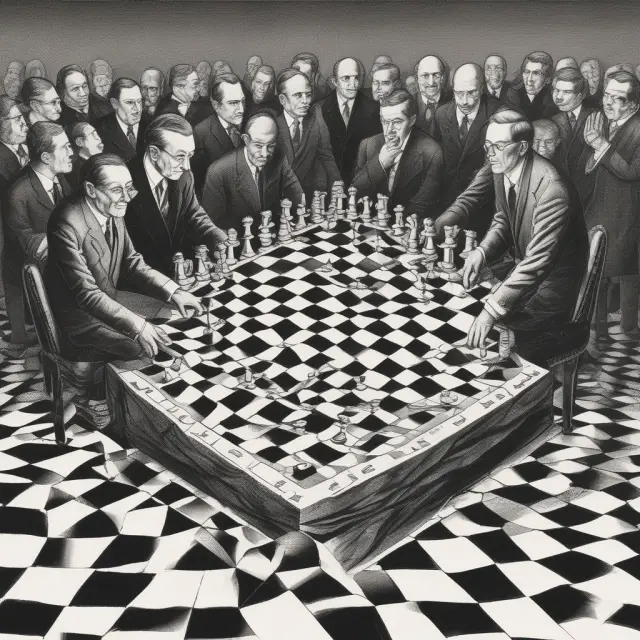
Understand the role of rational actor theory in Neoclassical Economics with an exploration of Homo Economicus. Key traits, history, critiques, and…
Introduction to Homo Economicus
Homo economicus, a theoretical concept in neoclassical economics, represents an idealized human being with perfect rationality, self-interest, and the sole objective of maximizing profits or utility. The term was first introduced by the English philosopher John Stuart Mill in 1836 as part of the new field of political economy. This section will delve into the key features of homo economicus and discuss its limitations and criticisms.
Origins of Homo Economicus
The concept of homo economicus originated from Mill’s essay On the Definition of Political Economy and on the Method of Investigation Proper to It, where he described an abstract human subject primarily concerned with wealth acquisition and unencumbered by other desires or motivations. The theory assumes that people have a fixed set of preferences and consistently make rational choices based on their self-interest.
Defining Traits of Homo Economicus
The defining characteristics of homo economicus include perfect rationality, complete self-interest, infinite cognitive capacity, access to perfect information, and preference consistency. Homo economicus is considered an ideal decision-maker who always acts in the most efficient way possible to achieve their goals, which are primarily focused on wealth or utility maximization.
Limitations and Criticisms of Homo Economicus
Despite its widespread use in neoclassical economics, homo economicus faces significant limitations and criticisms from various perspectives, such as behavioral economics, neuroeconomics, and alternative decision-making models. Critics argue that humans are not purely rational beings but rather exhibit irrational behavior in certain situations. Moreover, the assumption of narrow self-interest does not account for altruistic or cooperative behaviors observed in reality.
Homo Economicus in Modern Economics
In modern economics, homo economicus continues to be a fundamental concept, particularly in microeconomics. It serves as the basis for rational decision-making and maximization of utility or profit in various contexts. The assumption of perfect competition in markets relies on numerous homo economicus agents acting independently to ensure efficient outcomes.
Alternative Decision-Making Models
Alternative decision-making models, such as homo reciprocans, homo politicus, and homo sociologicus, challenge the assumptions of perfect rationality and self-interest inherent in homo economicus. These alternative models account for various factors, like social influence and emotions, that affect human decision-making.
Real-World Examples of Homo Economicus
Despite its criticisms, homo economicus remains a useful tool in understanding certain aspects of human behavior. For example, the businessperson seeking to maximize profits or the consumer attempting to optimize their utility can be analyzed using this theoretical lens. The concept can also provide insights into various phenomena like market efficiency and the role of incentives in shaping decision-making.
Influence of Adam Smith on Homo Economicus
The work of Scottish philosopher Adam Smith, particularly his seminal book “The Wealth of Nations,” significantly influenced the development of homo economicus. Smith’s ideas about self-interest, division of labor, and the invisible hand contributed to the emergence of neoclassical economics and the concept of rational economic agents.
Implications of Homo Economicus for Public Policy
Homo economicus has important implications for public policy, particularly in areas like taxation, regulation, and social welfare programs. By understanding how individuals make decisions and respond to incentives, policymakers can design interventions that effectively address market failures and promote economic efficiency. The concept of homo economicus also highlights the importance of individual freedom and property rights in a market economy.
FAQs about Homo Economicus
What is the definition of homo economicus?
A: Homo economicus is a theoretical representation of a rational human being, primarily concerned with maximizing profits or utility.
Who introduced the concept of homo economicus?
A: John Stuart Mill first used the term in his 1836 essay On the Definition of Political Economy and on the Method of Investigation Proper to It.
What are the main criticisms of homo economicus?
A: Critics argue that it oversimplifies human behavior, assuming perfect rationality, self-interest, and other unrealistic assumptions that do not hold in real life.
How does homo economicus relate to Adam Smith’s ideas?
A: Homo economicus is influenced by Adam Smith’s concepts of self-interest, division of labor, and the invisible hand.
What are alternative decision-making models to homo economicus?
A: Alternative models include homo reciprocans, homo politicus, and homo sociologicus, which account for various factors influencing human behavior beyond self-interest and rationality.
Origins of Homo Economicus
The theoretical concept of homo economicus, or economic man, has deep roots in the history of economics, originating from an essay by the English philosopher and economist John Stuart Mill in 1836. In this work, Mill sought to define political economy and its subject matter, which he identified as a ‘being who desires to possess wealth.’ This theoretical person was abstracted from the complexities of real human behavior for the purpose of understanding economic principles.
Mill’s subject was a rational individual, driven by self-interest in the pursuit of wealth. He believed that political economy should focus on this hypothetical being while ignoring other motivations, such as luxury and having children. Mill’s ideas laid the foundation for the concept of homo economicus, which became an essential component of neoclassical economics, particularly in microeconomics.
In modern economic thought, homo economicus is characterized by several traits: perfect rationality, flawless information access, unwavering self-interest, and consistent preferences. These assumptions are crucial for mathematical modeling and equilibrium analysis within economic theories. However, critics argue that these traits do not accurately represent human decision-making in real life.
The limitations of homo economicus have been highlighted by behavioral economics and neuroeconomics research, which demonstrates the irrational aspects of human behavior. Despite these criticisms, homo economicus remains a useful tool for understanding certain aspects of human behavior within the context of economic models. By acknowledging its limitations and recognizing alternative decision-making models, economists can build a more comprehensive understanding of human behavior in various domains.
Homo Economicus and Adam Smith
Although John Stuart Mill is often associated with the origins of homo economicus, it’s important to note that his views differed from those of another influential thinker in economics—Adam Smith. While both men discussed self-interest and its role in economic behavior, they approached the concept differently.
Smith believed that individuals pursuing their own self-interests would contribute to societal prosperity through the “invisible hand,” a metaphor for the market forces that coordinate individual actions to produce collective benefits. In contrast, Mill’s homo economicus was an abstracted, rational being with infinite cognitive capacity and complete knowledge of economic conditions.
Understanding the differences between these two influential thinkers provides valuable insights into the evolution of economic thought and the role of self-interest in economic models. By examining their ideas and debating their implications, we can better appreciate the complexities of human decision-making within various economic contexts.

Defining Traits of Homo Economicus
Homo economicus, also known as ‘economic man,’ is a theoretical representation of an ideal decision-maker within neoclassical economic theory. This construct assumes individuals act rationally, driven primarily by self-interest and profit maximization. In reality, however, human behavior does not conform perfectly to homo economicus traits.
Key Traits
- Rationality – making decisions in pursuit of maximum profit or utility, without bias.
- Perfect Information Access – having all relevant information for decision-making.
- Narrow Self-Interest – focused on personal gain.
- Preference Consistency – consistent preferences and goals over time.
- Unlimited Cognitive Capacity – the ability to process any amount of information.
The emergence of homo economicus can be traced back to John Stuart Mill’s 1836 essay, “On the Definition of Political Economy and on the Method of Investigation Proper to It.” This essay set the stage for the characterization of human beings as beings who desire wealth and make decisions based primarily on this objective.
In neoclassical economic models, homo economicus is a cornerstone assumption, with three key tenets: rational decisions, maximizing utility, and self-interest orientation. However, critics argue that real-life decision-making does not align perfectly with these assumptions. As Daniel Kahneman and Amos Tversky’s Prospect Theory (1979) demonstrates, humans are not always rational when it comes to risks related to gains versus losses. The homo economicus concept faces challenges in accounting for human behavior outside of idealized decision-making scenarios.
As an alternative, scholars have proposed various models to better capture the complexities and nuances of human decision-making:
- Homo reciprocans – rewards positive actions and punishes negative ones.
- Homo politicus – acts in the best interest of society.
- Homo sociologicus – influenced by societal forces.
Despite its limitations, homo economicus remains a valuable tool for understanding certain aspects of human behavior within an idealized framework. However, it is crucial to recognize that real-life decision-making processes are more nuanced and often involve multiple factors beyond those captured in the homo economicus construct.

Limitations and Criticisms of Homo Economicus
Since its inception, homo economicus, or rational economic man, has been a fundamental concept in neoclassical economics. The idea is that people make rational decisions to maximize their utility or profit, based on complete information and self-interest. However, the assumption that humans behave like perfect rational agents, as envisioned by homo economicus, has faced significant challenges from various sources. In this section, we will discuss some of the limitations and criticisms of homo economicus and alternative decision-making models that have emerged in response to its shortcomings.
The Origins of Homo Economicus
Homo economicus’ roots can be traced back to an essay by English philosopher John Stuart Mill titled “On the Definition of Political Economy,” published in 1836. In this work, Mill presented a definition of political economy that abstracted humans into a being driven primarily by their pursuit of wealth and profit. Mill believed that human desires could be categorized as either necessary or luxury goods and that these tastes were passed down from generation to generation (Mill, 1836).
Defining Traits of Homo Economicus
The defining traits of homo economicus include rationality, self-interest, perfect access to information, and preference consistency. Homo economicus is assumed to be a rational decision maker with flawless reasoning, an unlimited cognitive capacity, and a constant goal to maximize profits or utility. However, modern research in behavioral economics and neuroeconomics has shown that human beings are far from being perfectly rational decision makers (Kahneman & Tversky, 1979).
Limitations of Homo Economicus
One major limitation of homo economicus is the assumption of rationality. Researchers such as Daniel Kahneman and Amos Tversky have demonstrated that people often make irrational decisions, particularly in response to risk (Kahneman & Tversky, 1979). Their Prospect Theory suggests that people’s attitudes towards risks associated with gains are different from those concerning losses. This is in contrast to homo economicus’ assumption of consistent preference for maximizing profit or utility regardless of the context.
Another limitation is the narrow focus on self-interest, which fails to acknowledge the role of altruism and social considerations in human decision making (Batson, Ahmad, & Tsang, 2002). Homo economicus assumes that people are solely motivated by their own interests, ignoring the influence of empathy, altruism, and social norms on behavior.
Furthermore, homo economicus assumes that individuals have perfect access to information, which is not always the case. This limits its applicability in real-world situations where people face information asymmetry or uncertainty (Akerlof, 1970).
Alternative Decision-Making Models
Several alternative decision-making models have been proposed to address the limitations of homo economicus. These include:
- Homo Reciprocans: This model represents a person who rewards positive actions and punishes negative ones, acknowledging the role of reciprocity in human behavior (Fehr & Fischbacher, 2003).
- Homo Politicus: This model represents a person who acts in the best interests of society as a whole rather than just their self-interest (Muth, 1961).
- Homo Sociologicus: This model acknowledges the influence of societal forces and social norms on human behavior, recognizing that individuals are not always perfectly rational decision makers (Mead, 1954).
Real-World Examples of Homo Economicus
Despite its limitations, homo economicus remains a useful concept in understanding certain aspects of economic behavior. For instance, it provides a framework for analyzing the behavior of firms seeking to maximize profits and consumers attempting to optimize their utility. However, it is essential to remember that human beings are complex entities that often deviate from this idealized representation.
Conclusion
In conclusion, homo economicus has been an influential concept in neoclassical economics but faces significant limitations, particularly regarding the assumption of rationality and self-interest. Alternative decision-making models have emerged to address these shortcomings and provide a more comprehensive understanding of human behavior in various contexts. As economists continue their quest for a better understanding of human decision making, it is crucial to recognize both the strengths and limitations of homo economicus and embrace the insights provided by alternative frameworks.
References:
Ahmad, M., Batson, C. D., & Tsang, J. A. (2002). The altruism questionnaire: Development and validation of a multidimensional measure of helping, empathy, and morality. Personality and Social Psychology Review, 6(3), 197-215.
Akerlof, G. A. (1970). The Market for Lemons: Information Asymmetry and the Market Mechanism. Quarterly Journal of Economics, 84(3), 488-500.
Fehr, E., & Fischbacher, U. (2003). A Theory of Fairness, Reciprocity, Altruism, and Cooperation. Quarterly Journal of Economic Theory, 117-161.
Kahneman, D., & Tversky, A. (1979). Prospect Theory: An Analysis of Decision under Risk. Econometrica, 47(2), 263-292.
Mead, G. H. (1954). Mind, Self, and Society: From the Standpoint of a Social Behaviorist. The University of Chicago Press.
Mill, J. S. (1836). On the Definition of Political Economy, and on the Method of Investigation Proper to It. John W. Parker & Son.
Muth, H. (1961). A test of the hypothesis of rational behavior in economics. Econometrica, 29(3), 315-327.

Homo Economicus in Modern Economics
The concept of homo economicus, or rational man, continues to play a significant role in modern economics, particularly within the realm of neoclassical economics and microeconomics. Homo economicus is characterized by its assumption that individuals and organizations make decisions based on self-interest, with the primary goal being profit maximization or utility maximization.
Neoclassical economists rely on three fundamental assumptions: rational decision-making, maximization of utility, and a self-interested orientation. This notion assumes that individuals are consciously making decisions driven by their own self-interest, they possess all relevant information for making rational calculations, and companies prioritize maximizing profits while individuals pursue utmost utility.
Homo economicus is often referred to as the “economic man,” as it represents a theoretical representation of how economists believe humans approach decision-making. However, the theory faces criticism from various angles due to its limited ability to account for irrational behavior and external factors that can influence choices.
One of the most notable critics of homo economicus is Daniel Kahneman, an Israeli-American psychologist and Nobel laureate. Along with Amos Tversky, he co-founded the field of behavioral economics and challenged the rationality assumption underpinning homo economicus with their 1979 paper “Prospect Theory: An Analysis of Decision under Risk.” Kahneman and Tversky’s research revealed that people demonstrate risk aversion, as they are more likely to avoid losses than to seek equal gains.
Despite these criticisms, homo economicus remains an essential concept in economics, offering valuable insights into human behavior, particularly when making decisions related to the allocation of resources. This understanding can be applied to various situations and scenarios, from business transactions and market dynamics to public policy and individual financial decision-making. Understanding homo economicus provides a foundation for exploring alternative models of human behavior, such as homo reciprocans, homo politicus, or homo sociologicus, allowing us to gain a more nuanced perspective on the complexities of human decision-making processes.

Alternative Decision-Making Models
While homo economicus serves as a useful theoretical tool in economics, it is important to recognize that human behavior is not always rational or self-interested. In fact, there are several alternative decision-making models that provide a more nuanced understanding of how individuals make choices. In this section, we will explore three such models: homo reciprocans, homo politicus, and homo sociologicus.
1. Homo Reciprocans: This model describes a person who rewards positive actions and punishes negative ones. The concept is rooted in the idea of reciprocity – the belief that people should return favors or respond to actions in kind. Homo reciprocans is particularly relevant in explaining social interactions, as it highlights the role of altruism, cooperation, and trust in human relationships.
2. Homo Politicus: This model represents a person who acts for the common good of their society. It posits that individuals prioritize collective interests over their own self-interest. Homo politicus is an important perspective when considering how public policy decisions impact the welfare of various groups within a society, and how individuals may respond to such policies based on their sense of civic duty or communal spirit.
3. Homo Sociologicus: This model focuses on the social influences that shape individual decision-making. It acknowledges the role of societal norms, values, and expectations in guiding people’s choices. The homo sociologicus perspective is especially valuable for understanding how cultural factors and group dynamics affect economic behavior and decision-making, as it offers a more holistic view of human beings that goes beyond the narrow focus on rational self-interest.
While these alternative models do not replace homo economicus entirely, they offer a richer and more comprehensive understanding of human behavior in various contexts. By acknowledging the complexities of human decision-making, we can develop more accurate and effective economic theories that better reflect reality.
Now that we have discussed alternative decision-making models, let’s explore their implications for public policy. In the next section, we will discuss how these models can help us understand the role of government in regulating markets and addressing social issues.
Implications for Public Policy: The Role of Homo Economicus, Homo Politicus, and Homo Sociologicus
Understanding the different decision-making models can provide valuable insights when designing public policies that address various economic and societal challenges. In this section, we will examine how homo economicus, homo politicus, and homo sociologicus influence policy decisions related to market regulation, social welfare, and sustainable development.
Market Regulation
Homo Economicus – This model is the foundation of neoclassical economics, which emphasizes market efficiency and individual rationality. Public policies based on this perspective aim to minimize government intervention in markets and allow competition to drive efficient outcomes. However, homo economicus cannot fully capture the complexities of human behavior, such as irrational preferences or externalities (the impact of individual actions on others).
Homo Politicus – This model highlights individuals’ role as members of a larger society, with responsibilities and duties to their community. Policymakers employing this perspective might focus more on addressing market failures that result from the collective action problem or the presence of externalities. They may implement policies such as progressive taxes, public goods provision, and regulations aimed at protecting consumer interests or ensuring fair competition.
Homo Sociologicus – This model emphasizes the role of social influences in shaping human behavior and decision-making. Policymakers adopting this perspective might focus on addressing social issues by addressing the underlying root causes, such as cultural norms or societal structures that hinder individuals from making rational decisions. Examples include policies aimed at promoting education, increasing awareness, and fostering inclusive economic opportunities.
Social Welfare
Homo Economicus – This model assumes individuals act in their self-interest, with the goal of maximizing utility. Policymakers employing this perspective might focus on programs that directly benefit individuals, such as those aimed at providing basic income or addressing poverty. However, homo economicus does not fully capture how social connections and relationships influence people’s well-being and happiness.
Homo Politicus – This model emphasizes the importance of collective action and public good provision. Policymakers adopting this perspective might focus on policies that address societal needs, such as those related to education, healthcare, and infrastructure development. They may also consider the potential impact of these policies on overall social cohesion and equality, rather than solely focusing on individual utility maximization.
Homo Sociologicus – This model highlights the role of social influences in shaping well-being and happiness. Policymakers adopting this perspective might focus on programs that address the underlying causes of social issues, such as poverty or inequality. They may also consider how policies impact various groups differently based on their cultural backgrounds and societal roles.
Sustainable Development
Homo Economicus – This model assumes individuals act in their self-interest, with a primary focus on maximizing profits or utility. Policymakers employing this perspective might focus on incentives for businesses to invest in sustainable practices and technologies as they can lead to cost savings over the long term. However, homo economicus does not fully account for the externalities of unsustainable practices on future generations or the natural environment.
Homo Politicus – This model emphasizes the role of public policy in addressing environmental issues and promoting sustainable development. Policymakers adopting this perspective might focus on regulations that encourage businesses to adopt sustainable practices, such as carbon pricing or subsidies for renewable energy. They may also consider the potential long-term benefits for society as a whole, rather than just focusing on short-term profits.
Homo Sociologicus – This model highlights the role of social norms and cultural values in shaping individual behavior related to sustainable development. Policymakers adopting this perspective might focus on initiatives that promote awareness and education regarding environmental issues, as well as those that address the underlying societal drivers of unsustainable practices.
In conclusion, understanding different decision-making models can provide policymakers with valuable insights when designing effective public policies. By acknowledging the complexities of human behavior, policymakers can create interventions that better address societal needs and promote sustainable development. In the next section, we will explore how these models influence the design of economic institutions and organizations.
Designing Economic Institutions: The Role of Homo Economicus, Homo Politicus, and Homo Sociologicus
In this section, we will examine how the different decision-making models inform the design of economic institutions and organizations. We will explore how homo economicus, homo politicus, and homo sociologicus influence the structure and functioning of markets, firms, and international organizations.
Markets:
Homo Economicus – In a market system based on this model, individuals act rationally to maximize their utility, while firms compete to minimize costs and maximize profits. Market institutions are designed to facilitate efficient exchange through competition, with the goal of providing goods and services that meet consumers’ preferences at the lowest possible price. However, homo economicus does not fully capture the complexities of human behavior, such as externalities, information asymmetry, or social preferences.
Homo Politicus – In a market system based on this model, individuals consider their role within society and act in the interest of the common good. Market institutions are designed to address collective action problems and market failures through regulation and public policy interventions aimed at promoting fair competition, consumer protection, and environmental sustainability. Homo politicus emphasizes that markets should not be solely driven by self-interest but instead balanced with social responsibility.
Homo Sociologicus – In a market system based on this model, individuals’ behavior is shaped by their social contexts, values, and norms. Market institutions are designed to address the role of social influences in economic decision-making through policies that promote awareness, education, and cultural understanding. Homo sociologicus emphasizes the importance of considering how markets impact various social groups differently and the potential long-term consequences for society as a whole.
Firms:
Homo Economicus – In a firm based on this model, individuals aim to maximize profits by making rational decisions that optimally allocate resources. The organization is designed around clear goals, hierarchical structures, and performance metrics. However, homo economicus does not fully capture the complexities of organizational behavior, such as employee motivation, social dynamics, or knowledge sharing.
Homo Politicus – In a firm based on this model, individuals consider their role within the organization and act in the interest of the common good. The organization is designed to promote collaboration, innovation, and social responsibility. Homo politicus emphasizes that firms should not be solely focused on maximizing profits but instead balanced with concerns for employee well-being, social welfare, and long-term sustainability.
Homo Sociologicus – In a firm based on this model, individuals’ behavior is shaped by their social contexts, values, and norms. The organization is designed to promote cultural understanding, encourage open communication, and address the underlying causes of conflicts or inefficiencies within the workplace. Homo sociologicus emphasizes the importance of considering how organizational structures impact various groups differently and the potential long-term consequences for employee morale and overall success.
International Organizations
Homo Economicus – In an international organization based on this model, countries act rationally to maximize their national interests while cooperating to achieve collective goals. The organization is designed to facilitate negotiations and agreements between nations through the exchange of resources or services. However, homo economicus does not fully capture the complexities of international relations, such as power dynamics, conflicting values, or cultural differences.
Homo Politicus – In an international organization based on this model, countries consider their role within the larger global community and act in the interest of collective good. The organization is designed to address global issues through collaboration and cooperation among member states. Homo politicus emphasizes that international organizations should not be solely focused on national interests but instead balanced with a commitment to social responsibility and the common welfare of humanity.
Homo Sociologicus – In an international organization based on this model, countries’ behavior is shaped by their cultural contexts, values, and norms. The organization is designed to promote understanding, dialogue, and cooperation among member states by addressing the underlying causes of conflicts or misunderstandings. Homo sociologicus emphasizes the importance of considering how organizational structures impact various nations differently and the potential long-term consequences for global cooperation and peace.
In conclusion, understanding different decision-making models is crucial when designing economic institutions and organizations. By acknowledging the complexities of human behavior, policymakers can create interventions that better address societal needs, promote sustainable development, and foster peaceful international relations. In the final section, we will explore how these models influence individual behavior in different contexts and discuss their implications for personal finance and investment decision-making.
Individual Behavior: The Role of Homo Economicus, Homo Politicus, and Homo Sociologicus
In this section, we will examine how the different decision-making models influence individual behavior in various contexts, focusing on personal finance and investment decision-making. We will explore the implications of homo economicus, homo politicus, and homo sociologicus for financial literacy, risk tolerance, and ethical investing.
Financial Literacy
Homo Economicus – Individuals focus on maximizing their financial returns by making rational decisions based on available information. Financial literacy is essential for making informed investment choices, and individuals are encouraged to educate themselves about markets, financial instruments, and risks. However, homo economicus does not fully capture the complexities of personal finance, such as behavioral biases, cognitive limitations, or external influences.
Homo Politicus – Individuals consider their role within their communities and act in the interest of social responsibility. Financial literacy is essential for ensuring that individuals make informed decisions not only for themselves but also for the broader community. Financial education programs can help promote financial inclusion, reduce inequality, and create a more stable economic environment for everyone. Homo politicus emphasizes the importance of considering the impact of personal finance on others and the long-term consequences for society as a whole.
Homo Sociologicus – Individuals’ behavior is shaped by their social contexts, values, and norms. Financial literacy programs that take a sociological approach consider how cultural influences and social structures impact individual financial decision-making. This perspective encourages the adoption of more holistic approaches to financial education, such as incorporating real-world examples, group discussions, or community engagement activities. Homo sociologicus emphasizes the importance of understanding how personal finance intersects with various societal factors and the potential long-term consequences for individuals and their communities.
Risk Tolerance
Homo Economicus – Individuals make rational decisions based on available information to maximize their returns while minimizing risks. Risk tolerance is a crucial factor in investment decision-making, and homo economicus encourages individuals to assess their risk appetite and adjust their investment strategies accordingly. However, this perspective does not fully capture the complexities of human behavior, such as emotional responses, cognitive biases, or social influences on risk perceptions.
Homo Politicus – Individuals consider their role within society and act in the interest of the common good when making financial decisions. Risk tolerance is essential for ensuring that individuals make informed choices not only for themselves but also for the broader community. Financial education programs can help individuals understand the implications of their investment decisions on others and encourage them to consider the long-term consequences for society as a whole. Homo politicus emphasizes the importance of considering the impact of personal financial decisions on social stability and economic sustainability.
Homo Sociologicus – Individuals’ behavior is shaped by their social contexts, values, and norms when making investment decisions. Risk tolerance is influenced by various cultural factors and societal structures, such as family background, peer influence, or economic opportunities. Financial education programs that adopt a sociological approach consider how these influences impact individuals’ risk perceptions and decision-making processes. Homo sociologicus emphasizes the importance of understanding how personal financial decisions intersect with various societal factors and the potential long-term consequences for individuals and their communities.
Ethical Investing
Homo Economicus – Individuals make rational decisions based on available information to maximize their returns while considering ethical concerns. Ethical investing is a growing trend that emphasizes aligning personal values with financial choices, and homo economicus encourages individuals to evaluate the potential impact of their investments on various stakeholders. However, this perspective does not fully capture the complexities of human behavior, such as moral dilemmas, conflicting interests, or the role of power dynamics in influencing ethical decisions.
Homo Politicus – Individuals consider their role within society and act in the interest of social responsibility when making financial decisions. Ethical investing is essential for ensuring that individuals make informed choices not only for themselves but also for the broader community. Financial education programs can help individuals understand the implications of ethical investing on various stakeholders, including shareholders, employees, customers, and the environment. Homo politicus emphasizes the importance of considering the impact of personal financial decisions on social justice and the common welfare of humanity.
Homo Sociologicus – Individuals’ behavior is shaped by their social contexts, values, and norms when making ethical investment decisions. Financial education programs that adopt a sociological approach consider how cultural influences and social structures impact individuals’ ethical decision-making processes. This perspective encourages the adoption of more nuanced approaches to ethical investing, such as considering the historical and societal contexts of various industries or companies, engaging in dialogue with stakeholders, or exploring alternative investment opportunities that align with societal values. Homo sociologicus emphasizes the importance of understanding how personal financial decisions intersect with various societal factors and the potential long-term consequences for individuals, communities, and humanity as a whole.
In conclusion, understanding different decision-making models is essential for making informed financial choices that reflect your unique perspective. By acknowledging the complexities of human behavior, you can develop a more holistic approach to personal finance and investment decision-making that considers not only your own interests but also those of your community and society as a whole.
In the final section of this article, we will discuss some practical steps for applying these models in your financial decision-making and explore future research directions in the field of behavioral economics and personal finance.

Real-World Examples of Homo Economicus
Homo economicus, an idealized concept in neoclassical economics, is a rational decision-maker with complete information, perfect self-interest, and profit maximization. However, it’s essential to acknowledge that this representation of humans does not accurately reflect real life. Let us explore how homo economicus manifests itself in various contexts, such as business dealings and philanthropy.
Business Transactions
The quintessential example of homo economicus is a businessperson whose primary goal is profit maximization. They evaluate each transaction or decision based on its potential to generate revenue. A business may automate processes or lay off employees in pursuit of higher productivity, while getting rid of non-performing divisions to focus on profitable segments.
Investment Behavior
Homo economicus theory applies not only to entrepreneurs but also to investors. They are believed to make rational decisions when it comes to investing their money for the best possible returns, considering factors like risk and time horizon. The stock market is a perfect illustration of homo economicus behavior at work, with buyers and sellers continuously adjusting prices based on new information.
Philanthropy
One apparent contradiction to homo economicus theory is philanthropy. It may seem counterintuitive that someone would voluntarily give away money or resources without any direct financial benefit. However, some economists argue that philanthropy can still be explained using the rational choice framework. They suggest that philanthropic actions lead to indirect benefits such as positive public image and social connections.
Examples from History
Historical figures like Andrew Carnegie, who gave away most of his wealth during his lifetime, demonstrate how homo economicus principles can apply even in cases of philanthropy. By giving away a significant portion of their wealth, these individuals maximized their long-term utility while also leaving a lasting impact on society.
Limitations and Criticisms
Despite its usefulness as an idealized representation, it is crucial to recognize that homo economicus does not capture the full complexity of human decision-making. Modern behavioral economics and neuroeconomics emphasize the role of emotions, biases, and social influences in our choices. As a result, some economists argue that alternative models like homo reciprocans, homo politicus, or homo sociologicus might be more accurate in explaining human behavior.
However, homo economicus remains a valuable concept within economics, particularly when analyzing market interactions and maximizing profits. It serves as a foundation for understanding the underlying principles of supply, demand, and utility optimization. Its influence can be seen in microeconomics and other areas where efficient decision-making is crucial.
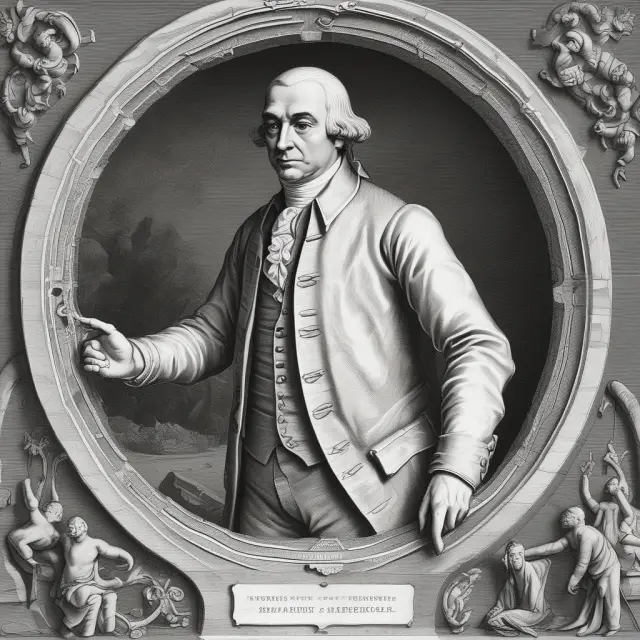
The Influence of Adam Smith on Homo Economicus
One of the most influential thinkers in economics, especially with regards to modern market-oriented economic theory, is Adam Smith. His seminal work “An Inquiry into the Nature and Causes of the Wealth of Nations,” published in 1776, introduced the world to the concept of an ‘invisible hand’ that regulates markets and leads to overall social welfare. This idea has shaped the way economists perceive homo economicus, as Smith’s ideas on human behavior played a crucial role in forming the basis for the neoclassical economic model.
Adam Smith believed that individuals were driven by self-interest but not solely focused on it; he acknowledged that they could also act altruistically and cooperatively within society. While homo economicus shares some aspects with Smith’s concept, such as the emphasis on rational decision-making and profit maximization, there are key differences between them.
Firstly, Adam Smith recognized the importance of social context and institutions in shaping human behavior. He believed that individuals were influenced by societal norms, and their actions could have unintended positive effects on society as a whole through the ‘invisible hand’ mechanism. In contrast, homo economicus operates solely based on personal goals without consideration for broader social implications.
Secondly, Smith acknowledged that individuals had limited information and cognitive abilities, which influenced their decision-making. He believed that markets could overcome these limitations by allowing individuals to engage in exchange with each other, sharing information and incentivizing efficiency. Homo economicus, on the other hand, is assumed to have perfect knowledge and cognitive abilities.
Lastly, Smith did not view humans as inherently rational; instead, he recognized that they made mistakes and were influenced by emotions. He believed in the concept of ‘moral sentiments,’ which included feelings like sympathy, empathy, and morality. Homo economicus, however, is a purely rational actor who makes decisions solely based on self-interest and utility maximization.
Despite these differences, Adam Smith’s ideas have had a profound impact on the development of homo economicus as a theoretical concept in economics. The influence can be seen in various aspects of neoclassical economics, such as the belief in market efficiency, rational decision-making, and the role of self-interest in shaping behavior. By understanding Smith’s ideas and their relationship to homo economicus, we gain a deeper appreciation for the historical context and foundation of modern economic theory.

Implications of Homo Economicus for Public Policy
The implications of homo economicus on public policy can be far-reaching and significant, particularly when it comes to issues such as government regulations, interventions, and market structures. Let’s explore some of these implications in more detail.
First, the assumption that individuals make rational decisions, with perfect information and a self-interested orientation, can have profound effects on the role of government intervention and regulation. Neoclassical economists argue that if people are making rational choices based on their own self-interest, then the market should be allowed to operate freely, without interference from the government. This view is often summarized by the famous quote from Milton Friedman: “The role of the government in a free society is to protect property rights, enforce contracts, and provide a stable monetary framework.”
However, critics argue that this perspective ignores the reality that individuals do not always make rational decisions or possess complete information. In such cases, they may need help from the government to ensure fair and efficient markets, as well as to address market failures (e.g., externalities, public goods, or information asymmetries). For instance, governments may impose taxes, regulations, or subsidies to internalize negative externalities (such as pollution), provide public goods (like education or infrastructure), or promote competition in monopolistic markets.
Another implication of homo economicus for public policy is the debate about income redistribution and welfare programs. According to this theory, people are always acting to maximize their own self-interest. This could potentially lead to significant income inequality, as those with greater resources and opportunities are better positioned to make more profitable decisions. Neoclassical economists argue that such income disparities are a necessary consequence of individual freedom and incentives. They suggest that welfare programs should be limited or even eliminated altogether because they can discourage work effort and reduce overall economic efficiency.
However, critics counter that homo economicus does not fully capture the complexity of human motivations and behavior. Behavioral economics research shows that individuals often make decisions based on factors other than purely self-interest (e.g., social norms, altruism, or emotions). Moreover, income inequality can have significant negative consequences for both individuals and society as a whole, such as reduced opportunities, increased crime rates, and social unrest. In response, governments may choose to implement policies aimed at reducing income disparities, such as progressive taxation, affordable housing programs, or education initiatives.
Lastly, the implications of homo economicus for public policy extend to debates about market structures and competition. Neoclassical economists argue that perfect competition is the ideal market structure, as it ensures that markets operate efficiently and resources are allocated optimally. However, this assumption relies on the belief that all firms and consumers possess perfect knowledge of market conditions and act rationally in their decision-making. In reality, many markets do not meet these assumptions, and imperfect competition can lead to market power, price distortions, or inefficient outcomes.
As a result, governments may choose to regulate certain industries (e.g., utilities, telecommunications, or banking) to ensure fair competition and protect consumers from predatory practices. They may also use antitrust laws to break up monopolies or prevent mergers that could reduce competition. In such cases, the assumptions of homo economicus play a crucial role in guiding policy decisions but are often subject to debate and revision based on empirical evidence and changing economic conditions.

FAQs about Homo Economicus
What is homo economicus?
Homo economicus, or economic man, is a theoretical abstraction used to describe rational human decision-making within neoclassical economics. This idealized representation of economic agents assumes that individuals make rational decisions based on self-interest and the pursuit of maximum profit or utility.
Where did the concept of homo economicus originate?
The term was first introduced in John Stuart Mill’s essay “On the Definition of Political Economy” published in 1836, where he described an individual with a primary goal of acquiring wealth and disregarding other human motives for the sake of economics.
Is homo economicus a realistic representation of human behavior?
Critics argue that homo economicus is an idealized and simplistic model, as human decision-making involves emotions, biases, and non-rational factors. Modern behavioral economics and neuroeconomics challenge the rationality assumption.
What are some limitations of homo economicus?
Limitations include a focus on maximizing profit or utility, the assumption that individuals have perfect information and cognitive capacity, and the neglect of social influences and externalities.
How is homo economicus used in modern economics?
In neoclassical microeconomics, this model helps explain how markets work, with consumers attempting to maximize utility by purchasing goods up to their budget constraint, and firms striving for profit maximization. However, it faces criticisms due to its simplistic representation of human behavior.
What are some alternatives to homo economicus?
Behavioral economics proposes alternative decision-making models such as homo reciprocans (person who rewards positive actions and punishes negative ones), homo politicus (person that acts in society’s best interest), and homo sociologicus (person influenced by societal factors). These models offer a more nuanced understanding of human behavior.
Can you provide an example of homo economicus?
The most common example is the businessperson, who aims for maximum profit by automating operations or getting rid of non-performing assets to focus on profitable areas. However, real-world situations reveal that humans do not always adhere strictly to this model as they consider factors beyond pure rationality and self-interest.
How does homo economicus contrast with Adam Smith’s views?
Adam Smith, the father of modern economics, emphasized that individuals are driven by both self-interest and moral sentiments in his seminal work, “The Theory of Moral Sentiments.” While sharing some similarities with homo economicus, he acknowledged the influence of societal norms and human emotions.
 Next entry · No. 2,189The Assumption of Homogeneous Expectations in Modern Portfolio Theory: An In-depth Analysis
See also
-
 No. 4,285
06 Jun 2025
22 min
Understanding Rational Choice Theory: Its Principles, Advantages, Disadvantages and Real-World Examples
Economics
No. 4,285
06 Jun 2025
22 min
Understanding Rational Choice Theory: Its Principles, Advantages, Disadvantages and Real-World Examples
Economics -
 No. 3,406
26 Mar 2025
20 min
Neoclassical Economics: Theory and Implications
Economics
No. 3,406
26 Mar 2025
20 min
Neoclassical Economics: Theory and Implications
Economics -
 No. 2,698
27 Jan 2025
20 min
Understanding Keynesian Economics: Origins and Key Concepts
Economics
No. 2,698
27 Jan 2025
20 min
Understanding Keynesian Economics: Origins and Key Concepts
Economics -
 No. 4,284
06 Jun 2025
20 min
Rational Behavior: Understanding the Economic Theory and Its Real-Life Implications
Business Finance
No. 4,284
06 Jun 2025
20 min
Rational Behavior: Understanding the Economic Theory and Its Real-Life Implications
Business Finance -
 No. 5,679
29 Sep 2025
20 min
Understanding Welfare Economics: Maximizing Social Utility and Efficiency
Economics
No. 5,679
29 Sep 2025
20 min
Understanding Welfare Economics: Maximizing Social Utility and Efficiency
Economics -
 No. 5,595
22 Sep 2025
21 min
Understanding Walras’s Law: Balancing Supply and Demand in Economics
Economics
No. 5,595
22 Sep 2025
21 min
Understanding Walras’s Law: Balancing Supply and Demand in Economics
Economics