Understanding Industrial Banks: A State-chartered Financial Institution with Controversial Origins

Discover the history and controversy surrounding industrial banks – state-chartered financial institutions that offer banking services to nonfinancial…
History of Industrial Banks
Industrial banks, also known as industrial loan companies (ILCs), represent an intriguing departure from traditional commercial banking. Established in the early 1900s, these state-chartered financial institutions were founded to cater to the financial needs of workers who faced difficulties accessing credit through conventional lending institutions. With a unique ownership structure and regulatory framework, industrial banks have continued to evolve, becoming a subject of controversy and intrigue in the modern era.
Origins and Purpose
Tracing their roots back to the early 20th century, industrial banks were designed as a financial alternative for industrial workers facing barriers when attempting to secure loans at traditional institutions. These banks’ niche focus on serving this particular demographic set them apart from conventional commercial banks. As a result, they have filled an essential role in providing accessible credit options to individuals who might otherwise be overlooked by mainstream lenders.
Regulation and Ownership
Industrial banks operate under state charters, with the majority being granted in Utah, making them unique entities within the financial landscape. They are typically owned by commercial firms but remain exempt from federal banking agency oversight, save for regulation by state regulators and the Federal Deposit Insurance Corporation (FDIC). Their distinct corporate structure allows them to maintain a level of independence from traditional financial institutions.
Industrial Banks vs. Traditional Commercial Banks
While both industrial banks and traditional commercial banks provide deposit-taking services and extend loans, they differ significantly in their regulatory oversight and chartering processes. Industrial banks are subject only to state regulations and do not comply with the Bank Holding Company Act or face Federal Reserve supervision, offering greater autonomy to these institutions.
Controversy and Criticisms
The lack of federal regulation has sparked controversy surrounding industrial banks, as critics argue that they grant companies the benefits of a banking charter without providing them with necessary oversight. This concern was amplified in 2005 when Walmart, one of the world’s largest retailers, applied for an industrial bank charter to reduce credit and debit card transaction fees. The move drew significant opposition from commercial banks, regulators, and consumer groups, ultimately leading to a temporary moratorium on new applications.
In conclusion, the history of industrial banks offers valuable insights into their origins, purpose, and ongoing role within the financial system. As technology continues to reshape the industry and innovative companies explore the potential benefits of an industrial bank charter, the debate surrounding these institutions’ regulatory framework and implications for consumer protection will persist. In the following sections, we shall further delve into the complexities surrounding industrial banks, their modern relevance, and the arguments both in favor and against their existence.

Regulation and Ownership
Industrial Banks: A State-chartered Financial Institution with Controversial Origins
Industrial banks, also known as industrial loan companies (ILCs), are a unique financial institution that has been the subject of controversy due to their lack of regulation by federal agencies and their ownership structure. These institutions were initially established in the early 1900s to cater to the financial needs of industrial workers who could not qualify for credit at traditional lending institutions (Levine, 2016). Industrial banks are state-chartered entities, meaning they receive authorization from individual states and operate under the regulations set forth by those states. Unlike commercial banks, which have federal regulators like the Federal Reserve, industrial banks are not subject to direct oversight by any federal agency (Levine, 2016).
A defining characteristic of industrial banks is their ownership structure; they can be owned by commercial firms and corporations. While this offers unique benefits for the owning entity, such as increased control over its financing and ability to provide banking services to its customers directly, it has sparked debate among policymakers, industry experts, and financial regulators (Levine, 2016). In fact, industrial banks’ non-banking company ownership structure is one of the primary reasons that they have faced criticism for potentially blurring the line between banking and commerce.
Understanding Regulatory Landscape
The regulation of industrial banks primarily rests with state regulators and the Federal Deposit Insurance Corporation (FDIC) (Levine, 2016). State-level oversight includes requirements related to capital adequacy, safety and soundness, consumer protection, and compliance with anti-money laundering regulations. The FDIC’s role comes into play when industrial banks apply for deposit insurance coverage. While this does not equate to direct regulatory control, it provides a level of assurance to consumers that their deposits will be protected should the bank fail (Levine, 2016).
As previously mentioned, industrial banks are not subject to supervision by the Federal Reserve. This is a point of contention for many, as the Fed’s regulatory role plays an integral part in maintaining financial stability and ensuring consumer protection within the banking sector (Levine, 2016). The lack of federal oversight has resulted in concerns regarding potential risks to financial stability and questions about how these banks would be managed during times of economic instability or crisis.
Industrial Banks vs. Commercial Banks: A Comparative Analysis
Another significant difference between industrial banks and traditional commercial banks lies in their chartering, regulatory frameworks, and powers (Levine, 2016). Industrial banks are chartered at the state level, while commercial banks have a federal charter. Although both types of institutions offer similar services, such as accepting deposits, providing loans, and offering other banking products and services, industrial banks typically possess more limited geographic reach due to their state-specific charters (Levine, 2016).
Moreover, the Bank Holding Company Act does not apply to industrial banks, which means they can operate with a greater degree of autonomy and flexibility compared to commercial banks (Levine, 2016). This flexibility has piqued the interest of nonfinancial companies and financial technology firms looking to enter the banking industry without being subjected to extensive federal regulations.
Controversy and Criticisms Surrounding Industrial Banks
The lack of direct regulatory control by federal agencies is a source of concern for many policymakers, financial regulators, and industry experts who fear that industrial banks may pose risks to consumers, the banking system, and financial stability (Levine, 2016). In particular, Walmart’s failed attempt to create a new industrial bank in 2005 raised significant controversy due to potential conflicts of interest between banking and commerce. This case demonstrated that industrial banks could potentially provide companies with advantages and privileges beyond those afforded to traditional financial institutions (Levine, 2016).
In response to the increasing number of fintech companies seeking industrial bank charters, the Independent Community Bankers of America (ICBA) called for a moratorium on providing federal deposit insurance to these new entities. The ICBA’s concerns stem from the potential risks that non-banking activities may pose to financial stability and the importance of maintaining separation between banking and commerce (ICBA, 2019).
Senator John Kennedy’s Proposed Bill: Closing the Loophole on Industrial Banks
To address these concerns, Senator John Kennedy of Louisiana proposed a bill called the “Eliminating Corporate Shadow Banking Act of 2019,” which aims to effectively end industrial banks’ ability to offer banking services. This legislation seeks to maintain the separation between banking and commerce while ensuring that nonfinancial companies cannot evade federal regulatory oversight by obtaining state-chartered bank status (Kennedy, 2019).
As the debate surrounding industrial banks continues, it is essential to acknowledge both the advantages and risks these institutions pose. While they offer increased competition within the banking industry and the potential for greater financial innovation, they also introduce challenges related to regulatory oversight, conflicts of interest, and potential threats to financial stability. Balancing these competing concerns will require continued dialogue between policymakers, financial regulators, and industry experts to ensure that any regulatory frameworks put in place are designed to protect consumers while fostering a thriving and innovative banking sector.

Industrial Banks vs. Traditional Commercial Banks
Industrial banks and traditional commercial banks differ significantly in their chartering, regulatory frameworks, and powers. While both types of institutions provide financial services like accepting deposits and offering loans, they are subject to different rules and oversight.
Originally established to cater to the banking needs of low-to-moderate income industrial workers who were unable to secure credit from traditional banks, industrial banks were chartered by states instead of federal authorities. Utah is the leading state in granting industrial bank charters within the U.S. Unlike commercial banks, industrial banks are not subject to the same level of federal regulation, such as those imposed by the Federal Reserve. Instead, they are governed by state regulators and the Federal Deposit Insurance Corporation (FDIC).
Industrial banks’ unique corporate structure sets them apart from traditional banking institutions. They can be owned by commercial firms and offer banking services to both consumers and small businesses. However, industrial banks do not comply with regulations like the Bank Holding Company Act, which applies to large commercial banks. This allows nonfinancial companies to apply for charters and enter the financial sector.
Industrial banks have gained considerable attention due to their status as a potential loophole for nonfinancial companies seeking to provide banking services without regulatory oversight from federal agencies. Fintech companies and investment firms have increasingly turned to industrial bank charters, leading to criticisms that they do not face the same level of scrutiny as traditional banks.
In contrast, commercial banks are regulated by federal agencies such as the Federal Reserve and the Office of the Comptroller of the Currency (OCC), which set standards for capital adequacy, consumer protection, and risk management. These regulations ensure that commercial banks operate in a stable and secure manner, protecting depositors’ funds and maintaining financial stability.
The debate surrounding industrial banks stems from their unique status as state-chartered institutions that are not subject to the same level of federal oversight. Critics argue that this lack of regulation exposes consumers and the banking system to potential risks. For instance, if an industrial bank were to face financial instability, it could pose a threat to the FDIC Deposit Insurance Fund.
Moreover, industrial banks have faced controversy due to their ability to be owned by nonfinancial firms. This setup raises concerns about conflicts of interest and potential misuse of depositor funds for nonbanking purposes. For example, Walmart’s failed attempt to establish an industrial bank in 2005 sparked opposition from commercial banks and financial regulators due to the retail giant’s size and influence in the market.
In response, organizations like the Independent Community Bankers of America (ICBA) have called for a moratorium on federal deposit insurance for industrial banks. They argue that this would help maintain the separation between banking and commerce. In 2019, Senator John Kennedy introduced the “Eliminating Corporate Shadow Banking Act” to end industrial banks’ ability to provide banking services, citing concerns over the potential risks they pose to the financial system.
In conclusion, understanding the differences between industrial and commercial banks is crucial for assessing their roles in the financial sector and evaluating the implications of their unique regulatory frameworks. While both types of institutions offer financial services, their chartering, ownership structures, and regulations set them apart from one another. As industrial banks continue to attract controversy due to their lack of federal oversight and potential risks to consumers, it is essential to consider both sides of the debate in order to make informed decisions about the future of the banking landscape.

Controversy and Criticisms
Industrial banks, also known as industrial loan companies (ILCs), are a state-chartered financial institution that is not regulated by a federal banking agency but has the power to accept customer deposits and offer loans. Established in the early 1900s, these institutions were initially designed to cater to the needs of industrial workers who struggled to secure credit from traditional lending institutions. While state regulators and the Federal Deposit Insurance Corp. (FDIC) oversee industrial banks, their unique structure allows companies to own them – a privilege not granted to commercial firms under federal banking regulations. This lack of comprehensive oversight by federal agencies has sparked controversy and criticisms from various stakeholders.
Walmart’s Application for a New Industrial Bank
A major turning point in the debate surrounding industrial banks came in 2005 when Walmart, the world’s largest retailer, applied for an industrial bank charter to reduce credit and debit card transaction fees. The move ignited widespread opposition from commercial banks and financial regulators, leading to a temporary moratorium on new applications in 2006. Critics argued that allowing Walmart to engage in banking activities posed a potential threat to the banking system and the FDIC Deposit Insurance Fund.
Call for a Moratorium on Industrial Bank Charters
In response to this growing controversy, the Independent Community Bankers of America (ICBA) called for a moratorium on providing federal deposit insurance to industrial banks in 2019. Their concern was driven by a wave of fintech companies like Square Inc., which sought state bank charters to offer loans and other financial services directly to their merchants. ICBA argued that these new industrial banks could operate without Federal Reserve supervision or disclosure requirements for nonbanking commercial activities, potentially weakening the banking system and undermining the separation of banking and commerce.
Proposed Legislation: The “Eliminating Corporate Shadow Banking Act of 2019”
In light of these concerns, Senator John Kennedy of Louisiana proposed a bill called the “Eliminating Corporate Shadow Banking Act of 2019.” If passed, this legislation would effectively end industrial banks’ ability to offer banking services, ensuring that only traditional financial institutions are subject to comprehensive federal oversight. The ICBA supports the bill as it aims to close what they believe is a loophole in the regulatory system, maintain a safer financial system, and uphold the division between banking and commerce.
Arguments for and Against Industrial Banks
The controversy surrounding industrial banks stems from their unique structure, which grants them the privilege of accepting deposits and offering loans without the same level of federal regulation as traditional commercial banks. While some argue that this creates increased competition, others believe it poses potential risks to financial stability.
Proponents of industrial banks argue that they can provide much-needed access to credit for underserved communities and spur economic growth by offering innovative services tailored to specific industries or customer segments. Detractors, however, raise concerns about the potential for conflicts of interest between a company’s commercial activities and its banking operations. In the absence of federal oversight, there is also a risk that industrial banks could engage in unsound lending practices, contributing to instability in the financial system.
Ultimately, the debate surrounding industrial banks highlights the ongoing need for clear regulatory guidelines and strong oversight to ensure fair competition, protect consumers, and maintain financial stability. As financial technology continues to evolve, it is crucial that regulators adapt to new developments while upholding the principles of prudence, safety, and soundness.

Industrial Banks in the Modern Era
In today’s rapidly evolving financial landscape, the relevance of industrial banks continues to be debated. With fintech companies emerging as major players in the finance sector, their interest in securing industrial bank charters has intensified discussions surrounding these unique financial institutions.
An industrial bank is a state-chartered financial institution primarily owned by commercial firms that does not fall under federal banking agency regulation (Jaffe and Moynihan, 2016). Though they can accept customer deposits and offer loans to consumers and small businesses alike, industrial banks differ significantly from traditional commercial banks due to their distinct corporate structure. As of now, only a few states grant charters for these financial entities – primarily Utah.
One major point of contention regarding industrial banks is the lack of oversight they face. Unlike traditional banking institutions, they are not subject to the Federal Reserve’s supervision and do not need to comply with the Bank Holding Company Act (BHCA) (FDIC, 2016). This has led critics to argue that these entities provide companies with privileges without the corresponding supervision that banks typically face.
The history of industrial banks can be traced back to the early 1900s, when they were founded as a means for providing access to capital for low-to-moderate income industrial workers who were often overlooked by traditional lending institutions (Jaffe and Moynihan, 2016). However, their modern counterparts have become the subject of controversy due to their unregulated nature.
The most notable instance of this controversy can be seen in Walmart’s failed attempt to secure an industrial bank charter. In 2005, the retail giant filed an application to create a new industrial bank aimed at reducing credit and debit card transaction fees for its customers (FDIC, 2016). This move sparked widespread opposition from commercial banks, financial regulators, and consumer advocacy groups alike. Concerns were raised regarding potential threats to the banking system and the FDIC Deposit Insurance Fund. As a result of these objections, the FDIC temporarily halted applications for industrial banks in 2006, effectively putting Walmart’s plans on hold (FDIC, 2016).
More recently, fintech companies such as Square Inc. have applied for state bank charters in order to provide loans and other financial services directly to their merchants (ICBA, 2019). The Independent Community Bankers of America (ICBA) has voiced concerns over these applications, advocating for a moratorium on federal deposit insurance coverage for industrial banks. Their primary argument is that the lack of regulation poses risks to both the financial system and the FDIC Deposit Insurance Fund.
In light of these concerns, Sen. John Kennedy of Louisiana introduced the “Eliminating Corporate Shadow Banking Act” in November 2019 (Senate, 2019). This proposed legislation aims to end the ability of nonfinancial companies to establish industrial banks, thereby maintaining a clear separation between banking and commerce.
Despite these ongoing debates, the question remains as to whether industrial banks still hold relevance in today’s financial landscape. Some argue that their presence adds competition to the market and offers unique benefits for small businesses (FDIC, 2016). However, others assert that the potential risks associated with the unregulated nature of these entities outweigh any potential advantages. Ultimately, the future role of industrial banks in the financial industry remains uncertain, as the ongoing discussions surrounding their regulatory landscape continue to unfold.
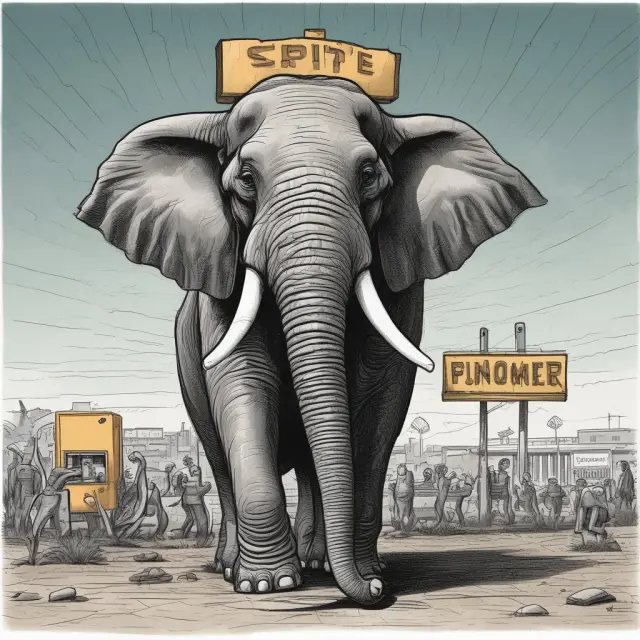
Walmart’s Application for an Industrial Bank Charter
In 2005, Walmart Inc., one of the world’s largest retailers, applied for a charter to create its own industrial bank. The proposed bank aimed to reduce transaction fees for credit and debit card services, provoking opposition from commercial banks and financial regulators alike. Industrial banks have long been controversial due to their unique status as state-chartered, non-regulated financial institutions owned by commercial firms. Walmart’s application added fuel to the controversy and led to widespread protests.
Industrial banks were initially established in the early 1900s to provide financing options for low-to-moderate-income industrial workers who faced rejection from traditional banking institutions. However, their regulatory landscape has remained unchanged since then–they are only regulated by state regulators and the Federal Deposit Insurance Corp. (FDIC), enabling nonfinancial companies to offer banking services without federal oversight or adherence to banking regulations like the Bank Holding Company Act.
Walmart’s application for a new industrial bank came under fire due to concerns regarding the potential threat it posed to the banking system and to the FDIC Deposit Insurance Fund. As a result, the FDIC imposed a temporary moratorium on industrial bank applications in 2006, and several states passed legislation blocking prospective banks from opening branches across different jurisdictions. Walmart eventually withdrew its application in 2007 before any decision was made by the FDIC.
The opponents of Walmart’s application argued that a company involved in banking activities could potentially destabilize the financial system and undermine the role of traditional banks. In response to this growing trend, the Independent Community Bankers of America (ICBA) called for a moratorium on providing federal deposit insurance to new industrial banks. ICBA’s concern stemmed from the increasing number of fintech companies, such as payment processor Square Inc., seeking state-chartered bank status to provide loans and other financial services directly to their merchants. Such an arrangement would enable these firms to bypass supervision by the Federal Reserve, as well as avoid disclosing any nonbanking-related commercial activities.
In 2019, Senator John Kennedy of Louisiana introduced the “Eliminating Corporate Shadow Banking Act of 2019,” a bill aimed at ending industrial banks’ ability to offer banking services and preserving the separation between banking and commerce. ICBA supported this legislation, believing it would close the loophole created by industrial banks and strengthen the overall stability of the financial system. The controversy surrounding Walmart’s application serves as a reminder that the role and regulation of industrial banks continue to be debated within the financial industry.

ICBA’s Call for a Moratorium on Industrial Banks
In an effort to protect the traditional banking sector and preserve regulatory oversight, the Independent Community Bankers of America (ICBA) has recently called for a moratorium on granting federal deposit insurance to industrial banks. This move comes in response to a growing number of fintech companies, like payment processor Square Inc., seeking state bank charters to offer loans and other financial services.
Historically, industrial banks were established as a means of providing capital access to low-to-moderate income industrial workers who could not obtain loans from traditional lending institutions. These nonprofit entities are state-chartered but regulated by both the Federal Deposit Insurance Corporation (FDIC) and state regulators. As a result, they can be owned by commercial firms without being subject to some of the restrictions that govern traditional banks, such as the Bank Holding Company Act or Federal Reserve supervision.
However, opponents argue that this unique corporate structure provides companies with the privileges of a bank charter, without any corresponding supervision. The potential risks and threats posed by industrial banks have been at the forefront of financial regulators’ minds since Walmart attempted to create a new industrial bank in 2005. In response to the application, the FDIC imposed a temporary moratorium on industrial bank applications until 2006, when state-level legislation was passed to block prospective industrial banks from opening branches in various jurisdictions.
Square Inc.’s recent pursuit of an industrial bank charter has reignited concerns regarding the potential dangers associated with industrial banks and their lack of regulation. The ICBA believes that granting federal deposit insurance to such entities would create a loophole in the regulatory framework, as these companies would be exempt from Federal Reserve supervision and would not need to disclose nonbanking-related commercial activities.
To address this issue, Senator John Kennedy of Louisiana introduced the “Eliminating Corporate Shadow Banking Act of 2019.” This bill aims to effectively end industrial banks’ ability to offer banking services by requiring nonfinancial companies to maintain a clear separation between their banking and commercial activities. The ICBA has publicly expressed its support for this legislation, believing it will create a safer financial system while preserving the traditional distinction between banking and commerce.
In conclusion, industrial banks, while rooted in noble intentions, have become controversial due to their unique regulatory landscape and potential risks. The ICBA’s call for a moratorium on granting federal deposit insurance to these entities highlights the ongoing debate surrounding the role of nonfinancial companies in the banking sector and the importance of maintaining effective regulatory oversight.

Senator John Kennedy’s Proposed Bill
In recent years, the increasing popularity of nonfinancial companies seeking industrial bank charters has sparked controversy and debate. One prominent opponent to this trend is Senator John Kennedy from Louisiana, who introduced the “Eliminating Corporate Shadow Banking Act of 2019” in an attempt to put a halt to these applications.
The bill, which gained significant support from various financial institutions and the Independent Community Bankers Association (ICBA), aims to restrict nonfinancial companies, including payment processors and technology firms, from obtaining industrial bank charters. By doing so, Kennedy’s proposed legislation intends to maintain the division between banking and commerce, ensuring that only entities primarily engaged in financial services can receive these privileges.
The controversy surrounding industrial banks stems from their unique structure as state-chartered institutions that are not subject to federal oversight. This lack of regulation has allowed nonfinancial companies to offer banking services without the same level of supervision and accountability as traditional financial institutions. For example, Walmart’s failed attempt to establish its own industrial bank in 2005 sparked significant controversy among financial regulators and commercial banks.
Walmart’s application for a charter raised concerns regarding potential conflicts of interest, competition, and financial instability. Critics argued that the retail giant’s engagement in both commerce and banking activities posed a threat to the stability and security of the banking system. The FDIC responded by implementing a temporary moratorium on industrial bank applications in 2006.
In recent years, new waves of fintech companies like Square Inc. have applied for state-chartered industrial banks, further fueling opposition from various financial institutions and regulators. These fintech firms could potentially provide loans and other financial services to their merchants directly if they were granted the charters, which could lead to significant competition in the banking sector and a potential weakening of the division between banking and commerce.
Kennedy’s bill seeks to address these concerns by abolishing industrial banks altogether and ensuring that only traditional financial institutions are authorized to offer banking services. By doing so, Kennedy aims to maintain a more robust separation between banking and commerce, reducing the risks associated with potential conflicts of interest and increased competition in the financial sector. The ICBA, which represents community banks across the U.S., supports this bill as it believes that industrial bank charters provide a loophole for fintech firms and nonfinancial companies to circumvent federal regulations and oversight.
The controversy surrounding industrial banks highlights the ongoing debate regarding the appropriate division of responsibilities between banking and commerce, as well as the challenges posed by the rapid growth of fintech companies in the financial services sector. As the landscape continues to evolve, it will be crucial for policymakers, regulators, and financial institutions to carefully consider the implications and potential risks associated with these developments.
In conclusion, Senator John Kennedy’s proposed bill represents a significant effort to address concerns regarding industrial banks and their unique regulatory framework. By abolishing industrial banks, Kennedy aims to maintain a stronger separation between banking and commerce while reducing potential conflicts of interest and competition within the financial sector. The ongoing debate surrounding this issue serves as a reminder of the need for careful regulation and oversight in the ever-evolving world of finance and technology.

Arguments for and Against Industrial Banks
The debate surrounding industrial banks remains contentious, with both proponents and critics making strong cases for their potential impact on competition, consumer protection, and financial stability.
Proponents argue that industrial banks provide increased competition in the financial industry by offering more accessible services to specific markets. They maintain that industrial banks, being owned by commercial firms, can better understand the unique needs of their client base, as compared to traditional financial institutions. Additionally, having a more diverse range of financial options is generally considered beneficial for consumers and businesses alike.
On the other hand, opponents argue that industrial banks pose a potential risk to financial stability due to the lack of supervision they face from federal agencies. Industrial banks are not subjected to the same regulations as commercial banks; this includes the Bank Secrecy Act, which requires banks to report suspicious transactions and maintain anti-money laundering programs. Furthermore, opponents claim that industrial banks could potentially be used by their parent companies for nonfinancial purposes, such as tax evasion or market manipulation.
Another point of contention is the potential for conflicts of interest when a commercial firm owns both a bank and an industrial business. Critics argue that this ownership structure can lead to biased decision-making, where the industrial bank may prioritize the interests of its parent company over its clients or depositors. Moreover, opponents claim that industrial banks could create an unequal playing field for traditional financial institutions that do not have such privileges.
To further illustrate these arguments, let’s look at Walmart’s application for an industrial bank charter and the subsequent reactions from various stakeholders. In 2005, Walmart submitted a proposal to form its own industrial bank with the primary goal of reducing credit and debit card transaction fees for both the company and its customers. However, this move was met with resistance from financial regulators and commercial banks who believed that Walmart’s engagement in banking activities could pose threats to the banking system and to the FDIC Deposit Insurance Fund. The controversy surrounding Walmart’s application highlighted the ongoing debate between those who support increased competition and accessibility, and those who fear potential risks to financial stability due to a lack of regulation.
In conclusion, industrial banks represent a unique financial alternative with the potential for increased competition, improved services for underbanked communities, and the ability to cater to specific niches. However, opponents argue that they pose significant risks to financial stability, including the potential for conflicts of interest and regulatory loopholes. The ongoing debate surrounding industrial banks reflects a larger conversation about the role of regulation in our financial system and the importance of striking a balance between competition, accessibility, and consumer protection.
FAQ:
Question: What is an industrial bank?
Answer: An industrial bank is a state-chartered financial institution that provides loans for consumers and small businesses, usually owned by commercial firms and not regulated by federal banking agencies.
Question: How does the regulatory landscape differ between industrial banks and traditional commercial banks?
Answer: Industrial banks are not subjected to some regulations that govern traditional institutions, such as the Bank Holding Company Act and Federal Reserve supervision. They do, however, follow state regulations and FDIC guidelines.
Question: What is the role of state regulators in governing industrial banks?
Answer: State regulators play a key role in overseeing the operations and compliance of industrial banks within their jurisdictions. This includes ensuring that they maintain sufficient capital, operate fairly, and follow all applicable laws and regulations.

FAQ: Industrial Banks
1. What is an Industrial Bank? An industrial bank, also known as an industrial loan company (ILC), is a state-chartered financial institution that provides loans for consumers and small businesses, while not being regulated by a federal banking agency. These banks are typically owned by commercial firms and chartered by specific states, most notably Utah.
2. What is the origin of industrial banks? Industrial banks were founded in the early 1900s to cater to low-to-moderate-income industrial workers who could not obtain credit from traditional lending institutions. They are regulated by state regulators and the Federal Deposit Insurance Corporation (FDIC).
3. What sets industrial banks apart from commercial banks? Industrial banks are distinct due to their unique corporate structure, allowing companies to own them, and limited federal regulations, including no requirement for compliance with the Bank Holding Company Act or supervision by the Federal Reserve.
4. Why is there controversy surrounding industrial banks? Critics argue that industrial banks provide companies with banking privileges without regulatory supervision, potentially posing a risk to the financial system. Notably, this issue gained attention when Walmart attempted to establish a new industrial bank in 2005.
5. Who regulates industrial banks and how are they different from traditional commercial banks? Industrial banks are regulated by state regulators and the FDIC. While they maintain similar banking powers as commercial banks, they have limited reach nationwide and are not supervised by the Federal Reserve.
6. What impact can industrial banks have on consumers? Industrial banks may offer unique benefits such as increased competition among financial institutions or access to capital for underserved communities, but critics argue that a lack of federal oversight could put consumers at risk in the long run.
7. Recent developments: The ICBA has called for a moratorium on federal deposit insurance for industrial banks due to concerns regarding fintech companies applying for state bank charters and potential risks to financial stability. Senator John Kennedy proposed a bill, “Eliminating Corporate Shadow Banking Act of 2019,” aiming to end the ability of nonfinancial companies to form industrial banks and maintain the division between banking and commerce.
 Next entry · No. 2,378Understanding the Dynamics and Investment Opportunities in the Industrial Goods Sector
See also
-
 No. 3,642
15 Apr 2025
18 min
The Role and Impact of the Office of the Superintendent of Financial Institutions (OSFI) in Canada’s Financial Sector
Business Finance
No. 3,642
15 Apr 2025
18 min
The Role and Impact of the Office of the Superintendent of Financial Institutions (OSFI) in Canada’s Financial Sector
Business Finance -
 No. 5,754
05 Oct 2025
20 min
Understanding the Modern-Day Wirehouse: Past, Present, and Future
Business Finance
No. 5,754
05 Oct 2025
20 min
Understanding the Modern-Day Wirehouse: Past, Present, and Future
Business Finance -
 No. 5,332
31 Aug 2025
18 min
Understanding Uphold: A Comprehensive Guide for Institutional Investors
Fintech
No. 5,332
31 Aug 2025
18 min
Understanding Uphold: A Comprehensive Guide for Institutional Investors
Fintech -
 No. 5,265
25 Aug 2025
19 min
Understanding Unit Thrifts: Structure, History, and Services
Business Finance
No. 5,265
25 Aug 2025
19 min
Understanding Unit Thrifts: Structure, History, and Services
Business Finance -
 No. 4,945
30 Jul 2025
23 min
Understanding Tether: The Stablecoin Backed by the U.S. Dollar
Crypto
No. 4,945
30 Jul 2025
23 min
Understanding Tether: The Stablecoin Backed by the U.S. Dollar
Crypto -
 No. 4,763
14 Jul 2025
22 min
Understanding the Stock Market: Functions, Regulation, Significance, and Trading
Business Finance
No. 4,763
14 Jul 2025
22 min
Understanding the Stock Market: Functions, Regulation, Significance, and Trading
Business Finance