Understanding Intermediate Goods: Production Process and Implications for Gross Domestic Product
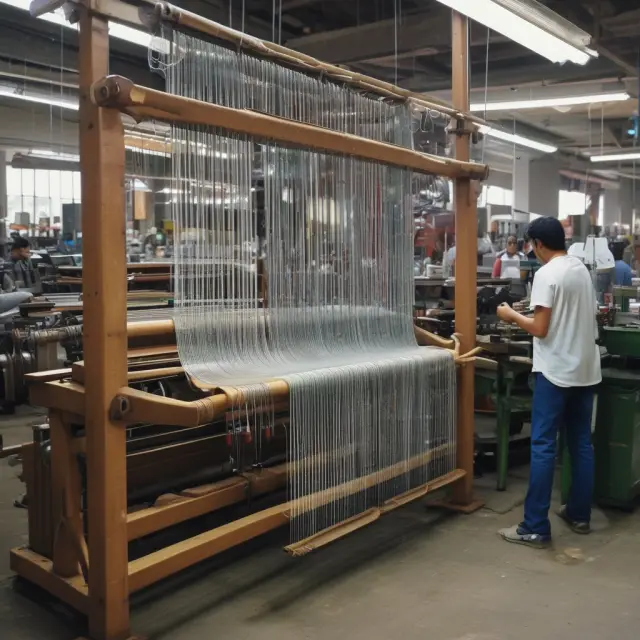
Understand the role and impact of intermediate goods on production processes and economic indicators. Explore real-life examples, types, and policy…
What are Intermediate Goods?
Intermediate goods, also referred to as producer or input goods, serve as essential building blocks for manufacturing final products. These goods undergo transformation during the production process to become part of another good. In essence, intermediate goods are a crucial bridge between raw materials and consumer goods. This section delves deeper into their definition, role, and relationship with consumer and capital goods.
Intermediate goods are products that are utilized in the manufacturing process for creating other goods or services. For instance, steel is an essential intermediate good used to fabricate various commodities such as automobiles, appliances, buildings, and machinery. The producer industry sells these intermediate goods to other industries or manufacturers, who use them to create secondary intermediate goods or finished products.
Intermediate goods are vital components of the production process, often called producer goods because they get transformed during manufacturing. Typically, there are three primary uses for intermediate goods:
- A producer may create and utilize their own intermediate goods in the production process. For instance, a factory might generate electricity from coal to power its machinery.
- Producers can sell their intermediate goods to other industries or manufacturers for further processing into another intermediary good or the production of a final good. This is a common practice between various industries, with one sector selling intermediate goods to another.
- Intermediate goods are used by producers to create either secondary intermediate products or finished consumer goods. For example, a textile mill manufactures yarn from raw cotton and sells it as an intermediate good to a fabric manufacturer, which uses the yarn to weave cloth for clothing production.
Understanding this concept is crucial when calculating Gross Domestic Product (GDP), as economists employ the value-added approach with intermediate goods. By adhering to this methodology, they ensure that these goods are not counted twice during the calculation process—once upon purchase and once as a final good sale. This technique values every stage of production involved in creating a finished product.
Stay tuned for the following sections where we’ll explore intermediate goods in action, their differences from consumer and capital goods, classification methods, economic implications, and policy considerations.

Intermediate Goods in Action: A Production Example
To better comprehend how intermediate goods fit within the larger context of production and economic indicators, it’s essential first to examine a practical example of their role in the manufacturing process. Consider the production of bread from wheat as an illustrative case.
Wheat is initially grown by a farmer, who sells his crop to a miller for a certain price. The miller then processes the wheat into flour – a secondary intermediate good that is often utilized as the primary ingredient in baking. This transformation results in added value, which can be calculated by subtracting the original price of wheat from the sale price of flour: $100 (wheat) + $100 (value-added during milling process) = $200 (flour).
The baker subsequently purchases this flour to create bread. The baker adds value by transforming the flour into a desirable finished product, which is ultimately sold directly to consumers for a final price. This sale generates an additional $100 of value: $300 (bread sale) – $200 (flour purchase).
Now let’s analyze this production process and how it relates to the overall value added at each stage:
$100 (wheat) + $100 (value-added during milling) + $100 (value-added during baking) = $300 (final price of bread)
This example demonstrates how intermediate goods contribute to the production process, allowing for the creation of a final good that is eventually sold to consumers. The value is added at each stage by both the miller and the baker before the finished product reaches its destination—the end consumer.
It’s crucial to note that services can also be considered intermediate goods when examined from this perspective. For instance, if we consider a photographer, the photography service itself serves as an intermediate good. The final product is the photograph, which may be sold or used in various ways by both businesses and consumers.
Understanding how intermediate goods operate within production processes provides a solid foundation for examining their implications on gross domestic product (GDP) calculations, as well as other economic indicators. In the subsequent sections, we’ll delve deeper into the differences between intermediate, consumer, and capital goods, along with exploring their various types, characteristics, and policy implications.
Intermediate vs. Consumer and Capital Goods
In the world of finance and investment, it’s crucial to understand the role and distinctions between intermediate goods, consumer goods, and capital goods. These three categories help us grasp how production processes work and the flow of resources through an economy.
Intermediate goods are products used specifically in the process of producing other goods or services. They bridge the gap between raw materials and final products, acting as essential building blocks for various industries. Consumer goods, on the other hand, are produced to be directly consumed by individuals or households. Lastly, capital goods are resources employed in the production of other goods and services—often referred to as the means of production.
Let’s further explore how each good type functions within an economy, highlighting their unique characteristics and relationships.
Intermediate Goods: The Connective Tissue
Intermediate goods serve as the connective tissue in the production process, allowing industries to transform raw materials into finished products. These goods can be found at various stages of development—from unprocessed materials to semi-finished items—depending on their role within a supply chain. For example, steel is an intermediate good that may undergo several processing steps before it’s used in automobile manufacturing or construction projects.
Intermediate goods can also be categorized based on their physical form and the production process they go through. For instance, some intermediate goods may take the form of raw materials like crude oil, while others could be finished products that are further processed or transformed into another good.
Understanding this distinction is vital for businesses and economists alike as it helps determine who ultimately bears the cost of production and how resources should be allocated effectively.
Consumer Goods: Final Products for Individuals
Unlike intermediate goods, consumer goods are intended to be used directly by households or individuals for personal consumption. These goods range from basic necessities like food and clothing to luxuries such as automobiles and electronics. They add value to everyday life and contribute significantly to a consumer’s overall wellbeing and satisfaction.
Consumer goods can be further categorized based on their durability, frequency of usage, or even the specific market segments they target. For example, non-durable consumer goods are items that are typically used up within a short period (i.e., food, disposable diapers), while durable consumer goods are those with a longer lifespan (i.e., automobiles, home appliances).
Capital Goods: The Engine of Production
Capital goods are resources dedicated to the production of other goods and services. They include machinery, equipment, and infrastructure that firms use to create their offerings efficiently and effectively. Capital goods can be tangible items like buildings, factories, or vehicles, as well as intangible assets such as patents, trademarks, or copyrights.
Capital goods facilitate production processes by increasing efficiency, reducing labor costs, and allowing businesses to scale up their operations. They can also generate additional revenue through leasing or renting to other organizations—a common practice in industries like transportation and construction.
In the context of national accounts, capital goods investments are a significant component of gross domestic product (GDP), as they contribute to economic growth by increasing productivity and generating jobs.
The intricate interplay between intermediate, consumer, and capital goods is a fundamental aspect of understanding production processes and their role within an economy. As the world’s economies continue to evolve, it becomes increasingly important to maintain a clear perspective on these different categories and how they influence the financial landscape.
Classification of Intermediate Goods: Use-Based Approach
Intermediate goods can be tricky to classify since they may eventually become consumer goods or capital goods depending on their end use. However, economists differentiate them based on the intended usage and who purchases them. Essentially, an intermediate good is a product that one industry uses in its production process to manufacture another product for sale to another industry or the final consumer.
Understanding this classification approach can be crucial when considering economic indicators such as Gross Domestic Product (GDP) and Gross National Product (GNP), which rely on accurately determining value-added at each stage of production. By examining how industries use and purchase intermediate goods, we gain insights into various stages of the supply chain and the overall economic interconnectedness between different sectors.
Agricultural products like wheat, oilseeds, or sugar are common examples of intermediate goods. A farmer produces these raw materials and sells them to industries for processing and manufacturing other products. In our previous example, wheat was transformed into flour, which was further used in baking bread. The wheat itself was not a final consumer product; instead, it became an essential input in the production of another good, i.e., bread.
Services can also act as intermediate goods if they are utilized within another industry’s production process. For instance, photography services may be considered intermediate when photographers take images for magazines or other businesses to use in their marketing materials or advertisements. The final product, such as a magazine, is then sold to consumers. The photographs, as an intermediate good, have no intrinsic value for the end consumer but are vital to create the finished product.
It’s essential to note that a single product can act as both an intermediate and a final good depending on its usage. For example, gasoline is primarily used as an intermediate good when refineries buy it to manufacture other products, such as plastics or chemical solvents. However, when a consumer purchases gasoline for their vehicle, it becomes a consumer good. This use-based approach to classifying intermediate goods allows us to better understand the intricacies of various industries and their roles within the economy.
The versatile nature of intermediate goods emphasizes the interconnectedness between industries and the importance of understanding this production process. By acknowledging the role of intermediate goods and their classification, we can appreciate the nuances that impact economic indicators like GDP and overall economic growth.

Intermediate Goods and Economic Indicators
An essential component of economic analysis and measurement is understanding the role of intermediate goods in the production process and their impact on major indicators such as Gross Domestic Product (GDP) and Gross National Product (GNP). Intermediate goods are integral to the creation of final consumer products, ultimately shaping these macroeconomic indicators.
In calculating GDP, economists adopt a value-added approach to account for intermediate goods without double-counting. Intermediate goods are used in production processes and transformed into another state or product before reaching consumers. For instance, consider the production of bread. A farmer sells wheat to a miller who converts it to flour. The baker then purchases the flour to create a loaf of bread. Although all three transactions involve intermediate goods, only the final sale price—the value added by the baker in creating the finished product—is factored into GDP calculations. This ensures that each stage of production is accounted for only once, maintaining accurate measurements.
Intermediate goods are classified differently depending on their use or destination in the economic process. As mentioned earlier, intermediate goods can be transformed into a final good or remain as an integral component of another intermediate product. Understanding this classification and its implications for macroeconomic indicators is essential for investors, economists, and policymakers to make informed decisions.
Additionally, services can also function as intermediate goods in specific contexts. For example, consider a photographer who sells photographic services to a marketing firm that uses these services to produce an advertisement for a consumer product. In this situation, the photographer’s service is considered an intermediate good since it facilitates the creation of another final product—the advertisement.
By recognizing the importance of intermediate goods in economic indicators, we gain a more comprehensive understanding of production processes and their role in shaping our national economy. This knowledge can lead to better-informed investment strategies and policy decisions.
Importance of Intermediate Goods in the Economy
Intermediate goods play a significant role in economic activities that produce other goods and services. These products serve as integral building blocks in various production processes. In understanding the importance of intermediate goods, it’s important to differentiate them from consumer and capital goods.
Consumer goods are meant for personal or household use by final consumers. For instance, when a person buys food or clothing for their own consumption, those items fall under the category of consumer goods. Conversely, intermediate goods serve as inputs in production processes that lead to the creation of other goods and services.
In our example with wheat, the value-added approach demonstrates how each stage contributes to the creation of a final good. The farmer sells their wheat to a miller, who transforms it into flour—a secondary intermediate good. The baker then uses the flour to make bread, which is a consumer good that is ultimately sold in the market.
Intermediate goods can also be considered as inputs for capital goods. For example, when an automobile manufacturer builds a new factory, they purchase various intermediate materials like steel and concrete. These raw materials become part of the capital good—the factory itself. In this context, the intermediate goods are used to create an asset that produces other goods and services in the long run.
Intermediate goods are essential for industries to function effectively. They help businesses maintain their production processes while minimizing costs through economies of scale. For instance, a manufacturer who purchases components or raw materials from other suppliers can often benefit from volume discounts, making it more cost-effective to buy in larger quantities. This is an important aspect of intermediate goods’ significance in the economy and commerce.
Intermediate goods have also influenced economic indicators like Gross Domestic Product (GDP) and Gross National Product (GNP). Economists employ the value-added approach to determine GDP, which helps ensure that these essential inputs are not double-counted. By only counting the value added at each stage of production, economists can accurately measure the market value of all final goods and services produced within a country’s borders during a given period.
In conclusion, intermediate goods serve as an indispensable part of the economic system by facilitating the creation and manufacturing processes for various products and services. By recognizing their role and importance in production, commerce, and overall economic growth, we can better understand the interconnectedness between industries and the value chains that drive economic progress.

Types and Characteristics of Intermediate Goods
Intermediate goods are integral components of various industries’ production processes. These goods can be classified into several categories based on their physical and functional attributes. Understanding these classifications will provide a clearer understanding of how intermediate goods function in the economy.
Classification by Physical Form
Intermediate goods come in different physical forms, such as raw materials, semi-finished products, and capital goods. For instance, raw materials are naturally occurring resources that industries transform into usable products. Examples include metals, minerals, grains, and crude oil. Semi-finished products are intermediate goods that have undergone some processing but still require further refining before they can be used as inputs in other industries’ production processes. For instance, pig iron is an example of a semi-finished product when it comes from the blast furnace before being melted down and formed into steel. Capital goods include machinery, buildings, and infrastructure that companies use to manufacture intermediate or final products.
Classification by Functional Attributes
Intermediate goods can also be categorized based on their functional attributes. These categories are as follows:
- Processing Intermediates: Processing intermediates undergo a transformation during the production process, becoming a different product with new characteristics. For example, crude oil is an intermediate good that becomes gasoline after refining, and iron ore is transformed into steel in the manufacturing process.
- Packaging Intermediates: Packaging intermediates are used to store or transport other products during the supply chain. Examples include cardboard boxes, plastic containers, and pallets.
- Energy Intermediates: Energy intermediates are fuels used for power generation, transportation, and other energy-intensive processes. Crude oil, natural gas, coal, and electricity are common examples of energy intermediates.
- Informational Intermediates: Informational intermediates provide data or information that is crucial to the production process. Examples include databases, software, and subscriptions to industry reports.
- Human Capital Intermediates: Human capital intermediaries are education and training programs that equip individuals with essential skills for the workforce. These investments help industries maintain a skilled labor force and ensure their production processes remain efficient.
- Financial Intermediaries: Financial intermediaries facilitate transactions between buyers and sellers in financial markets. Examples include banks, insurance companies, and investment firms. These intermediaries make it easier to transfer funds or securities between parties by reducing transaction costs and managing risks.
- Marketing Intermediaries: Marketing intermediaries help bring manufacturers and consumers together by facilitating sales transactions and ensuring the efficient distribution of products. Examples include wholesalers and retailers.
Intermediate goods have a significant impact on industries’ production processes, supply chains, and overall economic efficiency. Understanding their various classifications and roles is crucial for making informed decisions in finance and investment contexts.
Intermediate Goods: Production and Supply Chain Perspectives
Understanding intermediate goods requires examining their role within a production process and how they move through the supply chain. Intermediate goods, also known as producer or semi-finished products, are essential in creating final consumer goods. These goods are used by one industry to create another intermediary good, which is then used to manufacture the finished product sold to consumers.
Intermediate goods play a pivotal role within the production process. They can be transformed into another state during the manufacturing process or remain in their original form and become part of the final product. For instance, consider how wheat goes from being an intermediate good when sold to a miller for processing into flour and then becomes a secondary intermediate good. The flour is later used by a baker to create bread, a consumer good.
Services can also serve as intermediate goods. A photographer’s work is considered an intermediate service because it is purchased by other industries to produce the final product. For instance, a photography studio might sell photos for use in advertising, making their photographs an integral component of the advertisement that ultimately reaches consumers.
Intermediate goods are classified differently from consumer and capital goods based on their usage. Consumer goods are directly consumed by individuals or households. On the other hand, intermediate goods are used as inputs in the production process to create either another intermediary product or a finished good for end consumption. Capital goods include assets like machinery and buildings that are used to produce consumer or intermediate goods.
The importance of understanding intermediate goods lies in their role in creating final consumer goods and the economy as a whole. As industries sell intermediate goods between each other, they contribute to the supply chain’s efficiency and cost savings. Additionally, the classification of these goods impacts various economic indicators, such as Gross Domestic Product (GDP), as economists exclude double-counting of value-added when measuring the production process.
In summary, intermediate goods are crucial components in the manufacturing sector as they bridge the gap between raw materials and finished products. These goods connect industries through their role in the production process and supply chain, enabling a more comprehensive understanding of economic activities within an economy.

Intermediate Goods: Policy Implications and Regulations
Intermediate goods play a significant role in the economy as they form an intricate part of production processes for various industries. Understanding the policy implications and regulations surrounding intermediate goods is essential to appreciate their impact on businesses and overall economic growth.
Governments often implement policies aimed at controlling, facilitating, or reducing the production, distribution, and pricing of intermediate goods. These efforts can have a substantial influence on the financial performance of industries relying heavily on these goods in their production processes.
One important aspect of policy implications for intermediate goods involves trade regulations. Policies like import tariffs or quotas can significantly affect intermediate good prices, supply availability, and overall economic efficiency. For instance, an increase in tariffs on imported steel could lead to higher domestic steel prices, forcing industries that heavily rely on steel to either pass the increased costs onto consumers or find alternative materials.
Another policy area related to intermediate goods is environmental regulations. For example, emissions standards for industries like oil refining or cement production can result in significant expenses for producers of these intermediate goods due to new equipment and processes required for compliance. These additional costs could lead to higher prices for final consumer goods made with the regulated intermediate products.
Taxes are yet another factor that governments can use to influence the production, distribution, and pricing of intermediate goods. Tax incentives on specific types of intermediate goods can encourage increased production or consumption, potentially benefiting certain industries. Alternatively, taxes on intermediate goods can also be used as a means of raising government revenue or discouraging their consumption.
Trade agreements like the North American Free Trade Agreement (NAFTA) and the European Union’s Common Market aim to simplify trade in intermediate goods among member countries by reducing tariffs, streamlining customs procedures, and promoting free competition. Such agreements can lead to increased efficiency, reduced production costs, and a stronger overall economy.
Government subsidies for the production of certain intermediate goods are another way policymakers attempt to support specific industries. For example, agricultural subsidies can help keep domestic producers competitive in global markets. However, such subsidies could also distort international trade, leading to potential retaliatory measures by other countries and negative implications for free market principles.
Regulations focusing on intermediate goods’ safety and quality are crucial to protect consumers, the environment, and public health. For example, food regulations can ensure that intermediate products like wheat or sugar meet specific quality standards before being used in production processes. These rules help maintain consumer confidence and promote a level playing field for businesses while providing an essential foundation for ensuring a safe and reliable supply chain.
In conclusion, understanding the policy implications and regulations surrounding intermediate goods is crucial for businesses and investors alike to anticipate potential market changes and adapt strategies accordingly. Regulations affecting intermediate goods can significantly impact their availability, cost, and overall production efficiency, making it essential to stay informed about trends and regulatory developments in this area.
FAQ: Frequently Asked Questions about Intermediate Goods
Intermediate goods often raise a few common questions regarding their role in the economy, production process, and financial indicators. In this section, we address some of the most frequently asked queries related to intermediate goods.
What is an intermediate good?
An intermediate good is a product used by industries to produce other goods, also known as finished or consumer products. Intermediate goods are typically sold between industries for resale or production purposes. They may undergo processing and transformation before being used in the final product or becoming part of it.
How does an intermediate good differ from a consumer good?
The primary distinction is that a consumer good is intended for direct consumption by individuals, whereas an intermediate good is utilized by industries as inputs in the production process. The same item may be considered an intermediate good when used by one entity and a consumer good when used by another. For example, sugar can be classified as a consumer good when bought by households, but it becomes an intermediate good if purchased for industrial use.
What role does intermediate goods play in economic indicators such as Gross Domestic Product (GDP)?
Intermediate goods are essential to the production process; however, they are not included when calculating GDP due to double-counting concerns. Instead, economists employ the value-added approach by only considering the added value at each stage of production to determine the final product’s market price. This method ensures that intermediate goods do not contribute twice to GDP—once for their initial purchase and once when they become part of the final good.
What are some examples of intermediate goods?
Intermediate goods come in various forms, from raw materials like metals or minerals to semi-finished products like steel or flour, to services such as electricity and water. These goods play an integral role in the production process by either transforming into another state or combining with other inputs to create the final product. For instance, a wheat farmer sells their crop to a miller for processing; the baker then uses flour to produce bread, which is ultimately sold to consumers as a finished good.
In conclusion, intermediate goods are essential components of the production process and play a crucial role in creating both intermediary and final products. Their impact on various sectors extends beyond just their specific industries and influences overall economic growth and development. Understanding intermediate goods provides valuable insights into the intricacies of the economy and helps us appreciate the complex web of connections among industries, products, and consumers.
 Next entry · No. 2,453The Internal Rate of Return (IRR) Rule: A Comprehensive Guide for Institutional Investors
See also
-
 No. 3,537
06 Apr 2025
18 min
Understanding Non-Issuer Transactions: Definition, Types, and Regulations
Business Finance
No. 3,537
06 Apr 2025
18 min
Understanding Non-Issuer Transactions: Definition, Types, and Regulations
Business Finance -
 No. 3,286
16 Mar 2025
19 min
Mothballing: A Strategic Approach to Preserving Capital Goods for Future Use
Business Finance
No. 3,286
16 Mar 2025
19 min
Mothballing: A Strategic Approach to Preserving Capital Goods for Future Use
Business Finance -
 No. 1,501
24 Sep 2024
20 min
Understanding Financial Advisors: Roles, Services, and Requirements
Business Finance
No. 1,501
24 Sep 2024
20 min
Understanding Financial Advisors: Roles, Services, and Requirements
Business Finance -
 No. 821
14 Jun 2024
23 min
Understanding Credit Default Swaps (CDS): Types, Mechanics, Market Size, Uses and Impact on Financial Markets
Finance Policy
No. 821
14 Jun 2024
23 min
Understanding Credit Default Swaps (CDS): Types, Mechanics, Market Size, Uses and Impact on Financial Markets
Finance Policy -
 No. 747
01 Jun 2024
19 min
Understanding Consumer Goods: Classification, Marketing, and Trends
Business Strategy
No. 747
01 Jun 2024
19 min
Understanding Consumer Goods: Classification, Marketing, and Trends
Business Strategy -
 No. 710
25 May 2024
18 min
Understanding Commerce: Definition, Importance, Types and Regulation
Business Strategy
No. 710
25 May 2024
18 min
Understanding Commerce: Definition, Importance, Types and Regulation
Business Strategy