Understanding Invoices: A Comprehensive Guide for Institutional Investors

Explore the definition, purpose, components, and benefits of invoices as financial documents. Learn about e-invoicing, internal controls, and more.
What Is an Invoice?
An invoice serves as a crucial document that records a transaction between a buyer and a seller, providing details on purchased goods or services and payment terms. This commercial document is essential to maintain accurate financial records and internal controls for businesses.
At its core, an invoice outlines the agreed-upon charges between both parties, with the aim of setting payment schedules and facilitating transactions. Invoices may take various forms, including paper receipts, bills, debit notes, sales invoices, or electronic records.
Understanding the Basics of an Invoice:
An authentic invoice carries a title that designates it as such on its face. A unique identifier called the invoice number is crucial for internal and external reference purposes. Furthermore, the contact information for the seller is vital to facilitate potential communication between buyer and seller regarding any billing issues or disputes.
Payment terms are essential components of an invoice, along with the information relating to discounts, early payment incentives, and finance charges imposed due to late payments. Other significant details include unit costs, shipping, handling, taxes, and total amounts owed by the buyer. Companies may send a month-end statement as the final invoice for all outstanding transactions.
Pro forma invoices represent preliminary bills of sale sent in advance of a shipment or delivery of goods, typically in international transactions to facilitate customs procedures. Pro forma invoices serve as binding agreements while preserving the option to modify sale terms.
The Significance of Invoice Dates:
An invoice’s date is vital for setting payment schedules and determining credit durations, which ultimately dictate due dates. Invoices enable entities that grant credit, such as net 30 providers, to define the actual due dates based on invoice issuance dates.
In the Digital Age: E-Invoicing:
Electronic invoicing, or e-invoicing, has emerged as a preferred alternative to traditional paper documents, providing advantages like permanence, ease of searching and sorting, increased auditability, and reduced paper usage. This modern approach involves digital records shared between parties to ensure that business agreements are fulfilled.
E-Invoicing Technologies:
Several e-invoicing technologies and entry options are available, each designed to facilitate efficient adoption and enhance convenience. Some of the most common e-invoicing standards include EDIFACT and UBL, which have been developed worldwide to promote ease in adopting this technology.
Invoices: A Bridge Between Buyers and Sellers:
Invoice information helps bridge transactions between buyers and sellers by tracking sales for inventory control, accounting, and tax purposes. This data ensures that accounts payable and similar obligations are settled properly between the parties involved. Modern invoices are transmitted electronically, allowing for easy access and retrieval when necessary.
Internal Controls and Invoices:
An integral part of accounting internal controls, invoices require approval from responsible management personnel before payment is issued. This process ensures that charges on invoices align with company policies and budgets. A thorough auditing firm examination of invoices can help detect any discrepancies, ensuring that they are entered into the appropriate accounting periods for accurate expense cutoff testing.
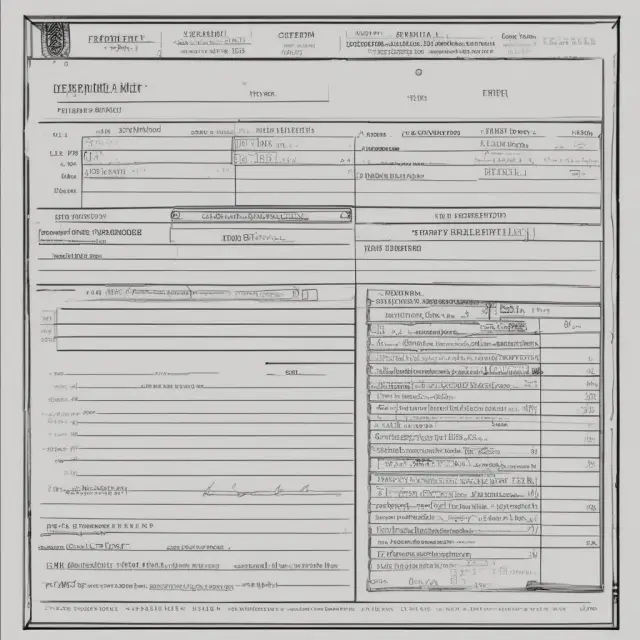
The Basics of an Invoice
An invoice represents a fundamental document that serves as a record of a transaction between a buyer and a seller, be it a sale of goods or provision of services. Essentially, an invoice outlines the agreed-upon terms of a purchase, including payment schedules, pricing details, taxes, and shipping costs. The term ‘invoice’ can encompass various documents, such as sales invoices and purchase orders. In this section, we explore the basics of an invoice in detail.
Understanding the Structure and Components
An invoice has several essential components. First and foremost, it must state that it is an invoice. This label is typically placed prominently at the top or bottom of the document. The unique identifier known as the invoice number is also included, which provides internal and external references for record-keeping purposes.
Apart from these features, the invoice contains essential contact information for the seller or service provider to facilitate communication regarding any billing errors. Payment terms are another crucial element that may be outlined on the invoice, as well as information related to discounts, early payment incentives, and finance charges for late payments.
Invoices often include a description of each item or service sold, along with the respective unit cost and total quantity purchased. Other common charges found on an invoice may include shipping, handling fees, and taxes. The final section typically outlines the total amount owed by the buyer.
Unique Identification Numbering
A distinctive feature that sets invoices apart is their unique identification numbering system. Each invoice receives a specific identifier to make it easily traceable and distinguishable from other documents. This numbering system not only helps internal accounting but also enables clear communication between buyers and sellers.
Key Contact Information
The contact information included in an invoice plays a vital role in ensuring effective communication between the parties involved. The address, phone number, email, and tax identification number are typically provided for both the buyer and seller. This information enables them to maintain accurate records, receive timely payments, and resolve any billing issues promptly.

Invoice Date
The invoice date holds significant importance in terms of payment schedules and due dates for both buyers and sellers. This date is crucial for entities offering credit, as it sets the stage for a net credit duration and indicates when payments are due. The invoice date, which appears on the face of an invoice, is a time-stamped record representing the official billing of goods or services.
The invoice date influences payment terms and due dates in several ways:
1. Determining Payment Terms
Payment terms, as outlined in an invoice, are the conditions that dictate when payment is expected from the buyer to the seller after delivery or completion of a service. For instance, net 30 terms mean the buyer has 30 days following the invoice date to pay the total amount due. Understanding the invoice date is vital for both parties involved in the transaction as it sets clear expectations regarding payment schedules.
2. Setting Due Dates
Due dates are a crucial component of an invoice, and they’re determined by adding a specific number of days from the invoice date. The actual due date of an invoice is typically 30 days following the invoice issue date. However, sellers may provide buyers with alternative payment options, such as net 15 or even net 60 terms based on their individual business arrangements. Understanding the invoice date helps buyers and sellers manage cash flow effectively while adhering to predetermined payment schedules.
3. Impact on Returns and Warranty Claims
An invoice date is also essential for managing returns and warranty claims, as it establishes the timeframe within which such actions can be initiated. For instance, if a customer needs to return an item or file a warranty claim, understanding the invoice date will help them determine if they are still within the allowable period for doing so.
Electronic Invoicing (E-Invoicing)
With the widespread use of technology and digital records, electronic invoices have become increasingly popular. E-invoicing is a form of electronic billing that presents invoices to customers in an electronic format instead of physical documents. The process involves generating, storing, and monitoring transactional documents between parties using various e-invoicing platforms or applications.
Advantages of e-invoicing include:
- Enhanced Flexibility – E-invoices can be accessed from anywhere, making it easier for businesses to manage their accounts payable and accounts receivable remotely.
- Improved Efficiency – With no need for paper documents or manual data entry, e-invoicing streamlines the invoicing process and reduces administrative costs.
- Faster Processing – E-invoices can be sent and received instantaneously, reducing payment processing time and improving overall cash flow.
- Increased Security – Digital records are more secure than paper documents and offer greater protection against theft or loss. Additionally, encryption ensures data privacy during transmission.
- Enhanced Data Collection and Analytics – Electronic invoices provide valuable business intelligence by capturing real-time information about sales transactions, allowing businesses to gain insights into customer behavior and overall performance trends.
- Reduced Environmental Impact – By minimizing the need for paper documents and reducing transportation costs, e-invoicing is a more sustainable option compared to traditional invoicing methods.
In conclusion, understanding the significance of an invoice date is vital for both buyers and sellers to manage payment schedules and due dates effectively. With the increasing popularity of electronic invoices, businesses can benefit from improved efficiency, flexibility, enhanced security, and real-time data collection, making e-invoicing a valuable addition to their financial operations.
Pro Forma Invoices
A pro forma invoice is a critical document in international trade transactions that acts as a preliminary bill of sale sent to buyers prior to the shipment or delivery of goods. Pro forma invoices outline essential information regarding the purchased items, including shipping weight and transport charges, providing a clear picture of what is being purchased and the associated costs for customs and freight.
Pro forma invoices are legally binding agreements that set the terms of sale but remain subject to change before the actual transaction occurs. The importance of pro forma invoices in international trade lies in their ability to help buyers and sellers navigate complex regulatory frameworks, such as those regarding import duties, taxes, and tariffs.
Pro forma invoices play a crucial role in customs clearance procedures. Customs authorities require complete documentation before they can authorize the release of imported goods, ensuring that all applicable fees and taxes are paid to prevent delays or fines upon arrival. Pro forma invoices provide detailed information on the commodity being shipped, including its harmonized system (HS) code, value, quantity, and country of origin—information needed for customs clearance.
Pro forma invoices are essential in international transactions as they allow both buyers and sellers to assess their financial commitments before the actual transaction takes place. The information provided in a pro forma invoice enables buyers to make informed decisions on whether to proceed with the purchase, negotiate terms, or request adjustments to the offered price or payment schedule.
In summary, pro forma invoices serve as an essential tool for international trade by providing both parties with a clear understanding of the transaction’s financial implications before goods are shipped or delivered. They help buyers and sellers manage risks associated with currency fluctuations, customs regulations, and logistical complexities. Ultimately, they contribute to the overall efficiency of global commerce by facilitating the smooth exchange of goods and services across borders.

E-Invoicing: A Modern Approach to Billing
In today’s fast-paced business environment, electronic invoicing has emerged as a modern and efficient approach to billing transactions between buyers and sellers. E-invoicing, also known as electronic billing or e-billing, allows companies to generate, process, store, and monitor invoices electronically instead of relying on paper documents. By embracing this technology, businesses can streamline their financial operations while improving accuracy, reducing costs, and enhancing customer experience.
Understanding E-Invoicing: The Basics
Electronic invoices are digital records that replace traditional paper invoices. They can be sent via email or accessed through a web portal or an app. E-invoicing offers several advantages over manual processes, including increased speed, improved accuracy, enhanced security, and cost savings. Additionally, e-invoicing systems enable seamless integration with accounting software for efficient processing of payments and records management.
Advantages of E-Invoicing
One of the most significant advantages of e-invoicing is its efficiency. With electronic invoices, transactions can be processed faster and more accurately than with paper documents. E-invoicing eliminates the need for manual data entry, reducing errors and saving time. Furthermore, electronic records are easily accessible, making it simpler to search, sort, and analyze invoice information as needed.
Another key benefit of e-invoicing is security. Electronic invoices can be encrypted and stored securely in the cloud, providing a higher level of protection against data breaches and unauthorized access compared to paper documents. Additionally, real-time tracking and monitoring help prevent fraudulent activities and ensure timely payment.
Cost savings are another significant advantage of e-invoicing. By eliminating the need for paper documents and manual processes, businesses can save on printing, mailing, and storage costs. Moreover, automating invoice processing reduces labor requirements, resulting in substantial savings over time.
E-Invoicing Technologies and Standards
Several e-invoicing technologies and standards have emerged to facilitate the widespread adoption of this modern approach to billing. Some common e-invoicing platforms include:
- EDI (Electronic Data Interchange): A standard method for exchanging business documents electronically between organizations using different computer systems.
- XML (Extensible Markup Language): A markup language that defines a set of rules for encoding documents in a format that can be parsed, understood, and processed by both humans and machines.
- PDF Invoices: Portable Document Format (PDF) invoices are another popular e-invoicing method, providing a standardized and easily accessible format for exchanging invoice information between parties.
- APIs (Application Programming Interfaces): APIs enable seamless integration of e-invoicing systems with other business applications such as accounting software or CRM platforms.
In conclusion, electronic invoicing represents a powerful tool for modern businesses looking to streamline their billing processes while improving efficiency, reducing costs, and enhancing security. By embracing e-invoicing technologies and standards, companies can transform the way they manage transactions between buyers and sellers, ultimately leading to increased productivity, customer satisfaction, and long-term growth.

Invoices and Accounts Payable
Invoices play an essential role in managing accounts payable, as they represent a record of goods or services that have been purchased but not yet paid for. Invoice processing is an integral part of the accounts payable process and helps businesses keep track of outstanding obligations. A smooth invoice workflow ensures timely payment to vendors while maintaining proper financial reporting.
The Importance of Invoice Processing for Accounts Payable:
Invoices are used to initiate the accounts payable process by recording transactions between buyers and sellers. Once an organization receives a goods or service, an invoice will be issued by the seller detailing the costs and payment terms associated with the transaction. The accounting team then reviews the invoice for accuracy, checks it against the purchase order (if applicable), approves the charge, and enters the information into their accounting system.
The significance of efficient invoice processing can be summarized as follows:
1. Timely Payment to Vendors
Invoice processing ensures prompt payment to vendors while maintaining good relationships. Inaccurate or delayed payments can lead to penalties and disputes, so proper communication between teams is essential to prevent any potential misunderstandings.
2. Accurate Financial Reporting
Proper invoice processing ensures the accuracy of financial records, enabling businesses to have a clear understanding of their spending patterns and cash flow. Invoices contain crucial information about the costs associated with each transaction, which must be recorded accurately to maintain an up-to-date and reliable financial picture.
3. Enhanced Internal Controls
By incorporating invoices into internal controls, businesses can establish a formal approval process and prevent unauthorized transactions or errors. Invoice approvals provide an additional layer of security as they require sign-off from designated personnel before payments are issued.
4. Improved Vendor Relationships
Maintaining clear communication with vendors throughout the invoice process helps build strong relationships. By providing accurate and timely payment, businesses can improve their reputation and potentially secure better pricing or other benefits in the future.
Understanding the Invoice Approval Process:
Invoice approval processes help ensure that only authorized transactions are paid for. This is typically a multi-step process, with each step requiring sign-off from a designated employee to verify the accuracy of the invoice and approve payment. The following steps outline the typical invoice approval workflow:
1. Invoice Receipt
The accounts payable team receives an electronic or paper invoice from the vendor.
2. Verification of Accuracy
The team checks the invoice for accuracy, ensuring all information is correct, such as quantities ordered, pricing, and payment terms.
3. Check against Purchase Order (PO)
If a purchase order was issued prior to the transaction, the invoice is compared against it to ensure there are no discrepancies between the two documents.
4. Approval Workflow
The invoice is routed through an approval workflow, typically starting with a manager or team lead and escalating up the organizational hierarchy as needed. This ensures that all charges have been approved before payments are issued.
5. Invoice Entry into Accounting System
Once the invoice has been reviewed and approved, it’s entered into the accounting system for payment processing.
6. Payment Issuance
The accounts payable team then processes the payment according to the approved payment terms, typically through electronic funds transfer or checks.
7. Record Keeping
Proper record keeping is essential for future audits, ensuring that all invoices and related documentation are stored in a secure location or digitally archived.
In conclusion, an efficient invoice processing system plays a critical role in managing accounts payable, ensuring timely payments to vendors, accurate financial reporting, enhanced internal controls, and improved vendor relationships. By establishing clear communication channels, maintaining effective internal workflows, and adhering to proper approval processes, businesses can streamline their invoicing operations and minimize potential issues.

Internal Controls and Invoices
Invoices serve as an essential part of internal controls within a business, providing documentation that helps to ensure proper authorization and approval processes are in place for financial transactions. As such, it is crucial to understand the role of invoices within these procedures and establish effective approval workflows and auditing practices.
First, let’s delve into the concept of internal controls: Internal controls refer to a company’s policies and procedures designed to manage risk, ensure compliance with laws and regulations, and maintain accurate financial records. Invoices are an essential component of these controls as they help document transactions and provide a record of approval for expenditures made by the organization.
With that being said, it is crucial for businesses to have a defined process in place for managing invoices, ensuring appropriate approvals are obtained before making payments. For instance, some organizations may establish a multi-level approval workflow for large or high-risk transactions, where multiple managers must review and sign off on the invoice before payment can be issued.
Additionally, it’s essential to implement robust auditing practices for invoices to maintain accurate records and minimize the risk of errors or fraudulent activity. Regularly reviewing and reconciling invoices against purchase orders and other related documents is a key component of these processes. Moreover, conducting periodic audits can help identify any discrepancies or issues that need resolution.
Another aspect to consider when it comes to internal controls and invoices is ensuring proper separation of duties within the organization. For example, having one individual responsible for initiating the purchase order and another person handling the approval and payment process can help prevent errors and potential fraudulent activities.
To sum up, invoices play a vital role in internal controls by providing documentation of financial transactions, ensuring appropriate approvals are obtained before making payments, and helping to minimize risk through robust auditing practices. By implementing effective processes for managing invoices and maintaining proper internal controls, businesses can streamline their operations and gain confidence that their financial records accurately represent the organization’s activities.
As a result, it is essential for companies to establish clear policies and procedures for managing invoices, ensuring approvals are obtained at the appropriate levels, and implementing regular auditing practices to maintain accurate records and minimize potential risks. By doing so, they can effectively manage their financial transactions, reduce errors, and improve overall operational efficiency.

Invoice Types: Purchase Orders and Sales Invoices
Understanding the differences between purchase orders and sales invoices is vital to navigating the complexities of business transactions. While both documents serve important roles in the exchange of goods or services for payment, they differ significantly. This section will outline the key distinctions between purchase orders and sales invoices to help clarify their respective functions.
A purchase order (PO) is a document that binds a buyer to purchase specific goods or services from a seller under agreed-upon terms. The primary purpose of a purchase order is for the buyer to communicate their needs to the seller, establishing an agreement on price, quantity, and delivery date.
On the other hand, a sales invoice is a commercial document sent by a seller to its customer following the completion of a sale or provision of services. It outlines the details of the transaction, such as product descriptions, quantities, prices, taxes, and payment terms. A sales invoice functions as a request for payment from the buyer.
To further clarify their differences:
– Purchase Orders precede Sales Invoices: The buyer creates and sends a purchase order to initiate the buying process. The seller then fulfills the purchase order by delivering the goods or services, after which they generate and issue a sales invoice for payment.
– Purpose of Documentation: While the primary purpose of a purchase order is to establish an agreement between buyer and seller, a sales invoice is intended to request payment from the buyer based on the completed transaction.
– Contents of Documents: Purchase orders contain information such as the unique identifier, item descriptions, agreed price, quantities, and delivery dates. Sales invoices include details about the transaction, including the invoice number, customer information, product or service details, pricing, taxes, payment terms, and any applicable discounts.
– Relevance to Accounting: In accounting, purchase orders are used to manage inventory control and track obligations due (accounts payable). Sales invoices serve a similar purpose for the seller’s accounts receivable and revenue recognition.
By recognizing and understanding the fundamental differences between purchase orders and sales invoices, businesses can more effectively manage their transactions, improve internal controls, and streamline communication with trading partners.

FAQs About Invoicing
What exactly is an invoice?
An invoice is a financial document outlining a transaction between a buyer and seller, providing details on goods or services purchased, payment terms, and the total amount owed. It acts as proof of a business transaction that can be used for accounting purposes.
How do paper invoices differ from electronic invoices?
Paper invoices are physical records of a transaction, while electronic invoices are digital documents sent via email, web pages or apps. Key differences include permanence, ease of searching and sorting, increased auditability, data collection, reduction in paper usage, and various e-invoicing technologies and standards that facilitate adoption.
What is the purpose of a unique invoice number?
The unique identifier helps differentiate between invoices during record keeping, making it easier to locate and reconcile specific transactions.
Who creates an invoice?
An invoice can be created by either the buyer or seller depending on the business agreement; however, it is most commonly generated by the seller after the delivery of goods or services.
What should be included in an invoice?
A proper invoice includes a description of the purchased items, shipping and handling charges, tax, total amount owed, payment terms, and contact information for both parties involved.
How is an invoice related to accounts payable?
Accounts payable refers to a company’s obligations to pay for goods or services it has received, as outlined on its invoices. The buyer keeps the invoice on record until payment is made.
What are common errors in invoicing?
Common mistakes include incorrect item descriptions, incorrect quantities, missing tax information, and discrepancies between purchase orders and invoices. These can be avoided by ensuring proper approval workflows and internal controls.
How long should a company keep invoices on file?
It’s recommended to keep invoices for at least seven years in order to comply with tax regulations and support potential audits.
What is the difference between an invoice and a purchase order?
A purchase order is a document created before a sale that outlines terms and conditions, while an invoice is issued after the transaction has occurred as a record of payment terms and total owed.
How can electronic invoicing improve business processes?
Electronic invoicing streamlines the billing process with faster processing, increased accuracy, reduced paper usage, improved data collection, and better internal controls. Additionally, it enhances compliance with regulatory requirements by facilitating automatic tax calculations and reporting.
Common Errors in Invoicing
Errors can arise during invoice processing due to various reasons. Here’s a look at some common errors and how they can be resolved:
1. Misunderstanding of Terms
Misunderstandings between the buyer and seller about payment terms, discount structures, or other financial obligations can lead to discrepancies in invoicing. To minimize this error, ensure clear communication during negotiations and document all agreements in writing.
2. Incorrect Billing Addresses
Invoices sent to incorrect billing addresses can lead to delayed payments. Confirm the correct address with your customer before issuing an invoice and consider implementing a process for double-checking addresses within your internal systems.
3. Duplicate Invoices
Duplicate invoices can occur when a company inadvertently sends multiple copies of the same invoice or receives duplicate payment for the same transaction. To prevent duplicate invoices, maintain accurate records and communicate effectively with your customers.
4. Late or Missed Invoice Dates
Late or missed invoice dates can lead to delayed payments and potential damage to relationships between buyers and sellers. Ensure that invoices are sent out on time and consider setting up automatic reminders for overdue invoices.
5. Currency Conversion Errors
In international transactions, currency conversion errors can cause significant discrepancies in invoice amounts. Utilize reliable currency conversion services or employ internal checks to ensure accuracy.
6. Incomplete Invoices
Missing information on an invoice, such as invoice numbers, descriptions of goods or services, and payment terms, can complicate the processing and payment process. Thoroughly check invoices before issuing them to ensure they include all necessary information.
7. Data Input Errors
Data input errors, such as incorrect unit prices, quantities, taxes, and discounts, can lead to significant financial losses for businesses. Double-check data entry forms and implement internal controls to minimize the risk of data errors.
8. Fraudulent Invoices
Fraudulent invoices can result in unintended charges or even financial losses. Stay vigilant for signs of suspicious invoices, such as those with inconsistent pricing, unusual billing frequencies, and requests for payment to an alternate vendor or address.
By addressing these common errors proactively, businesses can streamline their invoice processing and minimize the risk of potential disputes or lost revenue.

E-Invoicing Security: Best Practices for Data Protection
With the increasing popularity of electronic invoicing, data security has become a critical concern for businesses and organizations dealing with sensitive financial information. E-invoicing security refers to the measures implemented to safeguard sensitive data during transmission and storage. In this section, we will discuss best practices for protecting sensitive information during e-invoicing.
Data Encryption: One of the most effective methods for securing electronic invoices is encryption. Data encryption involves converting readable data into an unreadable format using complex mathematical algorithms. The encrypted data can only be deciphered by authorized parties with the proper decryption key. Using encryption ensures that sensitive financial information remains secure during transmission and storage.
Secure Transmission: Transmitting invoices securely is another crucial aspect of e-invoicing security. Secure File Transfer Protocols (SFTP) or Hypertext Transfer Protocol Secure (HTTPS) are popular methods for transferring sensitive files, as they employ encryption and authentication protocols to prevent unauthorized access during transmission.
Access Control: Access control measures limit the number of individuals with access to sensitive financial information. Implementing strong passwords, two-factor authentication, and role-based access can help ensure that only authorized personnel have access to invoices and related data.
Data Backup and Recovery: Data backup and recovery is essential for businesses dealing with large volumes of electronic invoices. Regularly backing up invoices and implementing disaster recovery plans can help organizations recover from potential data loss or corruption incidents.
Internal Controls: Implementing internal controls, such as approval workflows and auditing practices, can help ensure the integrity and accuracy of e-invoicing transactions. Proper approvals and reconciliations reduce the risk of errors, fraud, or unauthorized access to sensitive financial information.
Regular Updates and Patches: Regularly updating software and applying security patches is essential for maintaining a secure e-invoicing environment. Keeping up with the latest security trends and best practices can help organizations stay ahead of potential threats and vulnerabilities.
In conclusion, implementing robust data protection measures is crucial for businesses dealing with sensitive financial information during electronic invoicing. By employing encryption, secure transmission methods, access control, data backup and recovery, internal controls, and regular updates, organizations can ensure their e-invoicing transactions remain secure and protected from unauthorized access or potential threats.
 Next entry · No. 2,526In Specie Transactions: Understanding Delivery of Assets in Their Current Form
See also
-
 No. 5,821
10 Oct 2025
19 min
Understanding Write-Ups: Definition, Implications and Examples in M&A
Business Finance
No. 5,821
10 Oct 2025
19 min
Understanding Write-Ups: Definition, Implications and Examples in M&A
Business Finance -
 No. 5,777
06 Oct 2025
16 min
Understanding Work Tickets: A Comprehensive Guide for Professional Investors
Business Finance
No. 5,777
06 Oct 2025
16 min
Understanding Work Tickets: A Comprehensive Guide for Professional Investors
Business Finance -
 No. 5,614
23 Sep 2025
19 min
Managing Business Banking Risks: A Deep Dive into Warm Cards
Business Finance
No. 5,614
23 Sep 2025
19 min
Managing Business Banking Risks: A Deep Dive into Warm Cards
Business Finance -
 No. 5,396
05 Sep 2025
17 min
Understanding the Role and Benefits of Value-Added Networks (VAN) in Modern Finance and Investment
Business Finance
No. 5,396
05 Sep 2025
17 min
Understanding the Role and Benefits of Value-Added Networks (VAN) in Modern Finance and Investment
Business Finance -
 No. 4,561
28 Jun 2025
20 min
Understanding the Sarbanes-Oxley (SOX) Act of 2002: Key Provisions and Impact
Business Finance
No. 4,561
28 Jun 2025
20 min
Understanding the Sarbanes-Oxley (SOX) Act of 2002: Key Provisions and Impact
Business Finance -
 No. 4,514
25 Jun 2025
21 min
Rogue Traders: The Dark Side of Wall Street
Business Finance
No. 4,514
25 Jun 2025
21 min
Rogue Traders: The Dark Side of Wall Street
Business Finance