Understanding Jobless Claims: An Important Indicator for Investors

Understand the importance of jobless claims for investors and the economy. Learn how they impact stock markets, differences between initial & continued…
What Are Jobless Claims?
Jobless claims refer to statistics released weekly by the U.S. Department of Labor (DOL) that count people filing for unemployment insurance benefits. This data consists of two main categories—initial and continuing jobless claims. Initial jobless claims represent individuals applying for benefits for the first time, while continued claims involve those already receiving benefits. Jobless claims provide significant insight into the employment situation and economy’s overall health.
Jobless claims play a crucial role in economic analysis due to their leading indicator status. By measuring how many people are out of work at a given time, they help gauge the labor market conditions. When more people file for unemployment benefits, it typically indicates fewer jobs available, while lower numbers suggest a healthier economy. Investors can use this information to form opinions about the country’s economic performance.
Volatility is common with weekly jobless claims due to their reporting frequency. Many economists prefer tracking the moving four-week average rather than the weekly figure for more accurate trends. The report is released every Thursday at 8:30 a.m. Eastern time and can significantly impact the financial markets if the results deviate from expectations.
Historically, jobless claims have been especially relevant during economic downturns. For instance, when businesses closed due to COVID-19 spread, record-breaking numbers of Americans filed for unemployment, pushing the weekly jobless claims above 30 million between March and April 2020. The unemployment rate peaked at a staggering 14.7% in April 2020 but has since returned to pre-pandemic levels, registering 3.6% for February 2023.
The impact of jobless claims on the stock market depends on the direction of the data. If initial jobless claims decrease, the markets often rally upwards, signaling a stronger labor market and potentially leading to increased consumer spending and economic growth. On the other hand, a rise in initial jobless claims can lead to market declines as it suggests a weakening economy.
The importance of weekly jobless claims for investors is rooted in their ability to provide timely information about the labor market’s health and its potential impact on the economy. By closely monitoring this data, investors can anticipate macroeconomic trends, adjust investment strategies accordingly, and make informed decisions based on the most recent employment data available.
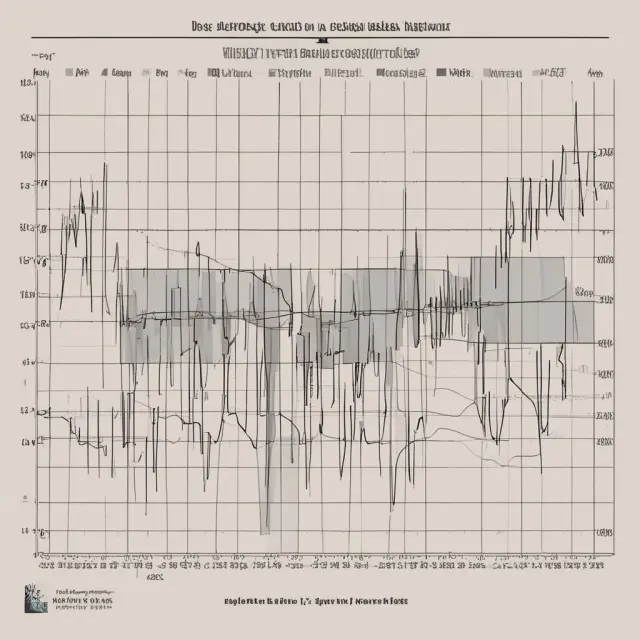
Jobless Claims as an Economic Indicator
Jobless claims serve as a powerful leading indicator of the health of the U.S. economy. Measuring how many people have filed for unemployment benefits in the previous week, the Department of Labor provides this critical statistic weekly to both investors and economists. This data is important as it offers insights into the current employment landscape and can impact investor sentiment.
A Volatile Economic Signal
Weekly jobless claims are a volatile economic indicator due to their release on a weekly basis. The report, which includes initial and continued claims data, provides valuable insight into the labor market’s condition. An increase in new claims generally indicates that more people are unable to find employment, while a decrease may point to a strengthening job market.
Understanding Market Impact
Investors closely monitor weekly unemployment reports for potential implications on the stock market. The initial jobless claims report often has the most significant impact due to its timeliness and relevance to the economic situation. A difference between the reported data and analysts’ expectations can lead to substantial market movements.
A Wealth of Information
Weekly jobless claims data offers valuable insights into the labor market and overall economy. By analyzing historical trends, investors can identify potential economic cycles and anticipate future trends. Additionally, it can be used in conjunction with other economic indicators to form a more comprehensive understanding of the current economic climate.
Diving Deeper: Initial vs. Continued Claims
It is essential to distinguish between initial and continued claims when analyzing weekly jobless claims data. Initial claims represent new filings for unemployment benefits, while continued claims reflect those who are continuing to receive benefits after an initial claim. This information provides investors with a clearer understanding of the dynamics at play within the labor market.
Different Types of Unemployment
Understanding the various types of unemployment – frictional, structural, and cyclical – is crucial for making informed investment decisions based on jobless claims data. Frictional unemployment occurs due to voluntary or involuntary changes in employment, while structural unemployment stems from a mismatch between labor skills and job opportunities. Cyclical unemployment, on the other hand, results from fluctuations in economic conditions, such as recessions or expansions.
Government’s Role in Jobless Claims and Unemployment Insurance
The U.S. government plays a significant role in administering jobless claims data and providing unemployment benefits to eligible individuals. Understanding the various programs and their implications on the labor market can help investors make informed decisions when analyzing weekly jobless claims reports.
FAQ: Common Questions about Jobless Claims for Investors
To further clarify the significance of weekly jobless claims data, it is essential to address some frequently asked questions from an investor’s perspective. This includes understanding how the report impacts the stock market, interpreting the data’s relationship with overall employment and the economy, as well as identifying potential biases within the data.
In conclusion, weekly jobless claims are a vital economic indicator that offers valuable insights into the health of the labor market and the broader economy. By closely examining this data, investors can make informed decisions and anticipate future trends, ultimately improving their investment strategies.

How Jobless Claims Impact the Stock Market
Jobless claims provide valuable insights into the employment situation and economic health. The weekly reports released by the U.S. Department of Labor on initial and continuing claims can significantly influence stock market trends and investor sentiment. This section explores how these reports impact the markets, and what investors should look out for in each report.
Initial Jobless Claims: Impact on Stocks
The most closely watched figure is the initial jobless claims, which represent new claimants filing for unemployment benefits. This data provides a real-time snapshot of labor market conditions and can be quite volatile due to its weekly release. For investors, initial jobless claims are crucial as they can act as a leading indicator for economic trends.
An unexpectedly large increase in the number of initial claims could signal an imminent slowdown or recession, causing stocks to sell off as investors react by reducing their market exposure. Conversely, a decline in initial jobless claims may boost investor confidence and contribute to a stock market rally, as they view this as a positive sign for economic growth and corporate earnings.
Continuing Jobless Claims: Implications for the Market
While initial jobless claims receive more attention due to their immediate impact on markets, continuing jobless claims data also plays an essential role. Continuing claims reflect the number of people currently receiving unemployment benefits. This information helps investors assess the overall labor market situation and provides a longer-term perspective compared to weekly initial claim figures.
A steady decline in continuing claims indicates that former unemployed individuals are finding jobs, which is often viewed as a positive sign for the economy and can contribute to stock market gains. On the other hand, an increase in continuing claims may suggest ongoing economic weakness, causing stocks to sell off or underperform.
Investors should monitor both initial and continuing jobless claims data to gain a more comprehensive understanding of labor market conditions and the broader economic landscape.
How Weekly Jobless Claims Impact Investor Sentiment
Weekly jobless claims reports can significantly impact investor sentiment, as they provide valuable insights into the state of the economy and the job market. When jobless claims decrease, investors may become more optimistic about the economic outlook and potentially increase their investment in riskier assets like stocks. Conversely, an increase in weekly jobless claims could lead to increased uncertainty and pessimism among investors, causing them to reduce exposure to equities or even move to safer investments, such as bonds.
In summary, weekly jobless claims reports are an essential indicator for understanding the health of the economy and stock market performance. By analyzing both initial and continuing claims data, investors can gain valuable insights into the labor market and assess potential implications for their investment portfolios.

Differences Between Initial and Continued Claims
In the realm of employment statistics, two terms that frequently arise in discussions of economic indicators are initial jobless claims and continued claims. While they are related to each other, these terms carry unique meanings that can impact investors differently. Let’s delve deeper into understanding the distinctions between initial and continued claims.
Initial Jobless Claims: New Filers Seeking Benefits
Initial jobless claims refer to people who are filing for unemployment benefits for the very first time due to a recent job loss. When someone loses their employment, they may become eligible for unemployment insurance if they meet specific eligibility requirements. The initial claim is essentially an application for this benefit. If the claimant meets the criteria, they will begin receiving unemployment checks based on the state’s benefit amount and duration.
The significance of initial jobless claims lies in their ability to indicate trends in the labor market, as a large number of people filing for benefits points towards a weak economy with high unemployment. Conversely, fewer new claimants suggest a healthier economic situation. Economists closely monitor weekly initial jobless claims data, which is released every Thursday morning at 8:30 Eastern Time. The initial claims report can be particularly influential on financial markets since it often sets the tone for the rest of the week’s economic news.
Continued Jobless Claims: Those Still Receiving Benefits
Continued jobless claims, on the other hand, represent people who have already started receiving unemployment benefits and continue to do so in the subsequent weeks. These individuals were previously counted as initial claimants when they first applied for benefits but have now transitioned into the category of continued claimants.
This data is crucial because it illustrates the number of unemployed individuals who are still receiving benefits from their previous employment. As such, continued claims provide a more comprehensive perspective on the state of unemployment and can help investors better understand the labor market’s dynamics. Additionally, the continued claims report is released one week later than initial jobless claims to allow time for processing and updating.
Investors should note that both initial and continued jobless claims can significantly impact financial markets when released. However, initial claims tend to have a more immediate influence since they reflect new unemployment data in the economy. Nonetheless, investors should consider analyzing both sets of data to gain a well-rounded understanding of the current employment landscape.
In conclusion, initial and continued jobless claims are essential indicators that shed light on the health of the labor market and, by extension, the economy. Understanding these concepts can help investors make informed decisions regarding their investments while maintaining awareness of macroeconomic trends.

Understanding Unemployment Types: Frictional, Structural, and Cyclical
Jobless claims indicate the number of people who’ve filed for unemployment benefits during a given week. However, it is essential to understand that there are various types of unemployment affecting individuals in the labor force. To provide a clearer perspective on this topic, we will delve deeper into frictional, structural, and cyclical unemployment and discuss their implications on the labor market.
1. Frictional Unemployment: This type of unemployment arises from voluntary changes people make in their employment situation, such as quitting a job to search for better opportunities or moving to a new location to find work. Frictional unemployment is considered normal and inevitable because people seek higher wages, more fulfilling jobs, and improved working conditions throughout their careers. Since individuals may take time to find suitable employment, this form of unemployment remains temporary.
2. Structural Unemployment: Structural unemployment occurs when there’s a mismatch between the skills or qualifications that job seekers possess and those required by available jobs. Technological advancements, automation, and industry changes are significant contributors to structural unemployment. For instance, if the workforce is not adequately trained for emerging jobs in technology industries or if new technologies replace workers, a mismatch arises, leading to long-term unemployment for some individuals.
3. Cyclical Unemployment: This type of unemployment results from economic fluctuations and downturns. During an economic recession, businesses may reduce their payrolls as demand for goods and services decreases. In contrast, during periods of economic expansion, businesses typically increase hiring to meet rising demand for products or services. Cyclical unemployment is a short-term issue because it gets resolved when the economy recovers.
The understanding of these different types of unemployment helps investors assess the labor market’s health and the potential implications on the overall economy. The volatility of weekly jobless claims can be attributed to the changing dynamics of frictional, structural, and cyclical unemployment, highlighting its importance as a leading economic indicator for the investment community.

Collecting Unemployment Benefits
Understanding eligibility requirements and conditions for receiving unemployment benefits is essential for both individuals seeking assistance during unemployment and investors looking to make informed decisions based on labor market data. The U.S. Department of Labor (DOL) oversees the unemployment insurance program, which aims to help eligible workers maintain financial stability while they search for new employment opportunities.
Eligibility Criteria for Unemployment Benefits
To be eligible for unemployment benefits, individuals must meet specific criteria that vary from state to state but generally include being out of work due to no fault of their own. This can include circumstances such as being laid off, having hours reduced, or being terminated from a job. Eligibility is determined on an individual basis, taking into account factors like the reason for leaving the previous employment and availability for and active search for new opportunities.
Conditions to Maintain Eligibility
To continue receiving benefits after their initial application, claimants must meet specific conditions set by their state’s unemployment insurance program. These requirements typically include documenting weekly work searches and maintaining an open and available status for employment. Claimants may be required to attend workshops or seminars focused on job search strategies and career development, as well.
State Differences in Unemployment Benefits
While federal guidelines provide a foundation for the unemployment insurance program, individual states have the flexibility to customize their programs to meet unique regional labor market conditions and needs. This can result in variations in eligibility criteria, benefit levels, and duration of benefits offered from one state to another.
Understanding eligibility requirements and maintaining awareness of these conditions is crucial for investors as they analyze labor market data and its potential impact on the broader economy. In a strong labor market, where job openings outnumber unemployed individuals, unemployment benefits may play a lesser role in economic indicators like jobless claims. Conversely, during periods of high unemployment or economic downturns, unemployment benefits can provide crucial support for those out of work while also impacting macroeconomic data and investor sentiment.
FAQ: Common Questions about Unemployment Benefits
What is the difference between unemployment compensation and unemployment insurance?
Unemployment compensation refers to the actual benefit payments made to eligible individuals, whereas unemployment insurance is the fund from which those payments are financed.
How long can a person collect unemployment benefits?
The length of time an individual can receive unemployment benefits varies by state and can depend on factors like the reason for losing employment and the current economic conditions.
What happens if someone turns down a job offer while collecting unemployment benefits?
Individuals who turn down a suitable job offer while receiving unemployment benefits may have their eligibility for benefits terminated.
Are there taxes on unemployment benefits?
Yes, unemployment benefits are considered taxable income and must be reported to the IRS. Some states withhold taxes from benefit payments or require recipients to make estimated quarterly tax payments.
How does the pandemic’s impact on employment affect unemployment benefits?
The COVID-19 pandemic has led to unprecedented levels of job loss, resulting in expanded eligibility and increased benefit amounts for many individuals through federal programs like Pandemic Unemployment Assistance (PUA) and Pandemic Emergency Unemployment Compensation (PEUC). These changes have affected the calculation and interpretation of unemployment data and its impact on financial markets.
Understanding the eligibility requirements, conditions, and FAQs surrounding unemployment benefits is essential for both individuals seeking assistance during periods of unemployment and investors looking to make informed decisions based on labor market data. This knowledge provides a clearer perspective on the role of this important economic indicator in shaping investor sentiment and macroeconomic trends.

Jobless Claims vs. Unemployed: What’s the Difference?
The terms “jobless claims” and “unemployed” may seem synonymous at first glance, but they represent distinct concepts in the world of employment and economics. While jobless claims refer to a statistical report on the number of people who have filed for unemployment benefits during a given week, unemployed individuals are those who currently don’t have jobs but are actively searching for work and are available to take up employment opportunities when offered.
Jobless claims serve as a critical economic indicator that offers insights into the state of the labor market. They can help investors gauge the health of the economy by providing information on how many people are filing for unemployment benefits during a specific time period. The jobless claims report is released weekly, and it includes two main components: initial claims (people applying for unemployment benefits for the first time) and continuing claims (those who have been receiving benefits for several weeks).
Unemployment, on the other hand, refers to the number of individuals who are currently out of work but actively seeking employment. The unemployment rate, which is calculated by dividing the number of unemployed people by the total labor force, serves as a significant economic indicator in its own right. It is important to note that jobless claims and the unemployment rate do not always move in perfect harmony, as factors such as seasonal fluctuations and government programs can impact both measurements differently.
One crucial distinction between the two concepts lies in their underlying motivations. While jobless claims are a direct reflection of the current labor market conditions, unemployment is a more comprehensive measure that encompasses the various reasons why individuals might be out of work. Additionally, the unemployment rate offers insights into the structural changes occurring within the labor force, such as demographic shifts and technological advancements, which can impact long-term economic trends.
In summary, jobless claims and unemployed are related but distinct concepts. Jobless claims are a weekly statistical report on new and continuing unemployment insurance applications, whereas unemployed refers to individuals who currently don’t have jobs but are actively seeking employment opportunities. Understanding this difference can help investors better navigate the complexities of the labor market and make more informed investment decisions.
Historical Context of Jobless Claims
Jobless claims, first introduced in 1940 during the Great Depression, have been a critical economic indicator ever since. This weekly report issued by the U.S. Department of Labor measures how many individuals file for unemployment benefits. Understanding the historical context of jobless claims provides valuable insights into its significance and how it has evolved as an essential metric for investors.
The initial jobless claims statistic represents those filing for unemployment insurance for the first time, while continuing jobless claims refer to people who continue receiving benefits. The volatility in weekly reports, due to their frequency, makes the moving four-week average a preferred point of focus.
During economic downturns, such as the COVID-19 pandemic, jobless claims reached historic levels with over 30 million Americans filing for unemployment between mid-March and April 2020. At its peak, the unemployment rate reached 14.7%. Since then, it has retreated to pre-pandemic levels, standing at 3.6% as of February 2023.
Historically, jobless claims have held a significant impact on markets due to their correlation with the overall health of the economy and employment situation. A strong relationship between the two exists: when more people file for unemployment benefits, it generally indicates fewer jobs available and vice versa. This makes weekly jobless claim reports important for investors in forming an opinion regarding the economy’s performance.
The volatility and market impact of initial jobless claims reports can vary. A favorable report may slow down equity sellers and potentially lift stocks if it contrasts with other recent indicators suggesting a weakening economy, or when there is a lack of alternative data to consider. On the other hand, an unfavorable report may cause market turbulence.
Jobless claims are also integral components in various economic models and indicators. The Conference Board’s Composite Index of Leading Indicators includes average weekly initial jobless claims as one of its ten components. This historical perspective helps illustrate the importance of understanding jobless claims for investors and their role in evaluating both the employment situation and overall economy.

The Role of Government in Jobless Claims and Unemployment Insurance
Jobless claims are administered by the U.S. Department of Labor and serve as a crucial indicator for investors assessing economic conditions. However, these claims would not be possible without the government’s role in providing unemployment benefits to those out of work. Understanding this process, its implications, and the differences between federal and state administration is essential for gaining a comprehensive perspective on jobless claims.
Role of Government in Unemployment Insurance
Unemployment insurance (UI) is a social safety net program designed to offer temporary financial assistance to workers who lose their jobs through no fault of their own. When someone files a jobless claim, they are essentially applying for UI benefits, which can provide up to 26 weeks of assistance in most states. The government plays a significant role in funding, managing, and monitoring the administration of these programs.
Federal vs. State Administration
Although unemployment insurance is primarily administered at the state level, it is funded through a federal-state partnership. Each state has its unique UI program, but they all follow specific guidelines established by the U.S. Department of Labor and the Federal Unemployment Tax Act (FUTA). The government provides funds to states for their administration of unemployment insurance programs, with each state contributing a percentage as well.
Eligibility Requirements
To be eligible for UI benefits, claimants must meet specific conditions set by both federal and state governments. Generally, applicants must have earned a minimum amount from wages during the base period before filing their claim. The base period usually consists of the first four of the last five calendar quarters before the effective date of the application. In addition, claimants must be actively seeking employment while receiving benefits to remain eligible.
Economic Impact and Fiscal Considerations
Government-funded unemployment insurance provides short-term support for unemployed individuals and contributes to overall economic stability during downturns. It is a crucial component of the automatic stabilizers that the government employs to mitigate the impact of economic contractions. However, administering these programs can put significant fiscal pressure on governments, particularly during recessions when a large number of workers become unemployed.
Conclusion:
Understanding the role of the government in administering jobless claims and unemployment insurance is essential for investors looking to gain insights into the health of the labor market and broader economic conditions. This critical partnership between federal and state governments offers temporary financial assistance to those who have lost their jobs, helping them meet their basic needs while also providing a safety net that supports overall economic stability.

FAQ: Common Questions about Jobless Claims for Investors
Jobless claims frequently appear in financial news and reports as an indicator of the labor market’s health and, by extension, the overall economic condition. For those new to investing or following finance news, understanding what jobless claims are and their significance can be crucial. Below, we answer some common questions investors might have regarding jobless claims.
What exactly is a jobless claim?
A jobless claim refers to the number of people filing for unemployment benefits per week in the U.S. This data is released weekly by the Department of Labor (DOL). Initial jobless claims represent those who are filing for the first time, while continuing claims involve individuals already receiving unemployment benefits.
Why do jobless claims matter to investors?
Jobless claims serve as an essential leading indicator of the labor market’s state and, subsequently, the economy. A growing number of people filing for unemployment benefits may indicate a weakening economy, whereas a decrease in claims suggests an improving one. The healthier the job market, typically the better for the economy overall.
How are jobless claims measured?
The DOL releases weekly data on initial and continuing claims. This information is reported as seasonally adjusted numbers. Seasonally adjusting the data helps remove irregular fluctuations due to factors like holidays or weather.
What happens if the reported jobless claims differ from analysts’ expectations?
Markets may react strongly if a weekly report on jobless claims differs significantly from analysts’ forecasts, often with the inverse reaction. For example, an unexpected drop in jobless claims could slow down equity sellers and potentially boost stocks, while an uptick might result in stock market slumps.
How do initial and continued jobless claims differ?
Initial jobless claims refer to individuals filing for unemployment benefits for the first time, whereas continuing claims involve people already receiving benefits. The initial claims generally have a more substantial impact on financial markets due to their earlier release.
Are there different types of unemployment?
Yes, there are three primary types: frictional, structural, and cyclical. Frictional unemployment consists of voluntary changes in employment; structural unemployment occurs when workers become unemployed due to economic changes, such as technological advancements; and cyclical unemployment results from fluctuations in the business cycle.
Is it possible to collect unemployment if I quit my job?
No, you cannot receive unemployment benefits if you voluntarily leave your job. To be eligible, one must typically be laid off or, in specific circumstances, terminated due to reasons beyond their control.
What is the historical context of jobless claims as an economic indicator?
Weekly jobless claims have been reported since 1967 and have long served as a valuable tool for understanding the health of the labor market and economy. During periods of economic downturns, such as recessions or pandemics, the number of people filing for unemployment benefits can surge significantly.
Understanding the nuances of jobless claims is an essential aspect of being an informed investor. By staying abreast of this key economic indicator, you’ll be better equipped to assess market conditions and make more informed investment decisions.
 Next entry · No. 2,604Understanding Jobless Recovery: A New Economic Reality for Institutional Investors
See also
-
 No. 5,650
26 Sep 2025
22 min
The Wealth Effect: How Increased Asset Values Affect Consumer Spending
Business Finance
No. 5,650
26 Sep 2025
22 min
The Wealth Effect: How Increased Asset Values Affect Consumer Spending
Business Finance -
 No. 3,459
30 Mar 2025
17 min
Understanding New Home Sales: A Key Economic Indicator for Professional Investors
Business Finance
No. 3,459
30 Mar 2025
17 min
Understanding New Home Sales: A Key Economic Indicator for Professional Investors
Business Finance -
 No. 3,156
05 Mar 2025
22 min
Understanding the Michigan Consumer Sentiment Index: Key Insights for Institutional Investors
Business Finance
No. 3,156
05 Mar 2025
22 min
Understanding the Michigan Consumer Sentiment Index: Key Insights for Institutional Investors
Business Finance -
 No. 2,753
01 Feb 2025
19 min
Understanding Lagging Indicators in Finance and Investment: Confirming Economic Trends
Business Finance
No. 2,753
01 Feb 2025
19 min
Understanding Lagging Indicators in Finance and Investment: Confirming Economic Trends
Business Finance -
 No. 2,215
19 Dec 2024
19 min
The Attractive Server Economic Index: A Dubious Indicator of Recession
Business Finance
No. 2,215
19 Dec 2024
19 min
The Attractive Server Economic Index: A Dubious Indicator of Recession
Business Finance -
 No. 5,662
27 Sep 2025
20 min
The Weekend Effect in Finance: Understanding This Persistent Market Phenomenon
Finance Policy
No. 5,662
27 Sep 2025
20 min
The Weekend Effect in Finance: Understanding This Persistent Market Phenomenon
Finance Policy