Understanding Judgments: Types, Collections, and Legal Consequences

Understanding different types of judgments, their roles in civil and criminal law, collection processes, and consequences.
What Is a Judgment?
A judgment is an authoritative decision handed down by a court in favor of one party over another after a dispute. It legally establishes the rights and obligations for both parties involved in a civil or criminal proceeding. Judgments can be monetary or non-monetary, and they have significant consequences for debtors and creditors alike.
In the market economy, judgments serve as essential tools to resolve disputes, establish property rights, and enforce contracts. They play an integral role in both civil and criminal cases. In civil courts, judgments may result from breaches of contract or property disputes. Civil judgments often require monetary compensation, but they can also involve fines or penalties. Criminal judgments, on the other hand, are handed down for violations of criminal law, such as theft or fraud. These judgments can lead to imprisonment, loss of legal rights and privileges, or monetary fines.
Understanding a Judgment:
Judgments fall into three categories based on their scope: in personam, in rem, and quasi in rem. In personam judgments hold one entity personally liable to another, while in rem judgments impose general liability over things like property. Quasi in rem judgments determine individual rights to a particular thing or situation. Most judgments are monetary, meaning they require payment of a specific sum. Non-monetary judgments can include orders requiring parties to perform services or actions instead of paying money.
Collection and Consequences:
Collecting a monetary judgment is a crucial aspect of the process. If the losing party refuses to pay, the winning party may employ various methods such as conducting debtor examinations, seizing bank accounts, placing liens on property, or hiring a debt collector. However, it’s important to note that judgments remain on a debtor’s credit report for seven years and can negatively impact their credit score if unpaid.
Examples:
An illustrative example of a judgment is a borrower failing to repay a loan or a credit card debt. The lender or creditor then obtains a judgment to force the borrower to pay, but collecting the money may be an arduous and expensive process. In a more complex scenario, a landlord who evicts a tenant for unpaid rent might file a lawsuit to recover the owed rent. If they win, it results in a judgment against the tenant.
In regulatory cases, corporations often aim for negotiated settlements instead of facing costly and unpredictable litigation processes. For instance, when Wells Fargo employees were discovered defrauding millions of customers, the bank agreed to pay $3 billion in fines to resolve their civil and criminal liabilities. The scandal not only significantly impacted the bank’s reputation but also its share price.
Avoiding a Judgment:
While judgments are legally binding, there are legal options available to debtors facing unpaid debts or judgments. Debtors can explore exemptions under state law for certain types of property or file for bankruptcy to discharge their obligations while keeping basic property. It’s essential to consult with a legal professional for guidance on specific circumstances.
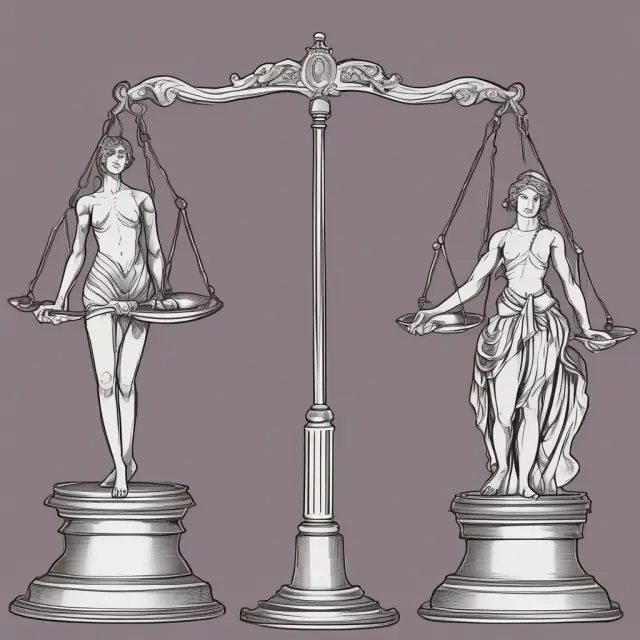
Judgment Classifications
A judgment is an essential component of the legal process that determines the rights and obligations of parties in a dispute. However, judgments are not all created equal, and they can be classified into three main types: in personam, in rem, and quasi in rem. Understanding these classifications provides valuable insight into how judgments function within civil and criminal law.
In personam judgments target specific parties, holding them individually liable for their actions or obligations. For instance, a court may issue an in personam judgment against someone who breaches a contract, requiring them to pay monetary damages to the injured party. In contrast, in rem judgments focus on property rights and impose a liability upon the thing itself rather than the individuals involved. For example, when a court grants a lien on a property due to an unpaid debt, it is issuing an in rem judgment, as the right to collect the debt now attaches to the property itself, making it subject to seizure or sale if necessary to satisfy the creditor’s claim.
Quasi in rem judgments are unique because they determine the rights of one individual with respect to a specific thing while leaving other parties unaffected. An example would be a court granting an easement over another person’s land to allow access for a common boundary or utility line. This type of judgment is called quasi in rem because it affects only the relationship between the two parties involved and does not establish a general liability against all parties.
It’s essential to note that judgments can be monetary or non-monetary. Monetary judgments are common, and they involve the payment of a specified sum of money as damages for harm caused by one party to another. Non-monetary judgments, on the other hand, may require the debtor to perform an action such as providing a service, removing an obstruction, or restoring property to its original condition before the dispute.
Understanding these distinctions is crucial because they play a significant role in various legal contexts. For instance, when a tenant fails to pay rent, a landlord can file for an unlawful detainer action, which results in an in personam judgment requiring the tenant to vacate the premises and pay any outstanding rent. Similarly, when a creditor files a lawsuit against a debtor to collect on an unpaid debt, they may seek a monetary judgment for the full amount owed. In contrast, a court may issue a quasi in rem judgment against a property owner who fails to maintain their land, ordering them to take specific actions to prevent further harm to their neighbors’ property.
In summary, judgments come in different types and classifications, each with distinct implications for the parties involved. Being aware of these various judgments and how they apply can help you navigate complex legal situations more effectively and ensure that your rights are protected under the law.

Monetary vs Non-Monetary Judgments
In the realm of judgments, it is essential to distinguish between monetary and non-monetary judgments based on their nature and implications. Monetary judgments are those that require a party to pay a specified sum of money to another party as compensation for harm or damages. This section discusses the differences between monetary and non-monetary judgments, shedding light on their unique aspects and real-life applications.
Monetary Judgments
When someone has suffered financial loss due to an infringement of their rights, they typically seek a remedy through filing a lawsuit. The court renders a judgment, requiring the losing party to pay monetary compensation to the victorious plaintiff. Monetary judgments are most common in tort and contract cases.
For example, when someone is injured due to another’s negligence or breach of contract, they may seek damages through legal proceedings. A court will issue a judgment specifying the amount that must be paid as compensation for the harm sustained. This monetary judgment serves as an enforceable order compelling the defendant to pay the plaintiff the agreed-upon sum.
Non-Monetary Judgments
In contrast, non-monetary judgments involve the court making orders that do not require payment of money. Instead, they may direct one party to perform a specific action or cease certain activities. In such cases, the judgment is designed to right a wrong or put an end to unlawful behavior. Non-monetary judgments can be seen in various types of cases, such as those involving injunctions or equitable relief.
An example of a non-monetary judgment might include an order granting an injunction that requires one party to cease using copyrighted material without permission or to return stolen property. Another common application of this type of judgment is seen in divorce proceedings where the court orders one spouse to pay for health, education, or other expenses on behalf of their children.
Comparative Analysis
Monetary and non-monetary judgments serve different purposes and have distinct implications. Monetary judgments aim to provide financial recompense to the injured party, while non-monetary judgments focus on correcting wrongs, preventing future harm, or ensuring compliance with certain legal requirements. Both types of judgments are essential tools in the legal system, serving to protect the rights and interests of individuals and promote fairness, justice, and order within society.
In conclusion, understanding the differences between monetary and non-monetary judgments is crucial for anyone navigating the complexities of the legal system. By knowing the key characteristics and applications of each type, individuals can better protect their rights and interests and make informed decisions when faced with potential disputes or other legal challenges.
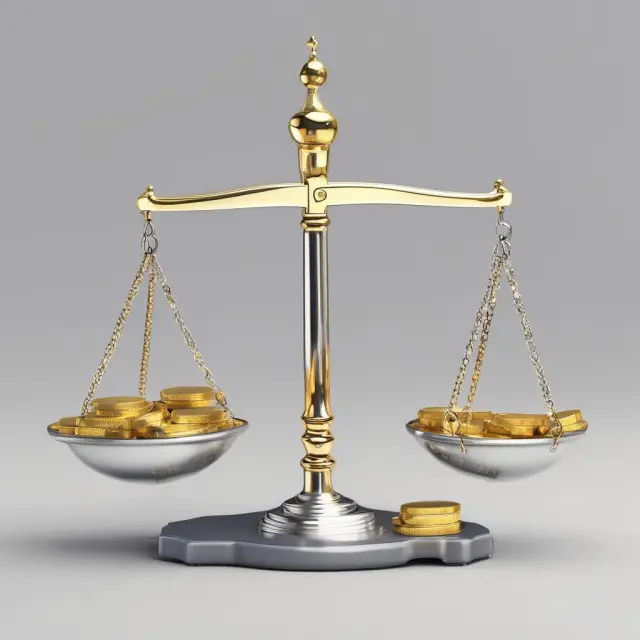
Collection of Monetary Judgments
Once a creditor has secured a monetary judgment against a debtor, the next step is the collection process. Collection of a money judgment can include various methods to recover funds owed by the debtor. These processes may include conducting a debtor’s examination, seizing bank accounts, putting liens on property, or hiring a debt collector.
A debtor examination involves questioning the debtor under oath to gain information about their assets, income, and financial situation. The purpose of a debtor examination is for the creditor to discover hidden assets that may be seized to satisfy the judgment. During the examination, the debtor must answer truthfully, and any false statements made can result in perjury charges.
Seizing bank accounts is another method creditors use to collect monetary judgments. A creditor can file a writ for the seizure and sale of property to obtain a court order to freeze and seize funds from the debtor’s bank account. Once the funds are seized, they become part of the judgment creditor’s assets and will be used to satisfy the judgment.
Putting a lien on the debtor’s property is another collection method that creditors may use. A judgment lien gives the creditor the right to place a hold or claim on the debtor’s real property, such as their home or land. The purpose of this lien is to secure payment of the judgment if the debtor sells the property in the future.
Hiring a debt collector is an option for creditors when they are unable to collect the judgment themselves. A debt collection agency can locate the debtor, negotiate payment plans, and even bring legal action against the debtor to collect the owed amount. However, debt collectors must follow specific regulations under the Fair Debt Collection Practices Act.
The process of collecting a monetary judgment can be complex and time-consuming. It is important for creditors to understand their options and the potential challenges that may arise during the collection process. Unpaid judgments can negatively impact a debtor’s credit score, making it essential for creditors to collect the owed amount efficiently.
While collecting monetary judgments can be a challenging process, creditors should not ignore them. A judgment is a legally binding court order, and failure to satisfy a judgment can result in additional penalties, including wage garnishment or property seizure. It’s crucial for creditors to take action as soon as possible to maximize their chances of recovering the owed funds.
For debtors, it’s essential to understand that judgments have consequences. A monetary judgment can result in the loss of assets and a negative impact on credit scores. Debtors should consider negotiating a payment plan or seeking legal advice to explore options for reducing or discharging the judgment. By taking proactive steps, debtors may be able to minimize the impact of a monetary judgment.

Special Considerations of Collecting Monetary Judgments
The impact of unpaid judgments on credit scores and the challenges in collecting monetary judgments are essential aspects to consider when dealing with a judgment. Most of the time, a monetary judgment is granted as compensation for an injury or breach of contract. However, getting the debtor to pay the amount owed can be a complex process.
One significant concern for those facing unpaid judgments is their impact on credit scores. A judgment that remains unpaid will appear on the debtor’s credit report and can negatively affect their credit score. The negative effect lasts for seven years, but the severity of the impact depends on whether it is paid or not. An unpaid judgment will have a more significant negative effect than one that has been satisfied.
Collecting monetary judgments can also present challenges to creditors. Although judgments are legally binding, collecting payments can be time-consuming and costly. Some of the methods used to collect a judgment include conducting debtor examinations, seizing bank accounts, putting liens on property, or hiring a debt collection agency.
Creditors may conduct debtor examinations to gather financial information about the debtor’s assets, income, and expenses. This process can provide valuable insight into the debtor’s ability to pay the judgment. Debtors may be required to appear in court for an examination, answer written questions under oath, or produce financial records.
Seizing bank accounts is another method used to collect a monetary judgment. A creditor can ask the court for permission to freeze a debtor’s bank account if they believe the debtor has sufficient funds to pay the judgment. The court will consider whether the seizure would cause undue hardship for the debtor before granting the request.
Placing a lien on property is another option for creditors seeking to collect a monetary judgment. A lien allows a creditor to secure their claim to the debtor’s property, meaning that the property cannot be sold or transferred without paying off the judgment first. The lien remains in place until the judgment has been paid or satisfied.
Hiring a debt collection agency is another potential strategy for creditors seeking to collect monetary judgments. Debt collection agencies specialize in locating and collecting unpaid debts, often using aggressive tactics that may not be available to individual creditors. However, hiring a collection agency can come with significant fees and commissions that reduce the amount ultimately collected.
Despite these methods, it’s essential to understand that collecting monetary judgments is not always successful. A debtor may have limited assets or resources, making it difficult for a creditor to collect the full amount owed. In such cases, creditors might choose to negotiate a settlement or seek alternative forms of compensation, like wage garnishment or tax refund intercepts.
In conclusion, understanding the process and considerations involved in collecting monetary judgments is crucial for both debtors and creditors. Debtors should be aware of the potential impact on their credit score and be prepared to face collection efforts from creditors. Creditors must understand that collection processes can be costly and time-consuming, but that there are various methods available to secure payment. By being informed about these aspects of collecting monetary judgments, both parties can make more informed decisions when navigating this complex process.

Examples of Judgments
Judgments serve as powerful tools for resolving disputes and settling claims in a variety of situations. In this section, we delve into some real-life examples of judgments, showcasing the different types and their implications.
Personal injury settlements: Suppose that John is hit by a drunk driver while crossing the street. The driver is charged with DUI and, as part of a settlement, agrees to pay John $100,000 in damages for his injuries. This monetary judgment compensates John for medical bills, lost wages, and any additional pain and suffering he experienced.
Contract disputes: In another scenario, two business partners enter into an agreement to form a joint venture, but one party fails to fulfill their obligations under the contract. The other partner may file a lawsuit seeking a judgment for breach of contract and be awarded damages accordingly.
Regulatory actions: A corporation faces regulatory action when its employees are found to have committed fraud or other wrongdoings that harm consumers. In such cases, the company may be held liable for substantial fines, penalties, or even criminal charges. For instance, Wells Fargo paid $3 billion in fines and was forced to take corrective measures after it was discovered that employees had opened unauthorized accounts on behalf of customers without their consent.
These examples demonstrate how judgments serve as a means for seeking accountability and redressing grievances when disputes arise between individuals, businesses, or the government. In each instance, the judgment serves to enforce contracts, protect consumers, and encourage adherence to the law. However, it’s important to remember that winning a court judgment is only the first step in collecting what you are owed. Collecting a monetary judgment can be a complex and often lengthy process, requiring the use of legal procedures such as debtor examinations, bank account seizures, liens on property, or hiring a debt collection agency.
In conclusion, judgments play an essential role in various aspects of our lives, from personal injury claims to business dealings and regulatory actions. Understanding how these judgments function is crucial for those involved in legal disputes, as well as anyone seeking to learn more about the judicial process and its consequences.

Civil Judgments vs Criminal Judgments
Civil and criminal judgments are two distinct legal concepts with significant differences in proceedings, consequences, and goals. While civil judgments aim to resolve disputes between private parties and enforce contracts, criminal judgments serve the purpose of punishing individuals who have breached the law.
A civil judgment results from a dispute between two or more individuals or organizations. These cases usually involve claims for damages due to contract breaches, property disputes, and torts (injuries or harms). In comparison, criminal judgments concern violations of the criminal law, such as theft, fraud, assault, or drug offenses.
The primary difference between civil and criminal judgments lies in their respective goals: civil judgments aim to compensate the injured party for harm suffered and restore the status quo ante (pre-existing state), whereas criminal judgments seek to impose punishment upon wrongdoers as a means of deterring future infractions.
Civil Judgments
Civil judgments are typically initiated when one party believes that another has violated their rights or failed to honor contractual obligations. In a civil action, the plaintiff seeks compensation (monetary damages) or other remedies from the defendant, who is responsible for the harm or breach of contract.
A civil judgment may include various orders, such as:
- Payment of monetary damages
- Performance of specific tasks (e.g., repairing property)
- Injunctions (temporary restraining orders or permanent injunctions to prevent further harm)
- Garnishment of wages or bank accounts
- Placing liens on property
A civil judgment is not a conviction, as it only establishes legal liability. However, if the defendant fails to comply with the court order, they may face additional consequences, such as fines, contempt proceedings, or even incarceration in some cases (contempt of court).
Criminal Judgments
In contrast, criminal judgments are aimed at punishing offenders for violating the law. In a criminal case, the prosecutor represents the interests of society and seeks to prove beyond a reasonable doubt that the defendant committed the alleged offense.
A criminal judgment may include various penalties such as:
- Probation or parole (supervised release)
- Fines
- Community service
- Restitution (payment to victims or victims’ families)
- Imprisonment (incarceration)
- Felony or misdemeanor conviction (a criminal record)
The consequences of a criminal judgment are far-reaching and can impact an individual’s personal life, employment prospects, housing opportunities, and reputation long after serving the punishment. A criminal record may prevent future job offers, negatively impact immigration status, and create barriers to education or professional licenses.
Summary
In conclusion, understanding the differences between civil and criminal judgments is crucial for anyone involved in legal proceedings or working within the legal system. Civil judgments serve to compensate victims and enforce contracts, while criminal judgments are aimed at punishing offenders and deterring future crimes. It is important to recognize that each judgment has unique implications, consequences, and processes.

Summary Judgment: Pros & Cons
A summary judgment is a court decision made without a full trial when there are no disputes about material facts in a lawsuit. Both parties can request summary judgment; however, the judge will always consider the facts from their opponent’s perspective. A summary judgment benefits litigants by avoiding the expense of a trial and the uncertainty of jury decisions. However, it poses risks as well, especially for weaker or less prepared parties.
Advantages:
- Saves time and money: Summary judgments expedite the resolution process, reducing court congestion and legal fees.
- Offers certainty: If a party believes they have a strong case based on undisputed facts, a summary judgment eliminates the risk of an unfavorable jury decision.
- Streamlines litigation: Parties can focus their resources on contested issues instead of preparing for trial on uncontested ones.
Disadvantages:
- Risk of error: The judge’s ruling is final and can result in an undeserved loss if the facts are not fully understood or appreciated.
- Overlooking key details: In complex cases, a summary judgment may overlook important details that could lead to a different outcome at trial.
- Potential for bias: A judge might be biased towards one party and overlook relevant facts due to their perception of the parties involved.
- Limited discovery: Summary judgments restrict access to information and can prevent the parties from fully understanding each other’s positions.
- Missed opportunities: Parties may miss an opportunity to test their case in front of a jury, potentially resulting in a more favorable outcome.
Understanding the Pros and Cons of Summary Judgment
The decision to pursue or oppose a summary judgment should be based on a careful consideration of its advantages and disadvantages. Parties must weigh the potential benefits of saving time and money against the risks of an unfavorable ruling, especially in cases with complex facts or contested issues. Consulting legal counsel can help determine whether a summary judgment is the best option for your situation.
FAQs:
- What happens if a party loses a summary judgment motion? The losing party may appeal the decision to a higher court.
- Are summary judgments binding? Yes, a summary judgment is as final and binding as any other court order or judgment.
- How does a party apply for a summary judgment? Parties can submit a motion asking the judge to grant a summary judgment based on undisputed facts.
- What are the requirements for a summary judgment? The moving party must demonstrate that there is no genuine issue as to any material fact and that they are entitled to judgment as a matter of law.

How to Avoid Paying a Judgment
Facing an unfavorable judgment can be overwhelming for debtors who are already experiencing financial hardships. However, there are legal options available to those facing a judgment that could lessen the burden of repayment or even allow debtors to keep their essential property.
Exemptions under State Law
One option for debtors is to take advantage of state-mandated exemptions. These exemptions protect certain types of property from being seized during the collection process of a judgment. Each state has its list of exempt assets, so it’s essential for debtors to understand what their state allows them to keep.
Commonly exempted items include:
- Primary residence up to a specific value
- Personal vehicle up to a certain worth
- Retirement accounts
- Clothing and household goods
- Tools of the trade, necessary for earning a living
- A portion of disposable income
- Public benefits such as social security or unemployment compensation
These exemptions can vary between states and sometimes even within different counties within the same state. It is crucial for debtors to consult their state’s exemption laws to ensure they fully understand what they are entitled to keep during this process.
Bankruptcy Proceedings
Another option for those facing a judgment is filing for bankruptcy. Under Chapter 7 bankruptcy, debtors can discharge most of their debts, allowing them to start anew without worrying about repaying past judgments. However, it’s important to note that not all debts are dischargeable under this option, including alimony or child support payments and student loans (in certain circumstances).
It is essential for debtors to consult with a bankruptcy attorney to determine which type of bankruptcy filing best suits their situation. In the case of Chapter 7 bankruptcy, debtors may be required to sell some assets to repay their debts. However, these exemptions can protect the debtor’s property from seizure during this process.
Other Considerations
Debtors who are unable to qualify for bankruptcy or choose not to file may still have other options available to them, depending on the specifics of their case. These might include negotiating a payment plan with the creditor, settling the debt for less than the total amount owed, or even filing an appeal if they believe that the judgment was erroneous.
In conclusion, while a judgment can be a daunting prospect for debtors, there are legal avenues available to help mitigate the financial burden. Understanding state exemption laws and potential bankruptcy options are crucial steps in addressing judgments effectively. If you find yourself facing an unfavorable judgment, seeking guidance from a qualified attorney or financial advisor can provide valuable insights into your best course of action.

Judgment Liens: Protecting Creditors’ Interests
A judgment lien is a powerful tool in the hands of creditors that ensures their interests are protected when a debtor fails to honor a court judgment. This section explores how judgments can create liens, the implications for the debtor and the creditor, and common strategies for enforcing these liens.
When a plaintiff obtains a monetary judgment against a debtor, the judgment becomes enforceable by law. The creditor (plaintiff) may choose to employ a judgment lien to secure repayment of the debt if they fear the debtor lacks sufficient assets or the financial capacity to pay. This legal mechanism attaches itself to the debtor’s property and remains effective until the judgment is satisfied, expired, or released by court order.
The creditor can levy on the following types of property under a judgment lien:
- Real estate and real property
- Personal property such as vehicles, boats, or bank accounts
- Future wages and salary payments
- Stocks, bonds, or other securities
Once a judgment lien is established, it can significantly impact the debtor’s ability to sell, transfer, or otherwise dispose of the affected property. The creditor may place a hold on the property until the debtor settles their obligation. In some cases, the creditor may also seize and sell the property to recover their dues if the judgment remains unpaid for an extended period.
The judgment lien serves as a protective measure that shields creditors from potential losses due to insolvent or financially irresponsible debtors. It grants them priority over other claimants on the debtor’s assets, ensuring they receive payment before others. This legal remedy offers valuable peace of mind for creditors and allows them to mitigate their risk when engaging in business transactions with potentially unreliable counterparts.
However, debtors may be entitled to certain exemptions under state laws designed to protect essential property from being seized. For instance, a debtor might be able to preserve their primary residence, retirement accounts, or personal belongings, depending on the specific regulations in their jurisdiction. In such cases, these exemptions can limit the scope of the judgment lien and potentially lessen the financial burden for the debtor.
The creditor must follow specific procedures to enforce a judgment lien effectively. Generally, they need to record the judgment lien with the appropriate county recorder or clerk’s office where the property is located. Once recorded, the judgment lien becomes enforceable against any subsequent buyers or creditors of the property who are unaware of its existence.
In conclusion, a judgment lien is an essential legal mechanism that offers protection to creditors in cases where debtors have failed to meet their financial obligations. This powerful tool can significantly impact the debtor’s ability to dispose of their assets and provides peace of mind for creditors seeking repayment. While debtors may be entitled to exemptions under specific state laws, it is crucial for both parties to understand the implications of a judgment lien and consult with legal counsel for advice tailored to their unique circumstances.

FAQs on Judgments
When discussing judgments, readers might have some common questions and concerns that need answering. In this section, we will address frequently asked questions about judgments, including how long a judgment stays on your credit report and what happens when a judgment expires.
Question: What happens when a judgment expires?
Answer: Contrary to popular belief, judgments do not expire after a certain period. Instead, they remain enforceable indefinitely unless the creditor formally dismisses the case or the statute of limitations passes. At that point, the debtor may no longer be obligated to pay. However, it is crucial for creditors to actively pursue collections within the statute of limitations, as once it expires, they lose their ability to collect on the judgment.
Question: How long does a judgment stay on your credit report?
Answer: A judgment remains on your credit report for seven years from the date it was entered, regardless of whether or not you have paid it off. However, the impact of that judgment on your credit score lessens as time passes. Unpaid judgments will adversely affect your credit score more than a paid one.
Question: Can you file bankruptcy to avoid paying a judgment?
Answer: Yes, filing bankruptcy can help protect certain property from being seized in the collection of a judgment. However, bankruptcy laws vary by state and type of case, so it’s essential to consult with an attorney for advice specific to your situation. In some cases, you may be able to discharge the judgment debt through bankruptcy proceedings.
Question: What types of property can creditors seize in a judgment?
Answer: Creditors can seize various forms of property when collecting on a judgment, including real estate, bank accounts, stocks, wages, and vehicles. However, most states offer exemptions for certain types of property, such as primary residences or personal vehicles, up to a specific value limit. In some cases, debtors may also be able to protect their property by entering into payment plans or reaching a settlement with the creditor.
Question: How can I collect on a judgment?
Answer: Collecting on a judgment involves several steps and potentially legal proceedings. Once you’ve obtained a judgment, you can request a writ of execution from the court that orders various enforcement actions. These may include levying bank accounts, wage garnishment, property seizure, or the sale of personal property to recover the debt owed. Additionally, you may choose to work with a collections agency to assist in the collection process.
Question: What is summary judgment and how does it work?
Answer: Summary judgment is a court ruling made without a full trial. A party can request summary judgment when there are no disputes regarding the material facts of the case, allowing both parties to avoid the expense of a full trial. The judge will always consider the facts in the light most favorable to the opposing party when making a decision on a summary judgment motion. This process can save time and money for all involved but requires a strong legal argument to convince the court that there are no genuine issues remaining in dispute.
 Next entry · No. 2,645Understanding Judgmental Credit Analysis vs. Traditional Credit Scores
See also
-
 No. 5,816
10 Oct 2025
20 min
Understanding the Process and Purpose of a Writ of Execution in Finance and Investment
Business Finance
No. 5,816
10 Oct 2025
20 min
Understanding the Process and Purpose of a Writ of Execution in Finance and Investment
Business Finance -
 No. 5,815
09 Oct 2025
17 min
Understanding Writs of Attachment: Freezing Assets Before a Judgment
Business Finance
No. 5,815
09 Oct 2025
17 min
Understanding Writs of Attachment: Freezing Assets Before a Judgment
Business Finance -
 No. 3,213
10 Mar 2025
20 min
Understanding Misrepresentations in Contracts: False Statements and Their Legal Consequences
Legal & Contracts
No. 3,213
10 Mar 2025
20 min
Understanding Misrepresentations in Contracts: False Statements and Their Legal Consequences
Legal & Contracts -
 No. 2,910
13 Feb 2025
18 min
Understanding Liquidated Damages in Contract Law: A Comprehensive Guide
Legal & Contracts
No. 2,910
13 Feb 2025
18 min
Understanding Liquidated Damages in Contract Law: A Comprehensive Guide
Legal & Contracts -
 No. 2,855
09 Feb 2025
41 min
Understanding Libel: A Comprehensive Guide for Institutional Investors
Legal & Contracts
No. 2,855
09 Feb 2025
41 min
Understanding Libel: A Comprehensive Guide for Institutional Investors
Legal & Contracts -
 No. 2,646
23 Jan 2025
19 min
Judgment Liens: Understanding This Nonconsensual Lien and Its Implications for Debtors
Legal & Contracts
No. 2,646
23 Jan 2025
19 min
Judgment Liens: Understanding This Nonconsensual Lien and Its Implications for Debtors
Legal & Contracts