Understanding Labor Market Flexibility: Advantages, Disadvantages, and Impact on Employment
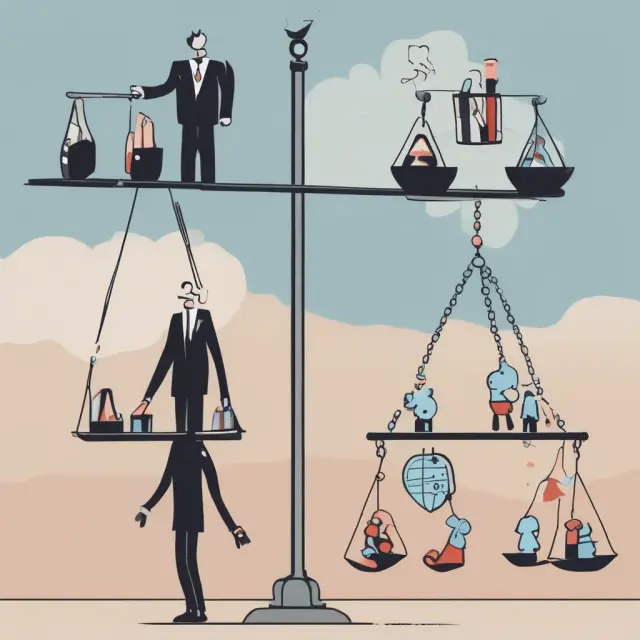
Explore the concept of labor market flexibility, its advantages and disadvantages, factors affecting it, and real-life examples.
Introduction to Labor Market Flexibility
Labor market flexibility, also known as employment flexibility or labor market adjustment, refers to a labor market’s ability to react swiftly to economic conditions through modifications in wages, hours worked, hiring, and firing practices. This concept is crucial because it affects the overall economic performance of a country, particularly during periods of recession or recovery.
A flexible labor market enables employers to make adjustments to their workforce based on changes in supply and demand, business cycles, technological advancements, and other factors influencing the economy. However, not all labor markets exhibit equal levels of flexibility. Labor regulations, employment contracts, labor unions, minimum wage requirements, and various work arrangements can constrain a labor market’s ability to adapt.
In this section, we will discuss the fundamental aspects of labor market flexibility, its importance, and key takeaways. We will also explore the advantages and disadvantages of a flexible labor market and factors influencing labor market flexibility in more detail throughout subsequent sections.
Understanding Labor Market Flexibility: Advantages, Disadvantages, and Impact on Employment
Advantages of labor market flexibility include increased productivity, lower unemployment rates, higher economic growth, and the ability to respond promptly to changes in the economy. A flexible labor market allows businesses to adjust their workforce based on supply and demand fluctuations, adapting to varying business needs by hiring or firing workers as necessary.
Advocates for a flexible labor market argue that it leads to increased productivity due to the efficient allocation of resources, lowering the overall unemployment rate by matching job seekers with available positions. Additionally, businesses in a flexible labor market can quickly respond to economic cycles and technological advancements, providing a competitive advantage in the global economy.
On the other hand, critics argue that labor market flexibility can lead to negative consequences such as wage suppression for less skilled workers, inadequate job security, and the potential exploitation of vulnerable workers. Some fear that excessive flexibility may undermine social stability by creating a precarious workforce and exacerbating income inequality.
It is essential to recognize that labor market flexibility does not mean an absence of regulations or protection for workers; rather, it refers to the ability for businesses to respond effectively to changing economic conditions while balancing the interests of employers and employees. In the following sections, we will explore the advantages and disadvantages of labor market flexibility in more detail and discuss factors that influence labor market flexibility.
Upcoming Sections
Section Title: How Labor Market Flexibility Works
Description: Explanation of the concept of labor market flexibility and factors affecting it, including labor unions.
Section Title: Advantages and Disadvantages of Labor Market Flexibility
Description: Exploration of arguments for and against labor market flexibility and its impact on the economy and workforce.
Section Title: Factors Impacting Labor Market Flexibility
Description: Discussion of factors that influence labor market flexibility, such as employee skills and training, minimum wage regulations, job-related information, and unions.
Section Title: Comparing Labor Market Flexibility to the Financial Market
Description: Comparison of the labor market and financial market, including their differences, similarities, and interaction.
Section Title: Case Studies: Flexible and Rigid Labor Markets
Description: Real-life examples of flexible and rigid labor markets to illustrate the concept in action.
Section Title: Policies to Promote Labor Market Flexibility
Description: Discussion of various policies that governments and organizations can implement to promote labor market flexibility.
FAQs About Labor Market Flexibility
Question 1: What is labor market flexibility?
Answer: Labor market flexibility refers to a labor market’s ability to quickly respond to economic conditions through modifications in wages, hours worked, hiring, and firing practices. It enables businesses to adapt to changing business needs while balancing the interests of employers and employees.
Question 2: What are some advantages of labor market flexibility?
Answer: Labor market flexibility leads to increased productivity, lower unemployment rates, higher economic growth, and the ability for businesses to respond promptly to changes in the economy. It also helps match job seekers with available positions, ensuring a competitive advantage in the global economy.
Question 3: What are some disadvantages of labor market flexibility?
Answer: Critics argue that labor market flexibility can lead to negative consequences such as wage suppression for less skilled workers, inadequate job security, and potential exploitation of vulnerable workers. Some fear it may undermine social stability by creating a precarious workforce and exacerbating income inequality.
Question 4: How can governments promote labor market flexibility?
Answer: Various policies that governments and organizations can implement to promote labor market flexibility include reducing or abolishing the minimum wage, providing education and skills training to workers to improve mobility, making it easier to lay off workers, removing labor protection laws, and encouraging flexible work arrangements such as telecommuting.
How Labor Market Flexibility Works
Labor market flexibility is a crucial aspect of modern economies as it enables firms to adapt their workforce in response to changing conditions. This section aims to elucidate the concept of labor market flexibility, its underlying factors, and the role of labor unions in shaping this market.
Labor market flexibility refers to an employer’s ability to adjust its labor force in response to various economic conditions. In a flexible labor market, firms can modify their workforce by making decisions related to employee hiring and firing, wages and compensation, and working hours and conditions. However, labor market flexibility is subject to regulations, as governments and organizations aim to protect the interests of employees and the overall labor pool (Ballew & Cascio, 2014).
The degree of labor market flexibility varies significantly depending on several factors:
- Labor unions: Unions negotiate wages, benefits, and working conditions for their members. They can influence the labor market’s flexibility by limiting employers’ ability to change wages, hours, or terms of employment arbitrarily. In rigid labor markets with strong union presence, employers have less flexibility to adjust their workforce according to market demands (Acemoglu & Restrepo, 2018).
- Employee skills and training: Well-trained employees are more adaptable to changes in the labor market. They can easily move from one job to another or develop new skills as required by the market. For instance, a worker who undergoes training to transition from customer service to IT may be better equipped to respond to changing conditions within their company and the broader economy (Bartel & McIver, 2013).
- Minimum wage regulations: Minimum wages set by governments limit how low employers can pay their employees. While minimum wages help protect workers from exploitation, they may reduce labor market flexibility, as firms may be reluctant to hire unskilled or inexperienced workers when the cost of labor exceeds their potential value (Burda & Dethlefsen, 1997).
- Part-time and temporary work: Flexible employment arrangements such as part-time jobs and temporary contracts can increase labor market flexibility by allowing employers to adjust their workforce more easily in response to changing conditions. However, these arrangements can also lead to insecure working conditions for employees and may limit their ability to invest time and effort in their jobs (Manning, 1993).
- Job-related information: Access to accurate and timely information about job opportunities plays a vital role in labor market flexibility. The more informed workers are about vacancies within their industry or company, the better equipped they are to respond to changes and adapt to new circumstances (Pissarides & McMaster, 2013).
While labor market flexibility is crucial for economic growth, it also comes with advantages and disadvantages. In the following sections, we will explore these aspects in more detail, as well as discuss how labor market flexibility compares to the financial market. Stay tuned!

Advantages and Disadvantages of Labor Market Flexibility
Labor market flexibility refers to the ability for employers to adjust their workforce in response to changing economic conditions. It is a critical aspect of a healthy labor market. However, it also remains a subject of ongoing debate due to its potential advantages and disadvantages. In this section, we’ll discuss arguments for and against labor market flexibility and explore its impact on the economy, employment rates, and workforce.
Advocates of labor market flexibility argue that it leads to lower unemployment rates and higher overall economic productivity. By allowing employers to adapt their staffing levels based on demand, they can respond quickly to fluctuations in the market, which results in a more efficient allocation of resources. For example, during an economic downturn, flexible markets enable employers to reduce their workforce by offering temporary layoffs or part-time positions, while still retaining valuable employees when conditions improve.
Conversely, opponents of labor market flexibility argue that it could result in an insecure workforce and weakened worker protections. They claim that labor market flexibility can put too much power in the hands of employers, potentially leading to unchecked wage suppression and unfavorable working conditions. The labor movement arose from the need to counteract this power imbalance and protect workers’ rights (Moody & Savage, 2016).
One significant factor affecting labor market flexibility is the influence of labor unions. Unions can negotiate for better wages, benefits, and working conditions on behalf of their members, potentially limiting an employer’s ability to set compensation levels based on the current market situation (Berg & Deitz, 2017). However, critics argue that labor unions may also hinder a firm’s flexibility by making it more difficult to adjust staffing levels and hours in response to changing conditions.
Another factor impacting labor market flexibility is employee skills and training. When employees are well-equipped with the necessary skills and education to adapt to changes, they can be more responsive to fluctuations in the labor market. For instance, an individual may choose to pursue additional education or training in a new field to increase their employability when demand for their current skillset decreases (Freeman & Rodgers, 2016).
Minimum wage regulations also influence labor market flexibility. Minimum wages can create challenges for employers when they limit the amount that companies are allowed to pay their employees. While higher minimum wages may help protect workers from earning low wages, they can also discourage firms from hiring less-skilled workers or expanding their workforce (Autor et al., 2013).
In conclusion, labor market flexibility has advantages and disadvantages that should be carefully considered when evaluating its impact on the economy, employment rates, and workforce. While it can result in lower unemployment rates and increased economic productivity, it may also lead to an insecure workforce or weakened worker protections. Understanding these trade-offs is crucial for policymakers, employers, and workers alike as they navigate the complexities of modern labor markets.
References:
Autor, D., Levy, F., & Murnane, R. (2013). The Growing Importance of Educational Credentials: Understanding Labor Market Trends. Center for Education and the Workforce.
Berg, P., & Deitz, R. (2017). The Future of Unions: How the Rank and File Are Revitalizing the Labor Movement. University of California Press.
Freeman, J., & Rodgers, T. (2016). Education for Employability: Achieving a Match Between Skills and Jobs. Routledge.
Moody, M., & Savage, D. (2016). Labor Markets and Wages in the 21st Century. Princeton University Press.

Factors Impacting Labor Market Flexibility
Labor market flexibility is not just influenced by companies’ responses to market conditions but also by several factors that impact the ease or difficulty with which labor markets can adjust. These include employee skills and training, minimum wage regulations, job-related information, and labor unions.
Employee Skills and Training: The availability of skilled workers in the labor pool is a crucial determinant of labor market flexibility. When employees possess relevant skills and have access to continuous education and training, they can adapt more effectively to changing demands. This, in turn, empowers firms to respond to market fluctuations by making adjustments to their workforce, such as hiring or firing employees based on their ability to meet the evolving needs of the organization.
Minimum Wage Regulations: Minimum wage laws and regulations can significantly impact labor market flexibility. While they aim to protect workers from low wages, minimum wages create a floor for compensation that can limit employers’ ability to adjust wages in response to economic conditions. During periods of high unemployment or weak demand, businesses may find it challenging to meet their production needs while maintaining the minimum wage levels. As a result, labor market flexibility is reduced as employers face constraints on their ability to hire and fire employees or offer lower wages during downturns.
Job-Related Information: The accessibility of job-related information plays an important role in fostering labor market flexibility. When workers are well-informed about available positions and market conditions, they can make more informed decisions regarding their employment situation, increasing the likelihood that they will be able to respond effectively to changing circumstances within their company or in the broader labor market. Conversely, a lack of information can lead to misalignments between worker skills and job requirements, making it difficult for firms to adapt efficiently to economic changes.
Labor Unions: Labor unions are another factor that influences labor market flexibility. Their primary purpose is to protect workers’ interests by negotiating wages, working conditions, benefits, and working hours on their behalf. However, they can also act as barriers to labor market flexibility. By setting higher standards for wages, benefits, and working conditions, labor unions can make it more difficult for firms to compete in global markets or adjust to changing economic conditions. Moreover, the collective bargaining process can lead to inflexible agreements that limit employers’ ability to adapt quickly to new situations.
In conclusion, understanding the factors impacting labor market flexibility is essential for businesses and policymakers seeking to optimize employment opportunities while ensuring fair treatment of workers in a dynamic economic environment. By recognizing the interplay between employee skills, minimum wage regulations, job-related information, and labor unions, we can better navigate the complexities of labor markets and foster conditions conducive to growth and prosperity for all stakeholders involved.

Labor Categories: Unskilled, Semi-Skilled, and Skilled
Understanding labor categories is crucial when delving into labor market flexibility. The three primary classifications include unskilled labor, semi-skilled labor, and skilled labor. Each of these categories plays a distinct role in the labor force’s adaptability.
1. Unskilled Labor:
Unskilled labor refers to work that requires minimal training or education to perform effectively. This type of labor is typically associated with manual tasks. The flexibility of unskilled labor can be influenced by factors like access to education and economic conditions. For instance, if job opportunities emerge for an individual lacking formal education but requiring only physical labor skills, they can quickly enter the workforce without much preparation. Conversely, should economic downturns result in a reduction in unskilled labor demand, the workers may struggle to find alternative employment or be subjected to extended periods of unemployment.
2. Semi-Skilled Labor:
Semi-skilled labor requires some level of education and training beyond basic literacy and numeracy skills. This category includes jobs such as assembly line workers, machine operators, and administrative assistants. Flexibility in the semi-skilled labor market is influenced by factors like access to education and the availability of on-the-job training programs. Semi-skilled workers are generally more adaptable than unskilled workers due to their higher skill levels; however, they can still be negatively impacted during economic downturns if companies choose to automate processes or outsource jobs to countries with lower labor costs.
3. Skilled Labor:
Skilled labor requires extensive education and training and encompasses professions like engineers, teachers, doctors, lawyers, and scientists. In contrast to unskilled and semi-skilled labor markets, skilled labor is generally more resilient to economic fluctuations due to the value of their knowledge and expertise. Skilled workers often possess strong bargaining power, which can translate into higher salaries and better working conditions. However, as technology advances, some skilled jobs may be automated, leading to unemployment or a shift in skill requirements for remaining jobs.
In conclusion, understanding labor market flexibility necessitates taking an in-depth look at the various labor categories and their underlying factors that influence adaptability. Unskilled, semi-skilled, and skilled labor each presents its own unique challenges and opportunities when it comes to responding to economic shifts and evolving job markets. By acknowledging these distinctions, policymakers, employers, and workers alike can make informed decisions in fostering a flexible and responsive labor market for the benefit of all stakeholders.

Impact on Employment: Unemployment Rates and Productivity
One of the most significant aspects of labor market flexibility is its connection to employment rates and productivity. The flexible labor market enables businesses to adjust their workforce in response to fluctuations in supply and demand, economic cycles, and market conditions. In turn, a more adaptable labor market can lead to lower unemployment rates and improved overall productivity levels.
However, the impact of labor market flexibility on employment is not without controversy. Proponents argue that flexible labor markets create opportunities for employers to hire and fire employees based on the organization’s needs. They also enable businesses to offer various compensation packages and working arrangements, such as part-time or temporary contracts. These advantages can lead to lower unemployment rates by making it easier for workers to find employment, particularly during economic downturns.
Moreover, labor market flexibility promotes productivity growth by allowing companies to respond effectively to changing market conditions. Firms can increase their workforce during periods of high demand and reduce it during slower times. By optimizing their labor force, these businesses can enhance production levels and maintain competitiveness in the marketplace.
Conversely, opponents of labor market flexibility express concerns over potential negative consequences for employees, such as job insecurity, lower wages, and reduced benefits. In more rigid labor markets where regulations are extensive, workers may find it difficult to transition between jobs or industries due to legal barriers and bureaucratic hurdles. This can result in higher unemployment rates and reduced productivity growth.
However, there is evidence suggesting that flexible labor markets can benefit both employers and employees. For example, in the United States, studies have shown that industries with greater degrees of flexibility experience lower overall unemployment rates compared to those with more rigid labor markets (Blanchflower & Oswald, 2001). Additionally, researchers have found no evidence that flexible work arrangements negatively affect wages or job satisfaction (Dickens & Manning, 2004).
Factors Influencing the Labor Market’s Flexibility and Impact on Employment Rates
Several factors can influence a labor market’s flexibility and its impact on employment rates. One critical factor is the role of unions and their ability to negotiate wages, working conditions, and hours on behalf of employees. In markets with strong union presence, employers may be less inclined to engage in hiring or firing practices that could undermine collective bargaining agreements (Bender & Katz, 1987).
Another factor is the availability and affordability of skills training and education programs for workers. By equipping employees with the necessary skills and knowledge, businesses can respond more effectively to labor market fluctuations and maintain a productive workforce. Additionally, well-trained employees are more likely to secure employment and enjoy higher wages (Autor et al., 2003).
Regulations related to minimum wage laws and employment protection also play a role in shaping the labor market’s flexibility. Higher minimum wages can discourage businesses from hiring less skilled or inexperienced workers, while strict employment protection laws can make it difficult for firms to adjust their workforce during economic downturns (Lewis, 2018).
Employers can also influence the labor market’s flexibility through their recruitment practices and employment policies. Providing clear and accurate job information, offering competitive wages, and fostering a positive workplace culture can all contribute to a more flexible workforce that is better equipped to adapt to changing market conditions (Rothwell & Zabala, 2017).
Comparing Labor Market Flexibility to the Financial Market
Though often discussed separately, labor markets and financial markets are interconnected. Both markets play crucial roles in the functioning of an economy, with labor markets facilitating employment and wage negotiations between employers and employees, while financial markets help manage the flow of funds for investment, savings, and borrowing. A flexible labor market can lead to improved productivity levels, while a vibrant financial market fosters economic growth by allocating resources efficiently (Friedman, 2003).
In conclusion, understanding labor market flexibility is essential for policymakers, businesses, and individuals alike. By analyzing the advantages and disadvantages of flexible labor markets, we can make informed decisions about employment policies, business strategies, and personal career development. In an ever-changing global economy, maintaining a well-informed perspective on labor market flexibility is vital for staying competitive and maximizing opportunities for growth.
References:
– Autor, D., Levy, F., Murnane, R., & Parente, S. (2003). The Growth of Low-Skill Service Jobs and the Polarization of the US Labor Market. American Economic Review, 93(4), 1553-1597.
– Bender, L. T., & Katz, L. F. (1987). What Do Unions Do? Princeton University Press.
– Blanchflower, D. G., & Oswald, A. J. (2001). Labor Market Institutions and Macroeconomic Performance: An Empirical Analysis. Journal of Economic Perspectives, 15(3), 3-14.
– Dickens, W. T., & Manning, A. (2004). Flexible work arrangements: Does it pay off?. Journal of Applied Psychology, 89(1), 74-83.
– Friedman, M. (2003). Labor markets and unemployment in the US: The role of human capital and labor market institutions. In Handbook of Labor Economics, 3B, 2115-2187.
– Lewis, S. J. (2018). Labour Markets and Employment Policy. Routledge.
– Rothwell, R., & Zabala, B. (2017). Employer branding: The role of HR in creating a positive employer image. Human Resource Management Journal, 37(1), 65-84.

Comparing Labor Market Flexibility to the Financial Market
Labor markets and financial markets are two distinct entities within an economy that significantly impact businesses and workers. While labor markets deal with the hiring, firing, wages, and working conditions of employees, the financial market handles transactions involving money, savings, borrowing, and investments. Understanding the differences between these two markets and their interplay is crucial for both employers and employees.
Labor Market Flexibility vs Financial Market Flexibility
The labor market exhibits flexibility in how it responds to changing economic conditions by enabling companies to adapt their workforce through adjustments such as employee hiring, firing, compensation, benefits, and working hours. This flexibility helps firms remain productive and responsive to the business cycle. In contrast, the financial market displays its own form of flexibility by facilitating the flow of money between savers and borrowers. Financial markets provide an essential platform for businesses to access capital for investments, pay for operating expenses, and manage risks through various financial instruments.
Interplay Between Labor Market Flexibility and Financial Markets
The relationship between labor market flexibility and financial markets is multifaceted. An example of their interconnectedness lies in the impact that interest rates have on employment levels. Lower interest rates can lead to increased investment opportunities, which may create jobs, while simultaneously lowering borrowing costs for businesses, enabling them to expand production. Conversely, higher interest rates could decrease the demand for new investments and borrowing, leading to fewer job opportunities and potential layoffs due to reduced corporate profitability.
Furthermore, financial markets can influence labor market flexibility through investment in human capital, particularly in education, training, and research & development (R&D). The availability of such investments can make the labor force more adaptable and skilled, leading to a more flexible workforce that can respond better to changes in technology or economic conditions.
Examples of Flexible vs Rigid Labor Markets
Countries like the United States and the United Kingdom have historically had more flexible labor markets with relatively fewer restrictions on hiring, firing, and wages. This flexibility has enabled these economies to adapt quickly to economic changes, such as the shift from manufacturing to services industries. In contrast, countries like France and Greece have faced challenges due to their rigid labor markets characterized by extensive regulations and high unemployment rates.
Economic policies and reforms can play a significant role in shaping labor market flexibility. For instance, reducing regulations on firing, implementing flexible working hours, and investing in education and training are all steps that can lead to more flexible labor markets. The European Union has attempted to encourage more flexible labor markets through initiatives like the European Employment Strategy, which aims to reduce unemployment by improving employability, increasing participation in the labor market, and promoting better employment conditions.
Conclusion
In conclusion, understanding the role of labor market flexibility and its comparison with financial market flexibility is essential for both employers and employees. Labor markets enable firms to adapt their workforce to changing economic conditions, while financial markets provide access to capital for investment and risk management. By examining their differences and interplay, we can better understand how these markets influence businesses and the economy as a whole.

Case Studies: Flexible and Rigid Labor Markets
Labor market flexibility refers to a company’s ability to adjust its workforce based on economic conditions, labor regulations, and other factors. Understanding the concept of flexible vs. rigid labor markets is crucial when analyzing their implications for employment levels, productivity, and overall economic performance. Two prominent examples, Sweden and Greece, illustrate these contrasting labor market systems.
Sweden: The Flexible Labor Market
Sweden’s labor market is considered one of the most flexible in Europe. Swedish law permits companies to hire workers on a temporary basis for up to two years with an optional extension of another year. This policy enables businesses to adapt to changing economic conditions by adjusting their workforce without being burdened by stringent employment regulations or high labor costs. Sweden’s flexible approach fosters a dynamic economy, which is essential in today’s rapidly evolving business landscape.
Greece: The Rigid Labor Market
Greece, on the other hand, has a rigid labor market with extensive regulations and inflexible employment contracts. Its complex legal framework, including lengthy hiring procedures, makes it difficult for companies to adjust their workforce in response to economic fluctuations. Greece’s rigid labor market is often cited as a contributing factor to its prolonged recession.
Comparing Labor Market Flexibility with Financial Markets
While the labor market and financial markets serve distinct purposes, they are interconnected. The labor market sets the stage for productivity growth and employment opportunities, while the financial market facilitates the allocation of resources through various investment vehicles. Understanding their relationship is essential to assessing the overall economic climate and its impact on businesses and individuals alike.
The ability to hire and fire employees efficiently allows companies to respond to changing market conditions effectively. In a flexible labor market, employers can adapt to fluctuations in supply and demand while maintaining productivity levels. Conversely, rigid labor markets limit an employer’s ability to adjust wages or staffing levels based on economic circumstances, which could lead to decreased competitiveness and reduced overall employment opportunities.
In conclusion, flexible labor markets enable companies to respond effectively to economic fluctuations by adapting their workforce accordingly, ultimately contributing to increased productivity and overall economic growth. While the advantages of labor market flexibility are apparent, it is essential to strike a balance between employer autonomy and employee protection to ensure fair treatment for all parties involved.

Policies to Promote Labor Market Flexibility
Governments and organizations have implemented various policies to promote labor market flexibility. This section will explore some of these approaches and their implications.
Reducing Minimum Wages
Minimum wage regulations can hinder labor market flexibility by limiting the ability for employers to hire less skilled or inexperienced workers at the lower end of the wage spectrum. Some economists argue that reducing or eliminating minimum wages would help make labor markets more flexible, as it would provide businesses with the freedom to adjust wages based on economic conditions and the availability of skilled labor. This could lead to increased employment opportunities for young people and those entering the workforce, as well as improved productivity and overall economic growth.
Reducing Labor Union Power
Labor unions, while historically important for protecting worker rights and ensuring fair wages and working conditions, can also limit labor market flexibility by restricting employers’ ability to adjust wages and employment levels in response to market fluctuations. By weakening the power of labor unions through legal reforms and encouraging collective bargaining agreements that focus on productivity-based pay and employee training, governments and organizations can help promote a more flexible labor market.
Employee Skills and Training
Providing education and skills training to workers is another key policy for improving labor market flexibility. By investing in the development of a highly skilled workforce, governments and businesses can create a labor pool that is better able to respond to changing economic conditions and industry trends. This not only benefits individual employees by increasing their employability and earning potential but also helps companies stay competitive and adapt to the needs of the market.
Making It Easier to Lay Off Workers
One contentious issue in labor market flexibility is the ease with which employers can lay off workers during economic downturns or when businesses are facing financial difficulties. Some argue that making it easier for employers to terminate employment contracts would help promote a more flexible labor market, as businesses would be less hesitant to hire new employees knowing they have the ability to reduce their workforce if necessary. However, critics warn that this could lead to increased uncertainty and insecurity for workers, potentially discouraging job creation and overall economic growth.
Removing Labor Protection Laws
Labor protection laws, such as those related to employment contracts and termination, can restrict labor market flexibility by preventing employers from adjusting wages and working conditions based on changing economic circumstances. In some cases, these regulations can also deter businesses from hiring new employees due to the associated costs and potential legal risks. Removing or reforming labor protection laws could help make labor markets more responsive to the needs of businesses and the wider economy.
Reducing Unemployment
Finally, reducing unemployment is another way to promote labor market flexibility. By ensuring that there is a large and skilled labor pool available, employers have more options when it comes to hiring and adjusting their workforce in response to market conditions. This can help encourage businesses to invest in new projects and expand, driving economic growth and job creation.
Conclusion
Policies aimed at promoting labor market flexibility play a crucial role in shaping the way economies adapt to changing circumstances and industry trends. By considering approaches such as reducing minimum wages, reducing labor union power, providing employee skills and training, making it easier to lay off workers, removing labor protection laws, and reducing unemployment, governments and organizations can help create a more dynamic and responsive labor market that benefits both employers and employees. However, careful consideration must be given to the potential consequences of these policies and their impact on worker security and economic stability. Ultimately, the goal should be to strike a balance between flexibility and protection, ensuring that labor markets are able to adapt to the needs of the economy while still providing workers with fair wages, reasonable working conditions, and job security.
FAQs About Promoting Labor Market Flexibility:
What is labor market flexibility?
Labor market flexibility refers to the ease with which a country’s labor force can adjust to economic changes, such as fluctuations in demand or technological advancements.
How do minimum wages impact labor market flexibility?
Higher minimum wages can reduce labor market flexibility by limiting the ability of employers to hire less skilled or inexperienced workers at lower wages.
What role do labor unions play in labor market flexibility?
Labor unions can limit labor market flexibility by restricting employers’ ability to adjust wages and employment levels in response to market fluctuations. However, they also protect worker rights and ensure fair wages and working conditions.
How does employee skills and training impact labor market flexibility?
Employee skills and training are essential for making labor markets more flexible. A highly skilled workforce is better able to respond to changing economic conditions and industry trends.
What is the relationship between labor protection laws and labor market flexibility?
Labor protection laws can restrict labor market flexibility by preventing employers from adjusting wages and working conditions based on changing economic circumstances. However, they also provide workers with job security and fair treatment.

FAQs About Labor Market Flexibility
Labor market flexibility is a critical concept in understanding how companies respond to economic fluctuations by making adjustments to their workforce. This section aims to answer frequently asked questions about labor market flexibility, its benefits, disadvantages, and factors influencing it.
What is labor market flexibility?
Labor market flexibility refers to the degree to which a firm can adjust its workforce in response to changes in economic conditions or business demands. Labor market flexibility enables employers to hire, fire, set wages, and alter working hours based on prevailing circumstances.
What are some advantages of labor market flexibility?
Labor market flexibility benefits businesses by allowing them to adapt quickly to changing market conditions, reducing unemployment rates, increasing productivity, and making firms more competitive in the global economy.
How do unions impact labor market flexibility?
Unions can limit labor market flexibility by negotiating higher wages, better working conditions, and employment security for their members. Collective bargaining agreements between employers and unions may restrict an employer’s ability to make changes to employee compensation, hours, or workforce size.
How do skills and training affect labor market flexibility?
Skilled employees with up-to-date knowledge and abilities are more adaptable to changing economic conditions, making the labor market more flexible. They can quickly respond to new job opportunities or shifts in their industry.
What impact does minimum wage legislation have on labor market flexibility?
Minimum wage laws limit the ability of firms to pay entry-level employees below the stipulated wage, potentially reducing labor market flexibility for low-skilled workers. Employers might be less willing to hire new staff or provide training to young workers if they cannot initially offer a competitive wage.
What is the role of job-related information in labor market flexibility?
Accurate and up-to-date job-related information is vital for both employers and employees to make informed decisions about employment opportunities. Clear communication regarding available positions, working hours, wages, and required skills helps create a more flexible labor market as individuals can quickly respond to changing conditions.
What are some ways to promote greater labor market flexibility?
Policymakers can encourage labor market flexibility by reducing unemployment benefits durations, streamlining the hiring process, eliminating or adjusting minimum wage laws, and reducing the power of unions. Educational programs that focus on skills training, apprenticeships, and vocational education can also contribute to a more adaptable workforce.
 Next entry · No. 2,745Understanding the Complexities of the Labor Market: Supply, Demand, and Beyond
See also
-
No. 2,745
31 Jan 2025
21 min
Understanding the Complexities of the Labor Market: Supply, Demand, and Beyond
Business Strategy
-
 No. 3,358
21 Mar 2025
18 min
Understanding Natural Unemployment: Definition, Causes, Effects and the Significance for Investors
Economics
No. 3,358
21 Mar 2025
18 min
Understanding Natural Unemployment: Definition, Causes, Effects and the Significance for Investors
Economics -
 No. 3,255
13 Mar 2025
19 min
Money Illusion: Understanding the Economic Theory That Shapes Our Perception of Wealth and Income
Economics
No. 3,255
13 Mar 2025
19 min
Money Illusion: Understanding the Economic Theory That Shapes Our Perception of Wealth and Income
Economics -
 No. 3,039
24 Feb 2025
19 min
Macroeconomics 101: Understanding the Broad Economy
Economics
No. 3,039
24 Feb 2025
19 min
Macroeconomics 101: Understanding the Broad Economy
Economics -
 No. 3,038
24 Feb 2025
18 min
Understanding Macroeconomic Factors: Inflation, Fiscal Policy, Employment & More
Economics
No. 3,038
24 Feb 2025
18 min
Understanding Macroeconomic Factors: Inflation, Fiscal Policy, Employment & More
Economics -
 No. 2,746
31 Jan 2025
18 min
Measuring Labor Productivity: A Key Indicator for Economic Growth and Improved Standards of Living
Economics
No. 2,746
31 Jan 2025
18 min
Measuring Labor Productivity: A Key Indicator for Economic Growth and Improved Standards of Living
Economics