Understanding Late Fees: Definition, Implications, and Avoidance Strategies

Learn everything you need to know about late fees - definition, impact, regulation, and avoidance strategies. Discover industry standards and consumer…
What Is a Late Fee?
A late fee is an additional charge imposed on borrowers when they fail to meet their payment obligations by the agreed-upon due date. The purpose of late fees is to encourage timely payments and compensate lenders for the costs incurred from processing and managing delinquent accounts. Late fees can apply to various types of financial agreements, including credit cards, mortgages, auto loans, student loans, rentals, insurance, or taxes, among others. It’s essential for consumers to understand the implications of late fees on their financial situation, as they can result in increased account balances and potential damage to credit history.
In the financial world, late fees serve several purposes: they help lenders cover the costs associated with processing delinquent accounts, incentivize borrowers to make timely payments, and generate revenue for lending institutions. While late fees are often viewed negatively by consumers, they can be a necessary component of credit agreements to ensure that lenders remain solvent and able to service their borrowers effectively.
The specifics of late fees, such as the amount and frequency, can vary widely between different financial products and services, making it crucial for consumers to closely review their contracts or agreements to understand the terms and conditions surrounding late fees. In the following sections, we will explore how late fees work in practice, regulatory measures aimed at limiting excessive charges, and strategies for avoiding them.
Understanding Late Fees: Mechanics and Impact on Consumers
Late fees typically range from $25 to $50, depending on the specific financial agreement or industry regulations. However, in some cases, late fees can be significantly higher. For instance, credit card companies have been known to charge excessive late fees of up to $41, leading regulatory bodies to call for stricter controls on such practices.
When a consumer fails to pay their debt on time, the lender may impose a late fee that is added to the account balance. This can increase the overall amount owed and potentially lead to further interest charges. Late payments can also negatively impact credit history, as timely payment history is an essential factor in determining creditworthiness.
Staying informed about late fees and their potential consequences is vital for maintaining a healthy financial situation. By understanding the mechanics of late fees and how they operate within various industries and agreements, consumers can make more informed decisions regarding their finances and take steps to avoid incurring unnecessary charges. In the next section, we will delve deeper into the regulatory landscape surrounding late fees and examine consumer protection laws aimed at ensuring fairness and reasonableness in these practices.

How Late Fees Work: Mechanics and Impact on Consumers
Late fees are charges imposed by lenders or service providers when consumers fail to make timely payments on their financial obligations. These fees serve as incentives for borrowers to adhere to payment schedules outlined in contracts or agreements. When a consumer misses the due date, they may be subjected to late fees that can increase account balances and potentially harm credit histories.
The mechanics of how late fees are imposed vary between different types of financial obligations. For instance, credit card companies charge late fees when monthly payments remain unpaid beyond their due dates. In contrast, landlords might impose late rent fees when tenants fail to pay by the established deadlines. Regardless of the industry, it is essential for consumers to understand the rules governing late fees and the potential consequences of incurring them.
Late fees typically range from $25 to $50; however, their exact amount depends on the terms set forth in the specific agreement. Creditors are obligated to notify borrowers of any changes to the late fee structure before implementation. For example, a landlord may offer a grace period for rent payments beyond the due date, allowing tenants to avoid late fees if they pay within a specified time frame.
In addition to increasing account balances by the amount of the late fee, consumers can experience other negative consequences. Late fees can negatively impact credit histories and scores, which are essential factors in obtaining future loans or securing favorable interest rates. Payment history, comprising approximately 35% of a consumer’s credit score, is influenced by timely payments. The more late payments, the lower the credit score.
To mitigate the risk of late fees and their potential consequences, consumers can employ various strategies. Setting up automatic bill payments through banks or utilizing reminders to ensure on-time payment are practical approaches. Additionally, maintaining a budget and prioritizing debt repayment can prevent missed payments, thereby eliminating the need for late fees altogether.
It is crucial for consumers to be aware of state regulations regarding late fees in their respective industries. While some states set no limits on late fees, others may enforce strict caps or percentages based on the total unpaid amount. Understanding these laws can help individuals make informed decisions and protect themselves from excessive charges.

Late Fee Regulations and Legislation: Reasonableness and Capacity
The regulatory landscape surrounding late fees is an essential aspect of lending agreements that merits exploration. Late fees are a means for creditors to recoup financial losses when consumers fail to meet their obligations on time. However, the practice has been subject to criticism due to concerns about fairness and transparency. In this section, we delve deeper into late fee regulations and legislation, focusing on reasonableness and consumer protection.
Reasonable Late Fees
Late fees are a common element in various types of contracts, including loans, credit card agreements, insurance policies, and rental leases. While the specifics may differ, these charges share a fundamental purpose: to incentivize consumers to meet their payment obligations on time. Late fees encourage borrowers to adhere to the agreed-upon schedule, ensuring that lenders and service providers receive consistent payments and can maintain their financial stability.
However, late fees are not without controversy. Critics argue that excessive late fees can be burdensome for consumers and may disproportionately impact those with lower incomes or less financial literacy. In response to these concerns, regulators have imposed restrictions on the imposition of late fees. For instance, the Credit Card Accountability Responsibility and Disclosure Act (CARD Act) of 2009 mandates that credit card companies limit late fees to reasonable and proportional amounts based on their actual costs incurred due to late payments.
Consumer Protection Laws
In the United States, consumer protection laws play a crucial role in regulating late fees. These regulations aim to ensure that consumers are not subjected to unfair or deceptive practices when dealing with lenders and creditors. For example, the Truth in Lending Act (TILA) requires lenders to clearly disclose all fees, including late fees, in their loan agreements. Similarly, the Consumer Financial Protection Bureau (CFPB) has the authority to enforce regulations that protect consumers from unfair, deceptive, or abusive practices related to credit cards and mortgages.
State-by-State Regulations
While federal laws set minimum standards for late fees, many states have implemented additional regulations to safeguard their residents. For instance, some states impose limits on the amount of late fees that creditors can charge, while others mandate specific disclosures or require lenders to offer waivers or forgiveness for first-time late payments.
The Evolution of Late Fees and Regulatory Response
Over the years, late fees have undergone various changes in response to shifting consumer demands and regulatory interventions. For example, during the early days of credit cards, late fees were often much higher than they are today. However, as competition intensified among issuers, fees began to decrease, reflecting the market’s increasing focus on customer satisfaction and affordability.
In recent times, regulators have intensified their scrutiny of late fees in response to concerns about fairness and transparency. For instance, the CFPB has taken action against credit card issuers for imposing “junk fees” that were not clearly disclosed or reasonable. Additionally, some states have imposed caps on late fees or required lenders to offer waivers for first-time late payments.
Conclusion
In conclusion, understanding the regulatory landscape surrounding late fees is vital for consumers and lenders alike. Late fees play a critical role in maintaining financial stability, but they can also be a source of frustration and financial hardship for borrowers. Regulations at both the federal and state levels aim to strike a balance between protecting consumers from unfair practices and ensuring that lenders can recover their losses when necessary. As regulatory oversight evolves, it is essential for consumers to stay informed about their rights and responsibilities regarding late fees.

Avoiding Late Fees: Strategies for Consumers
Late fees can add unnecessary costs to consumers’ monthly financial obligations. As a result, it’s crucial to understand how late fees work and explore strategies for avoiding them.
Strategies for Avoiding Late Fees
1. Set up automatic payments: Automatic payments are an excellent way to ensure that your bills are paid on time each month. This method is particularly effective if you have a reliable income and prefer not to worry about due dates. However, it’s essential to verify that the account balance in your checking or savings account is sufficient for covering the automatic payment amount.
2. Budget carefully: Create a monthly budget and prioritize bills based on due dates. This strategy can help you avoid late payments and ensure that you have enough funds available when each bill is due. Make sure to factor in all upcoming expenses, including any irregular or semi-annual charges.
3. Communicate with creditors: Establish a good relationship with your lenders and service providers. If you’re experiencing financial difficulties, reach out to them as soon as possible to discuss payment plans or possible fee waivers. Be proactive in keeping them informed about your situation, as they may be willing to work with you to avoid late fees.
4. Make timely payments: Late fees are often the result of missed or delayed payments. To avoid these charges, ensure that all bills are paid in full by their respective due dates. If this isn’t possible, contact your creditor and discuss potential alternatives, such as a payment plan or fee waiver.
5. Monitor account balances: Keep track of the balance in your checking and savings accounts to avoid overdraft fees that may trigger late payments. Setting up alerts for low balances can help you stay informed about your account activity and make necessary adjustments accordingly.
6. Opt-in for due date alerts: Many financial institutions offer email or text reminders when bills are due. Signing up for these notifications can serve as an extra reminder to pay on time and help prevent late fees.
By employing these strategies, consumers can minimize the chances of incurring unnecessary late fees while maintaining a good credit standing. Remember, staying informed about your finances is key to avoiding potential pitfalls that could impact your budget or long-term financial goals.

Impact of Late Payments on Credit Scores
Understanding the Connection between Late Payments and Credit Scores
Late payments significantly affect a person’s creditworthiness, as demonstrated in their credit scores. The FICO scoring model, which is the most widely used credit scoring model, emphasizes payment history—the length of on-time payment history being one of its major components. Late payments can damage credit scores due to their potential negative impact on a borrower’s ability to manage debts responsibly and punctually.
Payment History Significance in Credit Scoring
Payment history is an essential factor when calculating credit scores, accounting for approximately 35% of the overall score in FICO models. A consistent record of timely payments can help maintain or even improve a good credit score, whereas late payments will adversely affect it. Late payments indicate that the borrower has missed a due date for payment, potentially signaling potential financial instability or mismanagement.
Length of Late Payment History
The length of the late payment history also plays an essential role in determining its impact on credit scores. New late payments are more damaging than older ones since they may indicate more recent signs of payment delinquency. For instance, a single 30-day late payment will have less impact on your credit score compared to a long-term pattern of missed or delayed payments.
The Importance of Timely Payments
Making timely payments is essential not only for maintaining good credit but also for avoiding additional costs and penalties associated with late fees. By paying bills on time, consumers can save money while protecting their credit score from potential damage.
Consequences of Late Payments: Credit Scores and Beyond
Late payments lead to a decrease in credit scores, which could impact various aspects of a borrower’s financial life beyond the immediate consequences. These potential effects include:
– Higher interest rates on loans and credit cards as a result of lower creditworthiness.
– Denial or rejection of new loan applications due to poor credit history.
– Difficulty in securing favorable insurance premiums based on low credit scores.
– Employers may use credit scores for hiring decisions, making it more challenging to secure employment opportunities.
Implications for Consumers and Lenders
The importance of timely payments extends beyond the consumer’s personal financial well-being; lenders also face consequences when dealing with customers who frequently miss payments. Late fees, penalties, and increased administrative costs can lead to a decrease in overall profitability for lenders.
Lender Strategies to Reduce Late Payments
To mitigate losses from late payments and improve customer relationships, lenders employ various strategies:
- Establishing clear communication with borrowers regarding payment due dates and fees associated with late payments.
- Offering automated payment plans or setting up payment reminders for customers to help them avoid missing deadlines.
- Providing flexibility in payment options, such as allowing partial payments or extended repayment terms for borrowers facing temporary financial difficulties.
- Implementing grace periods during which no late fees are charged and offering waivers or forgiveness of late fees when appropriate.
- Collaborating with credit counselors and nonprofit organizations to provide debt management resources for consumers struggling with managing their payments.
Conclusion
The connection between late payments and credit scores is crucial for both consumers and lenders. Late payments can lead to significant financial consequences, including damaged creditworthiness and increased costs. By understanding the importance of timely payments and employing strategies to ensure on-time bill payments, borrowers can safeguard their credit health while avoiding potential penalties and fees imposed by lenders.

Late Fees in Different Industries: Auto Loans, Mortgages, Student Loans, and IRS Penalties
Late fees can impact various industries, each with their specific regulations and implications for consumers. In this section, we delve into late fees in the context of auto loans, mortgages, student loans, and Internal Revenue Service (IRS) penalties.
Auto Loans: Late payments on an auto loan may result in a late fee, typically ranging from $25 to $40 according to Experian. However, some lenders might not impose any late fees at all or offer a grace period. It’s essential for consumers to review their loan agreement carefully to understand the terms and conditions concerning late payments.
Mortgages: Mortgage late fees vary greatly depending on the mortgage contract. In many cases, borrowers may face a late fee ranging from $50 to 12% of the monthly payment amount. Some mortgage servicers might also charge a higher penalty if the borrower fails to make timely payments for multiple months.
Student Loans: Late student loan payments can lead to various fees and penalties, including late fees that range from $25 to $300 depending on the lender or servicer. Additionally, unpaid interest on a student loan may be capitalized, increasing the total loan balance. The U.S Department of Education imposes a late fee of 180 days past due for Federal Perkins Loans and Federal Family Education Loans (FFEL).
IRS Penalties: Late tax payments to the IRS can result in penalties apart from late fees, such as failure-to-pay penalty and failure-to-file penalty. The former is 0.5% per month on unpaid taxes for each month or part of a month the tax remains unpaid, up to 25%. The latter amounts to 5% per month on any unfiled return, with a maximum of 25% for returns not filed within 60 days of the due date.
In conclusion, late fees can significantly impact consumers across various industries, including auto loans, mortgages, student loans, and tax payments. It is crucial to be informed about the specific terms and regulations governing each industry to avoid unnecessary charges and maintain a positive financial standing.

The Business of Late Fees: Profitability and Regulation
Late fees are an essential revenue stream for financial institutions and service providers. In some cases, they serve as a means to offset losses from other areas or even generate profits. This section will delve deeper into the profitability of late fees and regulatory efforts aimed at controlling excessive charges.
Profitability of Late Fees
Late fees provide a significant source of income for various industries. For credit card issuers, late fees can account for approximately 5% of their total revenue (CFPB, 2023). Auto lenders and insurance providers also rely on late fees to maintain profitability, especially when dealing with customers who frequently miss payments. Mortgage servicers and student loan companies are not far behind, adding to their bottom line through late fees. However, it’s essential to note that excessive late fees can lead to negative consequences for consumers, as well as potential regulatory intervention.
Regulation of Late Fees
Due to the significant impact of late fees on consumers, various regulations have emerged to ensure fairness and prevent excessive charges. One such regulation is the Credit CARD Act of 2009 (CFPB, 2016). This law requires credit card issuers to set reasonable late fees that are proportional to their costs incurred due to late payments. However, the current late fees range from $25 to as high as $41, with some financial institutions generating five times more income from these fees than their collection costs (CFPB, 2023).
In response, the Consumer Financial Protection Bureau has proposed new regulations to cap late fees at $8 and prevent them from exceeding 25% of a consumer’s required payment. Additionally, they aim to prohibit “junk fees,” which are excessively high or unreasonable fees charged by financial institutions (CFPB, 2023).
State-by-state late fee regulations:
Some states have implemented laws limiting the amount of late fees that can be charged. According to a 2022 report, some states do not impose any limits on late fees other than reasonableness. Others restrict late fees to a percentage of the rent due or a specific dollar figure. In these cases, it’s essential for consumers to understand their state laws and their rights when dealing with late fees.
Conclusion:
Late fees serve as an essential revenue source for various industries but can negatively impact consumers. Financial institutions must balance the need for income with fairness and consumer protection. Regulators play a crucial role in setting standards and guidelines to ensure that late fees remain reasonable and proportionate to the costs incurred due to late payments. As a consumer, it’s essential to be aware of your rights regarding late fees in your state and to make an effort to avoid them whenever possible by paying bills on time or setting up automatic payments.

Late Fee Disputes and Complaints
If you’ve found yourself charged with a late fee that seems excessive or unwarranted, there are steps you can take to dispute the charge or file a formal complaint. Here’s an overview of what to do:
1. Review Your Agreement
Before contacting your lender or credit card issuer, make sure you have a clear understanding of the terms and conditions outlined in your loan agreement, credit card agreement, or other financial contract. Be familiar with any grace periods, late fee limits, and dispute resolution processes.
2. Document the Dispute
Gather any evidence that supports your claim for disputing the late fee. This may include records of on-time payments, communication with your creditor regarding payment due dates, or correspondence regarding any changes to your account or fees. Make a copy of these documents and keep them on file for future reference.
3. Contact Your Creditor
Reach out to your lender or credit card issuer to discuss the late fee dispute. Clearly explain the situation and provide any relevant documentation. Be calm, professional, and respectful in your communications, as this will make the process smoother for both parties. Request an explanation for the charge and ask whether it can be waived or reduced.
4. Escalate the Issue
If the creditor refuses to waive or reduce the late fee, you may need to escalate the issue by contacting their customer service department or submitting a formal complaint. Be sure to provide all relevant information and documentation when filing the complaint.
5. Regulatory Agencies
In some cases, it may be necessary to involve regulatory agencies to help resolve a late fee dispute. Depending on your location, you may be able to file a complaint with the Consumer Financial Protection Bureau (CFPB) or other relevant state and federal agencies. Remember that these entities typically handle large-scale consumer issues and may not be able to provide individual assistance.
6. Legal Action
If all else fails, consider seeking legal advice from a qualified attorney specializing in financial disputes. They can help you evaluate your options for pursuing a case against the creditor.
7. Protect Yourself Moving Forward
To avoid late fees and future disputes, make sure to keep track of payment due dates, set up automatic payments where possible, and maintain open communication with your creditors. This will not only save you time and frustration but also help protect your credit score and financial health.
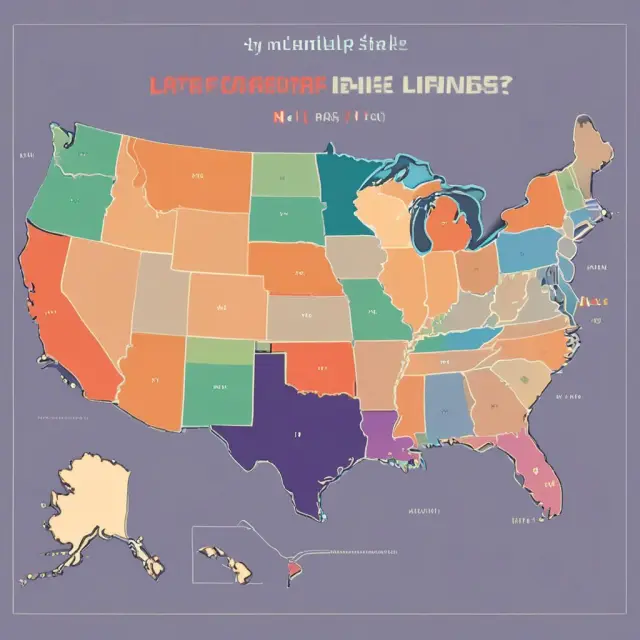
State-by-State Late Fee Limits: Understanding Your Rights
Late fees can vary significantly from one state to another when it comes to borrowing or leasing various types of products and services. In this section, we examine how late fees are regulated in different states and what consumer protections may be available.
First, let’s explore the concept of late fee limits. Late fee limits refer to maximum charges that a creditor or landlord can impose when a borrower or tenant fails to meet their payment obligations by the due date. These fees are intended to cover the costs incurred by the creditor or landlord for processing late payments and sending out reminder notices, but they should not be excessive.
Each state has its own laws regarding late fee limits. Some states impose no specific limit on late fees, leaving it up to creditors or landlords to set their own charges within reason. Other states have set caps on the amount of late fees that can be imposed, depending on the type of loan or agreement.
For instance, in California, a creditor cannot charge more than 10% of the delinquent amount for a late fee on a credit card or personal loan (California Civil Code Section 1748.1). In contrast, Texas imposes no specific limit on late fees but requires creditors to provide written notice of any change in late fee policies (Texas Finance Code Chapter 392).
When it comes to rental properties, the scenario is somewhat different. Many states regulate late rent fees for residential tenants under their landlord-tenant laws. For example, in New York, a landlord can charge a late fee equal to five percent of the monthly rent or $5, whichever is greater (New York Real Property Law Section 233). In contrast, Washington state prohibits late fees for residential rentals (RCW 59.18.030).
It’s important to note that these are just a few examples of the various approaches states take toward regulating late fees. To understand the specific laws in your state and how they apply to your situation, consult with a legal professional or your state’s consumer protection agency.
Consumer protections against excessive late fees can also come from federal regulations. For instance, under the Credit CARD Act of 2009, credit card issuers cannot charge late fees that are unreasonable or in excess of their actual costs (15 U.S. Code §1637). This provision helps ensure that consumers are not unfairly burdened with excessive late fees when they miss a payment on their credit card.
Another important aspect to consider is the impact of late fees on your credit score. Late payments, including those resulting from late fees, can negatively affect your creditworthiness and potentially lead to increased interest rates or denial of future credit applications (Experian). As mentioned earlier, payment history is a significant factor in determining your credit score, making it essential to make timely payments whenever possible.
In conclusion, understanding state-by-state late fee limits and consumer protections can help you navigate the complex world of borrowing and renting while protecting yourself from excessive fees and potential damage to your credit score. Keep this information in mind as you manage your financial obligations and seek guidance when necessary.

FAQs About Late Fees: Answering Common Questions from Consumers
Late fees are additional charges imposed on consumers when they fail to make timely payments towards their debts or financial obligations, as stated in the contract terms. In this FAQ section, we’ll address common questions about late fees, including calculation methods, credit implications, and industry-specific examples.
How much is a typical late fee?
Late fees can range from $25 to $50 depending on the specific agreement or service provider. However, excessive late fees are subject to regulations aimed at protecting consumers.
How long does a late fee remain on my credit report?
Unpaid late payments and related late fees can appear on your credit report for up to seven years from the date of the delinquency. However, paid late payments with late fees will only reflect on your credit history until they are no longer considered delinquent.
Does the IRS charge late fees?
Yes, the Internal Revenue Service (IRS) imposes a failure-to-pay penalty, which can be up to 0.5% of the unpaid taxes for each month or part of a month your tax remains unpaid. The maximum penalty doesn’t exceed 25% of the total unpaid taxes.
Are late fees legal?
Late fees are generally considered legal when explicitly stated in contracts, though there are regulations to ensure reasonable and proportional late fee amounts. Consumers have the right to dispute excessive or unfair charges with their creditors or regulatory bodies.
How do late fees impact my credit score?
Payment history, which is a significant factor (approximately 35%) in calculating your credit score, can be negatively affected when late payments are recorded on your credit report. Late payments and related late fees might result in a lower credit score, making it harder to obtain loans or other forms of credit with favorable terms.
How can I avoid late fees?
To prevent late fees, ensure that all payment due dates are met, and set reminders for upcoming bills. Consider automating your payments or arranging for direct debit or autopay arrangements through your financial institutions. Proactively communicating with creditors when facing potential delays in payments might also help mitigate late fee consequences.
 Next entry · No. 2,773The Law of Diminishing Marginal Productivity: Understanding its Significance in Finance and Investment
See also
-
 No. 1,499
24 Sep 2024
17 min
Understanding Finance Charges: Definition, Types, Regulations, and Impact on Investors
Business Finance
No. 1,499
24 Sep 2024
17 min
Understanding Finance Charges: Definition, Types, Regulations, and Impact on Investors
Business Finance -
 No. 1,447
17 Sep 2024
18 min
Understanding the Fair Credit Billing Act: Protecting Consumers from Unfair Credit Billing Practices
Consumer Rights
No. 1,447
17 Sep 2024
18 min
Understanding the Fair Credit Billing Act: Protecting Consumers from Unfair Credit Billing Practices
Consumer Rights -
 No. 1,354
03 Sep 2024
17 min
Understanding the Eurocurrency Market: Key Benefits, Types and Risks
Forex & Currency Markets
No. 1,354
03 Sep 2024
17 min
Understanding the Eurocurrency Market: Key Benefits, Types and Risks
Forex & Currency Markets -
 No. 952
07 Jul 2024
18 min
Understanding Delayed Draw Term Loans: Flexibility and Cash Management for Institutional Investors
Corporate Finance
No. 952
07 Jul 2024
18 min
Understanding Delayed Draw Term Loans: Flexibility and Cash Management for Institutional Investors
Corporate Finance -
 No. 5,280
26 Aug 2025
20 min
Understanding Universal Default: What You Need to Know About This Credit Card Provision
Personal Finance
No. 5,280
26 Aug 2025
20 min
Understanding Universal Default: What You Need to Know About This Credit Card Provision
Personal Finance -
 No. 5,019
05 Aug 2025
18 min
Understanding Your Credit Report: The Importance and Components of Trade Lines
Personal Finance
No. 5,019
05 Aug 2025
18 min
Understanding Your Credit Report: The Importance and Components of Trade Lines
Personal Finance