Understanding Market Research: A Comprehensive Guide for Institutional Investors

Understanding Market Research: A Comprehensive Guide for Institutional Investors - Learn market research meaning, types, methods, & importance in business…
Introduction to Market Research
Market research is an essential business practice that involves collecting and analyzing data about consumers, competitors, and markets to inform strategic decision-making. By gathering information directly from target audiences, companies can identify their potential customers’ needs and preferences, evaluate the competition, and create products or services that meet market demands effectively. Market research encompasses primary data collection, which is data gathered through direct interaction with participants, and secondary data collection, where existing data is analyzed to gain insights into markets and industries.
In today’s business landscape, market research plays a pivotal role in ensuring the success of companies by providing valuable insights that guide informed decision-making. This comprehensive guide delves deeper into understanding market research, its significance, and importance for institutional investors. In the following sections, we will explore various aspects of market research, including its purpose, methods, real-life applications, and ethical considerations.
Understanding Market Research: Meaning and Importance
Market research refers to a systematic approach taken by businesses and organizations to collect, analyze, and interpret data in order to gain insights into the needs, wants, and preferences of their target markets. It also includes gathering information about competitors, industry trends, and economic indicators that may impact business strategies. Market research is crucial for institutional investors as it enables them to make informed investment decisions based on reliable data and insights, rather than relying solely on guesswork or assumptions.
Market research provides several benefits:
- Identifying target markets and customer segments: By conducting market research, businesses can understand their customers’ needs and preferences, which helps in identifying the most viable target markets and customer segments. This knowledge allows for more effective marketing strategies and improved customer satisfaction.
- Informing product development: Market research plays a crucial role in guiding product development by providing insights into consumer demand, preferences, and competition. This leads to the creation of products that cater to consumers’ needs and have a better chance of success.
- Enhancing marketing strategies: Market research informs marketing strategies by identifying effective channels, messaging, and tactics to reach target audiences. It also helps businesses understand how their brand is perceived in comparison to competitors.
- Anticipating market trends: By staying informed about industry trends and consumer preferences, businesses can adapt and innovate, ensuring they remain competitive in a rapidly changing environment.
- Making informed investment decisions: Market research provides valuable data on industries, companies, and markets, allowing institutional investors to make more informed investment decisions based on reliable information rather than speculation or guesswork.
In the next sections, we will explore various aspects of market research, including its purpose, methods, real-life applications, and ethical considerations in greater detail. This comprehensive understanding will empower you to effectively use market research as an institutional investor to make well-informed decisions that maximize returns and minimize risks.

Purpose of Market Research
Market research plays a crucial role in shaping business strategies and informing decisions about new products or services. By directly communicating with potential customers, companies can determine their target markets and receive valuable feedback. This not only validates product ideas but also helps businesses understand consumer preferences, competitive advantages, and market trends. Market research is an integral part of a company’s R&D process, providing essential data for market segmentation, product differentiation, and tailored advertising efforts.
The ultimate goal of market research is to mitigate risk in the business world. Companies can use this information to test new products or services, assess the competition, and identify customer needs and preferences. In turn, businesses can make informed decisions about how best to serve their customers and maintain a competitive edge in their industry. Market research encompasses various methods such as primary (collecting data directly) and secondary (using previously gathered information) to provide a comprehensive understanding of market dynamics.
Market research serves several functions for businesses, including:
- Determining consumer demand: By understanding market size, economic indicators, and location, companies can identify potential demand for their product or service.
- Assessing competitors: Companies use market research to gain insights into the strengths and weaknesses of their competition, enabling them to make strategic decisions.
- Identifying target markets: Market research helps businesses identify their ideal customer segments by examining demographics, interests, and behaviors.
- Developing marketing strategies: Market research is essential for developing effective marketing strategies, including product positioning, pricing, and advertising campaigns.
- Improving product offerings: Companies can use market research to gather feedback on existing products or services, enabling them to make improvements and innovations that meet consumer needs.
- Managing risks: By staying informed about market trends and customer preferences, businesses can minimize potential risks and adapt quickly when necessary.
The history of market research dates back to the 1920s in Germany and the United States, evolving alongside advances in technology and communication. Today, market research encompasses various methods, such as focus groups, surveys, phone interviews, online studies, and data analysis. By embracing this valuable resource, businesses can make informed decisions that drive success in a competitive business landscape.

Market Research Methods
Market research is an essential tool for businesses to gain insights into consumer preferences, trends, and competition. Companies employ various methods to collect information, from gathering primary data directly through surveys and interviews to utilizing secondary sources of information already available in the public domain. Here’s a closer look at some common market research methods.
1. Primary Research:
Primary research is the most direct method of data collection, involving gathering information firsthand. Companies may conduct their own primary research or hire external research firms to execute it on their behalf. Common techniques include:
a. Surveys: Surveys are questionnaires used to collect quantitative and qualitative data from a sample population. They can be conducted in person, via mail, email, phone, or online. Surveys help businesses understand consumer preferences, attitudes, and behaviors.
b. Interviews: One-on-one interviews offer more in-depth insights than surveys. They can be structured, semi-structured, or unstructured, depending on the purpose of the research. Interviews allow researchers to probe deeper into respondents’ thoughts, opinions, and motivations.
c. Focus Groups: Focus groups bring together a small group of participants for discussions facilitated by a moderator. They provide an opportunity to observe interactions between people and understand group dynamics. This method is effective in gathering rich qualitative data on consumer perceptions and attitudes towards products, services, or concepts.
d. Product Testing: Product testing involves allowing consumers to try out new products or prototypes before they hit the market. This provides valuable feedback on product features, user experience, and potential areas for improvement.
2. Secondary Research:
Secondary research refers to using existing data that has already been collected by others. It’s a cost-effective method of gaining insights without conducting original research. Sources can include industry reports, academic articles, government databases, company reports, and market analysis firms. This method is particularly useful when looking for background information or understanding trends in the industry.
In conclusion, market research methods enable businesses to make informed decisions, develop effective strategies, and create products tailored to consumer preferences. By combining both primary and secondary research, companies can gain a comprehensive understanding of their target audience and stay ahead of the competition.

Primary vs. Secondary Market Research
In today’s competitive business landscape, market research plays a vital role in helping organizations make informed decisions about their products, services, and marketing strategies. Two fundamental methods of gathering market data are primary and secondary research. Understanding the differences between these two approaches can help you determine which one best suits your needs.
Primary Research: The First-Hand Approach
Primary research is an original, firsthand method for collecting data about a target market through direct interactions with consumers or industry professionals. This form of research offers numerous advantages as it allows businesses to collect precise and unbiased information tailored to their specific goals.
Three primary research methods include:
- Surveys: Collecting data from a targeted sample group using self-administered questionnaires, interviews, or online tools.
- Focus groups: Bringing together a small number of participants for in-depth discussion about a product, service, or issue under the guidance of a moderator.
- Observational studies: Gathering information through observation and recording behavior patterns, trends, and customer interactions in real-time settings.
The primary research process offers several benefits, such as:
- Customized data collection based on specific business needs and objectives
- Real-time feedback from consumers or experts within the industry
- Flexibility to modify questions or methodologies if needed to ensure accurate results
However, primary market research can be time-consuming and expensive, requiring a significant investment in resources (personnel, technology, and travel costs). Furthermore, since collecting data directly from participants takes more time than secondary research, there’s an increased potential for sampling bias or errors.
Secondary Research: The Second-Hand Approach
Secondary research is the process of gathering pre-existing information that has been collected by others and synthesizing it to answer specific business questions. This method can provide valuable insights at a lower cost compared to primary research, as it utilizes readily available data from various sources such as:
- Government publications
- Academic articles
- Industry reports and studies
- Trade associations
- Market research firms
Secondary research is particularly useful when:
- Rapidly assessing market conditions or trends
- Gathering historical data for comparative analysis
- Identifying competitors and their strategies
However, secondary research has its limitations. The information may not be tailored to your specific business needs, and the accuracy, reliability, and timeliness of the data might vary depending on the source. Additionally, there’s a risk of misinterpreting the data if it is not analyzed thoroughly.
Choosing Between Primary and Secondary Research: A Balanced Approach
Both primary and secondary research methods serve unique purposes in understanding your target market. While primary research provides valuable firsthand insights, secondary research offers a cost-effective starting point for gathering information. The most effective strategy often combines both approaches to ensure comprehensive data collection and analysis that caters to your specific business objectives and requirements.
By understanding the benefits, limitations, and applications of each method, you can make informed decisions about which approach or combination of methods will yield the best results for your organization.

Market Research in Action: Case Study
Understanding the practical application and impact of market research is crucial for any business looking to introduce a new product or service. Market research provides companies with valuable insights into consumer preferences, allowing them to tailor their offerings to meet the needs of their target audience. Let’s delve deeper into how market research plays out in real-life scenarios.
Consider the case of Procter & Gamble (P&G), a multinational consumer goods corporation that has been conducting market research for decades. One noteworthy example dates back to the launch of its product, Pampers, in 1961. P&G’s researchers noticed an opportunity to revolutionize the diaper industry by creating a disposable diaper instead of the traditional reusable cloth ones. However, they needed solid evidence that consumers would be willing to pay a premium for this convenience.
To validate their hypothesis, P&G conducted extensive market research using a three-pronged approach:
- In-Depth Interviews: They interviewed parents in their homes to understand their pain points with the existing cloth diapers and gather feedback on their preferences for a disposable alternative.
- Product Testing: They asked parents to test the new Pampers diapers and provide feedback on comfort, fit, absorbency, and ease of use.
- Focus Groups: They organized focus groups with parents to discuss their experiences using the Pampers product and gather opinions on its appeal, value, and potential for long-term usage.
The positive response from parents in these studies gave P&G the confidence it needed to invest in manufacturing and marketing the new diapers. The result was a resounding success: Pampers quickly captured 90% of the disposable diaper market within just a few years, generating substantial revenue for P&G and transforming the diaper industry as a whole.
This example illustrates the importance of conducting thorough market research before introducing a new product. By gathering valuable insights directly from consumers through primary research, P&G was able to create a solution that met their needs and preferences, ultimately leading to significant commercial success.
History of Market Research
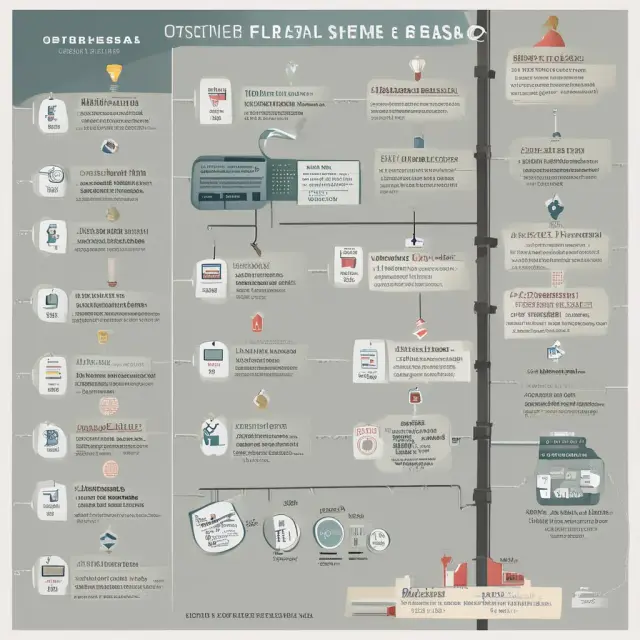
Market research, as we know it today, traces its roots back to the late 19th and early 20th centuries. However, its origins can be traced even further back. In its most basic form, market research has always existed as a means for businesses to gain insights into consumer needs, preferences, and behaviors.
Formal market research, as we understand it, began in Germany during the 1920s when organizations like the Markenforschungsinstitut (Institute for Brand Research) were established. Around the same time, market research took off in the United States, especially during the advertising boom of the Golden Age of Radio. Companies started to understand demographics based on how radio shows were sponsored.
Early Market Research Methods: Exploratory vs. Specific
Market research then evolved with two primary approaches: exploratory and specific research. Exploratory research is a less structured approach that provides open-ended questions, allowing researchers to uncover unexpected issues or questions. Specific research, on the other hand, focuses on answering predefined questions using previously identified issues from exploratory research.
Market research methodologies continued to evolve throughout the 20th century, with the introduction of face-to-face interviews, phone surveys, focus groups, and eventually online surveys. Today, online market research has become a popular and cost-effective way for businesses to gather insights from a large, diverse sample size.
Importance of Market Research in Business Strategy
Market research plays a crucial role in the success of a business strategy. By understanding demand, market size, economic indicators, location, market saturation, pricing, and other essential factors, companies can make informed decisions about product development, marketing strategies, target audience, and more. Effective market research can help businesses stay competitive, identify new opportunities, and ultimately drive growth.
Market Research in Action: Real-Life Examples
One of the most famous examples of market research success is the story behind Post-it Notes. 3M initially thought that their adhesive product was a failure until they discovered its potential use as a reusable notepad. Market research helped them identify this application and led to the creation of a new product category.
In another example, PepsiCo conducted market research on the potential impact of changing their cola can design in 1962. The research revealed that consumers preferred the new design, which led to increased sales and solidified Pepsi’s position as a major competitor in the cola industry.
Market Research Ethics and Best Practices
As market research becomes more sophisticated, it is essential for companies to adhere to ethical guidelines and best practices when conducting research. This includes obtaining informed consent from participants, maintaining confidentiality, and ensuring that research is conducted objectively and without bias or coercion. Proper training of researchers and following industry standards can help ensure a positive experience for participants and accurate results for businesses.

Types of Market Research
Market research is an essential tool for businesses seeking to understand consumer preferences, competition, and market trends. It provides valuable insights that can inform product development, marketing strategies, and business decisions. In this section, we’ll explore the different types of market research available to help you make an informed choice.
Product Research
Product research, also known as new product development (NPD) research, focuses on understanding consumer demand for a specific product or service. Companies may conduct this type of research during the ideation stage to determine if there is a viable market for their concept. This could involve assessing target demographics, competition, and pricing.
Competitive Analysis
Competitive analysis involves examining competitors’ offerings, strategies, and strengths and weaknesses. By conducting a thorough competitive analysis, companies can identify opportunities to differentiate themselves from their rivals and gain a competitive advantage. This type of research often includes evaluating competitors’ pricing, marketing tactics, and customer satisfaction levels.
Consumer Research
Consumer research is the process of gathering information about target consumers’ needs, preferences, and behaviors. It can be conducted through various methods such as surveys, focus groups, interviews, and observational studies. By gaining a deep understanding of their audience, businesses can tailor their marketing efforts, product offerings, and overall strategy to better meet consumer demands.
Primary vs Secondary Research
Primary research is original data collected through various means such as surveys, focus groups, or in-depth interviews. This method allows companies to gather customized information directly from their target audience, offering unique insights that can’t be obtained through secondary sources. On the other hand, secondary research involves using existing data from external sources such as market reports, industry studies, and academic publications. Secondary research is generally less expensive than primary research but may not provide the same level of detail or accuracy.
Market Research in Action: A Case Study
Let’s take a look at how market research played a crucial role in the development of one famous product – Coca-Cola. In 1886, Coca-Cola was created as a medicinal beverage by pharmacist Dr. John S. Pemberton. However, it wasn’t until Asa Candler purchased the formula for $2,300 in 1889 that the drink gained mass appeal. In 1906, Coca-Cola conducted extensive market research to understand consumer preferences and improve its branding. They discovered that consumers preferred a sweeter version of the beverage. As a result, they adjusted their formula, which significantly increased sales. This is just one example of how market research has helped shape successful products and businesses throughout history.
Market Research Best Practices
When conducting market research, it’s essential to follow best practices to ensure accuracy and unbiased results. These include:
- Clearly define your research objectives
- Choose the appropriate research methods
- Select a representative sample size
- Collect data in a neutral, non-intrusive manner
- Analyze data objectively and draw valid conclusions
- Use statistical analysis tools to identify trends and patterns.

Market Research and Business Strategy
As discussed earlier, market research plays a pivotal role in business strategy formulation. It is an essential tool that helps businesses gather vital information about their target customers, competitors, and industry trends. By leveraging the insights obtained through market research, companies can develop effective marketing strategies, set appropriate pricing, create targeted campaigns, and position their products or services for optimal success.
Understanding Market Research’s Impact on Business Strategy
Market research helps businesses in various ways when it comes to crafting a successful business strategy. It enables organizations to make data-driven decisions based on real customer insights instead of relying solely on assumptions and intuition. In today’s fast-paced business environment, having accurate and relevant information is crucial for companies to stay competitive and adapt quickly to changing market conditions.
Determining Target Market: Market research helps businesses identify their target audience and understand their preferences, behaviors, pain points, and needs. This valuable data can be used to create marketing messaging, product features, and go-to-market strategies that resonate with the intended audience and increase customer engagement.
Competitive Analysis: Companies use market research to analyze their competitors’ strengths, weaknesses, pricing strategies, and marketing tactics. By gaining a clear understanding of the competitive landscape, businesses can position themselves effectively and differentiate themselves from competitors in the eyes of potential customers.
Marketing Strategy Development: Market research informs the development of marketing strategies by providing insights into consumer preferences, market trends, and effective communication channels. It also helps companies identify the most promising advertising mediums and messaging to reach their target audience effectively.
Product Positioning and Innovation: Market research allows businesses to gain a deep understanding of their customers’ needs, desires, and pain points. This information can be used to position products or services in the market in a way that appeals to consumers and differentiates them from competitors. Additionally, market research can help companies identify new opportunities for product innovation based on customer feedback and emerging trends.
Pricing Decisions: Market research is essential when making pricing decisions. It provides insights into customers’ willingness to pay for a product or service based on its perceived value and competition in the market. This information enables businesses to set prices that are competitive while still maintaining profitability.
In conclusion, market research plays a vital role in helping businesses develop effective strategies by providing valuable insights into their target audience, competitors, and industry trends. By investing in comprehensive market research, companies can make data-driven decisions, create targeted marketing campaigns, position products or services for success, and ultimately, increase customer engagement and loyalty.
Stay tuned for the next section of our article, where we will discuss the benefits and limitations of market research.

Ethics and Best Practices in Market Research
Market research is a critical tool for businesses looking to understand consumer needs and develop products that meet those needs. However, conducting effective and unbiased market research requires strict adherence to ethical guidelines and best practices. This section will discuss the ethical considerations and practical steps necessary for conducting ethical market research.
Ethics in Market Research
The primary objective of market research is to provide accurate, reliable, and unbiased information about consumers. Ethical conduct ensures that the information obtained through market research is fair, honest, and respects the rights and privacy of participants. Ethical market research also means being transparent about the methods used to gather data, how it will be used, and protecting the anonymity of participants.
Best Practices in Market Research
To ensure ethical market research practices, companies can follow these guidelines:
- Obtain informed consent: Obtaining informed consent from participants is essential. This means providing clear explanations about the purpose and methodology of the study, ensuring they understand that their participation is voluntary, and obtaining written or verbal consent before starting the research.
- Use ethical recruitment practices: Ethical recruitment methods include avoiding deception or coercion when recruiting participants and ensuring that individuals are not misled about the nature or purpose of the study.
- Protect participant confidentiality: Participant confidentiality is vital to maintain trust and ensure privacy. This includes ensuring anonymity, protecting data security, and implementing measures to prevent the identification of individual participants.
- Avoid harm to participants: Market research should not cause physical or emotional harm to participants. Researchers must take care to avoid causing distress, discomfort, or injury during the study.
- Conduct research in a fair and unbiased manner: Market research should be conducted honestly, transparently, and without favoritism or bias towards any particular outcome. Researchers must be aware of their own biases and take steps to eliminate them from the research design and data analysis.
- Use appropriate research methods: Choosing the right market research method is essential for accurate results. This may include qualitative research such as interviews, focus groups, or surveys, and quantitative research using statistical analysis tools. It is essential to select the most suitable method based on the research question, budget constraints, and ethical considerations.
- Follow applicable regulations: Market research must adhere to local, national, and international regulations governing data protection, human subjects, and advertising. Researchers must ensure they have a clear understanding of these guidelines and comply with them throughout the research process.
In conclusion, ethical market research is crucial for businesses seeking to gain valuable insights into consumer preferences and behavior while respecting participants’ rights and privacy. By following best practices and guidelines, researchers can build trust, maintain transparency, and ensure the credibility of their findings.

FAQs: Common Questions about Market Research
What is market research?
Market research is an essential business activity that aims to gather data about a target market’s needs, preferences, and behaviors. It allows companies to understand their consumers, competition, and overall industry landscape. Market research can be conducted through various methods such as surveys, focus groups, interviews, or secondary sources.
Why do companies conduct market research?
Market research helps businesses make informed decisions about product development, marketing strategies, and customer service. It provides valuable insights into consumer needs and preferences, enabling a company to tailor its offerings to meet their audience’s demands effectively.
What is the difference between primary and secondary market research?
Primary market research involves collecting original data through methods like surveys, focus groups, and interviews. Secondary research, on the other hand, uses existing data from sources like industry reports, academic studies, and government databases. Primary research offers more specific information but can be time-consuming and costly, while secondary research is quicker and less expensive but may require additional analysis to apply it to a particular business context.
How does market research impact product development?
Market research plays a crucial role in the product development process by helping companies identify consumer needs and preferences, as well as understanding competitors’ offerings and market gaps. This knowledge can lead to creating innovative products that cater to the target audience, ultimately increasing customer satisfaction and sales.
What are some benefits of using market research for businesses?
Market research offers numerous advantages for businesses, such as:
– Understanding consumer needs, preferences, and behaviors
– Identifying competition and staying ahead of industry trends
– Improving marketing strategies through targeted messaging and media selection
– Informing product development and innovation
– Making data-driven decisions
What are some common methods used in market research?
Market research can be conducted using various techniques, including:
– Surveys (online or offline)
– Focus groups (in-person or virtual)
– Interviews (one-on-one or group)
– Secondary data analysis (from industry reports, academic studies, and government databases)
– Social media listening and analytics
– Competitor analysis
How can businesses use market research to inform marketing strategies?
Market research can help businesses create effective marketing campaigns by:
– Identifying target audiences and their needs, preferences, and behaviors
– Crafting messaging that resonates with the audience
– Selecting media channels where the target demographic is most active
– Setting marketing budgets based on market size and competition
– Measuring the success of marketing efforts through analytics and customer feedback.
How often should businesses conduct market research?
The frequency of market research depends on the business’s goals, industry trends, and competition. Some companies may conduct regular ongoing research to stay ahead of the curve, while others may only do it when launching a new product or entering a new market. Factors like changes in customer demographics, market size, and competitor activity should also be considered when deciding how often to conduct market research.
Is market research expensive?
The cost of market research varies depending on the scope and methodology used. While some methods, such as secondary data analysis or online surveys, can be relatively inexpensive, others like focus groups or extensive primary research studies can require significant investments. However, the potential benefits of gaining valuable insights into consumer needs, preferences, and competitors often outweigh the costs.
How can businesses ensure they are conducting ethical market research?
Businesses should adhere to ethical guidelines when conducting market research by:
– Obtaining informed consent from participants
– Protecting respondents’ privacy and confidentiality
– Providing accurate and clear study descriptions
– Avoiding deception, coercion, or manipulation of participants. By following these guidelines, businesses can build trust with their audience while gathering valuable insights to inform their decision-making process.
 Next entry · No. 3,096Understanding Market Segments: A Comprehensive Guide for Financial Investors
See also
-
 No. 2,871
10 Feb 2025
21 min
Understanding Business and Product Life Cycles: A Comprehensive Guide for Investors
Business Strategy
No. 2,871
10 Feb 2025
21 min
Understanding Business and Product Life Cycles: A Comprehensive Guide for Investors
Business Strategy -
 No. 3,320
18 Mar 2025
18 min
Understanding the North American Industry Classification System (NAICS) and Its Role in Finance and Investment
Business Finance
No. 3,320
18 Mar 2025
18 min
Understanding the North American Industry Classification System (NAICS) and Its Role in Finance and Investment
Business Finance -
 No. 4,012
15 May 2025
21 min
Understanding Porter’s Five Forces: A Comprehensive Analysis
Business Strategy
No. 4,012
15 May 2025
21 min
Understanding Porter’s Five Forces: A Comprehensive Analysis
Business Strategy -
 No. 2,606
20 Jan 2025
20 min
Jobs Growth: Understanding the Importance of Nonfarm Payrolls as an Economic Indicator for Investors
Business Strategy
No. 2,606
20 Jan 2025
20 min
Jobs Growth: Understanding the Importance of Nonfarm Payrolls as an Economic Indicator for Investors
Business Strategy -
 No. 2,245
21 Dec 2024
26 min
Hubris: A Double-Edged Sword in Finance and Investment
Business Strategy
No. 2,245
21 Dec 2024
26 min
Hubris: A Double-Edged Sword in Finance and Investment
Business Strategy -
 No. 1,469
20 Sep 2024
19 min
A Comprehensive Guide to Conducting a Feasibility Study for Business Ventures and Projects
Business Strategy
No. 1,469
20 Sep 2024
19 min
A Comprehensive Guide to Conducting a Feasibility Study for Business Ventures and Projects
Business Strategy