Understanding Mass Customization: Delivering Personalized Products at Mass Production Prices

Explore the world of mass customization: delivering personalized products at affordable prices. Learn its history, types, techniques, & benefits.
Introduction to Mass Customization
Mass customization is a business strategy that revolutionizes the way companies produce and market their goods and services, striking a delicate balance between the personalized touch of custom-made items and the cost savings associated with mass production. In this article section, we dive deep into the concept of mass customization, its history, benefits, and implementation techniques to help you understand how this innovative approach is transforming industries ranging from retail and manufacturing to finance and software development.
The term “mass customization” refers to a marketing and manufacturing technique that combines the flexibility and personalization of bespoke or handcrafted products with the affordability and efficiency of mass production. This business model, also known as made-to-order or built-to-order, empowers customers to design specific features or modifications while still keeping costs competitive.
Mass customization offers significant advantages for both consumers and businesses alike. By implementing this approach, companies can cater to diverse customer needs without sacrificing economies of scale. Consumers gain a personalized product tailored to their preferences, while businesses maintain the financial benefits of producing standardized items in large quantities. In the following sections, we explore the history of mass customization and its various types, manufacturing techniques, real-life examples, benefits, differences from traditional production methods, implementation practices, and future trends.
Understanding Mass Customization: A Brief History and Background
B. Joseph Pine II, in his book “Mass Customization: The New Frontier in Business Competition,” describes mass customization as the next logical step in the evolution of mass production. He explains that mass customization involves the creation of a small number of interchangeable components or parts that can be combined to build a cost-effective product tailored to specific customer needs.
The origins of mass customization date back to Pine’s examination of the growth of the American economy during the mass production era. He divides the concept into four primary types: collaborative customization, adaptive customization, transparent customization, and cosmetic customization. Each type represents a unique way of integrating personalized elements into the manufacturing process while maintaining affordability.
Collaborative Customization: In this approach, companies work closely with their clients to create products or services tailored exclusively for them. Collaboration may take the form of consultations, workshops, or co-creation sessions where customers provide input on the design, material choices, and other aspects of the final product.
Adaptive Customization: This strategy involves producing standardized items that can be modified by end-users according to their preferences. The customer may choose from a range of options for colors, textures, or additional features. Examples include customizing furniture, computers, or even clothing.
Transparent Customization: In this approach, companies create unique products for individual customers without explicitly advertising them as customized items. By not disclosing the custom nature of the product, manufacturers can maintain competitive pricing while offering a unique selling proposition.
Cosmetic Customization: This method focuses on the external appearance of standardized products to appeal to different customer segments. Companies may offer various color schemes, design elements, or packaging options to attract specific markets without altering the underlying functionality of the product.
The benefits of mass customization include increased customer satisfaction, reduced inventory costs, and competitive advantages over companies that only offer generic products. By understanding the history of this business strategy and its different types, we can better appreciate the significance of mass customization in today’s marketplace. In the following sections, we examine case studies, manufacturing techniques, implementation best practices, and future trends related to mass customization.
Stay tuned for more insights on mass customization! In our next article section, we explore the innovative manufacturing techniques that enable companies to produce interchangeable parts at lower costs, allowing them to deliver cost-effective yet personalized products to their customers.

The History of Mass Customization
Mass customization has transformed the business world by offering personalized products at mass production prices. Originally, mass production dominated industries such as automobiles and consumer electronics with standardized products catering to a broad market audience. However, in recent decades, mass customization emerged as an innovative response to evolving customer expectations for unique offerings.
B. Joseph Pine II, in his 1992 book “Mass Customization: The New Frontier in Business Competition,” identified the roots of mass customization from its predecessor, mass production. Mass customization goes beyond the concept of producing interchangeable parts; it combines the low costs and efficiency of mass production with the flexibility to create products tailored to individual customers’ needs (Pine, 1992).
Four primary types of mass customization were outlined by Pine: collaborative customization, adaptive customization, transparent customization, and cosmetic customization. Collaborative customization involves working alongside customers, creating products tailored to their unique requirements. Adaptive customization focuses on standardized products that can be modified at the end-user level. Transparent customization features products with individual customization without explicitly advertising the modifications. Cosmetic customization offers standardized products marketed differently based on consumer preferences (Pine, 1992).
The origins of mass customization date back to the early 20th century when companies like Henry Ford’s Model T and Singer Sewing Machines employed interchangeable parts. However, these efforts did not fully address individual customers’ needs and preferences (Pine, 1992). In recent decades, advances in technology and production processes have enabled the expansion of mass customization across various industries.
Mass customization has become increasingly popular in sectors such as retail, software development, financial services, and housing construction. Retailers like Nike offer consumers the ability to personalize their shoes with specific colors, materials, or logos. In software creation, Microsoft offers a wide range of options to tailor operating systems, while Adobe’s Creative Suite caters to professional graphic designers and artists. Financial services companies offer customized investment plans based on clients’ risk tolerance, investment goals, and preferences.
Mass customization has proven to be a successful marketing strategy for businesses looking to differentiate themselves from competitors offering only generic products. By embracing mass customization, companies can cater to individual customers’ needs while maintaining cost-effective production processes (Pine, 1992). This approach allows organizations to build brand loyalty and attract new customers who seek personalized offerings.
As the world continues to evolve, mass customization will continue to be a vital aspect of business competition. Consumers’ expectations for unique products and experiences will only grow, making it crucial for companies to adapt and implement mass customization strategies to stay ahead of the curve.
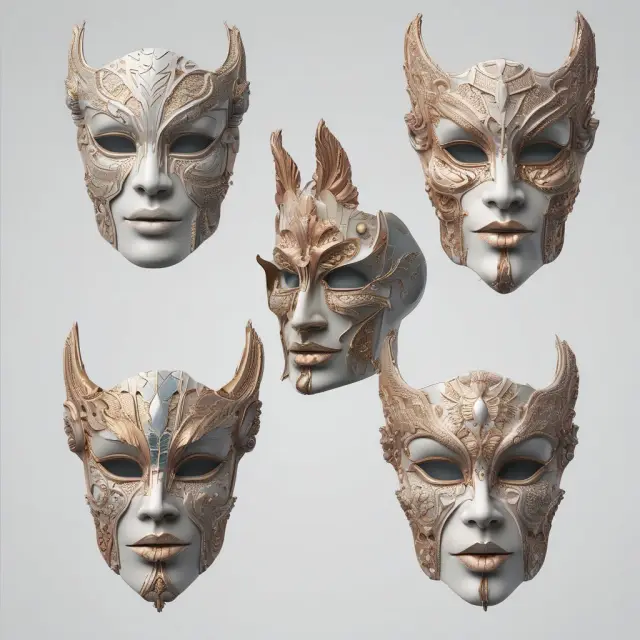
Four Primary Types of Mass Customization
Mass customization, also known as made-to-order or built-to-order production, offers the best of both worlds – personalized products and economies of scale. Four primary types of mass customization include collaborative customization, adaptive customization, transparent customization, and cosmetic customization.
Collaborative Customization
In this type of mass customization, companies engage in a partnership with clients to create tailor-made products or services based on their specific needs. Collaboration enables the company to gain insights into the customer’s preferences while ensuring that the final product meets their expectations. An excellent example of collaborative customization is made-to-measure clothing where customers are involved in the design and fitting process, resulting in a garment perfectly suited to their individual measurements and style.
Adaptive Customization
This form of mass customization involves producing standardized products with the ability for end-users to make customizations according to their needs. Adaptive customization allows customers to choose specific features or options from a predefined set, enabling them to create a personalized product that best suits their preferences. An illustrative example is software companies offering software-based configurations that allow end-users to add or change specific functions of a core product according to their unique requirements.
Transparent Customization
In transparent customization, companies create and provide unique products tailored to individual clients without overtly advertising the fact that they are customized. The client may not even be aware that they are receiving a personalized solution. This approach appeals to customers who value privacy and exclusivity, such as those seeking bespoke financial advice or legal services. By offering transparent customization, companies can differentiate themselves from competitors providing generic products and services.
Cosmetic Customization
Lastly, cosmetic customization focuses on producing standardized products but marketing them differently to various customer segments. This approach is often used by retailers who offer identical products in various colors or finishes to cater to diverse consumer preferences. Cosmetic customization can increase sales and brand loyalty as consumers feel a sense of ownership and personal investment in their unique product.
By understanding the four primary types of mass customization, businesses and consumers can make informed decisions when seeking or offering tailored products and services while maintaining cost-effective production methods.
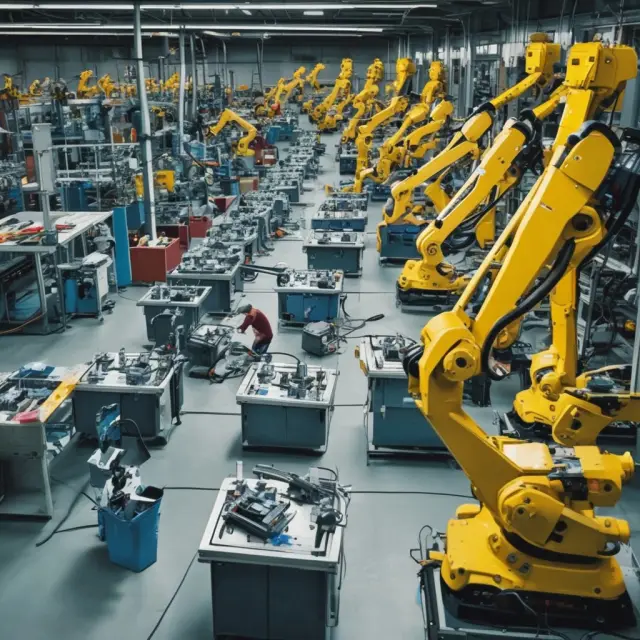
Manufacturing Techniques for Mass Customization
Mass customization requires the use of innovative manufacturing techniques to produce interchangeable parts at a cost-effective price. These methods have been key in enabling mass customization’s rise as an attractive business strategy. The flexibility offered by these techniques allows companies to create unique products tailored to individual customers without significantly increasing production costs.
The most common manufacturing techniques for mass customization are:
- Lean Manufacturing: This technique aims to eliminate waste in the production process, ensuring each step adds value to the final product while minimizing non-value added activities. By reducing lead time and optimizing processes, lean manufacturing enables mass customization’s efficient delivery of personalized products.
- Modular Design: Breaking down a product into interchangeable parts or components allows for easy customization without redesigning an entire product for each customer order. This flexibility significantly reduces production costs while allowing customers to choose their desired features, creating a unique final product.
- 3D Printing: Also known as additive manufacturing, this technique creates products layer by layer using digital models. The ability to produce complex shapes and geometries with minimal material waste makes 3D printing an attractive option for mass customization applications, particularly in industries like automotive, aerospace, and medical devices.
- Automated Customization: This involves integrating robots, computer systems, or automated machines into the production process to apply unique features to each product at a high speed and with minimal labor costs. The technology can be used for cosmetic customization, such as adding logos or engraving names on products, or more complex applications like assembly line integration of custom components based on customer-specific data.
- Just-in-Time (JIT) Manufacturing: JIT production is an inventory management system that aims to produce goods only when they are needed and deliver them directly to the customer, minimizing lead times and reducing waste. This approach enables companies to meet customer demand while avoiding the costs associated with holding excess inventory.
By employing these manufacturing techniques, companies can offer mass customization at competitive prices without compromising on product quality or speed of delivery. In turn, customers benefit from a personalized product that meets their unique preferences and needs while enjoying the affordability typically associated with mass production.

Case Studies: Examples of Mass Customization in Retail, Software, Finance, and Housing
Mass customization is a powerful business strategy that can provide a significant competitive edge in various industries. Let’s explore examples from retail, software, finance, and housing sectors demonstrating how companies effectively employ mass customization techniques to create unique products or services tailored to consumers’ needs while keeping costs close to mass production prices.
Retail: Made-to-Measure Fashion
A prominent example of mass customization in the retail industry is made-to-measure (MTM) fashion, where customers can have clothing items customized according to their body measurements and design preferences. Companies like Men’s Wearhouse (tuxedo rentals), Indochino, and Bonobos offer affordable MTM suits and shirts that fit perfectly, while still maintaining the appeal of ready-to-wear garments. This approach benefits both consumers, who get a well-fitting and stylish outfit, and retailers, who can boost sales by providing an excellent customer experience.
Software: Customizable Operating Systems
Operating systems (OS) like Microsoft Windows and Apple macOS have various customization options allowing users to personalize their desktop environment, install preferred applications, and set up individual settings to meet their specific needs. Software companies offer mass customization by enabling users to configure their products according to their preferences while keeping the core OS functionalities intact. This strategy is a win-win situation for businesses: they can cater to diverse customer requirements with a single product, fostering loyalty and increasing sales.
Finance: Tailored Investment Solutions
Independent financial advisors offer mass customization in financial services by providing personalized investment portfolios tailored to each client’s unique risk tolerance, time horizon, investment style, and future goals. Clients benefit from having a portfolio that fits their requirements, while advisors gain an edge over competitors who only provide generic solutions. Mass customization is particularly valuable for niche markets, such as socially responsible or sustainable investments, where catering to specific customer needs can lead to substantial growth opportunities.
Housing: Modular Home Builders
Modular home builders like Champion Homes and Clayton Homes deliver mass customized housing by providing customers with a variety of base models that can be customized according to their preferences, location, and budget. Customers can choose various options for the floor plan, interior finishes, color schemes, and additional features. By combining standardized modules in unique configurations, these builders can create a diverse range of homes while maintaining reasonable production costs. This strategy offers flexibility to meet customers’ varying needs, enhancing customer satisfaction and loyalty.
Mass customization is a powerful business tool that offers numerous benefits for both consumers and companies across multiple industries. By providing tailored solutions, businesses can differentiate themselves from competitors, foster brand loyalty, and gain a competitive edge in their respective markets. In the following sections, we will dive deeper into mass customization’s history, manufacturing techniques, and implementation strategies to help you understand this innovative business concept further.

The Benefits of Mass Customization for Consumers and Companies
Mass customization is not just a trend; it’s a game-changer for both consumers and businesses alike. By combining the flexibility and personalization of custom-made products with the cost savings and efficiency of mass production, mass customization offers numerous advantages that differentiate it from traditional manufacturing methods. Let us delve deeper into the benefits this innovative business strategy provides to various stakeholders.
For Consumers
Mass customization empowers consumers by granting them control over their purchases. This results in a more satisfying buying experience, as customers can tailor products based on their preferences and requirements. Moreover, mass customization’s cost-effective nature enables consumers to access personalized goods at prices similar to standard items. In today’s marketplace, where customers are increasingly seeking individuality, mass customization caters to this demand by offering a unique value proposition – the ability to create custom products that reflect their distinct tastes and needs.
For Companies
From a company’s perspective, mass customization presents several compelling advantages. By adopting this strategy, businesses can differentiate themselves from competitors, attract more customers, and boost profitability. Mass customization also helps companies minimize inventory costs by producing goods on-demand and implementing just-in-time (JIT) manufacturing approaches. This not only reduces production expenses but also allows companies to offer a wider range of products tailored to diverse customer segments.
In conclusion, mass customization is an exciting trend that offers benefits for consumers and businesses alike. By enabling personalized products at mass production prices, this innovative business strategy is revolutionizing industries and creating new opportunities for growth. In the following sections, we will dive deeper into the history of mass customization and explore its various applications across different sectors.
Mass Customization: The New Frontier in Business Competition – Joseph Pine II
In his book “Mass Customization: The New Frontier in Business Competition,” B. Joseph Pine II highlighted the growth and evolution of mass customization from mass production to its modern-day application. He identified four primary types of mass customization that have shaped this innovative business strategy: collaborative, adaptive, transparent, and cosmetic (Pine, 1992). By understanding these types and their applications, businesses can better grasp the potential advantages of adopting mass customization and how it sets them apart in a competitive marketplace.
Collaborative Customization: In this type of mass customization, companies work closely with their clients to create unique products or services tailored specifically to each client’s needs. This approach requires a strong partnership between the company and the customer, and it is particularly effective for businesses offering complex, high-value goods and services where a personal touch is crucial.
Adaptive Customization: With adaptive customization, companies offer standardized products that customers can then customize according to their preferences. This approach is popular in industries where consumers seek personalization but do not have the time or expertise to engage in a collaborative process with the manufacturer. Examples include software configuration and certain home appliances.
Transparent Customization: Transparent customization refers to companies that provide unique products to individual customers without explicitly marketing them as such. This strategy allows businesses to maintain their brand identity while still delivering customized offerings. Transparent customization is often used in the luxury goods industry, where customers value exclusivity and a personal touch.
Cosmetic Customization: Cosmetic customization involves producing standardized products with various design options for consumers to choose from. This approach offers consumers the ability to personalize their purchases while keeping production costs low. A well-known example of cosmetic customization is the NikeiD platform, where customers can create unique, customized sneakers using a variety of colors and materials.
By exploring these types of mass customization and their applications, businesses can gain insights into how this innovative business strategy can help them differentiate themselves from competitors and cater to the diverse needs of modern consumers. In the following sections, we will examine real-life examples of mass customization in retail, software, finance, and housing industries to better understand its impact on various sectors.
References:
Pine, B. J. (1992). Mass Customization: The New Frontier in Business Competition. Harvard Business Press.
Mass Customization vs. Traditional Production: A Comparative Analysis
Mass customization significantly differs from traditional production methods in several ways. Mass customization offers unique benefits for both consumers and businesses, including the ability to create tailored products without the high costs associated with one-off production. In contrast, traditional manufacturing methods focus on mass producing standardized products to meet high demand. Understanding the key distinctions between these two approaches can provide valuable insights for businesses looking to adapt and thrive in a rapidly evolving marketplace.
Mass customization allows businesses to produce goods or services that cater specifically to each customer’s needs while maintaining close proximity to mass production costs. This is accomplished through innovative manufacturing techniques such as interchangeable parts, modular components, and just-in-time (JIT) inventory management systems. These methods enable companies to provide consumers with a personalized experience without compromising on quality or increasing prices significantly.
On the other hand, traditional production methods focus on creating large quantities of identical items at an economies-of-scale pricing. This approach can be ideal for businesses looking to meet high demand for standard products, such as consumer electronics, automobiles, and industrial equipment. Traditional production methods often result in higher per-unit costs due to the significant investment required for tooling, machinery, and labor to produce large volumes of uniform items.
A crucial difference between mass customization and traditional production lies in their approach to product differentiation. In a mass customization model, consumers decide on the unique features that set apart their product from others, whereas with traditional production, the manufacturer determines these specifications. Mass customization offers an attractive selling point for businesses looking to distinguish themselves from competitors and cater to the growing demand for personalized experiences.
In the retail sector, mass customization has transformed the industry by enabling companies to offer semi-custom products at affordable prices. Furniture manufacturers, for example, may provide a wide range of options for fabrics, furniture legs, or combinations that can result in thousands of possible configurations without significantly increasing production costs. Similarly, software creators can offer configurable products tailored to each user’s preferences, allowing them to differentiate their offerings from generic alternatives.
The financial services industry has also embraced mass customization through the rise of independent, fee-only advisory firms. These companies enable clients to create personalized investment portfolios based on individual risk tolerance, time horizon, investment style, and future goals. By providing this level of customization, these businesses cater to consumers’ unique needs and can attract customers who prefer a more tailored approach compared to generic, one-size-fits-all solutions.
Another significant distinction between mass customization and traditional production is the role of inventory management systems. In the context of mass customization, businesses employ just-in-time (JIT) approaches that minimize inventory and maximize efficiency. These methods enable companies to maintain a streamlined production process while ensuring that they can quickly respond to changing customer demands. Conversely, traditional production relies on substantial inventory levels to meet anticipated demand, which can lead to higher carrying costs and longer time-to-market.
In conclusion, mass customization and traditional production represent contrasting approaches to creating goods and services in today’s marketplace. While traditional production focuses on mass producing standardized items at economies-of-scale pricing, mass customization offers businesses the ability to cater to individual customers’ needs while maintaining competitive costs. By understanding these differences and leveraging innovative manufacturing techniques, businesses can capitalize on the benefits of mass customization and position themselves for success in an increasingly diverse and personalized marketplace.
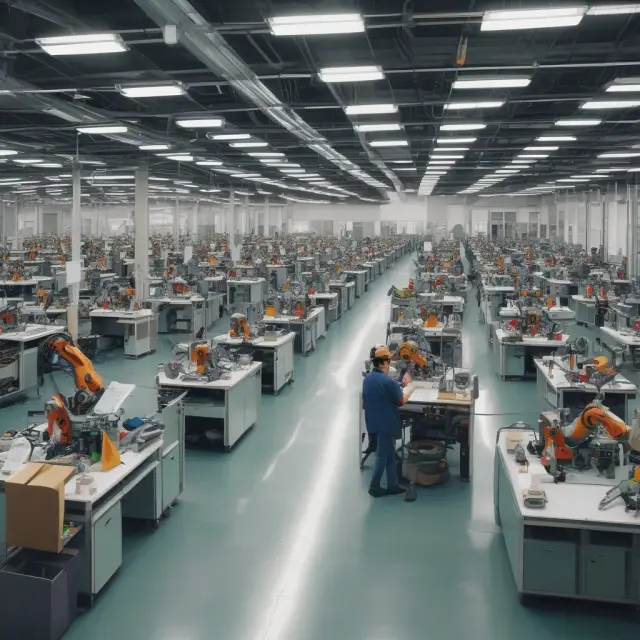
Implementing Mass Customization: Best Practices and Challenges
Mass customization offers significant benefits, including increased customer satisfaction, improved competitiveness, and reduced excess inventory. However, implementing a mass customization strategy can pose challenges for companies. In this section, we’ll discuss best practices to help businesses navigate the complexities of mass customization and address common challenges.
Best Practices for Implementing Mass Customization
- Foster a Customer-Centric Culture: Encourage collaboration and communication with your customers throughout the entire process – from initial design through production and delivery. By prioritizing customer needs, you’ll be able to deliver more personalized solutions that better meet their expectations.
- Streamline Communication Channels: Set up clear and efficient channels for customers to communicate their preferences and requirements. Ensure your team is responsive and open to feedback. Implementing a CRM system or other communication tools can help centralize and streamline the process.
- Leverage Technology: Utilize advanced manufacturing techniques, such as 3D printing, automation, and cloud-based software, to create customized products efficiently. This technology enables you to produce interchangeable parts with ease, ensuring a high level of consistency while reducing production time and costs.
- Partner with Reliable Suppliers: Establish strong relationships with your suppliers. Ensure they can meet your quality standards and deliver materials on-time, every time. A reliable supplier network will help minimize delays and ensure you’re able to quickly adapt to changing customer demands.
- Implement an Effective Inventory Management System: Employing a just-in-time (JIT) approach is essential for mass customization. This system will enable you to minimize inventory, reduce costs, and maintain a streamlined production process. Make sure your inventory management system can handle the unique requirements of mass customization and is agile enough to accommodate frequent adjustments.
- Invest in Employee Training: To ensure a high level of quality in customized products, invest in employee training programs that provide your team with the necessary skills to effectively manage customer expectations and execute their requests.
Challenges of Implementing Mass Customization
- Complexity of the Production Process: The production process for mass-customized goods can be more intricate than traditional manufacturing processes due to the need for customization. This complexity can increase production time and costs, which may require a significant investment in technology or personnel.
- Data Management: Managing large amounts of customer data and ensuring its security is crucial in implementing a mass customization strategy. Investing in a robust CRM system or other data management solutions will help you efficiently process and analyze the data to create personalized products for your customers.
- Quality Control: Ensuring consistency and maintaining quality control throughout the entire production process can be challenging with mass customization due to the inherent variability of customer preferences. Implementing rigorous testing procedures, investing in advanced technology, and providing comprehensive training to employees will help minimize errors and maintain high-quality standards.
- Customer Expectations: Meeting customer expectations is essential when implementing a mass customization strategy. Providing clear communication channels, setting realistic delivery timelines, and maintaining open dialogue with customers will help ensure their satisfaction with the final product.
- Competition: As more companies adopt mass customization strategies, competition in the marketplace may increase. To differentiate yourself from competitors, focus on offering unique features or customization options that cannot be easily replicated by others, while continuing to maintain a high level of quality and customer service.
In conclusion, implementing mass customization requires careful planning, investment, and a commitment to continuous improvement. By following best practices, addressing challenges, and maintaining a customer-centric focus, your business can successfully compete in today’s marketplace by delivering personalized products at affordable prices.
Future of Mass Customization
Mass customization, which combines the flexibility of custom-made products with the cost savings of mass production, has been a game changer in various industries. Companies have adapted and innovated, embracing new manufacturing techniques that allow for more personalized offerings. Let us delve deeper into current trends shaping the future of mass customization.
Mass customization and 3D Printing:
One of the most significant advancements in mass customization is 3D printing technology. This revolutionary process enables manufacturers to produce complex, one-of-a-kind designs at a fraction of the cost compared to traditional production methods. As this technology continues to evolve, we can expect even more intricate, personalized items that cater to specific customer demands.
Artificial Intelligence (AI) and Machine Learning
AI and machine learning technologies are transforming the mass customization landscape by making it easier for businesses to analyze data and predict consumer preferences. This information enables companies to create tailored products and services that meet individual needs and desires. By continuously gathering data on customer behavior, these advanced systems can refine their offerings to remain competitive.
Mass Customization in Service Industries
The rise of mass customization is not limited to manufacturing industries alone. The service sector is increasingly adopting this approach to provide personalized experiences for customers. From tailored fitness regimens and nutritional plans in the health and wellness industry, to curated streaming recommendations from media platforms, mass customization is making waves across various sectors.
Collaborative Mass Customization
In the future, collaborative mass customization will become increasingly popular as consumers seek more control over their products. By integrating customer feedback into the design process and allowing them to make real-time adjustments, companies can create offerings that truly resonate with their target audience. This not only leads to higher customer satisfaction but also fosters brand loyalty and repeat business.
Ethical Mass Customization
As consumers become more socially conscious, mass customization is evolving to accommodate ethical concerns. Companies are focusing on using sustainable materials and transparent supply chains to meet the growing demand for eco-friendly offerings. This shift towards sustainability not only appeals to customers but also sets businesses apart from their competitors.
In conclusion, mass customization will continue to evolve and expand its reach into new industries and areas of consumer interest. With advancements in technology, a focus on collaboration, and growing ethical concerns, the future of mass customization is exciting and full of potential. Companies that can effectively implement this strategy will not only gain a competitive edge but also foster long-term customer relationships built on trust and personalized offerings.
Frequently Asked Questions About Mass Customization
Q: What is the difference between mass production and mass customization?
A: Mass production refers to the creation of standardized, identical products in large quantities using interchangeable parts. Mass customization, on the other hand, is the process of delivering market goods and services tailored to individual customer’s needs while keeping costs at or near those of mass-produced items. The manufacturing techniques enable companies to create cost-effective, personalized products.
Q: How does mass customization impact manufacturers?
A: Mass customization provides several benefits for manufacturers, such as delayed product differentiation until the final phase, increased customer loyalty, and reduced inventory costs through a just-in-time (JIT) approach. The manufacturing techniques also allow companies to produce interchangeable parts that can be combined in various ways to build cost-effective, customized products.
Q: What are the four primary types of mass customization?
Collaborative customization: Companies partner with clients to offer unique products or services, tailored specifically to each client’s needs.
Adaptive customization: Consumers create a standard product and customize it according to their preferences.
Transparent customization: Companies produce customized products but do not overtly market them as such.
Cosmetic customization: Companies offer standardized products with different marketing strategies for various customers, creating the illusion of customization.
Q: Which industries use mass customization?
Mass customization is utilized by several industries, including retail, software, finance, and housing. Retail companies may create made-to-order products while allowing consumers to choose specific features. Software creators allow end-users to add or change specific functions within the core product. Financial services firms offer personalized portfolios tailored to each client’s investment goals and risk tolerance. Modular home builders use mass customization techniques to produce semi-custom homes by offering clients options for various components or features.
Q: What are some benefits of mass customization for consumers?
Mass customization enables consumers to design made-to-order features while still keeping costs closer to those of mass-produced items. This flexibility allows clients to create a unique product that suits their needs without compromising on quality. By offering personalized products, companies can establish strong relationships with customers and foster increased brand loyalty.
Q: What is the future of mass customization?
The trend in mass customization continues to evolve, driven by advancements in technology, data analytics, and consumer preferences. Companies that successfully implement mass customization strategies will have a competitive advantage over those that only offer generic products. The future of mass customization lies in creating cost-effective, personalized goods and services at scale.
 Next entry · No. 3,137Understanding Master-Feeder Structures: Advantages, Disadvantages, and Real-World Examples for Institutional Investors
See also
-
 No. 3,021
22 Feb 2025
19 min
Loyalty Programs: Retaining Customers through Rewards and Discounts
Business Strategy
No. 3,021
22 Feb 2025
19 min
Loyalty Programs: Retaining Customers through Rewards and Discounts
Business Strategy -
 No. 1,459
19 Sep 2024
22 min
Fast Fashion: Understanding the Impact of Affordable Trendy Clothing on Consumers and Industry
Business Strategy
No. 1,459
19 Sep 2024
22 min
Fast Fashion: Understanding the Impact of Affordable Trendy Clothing on Consumers and Industry
Business Strategy -
 No. 5,924
19 Oct 2025
19 min
Understanding the Zone of Possible Agreement (ZOPA) in Negotiations: Bridging the Gap Between Parties
Business Strategy
No. 5,924
19 Oct 2025
19 min
Understanding the Zone of Possible Agreement (ZOPA) in Negotiations: Bridging the Gap Between Parties
Business Strategy -
 No. 5,853
13 Oct 2025
21 min
Understanding Yellow Knights: From Hostile Takeover Attempts to Mergers of Equals
Business Strategy
No. 5,853
13 Oct 2025
21 min
Understanding Yellow Knights: From Hostile Takeover Attempts to Mergers of Equals
Business Strategy -
 No. 5,613
23 Sep 2025
19 min
Maximizing Opportunities: A Strategic Approach to Warm Calling in Finance and Investment
Business Strategy
No. 5,613
23 Sep 2025
19 min
Maximizing Opportunities: A Strategic Approach to Warm Calling in Finance and Investment
Business Strategy -
 No. 5,594
22 Sep 2025
21 min
Understanding the Walmart Effect: Impact on Businesses, Suppliers, and Consumers
Business Strategy
No. 5,594
22 Sep 2025
21 min
Understanding the Walmart Effect: Impact on Businesses, Suppliers, and Consumers
Business Strategy