Understanding Mass Production: Techniques, Advantages, Disadvantages, and Examples
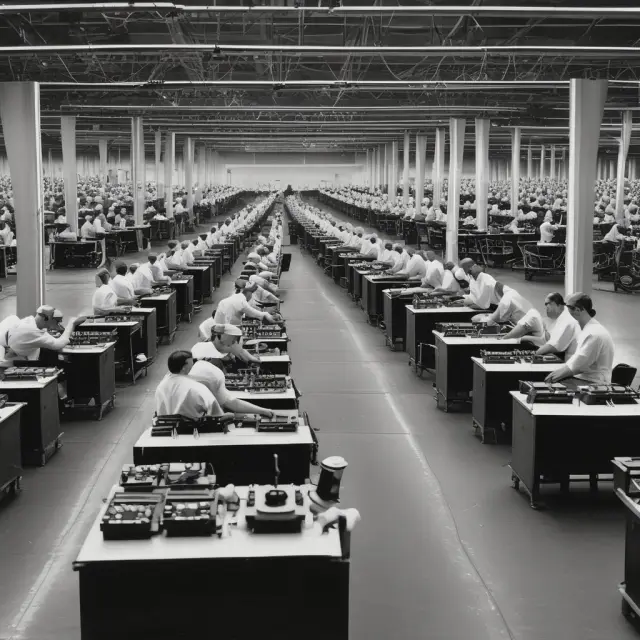
Learn about the history, techniques, advantages, disadvantages, and modern examples of mass production. Explore its impact on industries, labor markets, and…
Introduction to Mass Production
Mass production is a manufacturing process characterized by producing large volumes of standardized goods using assembly lines or automated machinery. This production technique was first popularized by Henry Ford in 1913 through the introduction of the moving assembly line, which drastically reduced the time and labor required to build automobiles. The advantages of mass production include increased efficiency, lower costs, higher precision, and quicker distribution.
Henry Ford and the Assembly Line
The assembly line concept was pioneered by Henry Ford in 1913, revolutionizing the production process for his Ford Motor Company. This approach significantly reduced the time and labor required to build cars, making them more accessible and affordable for the general public. The success of Ford’s mass production method led to its widespread adoption across various industries.
Advantages of Mass Production
Mass production offers several advantages: high precision through standardized processes, lower costs due to automation and fewer labor requirements, improved efficiency in product assembly, and prompt distribution and marketing of goods. A well-known example is McDonald’s fast-food chain, which relies on mass production to serve customers quickly and efficiently.
Understanding Mass Production: Advantages and Disadvantages
Mass production offers numerous benefits, including increased precision, lower costs, improved efficiency, and quicker distribution. However, it also comes with challenges, such as high capital investment requirements, potential errors necessitating costly redesigns, and the possibility of low morale among assembly line workers due to repetitive tasks. To further explore mass production’s advantages and disadvantages, let’s delve deeper into these topics.
Advantages of Mass Production: Increased Precision and Quality Control
Mass production leads to increased precision in manufacturing processes. By utilizing specialized machinery, factories can manufacture goods with exacting standards, ensuring that the final product meets a high level of quality. Additionally, mass production enables better control over the entire production process, allowing manufacturers to implement rigorous quality checks and continuous improvement initiatives.
Advantages of Mass Production: Lower Costs and Reduced Labor Requirements
Mass production reduces costs by requiring fewer laborers, as workers can specialize in specific tasks, increasing productivity and efficiency. Furthermore, automation technologies such as robots, conveyor belts, and assembly lines significantly minimize the need for human intervention, further reducing labor costs. This cost reduction ultimately leads to more affordable goods for consumers.
Advantages of Mass Production: Improved Efficiency and Quick Distribution
Mass production enables quicker distribution by streamlining the manufacturing process and allowing for mass production of identical items. For example, in the automotive industry, a single model can be produced in large quantities, ensuring a consistent supply to dealerships and consumers. In addition, the use of just-in-time inventory management systems optimizes the delivery process, reducing waste and improving overall efficiency.
Disadvantages of Mass Production: High Capital Investment and Long-Term Costs
Setting up a mass production system is capital intensive. Companies must invest in specialized machinery, training for workers, and infrastructure to support the assembly lines. Additionally, if changes need to be made to the production process or products, extensive time and resources are required to make these alterations. This can result in significant long-term costs that may outweigh the benefits of mass production.
Disadvantages of Mass Production: Low Morale Among Workers and Potential for Errors
The repetitive nature of mass production tasks can lead to low morale among workers, resulting in high turnover rates and decreased productivity. Furthermore, errors or quality issues in the design process can be replicated across thousands of units before they are identified and corrected, leading to costly product recalls and potential damage to a company’s reputation.
Case Studies: Modern Examples of Mass Production
Modern industries continue to embrace mass production techniques, with companies like Toyota, Apple, Kellogg’s, and Pfizer utilizing these strategies to produce goods efficiently and at scale. Let us examine the examples of these companies and how they have leveraged mass production to achieve success in their respective industries.
Toyota: Efficient Manufacturing through Lean Production
Toyota Motor Corporation is renowned for its lean production system, which aims to eliminate waste and optimize the manufacturing process. By focusing on continuous improvement, just-in-time inventory management, and employee involvement, Toyota has become a leader in efficient automobile manufacturing, producing high-quality vehicles at competitive prices.
Apple: Streamlined Production for Innovative Consumer Electronics
Apple Inc. is an innovator in the technology industry, known for its sleek designs and advanced electronic devices. Apple employs mass production techniques to bring its products to market quickly and efficiently, with a focus on precision and quality control. The company’s partnership with Foxconn Technology Group, the world’s largest contract electronics manufacturer, enables it to scale up production as demand for its devices grows.
Kellogg’s: Mass Producing Breakfast Cereals at Scale
Breakfast cereal giant Kellogg’s has mastered mass production techniques to create a wide range of popular products in large quantities. The company utilizes automated machinery and just-in-time inventory management systems, allowing it to efficiently produce breakfast cereals and meet the high demand for these convenience foods.
Pfizer: Pharmaceutical Manufacturing at Scale
Pharmaceutical giant Pfizer relies on mass production techniques to manufacture its vast array of medicines and vaccines. By implementing advanced manufacturing processes, such as continuous flow processes and automation, Pfizer can ensure the highest levels of precision and quality while meeting the significant demand for its products.
In conclusion, mass production is a powerful manufacturing strategy that has revolutionized industries such as automotive, electronics, and consumer goods by enabling large-scale, efficient production. By understanding both the advantages and disadvantages of mass production, companies can make informed decisions about implementing these techniques in their own businesses and optimize their production processes for success.
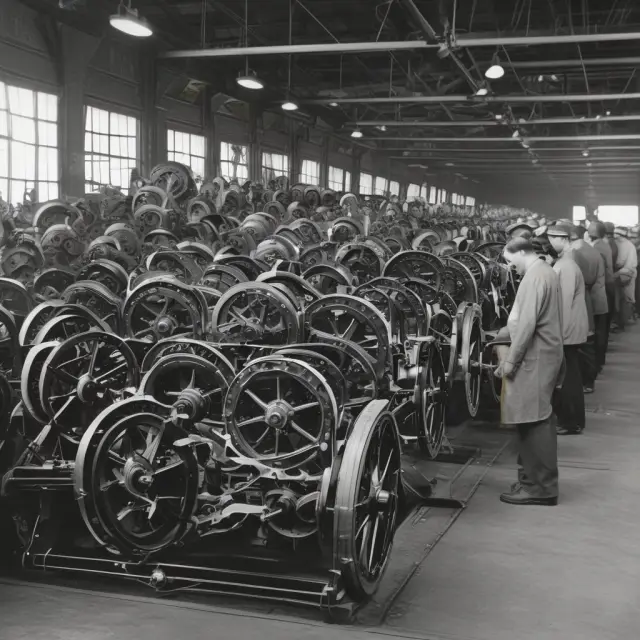
Henry Ford and the Assembly Line
Henry Ford (1863-1947), a pioneering entrepreneur, is widely regarded as the father of mass production in the automotive industry through his invention of the moving assembly line for manufacturing cars. Ford revolutionized car manufacturing by introducing this innovative technique at his River Rouge Complex in Dearborn, Michigan, in 1913.
Before Henry Ford, automobile manufacture was a labor-intensive process, with each part requiring several hours to complete before it could be installed on a vehicle. The time and cost of producing an entire car were significant, limiting the affordability of automobiles for most people. However, Ford’s assembly line changed this by streamlining the production process, reducing the time required to manufacture parts, and improving overall efficiency.
Ford’s assembly line allowed for a standardized approach to manufacturing. Each worker was responsible for completing a specific task on an automobile as it moved along the production line. Ford recognized that by dividing the work into smaller tasks, unskilled laborers could perform these jobs effectively and efficiently. The result was a significant reduction in the time it took to manufacture parts and, subsequently, entire cars.
Ford’s assembly line not only decreased production time but also led to lower costs due to economies of scale. With fewer workers required for manufacturing, Ford could pass on the labor savings to consumers by offering affordable cars that were once considered a luxury item. The Model T, Ford’s most famous model produced through this process, became the best-selling automobile of all time.
Ford’s assembly line innovation did not only impact the automotive industry; it influenced manufacturing processes across various industries, from consumer goods to electronics, revolutionizing production methods and lowering costs for consumers. The efficiency gains brought by mass production enabled companies to produce large quantities of goods at a rapid pace with consistent quality, making them accessible to an increasingly larger population.
Assembling the assembly line: Ford’s groundbreaking work began with the Model T, which was manufactured in high volumes using standardized methods and interchangeable parts. However, the introduction of automation and robotics took mass production a step further by enabling even higher levels of precision, efficiency, and consistency. Today, mass production continues to shape modern industries like technology and healthcare, making it essential for understanding business dynamics and competitive advantages in an increasingly globalized world.
By focusing on Henry Ford’s role in the development of mass production and its impact on Ford Motor Co. and car manufacturing, we gain a deeper appreciation for this game-changing innovation that continues to shape our economy and daily lives.
Advantages of Mass Production
Mass production offers numerous advantages to businesses and consumers alike, as it enables the efficient creation of a high volume of standardized products. This manufacturing process is based on assembly lines or automation technology that facilitates precise production with reduced labor requirements, higher quality outputs, and quicker distribution.
The precision provided by mass production can be attributed to the fact that machines used in this production method have preset parameters, which guarantees a high degree of accuracy and uniformity. Additionally, mass production lowers costs due to automation and the reduction in labor force.
Mass production significantly increases efficiency as well, allowing for an increased rate of production, faster assembly, and quicker distribution. This rapid turnaround time enables organizations to respond effectively to market demands and maintain a competitive edge. A prime example of this can be seen with McDonald’s, where the speed at which meals are produced is a significant factor in their competitive advantage.
Historically, Henry Ford’s groundbreaking assembly line technique for producing the Model T automobile in 1913 set the stage for mass production’s widespread adoption across industries. This revolutionary approach drastically reduced manufacturing time and costs, making cars affordable to the masses. Since then, mass production has become a cornerstone of modern business operations, with various industries such as automotive, electronics, food, and pharmaceuticals reaping its benefits.
However, the advantages of mass production do not come without challenges. The initial investment required for automated assembly lines is substantial. Should errors arise in the design or production process, extensive time and resources may be necessary to correct them. Moreover, labor forces involved in mass production can face demotivating, repetitive tasks, potentially leading to low morale and high turnover rates.
Despite these challenges, the advantages of mass production have proven to outweigh the disadvantages, with its impact on industries like automotive and consumer goods being evident in our daily lives. Mass production has resulted in more accessible and affordable products, higher efficiency levels, and a competitive edge for businesses. As technology continues to evolve, innovations like 3D printing and digital manufacturing are expected to further enhance the capabilities of mass production processes.
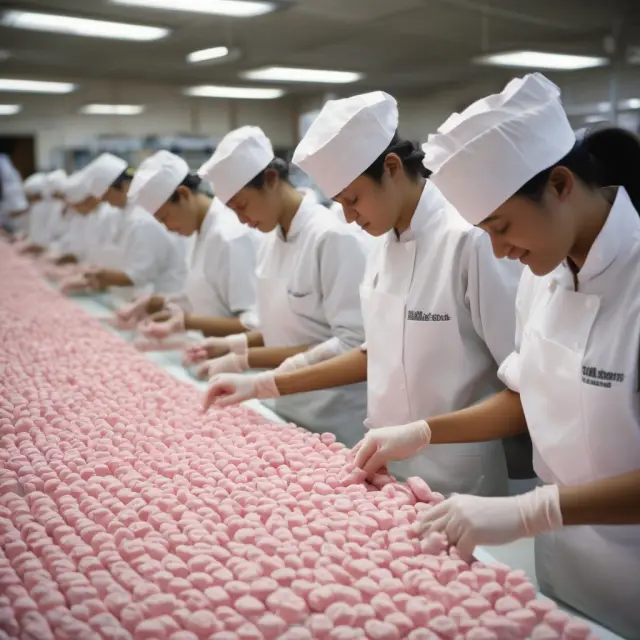
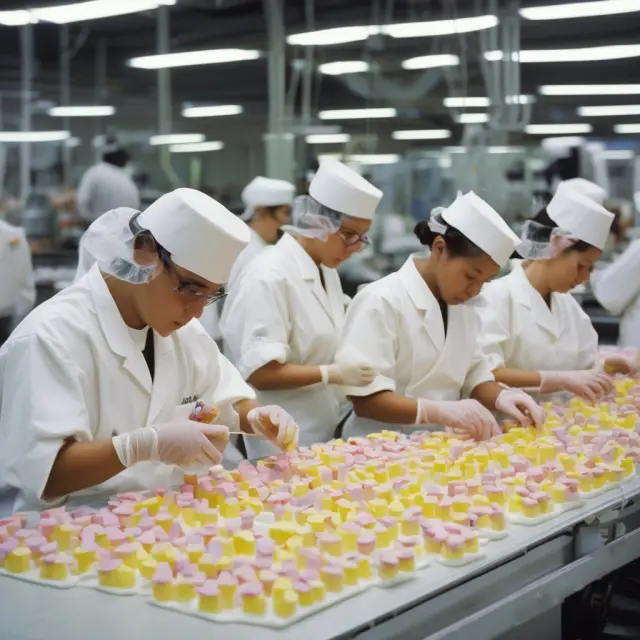
Real-life examples illustrate the power of mass production’s advantages. For instance, marshmallow Peeps once took an astonishing 27 hours to produce by hand. With the implementation of the assembly line, this time was reduced to a mere six minutes per Peep, and an average of 4.2 million Peeps were produced daily in 2003. Ford’s assembly lines pushed the boundaries even further with the integration of robots in 1961, which now play a crucial role in mass production processes worldwide.
In conclusion, mass production is a transformative manufacturing process that has revolutionized industries and made once expensive products accessible to the masses. The benefits of mass production include precision, lower labor costs, higher efficiency, and prompt distribution. By understanding its advantages and potential challenges, businesses can capitalize on this powerful tool to remain competitive in their respective markets.
Disadvantages of Mass Production
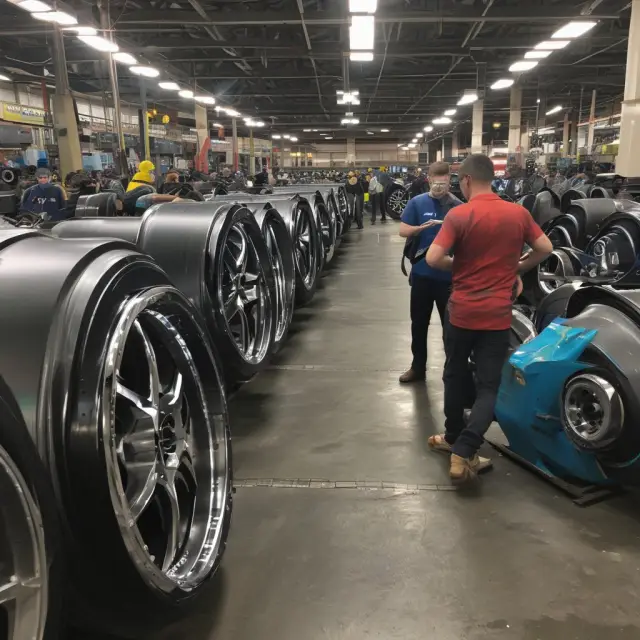
While mass production presents numerous advantages such as increased efficiency, lower costs, higher precision, and quick distribution, it is not without its challenges. Establishing an assembly line or incorporating automation technology requires a significant up-front investment of capital. This can be a barrier for small businesses or companies entering new markets. Additionally, if there are errors in the production design, extensive time and resources might be needed to rectify them. For instance, in industries that heavily rely on mass production like pharmaceuticals, changes mandated by regulatory bodies can necessitate costly modifications.
Furthermore, while mass production can lead to lower labor costs, it may also result in discontent among employees due to the repetitiveness of their tasks. The monotony of performing the same task repeatedly can negatively impact morale and increase turnover rates. In some cases, this has led to criticisms regarding poor wages and working conditions for workers in industries that rely heavily on mass production.
However, it’s essential to highlight that these issues are not inherent to mass production. Companies can implement strategies to mitigate the negative consequences. For example, they can invest in employee training programs to keep employees engaged and motivated, or they can adopt flexible work schedules and create a positive work environment. Additionally, governments and regulatory bodies can enact policies to protect workers’ rights and ensure fair wages.
Despite these challenges, mass production remains a powerful force in industries ranging from automotive manufacturing to food production. The benefits of increased efficiency, lower costs, and high precision continue to drive innovation and growth in various sectors. Moreover, advancements in technology are continuously reshaping the landscape of mass production, enabling new approaches and business models.
A good example is the integration of additive manufacturing, or 3D printing, into mass production processes. This innovative approach allows for greater customization while maintaining the benefits of mass production. As we move forward, it’s important to recognize that mass production will continue to evolve, addressing both its challenges and opportunities as it adapts to the changing economic landscape.
Real-life examples of these challenges:
- In the early 20th century, when Ford introduced the Model T assembly line, he encountered significant resistance from his workforce due to the monotonous nature of their jobs. It took time and effort to keep employees engaged and motivated, resulting in a series of strikes and labor disputes.
- In recent years, pharmaceutical companies have faced regulatory changes requiring them to modify their mass production processes for certain drugs. These changes have resulted in substantial costs and delays, affecting the availability and affordability of essential medications.
Modern Examples of Mass Production
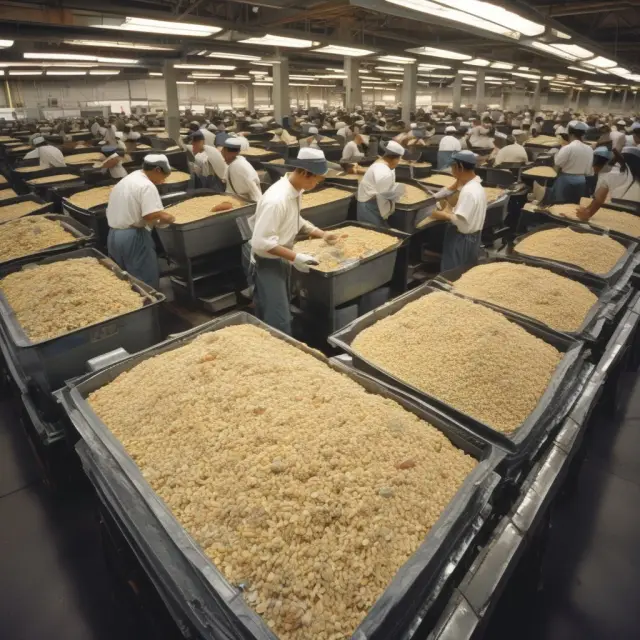
Mass production has become an integral part of modern manufacturing, affecting various industries like automotive, electronics, food, and pharmaceuticals. Let’s examine several companies from these sectors that have effectively harnessed the power of mass production to drive growth, innovate, and meet consumer demand.
1. Automotive: Toyota Motor Corporation
Toyota is a prime example of successful mass production in the automotive industry. The Japanese auto giant popularized the concept of ‘lean manufacturing’ or ‘just-in-time’ production (JIT), which involves minimizing inventory and maximizing efficiency by producing exactly what customers order when they want it, as opposed to stockpiling finished goods. This approach has led Toyota to become one of the most productive automakers globally, with a strong focus on quality, continuous improvement, and reducing waste in manufacturing processes.
2. Electronics: Apple Inc.
Apple, the pioneer of revolutionary technological products, also employs mass production techniques. Its iPhones and other gadgets are manufactured by Foxconn Technology Group, the world’s largest contract electronics manufacturer. Foxconn is known for its massive factories and sophisticated supply chain management that enables Apple to produce high volumes of cutting-edge devices at scale while maintaining superior quality and reducing costs.
3. Food: Kellogg Company
Mass production has significantly influenced the food industry as well, with companies such as Kellogg’s leading the charge in producing large quantities of ready-to-eat cereals and convenience foods. Established in 1906, Kellogg’s revolutionized the cereal industry by creating the first mass production facility at its Battle Creek, Michigan plant, which allowed them to produce vast quantities of their signature product, Corn Flakes. Since then, Kellogg’s has expanded its offerings while continuing to streamline and optimize production processes to meet growing demand and provide consumers with diverse, affordable food options.
4. Pharmaceuticals: Pfizer Inc.
In the pharmaceutical sector, Pfizer is a notable player that successfully employs mass production techniques. With a vast product portfolio, Pfizer’s manufacturing capabilities encompass both small-scale and large-scale production processes. The company’s extensive research and development initiatives enable it to bring innovative drugs to market quickly and efficiently while adhering to strict regulatory standards. For example, Pfizer’s Kalamazoo, Michigan site is one of the largest sterile injectables manufacturing sites globally, producing over 2 billion units per year.
By examining these companies and their use of mass production strategies, it becomes clear that this approach offers numerous benefits, including improved efficiency, reduced costs, increased quality, and rapid distribution. However, challenges persist, such as the need for substantial upfront investments, the impact on labor markets, and regulatory complexities. Nonetheless, companies continue to innovate and adapt mass production processes to stay competitive in today’s fast-paced business landscape.
Automation and Robotics in Mass Production
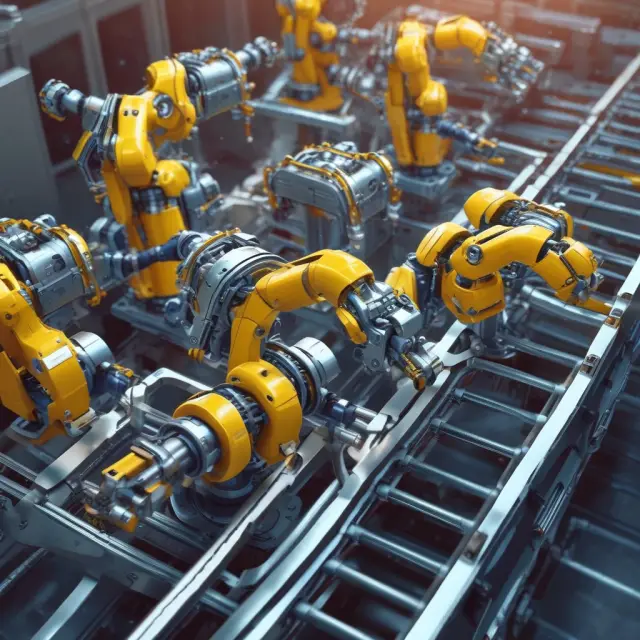
One of the most significant advancements in mass production since Henry Ford’s time has been the integration of automation and robotics into manufacturing processes. While the assembly line was a revolutionary concept that drastically reduced production times, it also necessitated large workforces to keep up with the demand for labor-intensive tasks. The introduction of automation and robotics in mass production processes has led to increased efficiency, flexibility, and quality while reducing labor requirements and costs.
Automation refers to the use of technology to perform a process without human intervention, often in real-time. Automated systems can be found in various industries, from manufacturing and logistics to healthcare and finance. In mass production, automation is used to streamline repetitive tasks and improve overall productivity. Robotics, on the other hand, involve the use of programmable machines that can perform complex tasks or replace human labor for hazardous or repetitive processes.
The benefits of automating and implementing robotics in mass production are numerous:
1. Increased efficiency: Automated systems allow for continuous operation without breaks, reducing downtime and increasing production rates. Robots can work 24/7, unlike human workers, and can perform multiple tasks simultaneously. For instance, robotic arms in automotive manufacturing can weld, paint, and assemble various components of a car chassis in one cycle.
2. Consistency and quality: Automated systems are capable of maintaining consistent performance levels and high product quality. With precise control over the production process, mass producers can minimize errors, reduce waste, and ensure that every product meets the desired specifications. This is particularly important for industries with strict regulatory requirements, such as pharmaceuticals and food manufacturing.
3. Flexibility: Automated systems can be easily reconfigured to adapt to changing market demands or production schedules. With programmable logic controllers (PLCs) and other control technologies, mass producers can modify automation protocols or add new tasks without significant downtime or cost. This flexibility is essential in industries where product mixes or demand patterns change frequently.
4. Safety: Robots can perform dangerous tasks that are too hazardous for human workers. For example, in the automotive industry, robots have replaced human labor for welding and painting processes, reducing the risk of workplace injuries and improving overall safety standards.
5. Reduced labor costs: Automation and robotics enable mass producers to reduce their reliance on manual labor, leading to cost savings through lower wages and benefits. However, it is important to note that the upfront investment in automation and robotics can be high. The return on investment (ROI) comes from increased efficiency, productivity, and overall cost savings over time.
Despite these advantages, implementing automation and robotics in mass production also presents challenges:
1. High capital costs: The initial investment required to set up automated systems or purchase robots can be significant. For small- and medium-sized enterprises (SMEs), the upfront cost of automation may be a barrier to entry, limiting their ability to compete with larger companies that have already adopted these technologies.
2. Complex setup: Automating production processes requires careful planning and coordination between various departments, including engineering, IT, and operations. Implementing robotics can also involve extensive training for employees to ensure they are equipped to work alongside the new technology. This complexity can create delays and add to overall implementation costs.
3. Technical expertise: Mass producers require specialized technical knowledge to effectively utilize automation and robotics in their processes. This includes skills related to programming, maintenance, and troubleshooting. As a result, companies may need to invest in hiring or training skilled personnel or partner with external vendors for support.
4. Adapting to changing markets: Mass production relies on standardized, predictable processes. However, market demands often change rapidly, requiring mass producers to adapt quickly. The flexibility offered by automation and robotics can help mitigate this challenge but may require significant investment in software upgrades or reconfigurations.
5. Ethical concerns: The use of automation and robotics in mass production has raised ethical questions related to job displacement, worker safety, and environmental impact. As these technologies become more prevalent, it is essential for mass producers to address these issues transparently and responsibly.
Real-life examples of companies that have successfully integrated automation and robotics into their mass production processes include Toyota, Apple, Kellogg’s, and Pfizer. Toyota has been a pioneer in lean manufacturing principles, employing just-in-time (JIT) systems and automation to optimize its production processes. Apple’s iPhone assembly lines rely on advanced robotics for tasks such as precision welding, surface mount technology (SMT), and final assembly. Kellogg’s has implemented automated lines for cereal production, allowing them to increase output while maintaining consistent product quality. Pfizer has integrated automation and robotics into its pharmaceutical manufacturing processes to ensure regulatory compliance and produce high-quality drugs at scale.
In conclusion, the integration of automation and robotics into mass production processes offers numerous advantages, including increased efficiency, flexibility, and consistency. However, it also presents challenges related to capital costs, technical expertise, and adapting to changing markets. As these technologies continue to evolve, mass producers must carefully consider their implementation strategies to maximize benefits while minimizing risks.
FAQs:
What is automation in mass production?
Automation refers to the use of technology to perform a process without human intervention, often in real-time. In mass production, it’s used to streamline repetitive tasks and improve overall productivity.
How do robotics fit into mass production?
Robotics involve the use of programmable machines that can perform complex tasks or replace human labor for hazardous or repetitive processes. They are essential in industries with strict regulatory requirements, such as pharmaceuticals and food manufacturing.
What are the benefits of automating and implementing robotics in mass production?
The benefits include increased efficiency, consistency and quality, flexibility, safety, and reduced labor costs.
What are some challenges of automating and implementing robotics in mass production?
Challenges include high capital costs, complex setup, technical expertise, adapting to changing markets, and ethical concerns related to job displacement, worker safety, and environmental impact.
Are there successful examples of companies that have integrated automation and robotics into their mass production processes?
Yes, companies like Toyota, Apple, Kellogg’s, and Pfizer have successfully implemented these technologies in their operations.
Impact of Mass Production on Labor
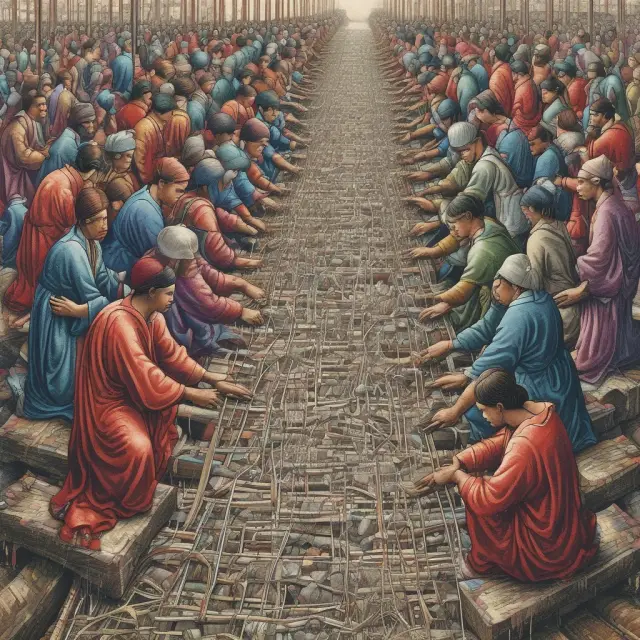
Mass production transformed labor markets significantly. As Henry Ford’s assembly line increased efficiency and reduced costs, it also caused changes in wages and working conditions for employees. While mass production led to the production of affordable goods for the average consumer, its effect on labor was not universally positive.
Initially, mass production lowered wages due to an oversupply of labor in the market. Ford’s assembly line required fewer workers; thus, many were displaced from traditional manufacturing jobs. However, Ford countered this by offering his employees a living wage – $5 per day, which was double the average wage at the time. This wage increase aimed to attract reliable and skilled workers who could maintain the efficiency of the production process and contribute to higher quality products.
In many industries outside of the United States, however, mass production led to poor wages and working conditions. To compete with lower-cost producers in countries like Japan and South Korea, U.S. companies moved their manufacturing processes overseas. This trend intensified with the North American Free Trade Agreement (NAFTA) and the World Trade Organization’s agreement on Trade-Related Aspects of Intellectual Property Rights (TRIPS). The result was a global labor market where wages varied greatly, with some countries offering extremely low labor costs to attract businesses.
In response to these challenges, there have been efforts to improve working conditions and wages for workers in developing countries. Fair labor organizations such as the Fair Labor Association (FLA) and the Workers’ Rights Consortium (WRC) advocate for better wages and working conditions in global supply chains. Additionally, some companies have begun to implement more ethical production practices through initiatives like ethical sourcing, corporate social responsibility programs, and labor certification schemes.
Despite these efforts, challenges remain. Some argue that mass production contributes to the erosion of traditional craftsmanship and the loss of skilled workers. In response, some industries have embraced hybrid approaches combining elements of both mass production and craftsmanship to create high-quality, unique products while maintaining affordability. Examples include companies like Apple, which uses a combination of automation and handcrafted components in its manufacturing processes.
In conclusion, mass production has had profound impacts on labor markets. While it led to the production of affordable goods for consumers, it also resulted in wage suppression and poor working conditions for some workers. However, ongoing efforts to promote fair labor practices and ethical production have provided some relief to those most affected by these challenges. The future of mass production will require a balance between efficiency, affordability, and ethical labor practices.
The Future of Mass Production: Trends and Innovations
Mass production, as we know it, is constantly evolving to meet the changing demands of industries and consumers alike. Over the past century, mass production has brought us affordable consumer goods, increased efficiency, and lowered manufacturing costs. However, recent advancements in technology and automation are pushing the boundaries of what’s possible for mass production. In this section, we will discuss three emerging trends that are shaping the future of mass production: additive manufacturing, digital manufacturing, and modular design.
Additive Manufacturing (3D Printing)
Additive manufacturing, commonly known as 3D printing, is a revolutionary technology that has been gaining popularity in various industries for its potential to create complex geometries and customized components. By using a digital file to layer materials, additive manufacturing can produce items with intricate designs and unique properties, eliminating the need for expensive tooling or molds.
The implications of 3D printing on mass production are significant. This technology has the potential to create more personalized products by enabling customization on a massive scale without the need for extensive retooling or additional labor costs. Furthermore, it can lead to reduced material waste, faster prototyping, and increased design freedom. For instance, 3D printing is already being used in the automotive industry to produce car parts, such as engine components and even entire cars like the Local Motors Rally Fighter.
Digital Manufacturing
Digital manufacturing refers to the integration of digital technologies into traditional mass production processes to improve efficiency, accuracy, and flexibility. Digital manufacturing encompasses a range of technologies, from computer-aided design (CAD) and computer-aided manufacturing (CAM) to real-time monitoring and simulation systems.
With digital manufacturing, manufacturers can streamline their production processes by automating routine tasks like inspections, data analysis, and quality control. Real-time monitoring of production lines ensures that any issues are identified and resolved quickly, reducing downtime and improving overall efficiency. Moreover, digital technologies make it easier to optimize the design and manufacturing process for specific materials and geometries, enabling the creation of more complex and innovative products.
Modular Design
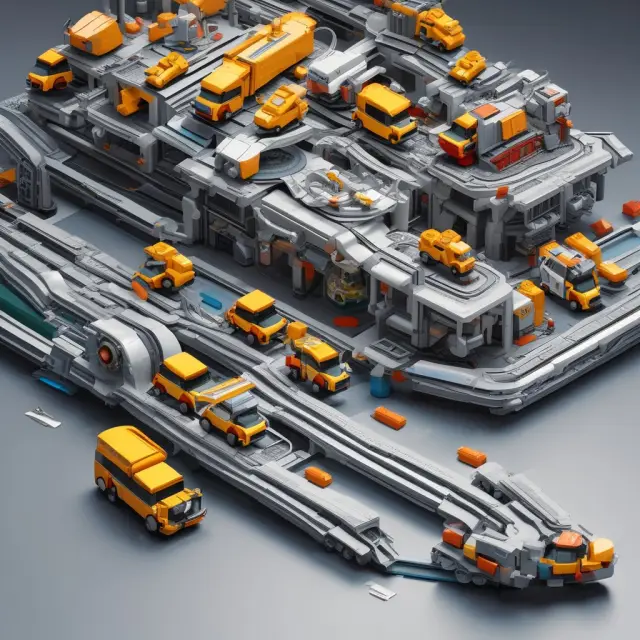
Modular design refers to the concept of creating interchangeable components that can be assembled in various configurations to produce multiple products. This approach reduces the need for extensive retooling and enables manufacturers to adapt quickly to changing market conditions or consumer preferences. Modular designs also promote flexibility, enabling more significant customization while maintaining economies of scale.
An excellent example of modular design is the Lego system. Legos are interchangeable building blocks that can be assembled in countless configurations, making them a versatile and popular toy for children worldwide. This principle extends beyond toys into various industries, including automotive and electronics. For instance, Volkswagen’s modular MQB platform allows them to produce multiple vehicles using the same underlying architecture, reducing development costs and enabling greater economies of scale.
In conclusion, additive manufacturing, digital manufacturing, and modular design are three emerging trends that are shaping the future of mass production. These innovations offer significant advantages over traditional mass production methods, including increased flexibility, reduced material waste, faster prototyping, and more personalized products. As technology continues to evolve, these trends will continue to reshape industries and enable new opportunities for growth and innovation in manufacturing.
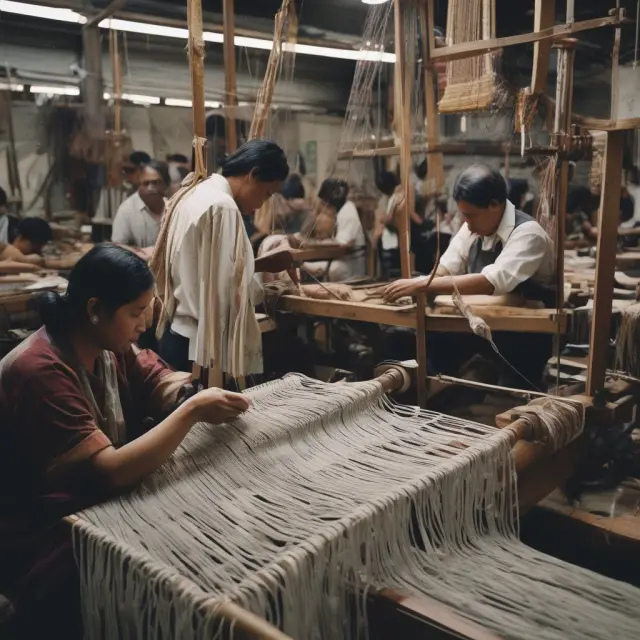
Mass Production vs. Craftsmanship: A Comparative Analysis
Mass production and craftsmanship are two different approaches to producing goods that cater to distinct markets. Mass production involves creating a vast number of standardized products through assembly lines or automation technology, while craftsmanship focuses on unique, handcrafted items made by skilled artisans. In this section, we will delve into the differences between these two production methods, their advantages, and examples from various industries.
Henry Ford’s mass production techniques, which include the assembly line, drastically transformed automobile manufacturing in 1913. By reducing manufacturing time for parts, Ford revolutionized the way cars were produced, making them more accessible to the general public. However, craftsmanship has remained an essential part of certain industries that prioritize quality and uniqueness over mass-produced goods.
Advantages of Mass Production
Mass production offers several advantages for businesses looking to produce large quantities of standardized items efficiently and cost-effectively. When production is closely monitored, mass production can result in high precision because machines have preset parameters. Automated assembly lines also require fewer workers, thereby reducing labor costs, and improving efficiency by enabling the rapid assembly of products. The prompt distribution and marketing of mass-produced goods offer companies a competitive advantage and potentially higher profits.
Advantages of Craftsmanship
Craftsmanship allows for the creation of unique, high-quality items that cater to discerning customers who value the human touch. Crafted items often possess superior workmanship and attention to detail, making them desirable and valuable. Craftsmanship also enables artisans to tailor products according to specific customer requirements, providing a more personalized experience.
Examples of Mass Production
Mass production is prevalent in industries such as automotive (Ford Motor Co.), consumer electronics (Apple Inc.), food (Kellogg’s), and pharmaceuticals (Pfizer). Ford’s assembly line technique led to the mass production of cars, making them more affordable and accessible. In contrast, craftsmanship can be observed in sectors like fine art, furniture, jewelry, and bespoke clothing.
Automation and Robotics
With advancements in automation technology, robotics play a crucial role in mass production processes. The implementation of robots in factories has increased efficiency while reducing labor costs and human error. This trend is particularly relevant to industries like automotive manufacturing and electronics assembly. However, the integration of automation and robotics into craftsmanship remains limited due to the value placed on human skill and expertise.
Impact on Labor
Mass production has had a significant impact on labor markets, wages, and working conditions in various countries. In some instances, factory workers are paid low wages and work under poor conditions. However, mass production doesn’t always imply low wages or unfavorable working conditions. In the United States, for example, factory workers tend to make higher wages and have unions advocating for better working conditions.
The Future of Mass Production
Mass production continues to evolve with emerging technologies such as additive manufacturing (3D printing), digital manufacturing, and modular design. These innovations offer opportunities for increased customization, reduced waste, and greater efficiency. However, craftsmanship remains an essential part of certain industries, providing a unique value proposition that caters to customers seeking high-quality, handcrafted items.
In conclusion, understanding the differences between mass production and craftsmanship is crucial in today’s global economy. Mass production provides businesses with an efficient way to produce large quantities of standardized goods at lower costs, while craftsmanship offers a personalized experience catering to discerning customers who value unique, high-quality items. The future of both approaches lies in the integration of emerging technologies and their potential impact on industries and consumers alike.
FAQs on Mass Production
What is mass production?
Mass production is a manufacturing process for creating large quantities of standardized products, typically using assembly lines or automation technology to achieve high precision, lower costs, heightened efficiency, and quicker distribution.
Who developed the concept of mass production?
Henry Ford pioneered mass production with the introduction of the assembly line technique at Ford Motor Co. in 1913. This revolutionary innovation drastically reduced the time it took to build automobiles, making cars affordable for a broader population.
What are the advantages of mass production?
Mass production yields several benefits, including high precision due to preset parameters and fewer workers required due to automation; higher efficiency from quick assembly rates, which allows for prompt distribution and marketing; and cost savings through reduced labor expenses and economies of scale.
What are the disadvantages of mass production?
While mass production has its advantages, it also presents challenges such as high capital investment in setting up an automated system, potential errors that necessitate significant time and resources to correct, and a risk for lower morale among workers due to repetitive tasks.
What is an example of mass production?
Mass production impacts various consumer goods, including marshmallow Peeps. Before the assembly line was introduced in 1961, each Peep took 27 hours to produce by hand; now, it takes just six minutes per Peep, with robots playing a significant role.
Does mass production result in lower wages for workers?
The answer varies depending on the location. In some cases, mass production jobs may come with poor wages and working conditions. However, this doesn’t have to be the case—workers in the United States tend to make higher wages and enjoy better working conditions compared to other countries.
Is it expensive to set up mass production?
The cost of setting up a mass production system can be substantial; however, the efficiency gained from automated processes offsets the initial investment in the long run.
Does mass production produce high-quality items?
Yes, mass production has the capacity to yield high-quality goods if stringently monitored and controlled. However, unforeseen issues with a product component may result in widespread replication of that problem before it is identified.
 Next entry · No. 3,136Understanding Mass Customization: Delivering Personalized Products at Mass Production Prices
See also
-
 No. 2,987
19 Feb 2025
21 min
Exploring the Long Run: Understanding Firm Behavior and Economies of Scale
Business Strategy
No. 2,987
19 Feb 2025
21 min
Exploring the Long Run: Understanding Firm Behavior and Economies of Scale
Business Strategy -
 No. 2,459
08 Jan 2025
17 min
Understanding Internalization in Business and Finance: The Advantages and Implications
Business Strategy
No. 2,459
08 Jan 2025
17 min
Understanding Internalization in Business and Finance: The Advantages and Implications
Business Strategy -
 No. 375
17 Apr 2024
22 min
Batch Processing: Understanding This Cost-Effective Technique for Processing Large Amounts of Data
Business Strategy
No. 375
17 Apr 2024
22 min
Batch Processing: Understanding This Cost-Effective Technique for Processing Large Amounts of Data
Business Strategy -
 No. 5,906
17 Oct 2025
21 min
Understanding Zero-Sum Games: Concepts and Applications in Finance and Investment
Business Finance
No. 5,906
17 Oct 2025
21 min
Understanding Zero-Sum Games: Concepts and Applications in Finance and Investment
Business Finance -
 No. 5,782
07 Oct 2025
18 min
Workflow Management: Optimizing Business Processes with Six Sigma, TQM, Big Data, and Workflow Technologies
Business Strategy
No. 5,782
07 Oct 2025
18 min
Workflow Management: Optimizing Business Processes with Six Sigma, TQM, Big Data, and Workflow Technologies
Business Strategy -
 No. 5,752
04 Oct 2025
18 min
Understanding the Role and Functionality of Wire Rooms in Modern Finance
Business Finance
No. 5,752
04 Oct 2025
18 min
Understanding the Role and Functionality of Wire Rooms in Modern Finance
Business Finance