Understanding Mill Levies: A Comprehensive Guide for Institutional Investors

Understanding mill levies: a comprehensive guide for institutional investors - Definition, calculation, jurisdictions, impact on investments, exemptions…
Introduction to Mill Levies
Mill levies represent an essential aspect of property taxation in various jurisdictions, including local governments and public entities, to fund their budgets for public services like schools, parks, roads, and utilities. In essence, a mill levy is a property tax based on the assessed value of a property. The term “mill” denotes one dollar per $1,000 in assessed value.
For instance, if your property has an assessed value of $500,000 and the local mill levy is 20 mills, then you would pay $10,000 ($500,000 * 0.02) in annual property taxes. Understanding Mill Levies
Mill levies play a significant role in funding public services by providing revenue to various jurisdictions. These taxing entities may include school districts, counties, cities, and other special districts such as water or sewer authorities. The process for determining mill levies involves assessing the total value of all properties within the jurisdiction and setting the budget for the upcoming year. Based on that budget, each jurisdiction calculates its revenue requirement in terms of mills.
To illustrate this concept further, consider an example with three taxing entities: a school district, county, and city. Suppose these jurisdictions require $100 million, $10 million, and $50 million respectively for their upcoming budgets. If the total property value within their jurisdiction is $1 billion, then the required revenue in mills for each entity can be calculated as follows:
- School district: 0.10 (100 million/1 billion)
- County: 0.01 (10 million/1 billion)
- City: 0.05 (50 million/1 billion)
When all taxing entities’ mill levies are added together, the resulting rate is 0.16 or 160 mills (one mill = 0.001). This mill levy can now be applied to real estate, land, buildings, and significant personal property such as cars and boats within their jurisdiction.
Understanding how mill levies work can help institutional investors make more informed decisions when it comes to purchasing properties or investing in municipal bonds. By analyzing historical mill levy rates and trends, investors can assess potential risks, returns, and overall tax environments of various jurisdictions. In the subsequent sections, we will delve deeper into understanding the process, jurisdiction-specific considerations, exemptions, and strategies for addressing mill levies’ impact on investments.

The Basics of Mill Levies
Mill levy refers to a local property tax used by various jurisdictions, including schools, counties, and cities, to fund their public services budgets. The term mill levy comes from the way this tax is calculated – one mill equals $1 for every $1,000 of assessed property value. This tax is critical for institutional investors because it significantly influences property values and investment strategies related to real estate or municipal bonds.
To determine a mill levy rate, each jurisdiction calculates its revenue requirements for the upcoming year and divides that amount by the total assessed value of all properties within their area. Let’s delve deeper into how the calculation works.
Consider an area where the entire property value amounts to $1 billion, and different taxing authorities have specific revenue needs:
– The school district requires $100 million.
– The county demands $10 million.
– The city requires $50 million.
Using this information, we can calculate the mill levy rate for each jurisdiction. First, divide their required revenues by the total property value:
– School district: $100 million / $1 billion = 0.10 or 100 mills (since one mill equals $100 for every $1,000 of assessed value)
– County: $10 million / $1 billion = 0.01 or 10 mills
– City: $50 million / $1 billion = 0.05 or 50 mills
Next, add up all the calculated tax levies to find the overall mill levy rate for the area:
Total mill levy = 0.10 (school district) + 0.01 (county) + 0.05 (city) = 0.16 or 160 mills (one mill equals $160 for every $1,000 of assessed value).
Mill levies generally apply to real estate, land, buildings, and significant personal property such as cars and boats. The tax base can also include agricultural lands and business property. In the next sections, we will discuss how these mill levies impact property values, investment strategies, and municipal bonds, providing further insight for institutional investors.

Understanding Tax Jurisdictions and Assessment Ratios
Mill levies play a crucial role in property taxation systems, and it’s essential for institutional investors to comprehend the workings of this taxing mechanism. A mill levy is a property tax assessed based on the assessed value of a property. The rate of this tax is expressed in mills—one mill being equal to one dollar per $1,000 dollars of assessed value. This tax is collected by various local governments and other jurisdictions to fund their budgets for essential public services like schools, parks, and infrastructure.
A single area may involve several taxing authorities, such as school, county, and city districts, each contributing to the mill levy rate. To understand how a mill levy is calculated, let’s first examine the process of setting the tax rate.
The property value for the mill levy is typically determined using an assessment ratio. In most cases, an official assessed value for a property is set annually by a tax assessor. However, some jurisdictions may choose to base the assessment on a percentage of the market value of the property instead. Once each jurisdiction determines its revenue requirement and divides it by the total value of all properties within their area, they can calculate their individual mill levy contribution.
For example, let’s assume that the entire property value in a particular area is $1 billion. If the school district requires $100 million in revenue for the upcoming year, the county needs $10 million, and the city needs $50 million, the tax levies would be calculated as follows:
– School District: $100 million / $1 billion = 0.10 (or 10%)
– County: $10 million / $1 billion = 0.01 (or 1%)
– City: $50 million / $1 billion = 0.05 (or 5%)
The total mill levy for the area would then be calculated by adding all the tax levies together: 0.10 (school district) + 0.01 (county) + 0.05 (city) = 0.16 (or 160 mills).
Mill levies apply primarily to real estate, land, buildings, and significant personal property such as cars and boats. This tax is essential for investors in the finance and investment sectors to consider when evaluating potential investments in properties or municipal bonds. In the following sections, we will dive deeper into the implications of mill levies on various aspects of property taxes and real estate investing.

Mill Levy Rates in Different Jurisdictions
A mill levy is a critical component of property taxation that enables various local governments and taxing authorities to fund their budgets for essential public services. Understanding the contribution of different jurisdictions (county, city, and school districts) to the mill levy rate is crucial for institutional investors in real estate or municipal bonds.
Mill Levies: A Collaborative Effort Between Jurisdictions
When it comes to mill levies, multiple taxing authorities could be present within a single region. These entities might include school, county, and city districts. The process of calculating the mill levy involves determining how much revenue each jurisdiction requires for its upcoming budget and dividing that amount by the total value of all property within the area.
Understanding Jurisdictional Mill Levies
For instance, in a region where the entire property value is $1 billion, consider three taxing authorities: the school district needing $100 million in revenue, the county requiring $10 million, and the city mandating $50 million. To calculate their respective mill levies, divide the required revenue of each jurisdiction by the total assessed value of all properties within the area.
The tax levy for the school district is calculated as follows: $100 million divided by $1 billion = 0.10 or 100 mills (one mill equals $1,000). The county’s tax levy is 0.01 ($10 million / $1 billion), and the city’s tax levy is 0.05 ($50 million / $1 billion).
Calculating the Combined Mill Levy
Adding these tax levies together results in a combined mill levy of 0.16, or 160 mills (one mill = 0.001). This collaborative effort between jurisdictions helps ensure that all necessary services are funded and maintained for the community.
Types of Properties Subject to Mill Levies
It is essential to recognize that mill levies can be applied to various types of properties, such as real estate, land, buildings, and significant personal property like cars and boats. By understanding this information, investors can make more informed decisions regarding their investments in specific areas and anticipate the potential tax implications.

How Mill Levies Affect Property Taxes and Investments
Mill levies play a critical role in the financial landscape of property taxation for institutional investors. The mill levy is an essential component of determining annual property taxes, ultimately impacting both real estate investment strategies and municipal bond investments. To fully comprehend this concept, it’s crucial first to understand how mill levies work within various jurisdictions and their implications on property values and the overall investment landscape.
Tax Jurisdictions and Mill Levy Rates
A mill levy is a property tax applied based on the assessed value of a property, with the rate of the tax being expressed in mills. The term “mill” refers to one dollar per $1,000 dollars of assessed value. This tax is used by local governments and other jurisdictions to raise revenue to cover its budget for public services such as schools or maintaining parks and recreation areas. In some regions, there may be several taxing authorities, including school, county, and city districts, which contribute to the overall mill levy rate.
Assessment Ratios and Property Values
The process of calculating a property’s assessed value for a mill levy involves using an assessment ratio – typically set by a tax assessor or based on a percentage of market value – that determines the property’s value for tax purposes. For instance, if the official assessed value is $500,000, and the assessment ratio is 7%, then the mill levy amount would be $35,000 ($500,000 * 0.07).
Impact of Mill Levies on Real Estate Investment Strategies
Mill levies have significant implications for real estate investment strategies. When determining potential property acquisitions or valuation, understanding the mill levy rate is crucial. Areas with higher mill levy rates may be less attractive to investors due to increased tax burdens. Conversely, those with lower rates can provide opportunities for higher returns on investment.
Municipal Bonds and Mill Levies
Mill levies also play a role in municipal bonds, which are debt securities issued by local governments or their agencies to finance infrastructure projects, public services, or other initiatives. The mill levy rate influences the bond issuer’s ability to generate revenue to repay the bond principal and interest. A higher mill levy could lead to increased bond yields, while a lower mill levy could result in decreased yields, potentially affecting their desirability for investors.
Comparing Mill Levies Across Different Regions
Mill levies can vary significantly across different regions, states, or metropolitan areas, creating an essential factor for institutional investors to consider when evaluating potential real estate investments and municipal bond opportunities. Understanding the mill levy landscape in a given area can help investors make more informed decisions by comparing jurisdictions and their tax rates.
Mill Levy Exemptions and Credits
It’s also worth noting that various property tax exemptions, credits, and deductions may exist to help mitigate the impact of mill levies on investors. These incentives can provide relief to those facing high tax burdens or contribute to more favorable investment environments in specific areas. By staying informed about these potential opportunities, investors can optimize their strategies to maximize returns while minimizing tax liabilities.
Legal and Regulatory Considerations
It’s essential for institutional investors to be aware of the legal aspects and regulations governing mill levies. Understanding taxpayer protections, challenges, and limitations can help investors make informed decisions and navigate potential risks in their investment strategies.
Strategies for Addressing Mill Levy Challenges
Finally, investors should explore various strategies to mitigate or manage the impact of mill levies on their investments. This may include negotiating tax abatements, investing in areas with lower mill levy rates, or focusing on investments that offer tax benefits such as tax-exempt municipal bonds. By taking a proactive approach to managing mill levies, investors can optimize their portfolio and maximize potential returns while minimizing risks.
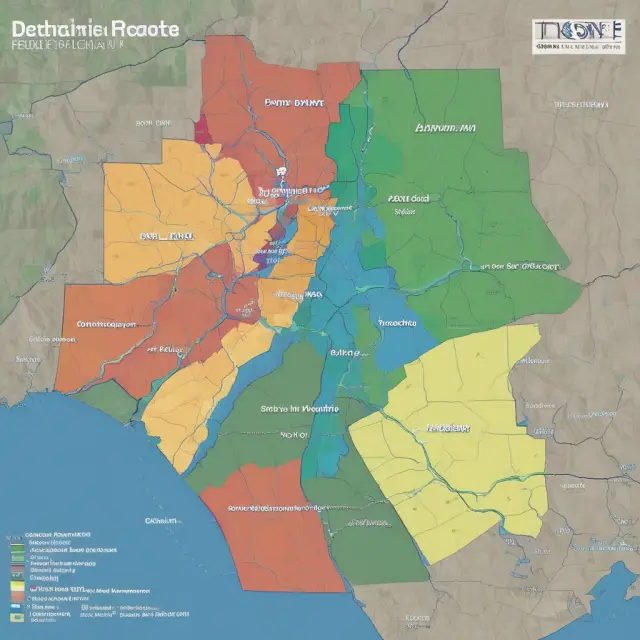
Comparing Mill Levies Across Different Regions
One of the essential aspects of understanding mill levies is recognizing the variations between regions when it comes to these taxes. Mill levy rates can differ significantly depending on which state or metropolitan area you’re investing in, with implications for property values and investment strategies. Let us explore some regional differences and their potential impact on investors.
State-to-state Differences
Mill levies can vary greatly between states due to tax policies, local budgets, and economic conditions. For example, New Hampshire has no state income or sales taxes but makes up for the lost revenue through higher property taxes. In contrast, Texas has a lower overall property tax rate due to its strong reliance on oil revenues and minimal state-level services. Understanding these regional differences is crucial for investors looking to make informed decisions when considering real estate investments in different states.
Metropolitan Area Differences
Within metropolitan areas, mill levies can differ significantly between cities and counties due to the various services offered and budget priorities. For instance, a city may have a higher mill levy rate if it offers extensive public transportation, top-tier schools, or other desirable amenities that require more funding. In contrast, a rural county with fewer services and resources might have a lower mill levy rate. As an investor, understanding the specific needs and priorities of various jurisdictions within a metropolitan area is vital to making informed investment decisions.
Implications for Property Values and Real Estate Investments
Understanding how mill levies differ between regions can significantly impact property values and real estate investments. Higher mill levy rates may decrease property values in areas with high taxes relative to other locations, making it essential for investors to consider this factor when evaluating potential investments. Conversely, lower mill levy rates might make a location more attractive to investors due to its potential savings in property taxes. In addition, understanding regional differences can inform investment strategies like tax arbitrage and help investors capitalize on disparities between jurisdictions to maximize returns while minimizing costs.
In conclusion, when investing in real estate or considering the impact of mill levies, it is essential to understand how they vary across different regions. By staying informed about regional differences and their implications for property values and tax burdens, investors can make more informed decisions and optimize their investment strategies accordingly.

Mill Levy Exemptions and Credits for Property Tax Relief
While a mill levy is an essential revenue source for local governments to fund public services, it can pose challenges for property owners and institutional investors alike. High mill levies can lead to increased taxes, which may negatively affect property values or reduce investment opportunities in certain areas. In response, various tax relief programs have been implemented to help mitigate the impact of mill levies on property owners and investors.
Property Tax Exemptions
A property tax exemption is a reduction in the assessed value of a property for mill levy purposes. This reduction results in a lower tax liability for the property owner or investor. Many jurisdictions offer specific exemptions based on property characteristics, such as:
• Homestead Exemptions: A property tax exemption offered to homeowners living in their primary residence. These exemptions can range from modest reductions to significant savings, depending on state regulations.
• Agricultural Exemptions: Applied to properties used for agricultural production and can include land, livestock, equipment, and farm buildings.
• Historic Property Exemptions: Offered to owners of designated historic structures or sites, which often receive property tax relief in recognition of their historical significance.
Property Tax Credits
A property tax credit is a reduction in the amount of taxes payable based on specific conditions. Property tax credits can be claimed by both homeowners and investors and are typically designed to encourage certain actions or investments. Some common property tax credits include:
• Solar Energy Credits: Incentives for property owners who install solar energy systems, intended to promote renewable energy usage and reduce carbon emissions.
• Property Improvement Credits: Tax reductions offered to property owners who invest in upgrading or improving their properties, encouraging economic growth and community development.
Property Tax Deductions
Property tax deductions allow individuals and businesses to lower their taxable income by subtracting certain expenses from the assessed value of their property for mill levy purposes. Property tax deductions may include:
• Mortgage Interest Deductions: A property owner can deduct mortgage interest paid on their primary residence and certain investment properties, which can help lower overall taxes owed.
• Business Property Tax Deductions: Companies that own and operate commercial real estate may be able to claim business property tax deductions, reducing their taxable income and potentially offsetting the impact of mill levies.
Conclusion
Mill levies are a crucial source of revenue for local governments, but they can pose challenges for property owners and investors. Property tax exemptions, credits, and deductions provide valuable relief from high mill levies and offer incentives to invest in various economic and social initiatives. Understanding the types and eligibility requirements of these programs is essential for maximizing property value, minimizing tax liability, and optimizing investment strategies.

Legal and Regulatory Considerations in Mill Levy Settings
Understanding the legal aspects and regulations that govern the determination and implementation of mill levies is crucial for institutional investors seeking to navigate property taxation effectively. A mill levy is a property tax applied based on a property’s assessed value, with each mill representing one dollar per $1,000 of that value.
In jurisdictions with multiple taxing authorities like school districts, counties, and cities, the determination and allocation of mill levies can become complex. In some instances, taxpayer protections and challenges might come into play. Here’s an overview of legal considerations involved in setting and implementing mill levies.
Setting Mill Levy Rates: The Legal Framework
To set a mill levy rate, each jurisdiction must abide by specific regulations, including state laws and constitutional provisions that govern taxation. These rules may vary depending on the location and the nature of the service being funded through the mill levy. For instance, some states might impose caps on the amount a school district can increase its mill levy rate each year.
Taxpayer Protections: Ensuring Fairness and Transparency
To ensure taxpayer protections, many jurisdictions adopt regulations requiring public hearings before setting mill levies. These hearings provide an opportunity for property owners to voice concerns and ask questions about the proposed mill levy rates. Additionally, some states mandate that specific revenue sources be allocated towards particular services, preventing the commingling of funds among various jurisdictions.
Tax Challenges: Addressing Equity and Efficiency Concerns
In some cases, tax challenges might arise due to concerns over equity and efficiency in mill levies. For example, property owners with lower-valued homes may argue that they disproportionately bear a higher burden compared to those with more valuable properties. To address these concerns, jurisdictions may implement alternative assessment methods like circuit breakers, which provide property tax relief for low-income homeowners or those experiencing significant property value increases.
Understanding the legal and regulatory considerations surrounding mill levies is essential for institutional investors seeking to minimize the impact of property taxes on their investments while ensuring compliance with local regulations. As a best practice, investors should engage in open communication with taxing authorities and stay informed about proposed changes to mill levy rates and related policies to maintain a strong investment strategy.

Strategies for Addressing Mill Levy Challenges
Mill levies have long been a critical component of property taxation systems across the United States. As institutional investors, understanding the impact of mill levies on your investments is essential. Here are some strategies to help mitigate or manage the challenges presented by mill levies:
1. Diversification – Spreading Your Investments Widely:
Diversifying your investment portfolio can help reduce the exposure and impact of mill levies on individual properties. By investing in a mix of various properties spread across different tax jurisdictions, you can distribute risk and potentially minimize the overall financial impact of mill levies on your investments.
2. Negotiating Property Assessments:
Assessing property values is crucial in determining mill levy rates. Engaging in assessment appeals or negotiations with local tax assessors can help lower the assessed value of your properties and, consequently, decrease the amount of taxes owed. This strategy can prove particularly effective if you own a significant number of commercial properties or have recently acquired new ones.
3. Influencing Mill Levy Rates:
Getting involved in local politics may help you influence mill levy rates and tax policies. Engaging with the community, attending public meetings, and forming partnerships with other stakeholders can provide an opportunity to advocate for favorable tax policies or lobby against unfavorable ones. By maintaining a strong presence in your local community, you can increase your chances of having a positive impact on mill levies.
4. Utilizing Tax Exemptions and Credits:
Various tax exemptions and credits are available to property owners that may help offset the impact of mill levies. Stay informed about these programs and apply for any that your properties qualify for to reduce the amount of taxes owed. Additionally, seeking professional advice from tax experts or real estate attorneys can help ensure you’re taking full advantage of all applicable exemptions and credits.
5. Incorporating Mill Levies into Investment Strategies:
When making investment decisions, consider the mill levy rates in your target markets. Understanding how these rates impact property values and potential returns can help inform strategic investments and asset allocation. For instance, investing in areas with relatively lower mill levies may generate higher yields or provide greater value to tenants compared to those with higher mill levies.
6. Exploring Alternative Investment Opportunities:
For investors seeking to limit their exposure to property taxes, alternative investment opportunities may be worth considering. For example, investing in municipal bonds can offer attractive returns and often come with lower tax implications compared to traditional real estate investments. However, it is crucial to weigh the potential risks and benefits of these alternatives carefully before making a decision.
7. Building a Strong Relationship with Local Authorities:
Maintaining an open line of communication with local authorities can help foster a positive relationship between your organization and your community. Engaging in dialogue about property tax policies, mill levies, and other local issues can demonstrate your commitment to the community while potentially leading to more favorable outcomes for all parties involved.

FAQs About Mill Levies
What exactly is a mill levy? A mill levy is a property tax based on the assessed value of your property, expressed in mills – one mill being equal to one dollar per $1,000 of assessed value. This tax rate is applied by local governments and other jurisdictions to raise revenue for various public services such as schools, public utilities, and emergency services.
How are mill levies determined? To calculate the mill levy, each taxing authority in the area (schools, counties, cities) determines its budget requirements for the upcoming year, divides that number by the total assessed value of all property within the jurisdiction, and sets a tax rate in mills. The combined rates from all jurisdictions result in the overall mill levy for the entire region.
What are assessment ratios? Assessment ratios, also known as assessment percentages or assessment rates, represent the percentage of a property’s market value that is used to establish its assessed value for tax purposes. This percentage can vary from jurisdiction to jurisdiction and may change from year to year. The official assessed value for a property is usually set by a tax assessor and can be based on either the market value or an established assessment ratio.
Can mill levies apply to personal property? Yes, mill levies can also be applied to significant personal property such as cars, boats, and farm equipment. However, the rules regarding these assessments may differ from those for real estate and land.
How do mill levies impact property taxes? Mill levies directly influence the amount of property taxes paid by homeowners and investors in a given jurisdiction. Higher mill levy rates lead to higher taxes while lower rates result in reduced tax liabilities. Understanding the mill levy rate for a specific area can help you make informed decisions about real estate investments, especially when comparing different locations.
What is an example of calculating the mill levy? To calculate the mill levy for a jurisdiction, start by determining the revenue needed by that jurisdiction. Divide this number by the total assessed value of all properties within the area to find the tax rate in mills. For instance, if a school district requires $100 million and the combined assessed value of all properties in the district is $1 billion, the tax levy for the school district would be 100 million/1 billion = 0.1 or 100 mills.
What jurisdictions use mill levies? Mill levies can be set by various taxing authorities like cities, counties, schools, and special districts to fund their budgets for public services. The specific combination of jurisdictions that levy taxes in your area may vary depending on your location. It’s essential to understand the local tax structure when making real estate investment decisions or evaluating potential property tax liabilities.
Understanding mill levies is crucial for institutional investors looking to make informed decisions regarding their real estate investments and understanding the financial impact on properties under their management. By keeping up-to-date with the mill levy rates in various jurisdictions, investors can strategically allocate resources and identify opportunities that maximize returns while minimizing potential risks.
 Next entry · No. 3,202Millennials’ Financial Picture: Navigating the Most Uncertain Economic Future
See also
-
 No. 2,966
18 Feb 2025
23 min
Understanding Local Taxes: Types, Impact, and Implications for Investors
Taxation
No. 2,966
18 Feb 2025
23 min
Understanding Local Taxes: Types, Impact, and Implications for Investors
Taxation -
 No. 4,132
24 May 2025
22 min
Understanding the Property Tax Deduction: What It Is, How to Claim It, and Its Pros & Cons
Taxation
No. 4,132
24 May 2025
22 min
Understanding the Property Tax Deduction: What It Is, How to Claim It, and Its Pros & Cons
Taxation -
 No. 3,548
07 Apr 2025
23 min
Understanding Nonrefundable and Refundable Tax Credits: A Comprehensive Guide for Institutional Investors
Taxation
No. 3,548
07 Apr 2025
23 min
Understanding Nonrefundable and Refundable Tax Credits: A Comprehensive Guide for Institutional Investors
Taxation -
 No. 1,396
09 Sep 2024
23 min
Exempt Income: Types of Income that Escape the Taxman’s Grip
Taxation
No. 1,396
09 Sep 2024
23 min
Exempt Income: Types of Income that Escape the Taxman’s Grip
Taxation -
 No. 94
07 Apr 2024
21 min
Understanding Ad Valorem Taxes: A Comprehensive Guide for Institutional Investors
Taxation
No. 94
07 Apr 2024
21 min
Understanding Ad Valorem Taxes: A Comprehensive Guide for Institutional Investors
Taxation -
 No. 5,938
10 Sep 2026
16 min
Renting vs Buying a Home: The Real Math
Real Estate
No. 5,938
10 Sep 2026
16 min
Renting vs Buying a Home: The Real Math
Real Estate