Understanding Multiple Employer Welfare Arrangements (MEWAs) in Employee Benefits and Investment

A multiple employer welfare arrangement (MEWA) is a plan or other arrangement that provides health or other welfare benefits to employees of two or more employers, as defined in ERISA section 3(40). State insurance laws can apply to MEWAs, and administrators of MEWAs offering medical coverage generally must file Form M-1 with the Labor Department.
Introduction to MEWAs and Their Importance
A multiple employer welfare arrangement (MEWA) is a unique employee benefit concept that allows smaller employers to provide competitive health and welfare benefits for their employees. By pooling resources with other companies, an MEWA enables participating employers to reap significant advantages over traditional group insurance plans. This section delves deeper into understanding what MEWAs are, how they operate, and their importance.
Defining a Multiple Employer Welfare Arrangement (MEWA)
According to the Employee Retirement Income Security Act of 1974 (ERISA), a multiple employer welfare arrangement refers to an employee benefit plan or any other arrangement that provides medical, surgical, hospital care and benefits, or benefits in case of sickness, accident, disability, death, unemployment, vacation, apprenticeships, other training programs, daycare centers, scholarship funds, or prepaid legal services for the employees of at least two employers. By collaborating, these employers can offer more extensive benefits packages to their workforce while enjoying economies of scale that larger companies often possess.
How MEWAs Benefit Employers and Employees
MEWAs serve as a cost-effective alternative to traditional group health insurance for small businesses. The shared risk model allows participating employers to spread costs across multiple entities, resulting in lower premiums and better benefits offerings compared to what they could secure on their own. Moreover, since MEWAs are collective arrangements, all employers have a voice in determining the plan’s features, ensuring that the coverage meets the needs of its members.
MEWAs and ERISA Regulation
The Employee Retirement Income Security Act sets guidelines for the administration, funding, reporting, disclosure, and other responsibilities of MEWAs. Compliance with ERISA requirements ensures a level playing field for participants and maintains trust in these employee benefit arrangements.
Key Features and Benefits of MEWAs
MEWAs offer several advantages for both employers and employees:
- Cost savings through economies of scale
- Shared risk and decision-making power
- Broader benefits offerings to cater to a diverse workforce
- Opportunity for customizable plans to meet specific employer needs
- Greater flexibility in plan design, allowing employers to tailor benefits based on their employee demographics and company culture
The Role of State Insurance Regulation in MEWAs
Beyond federal ERISA guidelines, MEWAs may also be subject to state insurance regulations that vary depending on the jurisdiction. For example, some states prioritize protecting consumers while others focus more on industry growth. Understanding these differences can help employers make informed decisions about which MEWA best fits their needs.
Stop-Loss Insurance for MEWAs: A Necessity
Although MEWAs offer numerous benefits, they also present risks that can impact participating employers if not managed properly. For example, underfunding or fraud may result in unpaid claims. To mitigate these risks, most MEWA administrators and participants purchase stop-loss insurance, which covers errors and omissions, fidelity bonds, directors and officers, crime, cyber liability, and more, protecting them against potential financial losses.

ERISA Regulation of MEWAs
Multiple Employer Welfare Arrangements (MEWAs) fall under the jurisdiction of both ERISA and state insurance laws, so understanding these regulations is crucial for employers considering a MEWA as an alternative employee benefits solution. Let’s discuss some key aspects of ERISA’s role in regulating MEWAs and their responsibilities.
ERISA’s Definition of MEWAs: According to the Employee Retirement Income Security Act (ERISA), MEWAs are defined as an “employee welfare benefit plan” or any other arrangement that offers or provides medical, surgical, hospital care, sickness, accident, disability, death benefit, vacation benefits, apprenticeship or other training programs, daycare centers, scholarship funds, or prepaid legal services to the employees of two or more employers (including self-employed individuals) or their beneficiaries. This definition sets the foundation for understanding how ERISA regulates MEWAs and the responsibilities they must comply with.
ERISA’s Role in Regulating MEWAs: As a part of ERISA, MEWAs are subject to its provisions that address reporting, disclosure, funding, fiduciary standards, and prohibited transactions. For instance, employers participating in an MEWA must file annual reports with the Department of Labor (DOL), detailing their financial information, plan documents, and administrative practices. Additionally, MEWAs are required to provide participants with plan-related information such as summary plan descriptions, Summary Annual Reports, and other disclosures that explain the features and funding of the arrangement. Compliance with ERISA regulations helps ensure that these arrangements operate fairly and efficiently on behalf of their members.
ERISA Law Requirements: MEWAs must follow specific requirements under ERISA law when it comes to reporting, filing, disclosures, funding, and fiduciary duties. For instance, they are required to make annual filings with the DOL, ensure that plan documents meet ERISA’s requirements, provide participants with disclosures about their rights, responsibilities, and benefits under the arrangement, and maintain adequate reserves for anticipated future liabilities. By following these regulations, MEWAs help create a trusting environment where employers and employees know they are part of a well-run, compliant program.

Key Features and Benefits of MEWAs
Multiple Employer Welfare Arrangements (MEWAs) serve as a powerful tool for smaller employers to provide high-quality benefits packages to their employees, often at more favorable costs than if they were to attempt such offerings individually. One significant benefit of joining an MEWA is the ability to achieve economies of scale, which results in lower administrative and underwriting expenses due to the larger pool of participants. Economies of scale reduce overall plan costs for participating employers, making it a more affordable option compared to traditional group insurance plans.
Moreover, MEWAs offer shared risk and decision-making power between member employers. This arrangement enables each employer to contribute to the benefits they believe are most valuable to their workforce while also having input on changes to the benefit structure of the plan as a whole. As part of an MEWA, employers can collaborate with one another to create customized solutions that cater specifically to the unique needs and preferences of their employee populations.
Another crucial advantage of MEWAs is their ability to offer broader benefits than what traditional group insurance plans may provide. In many cases, smaller employers might not have the resources or bargaining power to negotiate competitive rates or coverage options on their own. By joining an MEWA, these organizations can access a wider range of benefits tailored to meet their employees’ diverse requirements.
While MEWAs offer numerous advantages for participating employers and their employees, they are not without challenges. One significant consideration is ensuring adequate funding and managing the financial risks involved in such arrangements. In some cases, underfunding or fraudulent activities can leave MEWA participants vulnerable. To mitigate these risks, most MEWAs purchase stop-loss insurance to protect against potential losses due to unexpected claims or unforeseen expenses. This coverage provides peace of mind for participating employers and safeguards the stability of the benefits plan.
Overall, a Multiple Employer Welfare Arrangement is a valuable solution for smaller businesses seeking to provide comprehensive benefits packages while minimizing costs. Through economies of scale, shared risk, and expanded offerings, MEWAs empower employers to make informed decisions about their employees’ welfare and create lasting value in their workforce.
Confidence: 100%
State Insurance Regulation of MEWAs
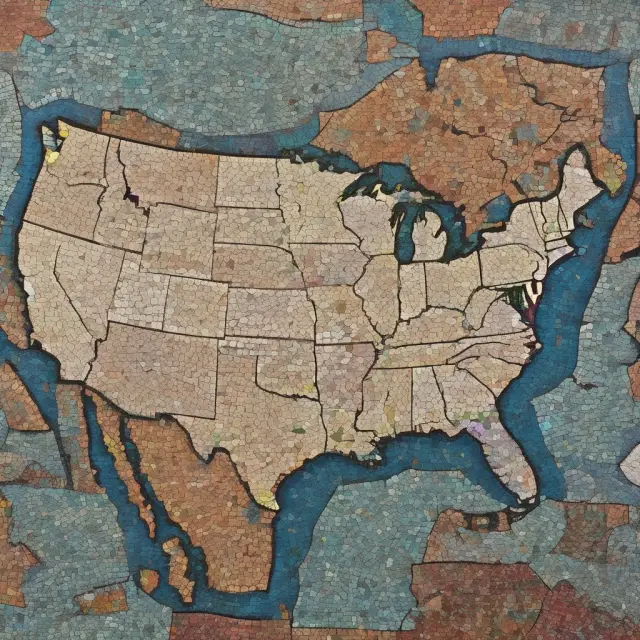
Multiple Employer Welfare Arrangements (MEWAs) have gained significant popularity among employers seeking to provide their employees with competitive and comprehensive health and welfare benefits. However, because they involve the pooling of funds from multiple employers, MEWAs are subject to both federal ERISA regulations as well as state insurance regulations.
According to the Employee Retirement Income Security Act (ERISA), a multiple employer welfare arrangement is defined as an employee welfare benefit plan or any other arrangement established or maintained for the purpose of offering or providing medical, surgical, or hospital care or benefits, or benefits in the event of sickness, accident, disability, death or unemployment, or vacation benefits, apprenticeship or other training programs, or daycare centers, scholarship funds, or prepaid legal services to the employees of two or more employers (including one or more self-employed individuals), or to their beneficiaries. While ERISA lays out the minimum requirements for MEWAs, states can and do impose additional regulations.
One example of a state with high oversight standards is New Jersey. The New Jersey Department of Banking and Insurance (DOBI) sets specific requirements for MEWAs in the Garden State. For instance, MEWAs in New Jersey must:
– Register as a trust within 30 days of plan establishment
– File an annual report by April 15th following the close of their fiscal year
– File amendments to the plan documents with the DOBI whenever changes are made
– Maintain reserves to cover anticipated claims for at least twelve months
– Obtain a Certificate of Authority from the New Jersey Department of Banking and Insurance (DOBI)
By following state insurance regulations like those in New Jersey, MEWAs can demonstrate their commitment to transparency and financial stability. However, each state may have its own specific regulatory framework, and it’s essential for employers considering an MEWA to understand these requirements thoroughly before making the decision to participate.
In conclusion, a Multiple Employer Welfare Arrangement (MEWA) is a valuable alternative for small employers seeking to offer their employees comprehensive health benefits while sharing risk with other like-minded businesses. However, MEWAs must adhere to both federal ERISA regulations and state insurance requirements, ensuring transparency and financial stability. Understanding these regulations can help employers make informed decisions when considering joining an MEWA.
In the next section of this article, we’ll delve deeper into stop-loss insurance, an essential component of risk management for MEWAs.

Stop-Loss Insurance for MEWAs: A Necessity
A multiple employer welfare arrangement (MEWA) is an attractive solution for smaller employers who wish to offer competitive and comprehensive employee benefits but may not have the resources or expertise to do so alone. By joining forces with other companies, employers in a MEWA can leverage their combined purchasing power to secure better pricing and terms on group insurance plans. However, this shared risk model also introduces unique challenges that require careful management to mitigate potential losses. Two of the most significant risks associated with MEWAs are underfunding and fraud.
Underfunding occurs when a MEWA fails to collect sufficient contributions from its members or mismanages its assets, resulting in an insufficient pool of funds to pay for covered benefits. This issue can lead to claims being denied, leaving employees without access to the care they need. Moreover, underfunded plans may not comply with ERISA and other regulatory requirements, subjecting employers to legal action.
Another threat facing MEWAs is fraud. According to the National Health Care Anti-Fraud Association (NHCAA), health care fraud costs the United States upwards of $68 billion annually. When a MEWA falls victim to this illicit activity, it can lead to devastating consequences for all involved parties. The perpetrators may abscond with funds, leaving members with unpaid claims and potentially facing financial ruin.
Stop-loss insurance is the primary tool MEWAs use to protect against these risks. Essentially, stop-loss insurance acts as a safety net, providing coverage beyond the initial pool of funds available in a MEWA. Stop-loss policies typically include features such as:
- Specific loss limits: This threshold represents the amount that the MEWA will pay out before the insurer takes over. Once this limit is reached, the stop-loss carrier assumes responsibility for additional costs.
- Aggregate loss limits: These caps define the maximum dollar value of claims a MEWA can incur within a given period (annual or calendar year). When the aggregate amount is exceeded, the insurer covers further expenses.
- Reinsurance: In some cases, MEWAs may opt for reinsurance instead of stop-loss insurance. This option allows them to transfer risk to another carrier in exchange for a premium and often provides more flexibility regarding coverage terms and conditions.
By implementing stop-loss insurance, MEWA participants can minimize their liability and protect themselves from substantial financial losses due to underfunding or fraudulent activity. Additionally, this extra layer of protection may help attract new members to the arrangement and strengthen its overall stability.
In conclusion, while multiple employer welfare arrangements offer numerous benefits for employers and employees alike, they also introduce unique risks. By incorporating stop-loss insurance into their risk management strategy, MEWAs can effectively mitigate these concerns and maintain long-term success.

Advantages and Disadvantages of MEWAs for Employers
A multiple employer welfare arrangement (MEWA) can be an advantageous option for employers, especially those with smaller teams who might struggle to secure cost-effective health insurance solutions independently. MEWAs provide a means for various organizations to combine resources in a self-contributing benefits plan that offers significant advantages, such as economies of scale, risk sharing, and broader benefits offerings.
One primary advantage of an MEWA is the shared cost savings. By pooling their collective contributions with other like-minded employers, businesses can access more competitive pricing for employee health insurance plans and other welfare benefits. This collective buying power results in lower costs compared to what individual companies could negotiate independently.
Risk sharing is another valuable aspect of MEWAs. When employers join an MEWA, they become part of a larger risk pool, which spreads out potential financial exposure across the participating organizations. By pooling risks and managing them collectively, smaller employers can effectively reduce their liability while gaining more control over benefit designs and plan changes.
Additionally, MEWAs allow for broader benefits offerings that may not be accessible to smaller employers operating independently. The larger risk pool enables access to a wider range of coverage options, helping businesses attract and retain top talent in a competitive labor market.
However, there are potential challenges associated with managing and funding an MEWA. Ensuring adequate reserves, mitigating fraud and embezzlement risks, and staying informed about regulatory requirements at both the federal (ERISA) and state levels can pose significant administrative burdens for employers participating in a multiple employer welfare arrangement.
Employers must also consider implementing stop-loss insurance to safeguard their investments. Stop-loss insurance provides protection against large claims that could otherwise exhaust an MEWA’s resources, ensuring the long-term financial viability of the organization. In extreme cases where mismanagement or fraud occurs, these policies can help recoup losses and shield employers from significant financial harm.
Ultimately, multiple employer welfare arrangements offer numerous advantages for participating employers, including cost savings, risk sharing, and broader benefits options. However, they also require careful management and a commitment to regulatory compliance to mitigate potential challenges associated with funding, fraud, and insurance oversight.

MEWAs’ Impact on Institutional Investment
When it comes to multiple employer welfare arrangements (MEWAs), one might wonder how these entities impact institutional investment, particularly in the context of insurance companies. MEWAs have garnered significant interest due to their unique structure and advantages for employers and employees regarding offering employee benefits. As we dive deeper into this topic, let us explore how insurance companies handle investment opportunities within MEWAs.
First and foremost, it is essential to understand that insurance companies play a crucial role in administering MEWAs. They act as third-party administrators, handling the day-to-day management of these arrangements, including claims processing, plan design, and member enrollment. Given their responsibilities, insurance companies are invested in ensuring that MEWAs’ financial stability remains strong to maintain a good reputation and trust within the industry.
Insurance companies invest the funds contributed by employers into various investment vehicles for generating returns that can be used to pay claims or cover administrative expenses. These investments may include stocks, bonds, real estate, private equity, and other asset classes depending on the insurer’s investment philosophy and risk tolerance. In this way, MEWAs contribute to institutional investment opportunities, providing insurance companies with substantial pools of capital to invest for long-term growth and financial stability.
Moreover, MEWAs help insurers maintain a competitive edge by allowing them to offer customized benefits plans to employers, addressing their unique needs better than traditional group health insurance options. As a result, insurers can attract more clients, boosting their market share while providing a valuable service to smaller employers who may otherwise struggle with offering competitive employee benefits packages.
However, it is crucial to acknowledge that MEWAs’ financial stability hinges on proper investment management and risk mitigation strategies. The insurance industry, like any other, faces significant regulatory hurdles in managing these funds. Insurance companies must adhere to strict investment guidelines as outlined by ERISA and the National Association of Insurance Commissioners (NAIC), ensuring that the investments align with their clients’ best interests while maintaining financial solvency.
In summary, multiple employer welfare arrangements play an essential role in the institutional investment landscape by providing insurance companies with substantial pools of capital to invest for long-term growth and risk management. As they continue to gain popularity, MEWAs will undoubtedly shape the future of employee benefits while presenting insurers with new opportunities to cater to their clients’ evolving needs.

Setting up a MEWA: Considerations and Best Practices
A multiple employer welfare arrangement (MEWA) can be an attractive alternative for smaller employers looking to provide comprehensive benefits packages for their workforce outside of traditional group insurance plans. By joining forces with other companies in creating this type of arrangement, employers can capitalize on economies of scale and shared risk, leading to potentially lower costs and increased flexibility. This section will outline the steps for setting up a MEWA and provide best practices for successful implementation.
1. Research and Choose an Administrator: The first step is identifying and selecting a qualified third-party administrator (TPA) that has experience in handling MEWAs. Look for TPAs with a solid track record, knowledge of ERISA and state insurance regulations, and proven expertise in managing risk pools and claims processing.
2. Gather Necessary Information: Prepare all required documentation and information to begin the application process. This includes employee demographic data (number, age, location), employer contributions, plan design choices, and any necessary state-specific filings or approvals.
3. Design the Plan Structure: Work closely with your TPA and legal counsel to create a customized MEWA plan that aligns with your company’s needs and objectives, while complying with all applicable federal and state regulations. This may include establishing eligibility requirements, creating enrollment procedures, and determining employer contributions and funding arrangements.
4. Obtain Necessary Approvals: Once the plan design has been finalized, submit all required applications, filings, and supporting documentation to the relevant state regulatory agencies for approval. This can involve fees, annual reporting, and ongoing compliance checks to ensure that your MEWA remains in accordance with all applicable rules and regulations.
5. Implementing the Plan: Once approved, it’s time to implement the new MEWA benefits package by communicating effectively with employees, coordinating with your TPA for enrollment, and managing any necessary employer contributions or premium payments.
6. Ongoing Management and Compliance: Successfully administering a MEWA requires ongoing effort in areas such as monitoring plan performance, addressing any participant concerns or inquiries, and ensuring that the organization remains compliant with both ERISA regulations and state insurance requirements. This may involve periodic reviews of claims processing procedures, financial reporting, and other administrative tasks.
Best Practices for MEWA Success
- Begin Early: The application process can take time, so start planning at least six months before your desired effective date to ensure a smooth rollout.
- Collaborate with TPA and Counsel: Working closely with experienced professionals will help you avoid potential pitfalls and create a well-designed MEWA that meets the needs of both your organization and employees.
- Establish Clear Communication Channels: Regularly engage with employees to keep them informed about plan changes, benefits, and any other important updates.
- Foster Trusted Partnerships: Building strong relationships with TPAs, insurance providers, and regulatory agencies will help ensure a successful MEWA experience for all involved parties.
- Stay Informed on Regulatory Updates: Remain up-to-date on ERISA regulations and state insurance requirements to maintain compliance and minimize any potential issues or penalties.

MEWAs vs. Traditional Group Health Insurance: Comparison
A Multiple Employer Welfare Arrangement (MEWA) is an attractive alternative for small businesses seeking to provide comprehensive employee benefits beyond the government-run health insurance exchanges. While MEWAs offer several advantages, it’s crucial to understand how they differ from traditional group health insurance plans.
Traditional Group Health Insurance
In a traditional group health insurance plan, employers contract with an insurance company to cover their employees. The employer assumes the premium cost and bears most of the risk for funding these benefits. The size of the employer’s workforce significantly impacts the negotiating power they have when securing group rates from insurers. Larger companies often benefit from lower premiums due to economies of scale, while smaller businesses may struggle to afford competitive coverage.
Multiple Employer Welfare Arrangements (MEWAs)
In MEWAs, multiple employers combine their resources by pooling their contributions to purchase benefits as a group. The primary advantage of this approach is the cost savings resulting from economies of scale. By joining forces with other employers in a MEWA, smaller businesses can secure competitive rates and broader benefit options that might not otherwise be available to them.
Shared Risk and Decision-Making Power
MEWAs also offer another significant advantage: shared risk and decision-making power. In this arrangement, participating employers collectively make decisions on plan design, benefits packages, and funding methods. This collaborative approach empowers employers to have a greater impact on the types of benefits they offer their staff, providing more control over their employee compensation packages than with traditional group health insurance plans.
Regulatory Frameworks
It’s essential to note that MEWAs are subject to both ERISA and state insurance regulations. ERISA sets the minimum standards for most employer-sponsored welfare benefit plans. In contrast, individual states may regulate MEWAs under their respective insurance laws, meaning compliance with both federal and state regulations is necessary.
In conclusion, MEWAs represent a compelling alternative to traditional group health insurance plans. They enable smaller employers to pool resources, reduce costs through economies of scale, share risks, and enjoy more decision-making power when it comes to employee benefits. Understanding the differences between these two approaches can help businesses make informed decisions about which option best meets their unique needs and goals.

FAQs About Multiple Employer Welfare Arrangements (MEWAs)
What is a MEWA?
A multiple employer welfare arrangement (MEWA), also referred to as a multiple employer trust, is an employee benefits plan designed for employers to collaborate and offer health and welfare benefits to their employees. It allows small businesses to pool resources together, leading to economies of scale that result in better benefit plans from insurance companies.
What are the key features of MEWAs?
MEWAs provide shared risk through a group of employers, allowing them to have greater influence over plan design and cost savings. They typically offer broader benefits than traditional employer-sponsored health plans.
How does ERISA regulate MEWAs?
The Employee Retirement Income Security Act (ERISA) governs multiple employer welfare arrangements, requiring compliance with various rules and regulations. This includes filing requirements, funding guidelines, and reporting.
What role does state insurance regulation play in MEWAs?
State insurance departments have authority over MEWAs to ensure they meet specific regulatory standards within their jurisdiction. For example, New Jersey is known for having high oversight regarding these arrangements.
How does a stop-loss insurance policy protect MEWAs?
Stop-loss insurance acts as a safety net for MEWAs, protecting against underfunded plans and potential fraud by covering losses beyond expected claims amounts. This protection minimizes an employer’s liability and risk in the arrangement.
What are some advantages of MEWAs for employers?
Advantages include cost savings due to economies of scale and the ability to share risks and make decisions collectively, offering better benefits packages than individual employers could on their own.
How does a multiple employer welfare arrangement impact institutional investment?
Insurance companies participating in MEWAs manage the investment portion of the plan for the benefit of the participating employers and employees. The investments are used to fund future claims and administrative costs.
How can an employer set up a MEWA?
The process involves establishing a trust, creating a governance structure, enrolling employers and their employees, and working with a qualified administrator or record-keeper. Best practices include careful planning, strong communication, and ongoing evaluation to ensure the arrangement remains effective for all parties involved.
 Next entry · No. 3,178Understanding Mezzanine Debt: Bridging the Gap Between Debt and Equity Financing
See also
-
 No. 5,541
17 Sep 2025
19 min
Understanding Voluntary Employees’ Beneficiary Association (VEBA) Plans: An Overview
Business Finance
No. 5,541
17 Sep 2025
19 min
Understanding Voluntary Employees’ Beneficiary Association (VEBA) Plans: An Overview
Business Finance -
 No. 5,693
30 Sep 2025
24 min
Understanding White Label Products: Benefits, Types, and Real-life Examples
Business Strategy
No. 5,693
30 Sep 2025
24 min
Understanding White Label Products: Benefits, Types, and Real-life Examples
Business Strategy -
 No. 5,440
08 Sep 2025
18 min
Understanding Variable Survivorship Life Insurance: A Cost-Effective and Flexible Investment Solution for Institutional Investors
Insurance
No. 5,440
08 Sep 2025
18 min
Understanding Variable Survivorship Life Insurance: A Cost-Effective and Flexible Investment Solution for Institutional Investors
Insurance -
 No. 3,823
29 Apr 2025
20 min
Understanding Out-of-Pocket Maximums: How They Work and Why They Matter for Investors
Healthcare Finance
No. 3,823
29 Apr 2025
20 min
Understanding Out-of-Pocket Maximums: How They Work and Why They Matter for Investors
Healthcare Finance -
 No. 91
07 Apr 2024
22 min
Understanding Administrative Services Only (ASO) Plans: Cost Savings and Risks for Professional Investors
Insurance
No. 91
07 Apr 2024
22 min
Understanding Administrative Services Only (ASO) Plans: Cost Savings and Risks for Professional Investors
Insurance -
 No. 5,876
15 Oct 2025
17 min
Understanding Z-Shares: A Valuable Investment Option for Employees
Business Finance
No. 5,876
15 Oct 2025
17 min
Understanding Z-Shares: A Valuable Investment Option for Employees
Business Finance