Understanding Obelisk Consensus Algorithm: Distributing Influence Over a Network in Skycoin Ecosystem

Understand Skycoin's consensus algorithm, Obelisk: web-of-trust, PoW vs PoS, block creation, and its role in Skywire.
Introduction to Obelisk Consensus Algorithm
Obelisk is an innovative consensus algorithm utilized by Skycoin, a unique cryptocurrency project with the goal of decentralizing the internet through its Skywire network. Developed as a response to the limitations of existing consensus mechanisms, such as proof-of-work (PoW) and proof-of-stake (PoS), Obelisk offers advantages in terms of energy efficiency, transaction speed, and security. In this section, we’ll delve into what Obelisk is, its purpose within the Skycoin ecosystem, and how it differs from other consensus algorithms.
Understanding Consensus Mechanisms: Proof-of-Work (PoW) vs. Proof-of-Stake (PoS)
Before discussing the ins and outs of Obelisk, it’s essential to understand its predecessors, PoW and PoS. PoW, used by Bitcoin, requires nodes to perform complex mathematical computations called hashes in order to validate transactions and create new blocks. This process is energy-intensive, leading to a large carbon footprint for the network. On the other hand, PoS, as seen in Ethereum and Tezos, allows nodes to generate new blocks based on their stake or ownership of cryptocurrency within the system. However, this mechanism may promote hoarding rather than spending, as node operators are incentivized to keep their assets locked up for potential rewards.
Introducing Obelisk: A Consensus Algorithm With a Difference
Obelisk’s creators sought to address these issues by developing a consensus algorithm that distributes influence over the network through a concept called a “web-of-trust.” This method uses various nodes and makes consensus decisions based on their influence score within this network. Obelisk stands out for its interchangeable roles (block-generating nodes and consensus nodes), which eliminates the need for mining, significantly improves transaction speed, and delivers enhanced security.
The Web-of-Trust Concept: A New Way to Reach Consensus
In Obelisk, nodes have a list of nodes they are subscribed to, creating node density. Nodes with the most density carry more influence on the network. Two types of nodes participate in Obelisk: block-generating nodes and consensus nodes. Block-generating nodes collect new transactions, authenticate them, package verified transactions into new blocks, and broadcast these blocks. Consensus nodes collect blocks from block-generating nodes and determine which block was made by the largest number of block-generators. Once a global winner is determined through majority agreement among consensus nodes, it is added to the blockchain.
The Role of Nodes in Obelisk Consensus Algorithm
In Skycoin’s network using Obelisk consensus, a consensus node collects blocks from block-generating nodes and determines which block was made by the largest number of block-generators. This process ensures that each block is validated and agreed upon by the majority of the network before being added to the blockchain, maintaining the security and integrity of the system.
Conclusion
Obelisk, as Skycoin’s consensus algorithm, offers a more efficient, energy-friendly alternative to PoW and PoS. Its web-of-trust concept distributes influence over the network and eliminates the need for mining. As the Skywire project aims to democratize internet access, Obelisk plays an essential role in maintaining a reliable and secure network that delivers on its promises. Understanding the ins and outs of this consensus algorithm opens up new opportunities for investors and provides valuable insights into the future of cryptocurrencies and decentralized technologies.

Consensus Mechanisms: Proof-of-Work (PoW) vs. Proof-of-Stake (PoS)
In the realm of blockchain technology, consensus mechanisms have proven critical in maintaining a decentralized network and ensuring transaction authenticity and data integrity. Among the most popular consensus algorithms are PoW and PoS. Each comes with its unique features and limitations, which we will explore below:
1. Proof-of-Work (PoW):
PoW is a consensus algorithm where nodes (usually called miners) compete to solve complex mathematical puzzles to validate transactions and create new blocks in the blockchain. The first miner to successfully validate the transaction and find the solution receives the right to add that block to the blockchain, along with a reward. However, PoW faces several limitations:
– Energy Consumption: PoW requires significant computational power which translates into high energy consumption levels, making it an environmentally unfriendly consensus mechanism.
– Inequality and Centralization: The resource-intensive nature of mining creates an unequal playing field for participants, as only those with access to powerful hardware can effectively compete in the process. This can lead to centralized control over the network by those who possess the most resources.
2. Proof-of-Stake (PoS):
Proof-of-Stake (PoS) is an alternative consensus mechanism where nodes validate transactions and create new blocks based on their stake in the blockchain, rather than through computational power. In other words, a node’s probability of creating a new block is proportional to its ownership of cryptocurrency tokens or coins. PoS offers several advantages:
– Energy Efficiency: Since mining no longer requires extensive computational power and energy, PoS is considered more eco-friendly than PoW.
– Fairness and Decentralization: PoS eliminates the need for expensive hardware to validate transactions, making it a more accessible consensus mechanism for a wider range of participants. This results in a more decentralized network with fewer opportunities for central control.
However, there are concerns regarding potential issues with the PoS consensus, such as the risk of long-term hoarding and lack of incentives for network security.
Now that we have established a basic understanding of PoW and PoS, let us dive deeper into Skycoin’s Obelisk consensus algorithm and how it strives to surpass the limitations of its predecessors.

Obelisk’s Consensus Process: Web-of-Trust
The Obelisk consensus algorithm, unique to Skycoin, introduces the concept of a web-of-trust that distributes influence over the network, enabling a more efficient consensus process. By addressing issues associated with traditional consensus mechanisms like proof-of-work (PoW) and proof-of-stake (PoS), Obelisk contributes to a robust and secure Skycoin ecosystem.
Understanding Consensus Mechanisms
To maintain the integrity of decentralized networks, a consensus mechanism is essential for validating transactions and reaching agreement on the status of the ledger among participating nodes. Proof-of-Work (PoW) and proof-of-stake (PoS) are the two most common types of consensus algorithms. While PoW requires miners to solve complex mathematical equations to create new blocks, PoS verifies transactions based on the amount of stake one holds in a currency.
Obelisk Consensus: A Web-of-Trust Approach
To bypass the problems associated with PoW and PoS, Obelisk employs a web-of-trust approach to consensus decision making. In this model, nodes have lists of trusted nodes they follow. The more nodes that trust a particular node, the more influence it wields over the network. This allows for a more distributed form of consensus as opposed to relying on the computational power or wealth held by individual nodes.
Nodes in Obelisk Consensus
Two types of nodes take part in the Obelisk consensus: block-generating nodes and consensus nodes. Nodes can toggle between these roles at any given time, providing a flexible system that allows for redundancy while also preventing single-point failures.
Block-generating nodes are tasked with authenticating transactions and creating new blocks to be added to the Skycoin blockchain. They do this by solving computational puzzles, but unlike PoW, this process does not require extensive energy consumption or significant computational resources. Consensus nodes, on the other hand, verify the validity of these blocks by checking them against their list of trusted nodes and deciding which block to add to their own copy of the blockchain.
How Obelisk Adds a Block to the Skycoin Blockchain
When consensus nodes identify a block produced by the greatest number of block-generating nodes, they acknowledge it as the global winner and broadcast it across the network. This process ensures that the most widely supported block is added to the blockchain, providing increased security and stability for transactions on the Skycoin network.
The Importance of Obelisk in Skycoin Ecosystem
Skycoin’s unique approach to consensus allows for a more distributed, energy-efficient network while providing enhanced security. Obelisk plays a crucial role in enabling a decentralized internet project, Skywire, as a part of the Skycoin ecosystem. By removing reliance on intermediaries like Internet Service Providers (ISPs), Skywire empowers individuals to take control over their online experience and earn rewards for contributing bandwidth to the network.
Investing Perspective: Cryptocurrencies and Skycoin
As the cryptocurrency market continues to evolve, understanding consensus algorithms becomes increasingly important when considering investment opportunities. The energy efficiency and security of Obelisk may position Skycoin as a compelling option for those interested in exploring decentralized networks and digital assets. However, as with all investments, thorough research and consultation with financial professionals is highly recommended before making any decisions.

The Role of Nodes in the Obelisk Consensus Algorithm
In the Obelisk consensus algorithm, which is used by the Skycoin ecosystem, nodes play a crucial role in reaching a consensus about transactions and adding new blocks to the blockchain. Two main types of nodes can be identified within the network: block-generating nodes and consensus nodes. Both roles are essential for the functionality of the Obelisk consensus mechanism.
Block-Generating Nodes
Block-generating nodes, also referred to as miners or block producers, collect new transactions, authenticate them, package the verified transactions in a new block, and broadcast this block to the network. In PoW systems such as Bitcoin, block-generating nodes compete against each other by using powerful computing equipment to solve complex mathematical problems. This process is called mining, which results in newly minted coins as a reward for the winner. However, Obelisk eliminates the need for mining through its consensus mechanism and allows every node to generate blocks.
Consensus Nodes
Consensus nodes are responsible for collecting blocks produced by block-generating nodes and determining which block should be added to the blockchain. They maintain statistics on local winners and make a decision based on the largest number of block-generators that have created a specific block. Once the consensus nodes agree upon a winning block, it is added to the blockchain.
Nodes can switch between generating blocks and acting as consensus nodes within Obelisk, making their roles interchangeable. This flexibility contributes to the overall decentralization of the network. The process of adding new blocks to the Skycoin blockchain occurs through a consensus mechanism that eliminates the need for energy-consuming mining and allows every node to participate in generating new blocks without any geographical limitations.
Understanding this interplay between nodes is crucial as it underpins the security, efficiency, and decentralization of the Obelisk consensus algorithm, which plays a vital role in the Skycoin ecosystem’s vision for an alternative, decentralized internet platform called Skywire.
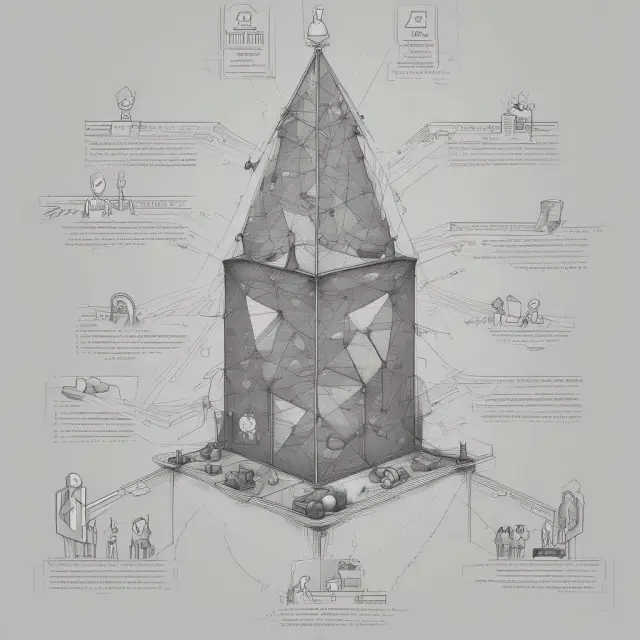
How Is a Block Added to the Skycoin Blockchain?
Obelisk consensus is an innovative consensus algorithm used within the Skycoin blockchain ecosystem that aims to address the challenges presented by traditional proof-of-work (PoW) and proof-of-stake (PoS) systems. Instead of relying on computational power or stakeholder ownership, Obelisk distributes influence over a network, making consensus decisions based on a concept called “web-of-trust.”
In the context of Obelisk, consensus nodes play a crucial role in selecting the block to be added to the blockchain. The selection process ensures the authenticity of transactions and maintains network security. Here’s an overview of how this occurs:
1. Nodes and Their Roles
The Obelisk consensus relies on two types of nodes: block-generating nodes and consensus nodes. Block-generating nodes collect new transactions, authenticate them, package the verified transactions into a new block, and broadcast the block to the network. Consensus nodes, on the other hand, identify which block was made by the largest number of block-generators (local winner) and determine whether it should be added to the blockchain as a global winner.
2. Local Winner vs. Global Winner
Consensus nodes receive multiple blocks from block-generating nodes, who each attempt to create new blocks. Once consensus nodes identify the local winners among these blocks, they send a message to other consensus nodes about their selection. If the majority of consensus nodes agree with the same local winner, it is declared as the global winner and added to the blockchain.
3. Role of Nodes in Determining Block Addition
A single consensus node does not make this decision on its own; instead, each consensus node evaluates the local winners reported by others based on their influence scores within the web-of-trust network. Each node determines which local winner to vote for based on factors such as the number of nodes supporting it and the overall trustworthiness of those nodes.
The Obelisk consensus algorithm provides a more efficient and secure way to add blocks to the Skycoin blockchain while addressing some of the issues faced by PoW and PoS systems, making it an essential component of the Skycoin ecosystem and its decentralized internet project, Skywire.

The Significance of Obelisk in Skycoin Ecosystem
Obelisk, as a consensus algorithm within the Skycoin ecosystem, plays a pivotal role in ensuring that transactions are securely recorded and verified on the blockchain. It offers an alternative approach to traditional consensus mechanisms like proof-of-work (PoW) and proof-of-stake (PoS), which often have their limitations and drawbacks. By employing a web-of-trust concept, Obelisk effectively distributes influence over the network, ensuring that consensus decisions are based on node density and reputation rather than computational power or token holdings.
In the context of Skycoin’s decentralized internet project, Skywire, Obelisk plays a vital role in providing consensus for the network as a whole. The objective is to create an open-source, community-driven alternative to centralized Internet Service Providers (ISPs), allowing users to control and profit from their connectivity.
Within the Skycoin ecosystem, nodes are categorized into two types based on their role: block-generating nodes and consensus nodes. Both types of nodes can freely switch between these roles as needed. Block-generating nodes collect new transactions, validate them, construct blocks with the verified transactions, and broadcast these blocks to the network. In contrast, consensus nodes accumulate blocks from various block-generating nodes and identify the one with the most support from other block-generators. This identified block is then added to the blockchain as a global winner.
By employing Obelisk consensus, Skycoin aims to address several concerns associated with traditional consensus mechanisms:
- Energy consumption: Traditional PoW consensus mechanisms are known for their high energy consumption due to intense computational requirements. Obelisk does not necessitate such large-scale energy usage since it relies on a web-of-trust approach, reducing environmental impact and making the process more sustainable.
- Token hoarding: The PoS consensus mechanism incentivizes token holders to secure their tokens in order to generate new blocks, potentially leading to token hoarding rather than actual usage. Obelisk removes this issue by distributing influence based on a web-of-trust, ensuring that nodes are actively contributing to the network without incentivizing token hoarding.
- Scalability: Traditional consensus mechanisms can struggle with scalability as the network grows. In contrast, Obelisk’s web-of-trust approach enables more efficient decision-making and a higher degree of flexibility, allowing for increased throughput and reduced confirmation times.
- Decentralization: By distributing influence over nodes based on trust rather than computational power or token holdings, Obelisk promotes true decentralization within the network. This is essential to maintaining an open and fair ecosystem, where all participants have equal opportunities to contribute and benefit from their involvement.
- Security: Obelisk’s consensus process offers enhanced security by relying on a distributed network of nodes that must agree on the validity of new transactions and blocks. Additionally, it enables nodes to maintain their own version of the blockchain, which helps prevent malicious actors from attempting to manipulate or compromise the network.
In conclusion, Obelisk consensus represents an innovative approach to consensus mechanisms within cryptocurrencies and blockchain networks. Its implementation in Skycoin’s decentralized internet project, Skywire, plays a crucial role in enabling true decentralization while addressing various issues associated with traditional consensus mechanisms. By distributing influence over the network based on trust and reputation rather than computational power or token holdings, Obelisk offers enhanced security, scalability, and sustainability for the ecosystem as a whole.
As always, investing in cryptocurrencies and related projects involves significant risks and uncertainties. Before making any investment decisions, it is crucial to consult with a qualified professional and thoroughly research each project’s underlying technology, team, and market conditions.

Proof-of-Authority (PoA) Consensus Algorithm: An Alternative?
Obelisk consensus and Proof-of-Authority (PoA) consensus are two distinct methods used to secure a blockchain network and reach a distributed consensus among nodes. While both algorithms serve the same purpose, they differ significantly in their approach to consensus mechanism design. In this section, we will explore Obelisk’s unique features and compare it to PoA consensus.
Obelisk Consensus: A Quick Recap
Before diving into the comparison, let’s revisit some essential concepts related to Obelisk consensus. Skycoin, a decentralized cryptocurrency ecosystem, uses the Obelisk consensus algorithm to secure its blockchain network and reach consensus among nodes. This consensus algorithm is unique because it aims to solve the problems of Proof-of-Work (PoW) and Proof-of-Stake (PoS).
Obelisk Consensus vs. PoA Consensus
In a nutshell, the primary difference between Obelisk consensus and PoA lies in how they assign authority and distribute influence over the network. In PoW, the miner with the most computational power determines which transactions are valid and added to the blockchain. However, this approach is energy-intensive and contributes significantly to environmental concerns.
PoS, on the other hand, relies on node owners who lock up a certain amount of their cryptocurrency as collateral for validating transactions. The more coins one holds, the greater the chances that they will be selected to validate transactions and create new blocks. This approach reduces energy consumption but can lead to an uneven distribution of power and potential centralization.
In contrast, Obelisk consensus uses a web-of-trust model, where nodes with higher influence based on their connections and network density have more say in the validation process. Influential nodes can generate blocks themselves or delegate that task to other nodes. The primary goal is to distribute influence equitably across the entire network, fostering a more democratic consensus mechanism.
Moreover, Obelisk consensus utilizes two types of nodes—consensus nodes and block-generating nodes. Consensus nodes are responsible for collecting blocks and deciding which one to add to the chain, whereas block-generating nodes focus on generating new blocks by collecting transactions and validating them. These roles can be interchangeable.
In PoA consensus, however, nodes gain the ability to validate blocks based on their reputation or identity. Nodes that demonstrate reliability and trustworthiness are granted permission to create new blocks. This approach reduces energy consumption but may potentially lead to fewer opportunities for participation and increased centralization risk.
Ultimately, both Obelisk consensus and PoA consensus have unique advantages and disadvantages. Understanding the core differences between them can help investors make informed decisions about which cryptocurrencies to invest in based on their values and investment objectives. It’s crucial to remember that every blockchain ecosystem is different, and no single consensus mechanism is perfect for every use case. As always, investing in cryptocurrencies comes with inherent risks, and it is essential to consult a qualified financial professional before making any decisions.

Security and Efficiency of Obelisk Consensus Algorithm
The Obelisk consensus algorithm, being a vital component of Skycoin’s ecosystem, distinguishes itself from traditional consensus mechanisms like Proof-of-Work (PoW) and Proof-of-Stake (PoS). While PoW requires substantial computational resources to verify transactions, PoS favors those who hold the most coins. Obelisk attempts to address these limitations by utilizing a web-of-trust concept that distributes influence over the network based on node density.
In contrast to PoW and PoS, Obelisk operates by relying on nodes that create consensus decisions based on their influence score within the network. Nodes in the Obelisk consensus hold lists of other nodes they trust or are subscribed to. This creates node density, which determines a node’s impact on the network. Two types of nodes exist in this system: block-generating nodes and consensus nodes.
Block-generating nodes are responsible for collecting new transactions, verifying their authenticity, packaging them into a block, and broadcasting the block to the network. Consensus nodes, on the other hand, gather these blocks generated by the block-generating nodes and decide which one should be added to the blockchain based on the number of block-generators that produced it. This selection process ensures a global winner that qualifies as the latest addition to the Skycoin blockchain.
The security offered by Obelisk is achieved through its consensus mechanism’s distributed nature, where no single entity can manipulate or control the network without being identified due to the consensus nodes and their influence scores. Additionally, the energy consumption required for mining PoW is avoided, making it an environmentally friendly consensus algorithm.
However, one may argue that Obelisk shares a similarity with Proof-of-Authority (PoA) in which nodes are authenticated before creating new blocks. Yet, the crucial difference lies in how consensus decisions are made through Obelisk’s distributed web-of-trust concept compared to PoA’s centralized method.
In conclusion, the Obelisk consensus algorithm provides a promising solution for addressing the limitations of PoW and PoS, ensuring security, efficiency, and environmental friendliness in the Skycoin ecosystem. Investors and developers seeking opportunities in this space should further investigate its capabilities to understand how it sets itself apart from other consensus mechanisms in the cryptocurrency landscape.

Investment Perspective: Cryptocurrencies and Skycoin
Understanding the Potential Value of Obelisk Consensus in Cryptocurrency Investments
The cryptocurrency market has experienced tremendous growth over the past decade, with Bitcoin (BTC) being the most popular and recognizable digital asset. As more investors seek to enter the crypto space, understanding the underlying consensus mechanisms is essential for making informed investment decisions. Among various consensus algorithms, Obelisk—the proprietary consensus algorithm of Skycoin—stands out as a promising alternative to traditional PoW and PoS systems.
Obelisk’s web-of-trust model aims to improve transaction speed, security, and reduce energy consumption by eliminating the need for mining. This section provides an investment perspective on Skycoin and its Obelisk consensus algorithm.
Comparing Consensus Mechanisms: Proof-of-Work (PoW), Proof-of-Stake (PoS), and Obelisk Consensus
Before diving into the potential value of Obelisk, it’s essential to understand its differences from other popular consensus algorithms, PoW and PoS. PoW relies on energy-intensive mining processes that verify transactions and secure the network, while PoS rewards nodes based on their stake in the network.
However, both systems have their limitations:
PoW – Energy Consumption: PoW is notorious for its high energy consumption due to the computational power required for verification and mining operations. This issue raises concerns about environmental impact and sustainability.
PoS – Centralization: While PoS consumes less energy compared to PoW, it can potentially lead to centralization as large stakeholders control a significant portion of the network and have more influence over consensus decisions.
Obelisk Consensus attempts to address these limitations by distributing influence over the network through a web-of-trust concept. By creating node density and allowing interchangeable roles for block-generating nodes and consensus nodes, Obelisk ensures transaction security without requiring energy-intensive mining or staking large funds.
Obelisk’s Impact on Skycoin’s Value Proposition
Skycoin is a decentralized cryptocurrency project designed to provide internet access through the Skywire mesh network. Its adoption of Obelisk consensus algorithm enables faster and more secure transactions within the ecosystem while reducing energy consumption and eliminating the need for mining. This combination of unique features could make Skycoin an attractive investment option for those seeking a decentralized, energy-efficient cryptocurrency with solid infrastructure backing.
Moreover, the potential growth of the Skywire mesh network, which aims to replace traditional internet service providers (ISPs), is another factor that could positively impact the value proposition of Skycoin. As more users join the Skywire network and provide bandwidth to others, the demand for Skycoin increases as a reward mechanism for sharing resources.
Assessing Obelisk’s Competition: Proof-of-Authority (PoA) Consensus Algorithm
Another alternative consensus algorithm worth mentioning is PoA, where nodes can only create blocks based on their authentication status within the network. While both Obelisk and PoA focus on eliminating mining and reducing energy consumption, they have distinct approaches to reach a consensus. A detailed comparison between these two consensus algorithms would be beneficial for those considering investing in Skycoin or other projects employing similar consensus mechanisms.
Conclusion: Obelisk Consensus Algorithm – A Promising Investment Prospect?
The cryptocurrency market is constantly evolving, with new technologies and consensus mechanisms emerging to address the limitations of existing systems. Skycoin’s Obelisk consensus algorithm offers a unique approach by eliminating energy-intensive mining and staking requirements, making it an intriguing investment opportunity for those seeking a decentralized, secure, and energy-efficient cryptocurrency with a solid infrastructure backing.
However, investing in cryptocurrencies comes with inherent risks, and thorough research is essential before making any financial decisions. As always, consulting a qualified professional is recommended before investing in any asset or project.
As the Obelisk consensus algorithm continues to gain traction within the Skycoin ecosystem, its potential impact on the value of Skycoin and the broader cryptocurrency market warrants further investigation for those seeking innovative investment opportunities.

FAQs: Commonly Asked Questions About the Obelisk Consensus Algorithm
Understanding the Obelisk consensus algorithm can be a complex task, and readers often have questions about its workings and significance in the Skycoin ecosystem. Below are answers to some of the most common queries related to Obelisk consensus.
What Is the Role of Obelisk Consensus Algorithm in Skycoin’s Blockchain?
Obelisk is a blockchain consensus algorithm used by the Skycoin ecosystem to ensure the authenticity of transactions and reach a consensus about the ledger status. It addresses the issues of Proof-of-Work (PoW) and Proof-of-Stake (PoS) algorithms by distributing influence over a network, according to the concept called a “web-of-trust.” Obelisk uses separate nodes for consensus and block creation.
How Does the Web-of-Trust Consensus Process Work?
The web-of-trust concept in Obelisk assigns influence based on the connections between network nodes. Nodes maintain a list of other nodes they trust, creating node density. The nodes with the most density have more influence over the network. Two types of nodes participate in Obelisk: block-generating and consensus nodes. Block-generating nodes collect transactions, authenticate them, create new blocks, and broadcast them to the network. Consensus nodes identify the local winner from the blocks generated by block-generating nodes, add it to their blockchain, and maintain statistics on local winners reported by other nodes.
What Is a Block-Generating Node in the Obelisk Consensus?
Block-generating nodes are responsible for collecting new transactions, authenticate them, creating new blocks, and broadcasting them to the network. They play a critical role in Obelisk’s consensus algorithm by providing valid transactions and contributing to the network’s security.
What Is a Consensus Node in Skycoin’s Blockchain?
A consensus node is a critical component of the Obelisk consensus mechanism, as it collects blocks from block-generating nodes, determines the local winner based on the consensus rules, and adds that winning block to its blockchain. The consensus node also maintains statistics on local winners reported by other nodes to reach a global consensus.
What Is Proof-of-Authority (PoA) Consensus Algorithm?
Proof-of-Authority consensus is an alternative consensus algorithm where new blocks are only created for the blockchain by nodes with proven authentication and permission. PoA consensus can lead to centralization due to the requirement of a trusted authority, which makes it different from Obelisk consensus.
How Does Blockchain Reach Consensus Using Obelisk?
In the Obelisk consensus mechanism, the network reaches consensus by having consensus nodes identify the winning block based on the consensus rules. If multiple blocks are submitted at the same height, the node with the most influence will determine which block is the global winner. This process ensures that only one valid block is added to the blockchain.
What Makes Obelisk Consensus Different from PoW and PoS?
Obelisk consensus addresses the issues of PoW and PoS by distributing influence over a network through the web-of-trust concept. Unlike PoW, it doesn’t require significant computational power or energy usage. Also, unlike PoS, Obelisk doesn’t promote hoarding and incentivizes participation based on influence rather than staking.
What Is the Significance of Obelisk Consensus for Investors?
For investors interested in cryptocurrencies, understanding the consensus algorithm a cryptocurrency uses is essential for assessing its potential value and growth opportunities. Skycoin’s Obelisk consensus offers a unique approach to consensus, addressing the limitations of PoW and PoS while offering energy efficiency and distributed influence. This could potentially lead to increased adoption and investment opportunities.
In conclusion, the Obelisk consensus algorithm plays an essential role in ensuring the authenticity of transactions, reaching consensus, and maintaining the decentralized nature of the Skycoin blockchain. By understanding its workings and significance, investors can make informed decisions about potential investments in this unique cryptocurrency project.
 Next entry · No. 3,609Objective Probability in Finance: Measuring Likelihood Through Hard Data
See also
-
 No. 5,914
18 Oct 2025
23 min
Understanding Zk-SNARKs: The Zero-Knowledge Proof Protocol Powering Zcash
Crypto
No. 5,914
18 Oct 2025
23 min
Understanding Zk-SNARKs: The Zero-Knowledge Proof Protocol Powering Zcash
Crypto -
 No. 5,161
16 Aug 2025
19 min
Understanding Ommer Blocks in Ethereum: Functionality and Implications
Crypto
No. 5,161
16 Aug 2025
19 min
Understanding Ommer Blocks in Ethereum: Functionality and Implications
Crypto -
 No. 5,883
15 Oct 2025
17 min
Understanding ZCash (ZEC): A Decentralized Cryptocurrency with Enhanced Security and Anonymity
Crypto
No. 5,883
15 Oct 2025
17 min
Understanding ZCash (ZEC): A Decentralized Cryptocurrency with Enhanced Security and Anonymity
Crypto -
 No. 5,473
11 Sep 2025
20 min
Understanding Verge (XVG): A Decentralized Cryptocurrency Focused on Anonymity
Crypto
No. 5,473
11 Sep 2025
20 min
Understanding Verge (XVG): A Decentralized Cryptocurrency Focused on Anonymity
Crypto -
 No. 5,381
04 Sep 2025
18 min
Understanding the UTXO Model: Unspent Transaction Outputs in Cryptocurrencies
Crypto
No. 5,381
04 Sep 2025
18 min
Understanding the UTXO Model: Unspent Transaction Outputs in Cryptocurrencies
Crypto -
 No. 4,948
30 Jul 2025
22 min
Understanding Tezos: A Comprehensive Overview of the Energy-Efficient Blockchain Network
Crypto
No. 4,948
30 Jul 2025
22 min
Understanding Tezos: A Comprehensive Overview of the Energy-Efficient Blockchain Network
Crypto