Understanding Oversupply: Causes, Effects and Solutions

Learn about the causes, effects, and solutions for oversupply in various industries, from agricultural commodities to manufacturing.
What is Oversupply?
Oversupply, also known as surplus, occurs when the supply of a commodity exceeds demand, resulting in unsold inventory. In simple terms, oversupply exists when there’s more of a product or service for sale than consumers want to buy at the prevailing price. This condition can arise due to various reasons, including misinterpretation of market demand or an excessive number of producers entering the market.
Understanding Oversupply
The concept of oversupply is closely linked with supply and demand fundamentals. When there’s more supply than demand, prices tend to decrease as sellers try to attract buyers through discounts or other means. In commodity markets, this situation is particularly prevalent due to the lengthy production timelines and market-determined prices.
Causes of Oversupply
Oversupply can stem from several reasons. For instance, consumers may hold out for improved versions or wait for price drops before making a purchase. Additionally, if the price of a good or service is too high, demand might be lower than supply, leading to an oversupply situation. A producer’s misreading of market demand can also result in oversupplying the market.
Effects on Prices and Producers
In commodity markets, oversupply often leads to falling prices as sellers try to clear their inventory. This can cause financial losses for producers, forcing them to accept lower prices or reduce production to avoid further losses. In some cases, storage solutions may help ease the burden of oversupply by providing a means to temporarily store excess inventory until market conditions improve.
Managing Oversupply: Discounting and Storage Solutions
To address oversupply, sellers often resort to discounts or price cuts to attract buyers and move unsold inventory. Producers may also agree to share the financial pain with sellers in order to clear inventory. In commodity markets, storage plays a crucial role in managing oversupply by offering temporary relief while production cycles adjust to lower demand.
Cyclical Nature of Commodity Markets
Some commodities exhibit cyclical price fluctuations due to their inherent market dynamics and the long-term nature of production. Oversupply can contribute to these cycles, with periods of boom giving way to busts as supply adjusts to lower demand.
In conclusion, oversupply represents a significant challenge for commodity markets and producers alike. Understanding its causes, effects, and potential solutions is essential for managing the risks associated with this market condition and navigating the volatile world of finance and investment.
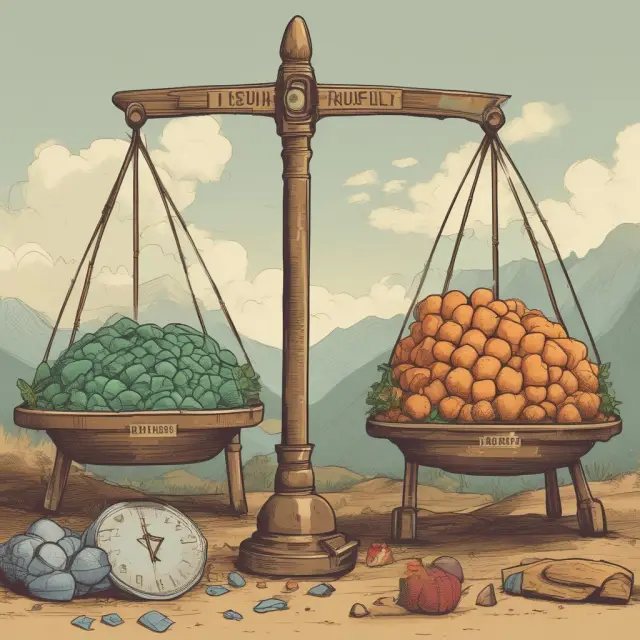
Oversupply vs. Surplus: Are They the Same?
In the realm of finance and economics, oversupply and surplus are two terms that are often used interchangeably, yet they have distinct nuances that must be understood to fully grasp their meaning and impact on markets.
At its core, an oversupply refers to a situation where there is more product available in the market than consumers want to buy at the current price level. This can occur due to a misreading of market demand or when producers continue to produce even as prices decrease. In such cases, the excess supply builds up as unsold inventory, often leading to downward pressure on prices until an equilibrium is reached.
Surplus, on the other hand, denotes a situation where output exceeds demand in both the short and long terms. It is a broader term that can refer to both physical goods and financial assets. In contrast to oversupply, surplus does not necessarily involve unsold inventory or a need for price reduction. Instead, it can be characterized by a temporary excess of supply, which eventually balances out as market conditions change.
While the two terms are closely related, they differ in their implications for markets and market participants. Oversupply often brings about immediate challenges, such as lower prices and unsold inventory, while surplus may represent a more long-term equilibrium between supply and demand. Understanding these differences can help market participants make more informed decisions and navigate the complexities of various financial markets.
In commodity markets, oversupply is particularly relevant due to their inherent characteristics: long production lead times, volatile prices, and large quantities traded daily. The interplay of these factors creates unique challenges for producers, consumers, and traders alike. When it comes to commodities, the key question often centers around managing excess supply and dealing with its consequences in a market-driven context.
In the following sections, we will delve deeper into various aspects of oversupply, including its causes, impacts on prices, coping mechanisms for producers and sellers, and long-term implications for commodity markets. We’ll also explore how understanding oversupply can help market participants make more informed decisions and mitigate risk in their investment strategies.
So, while oversupply and surplus are similar concepts, oversupply is the term that carries a more immediate implication of excess inventory and downward price pressure on the market. As we explore these ideas further, we’ll see how understanding oversupply can provide valuable insights for investors, traders, and economists alike.

Causes of Oversupply
Oversupply is a market condition where supply outpaces demand, leading to unsold inventory and potentially lower prices for both producers and sellers. One significant cause of oversupply lies in the misinterpretation of market demand. Producers may overestimate consumer interest, resulting in increased production that exceeds the desired quantity. Another factor contributing to oversupply is the availability of competing or superior products. Consumers might choose to wait for a new and improved version of a product, leading to an unsold inventory from previous releases. Additionally, price can play a substantial role in the development of oversupply. When prices are too high, consumers may opt out of purchasing the item altogether, creating surplus.
In some cases, oversupply is particularly prevalent within commodity markets. These markets involve lengthy production timelines and market-driven pricing structures. A prime example is the oil industry, where large-scale oil fields entering production at once can lead to a sudden surge in supply and subsequent price decline. Producers may experience losses during oversupply periods, but storage solutions offer some relief by facilitating the removal of excess inventory from the market over time as production adjusts to the lower demand.
Understanding Oversupply: Causes and Consequences
Oversupply is a situation where the supply of a good or service outstrips the demand, resulting in an accumulation of unsold inventory. This market condition can manifest for various reasons, ranging from misjudging consumer interest to price points that deter purchases. In commodity markets with lengthy production timelines and flexible pricing structures, oversupply is an inherent cycle that can persist until production adjusts to the lower demand or new inventions emerge to satisfy consumer preferences.
One reason for oversupply is a mismatch between producers’ expectations and actual market demand. Producers may misinterpret consumer interest or underestimate the arrival of competing products, leading them to produce more than what consumers are prepared to purchase. For example, if manufacturers assume high demand for a new smartphone model based on previous sales data, but consumers instead prefer an improved version from a different manufacturer, the initial release will result in oversupply and lower prices.
Another factor contributing to oversupply is consumer behavior. Consumers may wait for a newer or more feature-rich product before making a purchase, creating surplus in the market. This behavior can be seen in commodities markets where price plays a significant role in determining demand. When prices are too high for consumers, they may opt out of purchasing the item altogether, resulting in excess inventory and falling prices for producers.
Commodity Markets and Oversupply: A Persistent Problem
In commodity markets, oversupply is an inherent part of their cyclical nature. The production timeline for these commodities can be quite lengthy, necessitating large investments in infrastructure and resources. Furthermore, commodity pricing is market-driven and subject to fluctuations based on supply and demand dynamics. When multiple producers enter the market at once with large-scale projects, there can be a sudden surge in supply that outpaces demand. This oversupply results in lower prices for both producers and sellers until production adjusts or new inventions emerge to satisfy consumer preferences.
Understanding the causes and consequences of oversupply is crucial for both producers and investors. Producers must monitor market conditions closely, adjusting production levels accordingly to maintain profitability while minimizing unsold inventory. In commodity markets, this may involve using storage solutions to help manage excess inventory until demand increases or new innovations emerge.
For investors, recognizing the impact of oversupply on commodity prices can provide valuable insight into market trends and opportunities. By staying informed about production levels, consumer demand, and competing products, investors can position themselves to capitalize on price swings caused by oversupply and profit from the inevitable adjustments in supply and demand.
In conclusion, oversupply occurs when the supply of a good or service exceeds consumer demand, resulting in unsold inventory and potentially lower prices for producers and sellers. Causes of oversupply include misjudging market demand, waiting for competing products, and pricing that deters purchases. In commodity markets, where production timelines are lengthy and pricing is market-driven, oversupply is a persistent problem that can impact profitability and investment opportunities. By understanding the causes and consequences of oversupply, producers and investors can make informed decisions to mitigate its impact on their businesses and capitalize on market trends.

Oversupply in Commodities Markets
Understanding Oversupply in the Context of Commodities
Oversupply is a significant issue in commodity markets where production timelines require a substantial lead time and prices are market-driven. Commodities, such as oil, natural gas, precious metals, meat, and more, have production cycles that take months to years and are heavily influenced by global supply and demand dynamics. In this context, oversupply occurs when the amount of a commodity available exceeds the current demand.
Market Conditions and Oversupply in Commodities
The primary reasons for oversupply in commodities arise from misreading market demand or unexpected changes in production levels. For instance, if several large-scale gas fields begin simultaneous production, an oversupply of natural gas on the market will result due to the excess availability. In these situations, producers may even experience losses as they sell units below cost.
Effects of Oversupply on Commodity Prices
When a commodity experiences oversupply, prices usually drop significantly. Producers are forced to adjust by either reducing production or offering discounts to clear the excess inventory. While this process helps balance the market eventually, it can take considerable time. Additionally, if too many units are taken off the market, there is a risk of the market becoming undersupplied, leading to new investment in production.
Managing Oversupply through Storage Solutions
Storage plays a vital role in managing oversupply in commodity markets by helping to remove surplus inventory while production cycles adjust. Producers depend on storage solutions to offset the impact of temporary oversupply and ensure that demand and supply equilibrium is restored over time.
Cyclical Nature of Commodity Oversupply
The boom-and-bust nature of commodity markets is characterized by cyclical pricing charts, which can be attributed to various factors, including oversupply. These price cycles create both opportunities and challenges for commodity producers, requiring them to adapt quickly to changing market conditions and optimize their strategies accordingly.

Effects of Oversupply on Prices
The relationship between oversupply and falling prices is closely intertwined, with producers losing money being a common consequence when dealing with this market condition. Oversupply occurs when there is more product available for sale than the current demand, resulting in surplus inventory that cannot be sold at the existing price level. Producers may resort to discounting or adjusting production levels to address oversupply and restore equilibrium.
In commodity markets, such as oil, natural gas, precious metals, meat, and more, oversupply can lead to significant losses for producers. The reason is that the production timeline in these industries requires a considerable lead time, and prices are all market-based. When an unexpected surplus of a commodity emerges on the market due to multiple large-scale projects coming online simultaneously or other reasons, the price tends to decrease until it reaches a level where producers can at least break even.
The impact of oversupply on prices can be substantial, making it an essential factor for understanding market dynamics in various industries. In the case of commodities, the consequences can range from temporary price adjustments to prolonged cycles of oversupply and undersupply.
An example of this scenario can be seen in the oil industry, where oversupply has led to a significant drop in prices over recent years. The excessive supply, combined with reduced demand due to factors like economic slowdowns and increasing renewable energy sources, put pressure on oil producers to decrease prices to stay competitive. Producers that couldn’t adapt quickly faced significant losses and even bankruptcy as the oversupply persisted.
However, it is important to note that not all oversupply situations are equal in their impact or longevity. The time required for the market to adjust can vary based on factors like price flexibility and external market conditions. In some cases, prices may recover quickly, while in others, such as commodities with long production timelines, it can take a considerable amount of time for the market to restore balance.
Oversupply can also have implications for sellers and buyers. Producers who find themselves dealing with oversupply may agree to share the financial burden with sellers through discounts or other measures. This approach can help clear unsold inventory, but it can put pressure on sellers’ bottom lines as well.
In conclusion, understanding the impact of oversupply on prices is crucial for various market participants, including producers, sellers, and buyers. The ability to recognize the factors contributing to oversupply situations and their potential consequences can help stakeholders make informed decisions and adapt to changing market conditions.

Dealing with Oversupply: Discounting
An oversupply is when there’s more product for sale than people are willing to buy at the current market price. Producers and sellers often face this issue, particularly in commodity markets with lengthy production timelines. One approach to dealing with an oversupply is discounting, which involves selling goods below the market price to make them more attractive to potential buyers.
Discounting can help clear unsold inventory when new product is on its way or when there’s a significant disconnect between the current market price and demand. This strategy impacts both producers and sellers, as the former may need to absorb some of the loss in order to move their goods.
In commodities markets like oil, natural gas, precious metals, and meat, oversupply is a common occurrence. Producers depend on storage solutions to help remove surplus from the market while production cycles adjust to the lower demand. However, if too much production is halted, then the market may experience an undersupply, leading to increased investment in production.
Let’s explore how discounting works in a concrete example: Assume the current price for a commodity is $600 per unit, and buyers are only willing to purchase 300 units at that price. Sellers, with 1,300 unsold units, face an oversupply of 1,000 units. To attract potential buyers, sellers can discount the product, lowering the price to make it more attractive. As a result, consumers demand more units and producers reduce their production. The market eventually reaches equilibrium as prices and quantities adjust accordingly.
The duration of oversupply periods depends on factors such as price flexibility and government intervention. If prices are not easily adjusted due to menu costs or fixed contracts, then an oversupply may persist for a considerable amount of time. Conversely, if prices can quickly adapt to market conditions, the oversupply might be short-lived.
In conclusion, discounting is an effective strategy for dealing with an oversupply in commodities markets and other industries. By making unsold inventory more attractive to buyers, producers and sellers can clear their inventories and restore balance to the market. This approach has its trade-offs, as both parties may have to absorb losses during the discounting period. Nevertheless, it’s a valuable tool for managing oversupply in various markets and ensuring that supply and demand remain in equilibrium.

Impact on Producers and Sellers
When dealing with oversupply in commodity markets, producers may have no choice but to agree to share the pain with sellers. Oversupply can significantly impact the financial health of both producers and sellers, causing losses for all involved parties.
Producers, particularly those involved in agriculture or energy production, often face the challenge of dealing with oversupply due to long lead times between planning, production, and sales. This lag time can result in an abundance of a commodity available at a particular moment, leading to unsold inventory and low prices. In such situations, producers are forced to accept lower profits or even losses since they cannot quickly adjust their production levels.
Sellers, on the other hand, may be equally impacted by oversupply as they face difficulty selling their inventory at the desired price. As a result, sellers are often left with no choice but to reduce prices in an attempt to attract buyers and clear unsold stock. This discounting process can significantly impact their revenue, particularly if prices continue to drop due to an extended period of oversupply.
When dealing with oversupply, both producers and sellers may need to consider various strategies to manage the situation. One such strategy is storage – a viable solution for commodities that can be stored without significant deterioration or spoilage over time. This approach allows producers and sellers to wait out periods of oversupply by removing surplus inventory from the market while production cycles adjust to the lowered demand. However, this strategy requires significant investment in storage facilities, which may not be feasible for all market participants.
Another solution is to reduce production levels or halt production temporarily to help bring supply and demand back into balance. While this approach can lead to short-term losses, it may ultimately prevent more severe long-term damage to the industry and its key players. Producers and sellers can also explore alternative markets for their commodities or consider different methods of processing or repurposing surplus inventory to reduce losses or even turn a profit.
In some cases, government intervention may be necessary to help address oversupply issues in certain commodity markets. For example, price supports or subsidies can help protect producers from extreme market downturns and ensure a more stable supply chain for consumers. However, such interventions can come with their own set of challenges and unintended consequences that need to be carefully considered by policymakers.
As oversupply continues to persist in various commodity markets, the ability of producers and sellers to adapt and respond effectively will be crucial for maintaining a stable market equilibrium and ensuring long-term sustainability.
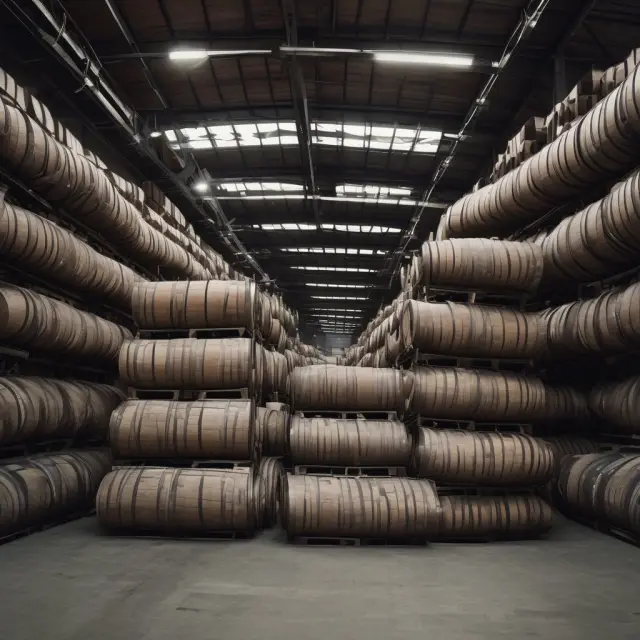
Storage Solutions for Oversupply
When dealing with oversupply in commodity markets, storage becomes an essential tool for managing and reducing the surplus inventory levels. As mentioned earlier, production timelines can be lengthy, which means that the supply side is not always as responsive to changes in market demand. In such cases, storage offers a temporary solution for managing oversupply until production cycles adjust.
Storage solutions have become increasingly critical when it comes to commodities like oil, natural gas, precious metals, and grains. These markets can be characterized by significant lead times and volatile price fluctuations. Oversupply in these sectors often arises from the entry of new large-scale production facilities, which may disrupt market equilibrium for a period.
One solution to managing oversupply is for producers to store excess inventory until the market absorbs it or prices rebound. However, this approach comes with its own set of challenges and costs. For instance, storing perishable commodities like fruits and vegetables can be particularly challenging due to their limited shelf life. In contrast, storing non-perishable commodities like oil or precious metals is comparatively easier and more cost-effective.
Moreover, large-scale storage infrastructure for these commodities requires significant investment and ongoing maintenance costs. The storage facilities must be designed with adequate security measures to protect the inventory from theft and weather events. Additionally, insurance premiums for storing these commodities are often high due to the potential risks involved.
The importance of storage solutions is further highlighted by the fact that some governments use stockpiling as a strategic tool for managing their national reserves of critical commodities like oil and food grains. These reserves can be used during emergencies, such as natural disasters or geopolitical conflicts, to ensure the continued availability of essential supplies.
In summary, storage plays a crucial role in managing oversupply in commodity markets by providing a temporary solution until production cycles adjust. Despite its benefits, storing large volumes of commodities comes with challenges and costs that producers must carefully consider before implementing this strategy. Effective management of storage infrastructure is essential to minimize losses from spoilage, theft, or other external factors while keeping the stored inventory available for sale when market conditions improve.

Oversupply Cycles in Commodities Markets
In commodity markets, oversupply is not an anomaly but rather a cyclical market condition that results in boom and bust pricing charts for certain commodities. Oversupply occurs when there is a surplus of the commodity due to overproduction or a misreading of the market demand. While the term is synonymous with surplus, oversupply specifically implies an excess inventory situation.
Understanding Oversupply Cycles
Oversupply cycles in commodities markets arise when there is a mismatch between supply and demand due to overproduction or underestimation of market demand. Producers may invest in new production facilities based on anticipated market growth or price incentives, only to find that the market cannot absorb the increased supply. The oversupply then leads to lower prices as producers attempt to sell their inventory, which can lead to a reduction in future investment and production.
Effects of Oversupply Cycles
The impact of commodity oversupply cycles on markets, prices, and producers can be substantial. During periods of oversupply, producers may experience losses due to the lower prices they receive for their goods. The prolonged surplus can also have implications for sellers, who may need to discount inventory in order to clear it from their stocks.
Examples of Oversupply Cycles
Oversupply cycles can be observed in various commodity markets. For example, the 1980s oil glut was caused by a significant increase in production, which led to oversupply and a subsequent crash in prices. Similarly, the agricultural sector experiences frequent fluctuations in supply and demand, leading to cycles of oversupply and underproduction.
Addressing Oversupply Cycles
While there is no foolproof solution for avoiding commodity oversupply cycles, producers, governments, and market participants can take steps to minimize their impact. For example, forecasting tools such as supply-demand analysis, production capacity indicators, and inventory levels can help producers anticipate market trends and adjust their operations accordingly. Governments may also implement policies like production quotas or price floors to maintain market stability and prevent oversupply.
Conclusion
Understanding the dynamics of commodity oversupply cycles is crucial for investors, traders, and producers in these markets. By recognizing the causes, effects, and potential solutions for oversupply, market participants can make informed decisions that minimize risk and maximize profitability. As the commodities landscape continues to evolve, staying informed about market conditions and trends will be essential for navigating the complex world of supply and demand.

FAQ: Frequently Asked Questions about Oversupply
**What is oversupply?**
Oversupply refers to a situation when there is more of a product for sale than buyers are willing to purchase at the current price, leading to an accumulation of unsold inventory. This condition is often prevalent in commodities markets where production timelines have significant lead times and prices are market-based.
**What causes oversupply?**
Oversupply can be caused by several factors including: waiting for improved models, misreading the market demand, or pricing that is too high. When producers encounter an oversupply, they may choose to discount the product or halt production until demand catches up.
**Is surplus the same as oversupply?**
Yes, while synonymous, oversupply may imply a market condition where surplus is physical and not financial. In commodity markets, it refers to a situation where there is more of a commodity available for sale than consumers demand at the current price, leading to lower prices and potential losses for producers.
**What are some common effects of oversupply on prices?**
When an oversupply occurs, prices tend to decrease as producers try to sell their inventories. Producers can suffer financial losses during this period and may need to negotiate discounts with sellers or storage solutions to manage the excess inventory.
**Can oversupply persist for a long time?**
The duration of an oversupply depends on the specific dynamics of the market. If prices are sticky and cannot be adjusted quickly, or if government price controls are in place, then an oversupply can persist for an extended period. In such cases, it may take significant time for production to adjust to the long-term demand shift, leading to cyclical boom and bust pricing charts.
**How is oversupply dealt with?**
Oversupply is typically addressed through discounting or reduced production to align supply and demand. Producers may need to share the pain with sellers in order to clear unsold inventory. In commodities markets, storage solutions can also be employed to manage excess inventory until production cycles adjust.
 Next entry · No. 3,876Understanding Overtrading: A Comprehensive Guide for Professional and Institutional Investors
See also
-
 No. 4,063
18 May 2025
17 min
Price Discovery: Understanding the Market Process of Determining Asset Prices
Markets
No. 4,063
18 May 2025
17 min
Price Discovery: Understanding the Market Process of Determining Asset Prices
Markets -
 No. 4,804
18 Jul 2025
21 min
Maximizing Working Capital with Supply Chain Finance: A Comprehensive Guide for Professional Investors
Business Finance
No. 4,804
18 Jul 2025
21 min
Maximizing Working Capital with Supply Chain Finance: A Comprehensive Guide for Professional Investors
Business Finance -
 No. 5,903
17 Oct 2025
24 min
Zero Percent Financing: What It Is and Why It Might Be More Expensive Than You Think
Business Finance
No. 5,903
17 Oct 2025
24 min
Zero Percent Financing: What It Is and Why It Might Be More Expensive Than You Think
Business Finance -
 No. 5,872
15 Oct 2025
20 min
Understanding Year to Date (YTD): Analyzing Business Trends and Investment Performance
Business Finance
No. 5,872
15 Oct 2025
20 min
Understanding Year to Date (YTD): Analyzing Business Trends and Investment Performance
Business Finance -
 No. 5,650
26 Sep 2025
22 min
The Wealth Effect: How Increased Asset Values Affect Consumer Spending
Business Finance
No. 5,650
26 Sep 2025
22 min
The Wealth Effect: How Increased Asset Values Affect Consumer Spending
Business Finance -
 No. 5,493
13 Sep 2025
18 min
Understanding the Vienna Stock Exchange (WBAG): A Historical and Comprehensive Guide for Institutional Investors
Business Finance
No. 5,493
13 Sep 2025
18 min
Understanding the Vienna Stock Exchange (WBAG): A Historical and Comprehensive Guide for Institutional Investors
Business Finance