Understanding Paga: Nigeria’s Game Changing Mobile Payment Solution for Financial Inclusion

Explore the game-changing impact of Nigeria's mobile payment solution, Paga. Learn how it works, benefits, security, comparisons, and more.
Introduction to Paga: The Mobile Wallet Revolutionizing Nigerian Finance
Paga is a revolutionary mobile payment solution that has transformed the way Nigerians manage their finances. Launched in 2011 by Tayo Oviosu, this mobile wallet platform is now widely used for electronic transactions and payments through mobile devices. Paga’s primary objective was to bridge the gap between the unbanked population and financial services, taking advantage of Nigeria’s burgeoning telecommunications sector and creating a means for accessible banking services beyond traditional brick-and-mortar banks.
How Does Paga Work?
Paga’s ease of use is one of its major selling points. Users can perform various transactional activities using their mobile devices, whether through the company’s website or mobile application. Paga agents act as human ATMs and are easily accessible throughout the country, enabling users to fund their accounts and make payments to recipients by giving the agent the recipient’s phone number. Alternatively, Paga offers online options for account holders, allowing them to deposit funds, pay bills, and transfer money directly from their mobile devices.
Impact on Financial Inclusion in Nigeria
Financial inclusion has been a significant challenge in Nigeria due to limited accessibility to traditional banking services. With Paga’s innovative approach, more people have gained access to financial transactions that were once only available through brick-and-mortar banks. As of 2019, it was estimated that about 46% of the adult population in Nigeria had an account at a formal financial institution, while over 53% remained unbanked (World Bank). With Paga, even those who were previously excluded from the formal banking sector now have access to basic financial services through their mobile phones.
Advantages of Using Paga: Flexibility and Convenience for Users
The convenience and flexibility offered by Paga have made it a popular choice among Nigerians. With no need to visit a bank during business hours, users can perform transactions anytime, anywhere, as long as they have an internet connection or access to an agent. The cost savings from avoiding transportation and waiting times at banks is also an added advantage for many users. Furthermore, Paga offers competitive fees compared to other traditional banking methods, making it an attractive alternative for managing day-to-day financial needs.
Ensuring Security and Preventing Fraud in Mobile Transactions
Security and safety are top priorities for Paga’s developers. The platform requires users to verify their identities through various means, including biometric identification, security questions, and a personal PIN number. Moreover, transaction limits are set according to user levels to prevent potential fraudulent activity. Level I customers have a daily transfer limit of ₦50,000 ($138), while Level II and III customers can transfer larger amounts up to ₦200,000 ($551) and ₦5,000,000 ($13,780), respectively. Paga’s security measures have earned the trust of millions of users in Nigeria, making it a reliable choice for managing personal and business transactions.
Paga’s checkout payment platform offers additional benefits to business owners and merchants. By integrating this feature on their websites, they can streamline the payment process for their clients and accept payments online or through Paga agents. This not only saves time but also increases customer satisfaction by providing more convenience when making purchases.
Comparing Paga with Other Mobile Payment Platforms: M-Pesa, MTN Mobile Money, Airtel Money, and Orange Money
While Paga has gained significant ground in the Nigerian market, it is important to note that other mobile wallet platforms such as M-Pesa, MTN Mobile Money, Airtel Money, and Orange Money also offer similar services. Each platform offers unique features and benefits tailored to their respective customer bases, making it essential for users to research and compare before choosing the best option for their needs.
Continuous Innovation and Expansion
As technology continues to evolve, Paga remains committed to keeping up with the latest trends and providing new features to its users. Recent partnerships with global payment providers like Visa have expanded Paga’s offerings to include international transactions and contactless payments. With a strong focus on customer satisfaction, Paga will likely continue to expand its services to cater to an increasingly digital economy in Nigeria and beyond.
FAQs About Using Paga
Common concerns and misconceptions about using Paga can be addressed through clear communication and education. Some users may wonder if they need a smartphone to use the platform or if there are any hidden fees for transactions. By providing accurate and transparent information, Paga can help alleviate these fears and build trust among its user base.
Conclusion:
Paga’s impact on Nigeria’s financial sector cannot be overstated. As a game-changing mobile payment solution, it has revolutionized the way Nigerians manage their finances by providing easy access to basic banking services and fostering financial inclusion for millions of unbanked individuals. With its commitment to security, convenience, and innovation, Paga is poised to remain a leading player in Nigeria’s digital money economy.
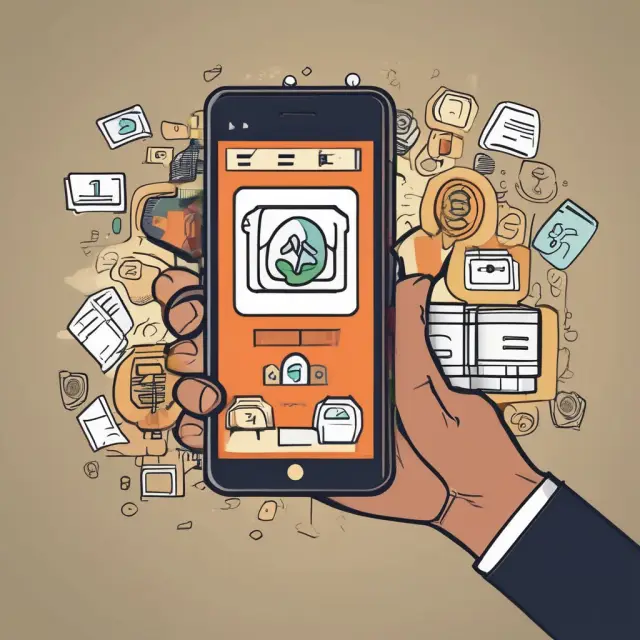
How Does Paga Work?
Paga is a revolutionary mobile payment solution that has transformed the Nigerian financial landscape by providing seamless and convenient access to basic banking services for millions of unbanked and underbanked individuals. Founded in 2009, Paga was created with a mission to bridge the gap between the traditional banking sector and the vast population without access to conventional financial services.
So, how does Paga work? Essentially, Paga functions as an electronic wallet that enables users to store, send, and receive money using their mobile devices. Users can deposit funds into their Paga accounts through various channels such as agent outlets, banks, or online methods. Transactions can be initiated via the Paga app or website, allowing users to pay bills, purchase goods, and make person-to-person transfers with ease.
Paga’s extensive network of agents serves as an essential lifeline for those without internet connectivity. These agents act as human ATMs, enabling users to deposit or withdraw funds using their mobile phones. To make a transaction, a user simply shares the recipient’s phone number with the agent, who then processes the transfer, deducting the relevant fees.
For those with internet access, online transactions offer added convenience. Users can fund their Paga accounts through a debit card or bank deposit and execute transactions without visiting an agent. The platform also supports merchant payments, enabling businesses to integrate Paga’s checkout payment system on their websites, allowing customers to pay for goods and services using their mobile wallets.
Security is another crucial aspect of Paga’s operations. The platform prioritizes user privacy and protection against fraudulent activities. Each user must provide personal information such as a name, phone number, address, and ID card details during registration to ensure secure transactions. Additionally, every transaction requires a unique Personal Identification Number (PIN) for authentication.
In summary, Paga’s innovative approach to financial services has provided a lifeline for millions of unbanked Nigerians, granting them access to basic banking services and the ability to join the digital economy. By combining the power of mobile technology with a vast network of agents, Paga continues to pave the way towards financial inclusion in Nigeria and beyond.

Paga’s Impact on Financial Inclusion in Nigeria
The rapid expansion of technology has significantly transformed the way we manage our finances. With innovative solutions such as Paga, the financial landscape has become more inclusive than ever before for people living in unbanked and underbanked regions. Established in Nigeria in 2011 by Tayo Oviosu, this mobile payment platform has made it possible for millions to perform basic banking transactions using only their mobile phones.
Paga’s primary objective is to address the challenges associated with traditional banking methods, particularly in areas where accessing a physical bank branch is limited or inconvenient. The collaboration between Paga and Nigeria’s telecom sector has resulted in a user-friendly service that allows unbanked individuals to pay for goods and services without relying on cash or formal banking institutions.
According to a 2017 report by the Central Bank of Nigeria, over 36% of Nigerians are still excluded from financial services. However, Paga and other mobile payment solutions like it have made strides in bridging this gap. By providing essential banking services such as savings accounts, wire transfers, and merchant services directly through mobile devices, these platforms contribute to the broader goal of financial inclusion.
Mobile wallets like Paga help users manage their money more effectively by offering features like instant transactions, lower transaction fees, and easier access to funds. This is particularly advantageous for those living in rural or remote areas who often face significant challenges when dealing with traditional banking institutions.
Moreover, mobile payment platforms serve as a gateway to formal financial services for the unbanked population, enabling them to access essential financial services that were once out of reach. With more accessible and affordable options available through mobile wallets like Paga, individuals can participate in the digital economy and build their financial foundation.
In conclusion, Paga is a game-changer when it comes to expanding financial inclusion in Nigeria. By addressing the challenges faced by the unbanked population and providing essential banking services through an easy-to-use mobile wallet platform, Paga has revolutionized the way Nigerians manage their finances and contributed to the country’s economic growth.
As technology continues to evolve, mobile payment solutions are expected to become even more sophisticated and accessible, further reducing financial exclusion and paving the way for a truly digital economy.
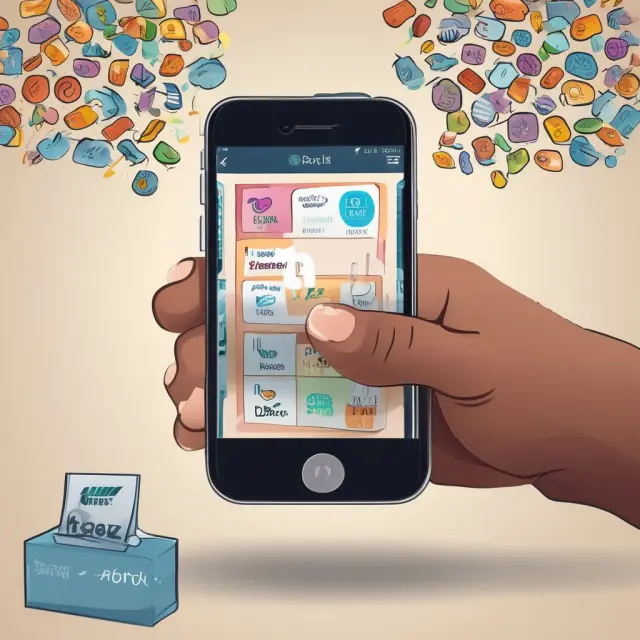
Advantages of Using Paga: Flexibility and Convenience for Users
Paga offers numerous benefits to its users, particularly with regards to flexibility and convenience in carrying out transactions. This mobile payment platform is a game changer when it comes to financial inclusion in Nigeria. Below are some of the advantages that distinguish Paga from other traditional banking methods:
Convenience: Paga allows users to perform financial transactions at their own pace and on-the-go, making it an ideal option for people with hectic schedules or those living in areas with limited access to physical bank branches. Transactions can be done through the mobile application or via agent outlets.
Affordability: Paga is more affordable compared to traditional banking methods that may have high transaction fees and minimum deposits, making it an attractive alternative for the unbanked and underbanked population.
Flexibility: With Paga, users can deposit, save money, send and receive funds, pay bills, and make purchases both online and offline, giving them more control over their finances.
Secure: Paga adheres to strict security measures to ensure that all transactions are secure and fraud-free. This includes the use of a personalized PIN code for every user account, and verification questions that must be answered correctly before accessing your account from an unrecognized device.
Accessibility: Mobile payment platforms like Paga play a crucial role in financial inclusion by providing basic banking services to those who are unbanked or underbanked, giving them the opportunity to join the digital money economy. The platform also offers a range of services that cater to various user needs and preferences, making it accessible to a wider audience.
Furthermore, Paga’s agent network enables users to withdraw cash from their accounts at any convenient location, providing accessibility in areas where physical banks may not be present or easily accessible. This is particularly important for rural communities or low-income urban neighborhoods where financial services are often limited.
In conclusion, Paga’s flexibility and convenience make it a standout option for Nigerians looking to manage their finances efficiently while ensuring they remain secure. By addressing the needs of those who were previously excluded from traditional banking methods, Paga is revolutionizing the way Nigerians view financial transactions and taking a significant step towards financial inclusion in the country.

Special Considerations: Ensuring Security and Preventing Fraud in Mobile Transactions
As the fintech industry continues to revolutionize the way we manage our finances, mobile payment platforms such as Paga have become increasingly popular, especially among unbanked populations. However, with this convenience comes the need for robust security measures to prevent fraudulent activities and protect user data. In this section, we will discuss some of the special considerations Paga has put in place to ensure a secure and trustworthy mobile transaction experience.
Security Measures
One way Paga ensures security is by implementing user verification processes. For instance, if a user tries to log into their account on an unrecognized device, they will be prompted to answer some security questions before proceeding. This added layer of protection helps prevent unauthorized access and safeguards users’ sensitive information.
Moreover, every transaction using Paga requires the input of a personal PIN known only to the user, adding another layer of security to each transaction. Additionally, account holders are grouped into three levels based on the information provided during registration. These levels limit the amount that can be transferred per day. Level I customers have a maximum transfer value of ₦50,000 (or $138) daily, while Level II customers can transfer up to ₦200,000 (or $551). The highest level, Level III, allows users to transfer up to ₦5,000,000 (or $13,780) per day after providing additional references and undergoing a credit check.
Another security feature that Paga offers is the ability for users to block their accounts in case of lost or stolen phones. By contacting Paga’s customer service team, users can temporarily disable their account until they regain possession of their phone. This measure prevents unauthorized access and potential fraudulent activities on the account.
Collaborations with banks and financial institutions also contribute to Paga’s security measures. For instance, when depositing funds into a Paga account at a bank or agent outlet, users must present valid identification documents. This ensures that only authorized individuals can add money to their account, reducing the risk of fraudulent transactions.
Addressing Common Concerns and Misconceptions
One common concern among users is the potential for high transaction fees when using mobile payment platforms like Paga. However, Paga’s fee structure is transparent and competitive compared to traditional banking methods. For instance, transferring funds from one Paga account to another incurs a minimal fee of just ₦100 (or $0.27) per transaction. In contrast, transferring money through the conventional banking system may involve higher fees and longer processing times.
Another misconception is that mobile wallets are less secure compared to traditional bank accounts. However, Paga’s multi-level security measures, such as user verification, personal PINs, and account limits, provide a level of protection that is comparable, if not superior, to traditional banking methods. Furthermore, transactions made through Paga are encrypted, ensuring the confidentiality of sensitive financial information.
In conclusion, Paga’s commitment to security and fraud prevention measures sets it apart from other mobile payment platforms and traditional banking methods. By offering transparent fee structures, robust security features, and user-friendly interfaces, Paga is leading the way in mobile financial inclusion and empowering millions of Nigerians with access to secure, affordable, and convenient financial services.

Other Services Offered by Paga: Checkout Payment Platform for Business Owners
Paga’s innovative approach to digital banking doesn’t stop at individual transactions; it has also extended its reach to businesses and merchants through its checkout payment platform. This feature empowers business owners, small-to-medium enterprises (SMEs), and merchants with the ability to accept payments for their products or services via Paga’s mobile wallet. By integrating this solution on their websites, they can offer customers a seamless and convenient way to pay for their purchases online using their mobile devices.
The advantages of this service are numerous. Firstly, it caters to the increasing preference for digital transactions, ensuring that businesses remain competitive in today’s digital economy. Furthermore, it provides an added layer of convenience for consumers who can easily pay for their purchases directly from their Paga wallet or through bank transfers.
Businesses and merchants who use Paga’s checkout payment platform also benefit from a wide range of features that make managing their financial transactions more efficient. They have access to comprehensive reporting tools that help them monitor their sales and revenue trends, as well as manage invoices and customer data in real-time.
Additionally, integrating the Paga payment gateway enables businesses to accept payments from a broader range of customers. By allowing users to pay using multiple methods such as card transactions, mobile money transfers, or bank transfers, merchants can attract more customers and expand their reach beyond those who may not have access to traditional banking services.
To get started with Paga’s checkout payment platform, businesses need to register for a merchant account on the Paga website. Once approved, they will receive access to a dashboard where they can manage their transactions, view reports, and integrate the payment gateway on their website or point-of-sale system.
This innovative service not only benefits businesses but also adds value to Paga as it sets itself apart from competitors such as M-Pesa, MTN Mobile Money, Airtel Money, and Orange Money by offering a more comprehensive solution for digital transactions. As the financial landscape evolves, mobile wallets like Paga are revolutionizing the way we conduct business and manage our finances, offering convenience, flexibility, and financial inclusion to users in Nigeria and beyond.

Requirements for Using Paga: Safety and Security in Mobile Banking
Paga is a game-changing mobile payment solution that offers Nigerians access to basic banking services using their mobile devices. Established in 2011, Paga aims to cater to the unbanked population by providing convenient and secure financial transactions through innovative technology. As part of its commitment to security, Paga implements user verification processes to prevent fraudulent activities.
To use Paga, users can access their accounts via a mobile application or online through the company’s website. The platform offers various services like savings accounts, wire transfers, and merchant services, making it an attractive option for those who may not have easy access to traditional banking institutions. However, before engaging in financial transactions on Paga, users must meet certain requirements that ensure their safety and security.
Firstly, every new user is classified into three levels: Level I, II, and III, based on the information provided during registration. The level determines the maximum daily transfer limit for each user: ₦50,000 for Level I, ₦200,000 for Level II, and ₦5,000,000 for Level III.
To upgrade to a higher level or increase their daily transfer limit, users must provide additional information such as address and ID card details. This extra verification process helps Paga confirm the user’s identity and reduces the risk of fraudulent activity on their account.
Security measures are put in place for each transaction using Paga. When a user attempts to log into an unrecognized device, they will be asked to answer a few security questions before proceeding with the transaction. A personal PIN is also required for every transaction to protect the user’s account from unauthorized access.
Paga places utmost importance on its users’ safety and security. By implementing these verification processes and security measures, Paga ensures that only authorized individuals can use their accounts and conduct transactions, ultimately fostering trust in its platform.
Users of other mobile payment platforms such as M-Pesa, MTN Mobile Money, Airtel Money, and Orange Money also benefit from similar verification and security features to protect themselves against potential fraudulent activity. In an increasingly digital financial world, these measures are essential for maintaining user confidence and promoting the adoption of digital banking solutions.

Comparison of Paga to Other Mobile Payment Platforms: M-Pesa, MTN Mobile Money, Airtel Money, and Orange Money
Paga is one of Nigeria’s leading mobile payment solutions that has revolutionized the way Nigerians conduct transactions using their mobile devices. However, Paga is not alone in this market as other mobile payment platforms such as M-Pesa, MTN Mobile Money, Airtel Money, and Orange Money have emerged to cater to the increasing demand for digital financial services. In this section, we will be comparing these mobile wallets based on their features, benefits, and user experiences.
First, let us discuss M-Pesa, a mobile payment platform founded in Kenya in 2007 by Safaricom Ltd. It was the first mobile money transfer service of its kind and quickly gained popularity due to its ease of use and accessibility. M-Pesa allows users to send and receive money, pay bills, and make purchases using their mobile phones. Similar to Paga, M-Pesa has a vast network of agents that serve as physical outlets where users can deposit or withdraw cash without the need for a bank account.
Next on our list is MTN Mobile Money, which was introduced by MTN Group in 2012. This mobile payment platform is available in countries like Uganda, Rwanda, Ghana, and Nigeria. Users of MTN Mobile Money can send and receive money, pay bills, purchase airtime or data bundles, and make transactions at merchant outlets. One unique feature that sets MTN Mobile Money apart from other mobile wallets is its partnership with various merchants to allow customers to pay for goods and services directly using their mobile phones.
Airtel Money, founded by Airtel Africa in 2014, operates in countries such as Burkina Faso, Chad, Djibouti, Gabon, Madagascar, Niger, Rwanda, Sierra Leone, Tanzania, Uganda, and Zambia. Much like Paga, M-Pesa, and MTN Mobile Money, Airtel Money allows users to send and receive money, pay bills, buy airtime or data bundles, and make transactions at merchant outlets. However, it stands out by offering a savings account that enables users to save their funds securely.
Last but not least is Orange Money, which was launched in 2008 by Orange, the French telecom company. This mobile payment platform provides similar services as its competitors, including sending and receiving money, paying bills, purchasing airtime or data bundles, and making transactions at merchant outlets. One advantage of Orange Money is its partnership with various financial institutions to allow users to deposit cash into their accounts at partner banks or cash deposit machines.
When comparing these mobile payment platforms, it is important to note that each has its strengths and weaknesses depending on the specific needs of the user. For instance, Paga might be a better choice for those who frequently need to make large transactions due to its higher transaction limits, while M-Pesa or MTN Mobile Money might appeal more to users in countries where merchants are widely accepting mobile payments. Ultimately, it is essential to research each platform and consider factors like transaction fees, user reviews, and availability before choosing which mobile wallet best fits your needs.
In conclusion, Paga has proven to be a game-changer in Nigeria’s financial sector by offering users the ability to make transactions using their mobile devices, thereby addressing financial exclusion for the unbanked population. By comparing it with other leading mobile payment platforms such as M-Pesa, MTN Mobile Money, Airtel Money, and Orange Money, we can gain a better understanding of how each platform distinguishes itself in terms of features, benefits, and user experiences. This information will assist users in making an informed decision when choosing which mobile wallet best suits their financial needs.

The Future of Paga: Continuous Innovation and Expansion
As Paga continues to innovate and expand its offerings, it holds significant growth potential in Nigeria’s rapidly evolving mobile money market. With over 200 million active mobile phone users, the Nigerian telecommunications sector has proven a fertile ground for digital financial inclusion, empowering unbanked and underbanked populations to access basic banking services through their mobile devices.
Paga was founded in 2009 by Tayo Oviosu with the vision of making financial services accessible to all Nigerians, regardless of their location or socioeconomic status. Since its official launch in 2011, Paga has become a leading mobile payment platform, offering a range of features that cater to both individuals and businesses.
Beyond its core mobile wallet offerings, Paga has also introduced various initiatives aimed at deepening financial inclusion across the country. One such initiative is its partnership with Western Union, allowing users to receive international money transfers directly into their Paga accounts. Additionally, Paga’s checkout payment platform provides merchants and businesses an easy-to-integrate solution for accepting digital payments online or via their mobile devices, enabling a seamless transaction experience for customers.
The future of Paga lies in its ability to adapt to the changing landscape of Nigeria’s digital economy and continue offering innovative solutions that cater to the needs of its diverse user base. Some potential growth areas for Paga include:
- Expansion into new markets: While Paga has successfully captured a significant portion of Nigeria’s mobile payment market, there is still room for expansion into other regions in Africa where financial inclusion remains a major challenge. By partnering with local telecommunications companies and financial institutions, Paga could replicate its success in new markets, thereby driving financial innovation and growth across the continent.
- Integration of Artificial Intelligence (AI) and machine learning: As user data grows and evolves, AI and machine learning technologies can be used to enhance Paga’s services, providing personalized recommendations, predictive analytics, and advanced security features for its users. By leveraging these advanced technologies, Paga could further differentiate itself from competitors and attract new customers.
- Collaboration with Fintech companies: Paga could partner with other fintech players to expand its offerings beyond mobile payments and financial services. For example, it could explore opportunities in areas such as insurance, micro-lending, or investment platforms, providing a one-stop solution for all financial needs.
- Enhancing security features: With the increasing prevalence of cyber threats and fraudulent activities, Paga must remain vigilant in ensuring the security and protection of its users’ data. By investing in advanced encryption technologies, multi-factor authentication, and other security measures, Paga can instill confidence in its user base and safeguard their financial information.
- Developing a robust API platform: Providing developers with access to a comprehensive API platform would enable third parties to build innovative applications on top of Paga’s infrastructure. This could lead to new use cases, increased engagement, and ultimately, attracting more users to the platform.
- Enhancing user experience through design and UI improvements: A user-friendly interface and intuitive design are essential for driving adoption and retention of digital financial services. By continuously improving its app’s design, Paga can create a more engaging and enjoyable user experience, ensuring that customers stay loyal to the platform and continue using it for their daily transactions.
In conclusion, Paga’s continued innovation and expansion are vital in driving Nigeria’s financial inclusion journey forward. By focusing on areas such as market expansion, technological integration, collaboration with fintech players, security enhancements, API development, and user experience improvements, Paga can solidify its position as a leading player in the digital financial services sector and create a more inclusive economy for all Nigerians.

FAQs About Using Paga: Common Concerns and Misconceptions
As more users embrace Paga for their financial transactions, it’s natural for questions and misconceptions to arise. Here, we address some of the most common concerns and clarify any confusion surrounding the use of this innovative mobile payment solution.
How secure is using Paga?
Paga takes security seriously. Each transaction requires a personal PIN and users are only allowed to access their account from recognized devices. In case of an unrecognized device, users will be asked to answer security questions before proceeding with transactions. Additionally, each user goes through a verification process based on their level, which includes providing full name, phone number, address, ID card information, and, for higher levels, references and credit checks.
What is the difference between Paga’s mobile wallet and traditional banking services?
While both Paga and traditional banking provide financial services, they differ in accessibility and convenience. Paga functions as a digital wallet accessible via mobile devices or online platforms, making it more convenient for users who don’t have easy access to brick-and-mortar banks. It also offers features like savings accounts, wire transfers, and merchant services that can be accessed at any time.
How do I fund my Paga account?
There are several ways to fund your Paga account: by visiting an agent outlet, depositing cash at a bank, or using a debit card online. You can find the nearest agent using the Paga Agent Locator tool on their website or app.
What fees does Paga charge?
Paga charges a small fee for transactions to cover processing costs. These fees vary depending on the type of transaction (for instance, internal transfers versus external transfers), but they are usually minimal and competitive compared to traditional banking services. You can view the current fees by logging into your account or visiting Paga’s website.
Can I use Paga to pay bills?
Yes! With Paga, you can make payments for various utility and cable bills, phone credit top-ups, and even Western Union transfers directly from your mobile wallet. The convenience of managing multiple bills through a single platform is a significant advantage that many users appreciate.
Can I use Paga to make purchases online?
Absolutely! Paga’s checkout payment platform enables users to make payments for goods or services online, providing an added layer of security and ease compared to traditional methods like credit cards or bank transfers. This feature is particularly useful when shopping on websites that don’t support direct integration with Paga.
What if I lose my phone?
If your mobile device is lost or stolen, contact Paga’s customer support immediately. They will help you freeze your account to prevent any unauthorized access and guide you through the process of recovering your account. Remember to also report the theft to your network provider as an added precaution.
 Next entry · No. 3,889Understanding Paid-In Capital: A Comprehensive Guide For Institutional Investors
See also
-
 No. 3,373
23 Mar 2025
20 min
Understanding Near-Field Communication (NFC): The Future of Payment and Connection
Fintech
No. 3,373
23 Mar 2025
20 min
Understanding Near-Field Communication (NFC): The Future of Payment and Connection
Fintech -
 No. 3,219
10 Mar 2025
18 min
Understanding Mobile Wallets: The Future of Contactless Payments
Fintech
No. 3,219
10 Mar 2025
18 min
Understanding Mobile Wallets: The Future of Contactless Payments
Fintech -
 No. 2,272
24 Dec 2024
20 min
Understanding Hyperledger Iroha: A Permissioned Business Blockchain Platform
Fintech
No. 2,272
24 Dec 2024
20 min
Understanding Hyperledger Iroha: A Permissioned Business Blockchain Platform
Fintech -
 No. 1,073
24 Jul 2024
23 min
Understanding Distributed Ledger Technology (DLT): A Comprehensive Guide for Institutional Investors
Fintech
No. 1,073
24 Jul 2024
23 min
Understanding Distributed Ledger Technology (DLT): A Comprehensive Guide for Institutional Investors
Fintech -
 No. 1,025
17 Jul 2024
21 min
Understanding Digital Wallets: A Comprehensive Guide for Institutional Investors
Fintech
No. 1,025
17 Jul 2024
21 min
Understanding Digital Wallets: A Comprehensive Guide for Institutional Investors
Fintech -
 No. 190
07 Apr 2024
20 min
Maximizing Trading Efficiency with Application Programming Interfaces (APIs)
Fintech
No. 190
07 Apr 2024
20 min
Maximizing Trading Efficiency with Application Programming Interfaces (APIs)
Fintech