Understanding Digital Wallets: A Comprehensive Guide for Institutional Investors
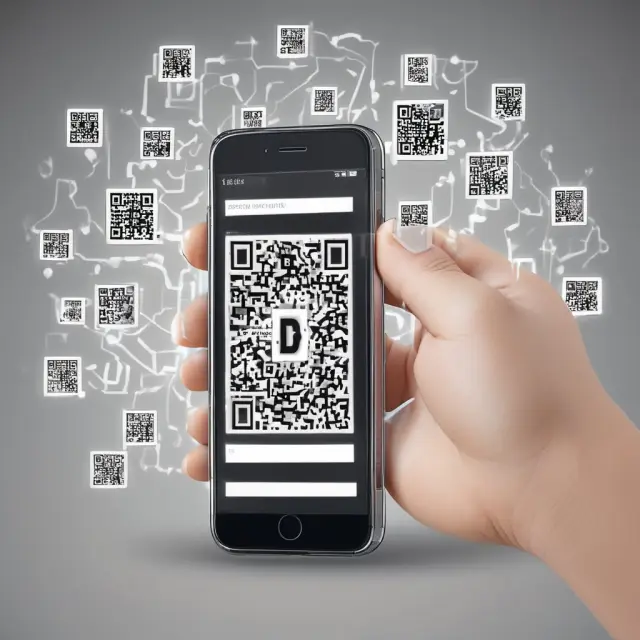
Learn the ins and outs of digital wallets for institutional investors. Understand how they work, their benefits, types, security, investment opportunities &…
Introduction to Digital Wallets
Digital wallets, also known as electronic wallets or mobile wallets, have transformed the way we manage our financial transactions and investments. In essence, a digital wallet is a financial transaction application designed for smart devices such as smartphones, tablets, and even computers. This innovative technology securely stores payment information, passwords, loyalty programs, membership cards, gift cards, and even identification documents in the cloud or on your device. By utilizing wireless technologies like Bluetooth, Wi-Fi, and magnetic signals to transmit data securely between devices, digital wallets facilitate seamless transactions, eliminating the need to carry physical wallets filled with credit/debit cards and identification documents.
In today’s fast-paced world, digital wallets offer numerous benefits that cater to the demands of both businesses and consumers alike. Let’s dive deeper into understanding how these innovative tools function, their various types, and the implications they hold for institutional investors.
Section Title: How Do Digital Wallets Work?
Digital wallets take advantage of a mobile device’s advanced capabilities to offer improved access to financial products and services. Essentially, they serve as digital counterparts to traditional physical wallets by securely storing your payment information and various other essential documents.
The ability to pay using a digital wallet is facilitated through various wireless technologies:
- QR codes – Quick response (QR) codes are matrix barcodes that store data, which can be scanned using a device’s camera to initiate transactions.
- Near Field Communication (NFC) – NFC enables two smart devices to exchange information securely by using electromagnetic signals when the devices are brought close together.
- Magnetic Secure Transmission (MST) – This technology emulates a traditional magnetic stripe card to transmit payment data to point-of-sale systems that accept swipe payments.
Once you’ve stored your financial information in a digital wallet, it is securely transmitted to the point of sale terminal during transactions. This data then passes through various intermediaries like processors, gateways, and acquirers before reaching the credit or debit card networks and banks responsible for processing payments.
As the use of cryptocurrency becomes more prevalent in financial systems, digital wallets have been adapted to facilitate transactions using these digital currencies. For instance, Apple Pay and Google Wallet allow users to add Bitpay debit cards, enabling them to pay for purchases using their digital wallets, while converting cryptocurrencies to dollars at the current market value.
Upcoming sections will delve deeper into the different types of digital wallets available in today’s market and discuss the security concerns associated with their use. Stay tuned!
How Do Digital Wallets Work?
Digital wallets, also known as electronic or mobile wallets, serve as secure financial applications designed for making transactions and managing finances on devices like smartphones or tablets. They eliminate the need to physically carry cards by storing your payment information, including credit, debit cards, bank accounts, and various other forms of digital currency and identification. By utilizing wireless technologies such as Bluetooth, Wi-Fi, magnetic signals, QR codes, or near field communication (NFC), digital wallets facilitate seamless transactions at points of sale.
To understand how digital wallets work, let’s explore their fundamental operations and the underlying technologies they employ:
1. Technologies Used by Digital Wallets:
Digital wallets leverage various technologies to enable contactless payments:
a) QR codes: Quick response (QR) codes are matrix barcodes that can store and transmit information using smartphones’ cameras and scanning systems, allowing for swift and secure payment transactions.
b) Near Field Communication (NFC): NFC technology enables two devices to establish a wireless connection and exchange data through electromagnetic signals, making contactless payments possible when the devices are close to each other.
c) Magnetic Secure Transmission (MST): Some digital wallets employ MST technology to generate a secure magnetic field that imitates the actions of traditional magnetic stripe cards for use at merchants that haven’t adopted more advanced point-of-sale systems.
2. Payment Process:
When you use a digital wallet for a transaction, your device securely communicates with the point-of-sale terminal to process the payment. The wallet sends the required information (card details or digital currency) to the terminal, which is then connected to payment processors and networks to complete the transaction. If the merchant accepts cryptocurrency, digital wallets like Apple Pay or Google Pay allow you to add a Bitpay debit card and facilitate seamless transactions using your stored crypto funds.
3. Security and Privacy:
Digital wallets employ various security measures to ensure that your sensitive financial information remains protected. These include multi-factor authentication, encryption, and biometric verification for device access. Additionally, most digital wallet providers offer features like lost or stolen device protection to help safeguard user accounts in case of theft or unauthorized access.
In the next section, we will delve deeper into the different types of digital wallets and their unique features.

Types of Digital Wallets: A Closer Look
Digital wallets, also known as electronic or mobile wallets, have become increasingly popular in today’s fast-paced world. They offer a convenient and secure way to store and manage various forms of payment information digitally on mobile devices instead of carrying physical cards or cash. In this section, we will delve deeper into the types of digital wallets available and their unique features.
1. Proprietary Digital Wallets
Proprietary digital wallets are offered directly by financial institutions like banks, credit card companies, or technology giants such as Apple Pay, Google Wallet, and Samsung Pay. These wallets primarily focus on securely storing users’ financial information for transactions at physical points of sale (POS) using near field communication (NFC), magnetic secure transmission (MST), or QR codes.
2. Open Digital Wallets
Open digital wallets are platform-agnostic, allowing users to store multiple types of cryptocurrencies and digital tokens. Examples include popular wallets like MetaMask, MyEtherWallet, and Coinbase Wallet. These wallets cater to a more tech-savvy audience who deal with various decentralized finance (DeFi) applications or cryptocurrency transactions on the blockchain.
3. Multi-Currency Digital Wallets
Multi-currency digital wallets enable users to store and manage multiple types of currencies, including traditional fiat money and cryptocurrencies like Bitcoin, Ethereum, and stablecoins. Examples include Exodus, Electrum, and Ledger Live. These wallets offer a one-stop solution for managing various assets, making them popular among both novice and experienced investors.
4. Closed Digital Wallets
Closed digital wallets are designed specifically for use with certain ecosystems or platforms like Starbucks Mobile App or Amazon Pay. They primarily focus on facilitating transactions within the respective ecosystem, making it more convenient for users to pay for goods or services directly from their mobile devices without needing physical cash or cards.
5. Cross-Platform Digital Wallets
Cross-platform digital wallets aim to provide a unified solution that supports various forms of payment and can be used across multiple platforms like Google Pay, Apple Pay, and Samsung Pay. These wallets offer seamless integration with popular contactless POS systems, enabling users to make transactions using their mobile devices regardless of the ecosystem they’re in.
Understanding the different types of digital wallets is crucial for institutional investors and individuals alike, as each offers unique features tailored to various needs. As technology continues to evolve, digital wallets will undoubtedly play a significant role in transforming the way we conduct financial transactions and manage our investments.

Security and Privacy Concerns with Digital Wallets
As the use of digital wallets continues to grow, so do concerns about security and privacy. While digital wallet providers have implemented robust security measures to protect users’ information, it’s essential to be aware of potential risks and take precautions to safeguard your financial data.
First, let’s address a common concern: What happens if someone gains unauthorized access to your device? Digital wallets are secured with a strong PIN or biometric authentication (fingerprint or facial recognition), making it difficult for an intruder to access the wallet without your permission. However, it is still crucial to protect your device with a strong password and enable two-factor authentication to add an extra layer of security.
Another concern is the potential for data breaches. Digital wallet providers employ encryption technologies to ensure that users’ financial information is transmitted securely between devices and merchants. Additionally, many companies offer fraud monitoring services, which can alert users if unusual activity is detected on their accounts. Nonetheless, it’s always a good idea to regularly monitor your account for any suspicious transactions.
Privacy concerns arise when discussing the collection and use of user data by digital wallet providers. Most digital wallets collect and store personal information such as names, addresses, phone numbers, and transaction histories. While this data is used to improve the user experience, it can also be shared with third parties for targeted advertising or other purposes. Make sure to read the terms and conditions carefully before using a digital wallet service.
Lastly, consider the risks associated with contactless payment technology. Digital wallets use radio-frequency identification (RFID) or near field communication (NFC) to enable contactless transactions. While this technology offers convenience and speed, it also raises concerns about potential hacking or eavesdropping. Always ensure your device is secure and be aware of your surroundings when using digital wallets in public places.
In conclusion, the benefits of digital wallets far outweigh the risks for most users. By following best practices for security and privacy, you can enjoy the convenience of making transactions without carrying cash or credit cards while maintaining peace of mind.

Benefits and Advantages of Digital Wallets
A digital wallet, also known as an e-wallet or an electronic wallet, is a financial application designed to store and manage payment information securely on your mobile device. The benefits of using a digital wallet extend far beyond the convenience of leaving your physical wallet at home. Here are some reasons why investors and businesses alike are turning to this innovative technology.
Security: Digital wallets provide an additional layer of security for your financial information by encrypting your data, making it nearly impossible for hackers or identity thieves to access. Additionally, mobile devices are often protected by passcodes, biometric authentication, or both, ensuring that only authorized users can access the wallet’s contents.
Convenience and Speed: With digital wallets, you no longer need to carry a physical wallet or cards when making purchases. Instead, all your payment information is stored digitally, allowing for quick and seamless transactions. Additionally, many digital wallets support contactless payments, meaning you can make purchases simply by holding your device near the terminal, further expediting the checkout process.
Access to Financial Services: Digital wallets offer a more accessible and inclusive financial system, as they can be used in areas where traditional banking services may not be readily available. Furthermore, many digital wallet providers partner with banks, allowing users to open accounts or apply for loans directly within their app.
Versatility: In addition to storing payment information, many digital wallets offer additional features such as loyalty programs, rewards, and even cryptocurrency support. This added functionality allows users to manage multiple aspects of their finances from one place, making budgeting, tracking expenses, and earning rewards more convenient than ever before.
Reduced Physical Contact: In today’s world, contactless transactions have become increasingly important due to health concerns surrounding the COVID-19 pandemic. Digital wallets allow users to make purchases without physically handing over their cards or entering PIN numbers, minimizing potential exposure.
Improved Customer Experience: By streamlining the payment process and offering additional features such as real-time transaction notifications and fraud alerts, digital wallets provide a more personalized and user-friendly experience compared to traditional banking methods. This improved customer experience can lead to increased brand loyalty and repeat business for both businesses and consumers.
In summary, digital wallets offer numerous benefits that cater to the evolving needs of today’s consumers and investors. From enhanced security and convenience to access to financial services and versatility, digital wallets represent the future of transactions and financial management. As technology continues to advance, it is likely that we will see even more innovative features and applications for this game-changing technology.

Digital Wallets in Investment: Opportunities and Strategies
The role of digital wallets extends beyond simplifying transactions and managing finances for individual consumers; these innovative tools have also transformed the investment landscape. Digital wallets provide a platform for investors to seamlessly manage their portfolios, execute trades, and even store cryptocurrencies. In this section, we’ll discuss the opportunities digital wallets present for institutional investors and explore potential investment strategies.
Institutional Investors Embrace Digital Wallets
Institutional investors, such as mutual funds, pension funds, endowments, and hedge funds, have traditionally relied on complex trading systems, multiple custodians, and various intermediaries to manage their substantial assets. However, digital wallets now offer a more efficient solution for institutional investors looking to streamline their investment processes. By integrating digital wallets into their operations, these organizations can:
- Access new investment opportunities in the digital asset marketplace
- Execute trades more quickly and with lower transaction fees
- Improve security by reducing the need for multiple intermediaries
- Monitor and manage their investments more effectively through real-time data
Digital Wallets for Cryptocurrency Investments
The adoption of digital wallets is particularly prominent in the cryptocurrency market, where investors often hold large portfolios of digital assets. Digital wallets provide a secure and convenient way to store, trade, and manage these currencies. Some popular digital wallet options for cryptocurrencies include:
- Coinbase Wallet: This multi-asset digital wallet offers users the ability to buy, sell, and store various cryptocurrencies, including Bitcoin (BTC), Ethereum (ETH), Litecoin (LTC), and over 50 other currencies.
- Blockchain.com Wallet: A user-friendly, open-source wallet that supports both Bitcoin and Bitcoin Cash, as well as several other cryptocurrencies and tokens. It also provides features like trading, earning interest on deposited assets, and a mobile app for easy access.
- Ledger Nano X: This hardware wallet is a popular choice for investors who want to securely store large amounts of cryptocurrency offline. The device supports over 1,500 different coins and tokens, and users can manage their assets through the Ledger Live application on their computers or mobile devices.
Strategies for Institutional Investors Using Digital Wallets
Institutional investors can benefit from digital wallets by employing various investment strategies tailored to their specific needs and risk tolerance. Here are three potential strategies:
- Diversification: By using a digital wallet, institutional investors can easily diversify their portfolios across various cryptocurrencies and tokens. For example, they could allocate funds among top cryptocurrencies like Bitcoin, Ethereum, and Ripple (XRP), as well as smaller, emerging projects with strong growth potential.
- Automated Trading: Digital wallets enable investors to set up automated trading rules based on specific market conditions or price targets. This strategy can help minimize human error, reduce transaction costs, and maximize returns by taking advantage of market trends and volatility.
- Risk Management: Institutional investors can use digital wallets to manage risk effectively by setting stop-loss orders to limit potential losses and maintain exposure to their preferred assets. For example, if an investor has a long position in Bitcoin but wants to minimize downside risk, they could set a stop-loss order at 10% below their entry price. This way, if Bitcoin falls below that level, the investor’s wallet will automatically sell their holdings and lock in losses.
Security Concerns and Best Practices for Institutional Investors
Although digital wallets offer numerous benefits for institutional investors, it is essential to consider potential security risks. Some best practices for securely using digital wallets include:
- Strong Passwords: Ensuring strong passwords are used for all digital wallet accounts is a crucial first step in securing assets. Institutional investors should encourage the use of unique, complex passwords and implement two-factor authentication whenever possible.
- Multi-Signature Wallets: Implementing multi-signature wallets can add an additional layer of security by requiring multiple signatures (or approvals) before transactions are executed. This is particularly important for institutional investors managing large funds or multiple user accounts.
- Regular Backups: Institutions should regularly back up their digital wallet data and ensure that these backups are securely stored to avoid potential data loss or theft.
- Cold Storage: Storing a significant portion of digital assets offline in cold storage wallets can reduce the risk of hacking or other cyber threats. This is especially important for institutional investors managing substantial funds or sensitive data.
- Regular Audits: Conducting regular security audits and vulnerability assessments of digital wallet systems can help institutions identify potential weaknesses and address them proactively, reducing the risk of breaches or unauthorized access.

Legal and Regulatory Considerations for Digital Wallets
In recent years, digital wallets have gained significant popularity as a convenient alternative to traditional payment methods. This surge in acceptance has led to increased scrutiny from regulators and legal frameworks worldwide. In this section, we explore the legal and regulatory considerations surrounding digital wallets and their implications for users.
Digital Wallets and Regulatory Bodies
The financial industry is subject to a complex web of regulations designed to protect consumers and ensure financial stability. Digital wallets, as electronic payment systems, fall under these regulations, making it essential for providers to adhere to various laws and guidelines.
In the United States, digital wallets are primarily governed by the following regulatory bodies:
- The Federal Reserve System (Fed)
- Consumer Financial Protection Bureau (CFPB)
- National Association of State Credit Union Supervisors (NASCS)
- Office of the Comptroller of the Currency (OCC)
- Securities and Exchange Commission (SEC)
Each regulatory body has jurisdiction over specific aspects of digital wallets, ensuring compliance with various consumer protection laws, financial security standards, and anti-money laundering regulations.
Legal Frameworks for Digital Wallets
One significant consideration for digital wallet users is the legal framework that applies to their transactions. A few key legal concepts relevant to digital wallets include:
- Contract law: Users must agree to terms and conditions set forth by digital wallet providers, which create a contractual relationship.
- Data protection laws: Digital wallets involve the collection and storage of personal data. As such, they are subject to data privacy and security regulations such as the Gramm-Leach-Bliley Act (GLBA) and the European Union’s General Data Protection Regulation (GDPR).
- Money transmission laws: Digital wallet providers may be classified as money transmitters, which requires them to obtain a money transmitter license from state regulators to operate legally.
- Anti-money laundering (AML) regulations: Digital wallets are subject to AML regulations designed to prevent financial crimes and maintain the integrity of the global financial system.
- Securities laws: In some cases, digital wallets may be considered securities or investment vehicles, requiring compliance with applicable securities laws such as the Securities Act of 1933 and the Securities Exchange Act of 1934.
Privacy Concerns with Digital Wallets
As digital wallets involve the storage and transfer of sensitive financial information, privacy concerns are an essential consideration. Users must understand how their personal data is being collected, processed, and shared. Transparency regarding data collection practices, security measures, and user control over data access is crucial to building trust in these systems.
Digital wallet providers must adhere to strict data protection regulations such as the GLBA and GDPR. These laws outline requirements for data security, access controls, and breach notification. Providers must also be transparent about their data sharing practices, providing users with clear information on how their data will be used and with whom it may be shared.
Security Measures for Digital Wallets
Providers of digital wallets must implement robust security measures to protect user data and financial transactions. Some common security features include:
- Two-factor authentication (2FA)
- Biometric authentication
- Encryption
- Tokenization
- Multi-signature technology
- Regular software updates and vulnerability assessments
These security measures help ensure that user data remains protected against unauthorized access or theft. Additionally, providers must comply with industry standards like PCI DSS (Payment Card Industry Data Security Standard) to maintain a secure environment for transactions.
Conclusion
Digital wallets have revolutionized the way we make transactions, but they come with their unique set of legal and regulatory considerations. Users must understand these frameworks and how they apply to their digital wallet usage. Providers, on the other hand, must adhere to these regulations while ensuring robust security measures are in place to protect user data and financial information. By addressing the legal and regulatory aspects of digital wallets, we can build trust and confidence in these innovative payment systems.
FAQ: Commonly Asked Questions About Digital Wallets
- What is a digital wallet? A digital wallet is an electronic device or application used to store and manage digital currency, payment information, and other sensitive data.
- How does a digital wallet work? Digital wallets use encryption technology to secure users’ information and facilitate transactions through various payment networks such as Visa, Mastercard, and others.
- Are digital wallets secure? Yes, digital wallets employ robust security measures like encryption, two-factor authentication, and biometric authentication to protect user data from unauthorized access or theft.
- What is the difference between a digital wallet and a bank account? A digital wallet stores your payment information, while a bank account holds actual funds that can be transferred into or out of your digital wallet.
- Can I use a digital wallet for international transactions? Yes, many digital wallets support international transactions, allowing users to easily send and receive money across borders.

Case Studies of Successful Implementation of Digital Wallets
The implementation of digital wallets has revolutionized the way people conduct transactions and manage their finances, with numerous companies and countries achieving remarkable success in this area. In this section, we’ll explore some notable case studies that highlight the impact and effectiveness of digital wallets.
1. Alipay: Alibaba Group Holding Ltd.’s Alipay is one of the most prominent digital wallet providers, particularly in China. The platform was initially designed as an escrow service to facilitate online transactions on Taobao, Alibaba’s consumer-to-consumer shopping platform. As of 2019, Alipay had over 650 million users, making it the world’s most widely used mobile and online payments platform.
2. Apple Pay: Apple Pay, launched in 2014, is a digital wallet service developed by Apple Inc. The system enables users to make payments using their iOS devices. With over 800 million transactions processed weekly as of early 2021, Apple Pay has become one of the most popular mobile payment options globally.
3. M-PESA: Launched in 2007 by Safaricom, a leading telecommunications company in Kenya, M-PESA is a mobile money transfer system primarily used for sending and receiving money, paying bills, purchasing airtime, and making purchases at retail outlets. By the end of 2019, M-PESA had over 50 million active customers and processed more than 36 billion transactions since its inception.
4. Samsung Pay: Launched in 2015 by Samsung Electronics Co. Ltd., Samsung Pay is a digital wallet that allows users to make payments using their Samsung smartphones. The service supports both NFC and MST technology, which expands its compatibility with various merchants that may not support contactless payments.
These case studies demonstrate the success and far-reaching impact of digital wallets in various industries and regions. By providing convenient, secure, and accessible financial services, digital wallets are helping to bridge the gap between financial inclusion and underserved populations worldwide. As mobile devices continue to evolve, we can expect further advancements and innovations in this space that will transform the way people manage their finances and conduct transactions.
Future Outlook: Trends and Predictions for Digital Wallets
The future of digital wallets is shaping up to be an exciting landscape, with continuous advancements in technology and increasing acceptance among consumers and merchants. As the usage and adoption rates continue to climb, digital wallets are poised to revolutionize the way we transact and manage our finances. In this section, we explore current trends, predictions, and future developments in digital wallets.
1. Integration with Wearable Devices: With the rise of smartwatches and fitness trackers, it’s only a matter of time before they become fully functional digital wallets. This integration will enable users to make transactions without even needing their phone, providing an added layer of convenience and accessibility.
2. Enhanced Security Measures: As security remains a significant concern for consumers, digital wallet providers are continuously working on implementing advanced encryption techniques, biometric authentication, and multi-factor authentication methods to safeguard users’ financial information.
3. Cross-Border Transactions and Remittances: Digital wallets have the potential to make cross-border transactions and remittances faster, cheaper, and more secure through partnerships with blockchain technology and cryptocurrencies. This could significantly impact how people send money to their loved ones in other countries and bring financial inclusion to those previously underserved communities.
4. Expansion into Insurance, Healthcare, and Other Sectors: Digital wallets are expected to expand beyond payments to offer users a more comprehensive suite of financial services. The integration of insurance, healthcare, loyalty programs, and other sectors will provide users with a one-stop solution for managing all their financial needs.
5. Regulatory Frameworks and Compliance: As the use of digital wallets becomes more widespread, regulatory frameworks and compliance will become increasingly important to ensure user protection and data security. Governments, central banks, and financial institutions will need to collaborate to establish clear guidelines for digital wallet providers and their users.
In conclusion, the future of digital wallets is vast and promising. With continued advancements in technology and increasing acceptance among consumers and merchants, digital wallets are poised to revolutionize how we transact and manage our finances, offering a more convenient, accessible, and secure way to handle transactions and manage our financial lives.

FAQ: Commonly Asked Questions About Digital Wallets
What exactly is a digital wallet?
A digital wallet, or electronic wallet, functions as a financial application that stores and manages payment information securely on your mobile device. These applications enable users to make transactions using their smartphones instead of carrying physical cards, making purchases more convenient while reducing the risk of losing sensitive financial data. Digital wallets may store credit card numbers, debit cards, bank account information, identification cards, and other digital forms of currency like Bitcoin.
How do digital wallets work?
Digital wallets employ various technologies such as QR codes, near field communication (NFC), and magnetic secure transmission (MST) to facilitate transactions. The most common way to use a digital wallet involves holding your phone over a contactless payment terminal to make a purchase or scanning a merchant’s QR code with your smartphone camera during checkout. These technologies ensure secure, seamless transactions that don’t require the user to physically exchange their cards or enter extensive card information at each point of sale.
What are the different types of digital wallets?
Some popular digital wallets include Cash App, Apple Pay, Google Wallet, Samsung Pay, PayPal, Venmo, AliPay, and Walmart Pay. These platforms aim to distinguish themselves by offering unique features such as cash storage, integration with existing bank accounts or credit cards, peer-to-peer transactions, and additional services like buying and selling cryptocurrencies.
How secure are digital wallets?
Digital wallets implement multiple security measures, including encryption, two-factor authentication, biometric verification, and device password protection to ensure the safety of users’ financial information. However, they remain susceptible to risks associated with phishing attacks, malware, lost or stolen devices, and other forms of cybercrime. It is essential to adopt strong security practices like setting up secure passwords and enabling additional authentication methods whenever possible to mitigate these risks.
What are the benefits of using a digital wallet?
Digital wallets offer numerous advantages, including reduced physical clutter from carrying multiple cards, increased convenience during checkout, faster transactions, enhanced access to financial services for underbanked populations, and greater control over your financial data through centralized management in one application. Additionally, many platforms provide rewards programs or cashback incentives that can save users money and make their shopping experience more enjoyable.
Are there any disadvantages or risks associated with digital wallets?
Despite their benefits, digital wallets have some potential drawbacks, including the possibility of being unable to pay for transactions when internet connectivity is unavailable, concerns regarding data privacy, and the risk of identity theft or fraud if a user’s device is stolen or compromised. Additionally, not all merchants accept digital payments, so it may be necessary to carry traditional payment methods like cash or physical cards as a backup.
Can I use a digital wallet for investments?
Yes, some digital wallets offer investment opportunities through partnerships with brokerages or cryptocurrency trading platforms, enabling users to buy and sell various assets directly within the app. This integration streamlines the investment process and offers quick access to real-time market data, making it easier for individual investors to manage their portfolios on the go. However, it is crucial to carefully evaluate the security measures, fees, and features of each digital wallet before using it for investing purposes.
What age restrictions apply to using a digital wallet?
Most digital wallet providers set age restrictions on young users. For example, Apple Pay does not allow reimbursements to friends or family if you’re under 18 years old, while Cash App has more lenient rules for teens. It is essential to review the specific guidelines of each platform before attempting to use it with a minor account.
 Next entry · No. 1,026Understanding Dilution: Impact, Protection and Real-World Examples
See also
-
 No. 689
21 May 2024
23 min
Understanding Cloud Computing: Benefits, Types, Deployment Models, and Advantages for Businesses
Business Strategy
No. 689
21 May 2024
23 min
Understanding Cloud Computing: Benefits, Types, Deployment Models, and Advantages for Businesses
Business Strategy -
 No. 1,074
24 Jul 2024
17 min
The Future Format of Ledgers: Understanding Distributed Ledgers
Fintech
No. 1,074
24 Jul 2024
17 min
The Future Format of Ledgers: Understanding Distributed Ledgers
Fintech -
 No. 2,812
06 Feb 2025
20 min
Understanding Legal Separation: A Comprehensive Guide for Institutional Investors
Business Finance
No. 2,812
06 Feb 2025
20 min
Understanding Legal Separation: A Comprehensive Guide for Institutional Investors
Business Finance -
 No. 2,505
12 Jan 2025
18 min
Understanding Investment Securities for Institutional Investors: Types, Risks, and Advantages
Investments
No. 2,505
12 Jan 2025
18 min
Understanding Investment Securities for Institutional Investors: Types, Risks, and Advantages
Investments -
 No. 704
24 May 2024
21 min
Collateral: Understanding the Importance and Types of Assets Used as Security for Loans
Business Strategy
No. 704
24 May 2024
21 min
Collateral: Understanding the Importance and Types of Assets Used as Security for Loans
Business Strategy -
 No. 3,219
10 Mar 2025
18 min
Understanding Mobile Wallets: The Future of Contactless Payments
Fintech
No. 3,219
10 Mar 2025
18 min
Understanding Mobile Wallets: The Future of Contactless Payments
Fintech