Understanding Blockchain Wallets: A Comprehensive Guide for Institutional and Professional Investors

Learn about blockchain wallets in this comprehensive guide for institutional and professional investors. From setting up an account to managing balances and…
Introduction to Blockchain Wallets
A Blockchain wallet serves as a digital container for cryptocurrencies and other digital assets, allowing users to store, manage, and transfer these assets. This section provides an overview of blockchain wallets and discusses how they differ from traditional wallets.
Blockchain wallets offer several advantages over traditional banking systems. For one, transactions are processed faster without the need for intermediaries like banks or payment processors. Additionally, users have complete control over their funds and can access their assets anytime, anywhere. Blockchain Wallet is a popular choice among users due to its ease of use and robust security features.
Unlike traditional wallets that store fiat currency, blockchain wallets utilize cryptographic keys to secure users’ digital assets. These keys are essential for managing transactions and ensuring the integrity and authenticity of each transaction on the blockchain network. Once users create their account, they are issued a unique wallet ID or address associated with their public key. This wallet ID can be used to receive and send digital assets to other users.
One notable difference between blockchain wallets and traditional wallets is the concept of dynamic fees. With traditional wallets like PayPal, transaction fees are often fixed. However, in the world of cryptocurrencies, fees vary depending on factors such as network congestion, current demand, and the specific crypto-asset being transacted. This fee structure ensures that transactions with higher priority and urgency receive faster processing.
When creating a blockchain wallet, users undergo a simple registration process that requires providing an email address and setting a strong password. Upon verification, they are granted access to their new account, where they can manage balances and initiate transactions involving various supported crypto-assets. Additionally, users can swap between different cryptocurrencies within their wallet without needing to leave the platform, making it a convenient option for those looking to diversify their portfolio.
Stay tuned for further sections delving deeper into the features and benefits of using Blockchain Wallet, including its security measures, dynamic fees, and user-friendly interface.

Creating a Blockchain Wallet: The Sign-Up Process
If you’re an institutional or professional investor looking to engage with the cryptocurrency market through a secure digital wallet, consider setting up a Blockchain Wallet. In this comprehensive guide, we will walk you through the simple sign-up process and discuss the key features of using a Blockchain Wallet for managing your crypto assets.
First, let’s clarify that when referring to a “Blockchain Wallet,” we can be discussing either the specific wallet service provided by the company Blockchain or the broader concept of digital wallets used for managing cryptocurrencies. In this context, we will focus on the Blockchain Wallet service.
To begin using Blockchain Wallet, follow these steps:
- Visit the Blockchain website (www.blockchain.com) and click on “Create a free account.”
- Enter your email address and create a strong password. Confirm the password by re-entering it in the designated field.
- Verify your email address by clicking the verification link sent to your email inbox.
- Once logged in, you’ll be greeted with a clean and user-friendly interface displaying your account details, current wallet balance, and recent transactions.
Now that you have successfully created your Blockchain Wallet account, let’s explore some of the key features that distinguish it from traditional banking options:
– Managing balances: You can send, receive, or swap various cryptocurrencies within your Blockchain Wallet. This flexibility allows users to easily manage their crypto assets in a single location.
– Transaction fees: Dynamic fees are charged for using Blockchain Wallet services, which means transaction costs vary based on network conditions and transaction size. Users can opt for priority fees to process transactions more quickly or choose regular fees for lower costs.
– Security features: Two-factor authentication (2FA), mnemonic seeds, and IP whitelists are just a few of the security measures offered by Blockchain Wallet to protect your crypto assets from unauthorized access. In the next sections, we will delve deeper into each of these features and their importance in securing your digital wallet.

Managing Balances in Your Blockchain Wallet
When it comes to managing balances within a blockchain wallet, users have various options at their disposal. The process is simple yet crucial for ensuring the secure and efficient handling of your cryptocurrency assets. In this section, we will discuss how to send and receive crypto-assets as well as explain the concept of dynamic fees in Blockchain Wallet.
To begin, let’s explore how to send crypto-assets from your wallet. First, you need to have the recipient’s unique address. This can be obtained through various means such as a QR code or by asking them to share their public address directly. Once you have this information, navigate to the Send tab within your Blockchain Wallet. Enter the recipient’s address and the desired amount of the specific crypto-asset you wish to send. After confirming these details, double-check the transaction summary for accuracy before clicking ‘Send’. Your wallet will then generate a unique address for the transaction, which can be sent to the recipient for them to complete the transfer.
Now, let’s dive into receiving crypto-assets within your Blockchain Wallet. This process is just as straightforward. You simply need to share your public address with the sender. This address can be accessed by navigating to the Receive tab and selecting the crypto-asset you wish to receive. Once you have shared this address, the sender can initiate the transfer, and the funds should appear in your wallet within a reasonable time frame, depending on network conditions.
As previously mentioned, Blockchain Wallet uses dynamic fees for processing transactions. This means that transaction fees are not fixed but rather fluctuate based on several factors. One such factor is the size of the transaction – larger transactions typically incur higher fees. The condition of the network at the time of the transaction also plays a role – busier networks may have higher fees due to increased competition for block space among users.
To help illustrate this concept, consider an analogy using a supermarket checkout line: When more people are using the checkout lines (the network is busy), it can take longer for your turn and you might pay more for faster service (higher transaction fees). Conversely, when fewer people are in line, you’ll likely have a quicker turnaround time and pay less in fees.
Dynamic fees provide several benefits, such as incentivizing miners to prioritize transactions with higher fees and encouraging users to manage their transactions effectively by choosing the right fee level for their specific needs.
Now that we have covered sending, receiving, and dynamic fees within a Blockchain Wallet, let’s explore some real-life examples of how this system functions in practice. In our next section, we will delve deeper into security features designed to protect your blockchain wallet from potential threats.

Swapping Crypto-Assets: A How-To Guide
One of the most attractive features of a blockchain wallet is its ability to facilitate the exchange of different cryptocurrencies, commonly referred to as swapping. Swapping crypto-assets within a blockchain wallet provides investors with flexibility and convenience when managing their digital currency portfolio. This section will outline the process of using Blockchain Wallet’s swap feature, including accessing the buy/sell interface and understanding transaction limits.
Accessing the Buy/Sell Interface
To begin swapping crypto-assets in your Blockchain Wallet, you must first locate the buy/sell interface within the wallet dashboard. Once logged into your account, navigate to the “Buy Crypto” tab on the main menu bar at the top of the page (as seen below). This will open the buy/sell interface where you can select the crypto-asset you wish to swap and input your desired amount.
Understanding Transaction Limits
Before initiating a swap, it’s essential to familiarize yourself with Blockchain Wallet’s transaction limits. These limitations are put in place to prevent fraudulent activities and ensure users maintain control of their funds. Swaps should take a couple of hours while the transactions are added to each currency’s blockchain. However, if it takes longer than six hours, contacting customer support is recommended for assistance.
The daily limit for swapping crypto-assets within Blockchain Wallet is $25,000, and the weekly limit is $100,000. The minimum buy order is $5, while the maximum buy order is $25,000. It’s important to consider these limits when planning your swaps to avoid transaction rejection or potential delays.
Initiating a Swap
Once you have determined the crypto-asset you want to swap and confirmed the transaction limits, follow these steps to initiate a swap within Blockchain Wallet:
- Navigate to the “Buy Crypto” tab on the main menu bar at the top of the page.
- Select the cryptocurrency you wish to sell in the ‘Sell’ field (as seen below).
- Input the amount of crypto-assets you want to sell in the ‘Amount’ field. The system will automatically calculate the equivalent value of the new currency based on the current exchange rate, which is subject to change depending on how long it takes you to complete the transaction.
- Review the quoted price and select the preferred fee option (Priority or Regular) based on your desired transaction speed.
- Click ‘Sell’ to initiate the swap process. The system will display a confirmation message, allowing you to review the details of the swap before finalizing the transaction.
- Once confirmed, the swap process begins, and the new crypto-asset will appear in your wallet balance shortly after completion.
In conclusion, swapping crypto-assets within Blockchain Wallet offers investors flexibility and convenience when managing their digital currency portfolio. With a straightforward buy/sell interface and clearly defined transaction limits, users can confidently execute trades while minimizing the potential for error or uncertainty.

Security Features for Blockchain Wallets
When it comes to managing cryptocurrencies, security should always be a top priority. That’s why companies like Blockchain have implemented various security features into their wallet offerings. In this section, we will explore some of these security measures, including two-factor authentication, mnemonic seeds, and IP whitelists.
Two-Factor Authentication (2FA): To enhance the security of your account, you can enable 2FA. This means that whenever you log in to your Blockchain Wallet, you will be required to enter a verification code in addition to your password. This extra layer of protection makes it much more difficult for unauthorized users to gain access to your funds.
Mnemonic Seeds: Losing access to your wallet due to a forgotten password can be a devastating experience. That’s where mnemonic seeds come into play. A mnemonic seed is a random sequence of words that, when used together, allow you to restore your entire wallet. This backup system ensures that even if you lose your wallet or device, you won’t lose access to your cryptocurrencies.
IP Whitelists: Another way to secure your Blockchain Wallet is by setting up an IP whitelist. With this feature, only specific IP addresses can access your account. This means that even if someone manages to obtain your password, they won’t be able to log in unless they are accessing the wallet from a trusted device or network.
Security Breaches and Blockchain Wallet: In 2016, there was a reported security breach at Blockchain. However, no user funds were lost as a result of the attack. The company was quick to address the issue, stating that the attackers had gained access to an older version of their software through an exploit in an outdated third-party library. Following the incident, Blockchain implemented additional security measures to prevent such occurrences from happening again.
In conclusion, understanding the importance of security features is crucial when dealing with cryptocurrencies. By implementing two-factor authentication, mnemonic seeds, and IP whitelists, users can significantly reduce their risk of losing access to their funds or falling victim to cybercrime. Blockchain Wallet has shown a commitment to prioritizing security, ensuring that its users’ assets are protected.

Transaction Fees: Understanding Dynamic Fees
Dynamic fees have long been a topic of interest for users of blockchain wallets such as Blockchain Wallet, which allows individuals to manage Bitcoin, Ether, and other cryptocurrencies. These transaction fees are an essential element in processing transactions on the blockchain network, affecting both the speed of the transactions and their cost. In this section, we will delve into the intricacies of dynamic fees, explaining how they work and their importance for users of a blockchain wallet like Blockchain Wallet.
Dynamic Fees: The Basics
Dynamic fees refer to transaction fees that can vary depending on several factors. These factors include not only the size of the transaction but also the current network conditions at the time of the transaction. The concept of dynamic fees is rooted in blockchain’s decentralized nature, with high-powered computers called miners processing transactions based on the fee offered. Miners prioritize transactions with higher fees since it financially benefits them to do so.
The Impact on Transaction Speed and Cost
Understanding dynamic fees is crucial for anyone using a blockchain wallet, as they determine both the speed at which transactions are processed and their cost. When network congestion occurs due to high demand, transactions with higher fees get priority, allowing users to expedite the process. Conversely, if a user sets the fee too low, their transaction may be delayed or even rejected, leading to frustration and potential financial losses.
Dynamic Fees and Miners’ Roles
Miners play an essential role in the blockchain ecosystem by validating transactions and adding them to the blockchain for permanency. The process of mining involves solving complex mathematical problems through powerful computer algorithms, requiring significant computational resources. To incentivize miners to validate transactions, a reward is provided in the form of cryptocurrency. This reward consists of two parts: a fixed transaction fee (often called block rewards) and a variable dynamic fee based on the size and priority of each transaction.
Three Types of Transaction Fees
Blockchain Wallet offers three types of fees when it comes to processing transactions: priority, regular, and customized. The priority fee guarantees that the user’s transaction will be processed within an hour, while the regular fee is cheaper but takes longer than an hour to complete. Users also have the option to set their own custom fees based on their individual preferences and network conditions.
Dynamic Fees vs. Traditional Banking
The concept of dynamic fees contrasts significantly with traditional banking methods where transaction fees are typically fixed. In a decentralized system like blockchain, these fees act as an essential tool in managing network congestion and ensuring the security and integrity of transactions. By understanding dynamic fees, users can make informed decisions when using their blockchain wallets and optimize their experience with this innovative technology.
In conclusion, dynamic transaction fees are a crucial aspect of using a blockchain wallet like Blockchain Wallet for managing Bitcoin, Ether, and other cryptocurrencies. They determine both the speed and cost of transactions on the network, making it essential to understand how they work and their impact on user experience. By embracing this knowledge, individuals can maximize their potential benefits from using a blockchain wallet while navigating the ever-evolving world of decentralized finance.
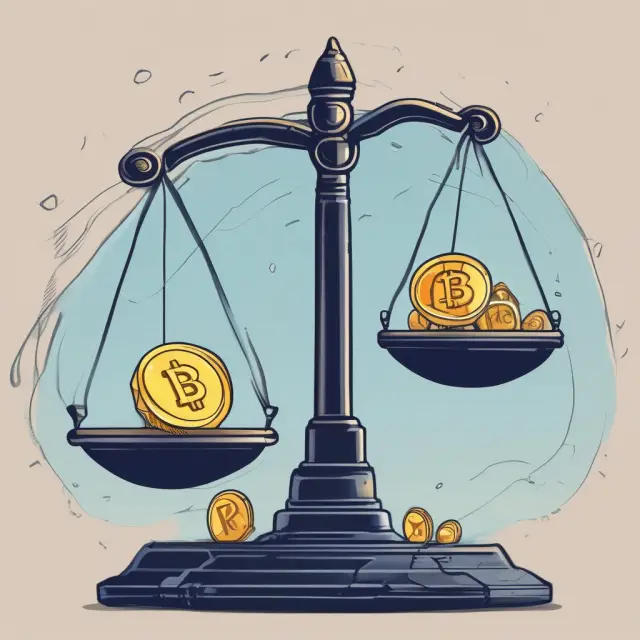
Blockchain Wallet vs. Traditional Banking
When it comes to managing finances and investments, both blockchain wallets and traditional banking systems have distinct advantages and differences. Let’s delve deeper into how these two systems compare in terms of transaction speed and accessibility.
Transaction Speed
Traditional banking systems often require several business days to complete transactions, especially those involving international transfers or wire transfers. In contrast, blockchain wallets facilitate near-instantaneous transactions due to their decentralized nature, allowing users to send and receive cryptocurrencies in real-time. This speed advantage can be significant for professional investors seeking quick turnaround times on investment opportunities.
Accessibility:
Traditional banking systems require users to physically visit a branch or use specific devices like ATMs to access their accounts. However, blockchain wallets offer greater convenience through web and mobile applications, enabling users to manage their investments from anywhere at any time. Additionally, cryptocurrencies can be accessed even when traditional financial services are unavailable due to power outages, internet connectivity issues, or other disruptions.
Security:
Both blockchain wallets and traditional banking systems have security measures in place to protect users’ funds. However, the decentralized nature of blockchain technology makes it resistant to attacks like those targeting centralized financial institutions. Blockchain uses cryptographic algorithms, consensus mechanisms, and decentralized networks to secure transactions and prevent unauthorized access or fraud. Traditional banking systems rely on multiple layers of security including firewalls, encryption, and multi-factor authentication, but they can still be vulnerable to cyber-attacks and data breaches.
Furthermore, blockchain wallets provide users with more control over their financial information through features like seed phrases and private keys. This self-custody aspect of blockchain wallets offers an added layer of security that traditional banking systems do not provide.
Regulatory Compliance
Another factor to consider when comparing blockchain wallets and traditional banking is regulatory compliance. The decentralized nature of cryptocurrencies can present challenges for regulators, making it essential for investors to stay informed about the latest regulations and guidelines. While traditional banking systems are subject to strict regulatory oversight, blockchain wallet providers must navigate a complex landscape that includes both domestic and international laws. Investors should thoroughly research the specific regulatory frameworks and compliance measures of their chosen blockchain wallet provider before making any investment decisions.
In conclusion, while both blockchain wallets and traditional banking systems have unique advantages and differences, understanding these aspects can help investors make informed decisions about managing their finances and investments. By considering factors like transaction speed, accessibility, security, and regulatory compliance, users can find the best solution for their individual needs.

Case Study: Blockchain Wallet’s Security Measures
Blockchain Wallet has become a go-to choice for investors and cryptocurrency enthusiasts due to its robust security features. Let us explore some real-life examples of how these protections have come into play, safeguarding users’ assets from potential threats.
Passwordless recovery: One significant concern when dealing with digital wallets is the loss or theft of passwords. Blockchain Wallet does not store user passwords and provides an alternative means for passwordless recovery through a mnemonic seed. A seed is a sequence of random words that functions as a master key, allowing users to restore their wallet in its entirety.
In one instance, a user had his phone stolen and was unable to access his Blockchain Wallet due to the loss of his password. Fortunately, he had saved his mnemonic seed phrase offline beforehand, enabling him to recover his account swiftly. This incident highlights the importance of storing the seed in a secure location separate from the device, ensuring that users can regain access to their wallets in case of emergencies.
IP Whitelisting: Blockchain Wallet’s IP whitelist feature adds an additional layer of security by restricting account access to specified IP addresses only. This measure thwarts unauthorized login attempts from unfamiliar locations, making it more difficult for attackers to gain entry to the user’s wallet.
One user shared his experience when he received a phishing email that attempted to trick him into revealing his login credentials by posing as Blockchain. The user had an IP whitelist in place, preventing the suspicious login attempt from gaining access to the account. This incident demonstrates how IP whitelisting effectively deters potential cyber attacks.
Dynamic Fees: Although a topic of contention among users, dynamic fees introduced by Blockchain Wallet help maintain network integrity and ensure transactions are processed efficiently. In an attack on the Ethereum network in 2017 known as the “Denial-of-Service (DoS) attack,” hackers attempted to flood the network with transaction requests to manipulate gas prices, making it challenging for genuine users to complete their transactions.
Dynamic fees came into play during this crisis, enabling the Ethereum community to adjust the fee market and counteract the DoS attack by bidding on higher gas prices for their transactions. This example underlines the importance of dynamic fees in maintaining the stability and security of cryptocurrency networks.
Blockchain Wallets and Institutional Investors
In today’s evolving investment landscape, more institutional investors are exploring blockchain technologies and cryptocurrencies as viable alternatives to traditional financial markets. One essential component in the adoption of digital currencies by professional investors is a robust and secure wallet system for storing their assets. Enter the Blockchain Wallet: an innovative solution that not only meets the demands of retail users but also caters to institutional needs.
Blockchain Wallet, provided by the software company Blockchain, serves as a digital wallet enabling users to store, manage, and trade various cryptocurrencies. In recent years, this e-wallet has garnered attention within the investment community due to its comprehensive features and integrations with portfolio management systems. Let’s explore how it fits into the institutional landscape and the unique benefits it offers.
Portfolio Management Systems Integration
Institutional investors are accustomed to managing their assets through sophisticated, customized portfolio management systems (PMS). These tools allow them to track investments, analyze market trends, execute trades efficiently, and maintain regulatory compliance. Incorporating blockchain wallets into these PMS is crucial for institutions to streamline the process of managing their cryptocurrency holdings alongside traditional assets.
Blockchain Wallet offers APIs that enable integration with popular portfolio management systems like Bloomberg Terminal, BlackRock’s Aladdin, and State Street Alpha. By integrating blockchain wallets into these platforms, institutions can access real-time data on their crypto holdings while maintaining a unified view of their overall investment portfolio.
Regulatory Compliance and Security
Security is a top concern for institutional investors, particularly with the volatile nature of cryptocurrencies and the risks associated with hacking or loss of private keys. Blockchain Wallet addresses these concerns by offering robust security features, such as two-factor authentication (2FA), multi-signature support, IP whitelisting, and a recovery phrase.
Two-Factor Authentication is an additional layer of security that requires users to provide both their password and a verification code from their mobile device before accessing the wallet. Multi-signature support allows for multiple signatures to be required for a transaction, which can help prevent unauthorized activity. IP whitelisting restricts access to the wallet only to specific IP addresses, ensuring that only authorized personnel can manage the assets. Lastly, the recovery phrase is a backup solution that enables users to restore their wallet in case of loss or theft.
Embracing Blockchain Wallets: A Winning Strategy
The integration of blockchain wallets into institutional investment strategies is a natural progression as more traditional financial institutions and professional investors recognize the benefits of these digital assets. With features like robust security, easy asset management, and regulatory compliance, it’s clear that solutions like Blockchain Wallet are paving the way for a new era in finance and investment.
As institutional investors continue to explore the world of cryptocurrencies, blockchain wallets will remain an essential component in their decision-making process. By choosing a secure, reliable, and fully integrated solution like the Blockchain Wallet, institutions can confidently navigate the digital asset market while safeguarding their investments.

Frequently Asked Questions about Blockchain Wallets
For those new to using a blockchain wallet, it’s natural to have questions and concerns regarding its functionality and security features. Below are answers to some frequently asked questions that may help clarify your understanding of this innovative digital wallet system.
What exactly is a Blockchain Wallet?
A blockchain wallet refers to both the company, Blockchain, which provides the service, as well as the digital wallet itself. This unique wallet allows users to securely store, send, receive, and manage various cryptocurrencies like Bitcoin, Ethereum, Litecoin, and more. By using a decentralized approach that eliminates intermediaries, blockchain wallets offer greater control and flexibility for managing your digital assets.
How do I set up a Blockchain Wallet?
To begin using a Blockchain wallet, you’ll need to create an account by providing an email address and choosing a strong password. Once registered, you’ll be directed to a page where you can receive your unique wallet address and mnemonic seed phrase for backup purposes. It is crucial that you securely store this information as it’s the only way to access or recover your funds if needed.
What are dynamic fees in Blockchain Wallet?
Dynamic fees refer to transaction fees that change based on various factors, such as network congestion and competition for confirmation priority. By paying a higher fee, users can increase their chances of having their transactions confirmed faster. However, it’s important to note that there is no guaranteed fee that ensures instant confirmation, as the final processing time still depends on the specific conditions of the Bitcoin network at any given moment.
Is my information secure with Blockchain Wallet?
Yes, security is a top priority for Blockchain Wallet. The company does not store user passwords or mnemonic seeds, and all transactions are encrypted using industry-standard encryption techniques to protect your funds from unauthorized access. Additionally, blockchain wallet users can enable two-factor authentication and IP whitelisting to add an extra layer of protection.
Can I lose my cryptocurrencies if I forget my password or mnemonic seed?
If you lose your password or mnemonic seed, you risk losing access to your funds forever. That’s why it’s essential to store these details securely and never share them with anyone. The Blockchain Wallet does not have a way to recover lost passwords or seeds, making the importance of securing this information paramount for successful wallet management.
How can I manage my balances in my Blockchain Wallet?
To manage your cryptocurrency balances in your Blockchain Wallet, you’ll need to access your account by logging in with your email address and password. Once logged in, you can view your current balance, send or receive crypto-assets, and swap between different cryptocurrencies. It’s also important to note that transaction confirmations may take some time depending on network conditions and fees.
Can I use Blockchain Wallet for international transactions?
Yes, blockchain wallets are borderless by nature, making them ideal for international transactions. There are no geographical restrictions when it comes to sending or receiving cryptocurrencies through a Blockchain Wallet, allowing users from all around the world to easily and securely manage their digital assets.
 Next entry · No. 442Understanding the Immutable Ledger: A Comprehensive Guide to Blockchains
See also
-
 No. 845
18 Jun 2024
27 min
Understanding Money and Currency: A Comprehensive Guide for Institutional Investors
Finance Policy
No. 845
18 Jun 2024
27 min
Understanding Money and Currency: A Comprehensive Guide for Institutional Investors
Finance Policy -
 No. 5,666
27 Sep 2025
18 min
Understanding Weis: The Smallest Unit of Ether on Ethereum Blockchain
Crypto
No. 5,666
27 Sep 2025
18 min
Understanding Weis: The Smallest Unit of Ether on Ethereum Blockchain
Crypto -
 No. 4,191
29 May 2025
18 min
Understanding Qtum: Combining Bitcoin’s Security with Ethereum’s Flexibility for Businesses
Crypto
No. 4,191
29 May 2025
18 min
Understanding Qtum: Combining Bitcoin’s Security with Ethereum’s Flexibility for Businesses
Crypto -
 No. 3,803
28 Apr 2025
18 min
Understanding Orphan Blocks in Blockchain: Definition, Differences from Stale Blocks, and Impact on Bitcoin Mining
Crypto
No. 3,803
28 Apr 2025
18 min
Understanding Orphan Blocks in Blockchain: Definition, Differences from Stale Blocks, and Impact on Bitcoin Mining
Crypto -
 No. 3,677
18 Apr 2025
21 min
Understanding On-Chain Governance in Cryptocurrency: Decentralized or Centralized?
Crypto
No. 3,677
18 Apr 2025
21 min
Understanding On-Chain Governance in Cryptocurrency: Decentralized or Centralized?
Crypto -
 No. 2,237
21 Dec 2024
19 min
The Howey Test: Understanding Securities Regulation in Cryptocurrencies and ICOs
Crypto
No. 2,237
21 Dec 2024
19 min
The Howey Test: Understanding Securities Regulation in Cryptocurrencies and ICOs
Crypto