Understanding Near-Field Communication (NFC): The Future of Payment and Connection
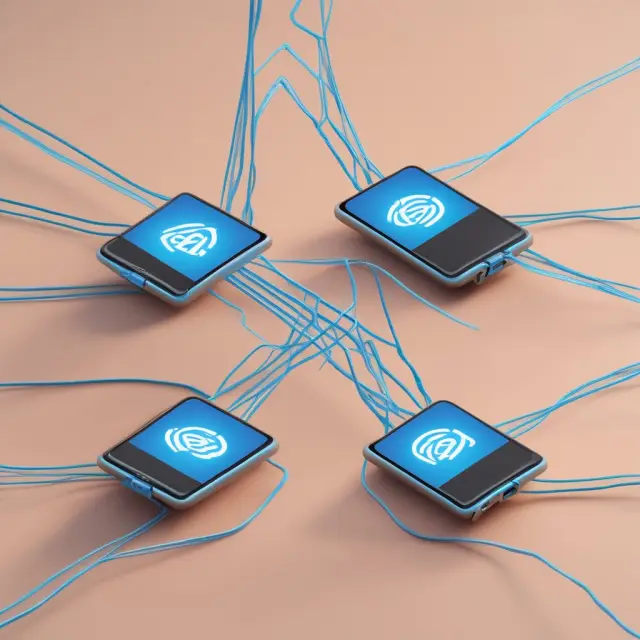
Understanding NFC: Exploring its evolution, modes, benefits, risks, applications, security, FAQs & myths
Introduction to Near-Field Communication (NFC)
Near-field communication (NFC), a short-range wireless technology, is revolutionizing the way devices communicate and exchange data. This game-changing tech enables your smartphone, tablet, payment cards, wearables, and other gadgets to interact seamlessly. Originally adopted by the payment industry for contactless payments, NFC is now expanding into numerous applications worldwide (Baumann, 2018). In this section, we’ll delve deeper into the basics of NFC technology: what it is, how it works, and its evolution from RFID to the present day.
Understanding Near-Field Communication (NFC)
Near-field communication (NFC) operates by using electromagnetic radio fields to facilitate device interaction at short distances. Both devices must have NFC chips for data transfer, with transactions only occurring when they are touching or very close. This intentional exchange ensures a low chance of accidental transactions (Selzter, 2018).
Functioning as an extension of RFID technology, NFC combines four essential elements: an NFC microchip within the device that acts as an antenna and receiver; a reader/writer that scans and manages data exchanges between devices; an NFC software application on the device that utilizes received data; and an information or communications service provider (ISP) managing all device communications through the ISP.
Near-field communication technology can operate in three primary modes: reader/writer mode, peer-to-peer mode, and card emulation mode, as outlined below.
Section Title: How Near-Field Communication Technology Works and Its Modes of Operation
Near-field communication (NFC) operates by using electromagnetic radio fields to enable two devices to communicate with each other at short ranges. This technology can replace or supplement traditional Bluetooth and WiFi connections in many applications, such as payments, content sharing, pairing devices, and establishing connections between networked machines. In this section, we will discuss the basics of how NFC works, including its modes of operation: reader/writer mode, peer-to-peer mode, and card emulation mode.
Understanding the Basics of Near-Field Communication (NFC) Technology
Near-field communication (NFC) is a short-range wireless technology that lets your smartphone, tablets, wearables, payment cards, and other devices communicate with each other through electromagnetic radio fields. With NFC, you can transfer information between devices quickly and easily, making everyday tasks more convenient and efficient.
In order to understand how NFC works, it’s essential first to grasp the fundamental concept of short-range wireless communication. NFC operates on a principle called “inductive coupling,” which means that two devices establish contactless communication through magnetic fields generated by their respective antennas. When an NFC-enabled device is brought within a few centimeters (around 4 inches) of another NFC-enabled device, a connection is established.
To make the most out of NFC technology, it’s important to note that all devices involved need to have an NFC chip and be enabled for this type of communication. NFC chips come in two flavors: Type 1 (or Classic) and Type 2 (or PN53x). The primary difference between these types is their capabilities. Type 1 chips focus on reading data from passive tags, whereas Type 2 chips allow for both reading and writing data.
The NFC process can be broken down into the following steps:
- Initialization: Both devices detect each other’s presence using their respective antennas.
- Connection: The devices exchange authentication messages to secure the connection between them.
- Data transfer: Once the connection is established, data is exchanged as needed.
- Termination: When both parties have completed the desired task, the NFC connection terminates.
Three Modes of Operation for Near-Field Communication (NFC)
Near-field communication technology offers three primary modes of operation: reader/writer mode, peer-to-peer mode, and card emulation mode. Understanding these modes will help you harness the full potential of NFC technology in various applications.
1. Reader/Writer Mode: This is the most common use case for NFC technology. In this mode, one device acts as a reader while the other functions as a tag or writer. The reader sends a query to the tag and reads the data it contains. For instance, when paying with an NFC-enabled contactless card, the payment terminal functions as a reader, and your card is the tag.
2. Peer-to-Peer Mode: In this mode, two devices communicate with one another directly without the need for a separate reader or writer. This communication can be used for various purposes such as content sharing, device pairing, and establishing wireless connections between machines. For example, if you want to exchange contact information with someone, simply tap your NFC-enabled phones together, and the data will be transferred automatically.
3. Card Emulation Mode: In this mode, an NFC-enabled device can function as a replacement for traditional payment cards (e.g., credit or debit cards) by emulating their magnetic stripe or contactless functionality. When your phone is in card emulation mode and you make a purchase, the terminal reads the data from your phone’s NFC chip instead of the physical card.
In conclusion, near-field communication (NFC) technology offers a wide range of benefits, including convenience, security, and sharing capabilities, making it a valuable asset in our increasingly connected world. In the following sections, we will delve deeper into the history, advantages, limitations, and potential risks associated with NFC technology. Stay tuned!
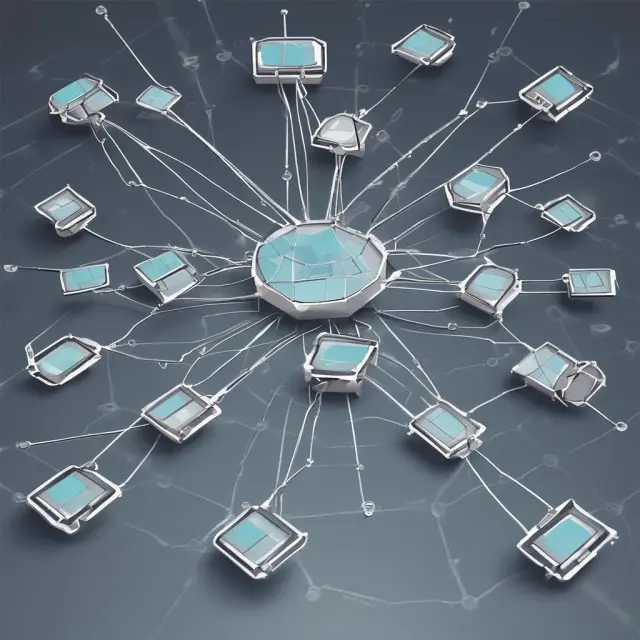
How Does Near-Field Communication (NFC) Work?
Near-field communication (NFC) is a revolutionary short-range wireless technology, enabling seamless data exchange and transactions between compatible devices with just a simple touch. This section will delve into the intricacies of how NFC functions, from electromagnetic radio fields to its three primary modes: reader/writer, peer-to-peer, and card emulation.
**Understanding NFC’s Electromagnetic Fields:** NFC operates by transmitting data through electromagnetic radio fields, allowing devices to communicate when they are in close proximity. When two NFC-enabled devices come within a few centimeters of each other, their NFC chips exchange information. This eliminates the need for human intervention or manual input, ensuring quick and accurate transactions.
**The Role of an NFC Microchip:** At the heart of an NFC device is the microchip itself. The microchip acts not only as a receiver but also as an antenna, transmitting and receiving information between devices. NFC chips can store both read-only and writable data, making them versatile for various applications, such as payment cards or personal identification.
**The Reader/Writer:** An essential component of the NFC ecosystem is the reader/writer, which facilitates communication between two NFC-enabled devices. A reader/writer can be any device with NFC capabilities, like a smartphone, tablet, laptop, or specialized scanner. The reader/writer decodes the data transmitted by an NFC tag and can provide further instructions, allowing for actions such as opening a URL or initiating a contact transfer.
**NFC Software Application:** A key element of any NFC-enabled device is its software application, which enables the user to access and control various NFC features. This includes configuring settings, managing stored data, and deciding which applications can use NFC functionality.
**The Information or Communications Service Provider (ISP):** The role of an ISP in NFC transactions cannot be understated. An ISP manages the communication between devices during a transaction, ensuring secure and efficient data transfer. In addition to managing transactions, ISPs also provide essential services such as authentication, encryption, and error checking.
In the next section, we’ll explore the different modes of operation for NFC: reader/writer, peer-to-peer, and card emulation. These modes open up a world of possibilities for NFC technology, enabling various applications beyond just payments.
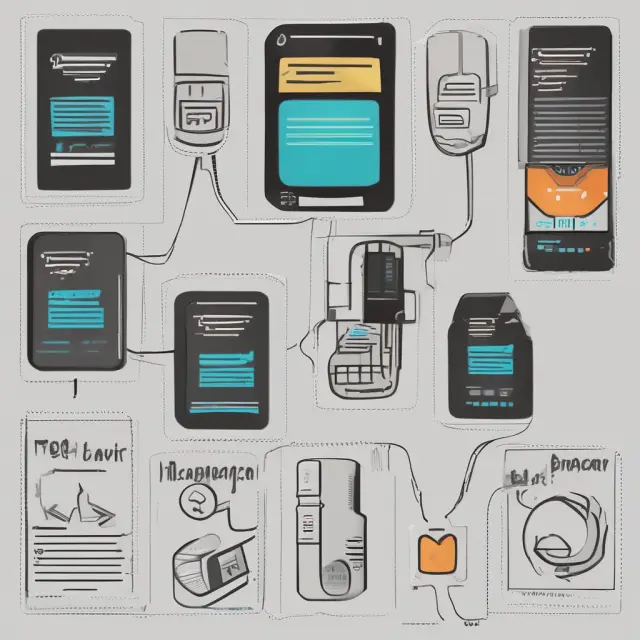
Three Modes of NFC: Reader/Writer, Peer-to-Peer, Card Emulation
Near-field communication (NFC) is a revolutionary short-range wireless technology that allows devices to communicate with each other through a simple touch. NFC comes in three primary modes: reader/writer, peer-to-peer, and card emulation. Each mode serves unique purposes and can significantly impact the way we connect, share information, and make transactions.
Reader/Writer Mode
Reader/writer (R/W) is the most common NFC mode, which enables a device to read data from another NFC tag or an RFID tag (a passive technology). This mode is particularly useful for marketing purposes, as it allows businesses to provide customers with quick and valuable information. For example, when tapping an NFC-enabled smartphone on an NFC-tagged poster at a retail store, users can instantly access deals, promotions, or company information. Similarly, tapping your phone against an NFC-enabled transit card reader enables you to load funds onto the card and travel hassle-free.
Peer-to-Peer (P2P) Mode
Peer-to-peer (P2P) mode allows devices to exchange data directly between each other, without requiring an intermediary device or network access. This communication takes place through a secure, encrypted connection. P2P mode is ideal for situations where quick information sharing is essential, such as exchanging contact details, images, or documents with friends during social gatherings.
Card Emulation Mode
Card emulation (CE) mode lets an NFC-enabled device mimic the functionality of various cards like debit and credit cards, loyalty cards, and even driver’s licenses. This mode is particularly valuable for contactless payments as it eliminates the need to carry a wallet full of cards. By tapping your smartphone against a payment terminal, the terminal reads the data from your virtual card, processing the transaction instantaneously.
Real-world Use Cases:
- In a retail store, you can tap an NFC tag on a product’s packaging to get more information about it or make a purchase without standing in line at the checkout counter.
- During a business meeting, you can exchange contact information with another professional by tapping phones.
- At a public transportation hub, you can tap your smartphone against an NFC ticket reader instead of swiping a physical ticket to access subway or bus services.
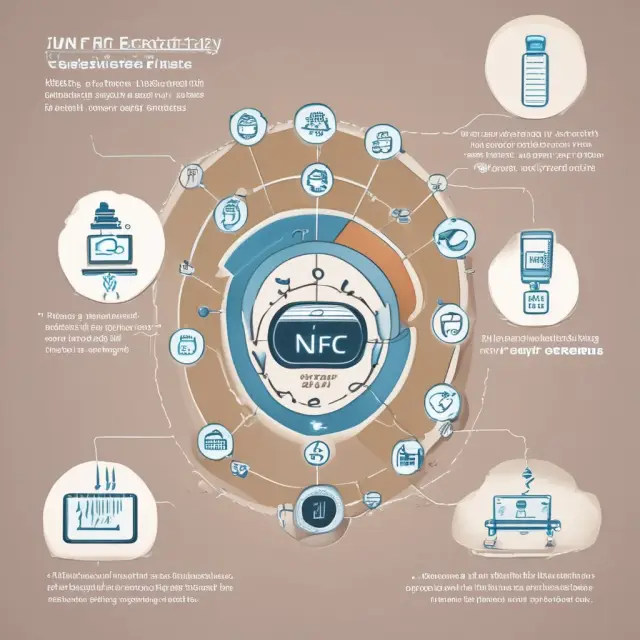
The Evolution and History of Near-Field Communication (NFC)
Near-field communication (NFC) has come a long way since its inception, revolutionizing various industries with its short-range wireless technology. Originating from RFID’s roots as a passive tracking technology, NFC has transformed into an essential tool for seamless and secure data transfer between devices. In this section, we delve into the intriguing history of NFC, starting from its beginnings in the payment industry to its current widespread usage.
The origins of near-field communication can be traced back to radio-frequency identification (RFID) technology, which emerged as a means to track goods and merchandise using electromagnetic waves in the late 1960s. NFC made its appearance around 2003 when it was recognized for its potential beyond RFID’s passive functionality, enabling two-way communication between devices, thereby opening doors to new applications like contactless payments and peer-to-peer interactions.
In 2004, three major companies – Nokia, Philips, and Sony – united to form the Near Field Communication Forum (NFC Forum), an international nonprofit organization dedicated to promoting and standardizing the use of NFC technology in everyday life. The forum’s efforts bore fruit when Nokia introduced the world’s first NFC-enabled mobile phone, the 6131 NFC, in 2007.
The following year, the NFC Forum published its specifications for the technology, paving the way for various industries to create innovative consumer products and services that catered to the growing demand for contactless transactions and seamless communication between devices. In the decade that followed, the telecommunications sector launched numerous pilot projects to explore the potential of this groundbreaking technology.
In 2010, the first real-world implementation came with the launch of Google Wallet (later renamed Google Pay), which allowed users to store credit cards and make contactless payments using their mobile devices. However, it took a few more years before NFC gained significant traction among consumers. One notable milestone was the adoption of NFC technology by New York City’s Metropolitan Transportation Authority in 2017. This initiative enabled riders to pay for subway fares using their smartphones, marking a major step towards universal acceptance and integration of NFC technology into everyday life.
Fast forward to today, and NFC has made its way beyond contactless payments and has become an essential component in various industries like advertising, ticketing, access control, public transportation, and more. The versatile technology now serves as the backbone for several popular solutions such as Apple Pay, Google Wallet, Samsung Pay, and Android Beam.
The evolution of near-field communication not only represents a significant leap forward in terms of convenience and speed but also offers an intriguing glimpse into the future possibilities of wireless communication, promising a world where seamless data transfer and instantaneous interactions are just a touch away.
Benefits of Near-Field Communication (NFC): Convenience, Security, Sharing
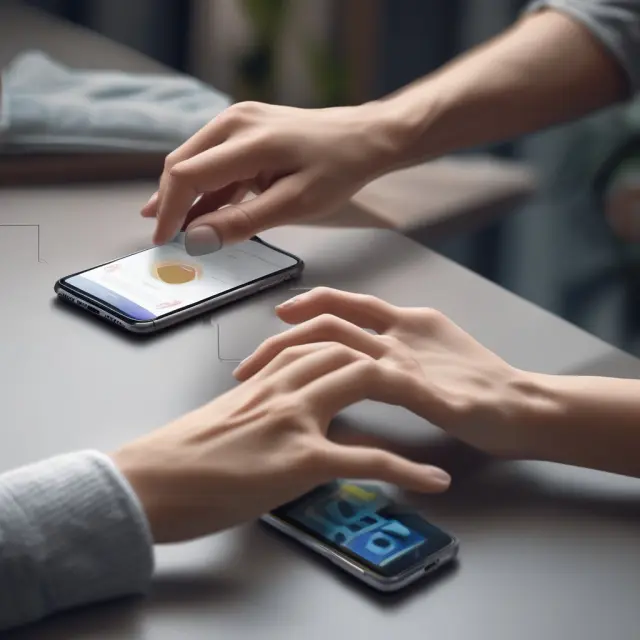
Near-field communication (NFC) is revolutionizing the way we live by enabling seamless and secure transactions, content sharing, and establishing connections between devices. This versatile technology has evolved from its origins in payment systems to a myriad of industries worldwide. In this section, we delve deeper into the convenience, security, and sharing benefits that NFC offers consumers.
Convenience: The Power of Touch
Near-field communication is a contactless technology that enables devices to communicate through electromagnetic radio fields. Transactions occur within a short range—typically a few centimeters—and require no physical interaction between users. This ease and convenience are particularly evident when it comes to making payments. With just one tap, NFC-enabled devices can process transactions, eliminating the need for cash or cards. Moreover, the ability for these devices to store multiple payment methods allows users to manage their wallets more efficiently.
Additionally, NFC facilitates content sharing and establishing wireless connections between devices in an instant. For example, tapping two phones together can transfer contact information or download coupons directly from a merchant’s smart poster. This quick and effortless exchange of data adds value to everyday interactions.
Security: Encrypted Transactions and Tokenization
The security benefits of NFC come from the technology’s encryption capabilities and tokenization process. NFC employs 128-bit or higher encryption to safeguard transactions, ensuring privacy and preventing unauthorized access. Furthermore, instead of storing credit card information directly on devices, NFC utilizes tokenization—a process where virtual tokens replace sensitive data during transactions. This significantly reduces the risk of data breaches and ensures that users’ personal information remains secure.
Sharing: Instantly Connect and Collaborate
The convenience of NFC extends to content sharing between devices. When two devices are brought close together, they can exchange information with a simple tap. This technology has numerous applications, including sharing files, music, and documents. In the business world, NFC-enabled devices can facilitate collaboration by allowing team members to share project updates in real time. The ease and speed of this process saves time and resources while enhancing productivity.
In conclusion, near-field communication offers a range of benefits that cater to consumers’ desire for seamless transactions, convenient content sharing, and enhanced security. As the technology continues to evolve, we can expect further advancements in various industries, making NFC an indispensable tool for our connected world.

Drawbacks and Potential Risks of Near-Field Communication (NFC)
Despite its convenience, security remains a primary concern when it comes to near-field communication technology. NFC relies on radio waves and short-range connectivity, which can leave the technology vulnerable to power constraints, cyber attacks, and digital pickpocketing risks. Let’s examine these challenges in detail.
Power Constraints
One significant limitation of NFC is its dependency on battery power. Unlike Wi-Fi or Bluetooth technologies that can range for miles, NFC requires close proximity between devices to work efficiently. This means that the technology is more susceptible to draining batteries when devices are in constant use. For instance, if a user frequently makes contactless payments using an NFC-enabled smartphone, they may experience quicker battery depletion. While power management strategies such as automatic sleep and wake modes can extend battery life, it is still crucial for users to remember to charge their devices regularly.
Security Concerns
Near-field communication technology’s security has been a matter of debate among experts due to the potential risks associated with the technology. One major concern is digital pickpocketing – when hackers use specialized devices called skimmers or readers to steal sensitive information from NFC-enabled cards and devices without the user’s knowledge. Since NFC operates on short-range radio waves, it’s essential that users keep their devices secure by maintaining physical control over them. Additionally, NFC chips may be vulnerable to malware attacks, which can lead to unauthorized access of personal information. For this reason, it is important for individuals and businesses to employ robust security measures, such as encryption, two-factor authentication, and other best practices to protect their devices and sensitive data from potential threats.
Another potential risk with NFC technology lies in its peer-to-peer functionality. As NFC allows devices to communicate directly without requiring an intermediary network, it increases the possibility of man-in-the-middle attacks, where malicious actors can eavesdrop and intercept communications between two parties, potentially stealing sensitive data such as login credentials or financial information. This risk is particularly relevant when using NFC for mobile payments, which requires users to enter their payment details into an NFC terminal. To mitigate these risks, it’s essential that individuals and businesses stay updated on the latest security patches and best practices for protecting their devices and networks from cyber attacks.
In conclusion, while near-field communication (NFC) technology holds immense potential in revolutionizing various industries by enabling seamless contactless transactions, data sharing, and connectivity, it also poses unique challenges related to power constraints and security concerns. It is crucial for individuals and businesses to stay informed of these risks and employ the necessary measures to protect their devices and sensitive data while enjoying the benefits of this advanced technology.
Applications of Near-Field Communication (NFC) Beyond Payments
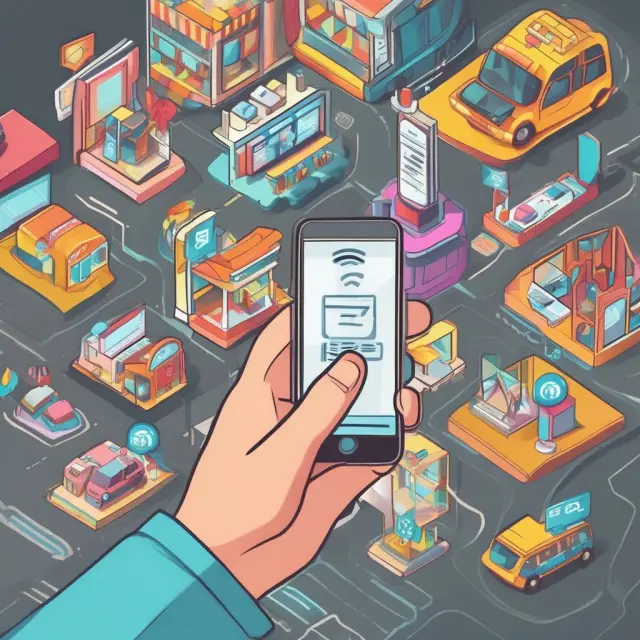
Near-field communication (NFC) has revolutionized the payment industry, but its applications extend far beyond making transactions. From advertising and ticketing to access control and public transportation, NFC is transforming industries worldwide with its convenience and connectivity features.
Advertising:
NFC technology has significantly impacted advertising by enabling more targeted and interactive campaigns. Advertisers can create “smart posters” or “smart billboards” that allow users to interact with ads via their mobile devices, leading to higher engagement levels and stronger brand recall. When a user touches their NFC-enabled phone to the advertised material, they are directed to the business’s website, promotional video, or special offer, creating an immersive marketing experience.
Ticking:
Near-field communication has become increasingly popular in the ticketing industry due to its quick and contactless nature. With NFC tickets, consumers can easily gain access to events, museums, amusement parks, and more by simply tapping their phones or wearables on the reader at the entrance. This eliminates the need for physical tickets and reduces the chances of losing or forgetting them. Moreover, digital ticketing allows users to receive real-time updates about event schedules, transportation information, and special offers, enhancing their overall experience.
Access Control
Near-field communication technology is finding its place in access control systems, providing a more convenient, secure, and efficient alternative to traditional keys or access cards. NFC keys can be programmed with various levels of access rights, allowing businesses to manage employee access privileges easily. Additionally, NFC provides the added benefit of real-time monitoring and tracking, ensuring that only authorized personnel are granted entry to restricted areas.
Public Transportation
Near-field communication is making transportation more accessible and convenient for travelers around the world. In 2017, New York City’s Metropolitan Transit Authority (MTA) implemented a system called OMNY, which allows riders to pay their fares using NFC-enabled phones or contactless credit cards by simply tapping at turnstiles and bus readers. This eliminates the need for MetroCards and reduces wait times at ticket kiosks. Similar initiatives are being rolled out in cities like London and Chicago, providing users with a seamless transit experience.
Future Prospects
As NFC technology continues to evolve and mature, new applications and partnerships will emerge. For instance, NFC-enabled cars can communicate with traffic infrastructure, improving safety and reducing congestion. NFC-powered home appliances can automate tasks based on the user’s preferences, such as adjusting temperature settings or turning on/off lights. The potential for innovation is vast, and the possibilities are endless.
Security Measures
While NFC offers numerous benefits, it also comes with security risks. To protect privacy and personal information, users should practice good security habits like enabling two-factor authentication, keeping their devices updated, and using strong passwords. Additionally, consumers should be cautious when sharing their location data or sensitive information via NFC-enabled applications and should only use trusted sources for these transactions.
In conclusion, Near-field communication technology is a game-changer in the finance and investment sectors, with its ability to simplify transactions and connect devices seamlessly. As demonstrated in this article, NFC’s reach extends far beyond payments and into industries like advertising, ticketing, access control, and public transportation. By understanding the ins and outs of this technology, investors and consumers alike can make informed decisions and stay ahead of the curve in a world where convenience is key.
Future Prospects and Developments in Near-Field Communication (NFC)
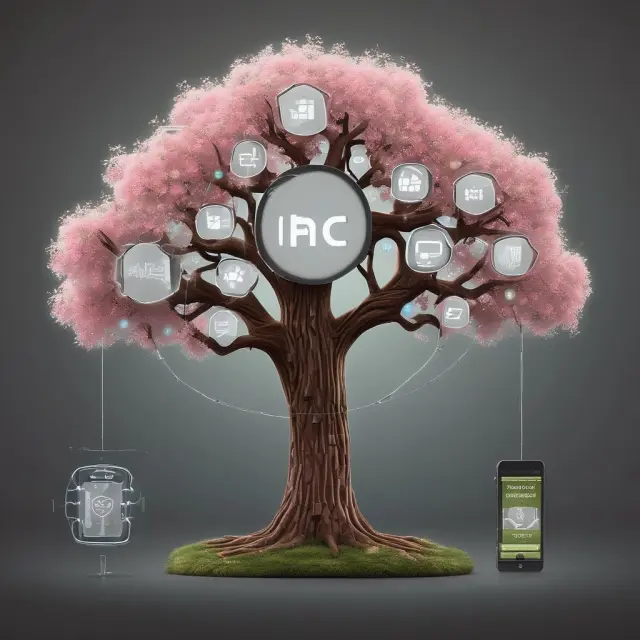
Near-field communication (NFC) technology has come a long way since its early days as a payment system alternative. Today, it’s becoming an integral part of our daily lives, offering convenient interactions between devices, improved security features, and a wide range of applications. In this section, we will delve into the future prospects and developments in NFC technology.
Advancements and Partnerships
NFC is experiencing rapid advancements through partnerships with companies like Google (NASDAQ: GOOG), Apple (NASDAQ: AAPL), Samsung, and others. These collaborations are leading to a more seamless user experience and further expanding the applications of NFC technology. For instance, Google’s Android Pay is now called Google Wallet and has integrated NFC technology to enable contactless payments across multiple platforms, including point-of-sale (POS) systems and digital wallets. Apple Pay, on the other hand, is available on all iPhone models with an NFC chip, allowing users to make contactless transactions with ease.
Opportunities in Various Industries
The potential applications of NFC technology extend beyond payments. For example, it can be integrated into smart posters for advertising purposes, enabling consumers to tap their phones on posters to receive more information or interact with the brand. In the transportation sector, NFC is being used for contactless ticketing systems, improving convenience and reducing the need for physical tickets. Moreover, NFC technology has great potential in the healthcare industry for storing electronic medical records, enabling secure sharing of patient data between healthcare providers.
Security and Encryption
NFC’s security features continue to evolve with advancements in encryption technologies. Google Wallet and Apple Pay use tokenization and multi-factor authentication to protect user information during transactions. Additionally, NFC’s close proximity requirement for communication adds an extra layer of security compared to traditional wireless technologies like Wi-Fi or Bluetooth.
International Expansion and Adoption
As NFC technology becomes more widespread, we can expect further expansion into global markets. China, in particular, has seen rapid growth in NFC adoption due to its dominance in mobile payments through services like Alipay (NYSE: AYI) and WeChat Pay (OTCMKTS: WTMAF). The integration of NFC technology into these platforms will provide a convenient payment option for users traveling abroad.
Innovation and Research
The future of NFC technology is ripe with opportunities for innovation, as researchers explore ways to improve its capabilities. For example, scientists are investigating the use of NFC chips in clothing, allowing users to make contactless payments through their clothes. Additionally, NFC technology is being integrated into vehicles, enabling contactless car sharing and access control.
In conclusion, near-field communication (NFC) technology has come a long way since its early days as a payment system alternative and will continue to evolve in the coming years. With advancements in partnerships, industries, security features, and research, NFC is poised to become even more integrated into our daily lives.
Security Measures and Best Practices for Using Near-Field Communication (NFC)
As the adoption of near-field communication technology (NFC) grows, it’s essential to be aware of the security measures and best practices to ensure your privacy and personal information are protected. NFC enables devices to communicate with each other through electromagnetic radio fields within a short distance, making it an excellent tool for contactless payments, sharing content, and establishing wireless connections. However, it also brings potential risks that consumers need to address.
1. Secure Your Device
Ensure your NFC-enabled device is secure by using strong passwords or passcodes, enabling automatic locking features, and updating software regularly. Also, avoid storing sensitive information directly on your NFC device if possible. Instead, use encryption or cloud-based storage services to protect your data.
2. Be Aware of Your Surroundings
Avoid using your NFC device in public areas where it may be susceptible to pickpocketing or theft. Keep a close eye on your belongings and consider using a purse, bag, or wallet that’s difficult to access quickly.
3. Use NFC Shielding Materials
Consider investing in NFC-blocking materials, such as RFID wallets and sleeves, to prevent unauthorized access to your NFC data when not in use. These products can help protect your identity and personal information from digital pickpocketing and other potential threats.
4. Enable Security Features
Most modern devices come with security features like automatic locking or remote wipe capabilities. Make sure these features are enabled to prevent unauthorized access if your device is lost or stolen. Also, consider using two-factor authentication for added protection.
5. Be Mindful of Public Wi-Fi Networks
Public Wi-Fi networks can be convenient but also pose security risks. Avoid conducting sensitive transactions over public Wi-Fi, especially when using NFC to make payments. Instead, opt for a secure and trusted network whenever possible.
6. Understand Your Device’s Limits
Be aware of your device’s battery life, as an NFC-enabled device must have sufficient power to process transactions. Also, be mindful of the limitations of NFC technology itself, which relies on line-of-sight communication and a short range. This can make it easier for thieves or hackers to interfere with your communications if they’re in close proximity.
7. Stay Informed
Keep up with the latest developments in near-field communication technology and security measures. Familiarize yourself with any new features, updates, and best practices that can help protect your privacy and personal information. By staying informed, you’ll be better equipped to use NFC safely and confidently.
FAQs and Common Myths about Near-Field Communication (NFC)
Near-field communication (NFC) technology is gaining popularity for its convenience in making wireless transactions, but there are still some common misconceptions surrounding it. In this section, we address frequently asked questions and common myths about NFC technology.
What is the range of NFC?
NFC operates within a short distance, typically less than 4 inches, between devices to establish a wireless connection.
Is NFC dangerous?
No, NFC does not emit radiation or pose any health risks, contrary to some myths suggesting otherwise.
How is NFC different from Bluetooth?
While both technologies enable wireless connectivity, NFC operates over shorter distances and with simpler pairing procedures compared to Bluetooth.
Can my phone be hacked through NFC?
The risk of phone hacking through NFC is minimal because it requires proximity and intentional activation. However, precautions such as password protection and updates can further enhance security.
Does NFC work through wallets or clothing?
NFC may not function through thick materials like wallets or certain fabrics that block the electromagnetic fields required for data transfer. However, RFID shielding wallets can help protect against unwanted scans.
How does NFC compare to contactless payments?
Contactless payment systems such as Apple Pay and Google Wallet use NFC technology to enable wireless transactions. NFC offers the same convenience, security, and speed of contactless payments but is also applicable to other uses like sharing data or pairing devices.
Can NFC be used for distance transactions?
No, NFC cannot be used for long-distance transactions since it requires a short range to function effectively.
What are some potential risks and limitations of NFC?
Possible risks include security concerns due to data breaches and power constraints when devices run out of battery. However, continuous advancements in technology aim to address these issues.
In conclusion, near-field communication (NFC) offers numerous benefits such as convenience, security, and sharing capabilities. While there are some misconceptions about NFC, proper understanding and implementation can lead to a more successful and satisfying user experience.
 Next entry · No. 3,374Understanding Near Money: Definition, Importance and Differences from Money
See also
-
 No. 1,533
29 Sep 2024
24 min
Understanding Fintech: Disrupting Financial Services with Technology
Fintech
No. 1,533
29 Sep 2024
24 min
Understanding Fintech: Disrupting Financial Services with Technology
Fintech -
 No. 1,073
24 Jul 2024
23 min
Understanding Distributed Ledger Technology (DLT): A Comprehensive Guide for Institutional Investors
Fintech
No. 1,073
24 Jul 2024
23 min
Understanding Distributed Ledger Technology (DLT): A Comprehensive Guide for Institutional Investors
Fintech -
 No. 3,702
20 Apr 2025
19 min
Open Banking: The Future of Financial Services or a Privacy Nightmare?
Finance Policy
No. 3,702
20 Apr 2025
19 min
Open Banking: The Future of Financial Services or a Privacy Nightmare?
Finance Policy -
 No. 4,679
08 Jul 2025
18 min
Understanding Smart Contracts: History, Uses, Pros, Cons, and Examples
Fintech
No. 4,679
08 Jul 2025
18 min
Understanding Smart Contracts: History, Uses, Pros, Cons, and Examples
Fintech -
 No. 3,888
04 May 2025
21 min
Understanding Paga: Nigeria’s Game Changing Mobile Payment Solution for Financial Inclusion
Fintech
No. 3,888
04 May 2025
21 min
Understanding Paga: Nigeria’s Game Changing Mobile Payment Solution for Financial Inclusion
Fintech -
 No. 3,219
10 Mar 2025
18 min
Understanding Mobile Wallets: The Future of Contactless Payments
Fintech
No. 3,219
10 Mar 2025
18 min
Understanding Mobile Wallets: The Future of Contactless Payments
Fintech