Exploring Wearable Technology: From Consumer Accessories to Life-Altering Medical Applications
Exploring the evolution and impact of wearable technology on consumer accessory market and medical applications. From fitness trackers to smart tattoos.
Background and Definition of Wearable Technology
Wearable technology, often referred to as ‘wearables,’ is a category of innovative electronic devices that seamlessly blend into our daily lives by being worn as accessories or embedded in clothing, skins, or even tattoos. These hands-free gadgets have practical applications and are powered by microprocessors, enabling them to send and receive data via the Internet. With the rise of mobile networks, high-speed data transfer, and miniaturized technology, wearable devices have emerged as an essential part of the Internet of Things (IoT).
Wearable technology has evolved from humble beginnings, with eyeglasses being one of its earliest precursors, traced back to the 13th century. Timepieces small enough to be worn were first introduced around 1500, but modern wearables are characterized by their incorporation of a microprocessor and an internet connection (World Wide Wearables, n.d.).
Wearable technology is not new; it has been evolving since eyeglasses were first invented in the 13th century. Timepieces small enough to be worn have been around since about 1500. However, modern wearables are defined by their integration of a microprocessor and an internet connection. The growth of mobile networks and high-speed data transfer enabled the development of this technology (World Wide Wearables, n.d.).
First coined in the late 20th century, wearable technology has seen tremendous growth due to its practicality and convenience. These devices are often worn as accessories or embedded in clothing/skins, providing a seamless and hands-free user experience. Incorporating a microprocessor and an internet connection, these advanced gadgets enable users to access real-time information, communicate, and control various aspects of their lives (World Wide Wearables, n.d.).
Wearable technology offers numerous benefits for various industries and applications, including health, fitness, security, communication, education, entertainment, fashion, and more. As the technology continues to evolve, we can expect to see even more innovative applications and uses that will change the way we live, work, and communicate.
The following sections will delve deeper into the historical context of wearable technology, its first wave of fitness activity trackers and consumer accessories, specialized and practical applications, and various case studies highlighting its impact on industries and individuals alike.
Historical Context: Precursors and Early Innovations
The roots of wearable technology can be traced back to eyeglasses, which were first invented around 1268 by Al-Farabi in Persia or Roger Bacon in Europe. Though it took centuries for eyeglasses to evolve into the stylish and functional accessories we have today, their basic concept laid the groundwork for portable electronic devices.
The next significant leap forward came with timepieces, which emerged around 1500, primarily worn by the wealthy classes for status symbols. However, it wasn’t until the mid-20th century when pocket watches and wristwatches became small enough to be considered wearable technology.
In the 1970s and 80s, the first generation of mobile phones began to materialize, paving the way for portable, wireless communication devices. By the 1990s, advances in miniaturized microprocessors and high-speed data transfer enabled the development of wearable technology as we know it today.
The growth of mobile networks played a significant role in the emergence of consumer wearables like fitness activity trackers in the late 2000s. These devices gained popularity due to their ability to monitor physical activities, track progress, and connect users with online communities for support and motivation.
However, it’s the more recent shift towards specialized applications that has shown real potential for wearable technology. For instance, microchip implants are being used as secure access keys or replacements for traditional passwords, such as those seen in movies like “Mission Impossible.”
The medical field has been particularly receptive to the benefits of wearable technology, with applications ranging from monitoring chronic diseases and detecting early signs of health issues to extending mobility and independence for elderly and disabled individuals. Cyrcadia Breast Monitor’s intelligent patch is a prime example of this trend, as it can transmit crucial information about breast cancer detection to medical professionals for further analysis.
While some wearable technology devices, like Google Glass, have failed to capture the public imagination as fashion accessories, they may still find success in specialized niches and applications. Wearables continue to evolve and change, offering exciting possibilities for a future where our daily lives are enhanced by seamless integration of technology with our physical world.

First Wave: Fitness Activity Trackers and Consumer Accessories
The term “wearable technology” was first coined when microprocessors, mobile networks, and high-speed data transfer technologies converged to create gadgets that could be worn on the body. Fitness activity trackers were the initial wave of wearable technology that captivated consumers’ attention with their ability to monitor daily activities and promote healthier living.
As early as the 13th century, eyeglasses represented one of the earliest examples of wearables. Fast-forward to the 21st century, and we now have devices that can be worn, embedded in clothing or accessories, or even tattooed directly onto the skin. Wearable technology, also known as “wearables,” is a crucial segment of the Internet of Things (IoT).
In the early stages of wearable technology development, mobile networks played a pivotal role. The rapid growth of Wi-Fi networks and high-speed data transfer technologies enabled the creation of gadgets that could be worn as accessories or embedded in fabrics to receive data from the internet. Fitness activity trackers emerged as the first big wave of successful consumer wearable technology.
These devices were designed to monitor daily physical activities such as steps taken, distance covered, and calories burned. Wristwatches evolved into fitness trackers with robust mobile applications that could transmit real-time data to a smartphone or computer. Bluetooth headsets and smartwatches allowed individuals to receive notifications, emails, and text messages while keeping their hands free.
Wearable technology is not just about consumer accessories; it’s also making waves in specialized fields. For example, microchip implants are now being used to replace keys and passwords by enabling secure access to buildings and digital systems using near-field communication (NFC) or radio-frequency identification (RFID).
The real impact of wearable technology can be seen in medical applications. Cyrcadia Health’s Cyrcadia Breast Monitor is a prime example, employing an intelligent patch that detects early signs of breast cancer and transmits the data to a lab for analysis. Other innovative medical devices include smart tattoos containing flexible electronic sensors designed to monitor heart and brain activity, sleep disorders, and muscle function.
In Louisville, Kentucky, wearable technology is revolutionizing air quality monitoring with AIR Louisville’s devices that measure pollutants and identify hotspots for residents with respiratory problems. Wearable medical alert monitors are helping the elderly and impaired maintain independence by providing real-time health information to caregivers and healthcare providers.
Although Google Glass, an internet-connected eyeglasses project, did not succeed as a fashion accessory, it may still re-emerge for specialized uses. The focus in the development of wearable technology now appears to be shifting from consumer accessories to more practical applications that can positively impact people’s lives.

Second Wave: Specialized and Practical Applications
After fitness trackers captured consumers’ attention, the next wave in wearable technology moved towards more specialized and practical applications. These innovations have shown life-changing potential, particularly within medical fields. Microchip implants are one such development that is being explored for use beyond tracking lost pets or replacing keys and passwords.
These tiny devices, typically implanted under the skin of a fingertip, employ near-field communication (NFC) or radio-frequency identification (RFID). Similar to chips used in companion animals, these implants have shown promise as secure alternatives for access control. For instance, they can grant authorized personnel entry to restricted areas without the need for physical keys or cards.
Beyond security applications, medical wearables are transforming healthcare and improving lives. Cyrcadia Health’s Cyrcadia Breast Monitor is one such groundbreaking innovation that leverages intelligent patches to detect early signs of breast cancer and transmit the data to a lab for analysis. By providing real-time information on potential health concerns, this technology allows for earlier interventions and personalized treatment plans.
Another area where wearable technology has made an impact is in improving mobility and independence for elderly and impaired individuals. Wearable medical alert monitors have become essential tools for enabling greater autonomy while ensuring safety. Smartwatches specifically designed to track symptoms and vital signs of those with Parkinson’s disease offer personalized treatment plans, allowing for more effective management of the condition.
The future of wearable technology in the medical field is not limited to these groundbreaking applications alone. For instance, smart tattoos are being developed that contain flexible electronic sensors designed to monitor heart and brain activity, sleep disorders, and muscle function. Although temporary, even ink itself may soon become a component in these devices due to their potential for advanced functionality.
In conclusion, the future of wearable technology lies not just in fashion accessories but in innovative practical applications that have the potential to significantly improve our lives. From microchip implants for secure access control to intelligent patches for early cancer detection and health monitoring, the possibilities are endless.

Case Study: Wearable Technology in Louisville, Kentucky
Wearable technology has shown significant potential to change lives, particularly in medical applications. In Louisville, Kentucky, an innovative initiative using wearables is making a difference for residents with respiratory problems. AIR Louisville, a local organization, utilizes advanced wearable devices to monitor local air quality and detect hotspots that can trigger issues for susceptible individuals. The project uses sensor-enabled badges worn by participants in real time to collect data on pollutants, temperature, and other environmental factors. This information is then analyzed to create actionable insights regarding potential health hazards. The AIR Louisville project demonstrates the transformative power of wearable technology in healthcare, enabling early intervention and improved care for those at risk.
The devices used by AIR Louisville are a perfect example of how wearables can be employed to address pressing environmental challenges. By collecting real-time data on pollution levels and other environmental factors, these wearable devices help local authorities make informed decisions about public health and safety measures. Furthermore, the data gathered can also serve as valuable contributions to ongoing research in air quality monitoring and management.
The potential applications of wearable technology extend far beyond air quality monitoring. For instance, Cyrcadia Health’s Cyrcadia Breast Monitor represents a life-altering innovation for breast cancer detection. This intelligent patch uses advanced sensors to detect early signs of the disease and transmit the information to medical professionals for further analysis. By employing wearable technology in this way, healthcare providers can offer more personalized and effective treatment plans, potentially saving countless lives and improving overall patient outcomes.
The integration of wearable technology into everyday life is a promising development with far-reaching implications for various industries. In the context of public health and environmental management, these devices offer significant opportunities for early intervention, improved care, and enhanced understanding of critical issues affecting communities. As technology continues to evolve, we can look forward to more innovative applications that transform the way we live, work, and maintain our wellbeing.
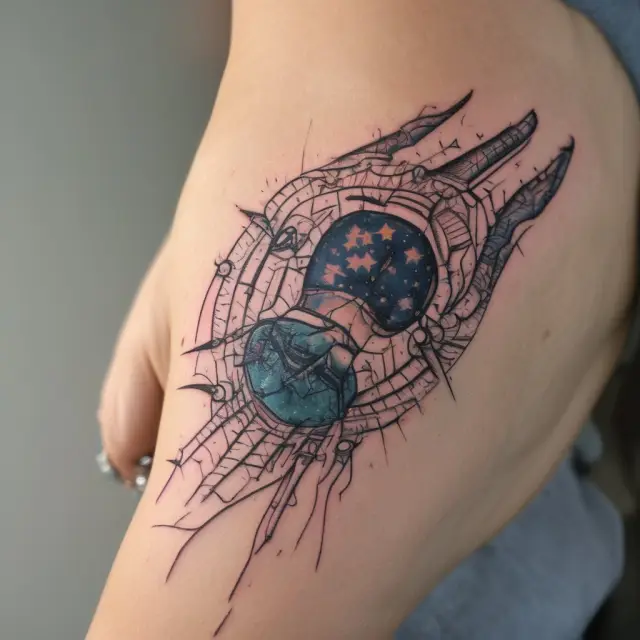
Medical Devices: Improving Diagnosis and Treatment
Wearable technology is making a profound impact on the medical industry, providing advanced solutions for early diagnosis, continuous monitoring, and improved treatments. With the rise of smart sensors and wireless connectivity, doctors now have access to valuable health data that can significantly improve patient outcomes (1). One pioneering example is Cyrcadia Health’s intelligent breast monitor.
Cyrcadia Breast Monitor: A Game-Changer in Early Cancer Detection
Breast cancer is the second leading cause of death for women, and early detection is crucial to increase survivability rates (2). Cyrcadia Breast Monitor is a flexible, wearable patch that can detect subtle changes indicative of malignant cells. The non-invasive device adheres to the breast, measuring electrical properties and temperature differences in real-time. Once an anomaly is detected, it sends data wirelessly to the user or their healthcare provider for further evaluation (3).
Smart Tattoos: A Futuristic Approach to Medical Monitoring
Another groundbreaking development in wearable medical technology is smart tattoos that integrate sensors directly into the skin. These innovative devices offer continuous monitoring, making them an attractive solution for a wide range of applications, such as monitoring heart and brain activity or addressing sleep disorders (4). For example, researchers at the University of California, Berkeley have developed a tattoo that uses electrical signals to measure muscle contractions, potentially enabling real-time feedback during rehabilitation therapy.
Wearable Medical Alert Monitors: Enhancing Elderly and Impaired Independence
Wearable medical alert monitors have been instrumental in enhancing the independence of elderly individuals and those with disabilities. These devices can detect falls, monitor vital signs, and provide instant access to emergency services when needed (5). With features like two-way voice communication, these wearables allow seniors to live comfortably in their own homes while providing peace of mind for caregivers and family members.
By exploring the potential applications of wearable technology in medicine, we are moving towards a future where health data is always available and accessible to healthcare providers, enabling more personalized treatments and earlier interventions. This is just the beginning; as technology continues to evolve, we can expect even more innovative developments in this field.
References:
- Wearable Technology in Healthcare: Trends, Applications, and Challenges, International Journal of Information Technology & Management, 2016
- Breast Cancer Facts, American Cancer Society (acsorg), Accessed March 15, 2023
- Cyrcadia Breast Monitor, Cyrcadia Health, Accessed March 15, 2023
- Smart Tattoos: A Review on Their Advances and Applications in Healthcare, Sensors Journal, 2019
- Medical Alert Systems for Seniors, National Institute on Aging, Accessed March 15, 2023
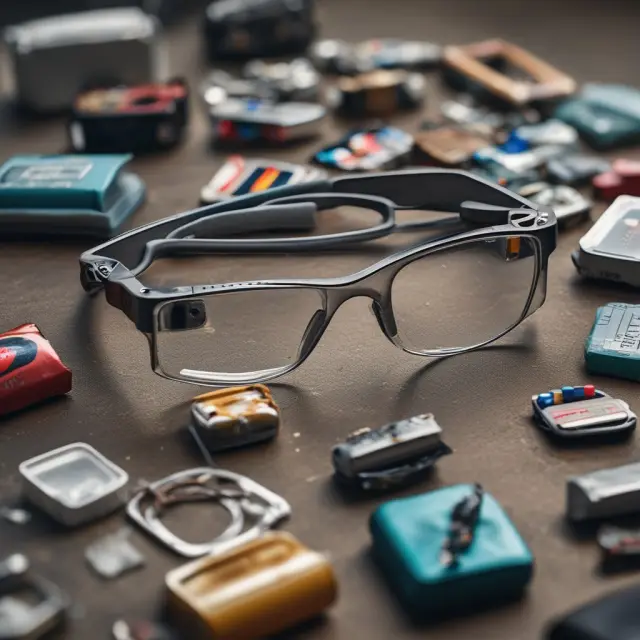
Failed Attempts: Google Glass
Google Glass was undoubtedly an ambitious project aimed at merging technology and fashion, but it failed to live up to its initial hype as a consumer accessory. This section will discuss why the Google Glass didn’t succeed in capturing the market as intended and explore potential reasons for its failure.
The first set of Google Glasses was launched back in 2013 with an eye-catching price tag of $1,500. At the time, many saw it as an expensive luxury item rather than a practical gadget. Additionally, there were concerns regarding privacy and social acceptance, which further hindered its mass appeal.
Some critics claimed that Google Glass looked like a strange accessory that drew unwanted attention. This perception could be attributed to its unusual design and the fact that it was positioned as a futuristic device, making it difficult for people to relate to or understand its purpose. Furthermore, there were also concerns about privacy invasion due to the camera and microphone features of Google Glass, which led some critics to argue that it encroached upon personal privacy.
Despite these challenges, Google didn’t give up on the idea entirely. In 2019, they announced a new version called “Google Glass Enterprise Edition” aimed at businesses and industrial applications rather than consumers. The enterprise version is designed with a more discreet appearance and focuses on practical use cases such as improving workplace safety, training, and productivity.
While Google Glass did not succeed in its initial consumer launch, it may still have potential in specialized fields like healthcare, manufacturing, or industrial workplaces. Wearable technology continues to evolve, and Google’s efforts in this area could yet yield significant advancements for various industries.
In conclusion, Google Glass is an example of how ambitious technology projects can face challenges when introduced to the mass market. Despite its failure as a consumer accessory, it may still hold promise for niche applications. Wearable technology is here to stay and will continue to impact our lives in innovative ways.

Future Developments: Smart Tattoos and Inks
The future of wearable technology lies not only in its ability to monitor various aspects of our health but also in its aesthetic appeal. One significant development is the advent of smart tattoos and intelligent ink, which combine practical uses with the artistry of body decoration.
These innovative creations contain flexible electronic sensors that can detect vital signs, monitor sleep disorders, measure muscle function, and even keep track of heart and brain activity. Such tattoos are still in their infancy, but their potential is vast. The latest breakthroughs include using conductive ink to create circuits directly on the skin, making the integration of these sensors almost seamless.
Moreover, traditional tattooing techniques could be employed to embed the electronics into the design, offering a unique blend of technology and artistry. This combination presents numerous opportunities for artists and designers to collaborate with medical professionals and engineers, resulting in innovative solutions that cater to individual needs while retaining aesthetic appeal.
The use of smart tattoos can bring significant improvements to our daily lives, particularly in healthcare, by offering early detection systems for various health conditions. For instance, monitoring heart and brain activity could help identify potential issues before they become critical or debilitating, allowing for more personalized treatment plans. In the context of athletics, these sensors can provide real-time feedback on performance metrics to optimize training regimens.
However, the integration of wearable technology into our bodies raises several ethical and privacy concerns, especially regarding data security and access. Ensuring that this data is collected, stored, and shared only with authorized individuals or entities is crucial for protecting individuals’ autonomy and privacy. Moreover, the potential misuse of such information could lead to significant consequences.
Despite these challenges, smart tattoos have enormous potential to revolutionize various industries and aspects of our lives, from healthcare and fitness to fashion and entertainment. As technology continues to evolve, we can expect more advancements in this field that will blend functionality with aesthetics in unprecedented ways, offering new opportunities for self-expression and personal growth.

Wearable Technology in the Elderly and Impaired
One of the most profound impacts of wearable technology is its ability to improve mobility and independence for the elderly and impaired. Wearable medical alert monitors are becoming increasingly popular among seniors, allowing them to live more independently while staying connected in case of emergencies. These devices can detect falls, automatically call emergency services, or send a distress signal to family members.
Another application is in the development of smart tattoos. Flexible electronic sensors incorporated into these temporary or permanent tattoos can monitor heart and brain activity, sleep disorders, and muscle function. Researchers are also exploring the possibility of using ink itself for certain applications, such as a tattoo that changes color to indicate the presence of diabetes or other health conditions.
Smartwatches have become essential tools for people with Parkinson’s disease, helping them track symptoms and manage their condition more effectively. By monitoring tremors, medication schedules, and physical activity levels, these devices provide valuable data to healthcare professionals, enabling more personalized treatment plans.
Additionally, wearable technology is being employed in the field of assistive technology for individuals with disabilities. Devices such as smart glasses can help those with visual impairments navigate their environment by providing real-time descriptions and visual enhancements. Similarly, exoskeletons are transforming the lives of individuals with mobility issues by restoring their ability to walk or even run.
An inspiring example of this technology’s potential is AIR Louisville in Kentucky. Their wearable devices monitor local air quality, measure pollutants, and identify hotspots for residents with respiratory problems. These data-driven insights enable more informed decisions regarding lifestyle choices and exposure to potentially harmful environmental factors. By empowering individuals to take control of their health and wellbeing, wearable technology is revolutionizing the way we live, work, and care for those who need it most.
This is just one facet of how wearable technology is changing our lives; the possibilities are endless!

FAQ: Frequently Asked Questions About Wearable Technology
1. What is wearable technology? Wearable technology, also referred to as “wearables,” describes a growing category of electronic devices designed to be worn as accessories or embedded into clothing/skins that incorporate a microprocessor and an internet connection. Wearable technology has become increasingly essential within the Internet of Things (IoT), offering life-changing applications across various industries and fields.
2. How does wearable technology work? Wearable technology can be traced back to eyeglasses, first developed in the 13th century. However, modern wearable technology is defined by its integration of microprocessors and internet connectivity. The growth of mobile networks and high-speed data transfer has paved the way for this technological advancement.
3. What are some examples of consumer accessories in wearable technology? Fitness activity trackers were the first successful wave of wearable technology adopted by consumers. Wearable technology later evolved with wristwatches that transformed into screens and added robust mobile applications, Bluetooth headsets, smartwatches, and web-enabled glasses.
4. What are some practical and specialized applications in wearable technology? Specialized and practical applications of wearable technology include microchip implants for access control, medical devices like the Cyrcadia Breast Monitor, smart tattoos, virtual reality and augmented reality headsets, and more.
5. How is wearable technology being used in healthcare? Wearable technology has revolutionized healthcare with advancements such as smartwatches for Parkinson’s disease tracking, intelligent patches like Cyrcadia Breast Monitor for early breast cancer detection, and wearable medical alert monitors that offer greater mobility and independence to the elderly and impaired.
6. What are the privacy concerns regarding wearable technology? Wearable technology raises several privacy concerns, as it collects sensitive data and can potentially share this information with third parties. It is essential for individuals to be aware of the potential risks and take measures to protect their privacy.
7. Can Google Glass make a comeback in specialized applications? Despite its failure as a fashion accessory, Google Glass may yet re-emerge in specialized fields, such as industrial inspections or military applications.
8. How will smart tattoos change our lives? Smart tattoos, which contain flexible electronic sensors, hold the potential for monitoring heart and brain activity, sleep disorders, and muscle function, among other applications. While initially temporary, researchers are even exploring ink options!
By answering these frequently asked questions about wearable technology, we aim to provide readers with valuable insight and knowledge they cannot find elsewhere.
 Next entry · No. 5,655Weather Insurance: Protecting Against Adverse Weather Conditions – An Overview
See also
-
 No. 5,474
12 Sep 2025
20 min
Understanding Versioning: How Companies Create Value through Different Product Versions
Business Strategy
No. 5,474
12 Sep 2025
20 min
Understanding Versioning: How Companies Create Value through Different Product Versions
Business Strategy -
 No. 3,991
13 May 2025
20 min
A Deep Dive into Platinum: Understanding Its Uses, Markets, and Performance
Business Finance
No. 3,991
13 May 2025
20 min
A Deep Dive into Platinum: Understanding Its Uses, Markets, and Performance
Business Finance -
 No. 3,373
23 Mar 2025
20 min
Understanding Near-Field Communication (NFC): The Future of Payment and Connection
Fintech
No. 3,373
23 Mar 2025
20 min
Understanding Near-Field Communication (NFC): The Future of Payment and Connection
Fintech -
 No. 2,528
13 Jan 2025
20 min
Understanding IOTA: The Next-Generation Distributed Ledger for IoT Transactions
Crypto
No. 2,528
13 Jan 2025
20 min
Understanding IOTA: The Next-Generation Distributed Ledger for IoT Transactions
Crypto -
 No. 2,470
09 Jan 2025
21 min
The Transformative Impact of the Internet of Things (IoT) on Urban Planning and Business Strategies
Business Strategy
No. 2,470
09 Jan 2025
21 min
The Transformative Impact of the Internet of Things (IoT) on Urban Planning and Business Strategies
Business Strategy -
 No. 5,894
16 Oct 2025
19 min
Understanding Zero-Day Attacks: From Exploits and Markets to Prevention and Real-World Examples
Tech Tools
No. 5,894
16 Oct 2025
19 min
Understanding Zero-Day Attacks: From Exploits and Markets to Prevention and Real-World Examples
Tech Tools