Understanding Wear and Tear Exclusions in Insurance Policies: What They Are and Why They Matter

A wear and tear exclusion is a standard insurance policy clause that denies coverage for damage caused by gradual deterioration from age, use or poor maintenance, such as a roof that wears out over time. Homeowners policies cover sudden, accidental losses from covered perils, so routine upkeep and replacement costs stay with the owner.
Introduction to Wear and Tear Exclusions
Wear and tear exclusions, also known as “depreciation” or “aging” exclusions, are provisions within insurance contracts that outline which losses are not covered under an insurance policy due to the natural deterioration of an insured item. Insurers implement these exclusions to protect against unforeseen losses, ensuring fair premiums for customers by preventing coverage for inevitable wear and tear.
Key Takeaways
– Wear and tear exclusions state that losses due to the normal deterioration or aging process of an insured object are not covered under insurance policies.
– Policies usually specify extensive exclusions and limitations, with wear and tear being a common one.
– Disputes between insurers and policyholders can arise when determining if damage is caused by wear and tear or by a sudden, unexpected event covered by the policy.
Understanding Wear and Tear Exclusions
Wear and tear exclusions are prevalent in various insurance types, such as auto and property policies, which aim to cover only unpredictable events, while excluding damages caused by normal deterioration. For instance, auto insurance does not pay for replacement of parts like brake pads or timing belts that naturally wear out with use.
Insurers implement these exclusions to avoid liability when damage results from a policyholder’s failure to maintain or replace worn-out components, preventing them from being held accountable for predictable losses. Homeowners can prepare for this by setting aside money in an emergency fund for expected repairs and replacements.
Exclusions Are Specified
Understanding the exclusions and limitations outlined within an insurance policy is crucial for policyholders since these specifications determine whether a loss falls under the coverage or not. Commonly excluded items include poor maintenance, prior damage, manufacturing defects, or faulty installations. Roof damage claims often lead to contentions between insured and insurer, with insurers attempting to attribute the damage to wear and tear rather than an uncovered peril like a hailstorm.
Disputes and Insurance Bad Faith Lawsuits
A dispute over a claim can result in an insurance bad faith lawsuit if insurers fail to provide coverage when it should be granted. This is particularly common for older commercial properties, where wear and tear exclusions often come into play, and policyholders allege that the insurer attempted to wrongfully deny coverage.
Wear and Tear Exclusion vs Anti-Concurrent Cause Language
A wear and tear exclusion typically does not include anti-concurrent cause language, which determines how damage caused by multiple factors will be covered. The absence of such “anti-concurrent cause” language indicates that the entire loss will be covered when both a covered peril and an uncovered peril contribute to it.
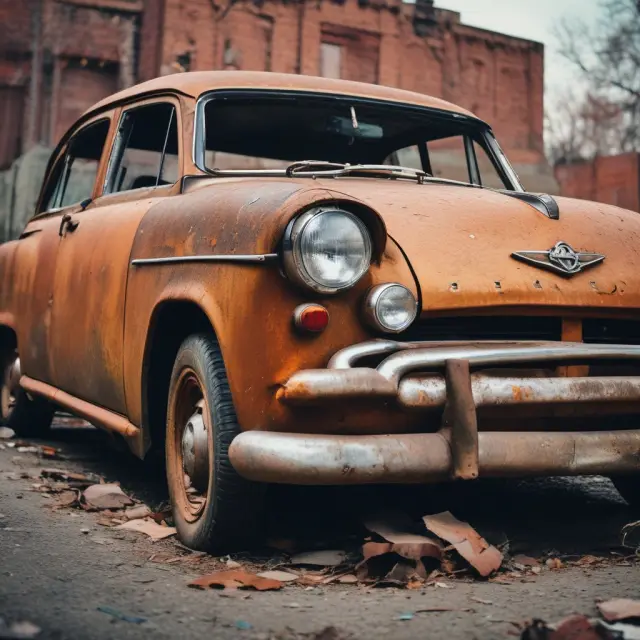
What is a Wear and Tear Exclusion?
In insurance policies, a wear and tear exclusion refers to a provision stating that normal deterioration of the insured property is not covered. Insurers cannot be held responsible for inevitable losses since they would need to significantly increase premiums if insurance covered predictable damages. Key takeaways:
- Wear and tear exclusions in insurance contracts state that damage from natural aging is not covered.
- Examples include deterioration of auto parts such as brake pads, timing belts, and water pumps under an auto insurance policy.
- The insurer attempts to avoid contractual payments by citing wear and tear as a justification for non-coverage in the event of a dispute.
- Understanding the policy exclusions is crucial to comprehend whether property losses are covered or not.
Wear and Tear Exclusions: Definition and Real-life Examples (Auto Insurance)
A wear and tear exclusion is commonly found in insurance contracts. Auto insurance policies, for instance, exclude coverage for parts subjected to the inevitable process of degradation with time and usage. This means that insurance will not pay for the replacement cost of items like brake pads, timing belts, or water pumps. Instead, insurers cover only damages caused by unforeseen events such as collisions. The purpose of these exclusions is to prevent insurers from being held responsible when damage arises due to a customer’s failure to maintain, repair, and replace deteriorated parts.
To prepare for predictable losses resulting from wear and tear, property owners can establish an emergency fund or self-insure by setting aside funds each month. This financial buffer will help offset costs when these expected damages occur.
Wear and Tear Exclusions: Disputes and Insurance Bad Faith Lawsuits
Insurance companies may deny claims based on wear and tear exclusions. However, this can lead to disputes between the insured and insurer. Insurers may attempt to avoid paying claims by alleging that the property damage was due to wear and tear instead of a covered event. Disputes often arise when older properties are involved or when multiple factors contribute to the loss.
When parties disagree on claim settlements, insurance bad faith lawsuits may result. This is particularly common in commercial insurance cases involving older properties where insurers inspect the property before selling the policy and later invoke wear and tear as a reason for denying coverage despite findings that the property was in good condition at the time of the sale.
Understanding Anti-Concurrent Cause Language
A wear and tear exclusion does not include what is referred to as “anti-concurrent cause” lead-in language, which would indicate that damage caused by multiple factors, both covered and uncovered, is not covered. In the absence of such a provision, a loss resulting from a concurrent cause will generally be considered covered in full. For example, an Illinois court ruled in 1983 that when a covered peril combines with an uncovered one to create a single loss, insurance coverage applies to the entire loss.
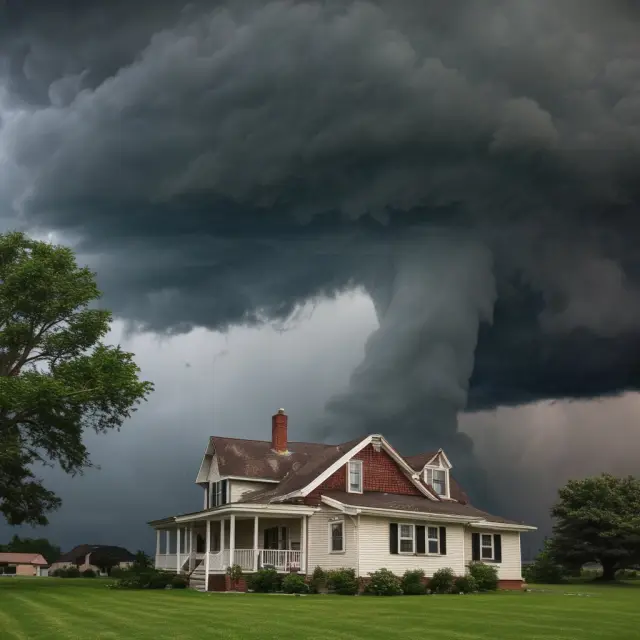
Wear and Tear Exclusions: Purpose and Design
A wear and tear exclusion is a crucial provision in insurance contracts that protects insurers from covering losses due to the natural deterioration of an insured object. Insurers cannot financially sustain themselves if they were to cover foreseeable damages; otherwise, premiums would skyrocket for policyholders. It’s important to note that insurers are only obliged to pay for unforeseen losses.
One common application of wear and tear exclusions is in auto insurance policies, which do not cover the cost of replacing parts that naturally degrade with use such as brake pads, timing belts, and water pumps. Instead, insurance covers only unpredictable events like collisions or accidents. By implementing this exclusion, insurers can shield themselves from being liable for losses arising from policyholders’ failure to maintain, repair, and replace worn-out parts.
However, the ambiguity surrounding wear and tear exclusions has often been a source of contention between insureds and insurers. For example, when damage occurs due to both a covered peril (like a tornado) and natural deterioration, it might be challenging for both parties to reach an agreement regarding whether the damage was primarily caused by wear and tear or the insured event.
To illustrate this point, consider a commercial property insurance scenario: a property owner files a claim for damage due to heavy winds that damaged the roof of their building. The insurer assesses the damage and concludes that it’s primarily due to wear and tear since the roof was already old and neglected in maintenance. This disagreement between the insured and insurer could potentially lead to an insurance bad faith lawsuit if the property owner believes that they are entitled to coverage for a covered loss.
To avoid disputes, property owners should be aware of their insurance policy’s wear and tear exclusions and its implications. Insurers usually specify extensive lists of exclusions in contracts. Familiarizing yourself with these provisions can help you understand the potential limitations on your coverage.
In the absence of anti-concurrent cause language, a court may rule that damage caused by multiple factors – covered and uncovered perils – should be considered as a single event, meaning the insurer would be liable for covering the whole loss. However, many policies include “anti-concurrent cause” language, which can prevent coverage when losses are attributed to both a covered and uncovered peril. It’s vital for property owners to consult their insurance contracts carefully and discuss any concerns with their agents or underwriters.
Understanding wear and tear exclusions is crucial for policyholders as it helps them make informed decisions when purchasing and managing their insurance policies. By being aware of the potential limitations in coverage, they can better protect themselves against unforeseen losses while also understanding what is expected from them regarding property maintenance and upkeep.

Common Wear and Tear Exclusion Clauses in Insurance Policies
One of the most common types of exclusions found in insurance policies is the wear and tear exclusion. This provision states that losses due to normal deterioration or aging of an insured property are not covered under the policy. Wear and tear exclusions can be found across various types of insurance, including auto, homeowners, commercial property, and others. Let’s take a closer look at how wear and tear exclusions function in different contexts.
Auto Insurance
In auto insurance policies, the normal deterioration of parts subject to wear and tear, such as brake pads, timing belts, and water pumps, is not covered. The policy only covers unpredictable events like collisions and theft. The insurer argues that these exclusions are necessary to prevent insurers from bearing the cost of inevitable losses.
Homeowners Insurance
For homeowners insurance, a common point of contention between homeowners and insurers is wear and tear-related claims regarding older properties. For instance, when a roof on an older house sustains damage during a storm, the insurer may argue that the deteriorated state of the roof contributed to the loss and, therefore, deny coverage under the wear and tear exclusion.
Commercial Property Insurance
Wear and tear exclusions in commercial property insurance policies can lead to heated disputes between policyholders and insurers, particularly when it comes to older buildings or structures with a history of maintenance issues. Disagreements may arise over whether the loss was caused by wear and tear or an unforeseen event covered under the policy.
Understanding the Impact
The impact of wear and tear exclusions on insurance coverage can be significant. For instance, when a claim is made for damage to a roof that is deemed to be “old,” insurers may argue that the damage was caused by wear and tear rather than the covered peril (e.g., wind or hail). In such cases, the policyholder might not receive coverage for the cost of repairs or replacement of the damaged property.
Conclusion:
The inclusion of wear and tear exclusions in insurance policies is a standard practice designed to protect insurers from paying for inevitable losses. However, understanding how these exclusions apply to your specific situation can help you navigate potential disputes with your insurer and ensure that you are adequately protected against unforeseen damages.
Case Studies: Wear and Tear Disputes
Wear and tear exclusions are a common source of disagreement between insureds and insurers. The following real-life examples illustrate some of the challenges that can arise when it comes to interpreting wear and tear provisions in insurance policies.
In one case, the plaintiff, a property owner, filed a lawsuit against her insurer for denying coverage due to a “wear and tear” exclusion following an hailstorm. The property in question was approximately 25 years old and had undergone several repairs over the years. The policy covered damage caused by hail but contained an exception for damages that resulted from wear and tear or deterioration. The insurer argued that the roof’s age and previous repairs amounted to normal wear and tear, making it not covered under the policy.
The property owner countered that the hailstorm was a concurrent cause of the loss. The court sided with the property owner, concluding that since both the hailstorm and normal wear and tear contributed to the damage, the insurer must pay for the entire loss, rather than just the portion not related to normal wear and tear.
Another case involved a dispute over an auto insurance claim. The insured had filed a claim for damages arising from an accident in which a tree branch fell on her vehicle due to high winds during a storm. The insurer denied the claim, citing a “wear and tear” exclusion because the policy did not cover damage caused by trees, even though the windstorm was a covered peril under the auto insurance contract.
In this instance, the court ruled in favor of the insured. The reason being that the storm was an unforeseen event causing the branch to fall onto the vehicle, and both the fallen tree branch and the windstorm were concurrent causes of the loss.
These examples demonstrate the importance of a clear understanding between insurance companies, insureds, and their legal representatives on what constitutes normal wear and tear versus covered damages. By knowing the specifics of your policy, including the exclusions and limitations, you can better anticipate potential disputes with your insurance company, ensuring that you are adequately protected when unforeseen events occur.

Wear and Tear Exclusions: Insurance Bad Faith Lawsuits
Insurance bad faith occurs when an insurer wrongfully denies or delays a claim that falls under their policy coverage. Disputes over wear and tear exclusions can lead to insurance bad faith lawsuits, especially in commercial property cases where the age of the property and its maintenance history can be subject to debate.
Understanding Wear and Tear Exclusions and Insurance Bad Faith Lawsuits
Wear and tear exclusions, also known as degenerative damage or aging exclusions, are provisions in insurance policies that exclude coverage for losses caused by normal wear and tear. These exclusions create opportunities for disagreements between insureds and insurers when it comes to determining whether a loss was due to an unforeseen event or the inevitable deterioration of property (Randall & Deitchler, 2013).
The Role of Wear and Tear Exclusions in Insurance Bad Faith Lawsuits
When an insurer denies coverage for a claim based on a wear and tear exclusion and the insured believes that their loss was caused by a covered peril, they may file an insurance bad faith lawsuit against the insurer. This is particularly common in commercial property cases where the age of the property and its maintenance history can be subject to debate (Randall & Deitchler, 2013).
The court case “Busey v. Hartford Fire Insurance Company” serves as a prime example of an insurance bad faith lawsuit arising from a wear and tear dispute. In this case, the insured claimed that their property sustained damages due to a tornado while the insurer argued that the damages were the result of preexisting conditions and wear and tear (Randall & Deitchler, 2013).
Insurers may deny coverage for wear and tear-related claims using ambiguous language in their policies or by misrepresenting their own assessments of the property prior to selling the policy. For instance, an insurer may argue that a property was in poor condition at the time the policy was issued despite their initial report stating otherwise (Randall & Deitchler, 2013).
These disputes can lead to significant financial and emotional distress for the insured. Insurers have a legal obligation to act in good faith when dealing with claims under their policies, and they are expected to provide clear communication and honest assessments of potential losses (Randall & Deitchler, 2013). When insurers do not live up to this expectation, the policyholders may seek recourse through insurance bad faith lawsuits.
References:
Randall, J. R., & Deitchler, C. L. (2013). Wear and Tear Exclusions in Property Insurance Policies: An Overview. American Journal of Estate Planning & Probate Law, 27(2), 85-96.

Understanding Anti-Concurrent Cause Language
Anti-concurrent cause language is another essential aspect of insurance policies that impacts wear and tear exclusions. This provision refers to situations where multiple causes contribute to an insured loss. In the absence of anti-concurrent cause language, insurers are obligated to cover a loss resulting from both a covered peril and a wear and tear event. This concept is known as the ‘efficient proximate cause rule’.
The efficient proximate cause rule, also called the ‘concurrent causation doctrine’ or the ‘combined loss doctrine,’ dictates that when two causes contribute to an insured loss, and one is covered by the policy while the other is excluded, the insurance coverage applies if either cause would have resulted in a loss on its own.
For instance, imagine a property owner with an insurance policy covering hail damage but excluding wear and tear. In the event of a hailstorm that causes roof damage, the efficient proximate cause rule comes into play if the hail also exacerbated pre-existing wear and tear on the roof. If the hail alone would have caused the loss, the insurance company is obligated to cover the damages.
However, in cases where there is a lack of clear evidence establishing that one cause was the primary factor leading to the loss, disputes may arise between the policyholder and insurer. This is especially common when it comes to older properties or commercial properties with extensive histories of maintenance records, making it challenging to determine whether damage was caused by a covered event or wear and tear.
The absence of anti-concurrent cause language in your insurance policy means that both the covered and excluded causes of loss will be considered, leading to potential coverage for claims that might otherwise be denied based on wear and tear exclusions. This can result in significant financial advantages for property owners, but it may also increase premiums to account for expanded coverage.
To avoid disputes arising from ambiguous policies, it is crucial for policyholders to fully understand the terms of their insurance contracts, including any anti-concurrent cause language and wear and tear exclusions. This knowledge will help ensure that property owners make informed decisions about their coverage needs and expectations.

How to Prepare for Wear and Tear: Self-Insuring
Wear and tear exclusions can be a significant point of contention between insureds and insurers during insurance claims processes. To minimize the impact of wear and tear on your property, it’s crucial to prepare in advance by setting up an emergency fund for self-insurance purposes.
Understanding Wear and Tear Exclusions
Wear and tear exclusions are a common practice among insurers, aiming to ensure they aren’t held liable when damage is due to the natural deterioration or neglect of property maintenance. One prime example would be auto insurance policies, which exclude coverage for parts that naturally wear down with time and usage such as brakes, timing belts, and water pumps.
Preparing for Predictable Wear and Tear Losses
In an attempt to safeguard against financial losses from predictable wear and tear, property owners can adopt a self-insurance approach by setting aside funds in an emergency account. This strategy allows the policyholder to cover routine repairs or replacements without relying on their insurance company, ultimately reducing the overall risk of encountering disputes over coverage.
Anticipated Repairs and Maintenance Expenses
Property owners should be aware of typical maintenance and repair expenses associated with the type and age of their property. For instance, older roofs may require more frequent inspections and repairs than newer ones to mitigate potential wear-and-tear damages that could lead to disagreements with the insurance company. By factoring these costs into an emergency fund or self-insurance plan, policyholders can better manage their risks and financial obligations.
Proactively Maintaining Your Property
A well-maintained property is less likely to incur significant wear and tear that could lead to disagreements with insurers. Routine maintenance, including regular inspections, preventative measures, and timely repairs, can help ensure the longevity of your property while minimizing potential disputes over coverage.
In conclusion, self-insuring through an emergency fund is a wise strategy for property owners to manage the predictable costs of wear and tear on their assets, ultimately reducing the likelihood of disputes with insurers and ensuring financial protection for the long term.

The Importance of Understanding Your Insurance Policy
When purchasing an insurance policy, it’s essential to be aware of your coverage, including any specific exclusions like wear and tear. A wear and tear exclusion is a provision in an insurance contract that indicates losses due to normal deterioration are not covered. Insurers include this clause to prevent being held liable for inevitable damages and the subsequent premium increases.
Understanding what constitutes ‘wear and tear’ and how it applies to your policy is crucial. For instance, auto insurance policies exclude coverage for parts that naturally degrade with use, such as brake pads or timing belts. These exclusions help insurers avoid covering predictable damages, allowing them to maintain affordable premiums for their customers.
One common misconception revolves around the distinction between unavoidable and preventable damages. While an insurer may deny a claim based on wear and tear, it’s important to remember that normal deterioration is not always the sole cause of damage. In cases where multiple factors contribute to a loss (i.e., wear and tear and a covered event), understanding your policy can help you determine if you have coverage.
In the absence of an “anti-concurrent cause” lead-in clause, many states follow the “efficient proximate cause rule,” meaning that the first or dominant cause of a loss determines whether the damage is covered or excluded. In other words, even if wear and tear contributes to a loss, coverage may still apply depending on the policy’s terms and conditions.
To prepare for predictable losses, self-insurance can be an effective strategy. Owners can set aside funds in an emergency account to cover routine maintenance, repairs, and eventual replacements. By doing so, you ensure your property remains well-maintained while safeguarding against potential damages.
In conclusion, understanding the wear and tear exclusion and its implications is vital when purchasing or renewing an insurance policy. This knowledge can save you from unexpected expenses, disputes with insurers, and potential legal complications. By familiarizing yourself with your coverage and exclusions, you’re taking a proactive step towards protecting your investments and mitigating risks.
FAQ: Wear and Tear Exclusions in Insurance Policies
Wear and tear exclusions are a common feature of insurance policies, which can create confusion for policyholders. In this section, we’ll answer some frequently asked questions about wear and tear exclusions and their implications for policyholders.
What is Wear and Tear?
Wear and tear refers to the natural deterioration or aging process of an insured object. Insurance policies generally do not cover losses due to normal wear and tear, as these are considered inevitable and predictable.
Why Do Insurers Use Wear and Tear Exclusions?
Insurers use wear and tear exclusions to prevent themselves from being held liable for damages that result from the insured’s failure to maintain or repair deteriorated portions of their property. By doing so, they can keep premiums low by avoiding covering predictable losses.
How Does Wear and Tear Apply to Auto Insurance?
Auto insurance policies exclude coverage for parts that undergo natural deterioration due to use, such as brake pads, timing belts, and water pumps. These components are expected to wear out over time, and insurers do not cover their replacement costs.
Can Insurers Deny a Claim Based on Wear and Tear?
Yes, insurers may deny a claim based on the argument that the damage was due to normal wear and tear rather than an unexpected event covered under the policy. This can lead to disputes between the insured and the insurance company.
What is Anti-Concurrent Cause Language in Insurance Policies?
Anti-concurrent cause language in an insurance policy indicates that when multiple factors, both covered and uncovered, combine to cause a loss, only the covered portion of the damage will be covered. However, most wear and tear exclusions do not include such anti-concurrent cause language.
What Can Policyholders Do to Prepare for Predictable Losses?
To prepare for predictable losses from wear and tear, property owners can set aside money each month in an emergency fund or self-insure by budgeting for the eventual replacement of deteriorating components. This can help mitigate the financial impact when a loss occurs.
In conclusion, understanding wear and tear exclusions is crucial to fully grasping your insurance coverage. These exclusions limit what is covered under your policy and can lead to disputes between insureds and insurers. Being informed about these provisions will help you make more informed decisions when purchasing or renewing a policy.
 Next entry · No. 5,654Exploring Wearable Technology: From Consumer Accessories to Life-Altering Medical Applications
See also
-
 No. 2,420
04 Jan 2025
20 min
Insurance Coverage: Auto, Life and Homeowners – Understanding the Basics
Insurance
No. 2,420
04 Jan 2025
20 min
Insurance Coverage: Auto, Life and Homeowners – Understanding the Basics
Insurance -
 No. 5,974
08 Oct 2026
18 min
Term vs Whole Life Insurance: Which Is Better for Me?
Insurance
No. 5,974
08 Oct 2026
18 min
Term vs Whole Life Insurance: Which Is Better for Me?
Insurance -
 No. 5,839
12 Oct 2025
18 min
Understanding Yacht Insurance: Coverage and Key Considerations
Insurance
No. 5,839
12 Oct 2025
18 min
Understanding Yacht Insurance: Coverage and Key Considerations
Insurance -
 No. 5,804
08 Oct 2025
18 min
Understanding Worldwide Coverage: A Comprehensive Guide for Global Insurance
Insurance
No. 5,804
08 Oct 2025
18 min
Understanding Worldwide Coverage: A Comprehensive Guide for Global Insurance
Insurance -
 No. 5,707
01 Oct 2025
21 min
Understanding Whole Life Insurance: A Comprehensive Guide for Institutional Investors
Insurance
No. 5,707
01 Oct 2025
21 min
Understanding Whole Life Insurance: A Comprehensive Guide for Institutional Investors
Insurance -
 No. 5,637
25 Sep 2025
19 min
Watercraft Insurance: A Comprehensive Guide for Professional and Institutional Investors
Insurance
No. 5,637
25 Sep 2025
19 min
Watercraft Insurance: A Comprehensive Guide for Professional and Institutional Investors
Insurance