Weather Insurance: Protecting Against Adverse Weather Conditions – An Overview

Protecting businesses and individuals from adverse weather conditions: An overview of what weather insurance is, how it works, and its benefits.
What is Weather Insurance?
Weather insurance refers to a specialized financial product designed to protect against losses due to adverse weather conditions. Adversely measured meteorological phenomena, such as wind, snow, rain/thunderstorms, fog, and undesirable temperatures, can significantly impact businesses and individuals. Weather insurance provides essential risk management strategies for mitigating potential damages or revenue loss arising from these events.
Understanding the Mechanics of Weather Insurance:
Weather insurance offers protection against financial losses caused by adverse weather conditions that may disrupt business operations and result in substantial financial implications. By purchasing a weather insurance policy, businesses can transfer the risk associated with unfavorable meteorological situations to insurers. This coverage is particularly relevant to industries reliant on outdoor activities or events, including festivals, concerts, sports, agriculture, construction, and energy production.
How Weather Insurance Protects Businesses:
By purchasing a weather insurance policy, businesses can secure financial protection against potential losses due to adverse weather conditions that could negatively impact their revenue and operations. The coverage is typically customized, allowing insured parties to select the specific weather events they want to protect against, the severity level of those conditions, and the duration of the policy.
The Importance of Weather Insurance:
Weather insurance plays a crucial role in risk management strategies for businesses, as it offers financial security against adverse meteorological events that can significantly impact their bottom line. Insurers price these policies based on historical data and the likelihood of the insured weather event occurring, with premiums increasing when conditions pose higher risks. By understanding the importance of weather insurance and its role in risk management, businesses can effectively mitigate potential losses and maintain a competitive edge.
Factors Affecting Weather Insurance Premiums:
The cost of a weather insurance policy is determined by several factors. Insurers consider location, historical data, seasonality, event type, and the probability of the insured weather condition occurring. These factors influence the pricing of the policy and the level of coverage provided. By carefully considering these factors before purchasing a policy, businesses can make informed decisions regarding risk management and potential savings.
Conclusion:
Weather insurance is an essential tool for businesses looking to minimize their risks against adverse weather conditions that can significantly impact revenue and operations. By understanding how it works, its importance, and the various factors that influence pricing, companies can effectively manage their risk exposure and maintain a competitive edge in their industry. As we continue to explore this topic in future sections, we’ll delve deeper into customizing policies, alternative weather-related financial instruments, case studies, and frequently asked questions. Stay tuned for more insightful information on this increasingly popular aspect of the finance world!

How Does Weather Insurance Work?
Weather insurance acts as a financial safety net for businesses and individuals looking to protect themselves against losses due to adverse weather conditions. The process of buying and utilizing a weather insurance policy is not overly complicated but does require a solid understanding of its features, benefits, and how it’s priced. Here’s an overview of the workings behind weather insurance:
First, you need to determine whether weather insurance is suitable for your specific situation. This type of coverage is particularly beneficial for businesses planning large-scale events or those that heavily rely on good weather conditions. Insurers typically offer customizable policies to cater to the varying needs of their clients.
Once you’ve established that a weather insurance policy is right for you, it’s time to decide which type of weather event you want protection against—rain, wind, snow, etc. Additionally, consider how severe the weather must be to trigger coverage and over what period. For example, an outdoor event planner might choose to insure against rain with a threshold of 10mm for any given hour.
The premium charged for your policy is based on various factors, including:
- The likelihood of the insured event occurring (e.g., rain in California vs. rain in Florida)
- The severity of the weather condition that would trigger coverage
- The length of time you want protection for (e.g., one day or an entire season)
Insurance companies assess historical data and statistical analysis to determine the likelihood of specific weather events and price premiums accordingly. For instance, if a particular area experiences heavy rainfall during a certain season every year, insurance rates may be higher in that region compared to less-risky areas.
When you purchase a weather insurance policy, you’re essentially paying an upfront fee for financial protection against potential losses due to adverse weather conditions. If the insured event does occur during the coverage period, you can file a claim with the insurance provider to receive reimbursement for your damages or lost revenue.
It’s important to note that conventional weather insurance typically covers low-probability events such as hurricanes and earthquakes. High-probability weather conditions (e.g., extreme temperatures) can be insured through weather derivatives, which we will discuss in the next section. By understanding the basics of how weather insurance works, you’re well on your way to making informed decisions about protecting your business against unpredictable weather patterns.

Why Is Weather Insurance Necessary?
In the dynamic world of business, weather plays a significant role in shaping revenues and earnings for various industries and organizations. Unpredictable weather conditions can lead to substantial losses for companies that heavily depend on external factors such as climate or seasonality. This is where weather insurance comes into play, serving as an essential risk management tool.
Weather insurance provides financial protection against a loss that may be incurred due to adverse, measurable weather conditions. These conditions include wind, snow, rain/thunderstorms, fog, and undesirable temperatures. It’s crucial for businesses and individuals who are vulnerable to the impact of adverse weather events on their revenue or assets.
The insurance industry has seen a growing interest in weather-related coverage due to increased awareness about climate change, extreme weather conditions, and their potential consequences. Weather insurance plays a vital role for various industries such as agriculture, construction, energy, outdoor recreation, transportation, and event planning—all of which face significant risks from adverse weather events.
By taking out a weather insurance policy, businesses and individuals can protect themselves against revenue losses due to cancellations or postponements of outdoor events, interrupted production processes, and disrupted logistics. Weather insurance also offers an additional layer of protection for those whose assets may be at risk from natural disasters such as hurricanes, earthquakes, and tornados.
Customizing weather insurance policies allows insured parties to choose the specific weather conditions they want to protect against, along with the location, duration, and severity of the weather event. The cost of a policy is based on historical weather data, location, and the probability of the insured event occurring. For example, a business in a hurricane-prone area will pay higher premiums compared to a business located in a less risky region.
The flexibility of weather insurance enables companies to manage their risk more effectively and adapt to ever-changing market conditions. It provides an additional level of protection that complements traditional insurance policies, such as property or casualty insurance, which may not cover losses due to adverse weather conditions fully.
In summary, weather insurance is a crucial risk management tool for businesses and individuals that are susceptible to revenue losses or asset damages caused by adverse weather conditions. It offers protection against unpredictable weather events and allows policyholders to customize their coverage according to their unique requirements.

Factors Affecting the Cost of Weather Insurance
Determining the cost of weather insurance can vary significantly based on several factors that influence the likelihood of a weather event and the potential loss. These determinants include location, historical data, severity of damage, and probability of occurrence. Let’s take a closer look at how these elements impact the pricing of a weather insurance policy.
Location: The geographical position of an area or business plays a significant role in determining the cost of weather insurance. For instance, regions prone to frequent hurricanes, tornadoes, or extreme temperatures will generally have higher premiums compared to those with more stable and predictable weather patterns. Businesses located near coastlines or areas susceptible to flooding are especially at risk and may face considerable expenses to secure adequate protection.
Historical Data: A wealth of historical data is crucial for insurers when calculating the likelihood and potential cost of a weather event. By examining past records, actuaries can assess trends in weather patterns and estimate the probability of future occurrences. This information helps to establish an accurate pricing structure based on the expected frequency and potential damage of various weather events.
Severity of Damage: The extent of potential losses resulting from adverse weather conditions is a critical factor influencing the cost of insurance coverage. For instance, damages caused by hurricanes or tornados can lead to significant financial losses for businesses in affected areas. Insurers must consider these risks when pricing policies and may charge higher premiums for locations and industries where damage potential is substantial.
Probability of Occurrence: The likelihood of a particular weather event happening determines the cost of insurance coverage. For example, areas with a high probability of experiencing heavy snowfall or intense heatwaves may face higher premiums due to the increased risk of significant damages or lost revenue. Insurers price their policies based on historical data and statistical models to determine the likelihood of a weather event and tailor coverage accordingly.
Understanding these determinants is vital for businesses seeking adequate protection against adverse weather conditions. By considering factors like location, historical data, severity, and probability, they can make informed decisions when purchasing insurance or choosing alternative risk management strategies.

Coverage for Low-Probability Weather Events
While conventional weather insurance covers low-probability meteorological events like hurricanes, earthquakes, or tornados, it can be challenging to insure against such occurrences due to the unpredictable nature and high financial impact of these events. In response to this challenge, the insurance industry has introduced an alternative tool: weather derivatives.
Weather derivatives offer businesses a hedging solution against weather risk by allowing them to buy or sell a financial instrument based on future meteorological outcomes, such as temperature, precipitation, or wind conditions. Derivatives trade over-the-counter (OTC) between two parties without the need for an exchange or clearinghouse. The underlying asset of these derivatives is the weather itself.
The pricing mechanism behind a weather derivative contract is based on historical data and statistical models that estimate the probability of certain meteorological conditions occurring during a specific period. For instance, a company may enter into a futures contract with an insurer for a specific temperature index for a future delivery date. The seller then agrees to pay the buyer a fixed price per unit if the actual temperature at the specified location exceeds (put) or falls below (call) the agreed-upon strike price during the chosen timeframe.
The value of weather derivatives can be calculated as a function of the difference between the current market prices and the future prices expected under various scenarios, making it possible for businesses to manage their exposure to weather risks more effectively. Weather derivatives can also be customized by location, time frame, and degree of risk coverage.
The primary advantage of using weather derivatives is that they allow for more accurate forecasting and risk management, which is crucial for industries heavily dependent on specific weather conditions. For example, farmers, energy producers, and insurance companies are the most common users of weather derivatives to protect their revenue streams from potential losses due to adverse weather conditions.
It’s important to note that while both weather insurance and derivatives serve a similar purpose in managing risk related to adverse weather events, they differ fundamentally in their approach and pricing mechanisms. Weather insurance typically provides protection against high-risk, low-probability events with customizable coverage, whereas weather derivatives offer more precise control over the hedged exposure for businesses at a lower cost.
When choosing between weather insurance and derivatives, businesses should consider their specific risk tolerance, budget, and potential losses. A combination of both tools might also be the most effective solution depending on the nature of the business and the weather risks involved.
As with any financial product or investment, there are inherent risks associated with using weather derivatives. These risks include counterparty credit risk, basis risk, and operational risks. It’s essential for businesses to thoroughly research the market, choose reputable counterparties, and understand their obligations before engaging in a weather derivative transaction.
In conclusion, both conventional weather insurance and weather derivatives serve as critical risk management tools for businesses exposed to adverse weather conditions. While weather insurance focuses on protecting against catastrophic losses from high-risk events, derivatives offer more precise control over hedged exposure at a lower cost for businesses facing less extreme, yet still impactful, weather risks. By understanding the unique features of both products and their applications, businesses can make informed decisions about how best to manage and protect themselves against the unpredictability of the weather.
Customizing Weather Insurance Policies
Weather insurance offers a flexible solution to protect businesses from potential losses caused by adverse weather conditions. The customization options make it a valuable risk management tool for industries susceptible to meteorological uncertainties. Insurers provide tailored policies, allowing clients to choose the specific weather events and severity levels they wish to cover. This adaptability is vital as various sectors face unique risks based on their location or nature of operation. Let’s explore some examples and industries that often rely on customized weather insurance policies.
Agriculture: Farmers are among the most weather-dependent professionals, making them natural candidates for weather insurance. They can protect their crops against excessive rainfall, drought, hailstorms, frost, or extreme temperatures. Customizing a policy to cover specific seasons and locations ensures farmers receive financial protection when they need it most.
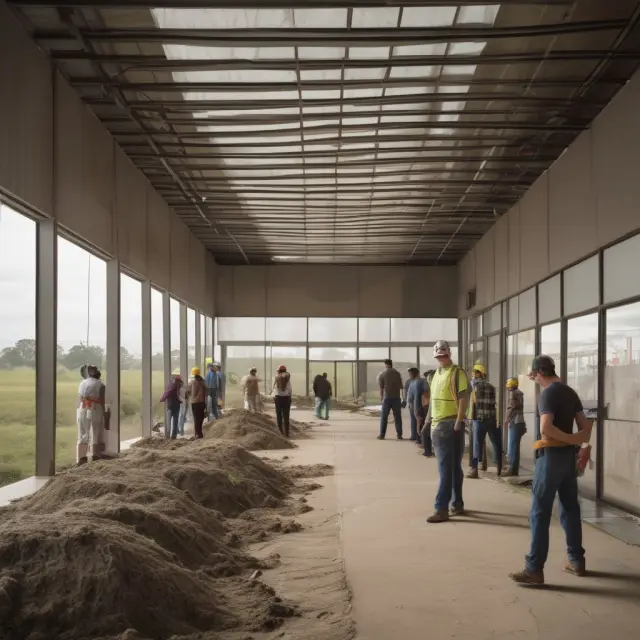
Construction: Construction companies are also heavily impacted by the weather. A delay in project completion due to unfavorable conditions can cause significant financial losses. Weather insurance policies offer coverage for rainfall delays, wind damages, snow or freezing temperatures, and other extreme weather conditions that can disrupt construction sites. The customization options enable builders to tailor their policies based on the project’s location and duration, ensuring they are adequately protected against potential losses.
Tourism: Tourist attractions and event organizers depend significantly on good weather for successful operations. A single rainy day can lead to substantial revenue loss. Weather insurance provides coverage for events like outdoor festivals, sports competitions, or other tourist attractions. By choosing customized policies, event organizers can cover specific locations, dates, and weather conditions that could negatively impact their business.
Retail: Retailers can also benefit from weather insurance. For instance, a clothing store might face reduced sales due to an unseasonably warm winter or unusually cold summer. Weather insurance policies enable retailers to protect against these revenue losses. Customizing the policy ensures that coverage is only applied during critical sales periods when weather conditions have a significant impact on sales.
Customizing weather insurance policies offers numerous advantages for businesses across various industries, especially those vulnerable to weather-related risks. It enables them to mitigate potential losses and manage risk effectively, ensuring financial stability and peace of mind.

Weather Derivatives: An Alternative to Weather Insurance
In the world of risk management for businesses and individuals, it’s important to remember that not all risks can be covered by traditional weather insurance policies. That’s where weather derivatives come in as a powerful alternative tool for managing weather-related financial risks.
Weather derivatives are essentially customized contracts between buyers and sellers based on specific weather conditions. These financial instruments serve as an effective hedge against the risk of losses due to adverse weather, providing a more comprehensive approach compared to conventional weather insurance.
While traditional weather insurance primarily covers low-probability events such as hurricanes or earthquakes, weather derivatives focus on protecting against high-frequency weather conditions like temperature fluctuations and precipitation patterns. This allows businesses and individuals to mitigate their risk exposure and manage potential losses more effectively.
The market for weather derivatives has seen significant growth in recent years due to the increasing demand for financial instruments that can address the ever-present risk of weather impacting business operations and revenue streams.
So, how do weather derivatives work?
In a weather derivative contract, the buyer agrees to pay the seller a pre-determined premium in exchange for protection against potential losses due to specified weather conditions. The seller assumes the risk of any potential financial impact resulting from those conditions. This is different from traditional insurance where the insurer takes on the risk and the policyholder pays the premium.
Let’s dive deeper into how these contracts are priced and structured:
1. Price and Pricing: The cost of a weather derivative contract is determined by the underlying weather index, which is essentially a benchmark that represents specific meteorological conditions. Weather indices can include temperature, precipitation, wind speed, or other relevant factors. Based on historical data and future forecasts, the buyer and seller agree on an appropriate price for the contract.
2. Structure: Weather derivatives come in various forms to cater to different industries and risk profiles. Some common structures include:
a) Plain Vanilla Swap: This is a simple exchange between two parties where one party pays the other a fixed amount if the weather index meets a specified threshold, while the other party pays a floating amount based on the actual index value.
b) Options: Weather options give the buyer the right but not the obligation to enter into a swap agreement at a later date. This allows for greater flexibility and can help manage risk more effectively by allowing businesses and individuals to choose the optimal time to enter into a contract based on weather forecasts and market conditions.
c) Forward Contract: In this type of agreement, the parties agree to exchange cash flows in the future based on the expected value of the underlying weather index at a future date. This provides an effective way for businesses and individuals to lock in a price and manage their risk exposure to potential future losses.
3. Industries and Use Cases: Weather derivatives are widely used by various industries, including agriculture, energy, transportation, construction, and insurance. For example:
a) In agriculture, farmers can use weather derivatives to protect themselves from revenue losses due to adverse weather conditions that may negatively affect crop yields. This is particularly important in regions where farming is heavily dependent on rainfall or irrigation.
b) Energy companies, such as those operating power plants or renewable energy facilities, can use weather derivatives to manage their exposure to fluctuations in temperature and precipitation that impact electricity demand and generation.
c) In transportation, airlines and shipping companies can use weather derivatives to protect themselves from revenue losses due to disruptions caused by severe weather conditions like heavy snow or hurricanes. This helps ensure operational continuity and maintain profitability.
4. Advantages: Compared to traditional weather insurance policies, weather derivatives offer several advantages, including:
a) Customization: Weather derivatives can be tailored to specific industries, risk profiles, and individual requirements, enabling businesses and individuals to manage their exposures more effectively.
b) Flexibility: With various structures like forwards, options, and swaps, weather derivatives offer greater flexibility for managing risks related to temperature, precipitation, wind speed, and other meteorological factors.
c) Improved Risk Management: Weather derivatives can help businesses and individuals manage their risk more effectively by providing a comprehensive approach to managing the impact of adverse weather conditions on revenue streams and operations.
In conclusion, weather derivatives serve as an essential tool for managing risks related to adverse weather conditions. By offering customization, flexibility, and improved risk management capabilities, they provide businesses and individuals with a powerful alternative to traditional insurance policies. As such, understanding the basics of weather derivatives and their applications can help you make informed decisions when it comes to protecting your business or personal interests from weather-related risks.

Benefits of Weather Derivatives vs. Traditional Weather Insurance
In today’s economic climate, where weather conditions can significantly impact various industries and businesses, understanding the benefits of using either weather insurance or derivatives is crucial for effective risk management strategies. While both options offer protection against adverse weather events, there are notable differences between them in terms of cost, coverage, flexibility, and applicability. In this section, we will discuss the benefits of using traditional weather insurance versus weather derivatives, shedding light on their unique strengths and weaknesses for businesses and individuals.
Weather Insurance: Advantages and Limitations
Weather insurance is a valuable tool for managing risks associated with adverse weather conditions. By purchasing a policy tailored to specific business needs and events, insured parties can enjoy the following benefits:
- Protection against high-risk, low-probability weather events: Traditional weather insurance covers catastrophic weather conditions such as hurricanes, tornados, earthquakes, or other major meteorological disasters. It offers a financial safety net for businesses and individuals that could face significant losses from these rare but costly events.
- Customizable policies: Weather insurance policies can be tailored to fit the unique requirements of various industries and specific events, allowing insured parties to choose the covered weather conditions, location, severity, and duration. This flexibility enables businesses to address their particular risks effectively and efficiently.
- Risk transfer: Traditional weather insurance is a form of risk transfer from the policyholder to the insurer. The insurer bears the financial burden of losses caused by adverse weather conditions, providing peace of mind for insured parties and enabling them to focus on business operations.
- Simplified claims process: With traditional weather insurance, claims are handled directly through the insurance company. This can make the process more straightforward and less time-consuming than managing a claim with a derivatives counterparty.
- Combining weather insurance with other policies: Weather insurance is often used in conjunction with other types of insurance coverage, such as property or event insurance, to create a comprehensive risk management strategy. This holistic approach can help businesses manage multiple risks more effectively and efficiently.
However, it’s important to note that traditional weather insurance may not be ideal for managing risks associated with low-probability but high-impact weather conditions. Additionally, the cost of coverage might be prohibitive for some insured parties due to the high risk involved.
Weather Derivatives: Advantages and Limitations
As an alternative to traditional weather insurance, weather derivatives are financial instruments designed to hedge against the risks associated with adverse weather conditions. Some advantages and limitations of using weather derivatives include:
- Protection against low-risk, high-probability events: Weather derivatives offer protection for businesses and individuals from weather conditions that have a higher probability of occurring but lower financial impact, such as temperature fluctuations or precipitation levels. These instruments can be used to manage the risks associated with weather conditions that could negatively affect revenue, demand, or production.
- Hedging potential: Weather derivatives enable risk transfer from the seller to the buyer, providing potential profits for both parties. For businesses and individuals looking to hedge against adverse weather conditions, these instruments can offer a valuable opportunity to reduce exposure to risks and stabilize their revenue streams.
- Lower cost compared to traditional insurance: In comparison to traditional weather insurance, derivatives might be more affordable for managing the risks associated with low-probability but high-impact weather events. However, it’s essential to understand that the price of a derivative contract will depend on various factors like market volatility and the specific terms agreed upon between the counterparties.
- Complexity: Weather derivatives can be more complicated than traditional insurance policies due to their underlying financial structure and the need for expertise in managing these instruments effectively. Businesses and individuals may require specialized knowledge or external support from brokers, risk management consultants, or other experts when dealing with weather derivatives.
- Counterparty risk: When entering into a derivative contract, both parties assume some degree of counterparty risk. The success of the transaction depends on the reliability of the counterparty to meet their contractual obligations in case an adverse weather event occurs. Ensuring that a reputable and reliable counterparty is selected is crucial for successful risk management using weather derivatives.
Ultimately, businesses and individuals must carefully consider the unique benefits of traditional weather insurance and weather derivatives when designing a comprehensive risk management strategy to protect against adverse weather conditions. By understanding the advantages and limitations of each approach, they can make informed decisions that best align with their specific business needs and goals.

Case Studies: Successful Implementation of Weather Insurance Policies
Weather insurance has proven to be an effective risk management tool for various industries and businesses facing potential losses due to adverse weather conditions. Let us examine some compelling examples of companies that have successfully utilized this coverage to protect their bottom line and mitigate the impact of unpredictable weather on their operations:
1. Event Planners:
An outdoor music festival organizer in Texas secured a weather insurance policy to protect against potential revenue losses due to extreme heat or rain. The event had been successful in previous years, but recent weather trends indicated an increased risk for either condition. By purchasing the policy, they were able to recover their losses when record-breaking temperatures exceeded 100°F (38°C) during the festival.
2. Agricultural Businesses:
A large corn farmer in Iowa invested in a customized weather insurance policy to guard against yield loss due to excessive moisture or drought. After an unusually wet spring, the farmer’s fields were at risk for flooding. The policy’s coverage helped offset the substantial losses and ensured the farm could continue operations without experiencing devastating financial consequences.
3. Transportation Industry:
A major shipping company in Florida implemented a weather insurance policy to protect against potential operational disruptions caused by hurricanes. After paying for the coverage, they were able to recover costs when Hurricane Irma struck, causing widespread damage and disrupting their logistics network. The payout from the insurer enabled them to resume operations more quickly than competitors who did not have such protection.
4. Construction Companies:
A construction firm in California took out a weather insurance policy during the winter season to protect against potential revenue losses due to heavy snowfall or other extreme weather conditions. By having this coverage, they were able to reimburse their customers for delays or cancellations caused by unforeseen weather events and maintain a strong reputation for reliability.
These case studies demonstrate that weather insurance can provide substantial financial relief in the face of adverse conditions, allowing companies to recover losses and maintain operational continuity. By investing in customized policies tailored to their specific industries and risks, businesses can effectively manage their exposure to the elements and mitigate uncertainties that come with the ever-changing climate.

FAQs About Weather Insurance and Derivatives
Understanding the nuances of weather insurance and derivatives can be crucial for businesses and individuals that want to effectively manage their risk exposure against adverse weather conditions. In this section, we will address some frequently asked questions surrounding these financial products and their implications.
What is the difference between weather insurance and weather derivatives?
Weather insurance and derivatives are both tools used to manage weather-related risks. However, they serve slightly different purposes. Weather insurance provides financial coverage for specific events or losses caused by adverse weather conditions. The premiums paid are based on the likelihood of the insured event occurring and the potential loss amount. In contrast, weather derivatives are a type of financial instrument designed to hedge against the risk of future weather-related losses. They involve buying or selling contracts that pay out based on predetermined weather conditions.
Can I purchase weather insurance for my personal property?
Yes! Weather insurance is not solely intended for commercial use. Homeowners and individuals can also take advantage of it to protect their property from potential damage caused by adverse weather conditions. For instance, individuals may consider purchasing a policy to cover the costs of damages due to heavy snowfall or windstorms.
What types of events are typically covered by weather insurance?
Weather insurance covers various types of events that can be negatively impacted by adverse weather conditions. These include festivals, concerts, sporting events, outdoor weddings, and other activities that might experience revenue losses due to rain, snow, or extreme temperatures.
What about historical data used in pricing a weather insurance policy? Is it accurate?
Yes, insurers rely on historical weather data when determining the likelihood of an event occurring and setting premiums for a policy. However, no data is 100% accurate, as weather patterns can change and be influenced by factors such as climate change. Nonetheless, insurers use statistical analysis to minimize risk and provide an accurate assessment of potential losses.
Is it possible to customize a weather insurance policy?
Absolutely! Weather insurance policies can be customized to fit specific business needs. For instance, a company may choose to cover only certain types of weather events, such as heavy rain or snow, or select specific locations and time frames. Customization allows businesses to tailor their coverage according to their unique requirements.
What are some advantages of using weather derivatives instead of traditional weather insurance?
Weather derivatives offer several advantages over traditional weather insurance:
– They allow for greater flexibility in managing risk by providing the ability to hedge against multiple weather variables, such as temperature and precipitation.
– Weather derivatives can cover a broader range of risks and are not limited to specific events or locations.
– Derivatives can often be more cost-effective than insurance policies because they do not involve underwriting costs or commissions.
Are weather insurance and derivatives regulated?
Yes, both weather insurance and derivatives are subject to regulations from various government agencies and industry organizations. For instance, the U.S. Commodity Futures Trading Commission (CFTC) is responsible for overseeing weather derivatives markets. Additionally, insurers must comply with state insurance laws and regulations when offering weather insurance policies.
How can I determine if a weather insurance or derivative policy is right for me?
To decide between a weather insurance or derivative policy, you should consider factors such as the potential financial impact of adverse weather conditions on your business, the likelihood of specific weather events occurring, your risk tolerance, and budget constraints. It’s also essential to consult with an expert in risk management or insurance to determine which option best fits your needs.
 Next entry · No. 5,656Weather Derivatives: Hedging Against Weather-Related Risks
See also
-
 No. 5,809
09 Oct 2025
18 min
Understanding Wrap-Around Insurance Programs for Employment Practices Liability and Beyond
Insurance
No. 5,809
09 Oct 2025
18 min
Understanding Wrap-Around Insurance Programs for Employment Practices Liability and Beyond
Insurance -
 No. 5,599
22 Sep 2025
18 min
The War Damage Corporation: Protecting Americans Against War-Related Property Damage during World War II
Insurance
No. 5,599
22 Sep 2025
18 min
The War Damage Corporation: Protecting Americans Against War-Related Property Damage during World War II
Insurance -
 No. 5,553
18 Sep 2025
16 min
Understanding Voyage Policies: A Comprehensive Guide for Institutional Investors
Insurance
No. 5,553
18 Sep 2025
16 min
Understanding Voyage Policies: A Comprehensive Guide for Institutional Investors
Insurance -
 No. 5,445
09 Sep 2025
19 min
Variable Life Insurance: Understanding the Intersection of Insurance and Securities
Insurance
No. 5,445
09 Sep 2025
19 min
Variable Life Insurance: Understanding the Intersection of Insurance and Securities
Insurance -
 No. 5,425
07 Sep 2025
19 min
Understanding Vanishing Premiums: The Controversial Side of Life Insurance
Insurance
No. 5,425
07 Sep 2025
19 min
Understanding Vanishing Premiums: The Controversial Side of Life Insurance
Insurance -
 No. 5,270
25 Aug 2025
18 min
Understanding United States Government Life Insurance (USGLI): Origins, Workings, and Impact
Insurance
No. 5,270
25 Aug 2025
18 min
Understanding United States Government Life Insurance (USGLI): Origins, Workings, and Impact
Insurance