Weather Derivatives: Hedging Against Weather-Related Risks

Explore the use of weather derivatives in risk management for various industries, types, and investment strategies. Learn the advantages, market trends, and…
Understanding the Basics of Weather Derivatives
Weather derivatives represent financial instruments that help businesses and individuals mitigate their exposure to potential losses due to adverse weather conditions. In essence, these securities provide a form of insurance against extreme or unexpected meteorological events, allowing risk management strategies for sectors heavily influenced by the climate. Weather derivatives were first introduced in 1997 and have since gained popularity within various industries such as agriculture, energy, tourism, and construction, among others.
The Basics of Weather Derivatives
A weather derivative contract is a private agreement between a buyer and a seller where the latter takes on the risk associated with specific meteorological conditions. In return for a premium paid upfront, the seller agrees to compensate the buyer if the pre-defined weather threshold is exceeded or underperformed during the contract period.
These derivatives can be traded over-the-counter (OTC) through brokers or on a regulated exchange like the Chicago Mercantile Exchange (CME). The standardization and transparency offered by the CME enables investors to buy weather futures contracts for several U.S. cities.
Weather derivatives serve as an alternative investment class, offering low correlation with traditional markets and providing diversification benefits. Their popularity lies in their ability to hedge against higher-probability events that may not be covered by standard insurance policies.
Types of Weather Derivatives
Weather derivatives usually relate to a specific weather index measuring temperature or precipitation. For example, one index might determine the total rainfall during a specified time period in a designated location. Another can measure the number of days when temperatures fall below freezing levels. One common climate index is the heating degree days (HDD) index, which tracks the difference between the actual and a reference temperature over a specific period. Under HDD contracts, each day that the daily mean temperature falls below a predetermined threshold, the amount of departure from the reference temperature is recorded and added to a running total. The final figure determines whether the seller pays out or receives payment.
Differences Between Weather Derivatives and Insurance
Although similar in concept, weather derivatives differ significantly from insurance products. Insurance focuses on low-probability catastrophic events such as hurricanes, earthquakes, or tornadoes while weather derivatives address higher-probability weather conditions that can impact demand for goods and services. For instance, an insurer may not pay out if a farmer experiences lower crop yields due to moderate rainfall, but weather derivatives provide coverage in such cases. Additionally, insurance requires the policyholder to demonstrate actual damage, whereas weather derivatives do not require proof of losses.
Differences Between Weather Derivatives and Commodity Derivatives
Commodity derivatives like oil or agricultural futures allow investors to hedge price risks based on a specific volume. In contrast, weather derivatives enable risk mitigation for overall yield and utilization. For instance, a temperature drop below 10 degrees may completely damage a wheat crop, while rain on weekends in Las Vegas can impact city tours. As such, combining both weather and commodity derivatives is an effective strategy for managing overall climate-related risks.
Conclusion:
Weather derivatives have become crucial financial instruments for industries that heavily depend on climate conditions, providing a valuable risk management tool against potential losses due to adverse meteorological events. By understanding the basics of weather derivatives and their differences from insurance and commodity derivatives, businesses and individuals can make informed decisions about implementing these financial products in their risk mitigation strategies.

History of Weather Derivatives: From Insurance to Financial Instruments
Weather derivatives have emerged as essential financial tools that enable companies and individuals to hedge against the risks associated with weather-related losses. Initially, these instruments were part of the insurance industry’s risk management solutions for catastrophic weather events like hurricanes, earthquakes, and tornadoes. However, their scope expanded significantly over the years, transforming them into a distinct financial asset class for institutional investors.
The origin of weather derivatives can be traced back to the late 1980s when the first contracts were developed by IBM’s Research Division and the Swiss Reinsurance Company. The initial contracts focused on temperature-based risks, allowing farmers to protect their crops from potential frost damage. In the early 1990s, weather derivatives began trading over-the-counter (OTC), through brokers, and eventually became available for trading on an exchange.
In 1997, the Chicago Mercantile Exchange (CME) introduced the first standardized weather futures contracts, which allowed investors to buy or sell weather risk exposure in a more accessible and transparent manner. These contracts enable companies to manage their risks related to specific meteorological conditions. By providing greater liquidity and price transparency, CME weather futures helped pave the way for institutional investors to enter this market.
The evolution of weather derivatives can be attributed to their unique features and benefits. Unlike traditional insurance contracts, which cover catastrophic events with a low probability of occurrence, weather derivatives are designed to protect against higher-probability weather events like extreme temperatures or precipitation. For example, companies in the agriculture industry might use weather derivatives to hedge against potential losses due to excessive rainfall, droughts, or frost damage.
The ability of weather derivatives to cover a wide range of industries and applications has contributed to their growth as a financial instrument. Agriculture, tourism and travel, energy, construction, and others all depend on weather conditions and can use these instruments in their risk management strategies. According to estimates, nearly one-third of the world’s Gross Domestic Product (GDP) is affected by climate.
As weather derivatives became more popular, they also gained the attention of institutional investors who saw them as a low-correlated asset class for investment purposes. By the early 2000s, some hedge funds began treating weather derivatives as an alternative investment asset class, leading to significant growth in trading volumes and market liquidity.
Today, weather derivatives are traded through various channels—OTC, exchanges, or brokers—and cover a diverse range of meteorological conditions and indices. Understanding the historical context and evolution of weather derivatives is crucial for institutional investors looking to incorporate these instruments into their investment strategies.
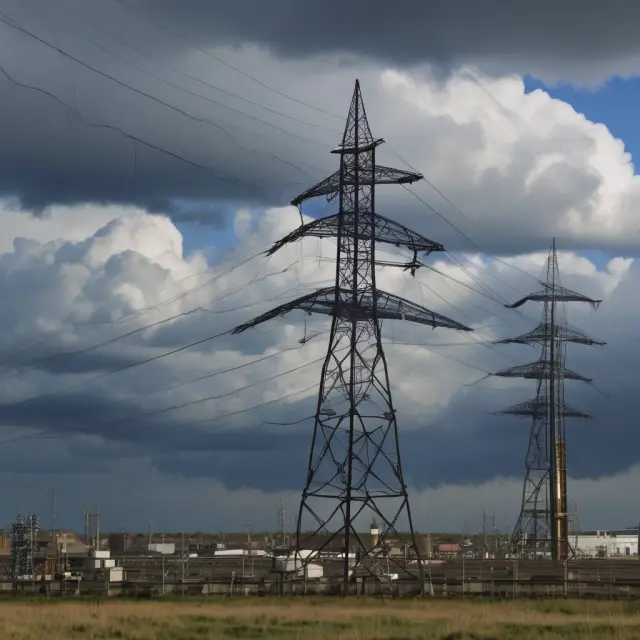
The Role of Weather Derivatives in Risk Management
Weather derivatives have emerged as vital tools for managing weather risks for various industries, particularly agriculture, tourism and travel, and energy sectors. These financial instruments allow businesses to hedge against potential losses due to adverse or unexpected weather conditions, offering protection from revenue losses that traditional markets might not account for. The concept of weather derivatives is rooted in the fact that virtually every industry depends on the climate in some way, making them a crucial investment option for many.
History of Weather Derivatives: From Insurance to Financial Instruments
Weather derivatives have evolved from simple insurance contracts into sophisticated financial instruments. The first-ever recorded weather derivative transaction dates back to the 16th century when European farmers entered into contracts with merchants and shippers, agreeing to pay a fixed sum for a good harvest in exchange for a percentage of the crop’s yield. Fast forward to the late 1990s, and weather derivatives began trading over-the-counter (OTC) and quickly became tradeable on an exchange, attracting institutional investors as part of a broader investment strategy.
Types of Weather Derivatives: Rainfall, Temperature, and Indexes
Weather derivatives can be linked to various aspects of weather, such as rainfall or temperature, with each derivative typically based on an index measuring that particular weather element. For example, a heating degree day (HDD) contract records the daily mean temperature below a predetermined reference point over a specified period and determines the final figure for potential payments or receipts from the seller to the buyer. Other types of weather derivatives include wind speed derivatives, solar radiation derivatives, and precipitation derivatives.
Advantages of Weather Derivatives for Institutional Investors
Institutional investors can benefit significantly from investing in weather derivatives due to their low correlation with traditional markets, providing diversification benefits for portfolios. They also offer the possibility of trading on an exchange, allowing for increased transparency and liquidity compared to OTC contracts. Furthermore, institutional investors may use weather derivatives as a hedging tool to protect against potential losses caused by extreme weather events in their supply chains or industries.
Understanding Weather Derivatives vs. Insurance and Commodity Derivatives
Though similar in some aspects, weather derivatives differ from insurance and commodity derivatives. Weather derivatives provide protection against the reduction of demand resulting from slightly adverse weather conditions—for example, a wetter-than-expected summer may not result in price adjustments for crops but can significantly impact revenue for the tourism industry. Insurance, on the other hand, covers catastrophic weather events like hurricanes and earthquakes, while commodity derivatives focus on hedging the price of an underlying asset based on a specific volume, such as oil or corn futures. A combination of weather and commodity derivatives offers optimal risk mitigation strategies for various industries.
In conclusion, weather derivatives serve a crucial role in managing risks associated with adverse weather conditions across diverse sectors like agriculture, tourism and travel, and energy industries. With their unique characteristics, such as low correlation with traditional markets and ability to hedge against specific weather elements, they have proven to be an essential investment tool for institutions seeking protection from weather-related financial losses.

Types of Weather Derivatives: Rainfall, Temperature, and Indexes
Weather derivatives offer protection against the financial repercussions of various weather conditions, including rainfall and temperature. Understanding the different types can help you make informed decisions when considering this investment.
Rainfall Derivatives
Rainfall derivatives allow investors to hedge against potential crop losses due to insufficient or excessive rainfall. In agriculture, farmers often rely on a consistent amount of precipitation for optimal yield. Rainfall derivatives enable them to protect their revenue by purchasing contracts that pay out if certain weather thresholds are not met. These contracts can be especially valuable during growing seasons when potential crop losses due to drought or heavy rain are more significant risks.
Temperature Derivatives
Temperature derivatives, also called heat or cold weather derivatives, provide protection against temperature fluctuations that could negatively impact businesses and industries. For instance, power plants can use these contracts to hedge against increased costs associated with extreme temperatures. By purchasing temperature derivatives, they can mitigate the risk of unexpected energy demand due to unusual climate conditions. Similarly, tourism-dependent regions may benefit from temperature derivatives to manage revenue risks during periods of unusually warm or cold weather, as travelers’ preferences for certain destinations shift based on seasonal temperatures.
Index Derivatives
Index derivatives track specific weather indices and provide coverage against overall weather patterns that could affect a wide range of industries. For example, the Chicago Mercantile Exchange (CME) offers futures contracts for heating degree days (HDD), which measure the cumulative heating requirement during a specified period in various locations. Companies reliant on heating or cooling systems to maintain their operations can use these contracts to protect against increased energy costs due to extreme weather events. By investing in index derivatives, they gain protection from potential price fluctuations caused by broader climate trends.
Understanding the distinctions between rainfall, temperature, and index derivatives can help businesses and investors make informed decisions about which type of weather derivative best suits their unique risk management needs. As weather patterns continue to shift unpredictably, these financial instruments can provide invaluable protection against potential losses and offer opportunities for profitable investments.

Advantages of Weather Derivatives for Institutional Investors
Weather derivatives have gained significant popularity among institutional investors as a hedging tool to protect themselves from weather-related risks in various industries such as agriculture, energy, tourism, and construction. By investing in these financial instruments, institutions can transfer the risk of potential losses due to adverse weather conditions and secure their revenue streams. Here are some key advantages of weather derivatives for institutional investors:
1. Diversification: Weather derivatives offer a unique opportunity for diversification from traditional asset classes. Institutional investors can allocate a portion of their portfolio to weather derivatives, reducing overall risk and enhancing overall portfolio performance by offsetting losses in other sectors.
2. Reduced volatility: Investing in weather derivatives allows institutional investors to hedge against the inherent risks associated with volatile weather patterns. This is particularly useful for those who rely heavily on seasonal revenues, as it helps to smooth out cash flows and maintain financial stability.
3. Hedging potential losses: In industries that are sensitive to weather conditions, such as agriculture or energy, weather derivatives can be used to offset potential losses due to adverse weather events. This can provide a buffer against unpredictable market fluctuations caused by extreme weather occurrences.
4. Locking in prices and revenues: Weather derivatives enable institutions to lock in prices for crops, electricity, or other commodities based on specific weather conditions. This can be beneficial for those who deal with perishable goods or those whose profits are influenced by weather conditions.
5. Market transparency and liquidity: Compared to traditional insurance contracts, weather derivatives offer a more transparent market where prices and trading volumes are readily available. Moreover, the over-the-counter (OTC) market for weather derivatives is highly liquid, which makes it easier for institutional investors to enter and exit positions as needed.
6. Customizable solutions: Weather derivatives come in various forms and structures that can be tailored to meet specific risk management needs. For example, investors can choose derivatives based on rainfall, temperature, or indexes, depending on their industry and the nature of the weather risks they face.
7. Institutional appeal: The institutional investor community has shown a growing interest in weather derivatives due to their attractive risk-adjusted returns and low correlation with other asset classes. This is evidenced by increased investment flows into weather derivatives funds, further validating the importance of this investment vehicle for institutional investors.
In conclusion, weather derivatives have emerged as a crucial financial instrument for institutional investors looking to manage risks associated with volatile weather patterns. They offer diversification benefits, reduced volatility, potential loss offsetting, price and revenue locking, market transparency, customizable solutions, and institutional appeal—making them an essential addition to any well-diversified investment portfolio.

Understanding Weather Derivatives vs. Insurance and Commodity Derivatives
Weather derivatives, insurance, and commodity derivatives each serve unique roles in managing risk. Let’s discuss the key differences between these financial instruments.
Firstly, it is essential to understand that weather derivatives are a specialized subset of commodity derivatives. While commodities like oil or gold have an intrinsic value that can be bought and sold, weather doesn’t possess a tangible value. Instead, weather derivatives provide insurance against potential losses caused by specific weather events.
Weather derivatives work similarly to insurance. They protect buyers from financial damages related to adverse weather conditions by offering payouts when the agreed-upon weather threshold is met or exceeded. However, unlike insurance policies, weather derivatives do not require the buyer to demonstrate a loss. Instead, they are based on predetermined indices such as temperature, precipitation, or wind speed.
Comparatively, insurance covers catastrophic events with low probabilities like earthquakes, hurricanes, and tornadoes, whereas weather derivatives address higher-probability events, such as a dryer-than-expected summer, which can still result in significant financial losses for industries like agriculture or energy.
Both insurance and weather derivatives serve important roles in managing risk; however, they are not mutually exclusive. A company might choose to purchase both depending on the specific risks it faces. For instance, an agricultural business might have a need for both insurance against catastrophic events (hurricane, hailstorms) and weather derivatives to protect against yield losses due to adverse weather conditions.
When comparing weather derivatives to commodity derivatives, it’s important to note that the latter allows hedging on price based on a specific volume, whereas weather derivatives offer protection against actual utilization or yield, regardless of the volume. For example, buying oil futures enables an investor to lock in the price for a specified quantity of crude oil, while getting into weather derivatives provides coverage for overall risk related to yield and utilization.
For instance, a temperature below 10 degrees could result in complete damage to wheat crops, whereas rain on weekends in Las Vegas can impact city tours. Thus, a combination of weather and commodity derivatives is optimal for comprehensive risk mitigation strategies.
In summary, each financial instrument plays an essential role in managing risks. Insurance protects against catastrophic events, commodity derivatives enable hedging based on price and volume, while weather derivatives offer protection from potential losses due to adverse weather conditions, enabling companies and investors to manage their risk more effectively.

Key Considerations Before Investing in Weather Derivatives
Before venturing into the weather derivatives market, institutional investors must consider several critical factors that could impact their investment strategies. Here, we explore some of these essential elements to help ensure a profitable and informed decision-making process.
1. Understanding Weather Risk: Institutional investors need to assess their specific exposure to weather risks for their portfolio companies or projects. This evaluation should include identifying industries with heightened sensitivity to weather conditions such as agriculture, tourism, energy, construction, and transportation. Moreover, the assessment must account for historical climate data and potential future trends that may influence both short-term and long-term investments.
2. Choosing the Right Derivative Type: Institutional investors should familiarize themselves with various weather derivatives, including those based on rainfall, temperature, or indices. Understanding each type’s advantages and limitations will help them make an informed decision regarding which derivative best suits their investment objectives and risk tolerance level. For example, farmers might prefer rainfall-based derivatives to mitigate production risks due to precipitation patterns. In contrast, energy firms could choose temperature-based instruments to hedge against fluctuations in electricity demand during extreme weather conditions.
3. Evaluating Contract Terms: The terms and conditions of a weather derivative contract play a crucial role in determining potential profitability and risk exposure. These aspects include setting the trigger price or index for payments, defining the geographical location and time frame for the contract, and selecting the appropriate payout structure (fixed, floating, or average). Understanding these elements will help investors make informed decisions when negotiating contracts with counterparties and determine if a particular derivative aligns with their investment goals.
4. Assessing Counterparty Creditworthiness: Given that weather derivatives trade over-the-counter (OTC), institutional investors must carefully evaluate the creditworthiness of potential counterparties. This assessment should include analyzing the financial stability, reputation, and risk management capabilities of each prospective trading partner to minimize the likelihood of default. Additionally, investors may consider purchasing insurance or collateral from reliable providers to reduce counterparty risk.
5. Considering Market Liquidity: Institutional investors need to consider market liquidity when investing in weather derivatives. In less-liquid markets, it might be challenging to enter and exit positions easily, which could lead to higher transaction costs or slippage. To mitigate this risk, investors may choose more widely traded instruments or work with experienced brokers who can provide access to diverse counterparties and pricing options.
6. Staying Updated on Weather Market Trends: Keeping abreast of weather market trends and forecasts is essential for institutional investors looking to optimize their investment strategies in weather derivatives. Regularly monitoring weather patterns, seasonal forecasts, and historical climate data can help inform decisions regarding derivative types, pricing, and potential entry/exit points. Additionally, staying updated on geopolitical factors and regulatory developments that might impact the weather market is crucial for long-term success.
By carefully considering these six factors, institutional investors can make informed decisions when investing in weather derivatives and optimize their risk management strategies to mitigate climate risks while maximizing potential returns.

Investment Strategies for Institutional Investors in Weather Derivatives
Understanding the Potential of Weather Derivatives as an Asset Class
Weather derivatives have become increasingly popular among institutional investors due to their low correlation with traditional asset classes and the potential for generating attractive returns. The weather-related risks faced by various industries create a significant market opportunity for institutional investors seeking new investment avenues. In this section, we delve into the diverse investment strategies that institutional investors can employ when investing in weather derivatives.
Diversification as a Key Investment Strategy
Institutional investors frequently use diversification strategies to minimize risk and optimize their portfolio performance. Weather derivatives offer an excellent opportunity for such diversification. By investing in a range of weather derivatives tied to different regions, seasons, and indices, institutional investors can effectively spread risk across various weather risks and create a well-balanced portfolio.
Hedging Against Industry-Specific Risks
Industries like agriculture, energy, tourism, and construction are particularly susceptible to weather-related risks. Hedging against these risks through weather derivatives enables institutional investors to protect their investments in companies within these industries or even invest in weather derivatives directly. For example, an agricultural commodity fund may purchase a weather derivative contract based on rainfall indices to hedge against crop losses due to droughts.
Investment Opportunities in Weather Derivative Indices
Weather derivatives indices, such as the Chicago Mercantile Exchange’s (CME) Weather Index Series, provide institutional investors with an efficient way of accessing large weather risk markets. These indices offer a standardized and transparent method for investing in various weather risks across multiple locations and time frames. By investing in these indices, institutional investors can benefit from the diversification offered by the underlying weather derivatives while minimizing transaction costs and counterparty risk.
Arbitrage Opportunities with Weather Derivatives
Arbitrage opportunities can be found when there is a pricing discrepancy between two or more related markets. In the context of weather derivatives, arbitrage strategies involve exploiting pricing differences in identical or similar weather derivatives contracts across various exchanges and markets. For instance, an institutional investor might identify an opportunity to profit from price discrepancies in temperature index futures for different cities or seasons.
Taking Advantage of Seasonal Weather Trends
Seasonal weather trends can be used by institutional investors to generate returns through weather derivatives. By analyzing historical weather data and understanding seasonal trends, investors can make informed investment decisions to capitalize on market inefficiencies. For example, if a particular region is historically prone to droughts during certain seasons, an investor may buy rainfall derivatives based on that region during those times to potentially profit from potential claims.
Weather Derivatives as a Hedge Against Inflation and Market Volatility
Institutional investors can also use weather derivatives as a hedge against inflation and market volatility. Weather-related events have the potential to significantly impact commodities, energy, and other markets. By investing in weather derivatives, institutional investors can secure fixed payouts against the risks of price fluctuations or production disruptions due to adverse weather conditions.
Incorporating Weather Derivatives into an Active Portfolio Management Strategy
Active portfolio management strategies involve making frequent trades and adjustments based on market conditions and short-term forecasts to capitalize on potential opportunities. Institutional investors can incorporate weather derivatives into their active portfolio management strategies by trading in the underlying indices or individual contracts, exploiting arbitrage opportunities, or utilizing quantitative models to analyze historical data and predict future weather trends.
Conclusion
Weather derivatives offer a multitude of investment opportunities for institutional investors seeking to hedge against industry-specific risks, capitalize on seasonal trends, diversify their portfolios, or even generate returns through arbitrage strategies. As the market for weather derivatives continues to grow and evolve, institutional investors will increasingly turn to these innovative financial instruments as a valuable addition to their investment toolkit.

Market Trends and Future Outlook of Weather Derivatives
The weather risk management market, which includes weather derivatives, has grown significantly over the past decade, driven by increasing recognition of climate change’s impact on business operations and the expanding use cases for this innovative financial instrument. According to a report by Moody’s Analytics, the global weather risk insurance market is projected to reach $10.7 billion in 2025, with an annual growth rate of approximately 9%. This substantial expansion can be attributed to several factors:
1. Rising Awareness of Climate Risks: As climate change continues to impact industries worldwide, companies are increasingly recognizing the need for effective risk management tools against weather-related losses. Weather derivatives provide a valuable solution for businesses with revenue exposure to temperature, precipitation, and other meteorological factors.
2. Expanding Use Cases: Originally primarily used in agriculture, energy, and insurance sectors, weather derivatives have seen increased adoption across various industries such as tourism, transportation, manufacturing, and construction. These sectors now rely on weather derivatives to manage risks related to temperature, precipitation, solar radiation, and other weather factors that can significantly impact their operations and profitability.
3. Technological Advancements: Improvements in data collection, forecasting, and risk modeling capabilities have led to more sophisticated weather derivative products and pricing models. This enhances the overall value proposition for buyers and sellers, enabling better hedging strategies and increased liquidity in the market.
4. Regulatory Support: Governments and regulatory bodies are increasingly recognizing the importance of climate risk management and supporting its adoption through incentives, guidelines, and frameworks. For example, European Union regulations require large financial institutions to disclose their exposure to extreme weather events and natural catastrophes, encouraging them to adopt weather risk management tools like derivatives.
5. Strategic Investments: Institutional investors, such as pension funds, insurers, and hedge funds, have started investing in weather derivatives as part of diversified portfolios. They offer low correlation with traditional asset classes, attractive yields, and potential for portfolio protection against extreme weather events.
These trends demonstrate the growing importance and opportunities in the weather derivatives market, making it an essential topic for institutional investors to explore as they seek to manage and mitigate their climate risks effectively.

FAQ: Frequently Asked Questions About Weather Derivatives
What exactly are weather derivatives?
Weather derivatives are financial instruments that enable companies or individuals to hedge against potential losses due to adverse weather conditions. By purchasing a weather derivative, the buyer gains protection from potential revenue losses caused by specific weather events, such as extreme temperatures, rainfall, or droughts. The seller of the derivative assumes the risk and offers payouts if certain weather thresholds are met.
How do weather derivatives differ from traditional insurance?
Both weather derivatives and insurance serve to mitigate potential financial losses for businesses; however, they focus on different types of weather risks. Insurance typically covers catastrophic events such as hurricanes, tornadoes, and earthquakes, whereas weather derivatives hedge against more common weather occurrences, like below-average crop yields due to drought or excess rainfall affecting tourism industries.
Where can I trade weather derivatives?
Weather derivatives are primarily traded over the counter (OTC) through brokers and dealers, although some exchanges such as the Chicago Mercantile Exchange (CME) offer standardized contracts for trading. OTC markets provide customized solutions based on specific locations and weather conditions, while exchange-traded contracts follow standardized rules and are accessible to a wider audience.
Which industries typically use weather derivatives?
Numerous industries rely on weather derivatives for risk management purposes: agriculture, tourism and travel, energy, construction, insurance, and entertainment, among others. Weather conditions significantly impact these sectors’ operations, revenues, or profitability, making weather derivatives an essential tool for managing risks.
What types of weather derivatives are available?
Three main categories of weather derivatives exist: rainfall derivatives, temperature derivatives, and index derivatives. Rainfall derivatives focus on total precipitation over a specified period in a specific location; temperature derivatives revolve around the number of days a temperature falls below or remains above a predefined level; and index derivatives are based on weather indices like heating degree days (HDD) or cooling degree days (CDD), which measure the overall impact of temperature variations.
How can investors benefit from weather derivatives?
Investors can gain exposure to various weather-related risks, providing diversification benefits and reducing portfolio volatility. Additionally, weather derivatives have historically displayed a low correlation with traditional financial markets, potentially enhancing portfolio performance. However, it’s crucial for investors to thoroughly evaluate each contract’s specific terms and potential risks before investing.
What is the future outlook for weather derivatives?
The demand for weather derivatives has been increasing as climate change continues to impact various industries. According to research reports, the global weather risk market is projected to grow at a CAGR of approximately 12% between 2022 and 2031. This growth is attributed to expanding applications across multiple sectors, including agriculture, insurance, energy, and others, as companies look for innovative ways to manage climate risks.
 Next entry · No. 5,657Weather Futures: Protecting Businesses from Economic Losses Due to Unpredictable Weather
See also
-
 No. 5,522
16 Sep 2025
20 min
Understanding Volatility Swaps: A Pure Play on Asset Volatility
Finance Policy
No. 5,522
16 Sep 2025
20 min
Understanding Volatility Swaps: A Pure Play on Asset Volatility
Finance Policy -
 No. 5,921
18 Oct 2025
20 min
Understanding Zomma: A Third-Order Risk Measure for Derivative Investors
Finance Policy
No. 5,921
18 Oct 2025
20 min
Understanding Zomma: A Third-Order Risk Measure for Derivative Investors
Finance Policy -
 No. 5,912
18 Oct 2025
21 min
Understanding the ZEW Indicator of Economic Sentiment for Institutional Investors
Finance Policy
No. 5,912
18 Oct 2025
21 min
Understanding the ZEW Indicator of Economic Sentiment for Institutional Investors
Finance Policy -
 No. 5,893
16 Oct 2025
21 min
Understanding Zero-Coupon Convertibles: Marrying Zero-Coupons and Convertibles
Finance Policy
No. 5,893
16 Oct 2025
21 min
Understanding Zero-Coupon Convertibles: Marrying Zero-Coupons and Convertibles
Finance Policy -
 No. 5,884
15 Oct 2025
18 min
Zero Basis Risk Swap (ZEBRA) – Understanding the Zero-Risk Interest Rate Swap for Institutional Investors
Finance Policy
No. 5,884
15 Oct 2025
18 min
Zero Basis Risk Swap (ZEBRA) – Understanding the Zero-Risk Interest Rate Swap for Institutional Investors
Finance Policy -
 No. 5,662
27 Sep 2025
20 min
The Weekend Effect in Finance: Understanding This Persistent Market Phenomenon
Finance Policy
No. 5,662
27 Sep 2025
20 min
The Weekend Effect in Finance: Understanding This Persistent Market Phenomenon
Finance Policy