Weather Futures: Protecting Businesses from Economic Losses Due to Unpredictable Weather

Learn how Weather Futures can protect businesses from economic losses caused by unpredictable weather conditions. Understand its concept, benefits, risks…
Understanding Weather Futures
Weather futures represent a unique financial instrument that enables businesses to protect themselves from economic losses due to unpredictable weather conditions. These derivatives, based on the difference in recorded temperatures over a defined period, have gained popularity as a hedging tool for companies sensitive to temperature fluctuations. Originating in the 1990s, weather futures were introduced as a way for businesses to manage risks tied to changes in average daily temperatures.
Weather futures are essentially an agreement between two parties to buy or sell the cash value of an underlying weather index based on recorded temperature at a later date. The most common type of weather future contract is calculated using heating degree days (HDD) and cooling degree days (CDD). HDDs represent the number of degrees that a day’s average temperature falls below 65°F (18°C), while CDDs represent the number of degrees above this benchmark. By measuring aggregate temperature differences, these weather futures allow businesses to hedge against potential losses resulting from extreme temperatures.
Businesses often face economic risks when dealing with weather conditions that are outside their insurance coverage. While property-casualty insurance policies may cover physical damages caused by severe weather events such as windstorms or hail, they do not typically protect against indirect costs resulting from changes in temperature. For instance, heavy rain could lead to decreased customer turnout, while crops might fail to thrive under extreme heat conditions. Weather futures are designed to help mitigate these risks by allowing businesses to secure financial protection based on anticipated weather patterns.
Weather derivatives, including futures and options, first gained recognition in 1999 when the Chicago Mercantile Exchange (CME) introduced them as standardized contracts traded publicly on the open market. Previously, over-the-counter (OTC) weather derivatives were privately negotiated agreements between two parties. The introduction of CME’s exchange-traded weather futures and options on futures marked a major shift in the accessibility and transparency of this hedging tool. Today, these cash-settled futures are used by various industries to manage risks related to temperature fluctuations, making weather futures an essential aspect of weather risk management for businesses prone to economic impacts from climate changes.
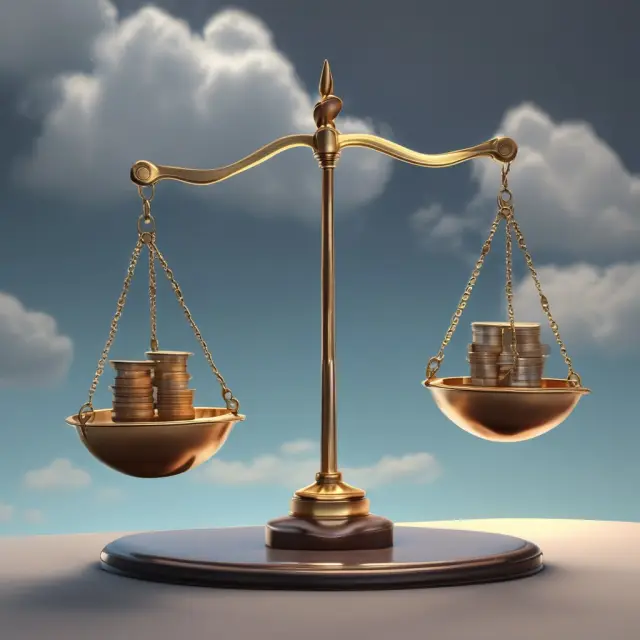
Weather Derivatives vs Insurance Policies
Weather derivatives and insurance policies serve different purposes when it comes to managing risks associated with weather conditions for businesses. While both tools have their unique merits, understanding the key differences between them is crucial for effectively mitigating financial losses caused by adverse weather events.
Weather Derivatives
Weather derivatives, specifically weather futures, enable businesses to lock in future prices based on weather variables such as temperature, precipitation, or wind. These contracts function similarly to traditional futures, with buyers and sellers entering into agreements to exchange a predetermined value tied to the underlying weather index at a specified future date. By trading weather derivatives, companies can effectively hedge against potential losses caused by unpredictable climate conditions.
Insurance Policies
On the other hand, insurance policies are designed primarily to protect businesses from financial losses due to physical damage or total loss resulting from specific weather-related events such as windstorms, hail, floods, and earthquakes. The primary goal of insurance is to transfer risk from the policyholder to the insurer. While some insurance policies may offer coverage for economic losses associated with weather conditions that do not cause direct physical damage, these policies are often limited in their scope and may come with high premiums or significant deductibles.
Comparing Weather Derivatives and Insurance Policies
To determine which tool is best suited for a particular business need, it’s essential to weigh the differences between weather derivatives and insurance policies. The primary distinction lies in their respective focuses on risk management and payout structures.
Risk Management
Weather derivatives are designed to manage financial risks arising from fluctuations in weather conditions that affect revenue or production for industries such as agriculture, energy, construction, transportation, and tourism. Insurance policies, meanwhile, primarily focus on protecting against physical damage or loss resulting from specific weather events. Both tools can be used together to mitigate comprehensive risk exposure, but it’s crucial to assess the unique needs of your business before deciding which approach is most appropriate.
Payout Structures
Another critical factor in determining whether to use a weather derivative or insurance policy lies in the payout structures of each option. Weather derivatives provide cash settlements based on predefined weather indexes, while insurance policies typically offer indemnification for covered damages or losses. Understanding the potential benefits and limitations of each payout structure can help you make an informed decision about which tool best fits your business’s risk management strategy.
In conclusion, weather derivatives and insurance policies serve distinct purposes in managing risks related to unpredictable weather conditions. While weather derivatives offer businesses the ability to hedge against financial losses caused by shifts in weather conditions through cash settlements, insurance policies protect against physical damage or loss resulting from specific weather events. A well-rounded risk management strategy might involve a combination of both tools depending on a business’s unique needs and industry exposure to weather risks.

Key Concepts: Heating Degree Days (HDD) and Cooling Degree Days (CDD)
Understanding HDD and CDD is essential when delving into the world of weather futures. These concepts represent the foundation for measuring temperature variations over a specific period and can help determine payouts for weather derivatives contracts.
Heating Degree Days (HDD)
Definition: A Heating Degree Day (HDD) is a measure of the heating demand in a particular location. It represents the difference between the average daily outdoor temperature and a specified base temperature. HDDs are calculated by subtracting the base temperature (65°F or 18°C) from each day’s daily mean temperature. Each degree below the base temperature is counted as one heating degree day.
Origin: This concept originated in the energy sector, where it was used to determine the heating demand for a specific area or region during a given time frame. HDDs have become increasingly popular among industries that are heavily influenced by temperature fluctuations, such as agriculture and energy production.
Significance: HDDs are significant because they provide an objective measure of the heating requirements for a particular location during a certain period. By tracking HDDs, businesses can estimate their energy consumption patterns and plan accordingly. In weather futures trading, contracts that are based on HDDs enable buyers to protect themselves against potential losses due to colder-than-expected temperatures.
Cooling Degree Days (CDD)
Definition: A Cooling Degree Day (CDD) is a measure of the cooling demand in a specific location. It represents the difference between the average daily outdoor temperature and a specified base temperature, but instead of subtracting, we add the difference to find the number of CDDs. Each degree above the base temperature contributes one cooling degree day.
Origin: Similar to HDDs, CDDs were initially used in the energy sector to estimate the cooling demand for various regions and plan accordingly. They have gained popularity among industries that are affected by hot temperatures, such as agriculture and transportation.
Significance: CDDs are essential because they offer insight into the cooling requirements for a particular area during a specific period. By tracking CDDs, businesses can better understand their energy consumption patterns and make informed decisions regarding production and demand. In weather futures trading, contracts that are based on CDDs help buyers manage risks associated with hotter-than-expected temperatures.
The importance of HDDs and CDDs in the context of weather futures cannot be overstated. These concepts serve as the foundation for understanding how these derivatives work and provide valuable insights into temperature fluctuations that can impact businesses in various industries.

The Growth of Weather Futures
Weather futures have become increasingly popular as a hedging tool among various industries, allowing them to protect against potential economic losses brought on by unpredictable weather conditions. Originally introduced in the early 1990s, these financial instruments enable businesses to minimize risks related to temperature fluctuations that could significantly impact their profitability. Unlike traditional insurance policies, which only cover physical damage caused by extreme weather events, weather futures provide compensation for economic losses resulting from temperature deviations from the norm.
The growth in popularity of weather futures can be attributed to a significant portion of the American economy being susceptible to weather conditions. It is estimated that about 20% of the US economy is directly influenced by weather, with various industries such as agriculture, energy, travel and entertainment, and construction relying on stable temperatures for optimal operations. A mild change in temperature can lead to substantial losses for businesses. For instance, an unexpected warm front in October might reduce heating demand for energy companies, causing a decline in their revenue. Weather futures help mitigate such risks by providing a financial safety net against these losses.
The economic impact of weather derivatives was further emphasized when former Commerce Secretary William Daley testified before Congress in 1998, stating that “Weather is not just an environmental issue, it is a major economic factor.” He suggested that at least $1 trillion of the US economy is susceptible to weather influences.
In response to the growing demand for standardized and transparent weather risk management solutions, the Chicago Mercantile Exchange (CME) introduced exchange-traded weather futures in 1999. Previously, over-the-counter (OTC) weather derivatives were privately negotiated contracts made between two parties. CME weather futures and options on futures offer standardized contracts that can be traded publicly on the open market with price transparency. These cash-settled futures reflect monthly and seasonal average temperatures for 15 US and five European cities, allowing businesses to hedge against weather risks more efficiently. The settlement prices of CME listed weather futures are determined by Earth Satellite (EarthSat) Corp’s calculation of monthly or seasonal index values, ensuring a reliable and accurate assessment of temperature data.
The economic significance of weather derivatives is evident in various industries. For instance, the agriculture industry can use weather futures to hedge against potential crop losses due to unforeseen temperature changes. Similarly, energy companies can protect themselves from revenue fluctuations caused by unexpected heating or cooling demands. Travel and entertainment businesses can manage risks related to attendance and revenue volatility due to weather-related disruptions.
In conclusion, weather futures represent a powerful tool for businesses to protect against economic losses resulting from unpredictable weather conditions. With the increasing awareness of the significant impact of weather on various industries, the demand for weather derivatives continues to grow. The introduction of exchange-traded weather futures by the Chicago Mercantile Exchange has provided businesses with a reliable and transparent platform to manage their weather risk exposure effectively.

Weather Futures on the Chicago Mercantile Exchange (CME)
In the 1990s, weather futures emerged as a valuable risk management tool, enabling businesses to protect themselves from economic losses resulting from unpredictable weather conditions. These contracts are based on heating degree days (HDD) or cooling degree days (CDD) and obligate buyers to purchase the cash value of the underlying weather index when it is triggered by temperature changes. Since their inception, CME-traded weather futures have gained immense popularity due to their standardization and public trading on the open market.
Background
Before the advent of exchange-traded weather futures in 1999, these contracts were privately negotiated over-the-counter (OTC) agreements between two parties. However, with the introduction of CME’s standardized weather futures and options on futures, businesses gained access to a transparent, publicly traded market for managing their temperature risks.
CME Weather Futures: Features and Importance
The Chicago Mercantile Exchange (CME) introduced exchange-traded weather futures in 1999, offering standardized contracts based on HDD and CDD for both US and European cities. These cash-settled futures use indexes to reflect monthly and seasonal average temperatures. Settlement prices are determined by the final monthly or seasonal index value as calculated by reputable organizations like Earth Satellite (EarthSat) Corporation, ensuring transparency and reliability for market participants.
Advantages of CME Weather Futures
The standardized and publicly traded nature of CME weather futures provides several advantages:
- Transparent pricing and negotiation: Continuous auction-style trading ensures complete price transparency and eliminates the need for individualized negotiations.
- Liquidity and accessibility: Trading on a large, reputable exchange like the CME increases liquidity and makes it easier for businesses to enter and exit contracts.
- Diversification of risk: Weather risks are an essential component of many industries, such as agriculture, energy, travel, and construction. CME weather futures offer businesses the opportunity to diversify their risk portfolios by hedging against potential weather-related losses.
Industries that Benefit from CME Weather Futures
The profitability of various industries depends on fluctuations in temperature, wind, and precipitation. Approximately 20% of the American economy is weather-sensitive, according to former U.S. Commerce Secretary William Daley. By leveraging CME weather futures, businesses from sectors like agriculture, energy, travel, entertainment, and construction can effectively manage their risk exposure and better prepare for potential losses due to unpredictable weather conditions.

How Weather Futures Work
Weather futures provide businesses with a crucial tool to protect themselves against losses incurred due to unexpected fluctuations in weather conditions. While insurance policies may cover physical damage caused by extreme weather events, they do not offer compensation for economic losses arising from unforeseen changes in temperature that impact industries such as agriculture, energy, and travel and entertainment.
The concept of weather futures emerged during the early 1990s when firms began to hedge against weather exposure based on indexes measuring average daily temperatures. These derivatives enable businesses to offset potential losses by purchasing a weather future contract that obligates them to pay or receive cash equivalent to the value of an underlying weather index based on heating degree days (HDD) or cooling degree days (CDD).
A HDD is defined as the number of degrees a day’s average temperature falls below 65°Fahrenheit (18°Celsius). In contrast, CDD refers to the number of degrees that exceed 65°Fahrenheit. This benchmark temperature was chosen as it marks minimal heating or cooling demand for office buildings. The settlement price of a weather futures contract is typically determined by the value of HDD or CDD indexes for a specific month or season, multiplied by $20 per degree.
Payouts are contingent on the cumulative difference in daily temperatures relative to the benchmark, providing compensation for losses if temperatures exceed or fall below the specified level. For instance, an HDD weather futures contract will yield gains when the total temperature falls below the agreed-upon level, as heating occurs during colder conditions. Conversely, a CDD weather futures contract generates profits when temperatures rise above the specified threshold, given that cooling is required to maintain comfortable indoor environments in warmer climates.
The significance of weather futures has grown substantially due to their ability to mitigate losses for businesses, especially those with significant exposure to climate variables. For example, if an energy company experiences a loss when temperatures are unusually warm during the winter months, it can offset its financial impact through the sale of HDD weather futures contracts.
The Chicago Mercantile Exchange (CME) introduced standardized exchange-traded weather futures and options on futures in 1999, revolutionizing the previously over-the-counter (OTC) market. CME’s publicly traded weather futures are cash-settled and based on HDD and CDD indexes for various U.S. and European cities, with settlement prices calculated by Earth Satellite Corporation (EarthSat).
The growing importance of weather to the economy is reflected in the increasing popularity of weather futures, as about 20% of the American economy depends on temperature, wind, and precipitation fluctuations. Former commerce secretary William Daley emphasized during sworn testimony to Congress in 1998 that “Weather is not just an environmental issue, it is a major economic factor. At least $1 trillion of our economy is weather-sensitive.”

Benefits and Risks of Trading Weather Futures
Weather futures serve as an essential risk management tool, helping businesses protect themselves against potential losses resulting from unpredictable weather conditions. While insurance policies cover physical damage caused by extreme weather events, they do not provide protection for economic losses due to temperature fluctuations. In the early 1990s, weather derivatives such as futures emerged as a means for firms to hedge their weather exposure based on changes in average daily temperatures.
A weather future contract is an agreement between two parties where the buyer assumes the obligation to purchase the cash value of a specified weather index at a predetermined price and date. The most common weather future contracts are based on heating degree days (HDD) or cooling degree days (CDD), which represent the difference in temperatures above or below a benchmark temperature, usually 65 degrees Fahrenheit (18 degrees Celsius).
Weather futures can benefit businesses in several ways. First and foremost, they help mitigate financial risks associated with weather-sensitive industries such as agriculture, energy, travel and entertainment, and construction. For example, a warmer-than-expected October might decrease heating demand and result in losses for energy companies. However, if the company had previously sold an HDD weather future contract, they would receive compensation for their losses.
Moreover, the growing popularity of weather futures indicates that approximately 20% of the American economy is susceptible to weather-related impacts, with potential profits for numerous industry sectors. In his sworn testimony before Congress in 1998, former commerce secretary William Daley emphasized the significance of weather as a major economic factor, estimating that at least $1 trillion of the U.S. economy relies on temperature, wind, and precipitation fluctuations.
However, it is essential to recognize the risks associated with trading weather futures. Since these contracts are based on future weather conditions, they involve an inherent degree of uncertainty. Additionally, trading in large volumes can result in significant losses if the weather does not develop as expected. Proper research and understanding of historical weather patterns and market trends are crucial for successful weather futures trading.
In summary, weather futures play a vital role in managing risks within weather-sensitive industries by allowing businesses to protect themselves against potential financial losses due to unpredictable weather conditions. While the benefits of using weather futures can be substantial, it is crucial to consider the inherent risks and carefully evaluate market trends and historical weather patterns before engaging in this type of investment.

Weather Future Contracts: HDD vs CDD
When it comes to weather futures, businesses and traders have two primary types of contracts at their disposal – Heating Degree Days (HDD) and Cooling Degree Days (CDD). These contracts differ in their application depending on the specific weather exposure that a business or trader aims to manage.
Heating Degree Days (HDDs): An HDD is calculated by determining the number of degrees that a day’s average temperature falls below a benchmark temperature, typically 65°F (18°C). These contracts are ideal for industries and regions where cold temperatures can negatively impact business operations. For instance, businesses in agriculture might use HDDs to hedge against potential crop loss during colder months when temperatures fall below expected levels. Energy companies also utilize HDDs to mitigate risks associated with heating demand – the higher the HDD value, the greater the heating demand and thus higher energy consumption.
Cooling Degree Days (CDDs): Conversely, CDDs are used when daytime temperatures exceed a specific benchmark temperature. CDDs can be calculated by determining the number of degrees that a day’s average temperature rises above 65°F (18°C). Industries with business operations particularly sensitive to warmer temperatures, such as tourism, utilities, and agriculture, often use CDD contracts to manage their risk exposures. The more significant the increase in CDD values, the greater potential for increased operational costs or revenue losses due to heat.
Both HDDs and CDDs enable businesses and traders to minimize their risk exposure by offering financial protection against extreme temperature fluctuations. By entering into a weather futures contract based on either HDDs or CDDs, they can effectively manage their risk while potentially profiting from favorable weather conditions. This flexibility to mitigate climate-related risks makes weather futures an increasingly popular choice for various industries, with estimates suggesting that up to 20% of the American economy is directly influenced by temperature fluctuations. The Chicago Mercantile Exchange (CME) lists both HDD and CDD futures contracts for cash settlement, providing standardized and transparent marketplaces where traders can buy or sell these weather derivatives.
Understanding the differences between HDDs and CDDs and how they apply to specific industries can help businesses make informed decisions when entering into weather futures contracts. By carefully selecting the right contract type based on their unique risk exposure, companies can effectively hedge against potential losses, improve profitability, and ultimately strengthen their overall financial position.

Industries That Use Weather Futures
As more industries recognize the impact of weather on their businesses’ profits and economic stability, the demand for weather risk management tools, such as weather futures, has grown significantly. Weather derivatives like futures offer companies protection against unpredictable weather conditions that can result in substantial losses. Unlike traditional insurance policies, which provide coverage only for physical damage or specific events like windstorms and hail, weather futures address economic risks arising from temperature fluctuations that impact industries in various ways (Daley, 1998).
Industries sensitive to temperature shifts include agriculture, energy, travel and entertainment, construction, and manufacturing. For instance, agricultural producers may experience yield losses due to excessive heat or frost. Energy companies’ profits are influenced by changes in demand for heating or cooling based on weather conditions. Travel and entertainment industries can be affected when poor weather disrupts transportation or attendance, while construction projects face delays due to extreme temperatures.
Agricultural producers are significant users of weather futures as their yields are highly dependent on temperature variations. For example, a prolonged heatwave could potentially lead to crop loss for farmers growing temperature-sensitive crops like corn and soybeans. By purchasing HDD or CDD contracts, these farmers can hedge against potential losses due to unforeseen weather conditions that might adversely impact their crops (USDA, 2016).
In the energy sector, temperature fluctuations influence demand for heating and cooling. For instance, if the month of October is warmer than expected, energy companies may face a decrease in demand for heating services as customers require less heating. By selling HDD futures contracts to hedge against potential losses from decreased demand, these companies can secure revenue and maintain financial stability (EIA, 2016).
Weather derivatives are also an essential tool for industries like travel and entertainment. For instance, airlines may experience cancellations or delays due to severe weather conditions, leading to substantial financial losses. By purchasing CDD futures contracts, these companies can protect themselves against potential losses from increased cooling requirements in response to unexpectedly hot temperatures (BASF, 2018).
Construction projects are another industry that may utilize weather derivatives like HDD and CDD futures for risk management purposes. Prolonged periods of extreme temperatures can result in project delays or increased labor costs due to adjustments required to maintain worker safety. By purchasing weather futures contracts, construction firms can secure revenue during favorable weather conditions while protecting against potential losses during unfavorable ones (RMS, 2015).
Manufacturing industries may also benefit from utilizing weather derivatives like HDD and CDD futures. For example, a company producing temperature-sensitive goods might face increased costs due to changes in energy usage or storage requirements when temperatures deviate significantly from seasonal averages. By purchasing these contracts, they can safeguard their financial stability against potential losses (FEMA, 2016).
In summary, weather futures have proven to be an essential risk management tool for a variety of industries that are highly sensitive to temperature fluctuations. These derivatives allow businesses to protect themselves from economic losses caused by unpredictable weather conditions and provide financial stability in uncertain climatic circumstances. By understanding the importance and application of weather futures, companies can proactively manage their exposure to weather risk and maintain long-term profitability in an increasingly volatile climate landscape.

Weather Future Trading Strategies
Weather futures have emerged as an essential risk management tool for various industries susceptible to weather-related economic losses. As businesses increasingly recognize the financial implications of unpredictable and extreme weather conditions, they explore strategies to hedge their risks using these derivatives. In this section, we will delve into two popular approaches to trading weather futures: hedging and speculation.
1. Hedging Weather Futures
A hedger aims to offset potential losses by entering into a weather futures contract to lock in a price for the underlying weather index at a future date. For instance, farmers can use HDD or CDD futures contracts to protect against financial damage resulting from adverse weather conditions that affect their crop yields. Similarly, energy companies can utilize these derivatives to hedge against losses due to changes in heating or cooling demand based on temperature shifts.
2. Speculation and Weather Futures
Speculators, on the other hand, aim to profit from price movements in the weather futures market. By monitoring weather patterns and forecasts, they enter into positions with the expectation that prices will move in a particular direction. For instance, a speculator might buy CDD futures if they anticipate an upcoming heatwave. Conversely, they might sell HDD contracts if they predict an extended cold spell.
3. Timing and Execution
A critical aspect of both hedging and speculating in weather futures involves timing and execution. Weather patterns are inherently unpredictable, but meteorological data and advanced forecasting techniques can provide valuable insights for making informed decisions. Additionally, market analysis and monitoring tools allow traders to gauge liquidity levels and identify favorable entry and exit points.
4. Risks and Rewards
While weather futures offer significant benefits to businesses, they also present certain risks that should be considered carefully. Market volatility is a common risk factor for traders, with prices fluctuating based on various weather forecasts and unexpected events. Additionally, basis risk exists when the actual realized value of the underlying temperature index deviates significantly from the anticipated value at the time of contract execution. To mitigate these risks, it’s essential to maintain a solid understanding of historical data and market trends while keeping an eye on evolving weather patterns and forecasts.
5. Diversification and Portfolio Management
Weather futures provide a means for portfolio diversification, as they are negatively correlated with traditional financial assets such as stocks and bonds. By incorporating these derivatives into their investment strategies, investors can potentially minimize overall risk and enhance returns.
In conclusion, weather futures have emerged as an essential tool for managing risks in industries susceptible to economic losses due to unpredictable weather conditions. While both hedging and speculation offer potential benefits, it’s crucial to consider the underlying risks, timing, and execution when implementing these strategies. By staying informed of historical data, market trends, and evolving weather patterns, traders can maximize their chances of success in the weather futures market.
FAQs
Question 1: What are weather futures?
Answer: Weather futures are financial instruments that enable businesses to protect themselves against losses caused by unexpected shifts in weather conditions. These contracts pay off based on the aggregate difference in temperature over a fixed period, which can help mitigate economic risks for industries sensitive to temperature changes.
Question 2: How do weather futures differ from insurance policies?
Answer: Insurance policies typically cover physical damage resulting from specific weather events, while weather futures focus on economic losses stemming from temperature fluctuations. For example, an insurance policy may cover wind damage from a hurricane, but a weather future contract could help protect against decreased demand for heating or cooling services due to milder temperatures.
Question 3: How are heating degree days (HDD) and cooling degree days (CDD) used in weather futures?
Answer: Heating degree days (HDD) and cooling degree days (CDD) are indices that measure the aggregate temperature difference from a benchmark temperature. HDD is calculated by the number of degrees below 65°F (18°C), while CDD is determined by the number of degrees above 65°F. These indices are used to calculate settlement prices in weather futures contracts, with payouts dependent on whether temperatures exceed or fall below the benchmark level during a specified period.
Question 4: Who uses weather futures and why?
Answer: Weather futures are popular among industries prone to economic fluctuations due to temperature changes, including agriculture, energy, travel, entertainment, and construction. These contracts help businesses hedge their exposure by providing compensation for losses resulting from unexpected shifts in temperatures that can impact demand or production costs.
Question 5: How does the Chicago Mercantile Exchange (CME) influence weather futures trading?
Answer: The CME introduced exchange-traded weather futures and options on those futures in 1999, offering standardized contracts traded publicly with complete price transparency and continuous negotiation. This helped bring greater liquidity to the market, making it easier for businesses to manage weather risks through trading these financial instruments.
 Next entry · No. 5,658Understanding Web 2.0: The Evolution of the Internet and Its Impact on Finance and Investment
See also
-
 No. 2,066
07 Dec 2024
19 min
Heating Degree Day (HDD): An Essential Concept for Understanding Weather Derivatives and Managing Energy Risk
Energy Finance
No. 2,066
07 Dec 2024
19 min
Heating Degree Day (HDD): An Essential Concept for Understanding Weather Derivatives and Managing Energy Risk
Energy Finance -
 No. 5,731
03 Oct 2025
19 min
Mastering Wilder’s DMI (ADX) Indicator: A Powerful Tool for Trend Analysis in Finance and Investment
Business Finance
No. 5,731
03 Oct 2025
19 min
Mastering Wilder’s DMI (ADX) Indicator: A Powerful Tool for Trend Analysis in Finance and Investment
Business Finance -
 No. 5,457
10 Sep 2025
16 min
Understanding Voluntary Employees’ Beneficiary Associations (VEBAs): Tax-Exempt Organizations for Providing Welfare Benefits
Business Finance
No. 5,457
10 Sep 2025
16 min
Understanding Voluntary Employees’ Beneficiary Associations (VEBAs): Tax-Exempt Organizations for Providing Welfare Benefits
Business Finance -
 No. 5,295
27 Aug 2025
18 min
Unpaid Dividends: Understanding This Important Concept in Investing
Business Finance
No. 5,295
27 Aug 2025
18 min
Unpaid Dividends: Understanding This Important Concept in Investing
Business Finance -
 No. 5,252
24 Aug 2025
16 min
Unilateral Contracts: Understanding One-Sided Agreements in Finance and Investment
Business Finance
No. 5,252
24 Aug 2025
16 min
Unilateral Contracts: Understanding One-Sided Agreements in Finance and Investment
Business Finance -
 No. 4,462
20 Jun 2025
18 min
Understanding Reverse Stock Splits: Implications for Institutional Investors
Business Finance
No. 4,462
20 Jun 2025
18 min
Understanding Reverse Stock Splits: Implications for Institutional Investors
Business Finance