Understanding Personal Identification Numbers (PINs) for Financial Transactions

Understand the importance and use cases of Personal Identification Numbers (PINs) in financial transactions, including choosing a secure one and protecting it.
Introduction to Personal Identification Numbers (PINs)
Personal identification numbers, commonly known as PINs, are a crucial component in securing financial transactions. In simple terms, a PIN is a unique numerical code issued alongside various types of cards or accounts, requiring verification before access can be granted. The primary goal of PINs in finance is to provide an added layer of protection against unauthorized use or fraudulent activities, especially during electronic transactions.
Section Title: What is a Personal Identification Number (PIN)?
A personal identification number (PIN) is a numeric code used in conjunction with various payment cards, home security systems, mobile phones, and other applications to ensure secure access and transactions. In financial contexts, PINs are primarily linked to debit or credit cards, which require users to enter the correct PIN to withdraw cash from an ATM, make purchases at merchants, or carry out online transactions.
Section Title: How Personal Identification Numbers (PINs) are generated and issued
When a bank issues a new card, it assigns each account holder a unique PIN through various methods. Some banks generate PINs using coding systems to ensure uniqueness, while others allow clients to choose their own personal PIN upon initial card issuance or during online account creation. Regardless of the method used, the assigned or chosen PIN acts as a personal password that must be entered correctly to access the associated account.
Section Title: Choosing a Secure Personal Identification Number (PIN)
Selecting a strong and secure PIN is essential for maintaining financial security. Account holders should avoid choosing simple, easily guessed numbers such as birthdates or commonly used patterns like 1-2-3-4. Instead, it’s recommended to choose a longer, more complex code that’s difficult for others to guess. By incorporating random numbers and avoiding personal information, users can reduce the likelihood of their PIN being compromised through phishing attacks or other forms of fraud.
Section Title: Security and Protection of Personal Identification Numbers (PINs)
Protecting a PIN is paramount for maintaining financial security. Account holders must ensure they do not share their PIN with anyone, including friends, family members, or merchants. Memorizing the PIN or writing it down and keeping it in a secure location are viable options to prevent unauthorized access. Additionally, users should be cautious of unsolicited phone calls or emails requesting personal information, including PINs. By staying vigilant and following best practices for securing sensitive information, account holders can minimize the risk of having their PINs stolen or compromised.
Section Title: Personal Identification Numbers (PINs) in Electronic Transactions
When making a purchase from a merchant using an electronic payment method, such as a card or mobile wallet, the system will prompt users for their PIN to verify their identity and authorize the transaction. By providing the correct PIN, users allow merchants to process their payments, ensuring that they are indeed the authorized account holder. The use of a PIN in this context adds an extra layer of security against fraudulent transactions, giving both consumers and merchants peace of mind.
In conclusion, Personal Identification Numbers (PINs) play a vital role in securing financial transactions by providing an additional layer of authentication and protection from potential fraud or unauthorized access. By understanding the importance, generation, and usage of PINs, users can make informed decisions to secure their personal financial information, ensuring safe transactions and peace of mind.

What is a Personal Identification Number (PIN)?
A Personal Identification Number (PIN) is a critical component in securing financial transactions. This numerical code, typically ranging from four to six digits long, is required for various transactions involving payment cards, home security systems, and mobile phones. The primary purpose of using PINs is to provide an additional layer of protection against unauthorized access.
Personal identification numbers are most commonly used in conjunction with debit cards. When a person receives their card from the bank, they must select a unique PIN number that will be required each time they withdraw cash from an ATM or make purchases at merchants. The importance of choosing a strong and secure PIN cannot be overstated since it serves as a shield against potential financial fraud.
Beyond debit cards, PINs play essential roles in various other instances. Home security systems often require entry codes that function similarly to PINs, allowing only authorized individuals access to their residences. Mobile phones may also demand a PIN or password for added protection.
The process of generating and issuing a personal identification number involves the cardholder or the bank employing a coding system to create a unique combination of numbers. Alternatively, account holders are given the freedom to choose their own PIN during the initial setup stage. The importance of selecting a strong, secure PIN cannot be overemphasized since it is often the only barrier between a cardholder’s financial information and unauthorized access.
To ensure maximum security, it is recommended that individuals avoid using short, basic PINs, such as “123” or numbers related to their personal information (e.g., birthdays or Social Security Numbers). The complexity of a PIN is crucial in preventing unwanted intrusions into financial accounts. Additionally, cardholders must always be cautious not to share their PIN with anyone and avoid entering it into potentially fraudulent sites or devices.
During electronic transactions, a Personal Identification Number (PIN) adds an essential layer of security. When conducting business with merchants, the use of a PIN requires the buyer to provide additional verification that they are indeed the rightful cardholder. This added security measure helps prevent unauthorized access and reduces potential financial losses for both parties involved.
In summary, understanding Personal Identification Numbers (PINs) is crucial for safeguarding personal finances in various transactions. A PIN acts as a shield against unauthorized access to sensitive financial data by providing an additional layer of security during the transaction process. By following best practices when choosing and protecting a PIN, individuals can significantly minimize the risk of falling victim to financial fraud.

How Personal Identification Numbers (PINs) are generated and issued
A personal identification number (PIN) is a crucial element in the process of making financial transactions using payment cards, such as debit or credit cards. PINs provide an additional layer of security to prevent unauthorized access to your account. Banks issue these numbers when you apply for a new card or during the activation process of a recently replaced one.
Two primary methods are employed by banks to generate and issue personal identification numbers: coding systems and self-selected PINS.
1. Coding Systems: Some banks employ complex algorithms to create unique numerical codes for each account holder. These codes are then sent either via mail or directly to the user upon card issuance. This method ensures that no two individuals have the same PIN, adding an extra level of security.
2. Self-Selected PINs: Alternatively, banks allow users to create their personal identification numbers during activation or application processes. The recommended best practice is selecting a unique and complex PIN consisting of six digits or more that is not easily guessed. Common mistakes include using simple combinations like birthdates or sequences like 1234 or 5678.
Upon issuance, receiving your personal identification number can occur through multiple channels:
– Mail: In some cases, banks send the PIN via mail along with the new card to ensure maximum security. The envelope is typically marked “Personal and Confidential” to alert users of its importance.
– Email: Some financial institutions send a temporary PIN by email, which must be changed immediately upon activation. This approach aims to enhance user convenience but adds an element of risk due to the potential for hacking or phishing attempts.
– In-Person: In certain instances, account holders can visit their local branch and receive their personal identification number from a teller or representative upon card issuance.
It is essential that users keep their personal identification numbers confidential and do not disclose them to anyone else. Sharing your PIN may lead to unauthorized access to your account, leading to potential financial losses or identity theft.

Choosing a Secure Personal Identification Number (PIN)
A personal identification number (PIN) plays an essential role in safeguarding financial transactions. This numerical code, commonly associated with payment cards, adds an extra layer of security when making or receiving payments. When setting up a PIN for your account, it’s crucial to choose a secure and unique one that is not easily guessed.
**Why Secure PIN Matters**
The use of a personal identification number (PIN) has become standard practice in various transactions, such as withdrawing money from an ATM or making payments at merchants. Since PINs are essentially passwords for your account, it’s vital to keep them confidential and strong. If your PIN is compromised, the unauthorized individual may access your bank account and potentially drain funds.
**Tips for Creating a Strong PIN**
A secure PIN should meet certain criteria:
- **Length:** Your PIN should consist of at least 4 digits but ideally be longer than that to increase complexity.
- **Complexity:** Avoid using simple sequences, such as consecutive numbers or common patterns (e.g., 1-2-3, 10-20-30).
- **Unrelated to Personal Information:** Do not use easily identifiable information like your birth year, name, or Social Security Number.
- **Memorable but Difficult to Guess:** Choose a PIN that is easy for you to remember while still being hard for others to guess. Consider incorporating random numbers and avoiding obvious choices (e.g., 1-2-3-4 or all even numbers).
**Avoiding Common Mistakes**
It’s essential to avoid common mistakes when setting up a PIN. Some of these mistakes include:
- **Using Personal Information:** Avoid using easily identifiable information, such as your date of birth, middle name, or the last four digits of your Social Security Number.
- **Short and Simple PINs:** Lengthy, complex PINs are more secure than shorter, simpler ones.
- **Common Numbers:** Avoid using common sequences like 1-2-3 or 4-5-6. Instead, create a unique combination of numbers.
**Securing Your Personal Identification Number**
Once you have created a strong and unique PIN, it’s crucial to keep it confidential. Here are some tips for securing your PIN:
- **Do Not Share:** Never share your PIN with anyone, even if they claim to be from your bank or a trusted institution. Your bank will never ask you for your PIN over the phone or in an email.
- **Protect Your Card:** Keep your payment card secure, and make sure that no one else has access to it when entering your PIN at an ATM or merchant location.
- **Change Regularly:** Consider changing your PIN every few months as an added security measure. This will help prevent potential unauthorized users from accessing your account if they manage to obtain your PIN through illicit means.

Security and Protection of Personal Identification Numbers (PINs)
Personal identification numbers (PINs) are crucial components in securing your financial transactions. As PINs are like passwords, it’s essential to protect them from being shared or disclosed, preventing unwanted access to your accounts. A strong, hard-to-guess personal identification number adds another layer of security that safeguards against fraudulent behavior.
Common Instances for Using Personal Identification Numbers
Personal identification numbers are used in various instances, not just with debit cards linked to bank accounts. They can also be found in home security systems and mobile phones. When choosing a PIN for any device or account, follow these guidelines:
- Longer than shorter – Opt for a personal identification number of 6 digits rather than a 4-digit one.
- Avoid common information – Stay away from using your birthday, marriage anniversary, or Social Security Number to create your PIN.
- Easy to remember but hard to guess – Your PIN should be something you can recall easily but is not easily guessed by others.
Protecting Personal Identification Numbers in Electronic Transactions
When making electronic transactions with merchants, the use of a personal identification number adds an extra layer of security. Merchant transactions involve multiple parties: the merchant, their acquiring bank, the processing network, and your issuing bank. To ensure secure communication, a PIN is often required as the final step in the payment process.
To minimize the risk of having your PIN intercepted during a transaction, follow these guidelines:
- Shield your PIN while entering it at an ATM or Point-of-Sale terminal.
- Opt for chip and PIN technology, as it is more secure than the traditional magnetic stripe method.
- Keep an eye on your bank statements to ensure that no unauthorized transactions have occurred.
- Use a mobile app instead of entering your PIN in public places like restaurants or airports. Mobile payment apps often offer tokenization and encryption, providing enhanced security measures over traditional card-swipe methods.
- Consider enabling two-factor authentication whenever possible to add an additional layer of protection to your accounts.
Stay Informed and Stay Secure
By following best practices for creating a strong PIN and protecting it, you can help safeguard your financial transactions and maintain the security of your personal information. Regularly update yourself with the latest news on security measures and technologies to stay informed and protected.
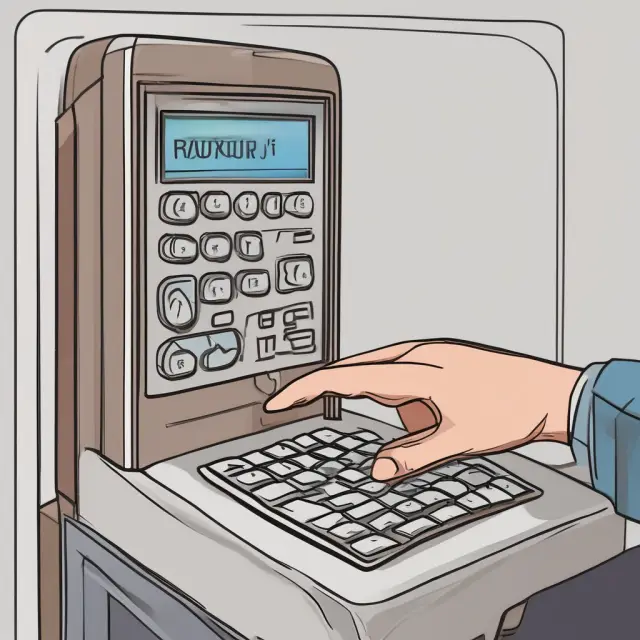
Personal Identification Numbers (PINs) in Electronic Transactions
In today’s digital age, financial transactions have become increasingly commonplace and convenient. However, the ease of completing electronic transactions comes with an increased risk for fraud. In response to this growing concern, personal identification numbers (PINs) have been adopted as a crucial security measure by financial institutions. This section explores how PINs are utilized in electronic transactions with merchants.
What is a Merchant Transaction?
A merchant transaction refers to any financial exchange that takes place between a consumer and a business entity using an electronic payment method, such as a credit card or debit card. These transactions occur at the point of sale (POS) and often involve several parties: the merchant, the acquiring bank, the processing network, and the issuing bank.
Role of Personal Identification Numbers (PINs) in Merchant Transactions
The use of personal identification numbers (PINs) during a merchant transaction adds an extra layer of security to the process. By requiring a PIN number as the final step in completing a payment, merchants can help ensure that the person making the purchase is indeed authorized to do so. This is particularly important when conducting card-present transactions, where the cardholder and their card are physically present at the point of sale.
PIN Verification Process
When entering a PIN during a merchant transaction, the following steps occur:
- The consumer enters their PIN number into the keypad or input device provided by the merchant.
- The terminal sends this information to the card issuer through the processing network for verification.
- The issuing bank checks the entered PIN against the one on file for the card associated with that account.
- If the entered PIN matches, the transaction is approved and the payment is processed. If not, the transaction is denied.
Security Benefits of Personal Identification Numbers (PINs) in Merchant Transactions
The implementation of PINs during merchant transactions offers several benefits:
- Added Security: By requiring a PIN number, financial institutions can help prevent unauthorized access to consumer accounts. This can mitigate the risk of fraudulent charges made by someone other than the cardholder.
- Verified Identity: PIN numbers serve as an additional means of verifying that the person attempting to make a transaction is indeed the authorized account holder.
- Enhanced Trust: The use of PINs can also help build trust between consumers and merchants. Knowing that they have an added layer of security in place can give customers peace of mind when making purchases.
Conclusion
In conclusion, the use of personal identification numbers (PINs) plays a vital role in ensuring the security and integrity of electronic transactions with merchants. By requiring a PIN number as the final step in completing a payment, merchants add an additional layer of protection against unauthorized access to consumer accounts. With the continued shift towards digital transactions, understanding how PINs work is essential for both consumers and businesses alike.

Process of an Electronic Transaction Using a Personal Identification Number (PIN)
A personal identification number (PIN) adds security to electronic financial transactions by requiring account holders to provide additional verification before completing transactions. This process is crucial in preventing unauthorized access or fraudulent behavior during merchant transactions. In this article, we delve deeper into the process of a typical electronic transaction involving a PIN.
The Merchant Transaction Process
Merchant transactions involve several parties: the merchant, the merchant acquiring bank, the processing network, and the issuing bank. When making a purchase from a merchant, the merchant first captures the card information and sends it to the merchant acquiring bank. The merchant acquiring bank then forwards this data to the processing network for approval. Once approved by the processing network, the issuing bank is contacted for confirmation that the available funds exist in the account holder’s account.
PIN Verification at the Point of Sale (POS)
The final step in a merchant transaction process involves requiring the account holder to enter their personal identification number (PIN). The PIN acts as an additional layer of security, ensuring the buyer is indeed the cardholder. This verification occurs at the point of sale (POS), which can be either in-person or online. In physical transactions, the PIN is entered on a keypad attached to the terminal, while for online transactions, users are often prompted to enter their PIN during the checkout process.
Security Precautions and Communication
Once approval is granted by the issuing bank, the transaction information is relayed back through the processing network to the merchant acquiring bank, which initiates settlement on the payment. It’s important to note that both the processing network and the issuing bank employ strict security measures throughout this process to protect against fraudulent transactions or unauthorized access.
Additionally, communication between the various parties is encrypted and securely transmitted. The personal identification number (PIN) plays a significant role in this process by adding an additional layer of security that requires the cardholder’s explicit consent before completing the transaction. This added verification step ensures a higher level of protection for both merchants and account holders alike, making electronic transactions more secure overall.
Conclusion:
In conclusion, personal identification numbers (PINs) are essential in the financial world as they provide an extra layer of security to electronic transactions, preventing unauthorized access or fraudulent behavior. The process of a merchant transaction involves several parties and steps, with the final step requiring the account holder’s personal identification number for verification at the point of sale. This process ensures a higher level of protection for both merchants and cardholders. Understanding how PINs are used in electronic transactions not only adds depth to your financial knowledge but also plays a vital role in safeguarding your financial information.

Personal Identification Numbers (PINs) for Institutional Investors
A personal identification number (PIN) is a crucial component in securing financial transactions, extending beyond individual consumers to institutional investors. In today’s digital landscape, PINs play an essential role in large-scale money transfers and secure access to critical accounts. This section delves into the application of PINs within institutional investment circles.
Institutional Investors and Personal Identification Numbers (PINs)
Institutions like mutual funds, hedge funds, pension funds, and insurance companies manage significant financial assets on behalf of individuals and entities, requiring strict security measures for sensitive transactions. Similar to individual consumers, institutional investors employ personal identification numbers (PINs) to secure access to their accounts and add an extra layer of protection against unauthorized transactions or potential breaches.
Accessing Institutional Accounts with Personal Identification Numbers (PINs)
Institutions typically use a multi-factor authentication approach when it comes to securing investor access to their online platforms, which includes personal identification numbers as one component. By incorporating PINs, institutions can ensure that only authorized individuals have access to the account information and transaction capabilities. For instance, an investment advisor may require a client’s unique PIN to access sensitive data or execute trades on their behalf.
Secure Transactions with Personal Identification Numbers (PINs)
As the value of institutional transactions can be vast, ensuring security is paramount. When conducting wire transfers, the use of personal identification numbers adds a critical layer of verification to ensure the authenticity of the transaction’s originator. Institutional investors typically have the option to input their PIN when initiating a wire transfer or executing other high-value transactions.
Best Practices for Personal Identification Numbers (PINs) in Institutions
Just like individual consumers, it is important for institutional investors and financial professionals to follow best practices when managing personal identification numbers. These practices include:
- Using complex, unique PINs that are not easily guessable
- Avoiding the use of common numbers or sequences, such as birthdays or consecutive digits
- Limiting access to account information by granting access only to authorized personnel
- Changing PINs on a regular basis (e.g., annually)
- Enforcing strict password policies and requiring multi-factor authentication for account access
In summary, personal identification numbers play an essential role in securing transactions for institutional investors. By following best practices and using complex, unique PINs, financial institutions can minimize the risk of unauthorized access to sensitive information and funds.

Advancements in Personal Identification Number (PIN) Technology
The use of personal identification numbers (PINs) has become an essential component of financial transactions, providing security and identity verification since their introduction over 50 years ago. With continuous advancements in technology, PINs have evolved significantly to meet the demands for enhanced security and convenience. Let us explore some of these technological advancements in the realm of personal identification numbers.
Biometric Authentication and Personal Identification Numbers (PINs)
One of the most notable advancements is the introduction of biometric authentication, such as fingerprint and facial recognition technology. Many financial institutions have implemented this feature for their customers to use as an alternative or supplement to a traditional PIN. By using biometrics to authenticate transactions, there’s no need for individuals to remember or input a PIN, offering a more seamless user experience. Biometric authentication provides an added layer of security as it is unique to each person and is significantly harder to replicate than a numerical code.
Multi-factor Authentication and Personal Identification Numbers (PINs)
Another advancement in the realm of personal identification numbers is multi-factor authentication (MFA). This methodology adds an additional layer of security by requiring two or more methods for verifying one’s identity. For example, a combination of a PIN and a code sent via SMS to a user’s phone. This approach significantly reduces the risk of account takeover through phishing attempts and other forms of unauthorized access.
Virtual Keyboard and Personal Identification Numbers (PINs)
The introduction of virtual keyboards on mobile devices has improved security for personal identification numbers during online transactions. Instead of physically typing out a PIN, virtual keyboards hide the actual characters being typed from prying eyes. This is particularly important in public spaces or when using shared devices, ensuring that sensitive information remains confidential.
Conclusion:
Advancements in technology have significantly impacted personal identification numbers’ role in financial transactions, offering more security and convenience to users. Biometric authentication, multi-factor authentication, and virtual keyboards are just a few of the advancements that continue to shape the future of PINs as we know it. As our reliance on electronic transactions grows, so does the need for secure and user-friendly methods to authenticate and verify transactions. These innovations will continue to evolve, ensuring that personal identification numbers remain an integral component in safeguarding our financial information.

FAQs About Personal Identification Numbers (PINs)
What is a Personal Identification Number (PIN)?
A personal identification number (PIN) is a numerical code used in various electronic financial transactions, including debit cards and mobile phones, to add an additional layer of security. PINs are issued by banks or institutions and required to be entered to complete certain transactions.
What is the purpose of using a Personal Identification Number (PIN)?
The primary goal of a personal identification number (PIN) is to provide an extra layer of protection during electronic financial transactions. By requiring users to enter their PIN, banks and institutions can ensure that only authorized individuals are accessing account information or completing transactions.
How is a Personal Identification Number generated?
Personal identification numbers are typically generated by the issuing bank through coding systems or can be chosen by the cardholder upon application for a new card or opening an account. It’s essential to note that personal identification numbers should not be shared with anyone, as they serve as an added security measure.
What is a good Personal Identification Number (PIN)?
It is recommended to choose a long, hard-to-guess PIN that isn’t related to personal information such as birthdays or Social Security Numbers. Avoid using short and simple PINs like “123” or common numbers to maintain the security of your account.
What if I forget my Personal Identification Number (PIN)?
If you forget your personal identification number, contact your bank or institution to request a new one. They may require additional verification information before issuing a new PIN to ensure your security.
Is it safe to share my Personal Identification Number (PIN) with others?
No, never share your personal identification number with anyone, even if they claim to represent your bank or an institution. Sharing your PIN can lead to unauthorized access and potential fraudulent activity on your account.
What happens during an electronic transaction using a Personal Identification Number (PIN)?
During an electronic transaction, the merchant, merchant acquiring bank, processing network, and issuing bank all play a role in verifying the buyer’s identity through the use of a personal identification number. The PIN is required as the final step to complete the payment process, ensuring that only authorized individuals are completing transactions on their accounts.
 Next entry · No. 3,963Understanding Personal Lines Insurance: A Comprehensive Overview
See also
-
 No. 4,346
11 Jun 2025
17 min
Understanding Regulation DD: A Directive Set Forth by the Federal Reserve
Finance Policy
No. 4,346
11 Jun 2025
17 min
Understanding Regulation DD: A Directive Set Forth by the Federal Reserve
Finance Policy -
 No. 5,900
17 Oct 2025
23 min
Understanding Zero Liability Policies: Protecting Yourself from Credit and Debit Card Fraud
Consumerism
No. 5,900
17 Oct 2025
23 min
Understanding Zero Liability Policies: Protecting Yourself from Credit and Debit Card Fraud
Consumerism -
 No. 5,826
10 Oct 2025
19 min
Understanding Wrongful Dishonor: What Happens When a Bank Fails to Honor a Valid Instrument?
Business Finance
No. 5,826
10 Oct 2025
19 min
Understanding Wrongful Dishonor: What Happens When a Bank Fails to Honor a Valid Instrument?
Business Finance -
 No. 5,578
20 Sep 2025
19 min
Waiver of Exemption: Understanding Its History and Modern Regulations in Finance and Investment
Business Finance
No. 5,578
20 Sep 2025
19 min
Waiver of Exemption: Understanding Its History and Modern Regulations in Finance and Investment
Business Finance -
 No. 5,239
23 Aug 2025
18 min
Understanding Unified Payments Interface (UPI) – How this Indian Payment System Works for Institutional Investors
Business Finance
No. 5,239
23 Aug 2025
18 min
Understanding Unified Payments Interface (UPI) – How this Indian Payment System Works for Institutional Investors
Business Finance -
 No. 4,549
27 Jun 2025
17 min
Safe Deposit Boxes: Secure Storage Solutions for Valuables and Important Documents
Personal Finance
No. 4,549
27 Jun 2025
17 min
Safe Deposit Boxes: Secure Storage Solutions for Valuables and Important Documents
Personal Finance