Understanding Proration: A Corporate Action Impacting Cash and Equity Offerings for Institutional Investors

Proration is the proportional scaling back of shareholders' requests when a deal is oversubscribed, such as a partial tender offer that receives more shares than the buyer will take or a cash-and-stock merger where too many holders elect cash. Under SEC Rule 14d-8, an oversubscribed partial tender offer is filled pro rata.
Introduction to Proration: An Overview
Proration, a term frequently encountered in financial and investment markets, represents the allocation of cash and equity offerings among shareholders during corporate events such as mergers, acquisitions, or capital raises. This corporate action is designed to ensure fairness and balance between investors’ preferences and company resources. Proration becomes necessary when the demand for cash or equity offerings surpasses available funds. In this article, we delve into the concept of proration: its significance, differences from pro-rata, practical applications in mergers and acquisitions, and implications for shareholder value.
Understanding Proration: Fairness in Corporate Offerings
When a company undergoes a significant event such as a merger or an acquisition, it may offer both cash and equity to its shareholders as payment. However, when investor demand for cash or equity exceeds the available funds, proration is employed to distribute shares fairly among all eligible investors. This practice ensures that no single shareholder receives preferential treatment over others.
Through this allocation process, investors receive a combination of cash and equities based on their initial tender offer. For instance, if an investor tendered a request for $10,000 in cash but the company could only pay out $5,000, the investor would receive half of the requested amount as cash and the remaining portion as equity. Although this might not satisfy every shareholder’s initial preferences, proration maintains fairness by allowing all investors to participate in the corporate action with equal value.
Differences Between Proration and Pro-rata: A Clear Distinction
It is essential to distinguish between proration and pro-rata. While both terms involve proportional allocation or distribution, they serve different purposes. Pro-rata refers to an equal share or portion for each individual, such as a pro-rata dividend allocation. Proration, on the other hand, denotes adjustments made to ensure balance when demands exceed available funds.
For instance, consider an equity offering in which the total demand from investors is $15 million, and only $10 million is available. In this situation, proration is used to allocate $8 million worth of shares to each investor instead of giving them their full initial request. Pro-rata distribution would result in dividing the available amount equally among all shareholders, regardless of their original demands.
In the context of mergers and acquisitions, proration plays a crucial role when managing equity and cash offerings to ensure fairness and balance. In the following sections, we will explore how this concept is applied during such corporate actions and its implications for investor strategies and shareholder value.

The Basics of Proration: A Fair Share for All
Proration is a term used when a company, during certain corporate actions such as mergers and acquisitions, offers both cash and equity to its shareholders and distributes them fairly based on the demands and available resources. When available cash or shares are not sufficient to satisfy all tendered offers from investors, the remaining stock is prorated. Proration ensures fairness by granting a proportion of both cash and shares for each offer tendered, providing equal value to all investors involved.
Instances where proration becomes essential include mergers and acquisitions (M&As), stock splits, special dividends, and spinoffs. In M&As, shareholders might prefer cash or equity based on differences in taxes, interest rates, or growth opportunities. Proration helps companies allocate resources efficiently while balancing investor preferences to maintain fairness and equality.
A merger between companies occurs for several reasons: gaining market share through a horizontal merger, reducing the costs of operations through a vertical merger, expanding to new markets, or uniting common products through a congeneric merger. Proration plays an essential role during these transactions as it ensures fairness in how both companies reward their shareholders and enables companies to accommodate investor demands while adhering to antitrust guidelines set by the Federal Trade Commission (FTC).
For example, consider a company deciding to acquire a rival for $100 million, consisting of 75% cash and 25% equity. If a majority of investors from the acquired company elect cash payments, the acquiring firm will need to adjust its accounting figures to accommodate this demand and provide each investor with their fair share of the deal. The proration factor refers to the fraction of equity shares accepted by an acquiring company needed for target company’s shareholders to participate in a takeover offer. By understanding the proration factor, investors can better anticipate the potential impact on their holdings during M&A activities.

Key Differences: Proration vs. Pro-rata
In the realm of finance, investors and financial analysts often encounter two terms: proration and pro-rata. Although they are related concepts, it is essential to distinguish between them. Proration is a term used when a company allocates resources fairly in response to shareholder preferences during corporate actions such as mergers, acquisitions, stock splits, special dividends, or spinoffs. Pro-rata, on the other hand, signifies some proportional allocation or distribution of a payment, expense, or right.
Proration becomes necessary when shareholders elect different forms of compensation – cash versus equity. For example, during mergers and acquisitions, acquiring firms may offer various combinations of cash and equity to accommodate investors’ choices. However, if the available cash or shares are insufficient to meet the offers that shareholders have tendered, proration is employed to ensure fairness for all parties involved.
Shareholders may prefer one form of compensation over another depending on their specific circumstances – tax implications, interest rates, and investment objectives. For instance, a retiree might opt for cash to cover living expenses, whereas an institutional investor could be more interested in acquiring additional equity shares to expand its portfolio. Proration ensures that every shareholder receives the same value, even though not everyone may receive their initially requested form of compensation.
Pro-rata allocations, on the other hand, are made when a company distributes something proportionally based on an individual’s share or participation. For example, if a company decides to distribute a dividend pro-rata, each shareholder will receive a portion of that dividend based on their overall percentage of total shares owned.
Understanding the differences between proration and pro-rata is crucial for investors as they prepare for various corporate actions and navigate the financial markets effectively. By staying informed about these concepts and recognizing how they apply to specific investment situations, investors can make more informed decisions that maximize their potential returns while minimizing risks.

Proration in the Context of Mergers and Acquisitions
When it comes to corporate actions, mergers and acquisitions (M&A) represent one of the most significant events that can cause a need for proration. Proration occurs when a company is unable to fully satisfy all investors’ demands due to limited resources or available cash during a transaction – especially in mergers where two companies come together, resulting in a new entity and redistribution of shares.
The Role of the Federal Trade Commission (FTC) and Antitrust Concerns
Before discussing proration in detail, it’s crucial to touch upon the importance of considering antitrust laws during M&A activities. The Federal Trade Commission (FTC) plays a pivotal role in maintaining fair competition within industries by preventing mergers that could result in monopolies or significantly reduced competition. This concern becomes particularly relevant when two direct competitors merge, creating what’s known as horizontal mergers.
When a proposed merger raises antitrust concerns, the FTC will investigate to determine if the deal would negatively impact competition and consumers. In some instances, the FTC may require concessions or divestitures from the companies involved in order for the transaction to move forward. By addressing these regulatory considerations, it becomes easier for us to understand how proration comes into play during M&A situations.
Example of Proration in a Merger Scenario
Imagine a company planning to acquire a rival with a cash offer totaling $100 million, which includes 75% cash and 25% equity. However, if the majority of shareholders from the firm being acquired prefer cash instead, the acquiring company may need to change its accounting figures to accommodate their demands. Consequently, each investor in the target company would receive less cash than originally anticipated – possibly even half or a third of what they had initially expected. This adjustment helps maintain balance between shareholder demands and the company’s resources.
Proration Factor: Understanding the Proration Calculation
The proration factor refers to the fraction of equity shares that an acquiring company must accept for target company shareholders to participate in a takeover offer. This calculation is essential for determining the exact proportion of cash or equity each investor will receive when proration becomes necessary due to limited resources or available cash during a transaction.
In summary, understanding proration’s role and impact on mergers and acquisitions can help investors make informed decisions regarding their investments and the potential implications of these significant corporate actions. By considering the FTC’s antitrust regulations and how they influence M&A transactions, investors are better prepared to anticipate potential situations that may involve proration.
Understanding Proration Factors: A Comprehensive Guide
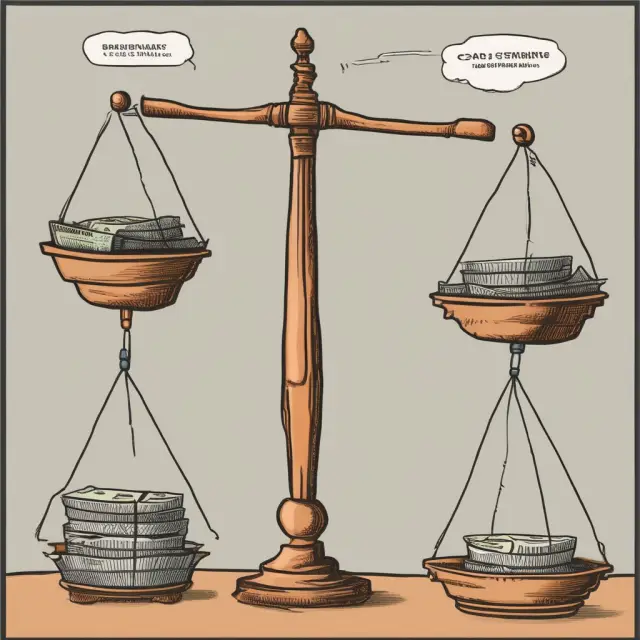
Proration is a term used during corporate actions, such as mergers and acquisitions, to ensure fairness among shareholders when there’s not enough cash or shares to meet their demands. The concept of proration factors comes into play during these scenarios. Proration factors refer to the amount of equity shares accepted by the acquiring company that target company shareholders must tender to participate in a takeover offer.
Let us delve deeper into proration factors and their role in various corporate actions:
1. Equity Offerings: In an equity offering, such as a merger or acquisition, companies may not always have sufficient cash on hand to meet every shareholder’s desired payment structure. Proration comes in here by allowing the acquiring firm to offer a combination of cash and shares based on the tendered votes (proportionally), ensuring that all shareholders receive a fair allocation.
2. Mergers and Acquisitions: Proration plays a crucial role when a company decides to merge or acquire another. In a merger, both firms have to determine their proportional equity ownership in the newly formed entity. The proration factor will help distribute shares fairly based on predefined criteria, such as the number of outstanding shares before the merger, and the percentage of total consideration each shareholder elects to receive in either cash or stock.
3. Balancing Supply and Demand: Proration factors are essential when balancing investor demand for cash or equity offerings against the company’s available resources. By using proration, a firm can ensure that all investors receive a proportional allocation of the available shares and cash. This maintains equilibrium between supply and demand while addressing fairness concerns among shareholders.
In conclusion, understanding proration factors is essential when navigating complex corporate actions like mergers, acquisitions, and equity offerings. Proper implementation of proration can result in a fair and balanced distribution of resources to all stakeholders involved.
The Importance of Proration: Balancing Demand and Supply
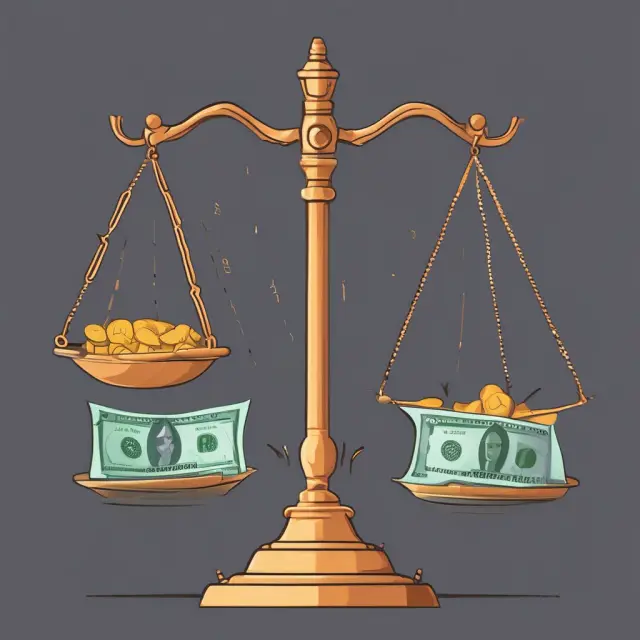
Proration plays a critical role in maintaining equilibrium between investor demand for cash or equity and a company’s resources. This is most notably relevant during mergers, acquisitions, or corporate actions when shareholders express their preference for one form of compensation over the other based on factors like taxes, interest rates, and growth opportunities. When the total value of tendered offers exceeds the available funds from a firm, the remaining stock is prorated. Proration ensures that all shareholders receive an equivalent allocation in terms of both cash and equity, even though this might not be their initial preference. While every investor may not receive their desired amount of cash or equity, they will still maintain the same value received by others, preserving fairness throughout the transaction.
Proration’s significance is evident when considering instances like mergers and acquisitions where available cash or shares are insufficient to meet shareholder demands. The importance of this balance is further highlighted in the context of antitrust concerns. The Federal Trade Commission (FTC) plays a vital role in ensuring that merger outcomes do not negatively impact market competition, as they may create monopolies if left unchecked. In cases where proration is necessary, it is crucial for acquiring firms to remain mindful of the FTC’s guidelines and adapt to maintain a competitive industry landscape.
Understanding Proration in Mergers: A Closer Look
When two or more companies merge, their combined resources are redistributed among shareholders. The proration factor, which is the fraction of equity shares accepted by an acquiring company that enables target company shareholders to participate in a takeover offer, comes into play during merger transactions. Proration ensures that all parties involved receive a fair share while maintaining balance between the total value of offers and available resources.
In instances where proration is essential due to insufficient cash or shares, companies must allocate resources appropriately to satisfy investor demand and adhere to antitrust guidelines. In this process, a firm might modify an initial offer by adjusting cash payments, equity grants, or both to ensure that all shareholders receive the same proportional value.
Historical Precedent: Proration in Context
Proration has been employed throughout various industries and companies in the past, particularly during mergers, acquisitions, and corporate actions. Understanding historical precedent provides insights into its significance and helps investors make informed decisions. A well-known example of proration occurred during the 1986 acquisition of RJR Nabisco by KKR, where $31.1 billion was raised through a leveraged buyout involving both cash and equity contributions from numerous investors.
In conclusion, proration serves an essential role in maintaining equilibrium between investor demand for cash or equity and a company’s resources during corporate actions like mergers and acquisitions. By understanding its importance, shareholders can better anticipate the potential implications on their investments and make strategic decisions accordingly.

Historical Precedent: Proration in Accounting and Business
Proration, as previously mentioned, is a crucial concept in corporate finance when it comes to mergers, acquisitions, stock splits, special dividends, spinoffs, and other major corporate actions. It is essential for institutional investors and financial analysts to understand the historical context and usage of proration within accounting and business. In this section, we’ll explore some instances where proration has been implemented and its implications.
One of the earliest recorded uses of proration can be traced back to the 1920s during the infamous Roaring Twenties, a time of significant economic growth and market speculation in the United States. During this period, many companies experienced rapid expansion, leading to various mergers, acquisitions, and consolidations. Proration emerged as a necessary tool for these transactions, particularly when dealing with stock splits and special dividends.
A well-known example of proration’s application occurred during the merger between AT&T and Western Electric in 1925. This merger involved multiple parties, including American Telephone & Telegraph Company (AT&T) as the parent company and Western Electric as a major subsidiary. The merger resulted in significant changes for both firms and their shareholders. Proration was used to ensure that all shareholders received a fair distribution of stock and cash following the merger’s completion.
The concept of proration continued to evolve throughout the 20th century, with various corporations utilizing it during major transactions, such as IBM’s acquisition of Control Data Corporation in 1968. In this instance, IBM elected to pay shareholders of Control Data a combination of cash and stock. Proration was employed to determine the exact ratio of cash versus equity for each investor based on their shares tendered.
More recently, proration has become increasingly significant due to the increasing popularity of merger arbitrage as an investment strategy. Merger arbitrage involves buying stocks in a target company when it is announced that a potential acquiring firm has made a bid. As the deal progresses, institutional investors look for opportunities to profit from the price spread between the target and acquiring companies’ stock prices. Proration plays a critical role during this process, as its implementation can impact share prices, potentially affecting an investor’s return on investment.
Understanding proration’s historical precedent is essential for financial analysts, institutional investors, and other industry professionals to effectively evaluate corporate actions and make informed decisions about their investments. By examining past examples of proration usage, one can develop a better understanding of its role in various transactions, as well as anticipate how it might impact future mergers and acquisitions.
In summary, proration is an indispensable concept within finance, particularly during major corporate actions such as mergers, acquisitions, stock splits, special dividends, spinoffs, and more. Its historical usage has been significant in ensuring fair distribution of resources for all parties involved while maintaining a balance between demand and supply. As we continue to explore the world of proration, it is crucial to consider its role in today’s complex financial landscape and how it may impact future transactions.

Proration’s Impact on Shareholder Value
In a corporate action, proration plays a crucial role when the available cash or shares are not sufficient to meet the demands of all investors. Proration is designed to ensure fairness and balance between investor demand and company resources, guaranteeing that shareholders receive proportional value despite differences in their preferred method of payment: cash or equity.
During mergers and acquisitions, companies must decide how to distribute shares to existing stockholders. In an ideal scenario where the acquiring firm has enough cash on hand, each shareholder would receive their preferred mode of payment – cash or equity – without issue. However, when demand for cash exceeds available cash, proration comes into play to ensure fairness. By offering a combination of both cash and stock, companies allocate shares proportionally among investors based on the proration factor.
The value of this practice lies in maintaining shareholder wealth through balancing demands with resources. Proration enables all shareholders to receive the same relative value from a corporate action, regardless of their preferred payment method. This approach mitigates potential friction and dissatisfaction within a shareholder base.
One example of proration’s importance is during a merger. In such a scenario, companies may distribute new shares of the combined entity to existing stockholders. If not enough cash is available to pay for all new shares, proration ensures that each investor receives proportional value in terms of cash and equity based on their initial election.
The proration factor plays an essential role in this process by determining how many equity shares a company must accept from the target firm’s shareholders to participate in the takeover offer. This factor is calculated as the ratio of the total number of new shares issued to the total number of tendered shares. In turn, the prorated value received by each investor is equal to their original election multiplied by their pro-rata allocation based on this factor.
This strategic approach allows all shareholders to maintain their long-term investment objectives while ensuring a fair outcome for everyone involved in the transaction. Anticipating potential proration scenarios and being prepared can help investors maximize returns and mitigate potential risks associated with mergers, acquisitions, and other corporate actions.
By understanding how proration works, its impact on shareholder value becomes clear: it ensures equity distribution is balanced while maintaining a fair allocation of resources to all parties involved.

Anticipating Proration: A Strategic Approach
Understanding how proration operates can provide significant advantages for institutional investors, particularly when it comes to mergers and acquisitions. While no one can predict with certainty whether a given transaction will involve proration or not, savvy investors can employ various strategies to anticipate potential scenarios and ensure their portfolios are prepared.
First, closely monitoring industry news and regulatory filings from targeted companies is essential. The presence of preliminary merger talks often leaks out well in advance of official announcements. By being aware of these early signs, investors may have the opportunity to adjust their positions before the market reacts. This can help minimize potential losses due to share price volatility during the merger announcement and subsequent proration, if it occurs.
Another key strategy is to regularly review a company’s debt and equity structures to identify any weaknesses or potential vulnerabilities that may make it more likely to undergo mergers and acquisitions. For example, companies with high levels of outstanding debt or low-performing assets can be attractive targets for larger firms looking to expand their operations or reduce costs. By identifying such companies early on, investors can position themselves to benefit from potential future transactions.
Finally, analyzing a company’s historical behavior during previous mergers and acquisitions can provide valuable insights into its response to proration. For example, some companies may adopt a more shareholder-friendly approach by providing higher cash payouts or larger proportions of equity shares during prorated transactions. By examining these patterns and understanding the motivations behind them, investors can make informed decisions about how best to position their portfolios ahead of potential future deals.
In conclusion, while proration may not be a topic that generates headlines or attracts widespread attention, it is an essential concept for institutional investors focused on mergers and acquisitions. By staying informed about industry news, monitoring a company’s financial health, and analyzing its historical behavior, investors can anticipate potential proration scenarios and maximize their returns in the face of these complex corporate actions.

FAQ: Frequently Asked Questions About Proration
What is proration, and how does it differ from pro-rata?
Proration refers to a corporate action that ensures fairness during cash and equity offerings by companies undergoing mergers, acquisitions, or other significant events. In contrast, pro-rata is a term for proportional allocation or distribution of something, like a payment or expense, among the parties involved. Proration ensures that every shareholder receives the same value, while pro-rata distribution splits resources proportionally.
What happens if there isn’t enough cash to cover all tendered shares during a corporate action?
When available cash is insufficient, companies employ proration to distribute both cash and shares in a way that balances investor demands with the company’s resources. This ensures fairness for all shareholders involved.
Why does proration occur?
Proration arises when a company cannot pay shareholders in full due to resource constraints during events like mergers, acquisitions, or other corporate actions. Instead of favoring some investors over others, the firm prorates shares and cash to ensure fairness among all participants.
What is an example of when a company would need to employ proration?
Suppose a company intends to acquire a rival for $100 million but does not have enough cash to pay out the entirety of the agreed-upon sum in cash. In this case, proration may be employed by adjusting the equity shares offered instead to accommodate the investor preferences. By doing so, all shareholders receive their fair proportionate value from the transaction.
What is a proration factor?
A proration factor is the fraction of equity shares accepted by an acquiring company that enables target company shareholders to participate in a takeover offer. It serves as a benchmark for determining how much equity will be converted into cash and vice versa, ensuring fairness among all parties involved.
What is the role of antitrust concerns during mergers and acquisitions?
The Federal Trade Commission plays an essential role in addressing potential antitrust concerns when companies propose mergers or acquisitions to ensure that these transactions do not create or enhance market power, leading to monopolies in their respective industries. This helps maintain a competitive business landscape for consumers and shareholders alike.
 Next entry · No. 4,136Prospect Theory: Understanding the Psychology of Perceived Gains and Losses in Investing
See also
-
 No. 5,313
29 Aug 2025
21 min
Understanding Unsolicited Bids: From Takeover Strategies to Hostile Tactics
Business Finance
No. 5,313
29 Aug 2025
21 min
Understanding Unsolicited Bids: From Takeover Strategies to Hostile Tactics
Business Finance -
 No. 4,631
04 Jul 2025
20 min
Maximizing Shareholder Value: Unraveling the Myth and Factors Influencing It
Business Finance
No. 4,631
04 Jul 2025
20 min
Maximizing Shareholder Value: Unraveling the Myth and Factors Influencing It
Business Finance -
 No. 4,460
20 Jun 2025
23 min
Understanding a Reverse Morris Trust: A Tax-Efficient Way for Companies to Divest Assets
Business Finance
No. 4,460
20 Jun 2025
23 min
Understanding a Reverse Morris Trust: A Tax-Efficient Way for Companies to Divest Assets
Business Finance -
 No. 5,737
03 Oct 2025
17 min
The Williams Act: Protecting Shareholder Interests in Tender Offers
Corporate Finance
No. 5,737
03 Oct 2025
17 min
The Williams Act: Protecting Shareholder Interests in Tender Offers
Corporate Finance -
 No. 1,851
15 Nov 2024
21 min
Golden Parachutes: Understanding the Controversial Compensation Packages for Executives
Corporate Finance
No. 1,851
15 Nov 2024
21 min
Golden Parachutes: Understanding the Controversial Compensation Packages for Executives
Corporate Finance -
 No. 933
03 Jul 2024
20 min
Understanding Defeasance in Finance: A Strategy for Paying Off Debts Early
Corporate Finance
No. 933
03 Jul 2024
20 min
Understanding Defeasance in Finance: A Strategy for Paying Off Debts Early
Corporate Finance