Understanding Purchasing Power: Preserving Value Amid Inflation

Learn the importance of purchasing power as a measure of currency value and discover strategies for preserving it amidst inflation. Understand historical…
The Concept of Purchasing Power
Purchasing power is a critical concept in finance and economics as it determines a currency’s value based on the number of goods or services it can buy at a given point in time. It acts as a measure of the real value of money, showcasing how much purchasing power one unit of currency holds. Understanding purchasing power is essential to comprehend its implications in various contexts, including investments and economic conditions.
Inflation, characterized by rising prices, can erode a currency’s purchasing power over time. When the cost of goods and services rises, each unit of that currency buys fewer goods or services than before. Measuring purchasing power helps assess the impact of inflation on economies and consumers.
A common method to measure purchasing power changes is through the Consumer Price Index (CPI). The CPI calculates price changes for a basket of consumer goods and services, allowing comparisons between different time periods or locations. Central banks use this information to adjust interest rates and maintain purchasing power while keeping the economy stable.
Historical examples demonstrate the significance of preserving purchasing power amidst inflation. For instance, Germany in the aftermath of World War I experienced devastating hyperinflation, resulting in a worthless currency and a significant reduction in its citizens’ purchasing power.
To protect purchasing power, central banks and governments employ various economic policies. These include adjusting interest rates, implementing regulations, and initiating programs that address inflationary pressures. Another concept related to purchasing power is Purchasing Power Parity (PPP), which estimates the difference in purchasing power between two currencies based on their exchange rates.
Maintaining purchasing power is crucial for retirees and fixed-income investors, as inflation can significantly impact their standard of living. To mitigate purchasing power loss, these individuals often seek investments that provide a higher return than the rate of inflation.
As the global economy continues to interconnect through international trade and investment, safeguarding purchasing power becomes increasingly vital for maintaining economic stability and prosperity.

Inflation: The Thief of Purchasing Power
Purchasing power is a significant concept in finance and economics, representing the value of a currency expressed in terms of the goods or services it can buy at a given point in time. However, over time, inflation erodes purchasing power as prices rise and reduce what a unit of currency can purchase. Understanding the implications of inflation on purchasing power is crucial for individuals, investors, and economies.
Purchasing power loss has serious consequences that extend beyond the individual level to encompass entire economies. As prices increase, the cost of living rises, making it more challenging for people to maintain their standard of living. Inflation can also lead to higher interest rates, which affect global markets and cause credit ratings to fall, contributing to economic crises.
Central banks and governments employ various measures to protect purchasing power and keep economies stable. For instance, they use the Consumer Price Index (CPI) as a primary indicator of inflation and purchasing power changes. This measure calculates price changes across various consumer goods and services to provide insights into cost-of-living adjustments and deflation.
Inflation’s impact on purchasing power has historical precedent, with significant economic crises, such as the hyperinflation that occurred in Germany after World War I, offering stark examples of its consequences. In those instances, excessive inflation resulted from large reparations payments and a government’s attempt to print paper currency to pay them. This led to a complete loss of purchasing power for the German mark, with catastrophic economic effects.
Central banks also play a crucial role in controlling inflation, implementing policies like interest rate adjustments to maintain price stability and protect purchasing power. By keeping interest rates moderate, central banks can encourage economic growth while ensuring that their currencies retain value. The European Central Bank (ECB) and the U.S. Federal Reserve (Fed) are examples of central banks that have used quantitative easing as a means to counteract deflation and support their respective currencies’ purchasing power during financial crises.
Purchasing Power Parity (PPP), an economic theory, provides a framework for comparing the relative value of different currencies in terms of purchasing power. PPP helps investors, businesses, and governments assess the cost-of-living differences between countries and identify potential inflation risks or opportunities. Understanding PPP is essential for global market participants since it informs investment decisions, economic forecasting, and risk management strategies.
To protect against purchasing power loss, investors can consider various strategies. For example, investing in commodities like oil and precious metals may offer a hedge against inflation as their prices often rise with inflation rates. Additionally, investments that adjust to keep pace with inflation, such as Treasury Inflation-Protected Securities (TIPS), can help maintain purchasing power by providing returns that correspond to changes in the Consumer Price Index.
Retirees and individuals on fixed incomes are particularly vulnerable to purchasing power loss due to their reliance on a constant income stream to finance their living expenses. As prices rise, they require higher income levels to maintain their standard of living. Investing in assets that keep pace with inflation is crucial for this demographic to ensure that their savings and retirement funds retain their value.
In summary, understanding purchasing power and its implications for individuals and economies is essential for investors, businesses, and policymakers alike. By recognizing the impact of inflation on purchasing power and employing strategies like investing in commodities or TIPS, individuals can protect themselves from purchasing power loss and maintain their standard of living. Central banks and governments also play a critical role in controlling inflation and preserving purchasing power through monetary policy and economic regulations.

Measuring Purchasing Power with CPI
The Consumer Price Index (CPI) is a significant economic indicator that measures changes in purchasing power over time. It calculates the change in the weighted average of prices of consumer goods and services, including transportation, food, and medical care. The Consumer Price Index (CPI), also known as the cost-of-living index, helps governments and economists determine inflation rates, assess the impact on citizens’ purchasing power, and analyze economic trends.
Inflation rate refers to the yearly percentage increase in prices of goods and services compared to the previous year. An increase in the CPI indicates a decrease in purchasing power as consumers require more money to buy the same basket of goods and services. The CPI is widely used as a measure for indexing wages, adjusting pension benefits, and determining tax brackets.
The CPI calculation includes several components:
- Housing: Approximately 33% of the total CPI calculation
- Food and Beverages: Around 16%
- Transportation: About 17%
- Energy: Roughly 8%
- Health Care: Nearly 10%
- Personal Care and Insurance: Approximately 6%
- Recreation: Almost 5%
- Education and Communication: Nearly 3%
- Clothing: Around 4%
- Other Goods and Services: About 21%
CPI data can also be used to identify various price indices, such as the All Urban Consumers Index, which measures the purchasing power changes for urban residents, or the U.S. City Average index, which is the average CPI from all major metropolitan areas in the country. This information allows governments and individuals to analyze inflation trends on a local, regional, and national level.
For example, an increase in housing prices might indicate higher costs of renting or buying a house, making it difficult for people to afford homes or maintain their standard of living without a corresponding salary increase. Conversely, if the food index increases but other indices remain stable, consumers may experience minimal impact on their purchasing power as long as their income growth outpaces inflation in the food sector.
Understanding purchasing power through CPI can help investors and consumers make informed decisions regarding their investments, retirement planning, and overall financial strategies. By monitoring economic data and staying informed about changes in the Consumer Price Index, individuals can adapt to shifting market conditions and protect themselves from the potential effects of inflation on their savings and investments.

Historical Examples: Germany After WWI
Understanding the historical significance of purchasing power loss is crucial as it provides valuable insights into how economies can be devastated when purchasing power is compromised. One of the most prominent examples can be traced back to the aftermath of World War I in Germany during the 1920s. In the wake of this costly and extensive conflict, Germany faced severe economic hardships, which culminated in a period of almost unprecedented hyperinflation. This was partly due to the enormous reparations Germany had to pay, which led them to print vast amounts of paper money to buy foreign currencies and ease their immediate financial crisis.
As a result, the German mark lost significant value, and its purchasing power became virtually nonexistent. The impact on citizens’ daily lives was devastating: wages were paid in increasingly large quantities of cash to cover everyday expenses due to the skyrocketing prices. At the peak of hyperinflation, a wheelbarrow full of banknotes could barely buy a loaf of bread. This historical example serves as a stark reminder of the potential consequences when purchasing power is eroded at an alarming rate.
More recent economic crises have reinforced the importance of maintaining purchasing power and preventing inflation, particularly in our interconnected global economy. The 2008 financial crisis and the European sovereign debt crisis are two notable instances where governments took decisive action to control inflation, protect purchasing power, and prevent recessions. For example, the U.S. Federal Reserve lowered interest rates and implemented quantitative easing (QE) to inject capital into the market and stimulate economic growth, while Europe established strict regulations on sovereign debt reporting to bolster the euro’s purchasing power.
In conclusion, understanding the concept of purchasing power and its historical significance is vital for investors, individuals, and governments alike. As the value of a currency in terms of goods or services can change over time, protecting and maintaining purchasing power should be at the forefront of any economic strategy to ensure long-term financial stability. By recognizing the risks associated with purchasing power loss and taking proactive measures to mitigate them, we can safeguard our investments and secure our financial future.
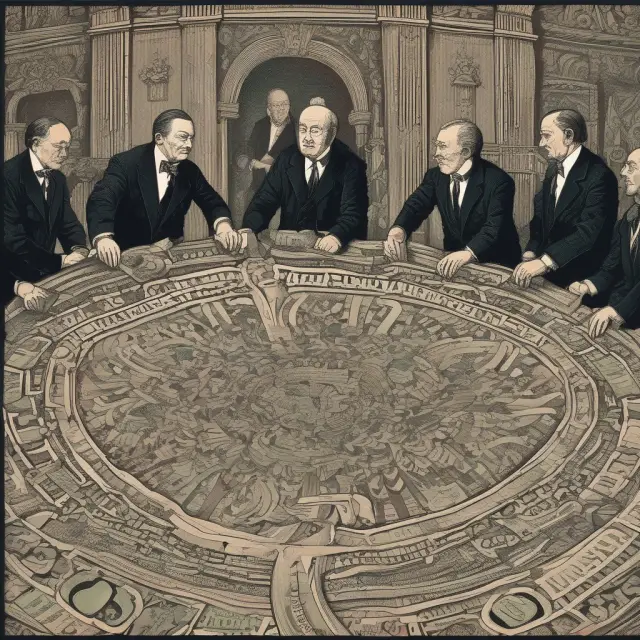
Modern Economic Policies to Protect Purchasing Power
Governments and central banks employ various economic policies to maintain purchasing power and stabilize their respective economies. While some strategies aim to control inflation rates, others focus on ensuring a stable economy through regulations and programs. Understanding these measures can help investors navigate the financial landscape and make informed investment decisions.
One primary tool used by central banks is adjusting interest rates. By raising or lowering interest rates, these institutions attempt to influence the cost of borrowing, ultimately impacting inflation and purchasing power. For example, an increase in interest rates may decrease demand for loans, leading to reduced spending and slower economic growth – thus curbing potential inflationary pressures. Conversely, a decrease in interest rates may stimulate borrowing and spending, helping to maintain purchasing power.
Governments also employ regulations aimed at protecting purchasing power. One significant measure is the Consumer Price Index (CPI), an official indicator of price changes within an economy. Monitoring this index allows governments to respond accordingly to fluctuations in the cost of living and adjust policies accordingly. For instance, they can provide subsidies or implement price controls on essential commodities to mitigate any negative impact of inflation on their citizens.
Globalization has linked currencies more closely than ever before, making protecting purchasing power a crucial concern for countries worldwide. Collaborative efforts among governments and central banks, such as the International Monetary Fund (IMF) and the European Central Bank (ECB), help facilitate communication and coordination in addressing purchasing power challenges.
Purchasing Power Parity (PPP) is another important economic theory that can assist in measuring and comparing purchasing power between different countries and currencies. PPP estimates how much a currency would need to be worth for the same basket of goods or services to cost the same price in different locations. Understanding this concept can provide valuable insights into economies, trade, and investment opportunities.
Central banks also employ various quantitative tools and techniques, such as quantitative easing (QE), open market operations, and forward guidance, to control inflation rates and maintain purchasing power. QE, for instance, involves purchasing securities from the market, thus injecting money into the economy and lowering interest rates – aiding in maintaining purchasing power.
Protecting purchasing power is essential not only for individuals but also for investors. Investment strategies such as investing in commodities or Treasury inflation-protected securities (TIPS) can help mitigate the risks of purchasing power loss, particularly during periods of high inflation. By understanding these economic policies and investment strategies, investors can make informed decisions and preserve their capital over time.

Purchasing Power Parity (PPP)
Understanding the concept of purchasing power parity (PPP) is essential when comparing countries’ economies and understanding how different currencies interact with one another. PPP represents a theoretical exchange rate between two countries that allows their currencies to buy an identical basket of goods and services. In other words, if a U.S. dollar can buy the same amount of goods and services as a euro in Germany, then the exchange rate between the U.S. dollar and the euro would be said to reflect PPP.
PPP is based on the assumption that price levels will converge between countries due to international trade, making it an essential tool for investors and economists alike when analyzing the relationship between currencies and purchasing power.
The calculation of PPP involves determining a basket of goods and services representative of each country’s economy, then comparing their prices in each respective currency. By establishing a conversion factor based on these price differences, one can determine the number of units of a foreign currency required to purchase the same amount of goods and services as a specific quantity of domestic currency.
For instance, if it takes 1.5 euros to buy a particular basket of goods in Germany but only 1.2 dollars in the United States, then the exchange rate between the two currencies should be set at a rate that reflects this difference – in this case, 1.2 US dollars equal 1.5 euros (or approximately 0.80 US dollars per euro).
PPP is significant because it helps investors and economists compare the real purchasing power of different currencies and assess the impact of inflation on international trade. A country with a higher PPP relative to another may be considered more expensive, making its exports less competitive in global markets and potentially leading to trade imbalances or currency adjustments.
However, it is essential to note that PPP is an approximation. Real-world factors like transportation costs, tariffs, taxes, and nontradeable sectors can cause deviations between actual exchange rates and PPP exchange rates. Additionally, the calculation of PPP requires a fixed basket of goods and services, which may not accurately reflect changes in consumer preferences or economic conditions over time.
In conclusion, purchasing power parity (PPP) is an essential concept for understanding the relationship between currencies, their purchasing power, and international trade. By providing insight into how exchange rates should ideally adjust to maintain equilibrium in global markets, PPP offers a valuable tool for investors, economists, and policymakers seeking to navigate the complexities of the global economy.

Investing Strategies to Protect against Inflation
Inflation erodes the purchasing power of a currency over time, making it crucial for investors to explore strategies that can help mitigate its effects. Understanding different investment options that can protect your wealth from inflation is essential, as losses in buying power can significantly impact an individual’s financial wellbeing, particularly for retirees and fixed-income investors.
Firstly, consider investments tied to the Consumer Price Index (CPI). These assets aim to maintain purchasing power by keeping pace with inflation. One popular investment option includes Treasury Inflation-Protected Securities (TIPS). TIPS offer a fixed interest rate but adjust their principal payments based on changes in CPI, ensuring that investors’ initial capital remains constant despite rising prices.
Another investment strategy to combat inflation is through commodities such as gold and silver. Historically, precious metals have often maintained purchasing power during periods of high inflation due to their finite supply and intrinsic value. Gold, for instance, has traditionally been a popular hedge against inflation because its price tends to increase when the cost of goods and services rises.
Real estate is another potential investment that can help protect against inflation as property values typically rise with inflation. By owning real estate, you’re indirectly investing in the overall economic growth and maintaining your purchasing power over time. Additionally, rental income derived from the property can provide a reliable source of passive income to offset inflationary pressures.
Investing in stocks is another viable option for individuals seeking to maintain their purchasing power through equities. Equity markets have historically provided higher long-term returns than other asset classes like bonds and cash. Inflation-sensitive sectors, such as healthcare, consumer staples, and utilities, are popular choices due to their ability to generate stable earnings during periods of inflation.
Moreover, investors can consider a diversified investment portfolio consisting of various asset classes, including stocks, bonds, real estate, and commodities, to effectively hedge against inflationary risks. By spreading investments across multiple asset classes, you’re mitigating the risk that any one asset class could experience significant losses due to inflation while maintaining purchasing power.
Finally, consider consulting with a financial advisor or investment professional for personalized guidance on managing your investments during periods of inflation. They can help assess your individual financial situation and risk tolerance, offering recommendations tailored to your specific needs. By employing the proper investment strategies, you’ll be able to maintain purchasing power amid rising prices, ensuring that your wealth remains secure and continues growing over time.

Understanding Deflation: An Opportunity or a Threat?
Deflation, the opposite of inflation, is when prices decrease over time instead of increasing. Although some may consider it an opportunity for saving money, deflation can pose significant risks to both individuals and economies. Let’s explore how this economic condition affects purchasing power and its potential consequences.
Impact on Purchasing Power
Deflation decreases purchasing power since each unit of currency buys more goods or services compared to before. In contrast, inflation reduces purchasing power by increasing the cost of goods and services over time. For example, if a gallon of milk that originally cost $4 now costs $3 due to deflation, you can buy an additional gallon with the same amount of money.
However, as tempting as it may seem, not all aspects of our lives follow the same pattern during periods of deflation. Some essential goods and services might increase in price or remain stable while others decrease, leading to a complex economic environment. Furthermore, borrowers can benefit from deflation when their debt is paid off more quickly due to decreasing interest rates and repayment terms.
Consequences for Investors and Economies
Deflation can lead to significant consequences for investors and economies alike. For instance, during periods of sustained deflation, the overall value of investments might decrease as companies’ earnings fail to keep up with falling prices. Consequently, a decline in stock market performance and even a loss in capital could occur. Additionally, some businesses may struggle to remain profitable due to falling sales or revenue, causing potential bankruptcies.
Another issue is the increased burden deflation places on those reliant on fixed-income investments such as bonds and savings accounts. These financial instruments are designed with an expected rate of return that doesn’t factor in inflation or deflation. As a result, investors might face substantial losses if their investments fail to keep pace with falling prices.
In extreme cases, deflation can lead to economic stagnation as consumers delay purchases due to expectations of further price decreases. This “wait and see” mentality results in reduced consumer spending and potentially lower overall economic growth. In essence, the decrease in purchasing power caused by deflation could exacerbate an already challenging economic situation.
Protecting Against Deflation
As with inflation, it’s essential to understand how deflation can affect your financial situation and plan accordingly. To protect against potential losses due to deflation, consider investments that maintain or increase their value during this economic condition. Commodities, such as precious metals, agricultural products, and real estate, have historically held their value during periods of deflation. Furthermore, some bonds, particularly indexed ones tied to inflation, can provide a hedge against price decreases.
In summary, while deflation may offer temporary savings for some, it can also pose significant risks to individual investors and economies. Understanding its impact on purchasing power is essential when making financial decisions during periods of economic uncertainty.

Impact of Purchasing Power on Retirees and Fixed-Income Investors
For retirees and fixed-income investors, preserving purchasing power is crucial since they typically live off a set income. The erosion of purchasing power, brought about by inflation, can significantly impact their quality of life. Understanding the impact of purchasing power loss on these groups can provide valuable insight for those planning for retirement or managing their investments.
Retirees and fixed-income investors face unique challenges when it comes to maintaining purchasing power. Their income remains constant while prices continue to rise due to inflation. This discrepancy between stagnant income and increasing expenses can result in a reduced standard of living. For retirees, the loss of purchasing power may force them to make difficult decisions such as cutting back on essentials or relying on their savings at an unsustainable rate.
Fixed-income investments such as certificates of deposit (CDs), Treasury bonds, and annuities are particularly susceptible to the effects of inflation. These types of investments offer fixed returns, meaning that their value does not keep pace with rising prices. As a result, retirees and fixed-income investors may find themselves losing purchasing power over time.
To protect against purchasing power loss, some investment strategies can be employed:
- Diversification: Spreading investments across various asset classes can help mitigate the impact of inflation on a portfolio. Real estate and commodities, for instance, have historically shown to perform well during periods of high inflation.
- Inflation-Protected Securities (TIPS): Treasury Inflation-Protected Securities (TIPS) offer a solution for investors seeking protection from inflation. The principal amount of these securities adjusts based on changes in the Consumer Price Index (CPI), ensuring that their purchasing power remains stable.
- Regular Reviews: Periodically reviewing and rebalancing a portfolio can help maintain its optimal allocation, which is crucial for preserving purchasing power over the long term.
- Annuities with Cost-of-Living Adjustments: Annuities with cost-of-living adjustments provide retirees with a steady income stream that increases in line with inflation. This feature can help protect against purchasing power loss and ensure that their standard of living remains consistent.
- Education: Staying informed about economic conditions, interest rates, and financial markets is essential for retirees and fixed-income investors to make well-informed decisions and adjust their strategies accordingly.
In conclusion, preserving purchasing power is a critical concern for retirees and fixed-income investors. Inflation’s impact on the value of their income and investments can significantly affect their standard of living. Employing various investment strategies such as diversification, inflation-protected securities, regular reviews, annuities with cost-of-living adjustments, and staying informed can help mitigate purchasing power loss and provide peace of mind for those planning for retirement or managing their investments.

FAQs: Frequently Asked Questions about Purchasing Power
What is purchasing power?
Purchasing power refers to the amount of goods or services that a currency can buy at a particular point in time. It is an essential concept in finance and investment, as inflation affects a currency’s buying power, which, in turn, impacts consumers, investors, and entire economies.
How does inflation impact purchasing power?
Inflation reduces a currency’s purchasing power by increasing prices, making it necessary for individuals to have more money to maintain the same standard of living or buy the same goods and services they previously could with less money.
What is the Consumer Price Index (CPI)?
The Consumer Price Index (CPI) is a widely used measure of inflation that calculates the change in the average price of a basket of consumer goods and services over time to track purchasing power changes.
What caused severe purchasing power loss historically, such as after World War I?
Historical examples of significant purchasing power loss include post-World War I Germany, where excessive reparations and hyperinflation led to a worthless currency with no purchasing power.
How can governments protect purchasing power and prevent inflationary crises?
Central banks and governments employ various methods to protect purchasing power and keep the economy stable, including adjusting interest rates, implementing regulations, and using economic theories like Purchasing Power Parity (PPP) to compare countries’ economic activity.
How does deflation impact purchasing power differently than inflation?
Deflation is the opposite of inflation, characterized by a decrease in prices rather than an increase. While it can provide some benefits, such as lower costs for consumers and potentially increased purchasing power, it can also result in economic challenges like falling wages and debt burdens.
What investment strategies can help protect against purchasing power risk?
Investment strategies that can help protect investors from purchasing power risk include investing in Treasury Inflation-Protected Securities (TIPS), commodities, or other assets that maintain their value during inflationary periods. Retirees and fixed-income investors particularly need to be aware of purchasing power risk since they live off a constant income.
How does purchasing power loss affect retirees?
Retirees face challenges with purchasing power loss as they live on a fixed income, meaning their buying power decreases over time due to inflation, making it essential that their investments generate enough returns to offset the impact of inflation.
 Next entry · No. 4,159Understanding Pure Plays: The Single-Focus Investment Strategy for Institutional and Professional Investors
See also
-
 No. 4,072
19 May 2025
20 min
Understanding Price Level: A Key Economic Indicator in Finance and Investment
Finance Policy
No. 4,072
19 May 2025
20 min
Understanding Price Level: A Key Economic Indicator in Finance and Investment
Finance Policy -
 No. 2,925
14 Feb 2025
19 min
Understanding Liquidity Adjustment Facility (LAF): Monetary Policy Tool for Managing India’s Economy
Finance Policy
No. 2,925
14 Feb 2025
19 min
Understanding Liquidity Adjustment Facility (LAF): Monetary Policy Tool for Managing India’s Economy
Finance Policy -
 No. 3,882
04 May 2025
17 min
Understanding Owners’ Equivalent Rent (OER): The Connection Between Real Estate and Inflation
Real Estate
No. 3,882
04 May 2025
17 min
Understanding Owners’ Equivalent Rent (OER): The Connection Between Real Estate and Inflation
Real Estate -
 No. 3,387
24 Mar 2025
22 min
Negative Interest Rates: What Are They and How Do They Impact Economies?
Business Finance
No. 3,387
24 Mar 2025
22 min
Negative Interest Rates: What Are They and How Do They Impact Economies?
Business Finance -
 No. 3,381
23 Mar 2025
21 min
Negative Bond Yields: Understanding Why Some Investors Accept Negative Returns
Business Finance
No. 3,381
23 Mar 2025
21 min
Negative Bond Yields: Understanding Why Some Investors Accept Negative Returns
Business Finance -
 No. 5,572
20 Sep 2025
18 min
Understanding the Wage-Price Spiral and Its Impact on Inflation
Finance Policy
No. 5,572
20 Sep 2025
18 min
Understanding the Wage-Price Spiral and Its Impact on Inflation
Finance Policy