Understanding Qualified Electric Vehicles: How to Claim a Tax Credit for Your Purchase
Learn about qualifying for a tax credit when purchasing an electric vehicle, including requirements, benefits, eligible manufacturers, and more.
Introduction to Qualified Electric Vehicles
A qualified electric vehicle (QEV) refers to a passenger car or light truck that runs primarily on an electric motor, draws its charge from rechargeable batteries or fuel cells, and is eligible for a federal tax credit after purchase. These vehicles, which are designed for use in the public domain and not intended for commercial purposes, provide significant benefits beyond saving money at the gas pump.
The definition of QEVs encompasses plug-in electric vehicles (PEVs) with at least four wheels. According to the Internal Revenue Code (IRC), they are not subject to a commercial purpose limitation and must be driven predominantly in the U.S. In addition, the original use of these vehicles should begin with the taxpayer.
The Qualified Electric Vehicle Tax Credit is outlined in Section 30D of the IRC, which was initially introduced by The Energy Improvement and Extension Act of 2008 and later amended by subsequent acts such as The American Recovery and Reinvestment Act (ARRA) and The American Taxpayer Relief Act (ATRA).
As consumers increasingly adopt QEVs to reduce their carbon footprint, the government has provided incentives to make these vehicles more accessible. One of the most significant advantages is a nonrefundable tax credit available to eligible owners. This credit can offset a portion of the upfront cost and help buyers save significantly on their purchase price.
Understanding Qualified Electric Vehicles: Key Takeaways
– A qualified electric vehicle (QEV) is any passenger car or light truck that runs primarily on an electric motor, draws its charge from rechargeable batteries or fuel cells, and is eligible for a federal tax credit after purchase.
– These vehicles must be designed for use in the public domain, not intended for commercial purposes, and driven predominantly within the U.S.
– The original use of a QEV should begin with the taxpayer.
– The Qualified Electric Vehicle Tax Credit is outlined in Section 30D of the IRC.
– The credit can offset a portion of the upfront cost for eligible owners, saving significant money on purchase price.
Requirements to Claim the Tax Credit
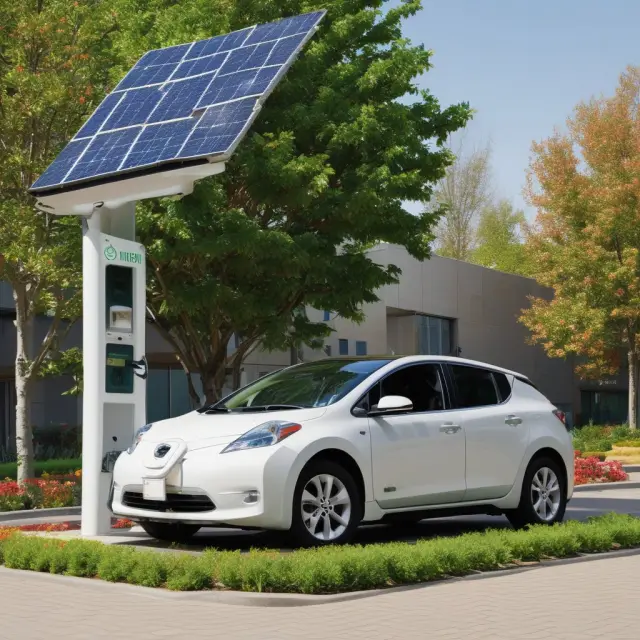
To claim a tax credit for purchasing a qualified electric vehicle, an individual must meet several requirements outlined by the IRS. The vehicle in question should be classified as a plug-in electric passenger vehicle or light truck designed primarily for public use and not intended for commercial applications. It’s essential to note that this credit cannot be claimed on vehicles used for business purposes.
The vehicle must derive its primary propulsion from an electric motor, which relies on rechargeable batteries or fuel cells for energy storage and is capable of being charged using external sources. Additionally, the vehicle should have been acquired for use or lease by the taxpayer in the United States and not intended for resale.
To claim the credit, one must fill out Form 8936, which consists of three parts: Part I calculates the tentative credit amount, while Part II and III allocate the credit between a business and personal use of the vehicle. The taxpayer can benefit from a full $7,500 credit for qualifying electric vehicles acquired before certain thresholds are reached per manufacturer. The credit then phases out after a specified period based on sales figures.
In order to qualify for this credit, an individual must have the vehicle’s original use begin in the United States and acquire it for their own personal transportation needs rather than commercial purposes. For more information regarding eligible vehicles and manufacturers, refer to the IRS website.
As of 2021, President Biden signed the Infrastructure Investment and Jobs Act, which allocates $7.5 billion towards charging infrastructure development across highways and disadvantaged communities in the United States. This initiative aims to create jobs, promote electric vehicles, and address climate change concerns while fostering a greener economy.
Please note that the credit eligibility criteria and phase-out period vary for different manufacturers; therefore, it’s crucial to stay updated with IRS guidelines to ensure compliance when claiming the tax credit.

How the Tax Credit Works
The tax credit for qualified electric vehicles (QEVs) offers significant savings to buyers in the form of a nonrefundable credit against their federal income taxes. The process for claiming this credit is outlined on Form 8936, which includes three sections: Part I calculates the tentative credit amount, while Part II and Part III allocate the credit between personal use and business usage, respectively.
To be eligible for the tax credit, an electric vehicle must meet specific qualifications, as defined in Section 30D of the Internal Revenue Code (IRC). These requirements include having at least four wheels, being designed primarily for public use, not used for commercial purposes, and powered by a rechargeable battery or fuel cell. The vehicles must also be acquired for personal or business use in the U.S., with the original use taking place predominantly within the country.
The full tax credit is $7,500; however, it phases out after a manufacturer sells 200,000 qualifying electric vehicles to customers within the United States. The credit amount decreases by half during the phase-out period, which lasts for one year. After this period, no tax credits are available for that particular manufacturer’s models.
For individuals purchasing a QEV from a manufacturer during the first two quarters of the phase-out period, they can receive 50% of the credit amount. During the third and fourth quarters, they may claim 25% of the credit. No tax credits are granted once the phase-out period is over for that specific manufacturer.
The Inflation Reduction Act of 2022 brought changes to this tax credit. The act, also known as the Clean Vehicle Credit, introduced a requirement for final assembly in North America, effective Aug. 16, 2022, with further guidance on additional provisions expected on Jan. 1, 2023. These adjustments aim to encourage the growth of domestic production and manufacturing while providing financial incentives to consumers for purchasing QEVs.
It’s important to note that the eligibility phase-out period has already begun for Tesla vehicles. As a result, the credit amount will continue to decrease until it eventually expires for their models. Consumers looking to maximize their savings should consider purchasing qualifying electric vehicles from manufacturers with ongoing or soon-to-be-phased-out incentives.
Additionally, the list of qualified electric vehicle makes and models is available on the IRS website, providing consumers with valuable information before making a purchase. Prospective buyers can use this resource to determine whether their chosen electric vehicle qualifies for the federal tax credit.

Benefits of Qualified Electric Vehicles
Qualified electric vehicles (QEVs) are more than just an eco-friendly alternative to traditional gasoline-powered cars; they come with several tangible benefits that make them a smart investment for consumers. These advantages include energy efficiency, cost savings, and environmental impact. Let’s dive deeper into each one of these advantages:
1. Energy Efficiency
One major benefit of QEVs is their energy efficiency. Unlike gasoline-powered vehicles, which burn fuel to generate power, electric vehicles convert electrical energy from the grid to mechanical energy for propulsion. This conversion process is significantly more efficient, with a reported 75% energy efficiency compared to gasoline engines’ 20%. Moreover, the efficiency of electric vehicle batteries improves with age and use, making them even more economical in the long run.
2. Cost Savings
The financial benefits of purchasing a QEV are substantial. Although upfront costs can be higher, the total cost of ownership is often lower compared to gasoline-powered vehicles. The U.S. Department of Energy (DOE) reports that electric cars cost an average of $6,000 less to operate over eight years than their gasoline counterparts. Additionally, electricity prices tend to be more stable and predictable compared to fluctuating fuel costs.
3. Environmental Impact
The environmental benefits of QEVs are perhaps the most significant selling point for many consumers. Electric vehicles produce zero tailpipe emissions when using renewable energy sources, such as wind or solar power. This contributes to cleaner air quality and a reduced carbon footprint. Moreover, QEVs can also help reduce our dependence on fossil fuels, which are finite resources, making them an important step towards a more sustainable future.
4. Government Incentives
To further encourage the adoption of electric vehicles, the U.S. government offers tax credits for their purchase. The federal Clean Vehicle Credit can provide eligible consumers with up to $7,500 in savings on their QEV. This incentive not only helps offset the initial cost but also adds another layer of financial benefit for those making the switch to electric transportation.
In conclusion, purchasing a qualified electric vehicle comes with numerous advantages. From energy efficiency and cost savings to environmental impact and government incentives, QEVs offer consumers a greener, more economical alternative to traditional gasoline-powered vehicles. By understanding these benefits, consumers can make informed decisions when considering their next car purchase.
Impact of Inflation Reduction Act on Qualified Electric Vehicles
President Biden’s $1.2 trillion Infrastructure Investment and Jobs Act, signed on Nov. 15, 2021, significantly influences the electric vehicle market through its allocation of funds to build a nationwide charging infrastructure network. One of the bill’s lesser-known provisions is the amendment to the Qualified Plug-in Electric Drive Motor Vehicle Credit (IRC 30D) under the Inflation Reduction Act of 2022. This update, now known as the Clean Vehicle Credit, introduces new requirements for battery components and final assembly in North America starting Aug. 16, 2022.
The Clean Vehicle Credit represents a significant boost to the electric vehicle market through its financial incentives. The original tax credit allowed consumers to claim up to $7,500 on Form 8936 for purchasing new qualified electric vehicles (QEVs). However, the credit began phasing out after a car manufacturer sold 200,000 eligible vehicles in the United States. The Inflation Reduction Act of 2022 extends this credit and introduces new requirements.
First-time buyers purchasing QEVs before Aug. 16, 2023, can still enjoy the full $7,500 tax credit if they meet certain conditions. For those who buy after that date but before Jan. 1, 2024, a partial credit of up to $4,000 will be granted based on the value of eligible battery components. The credit drops further to $3,750 for purchases made between Jan. 1, 2024, and Dec. 31, 2025.
The Clean Vehicle Credit’s amendment also includes a new requirement: at least 40% of the battery components in the QEV must be manufactured or recycled in North America to qualify for the credit. This new condition is expected to encourage domestic manufacturing and support U.S.-based battery producers and suppliers, enhancing economic growth and creating jobs.
Additionally, this law introduces a new credit for used electric vehicles (UEVs) acquired between April 1, 2023, and Jan. 1, 2027, worth up to $4,000. To qualify for the credit, UEVs must meet specific conditions such as having at least two wheels, being registered in the U.S., and not being a new or demonstrator vehicle.
These changes provide more opportunities for consumers to adopt cleaner transportation solutions while supporting domestic manufacturing and economic growth. For detailed information on these provisions, please refer to the IRS website.

List of Qualified Manufacturers and Models
The Inflation Reduction Act of 2022 (IRA) has brought significant changes to the tax incentives for purchasing electric vehicles in the United States. One of the most notable alterations is the Clean Vehicle Credit (CVC), which replaces the Qualified Plug-in Electric Drive Motor Vehicle Credit (QEV) under IRC 30D. As part of this transformation, the eligibility criteria for both manufacturers and models have shifted. In this section, we will provide a comprehensive list of qualified electric vehicle manufacturers and their eligible models, along with the corresponding credit amounts for the new CVC.
Manufacturers Eligible for the Clean Vehicle Credit:
1. Ford Motors
– 2022 F-150 Lightning
– 2023 Mustang Mach-E
– 2022 Transit and E-Transit (Vans)
– 2022 Escape Plug-in Hybrid
– 2022 Maverick Hybrid
– 2022 Explorer Timberline Hybrid
– 2023 Fusion Energi
2. General Motors
– 2022 Bolt EUV and Bolt EV
– 2022 Chevrolet Silverado EV
– 2023 Cadillac Lyriq
– 2024 GMC Sierra Denali Electric
– 2022 Buick Envision Avenir FWD
– 2022 Buick Envision Avenir AWD
– 2022 Chevrolet Corvette E-Ray
– 2023 Chevrolet Equinox and Trax (when available)
– 2023 Chevrolet Blazer and Trailblazer (when available)
– 2023 Buick Enclave, Encore GX, and Terrain (when available)
3. Tesla
– Model S
– Model X
– Model 3
– Model Y
– Cybertruck
– Roadster
4. Volkswagen Group of America
– 2022 ID.4 All-Electric SUV
– 2022 Taos Small CUV (when available)
– 2023 Atlas Cross Sport and Atlas SUV (when available)
– 2023 Jetta GLI and Passat Sedans (when available)
– 2022 Beetle (until July 2022)
5. Nissan North America
– 2022 Nissan Leaf S PLUS, SV, SL, and SL Plus
– 2023 Ariya SUV
– 2022 Rogue HEV
6. Honda Motor Co., Ltd.
– 2023 CR-V Hybrid
– 2023 Civic Sedan, Hatchback, and Type R (when available)
– 2023 Accord Hybrid
– 2024 Prologue SUV (when available)
7. Audi AG
– 2023 e-Tron, e-tron Sportback, e-tron GT, and Q4 e-tron
8. Mercedes-Benz USA LLC
– 2022 EQA, EQS, EQE SUV, and EQB SUV
9. Hyundai Motor America
– 2023 Ioniq 5 All-Electric CUV, Sedan, and Wagon (when available)
– 2024 Santa Cruz All-Electric Pickup (when available)
10. Stellantis N.V.
– 2023 Compass and Grand Cherokee PHEV
11. Lucid Motors, Inc.
– Lucid Air Dream Edition Range
– Lucid Air Touring, Gravity, and Pure
Credit Amounts
For each manufacturer listed above, the credit amount ranges from $3,750 to $7,500 depending on whether the vehicle is assembled in North America or not. The following table summarizes the available credits for each manufacturer based on their eligibility status:
| Manufacturer | Credit Amount |
|————————-|———————–|
| Ford Motors, GM | $7,500 |
| Tesla | $3,750 |
| Volkswagen Group of America | $4,000 |
| Nissan North America | $4,000 |
| Honda Motor Co., Ltd. | $1,500 to $7,500 |
| Audi AG | $3,750 |
| Mercedes-Benz USA LLC | $3,750 |
| Hyundai Motor America | $4,000 |
| Stellantis N.V. | $4,000 |
| Lucid Motors | $3,750 |
It is important to note that these credit amounts are subject to change as the IRS provides more guidance on the Clean Vehicle Credit. Stay tuned for future updates!

Eligibility Phases Out
The tax credit for qualified electric vehicles, which allows individuals to offset the purchase price by up to $7,500 when filing their taxes, comes with a phase-out period for manufacturers. After a certain number of sales by a specific manufacturer, the available credit amount begins to decrease until it eventually phases out entirely. The IRS has established these rules to limit the tax benefits and ensure they are distributed fairly among various automobile companies.
The phase-out process is triggered when at least 200,000 qualifying vehicles have been sold for use in the U.S. by a particular manufacturer. During the first year of this phase-out period, vehicle owners can receive a credit amount equal to 50% of the full $7,500 tax credit. In subsequent quarters, the available credit decreases further, with consumers receiving 25% of the full credit during the third and fourth quarters. Once the sales threshold has been surpassed for a manufacturer, no more tax credits are granted for their vehicles.
To illustrate this concept, consider Tesla as an example. As the first automaker to sell over 200,000 qualifying electric vehicles in the U.S., its phase-out period began on July 1, 2018. Since then, the credit amount for new Tesla vehicle purchases has been gradually decreasing and eventually phased out completely.
The purpose of this phase-out mechanism is to encourage competition within the electric vehicle market. As manufacturers reach the threshold, competitors that have not yet reached it can attract more consumers due to their eligibility for the full tax credit. Additionally, it helps maintain a balance in funding and allocation of resources within the industry, ensuring that all companies have an opportunity to grow and innovate in the electric vehicle space.
It’s important to note that the Inflation Reduction Act of 2022 introduced new requirements for qualified electric vehicles starting Aug. 16, 2022, with additional provisions taking effect on Jan. 1, 2023. The Clean Vehicle Credit now requires final assembly in North America and has provisions that impact the calculation of credit eligibility. For more information about these changes and how they apply to specific manufacturers and models, it’s best to consult the IRS website or a tax professional.
In conclusion, understanding the eligibility phases out for qualified electric vehicles is crucial when considering purchasing an electric vehicle to take advantage of the available tax credit. It ensures that consumers stay informed about the current incentives from various automakers and can make educated decisions regarding their investment in this growing industry.

Special Considerations for Qualified Electric Vehicles
While a qualified electric vehicle (QEV) offers substantial benefits such as significant cost savings and lower carbon emissions, it’s important to be aware of several special considerations when claiming the tax credit. These factors can impact eligibility, calculation, and phase-out periods for the incentive.
1. Credit Amount: The credit amount for qualified electric vehicles is $7,500. For vehicles purchased between Dec. 31, 2009, and Dec. 31, 2018, individuals could receive a $2,500 credit, but this has changed since the introduction of several amendments.
2. Additional Credit for Battery Capacity: A QEV owner is eligible to receive an additional $417 for every kilowatt-hour (kWh) of battery capacity that surpasses the initial five kWh threshold. For instance, if a QEV has 10 kWh of battery capacity and the owner received a base credit of $7,500, they would receive an additional $3,685 ($417 x (10 – 5)).
3. Credit Phasing Out: The IRS phases out the tax credit for manufacturers. Specifically, the phase-out period starts when at least 200,000 qualifying vehicles produced by a manufacturer have been sold in the U.S. Once this benchmark is met, consumers can only receive the partial credits – 50% within the first two quarters and 25% thereafter.
4. Tesla’s Phase-Out Period: As of now, the phase-out period for Tesla vehicles has already started, meaning that eligible Tesla owners can only claim a reduced tax credit.
5. Inflation Reduction Act of 2022: The Inflation Reduction Act of 2022, signed into law on Aug. 16, 2022, brought significant changes to the Qualified Plug-in Electric Drive Motor Vehicle Credit (IRC 30D). Effective Aug. 16, 2022, a new requirement for final assembly in North America has been added. Further provisions are expected to take effect on Jan. 1, 2023.
6. Eligibility: The tax credit is available only to individuals purchasing or leasing qualified electric vehicles for personal use or businesses. It is essential to fill out Form 8936 and keep records of the vehicle purchase date and manufacturer’s certification statement.
7. Sale or Disposal: If a QEV is sold or disposed of before the end of its five-year period, any unused portion of the credit can be carried forward for up to one year and applied against the cost basis of the next qualifying vehicle purchase.
8. Leasing: The tax credit can also apply to leased vehicles, with the lessor able to claim it on their taxes if they meet specific requirements – they must own or lease at least 20 qualifying vehicles for which credits have been claimed and have an average annual lease term of not more than 36 months.
9. Joint Returns: When filing a joint return, spouses are allowed to combine the tax credit amount but cannot split it between themselves. Instead, they must claim the full credit for one vehicle or allocate it equally across all eligible vehicles.
By being aware of these special considerations, you can maximize your savings and fully understand the benefits offered by qualified electric vehicles.

Environmental Impact of Qualified Electric Vehicles
The adoption of qualified electric vehicles (QEVs) as an alternative to traditional fossil fuel-powered vehicles has been a hot topic in recent years, with increasing concerns about climate change and the need for cleaner energy solutions. The environmental benefits of QEVs stem from their ability to minimize greenhouse gas emissions during transportation.
A single gallon of gasoline contains approximately 19.6 pounds (8.9 kg) of CO2 when burned, while a fully electric vehicle emits zero tailpipe emissions and produces significantly less carbon throughout its life cycle, even considering the production and disposal of batteries. According to the Union of Concerned Scientists, producing electricity from renewable sources like wind or solar generates fewer greenhouse gas emissions compared to traditional fossil fuels.
In addition to reducing greenhouse gas emissions, QEVs contribute to improving air quality by minimizing local pollution generated by conventional vehicles. The American Lung Association reports that transportation is the largest contributor to air pollution in many cities across the U.S., leading to health problems for millions of Americans, especially those with respiratory conditions like asthma. By transitioning to electric vehicles, we can help lessen the burden on public health and contribute to cleaner communities.
Furthermore, QEVs can save consumers money through lower operational costs compared to their gasoline counterparts. According to the U.S. Energy Information Administration, electricity prices are generally cheaper than gasoline on a per-mile basis. Additionally, electric vehicles have fewer moving parts and require less maintenance than traditional internal combustion engines.
The environmental benefits of QEVs extend beyond personal transportation. Governments and companies are increasingly investing in the expansion of charging infrastructure to support the transition towards electric mobility. Infrastructure development aims to make electric vehicle ownership more accessible and convenient for consumers, further accelerating the shift from fossil fuel vehicles to cleaner alternatives.
The recently passed Inflation Reduction Act of 2022 (IRA) provides additional incentives to encourage QEV adoption in the U.S. The legislation includes provisions for expanding access to charging infrastructure and increasing tax credits for purchasing electric vehicles. This significant investment is expected to help create jobs in the American manufacturing sector, reduce greenhouse gas emissions, and move towards a greener economy.
In conclusion, transitioning to qualified electric vehicles offers numerous advantages beyond monetary savings. These advantages include reduced environmental impact through minimized greenhouse gas emissions, improved air quality, and contributing to cleaner communities. Additionally, the Inflation Reduction Act of 2022 offers new incentives for individuals and businesses looking to make the switch to electric mobility, furthering the potential for a greener future.

Conclusion: Benefits and Future Prospects of Qualified Electric Vehicles
The incentives for purchasing qualified electric vehicles (QEVs) extend beyond just the tax credits offered to individuals. These vehicles contribute significantly to a greener economy by reducing carbon emissions, improving energy efficiency, and lowering reliance on fossil fuels. As the demand for sustainable transportation grows, so does the availability of QEVs with advanced features and longer driving ranges.
One major advantage of electric vehicles is their minimal environmental impact compared to gasoline-powered cars. According to the U.S. Department of Energy (DOE), electric vehicles emit approximately half as much carbon dioxide as gasoline vehicles, making them an attractive option for those concerned with reducing their carbon footprint. Moreover, electric vehicles are more energy efficient since they convert over 75% of the electrical energy from the grid to power at the wheels, compared to the 20%-30% efficiency of internal combustion engine vehicles (ICEVs).
The cost savings from operating QEVs is another appealing aspect. A study conducted by the DOE found that electric vehicle owners save an average of $6,000 over five years on fuel and maintenance costs compared to ICEV owners. This financial advantage can help offset the higher initial purchase price for many consumers.
Moreover, the Inflation Reduction Act of 2022 has brought significant changes to the QEV incentive landscape. The bill includes provisions that create new incentives, expand existing ones and alter the eligibility requirements. For example, electric vehicles assembled in North America will be eligible for tax credits under the Clean Vehicle Credit, which replaces the Qualified Plug-in Electric Drive Motor Vehicle Credit (IRC 30D).
The future of QEVs looks promising as advancements continue in battery technology and charging infrastructure. With longer driving ranges, quicker charging times, and more affordable prices, electric vehicles are becoming increasingly viable alternatives to traditional gasoline cars. As the shift towards sustainable transportation accelerates, QEVs will undoubtedly play a crucial role in reducing greenhouse gas emissions and addressing climate change.
In conclusion, qualified electric vehicles provide numerous benefits for consumers, from attractive tax incentives to cost savings, energy efficiency, and environmental impact. The future of this technology holds great promise as advancements continue to be made, ensuring that QEVs remain a compelling choice for those seeking a more sustainable transportation alternative.

Frequently Asked Questions (FAQ)
What is a qualified electric vehicle?
A qualified electric vehicle refers to any passenger vehicle or light truck that runs primarily on an electric motor and qualifies for a federal tax credit of up to $7,500 under IRS Form 8936. These vehicles must be designed for use in the public domain, not intended for commercial purposes, and have rechargeable batteries or fuel cells powered by plug-in technology.
What are the requirements for claiming a tax credit on a qualified electric vehicle?
To claim a tax credit on a qualified electric vehicle, you must:
- Acquire or lease the vehicle new for use in the United States.
- Fill out Form 8936.
- Ensure the vehicle is eligible according to IRS guidelines.
What qualifies as a passenger vehicle or light truck?
A passenger vehicle or light truck is any vehicle designed for use on public roads with seating for not more than nine passengers (including the driver) and has a gross vehicle weight rating of less than 14,000 pounds.
Can electric vehicles be used for commercial purposes and still qualify for the credit?
No, the tax credit is only available for personal use vehicles that are not intended for commercial purposes.
What is Form 8936, and what information does it require?
Form 8936 is a document filled out by the taxpayer to calculate and allocate the credit amount for qualified electric vehicles between business and personal use. Part I calculates the tentative credit amount while the remaining two parts allocate the credit in Part II for business use and Part III for personal use.
What happens when a manufacturer reaches the sales threshold for the phase-out period?
When a manufacturer sells 200,000 qualifying vehicles within a one-year period, the tax credit begins to phase out. Consumers may still receive a portion of the credit during the transition period. The full credit amount is $7,500 for vehicles acquired before the phase-out period, and the credit decreases by half during the first two quarters of the transition period and by a quarter in the third and fourth quarters.
What changes did the Inflation Reduction Act of 2022 bring to the Qualified Plug-in Electric Drive Motor Vehicle Credit?
The Inflation Reduction Act of 2022 amended the Qualified Plug-in Electric Drive Motor Vehicle Credit (IRC 30D), also known as the Clean Vehicle Credit. Effective Aug. 16, 2022, new requirements mandate final assembly in North America for vehicles to qualify for the credit. Additional provisions go into effect on Jan. 1, 2023.
 Next entry · No. 4,199Understanding the Qualified Foreign Institutional Investor (QFII) Program in China
See also
-
 No. 5,724
02 Oct 2025
18 min
Understanding Widow’s Allowances: A Comprehensive Guide for Institutional Investors
Business Finance
No. 5,724
02 Oct 2025
18 min
Understanding Widow’s Allowances: A Comprehensive Guide for Institutional Investors
Business Finance -
 No. 5,714
01 Oct 2025
17 min
Understanding Wholesaling: How it Works in Business and Finance
Business Finance
No. 5,714
01 Oct 2025
17 min
Understanding Wholesaling: How it Works in Business and Finance
Business Finance -
 No. 5,706
01 Oct 2025
19 min
Understanding Whole-Life Cost Analysis: A Comprehensive Approach to Assessing Asset Expenses
Business Finance
No. 5,706
01 Oct 2025
19 min
Understanding Whole-Life Cost Analysis: A Comprehensive Approach to Assessing Asset Expenses
Business Finance -
 No. 5,513
15 Sep 2025
18 min
VoIP: Understanding the Revolutionary Technology Transforming Communication in Finance and Investment
Business Finance
No. 5,513
15 Sep 2025
18 min
VoIP: Understanding the Revolutionary Technology Transforming Communication in Finance and Investment
Business Finance -
 No. 5,396
05 Sep 2025
17 min
Understanding the Role and Benefits of Value-Added Networks (VAN) in Modern Finance and Investment
Business Finance
No. 5,396
05 Sep 2025
17 min
Understanding the Role and Benefits of Value-Added Networks (VAN) in Modern Finance and Investment
Business Finance -
 No. 5,228
22 Aug 2025
19 min
Unemployment Compensation: Understanding Eligibility, Requirements, and Programs
Business Finance
No. 5,228
22 Aug 2025
19 min
Unemployment Compensation: Understanding Eligibility, Requirements, and Programs
Business Finance