Understanding SEC Form S-1: An Invaluable Resource for Institutional Investors

Explore the importance of SEC Form S-1 for U.S. securities offerings in this comprehensive guide for institutional investors.
Introduction to SEC Form S-1
SEC Form S-1 is a critical document for U.S.-based companies seeking to list their securities on national exchanges, such as the New York Stock Exchange (NYSE). This section provides an overview of the purpose and importance of SEC Form S-1 in the context of U.S. securities offerings.
As required by the Securities Act of 1933, any security that meets the necessary criteria must have a registration statement before shares can be publicly traded. The most commonly used registration form for initial public offerings (IPOs) is SEC Form S-1. Companies often file Form S-1 in anticipation of their IPOs to meet transparency requirements under the Securities and Exchange Commission (SEC).
Form S-1 is known as the “registration statement” because it provides a detailed disclosure about the company’s business operations, management, financial condition, and planned use of capital proceeds. The filing process and content requirements for SEC Form S-1 are crucial for both issuers and investors alike.
In this section, we will delve into the background of Form S-1, who files it, the content of the form, and the filing process. We will also discuss the importance of truthful disclosures in SEC Form S-1 and the role of underwriters in IPOs. Furthermore, we will briefly touch upon Form F-1 for foreign issuers.
Section: Understanding the Background of SEC Form S-1
To appreciate the significance of SEC Form S-1, it is essential to understand its historical context. In 1933, Congress enacted the Securities Act to address issues with fraudulent securities sales and misrepresentations during offerings. As a result, the act mandated registration statements for securities offerings, ensuring that companies disclose crucial information to potential investors.
Form S-1 specifically was developed to cater to the needs of issuers planning an IPO. Companies file Form S-1 to register their securities with the SEC and become subject to ongoing reporting requirements under the Securities Exchange Act of 1934. Once the registration statement is declared effective, the company can issue its securities for trading on a national exchange.
In this section, we will explore the background of Form S-1 in more detail, including its role as a registration statement and its historical significance under the Truth in Securities law. We will also discuss the concept of registration statements and their importance to investors.
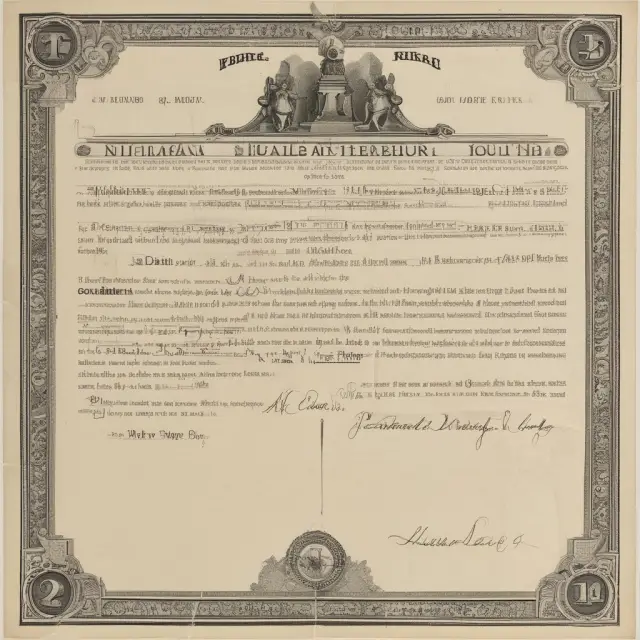
Background: The Securities Act of 1933 and Registration Statements
SEC Form S-1 is a crucial component in the U.S. securities offerings landscape, specifically for companies intending to list their shares on national exchanges like the New York Stock Exchange (NYSE). This section will delve deeper into the historical significance of SEC Form S-1 within the framework of the Truth in Securities law and registration statements.
Historical Context: The Securities Act of 1933, also known as the Truth in Securities Act or the Securities Act, was enacted to ensure transparency and prevent fraudulent practices during securities transactions. One of its core requirements is that any offering of securities must register those securities with the Securities and Exchange Commission (SEC) through a registration statement.
Form S-1: The Registration Statement for U.S.-based Companies
Upon recognizing the significance of transparency in securities offerings, the SEC developed Form S-1 as the primary registration form for companies based in the United States. It is typically used when a company is preparing for its initial public offering (IPO) or secondary offerings. By filing SEC Form S-1, issuers provide the public with extensive information about their business operations, financial condition, and management team to help them make informed decisions regarding investment opportunities.
Key Components of SEC Form S-1:
1. Prospectus: Part I of Form S-1 consists of a legal document called the prospectus, which outlines essential details such as the proposed use of capital proceeds, business operations, financial condition, and management information.
2. Non-Legal Information: Part II of Form S-1 is optional but valuable for investors. It includes exhibits, financial statement schedules, and other non-legal information to provide a more comprehensive understanding of the issuer’s background and financial status.
Filing Process: To submit Form S-1, companies must use the SEC’s online EDGAR system. The process involves filling out a Form ID application for an electronic CIK and access codes. Companies can access guidance through EDGAR Filers Quick Reference Guides to ensure a seamless filing experience.
Importance of Truthful Disclosures: Companies are responsible for ensuring truthful disclosures within their SEC Form S-1 filings. Misrepresentations or omissions may lead to serious consequences, including potential legal action and investor dissatisfaction.
Foreign Issuers: Foreign issuers planning to sell securities in the U.S. do not use Form S-1 but instead follow SEC Form F-1 to ensure their offerings comply with the Securities Act of 1933.
By understanding the background and role of SEC Form S-1, institutional investors can better assess potential investment opportunities, make informed decisions, and foster transparency in securities markets.

Who Files SEC Form S-1?
SEC Form S-1 serves as the initial registration statement for new securities in the U.S. for domestic companies planning an IPO or secondary offerings on national exchanges such as the New York Stock Exchange. This form acts as a registration statement, which is essential to have before shares can be listed and sold publicly. Foreign issuers, however, use Form F-1 instead.
For U.S.-based companies that aim to go public through an initial public offering (IPO), the SEC Form S-1 becomes their primary tool for providing investors with crucial information related to the company’s planned securities offering. This includes details about business operations, prospectus, use of proceeds, financial condition, and management, among other important aspects.
The content of a registration statement filed on Form S-1 is divided into two parts: Part I (also known as the Prospectus) and Part II (Non-Legal Information). Part I consists of legally required information for the securities offering, while Part II is optional but often includes valuable non-legal sections like exhibits, financial statement schedules, and more.
To file Form S-1, companies need to first gain access to EDGAR, the Electronic Data Gathering, Analysis, and Retrieval system used by the SEC for filing various forms, including Form S-1. This involves filling out a Form ID application for an electronic Central Index Key (CIK) and obtaining filing access codes. Companies can then file their registration statement on EDGAR via the system.
Upon filing, any amendments or changes to the initial offering must be reported through SEC Form S-1/A. This may occur due to alterations in market conditions or material information requiring updates to the original disclosure.
The Securities Exchange Act of 1933, also known as the Truth in Securities law, mandates that registration forms like Form S-1 be filed to ensure investors receive significant information regarding securities offerings and prevent fraud. Companies have a legal obligation to provide truthful disclosures or face potential consequences for material misrepresentations or omissions.
By providing comprehensive and accurate information in their SEC Form S-1 filings, companies can attract and retain investors’ attention, helping build confidence in their securities offerings while complying with the SEC’s objectives. An example of a successful Form S-1 filing is that of Eventbrite, Inc., which completed its IPO in 2018 by providing essential details about the company, its business model, and financial condition to potential investors.

Content of Form S-1: Part I – The Prospectus
SEC Form S-1 is a vital document for U.S.-based companies planning to list their securities on national exchanges, like the New York Stock Exchange (NYSE), through an initial public offering (IPO). As a prerequisite, these companies must first submit Form S-1 as the registration statement to the Securities and Exchange Commission (SEC), which functions as a comprehensive prospectus. By providing potential investors with detailed information about a company’s operations, financial condition, and management, Form S-1 enables informed investment decisions.
The Securities Act of 1933 mandates companies to register their securities offerings and disclose essential information, which helps prevent fraudulent activities in the securities market. The primary purpose of Form S-1 lies in outlining the intended use of capital proceeds, business operations, and significant competitive landscape for investors.
Part I of SEC Form S-1 is commonly referred to as “the prospectus,” a legal document containing essential information that must be presented in accordance with specific requirements. The following sections outline the critical components of Part I:
- Business Operations: Companies filing Form S-1 are expected to detail their current business model, including the nature of their products or services and how they differentiate themselves from competitors. By understanding a company’s business operations, investors can assess its potential growth prospects and long-term sustainability.
- Use of Proceeds: Applicants must explain how they plan to use the capital proceeds raised from their offering. This transparency not only fosters investor confidence but also ensures regulatory compliance with SEC requirements. In the case of multiple uses, companies should specify the percentage allocation for each intended purpose.
- Financial Condition: To provide a solid foundation for informed investment decisions, applicants must include an analysis of their financial condition. Companies should present historical financial data, such as income statements, balance sheets, and cash flow statements, alongside projections to help investors evaluate future performance potential.
- Management Information: Potential investors are interested in the key personnel involved in managing a company’s operations, and Form S-1 provides details on management and executive compensation. This section includes bios of directors and senior executives, as well as their compensation packages and any stock ownership or options held.
- Description of Management: Companies must provide detailed information about their management team, including their experience, qualifications, and decision-making roles within the organization. This transparency helps investors assess the ability of management to execute the company’s growth strategy effectively.
- Information on Underwriters: Lastly, Form S-1 includes details regarding the underwriters involved in the offering process. Applicants must provide information about their chosen underwriting firms, their roles and responsibilities during the IPO process, and any fees associated with their services.
By providing clear and accurate disclosures in Part I of SEC Form S-1, companies can foster a strong relationship with potential investors and ensure regulatory compliance. Inaccurate or misleading information could lead to severe consequences, including legal action against both the company and its management team. The thoroughness and transparency required by the SEC ensure that investors have access to reliable information when making investment decisions.

Content of Form S-1: Part II – Non-Legal Information
When it comes to registering securities with the Securities and Exchange Commission (SEC), Form S-1 is a crucial part of the process for U.S.-based companies aiming to list on national exchanges like the New York Stock Exchange (NYSE). While Part I, also known as the prospectus, contains essential legal information, Part II provides valuable non-legal details that supplement investors’ understanding of the company. This section is not mandatory but can significantly enhance transparency and attract potential investors.
Part II comprises several optional sections: recent sales of unregistered securities, exhibits, and financial statement schedules. Each part of Part II offers unique insights into the issuer’s operations, financial performance, and background information. Let us explore these sections in more detail.
1) Recent Sales of Unregistered Securities (Form 8-K):
Part II of Form S-1 also includes a section for recent sales of unregistered securities, reported on Form 8-K, within the last five years. This information is valuable as it shows investors potential conflicts and relationships that may impact the issuer’s management or operations.
2) Exhibits:
Exhibits are essential attachments to Form S-1 that provide further context and detail to the registration statement. These exhibits can include organizational charts, contracts, minutes of meetings, financial statements, and other documents that help illustrate the issuer’s business and its relationships. For example, a company might include minutes from board meetings discussing key strategic decisions or major acquisitions, which can give investors insight into the thought process behind these important moves.
3) Financial Statement Schedules:
Financial statement schedules provide additional context to the financial statements presented in Part I of Form S-1. These schedules present supplementary financial data that may not be included in the condensed historical financial information provided within the registration statement. The schedules can include details on cash flows, liquidity, and commitments, as well as critical accounting estimates, which help investors better understand the issuer’s financial position and performance.
Together, Part II of Form S-1 serves as an important resource for institutional investors and other interested parties in evaluating a company’s prospects before deciding to invest in its securities. Its non-legal information can provide critical context and insights into the issuer’s operations, financial performance, and management decisions that may not be apparent from the legal disclosures alone.
It is essential for issuers to accurately represent all material facts regarding their business, including any potential risks or conflicts, in both Part I and II of Form S-1. Misrepresentations or omissions can lead to significant consequences for the company and its management team, which is why it’s important to work closely with legal counsel and financial advisors during the registration process.
In summary, Part II of SEC Form S-1 serves as an essential complement to the legal disclosures in Part I, offering investors a more comprehensive view into the issuer’s business and operations. This transparency fosters confidence in the investing community, which is vital for a successful initial public offering (IPO) or secondary offering.

Filing Process for SEC Form S-1
SEC Form S-1 serves as a crucial document for U.S.-based companies intending to list their securities on national exchanges, such as the NYSE or Nasdaq. This registration form is primarily used by issuers in anticipation of an initial public offering (IPO) and is often considered the “registration statement” under the Securities Act of 1933.
The filing process for Form S-1 can be broken down into several key steps.
Prerequisites: Before initiating the registration, companies must fulfill certain requirements. This includes having a Central Index Key (CIK) and access codes to file electronically via EDGAR, the Electronic Data Gathering, Analysis, and Retrieval system. The Securities and Exchange Commission (SEC) mandates the submission of these documents for public securities offerings.
Submission Methods: Companies can submit their registration statements through the EDGAR filing system, which offers numerous advantages such as expedited reviews, real-time access to filings, and a centralized database of information that investors and analysts can use for research purposes. The process of submitting Form S-1 involves using the Form ID application to apply for the CIK and necessary access codes.
Amendments: Amendments or modifications to the initial Form S-1 are filed under Form S-1/A, which must be submitted when material information changes or market conditions necessitate a delay in the offering. This is essential for maintaining transparency and honesty in the securities offerings process, as per the requirements of the Securities Exchange Act of 1933 (also known as the Truth in Securities law).
Key components of Form S-1:
Part I – Prospectus: This part is a legal requirement and includes essential information on the issuer’s business operations, the intended use of proceeds, financial condition, management backgrounds, and detailed disclosures regarding material risks and uncertainties.
Part II – Non-Legal Information (Optional): While not required by law, this section provides valuable insights into a company’s past performance, exhibits, and financial statement schedules that can help investors make informed decisions about potential investment opportunities.
In conclusion, the filing process for SEC Form S-1 plays a critical role in ensuring transparency in the securities offerings landscape by allowing public access to essential information related to new offerings. By following the outlined steps and providing comprehensive disclosures, companies can create trust and confidence with potential investors and contribute to a more informed investment climate.

The Importance of Accurate Disclosures in SEC Form S-1
SEC Form S-1 is a significant document for U.S.-based companies aiming to list their securities on national exchanges such as the New York Stock Exchange. Before shares can be publicly traded, the Securities and Exchange Commission (SEC) requires a registration statement—most commonly SEC Form S-1—to ensure investors receive truthful information about the issuer and the offering. Companies typically file Form S-1 ahead of their initial public offerings (IPOs). In addition to primary offerings, Form S-1 may also be utilized for secondary offerings. The content of Form S-1 is crucial as it allows potential investors to make informed decisions based on accurate disclosures.
Under the Securities Act of 1933, companies issuing securities must comply with registration requirements to prevent fraudulent practices in securities transactions. Among these obligations lies the mandate for truthful and comprehensive disclosure through an S-1 filing. Misrepresentations or omissions can lead to serious consequences, including potential legal action against the issuer.
The registration statement consists of two main parts: Part I (the prospectus) and Part II (non-legal information). In Part I, companies are legally bound to provide details regarding their business operations, use of proceeds, financial condition, management, and the proposed offering price methodology. This information is vital for investors as it offers insights into the company’s future plans and financial position.
Part II is not a legal requirement in the prospectus but can be valuable as it includes recent sales of unregistered securities, exhibits, and financial statement schedules. These additional details provide context and further transparency for potential investors.
An issuer remains liable for any material misrepresentations or omissions in their registration statements. It is essential that companies prioritize accuracy throughout the entire filing process to maintain credibility with both regulators and potential investors. This can help establish a solid foundation for future fundraising efforts, public relations, and long-term investor confidence.
The SEC’s Electronic Data Gathering, Analysis, and Retrieval (EDGAR) system is the primary platform for filing registration statements like Form S-1. Companies must first apply for a Central Index Key (CIK) using Form ID to access EDGAR. Once approved, issuers can submit their S-1 forms online, allowing investors to view and analyze the information provided in detail.
The importance of truthful disclosures cannot be overstated. The potential consequences of misrepresentations or omissions include legal action against the issuer, regulatory sanctions, and damage to reputation. On the other hand, accurate disclosures help build trust with investors and contribute to a successful offering. By understanding the role of SEC Form S-1 in securities registration and offering processes, potential investors can make informed decisions, while companies can maintain their credibility and establish a strong foundation for future growth.

Role of Underwriters in SEC Form S-1 Offerings
Underwriters play a crucial role in SEC Form S-1 offerings, particularly for initial public offerings (IPOs). As securities experts, they assist companies by providing their expertise and managing the logistical aspects of the IPO process. Underwriters’ involvement begins with the evaluation of the registration statement to ensure that it meets all regulatory requirements.
Underwriting Fees
When a company decides to go public, it negotiates terms with an underwriter (or a group of underwriters) to sell their securities in the offering. Underwriters charge fees for this service, typically a percentage of the total amount raised through the sale of these securities. The compensation structure includes both upfront and back-end fees. Upfront fees consist of the underwriting discount, while back-end fees comprise sales charges paid by investors.
Underwriter’s Responsibilities during Offering Process
Underwriters have several responsibilities in the IPO process. They begin by assessing the demand for securities and determining an appropriate offering price and size. To accomplish this, underwriters perform market research, including analyzing historical data, industry trends, and competition within their sectors. This information guides them in setting a fair value for the securities being offered and providing pricing recommendations to the issuer.
Investor Demand Analysis
Underwriters also help manage investor demand by allocating shares to various institutional investors, mutual funds, hedge funds, and other market participants. By understanding each investor’s investment objectives, size, and liquidity requirements, underwriters can ensure the offering is well-received in the market. This process fosters stability for the issuer and supports a successful initial public offering.
Underwriting Syndicate
Underwriters may form an underwriting syndicate, which is a group of investment banks collaborating on the sale of securities in an IPO. Each member bank receives a portion of the underwriting fees based on the agreed-upon distribution of shares. These relationships allow underwriters to share research resources, risk, and expertise while providing broader market access for issuers.
In summary, underwriters serve as valuable partners during SEC Form S-1 offerings by assessing securities value, managing investor demand, and ensuring a successful IPO process.

Foreign Companies Filing for Registration on Form F-1
When it comes to securities offerings for foreign issuers, SEC Form F-1 is their go-to registration document. Unlike SEC Form S-1, which U.S.-based companies employ when they plan to list their shares on a national exchange, the Form F-1 filing plays a pivotal role in the international securities arena.
The Securities Act of 1933, often referred to as the Truth in Securities law, extends its registration requirements beyond U.S.-based companies. As a result, foreign issuers seeking to offer and sell securities in the United States must comply with these regulations just like their domestic counterparts. However, since they may not be familiar with SEC procedures or the specific disclosure requirements, Form F-1 was established as an essential resource for foreign entities embarking on a U.S. public offering.
Filing Form F-1 is a crucial step for a foreign issuer to ensure they comply with the U.S. securities laws while providing potential investors with adequate and accurate information. The document includes several sections that mirror those found in Form S-1, such as business operations, financial statements, and management certification. However, there are significant differences in the reporting and disclosure obligations for foreign issuers compared to domestic ones.
The following is an overview of what a foreign issuer can expect when they opt for SEC registration via Form F-1:
1. Business Operations: Just as with Form S-1 filings, foreign issuers must provide comprehensive details about their business operations, management structure, and organizational history. This section includes descriptions of the company’s products or services, target markets, competitors, and any regulatory frameworks that apply to the industry.
2. Financial Statements: Similar to Form S-1 filings, financial statements are a critical component of Form F-1 submissions for foreign issuers. In this section, they must provide audited financial statements prepared in accordance with U.S. Generally Accepted Accounting Principles (GAAP). This requirement ensures that potential investors can assess the issuer’s financial condition and performance.
3. Management Certification: The management certification section is another essential component of both Form S-1 and Form F-1 filings. This part requires senior executives to certify the accuracy and completeness of the information provided in the registration statement.
4. Additional Disclosures: Foreign issuers may be subject to additional disclosure requirements depending on their specific circumstances, such as the nature of their industry or the location of their operations. These disclosures can include information about foreign governments’ ownership of securities, political and social risks associated with operating in certain jurisdictions, and any relevant regulatory issues that could impact the company’s financial condition.
5. Filing Process: To file Form F-1, a foreign issuer follows a similar process as their domestic counterparts. They first submit an initial registration statement, followed by amendments as needed to reflect changes or updates. The issuer will also engage underwriters for the offering and work with legal counsel to ensure all disclosures meet SEC requirements.
Filing Form F-1 is just one aspect of a successful U.S. securities offering for foreign entities. It is essential to note that there are additional regulatory frameworks, such as the Sarbanes-Oxley Act and Dodd-Frank Wall Street Reform and Consumer Protection Act, that may also apply depending on the issuer’s industry or the specific type of security being offered.
Understanding the nuances of Form F-1 filings is essential for foreign issuers to navigate the complexities of U.S. securities regulations effectively. The transparency and accuracy of information provided in these documents serve as a crucial foundation for investors to make informed decisions about investing in the company’s offerings, fostering a more robust and efficient international securities market.

FAQ: Common Questions About SEC Form S-1
SEC Form S-1 is a crucial document that plays an essential role in U.S. securities offerings, primarily for companies planning to conduct initial public offerings (IPOs). As an integral part of the registration process mandated by the Securities Act of 1933, this comprehensive filing provides investors with significant information about the issuer’s business operations, financial condition, and management. Let’s answer some frequently asked questions regarding SEC Form S-1.
What is the purpose of SEC Form S-1?
SEC Form S-1 serves as a registration statement for new securities that must be filed with the Securities and Exchange Commission (SEC) prior to a company’s shares being listed on a national exchange, like the New York Stock Exchange. The form provides investors with essential information about the issuer’s business model, financial condition, use of proceeds, and management.
Who files SEC Form S-1?
U.S.-based companies that are planning an IPO or secondary offerings must file SEC Form S-1. This includes emerging growth companies (EGCs) that meet specific criteria under the Jumpstart Our Business Startups (JOBS) Act of 2012.
What information is included in SEC Form S-1?
The registration statement consists of two primary parts: Part I, which contains a legal prospectus and requires detailed disclosures on business operations, use of proceeds, management, financial condition, and other material information; and Part II, which includes non-legal sections like recent sales of unregistered securities, exhibits, and financial statement schedules.
What is the process for filing SEC Form S-1?
Filing an SEC Form S-1 involves first creating a Central Index Key (CIK) and obtaining access codes through the Electronic Data Gathering, Analysis, and Retrieval (EDGAR) system. Companies must then submit Form ID to apply for the CIK and access codes. Once the filing process begins on EDGAR, companies can file their registration statement using Form S-1, along with any necessary amendments or corrections under Form S-1/A.
What are the potential consequences of inaccurate disclosures in SEC Form S-1?
Companies are responsible for providing truthful and complete information within SEC Form S-1 filings. Misrepresentations or omissions can result in legal implications, including potential fines or even delisting from stock exchanges. The Securities Exchange Act of 1933 mandates these disclosures to prevent fraud and ensure transparency for investors during securities offerings.
What role does the underwriter play in SEC Form S-1 offerings?
Underwriters help companies manage their IPOs by providing guidance on pricing strategies, negotiating with institutional investors, and distributing shares to investors. They charge fees based on a percentage of the total offering value or a fixed fee per share. Underwriters also assist issuers in drafting and revising their registration statements prior to filing.
What about foreign companies filing for registration on SEC Form F-1?
Foreign companies that wish to register securities with the SEC for sale in the U.S. use SEC Form F-1 instead of Form S-1. Form F-1 is designed specifically for foreign issuers and includes additional requirements, such as translation of documents and certifications from foreign regulatory bodies.
By answering these common questions, we hope to provide valuable insights into SEC Form S-1 and its significance in the securities offering process. For investors, understanding this registration statement’s importance can help them make informed decisions about potential investment opportunities.
 Next entry · No. 4,579Understanding the Securities and Exchange Commission (SEC): History, Functions, and New Rules
See also
-
 No. 5,465
11 Sep 2025
20 min
Understanding Vendors in Finance and Investment: Types, How They Work, and Examples
Business Finance
No. 5,465
11 Sep 2025
20 min
Understanding Vendors in Finance and Investment: Types, How They Work, and Examples
Business Finance -
 No. 4,334
10 Jun 2025
18 min
Understanding Reference Numbers in Finance: A Comprehensive Guide for Institutional Investors
Business Finance
No. 4,334
10 Jun 2025
18 min
Understanding Reference Numbers in Finance: A Comprehensive Guide for Institutional Investors
Business Finance -
 No. 3,742
23 Apr 2025
24 min
Understanding Operating Expenses: Definition, Importance, Types and Tax Implications
Business Finance
No. 3,742
23 Apr 2025
24 min
Understanding Operating Expenses: Definition, Importance, Types and Tax Implications
Business Finance -
 No. 3,614
12 Apr 2025
22 min
Understanding Obsolete Inventory: Identification, Accounting, and Consequences
Business Finance
No. 3,614
12 Apr 2025
22 min
Understanding Obsolete Inventory: Identification, Accounting, and Consequences
Business Finance -
 No. 3,438
29 Mar 2025
17 min
Understanding Net Losses: Definition, Causes and Consequences for Businesses and Investors
Business Finance
No. 3,438
29 Mar 2025
17 min
Understanding Net Losses: Definition, Causes and Consequences for Businesses and Investors
Business Finance -
 No. 2,764
02 Feb 2025
22 min
Unraveling the Lapping Scheme: A Hidden Form of Accounting Fraud
Business Finance
No. 2,764
02 Feb 2025
22 min
Unraveling the Lapping Scheme: A Hidden Form of Accounting Fraud
Business Finance