Understanding Share Buybacks: A Company’s Investment in Itself
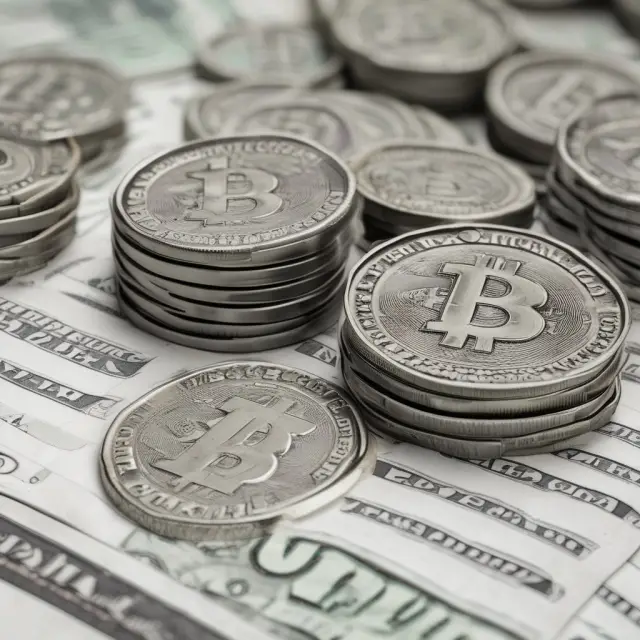
Understanding Share Buybacks: A Company's Investment in Itself - Learn the significance, process, benefits, criticisms, and impact on the market.
Background on Share Buybacks
A share buyback, also referred to as a stock repurchase, is a powerful financial tool that corporations employ when they wish to purchase shares in the open market with the intent of reducing the number of outstanding shares available. This strategic move can result in increased earnings per share (EPS) for existing investors and may create value by increasing the price of each remaining share. In this section, we delve into the significance of share buybacks and explore their underlying reasons, processes, benefits, criticisms, and implications for both companies and investors.
Why Companies Engage in Buybacks?
Companies engage in buybacks for multiple reasons: to increase the value of remaining shares by reducing the supply, demonstrate financial stability, or compensate employees with stock rewards and options. By repurchasing shares, a company reduces the total number of outstanding shares available on the market and increases the percentage ownership of existing shareholders. This not only raises the proportion of earnings per share but also can inflate the value of each remaining share as EPS increases while P/E ratios remain constant or decrease. Moreover, buybacks may provide a signal to investors that the company is confident in its financial position and future growth prospects.
In terms of compensating employees, companies often use buybacks to issue stock rewards and options, helping to avoid diluting the value of existing shares for current shareholders. This form of incentive compensation is common among technology firms, such as Microsoft, Apple, and Alphabet (Google), which have strong histories of using buybacks to reward their employees.
How Share Buybacks Work
Share buybacks are typically executed through two primary methods: tender offers or open market purchases. A tender offer allows shareholders an opportunity to tender all or a portion of their shares in exchange for a premium price, usually above the current market value, within a specified period. On the other hand, open market purchases involve companies buying back shares from the stock exchange over an extended period.
Companies may choose to fund buybacks using cash on hand, debt financing, or operations. An expanded share buyback represents an accelerated repurchase plan and can lead to a faster contraction of the company’s share float. The market impact of a significant buyback depends on its size and is often reflected in increased stock prices due to the reduction in available shares.
Benefits of Share Buybacks for Investors
From an investor standpoint, share buybacks provide several benefits. They can positively affect EPS, increase the value of each remaining share, and potentially mitigate risks by reducing the number of outstanding shares. Moreover, a company’s commitment to repurchasing its shares may signal confidence in its future financial performance and growth prospects.
Investors often view buybacks as a positive sign because they can lead to increased stock prices due to reduced supply, as well as enhanced potential for capital gains. Additionally, companies that engage in regular buyback programs have historically outperformed the broader market, making this strategy an attractive consideration for investors seeking solid returns on their investments.
Criticisms of Share Buybacks
Despite the apparent benefits, share buybacks face criticisms from various perspectives. One common concern is that they may give the impression that a corporation does not have other profitable investment opportunities, potentially hindering its long-term growth potential for revenue and profit increases. Furthermore, companies are not obligated to engage in buybacks, making it uncertain whether this strategy will be implemented during challenging economic times or when the corporation encounters financial difficulties.
Additionally, some critics argue that share buybacks can artificially inflate stock prices and serve as justification for higher executive bonuses, potentially leading to a misalignment of interests between shareholders and executives. Lastly, recent regulations such as the Inflation Reduction Act of 2022 include a 1% excise tax on buybacks, making these transactions more expensive for corporations and potentially impacting their financials in the long term.
In conclusion, share buybacks serve as an effective tool for companies to invest in themselves and create value for existing shareholders. By purchasing outstanding shares in the open market, corporations can increase earnings per share, boost the value of each remaining share, and signal confidence in its financial position. However, like any investment strategy, share buybacks come with their own set of benefits and criticisms. As investors, it is crucial to understand the reasons behind a company’s decision to engage in buybacks, evaluate its potential impact on stock prices, and assess the long-term implications for both the corporation and its stakeholders.
Why Companies Engage in Buybacks
When a corporation decides to invest in its own shares through a buyback program, it reduces the number of outstanding shares on the market. This strategy can yield significant benefits for the company and its shareholders. In this section, we’ll explore three compelling reasons why companies engage in buybacks: increasing the value of remaining shares, demonstrating financial stability, and compensating employees with stock rewards.
1. Increasing the Value of Remaining Shares by Reducing Supply
A share repurchase is an excellent investment for a company if it believes that its shares are undervalued compared to their true worth. By purchasing its own shares on the market, the company increases the value of the remaining shares. When fewer shares exist in the marketplace, each outstanding share represents a greater percentage of the overall corporation.
A buyback also enhances earnings per share (EPS) and price-to-earnings (P/E) ratio for existing investors. With fewer outstanding shares, the same revenue is spread across a smaller number of shares, resulting in an increase in both EPS and P/E ratio. For example, if a company had 1 million shares with earnings of $1 million, each share would have an EPS of $1. If the company repurchases 10% of its outstanding shares (100,000), the remaining shares (900,000) would now have an EPS of $1.11, assuming the earnings remain constant. To maintain the P/E ratio at 20, the stock price must increase by approximately 11% to $22.22.
This increased value benefits shareholders as their holdings become more valuable in terms of both capital appreciation and dividends. Additionally, a lower number of outstanding shares also reduces the overall dilution effect from future issuances of stock or stock options.
2. Demonstrating Financial Stability and Shareholder Value
A buyback can serve as an effective signal to investors that a corporation is financially stable and confident in its business prospects. Companies with substantial cash reserves may choose to return some of this capital to their shareholders through a buyback instead of paying dividends or making additional investments. This strategy can help improve investor sentiment by signaling the company’s commitment to enhancing shareholder value.
3. Compensating Employees and Management with Share Rewards and Options
Stock rewards and options are popular compensation methods used by companies to attract and retain top talent. However, these incentives can dilute existing shareholders’ holdings if the company issues new shares. A buyback provides a solution by reducing the outstanding shares in the market while allowing the company to issue new shares for employee compensation as needed. This way, existing shareholders are not negatively affected by dilution from new issuances.
In conclusion, companies engage in buybacks for various reasons, including increasing the value of remaining shares, demonstrating financial stability, and compensating employees with stock rewards and options. These strategic investments can yield significant benefits for both the corporation and its shareholders.

How Share Buybacks Work
A share buyback refers to a corporation’s acquisition of its own outstanding shares with the intent to reduce the total number available on the open market. Companies engage in this practice for various reasons, such as increasing the proportion of earnings attributed to each remaining share and rewarding employees through stock options. The process of executing a buyback involves either tendering an offer directly to shareholders or purchasing shares on the open market.
Tender Offer: A tender offer is a method whereby companies present shareholders with an opportunity to sell all or a portion of their holdings back to the corporation at a premium to the current market price. This incentivizes investors to surrender their shares, thereby reducing the overall float in circulation.
Open Market Purchase: In contrast, open market purchases involve the company buying back shares on the stock exchange as they become available over an extended period. Companies can fund these repurchases using cash reserves, debt financing, or operational cash flows.
A larger buyback initiative is reflected in a faster reduction of outstanding shares, resulting in a potentially significant impact on the share price. The buyback ratio, which represents the number of dollars spent on repurchases over the past 12 months divided by the market capitalization at the beginning of the buyback period, can be employed as a tool to compare the potential influence of buybacks across various companies.
When a company announces an expanded share buyback program, the market response depends on the magnitude of the initiative. Generally, a larger repurchase program is likely to cause a notable increase in the stock price due to the reduction in available shares and subsequent decrease in supply. Conversely, smaller buybacks have limited effect on the stock price but can still contribute to improved earnings per share (EPS) and a lower P/E ratio for the company, benefiting investors with an increased return on their investment.
In summary, share buybacks serve as a strategic method through which companies invest in themselves, increasing the value of remaining shares by reducing the number available and rewarding employees through stock options or other compensation packages. The process can be executed via tender offer or open market purchases, and the impact on the stock price is influenced by the magnitude and frequency of repurchases.

Benefits of Share Buybacks for Investors
Share buybacks offer several advantages for investors, primarily increasing the value of their existing shares and providing a potential return on investment. When a company repurchases its own shares, it reduces the number of outstanding shares available in the market, leading to higher earnings per share (EPS) and often, an increase in the stock price. This EPS enhancement is significant, as it indicates a reduction in the number of shares used in calculating the profitability ratio, making each share worth more.
Furthermore, share buybacks can demonstrate a company’s financial stability to investors, signaling that the business has ample cash reserves and a low risk of economic instability. In addition, companies may use share buybacks as compensation for their employees through stock rewards and stock options, which help retain talent while avoiding dilution for existing shareholders.
The following sections discuss how share buybacks work, the benefits they offer to investors, and potential criticisms or limitations.
Impact on EPS and P/E ratio: Share buybacks lead to an increase in EPS, as fewer outstanding shares are used in calculating profitability ratios. This improvement results from the reduction in the denominator of the EPS equation (total earnings divided by total number of shares). Consequently, each share holds a greater proportion of the company’s earnings, driving up the price per share if the P/E ratio remains constant.
Increasing stock price and shareholder value: The enhanced EPS drives the stock price higher through an increase in value per share, making each share more attractive to potential investors and increasing overall shareholder value. Additionally, companies may use share buybacks as a tool to reward their shareholders by returning excess cash to them or preventing competitors from acquiring control of the company.
Risk mitigation: Share buybacks can help mitigate risk for investors by reducing the number of outstanding shares and potentially increasing the security of their investment. This reduction in risk could be significant in volatile economic conditions, as a lower supply of shares reduces the impact of market fluctuations on individual holdings.
Stay tuned for further sections covering criticisms of share buybacks, benefits to companies, and examples of successful buyback strategies.
Criticisms of Share Buybacks
Despite the numerous benefits associated with share buybacks, some critics argue that they come with potential drawbacks. The most common criticisms include a perception of lacking growth opportunities, financial vulnerability during uncertain economic conditions, and artificially inflating share prices and executive bonuses.
Firstly, buybacks can give investors the impression that a corporation does not have other profitable avenues for growth. This concern is particularly relevant to growth investors searching for revenue and profit expansion. However, companies engaging in buybacks do not necessarily lack growth opportunities; instead, they may see share repurchases as an attractive option to return value to their shareholders.
Secondly, a corporation faces financial vulnerability when it engages in significant share buybacks during uncertain economic conditions or if the business itself faces potential financial challenges. By reducing its available cash reserves and purchasing shares at potentially inflated prices, a company may put itself at risk should an economic downturn arise. For instance, if a corporation experiences a decline in earnings or revenue, it might be unable to cover its debt payments and other obligations if it has already spent a substantial portion of its cash on buybacks.
Lastly, critics argue that share buybacks artificially inflate share prices by reducing the number of available shares on the market. This inflation can lead to higher executive bonuses tied to stock performance. The perceived manipulation of share prices becomes an issue when executives engage in insider trading during repurchase programs or when a company engages in excessive buying, potentially misleading investors and distorting valuation metrics like EPS and P/E ratios.
To address these criticisms, some argue that increased transparency from companies regarding their buyback intentions and rationale could help alleviate concerns. Furthermore, implementing stricter regulations on insider trading during buybacks may help maintain investor confidence in the market and mitigate potential price manipulation.
With the recent Inflation Reduction Act of 2022, there is a new regulation affecting share buybacks, as certain repurchases for domestic public companies will now incur a 1% excise tax. This tax was implemented to offset revenue losses from other provisions within the act and may influence a company’s decision to engage in buybacks moving forward.
The controversy surrounding share buybacks highlights the importance of understanding the motivations, implications, and potential risks associated with this investment strategy. As a result, investors and corporations must carefully consider the benefits and criticisms when deciding whether or not to participate in share repurchase programs.
Section Title: Share Buybacks vs. Dividends
Description: – Comparing share buybacks and dividends as methods of returning value to shareholders.

Example of a Successful Share Buyback
Share buybacks can lead to significant rewards for both companies and investors when implemented effectively. A prime example comes from a company underperforming its competitors, which announces a buyback program to reward loyal shareholders. By buying back shares, the company can increase the value of remaining outstanding shares by reducing their number, as well as demonstrate financial stability.
Consider a situation where a company has seen lackluster stock performance despite solid financials compared to its competitors. In order to address this disconnect and reward long-term investors, the company decides on an aggressive share buyback program. By repurchasing 10% of its outstanding shares at the current market price, the firm is able to increase earnings per share (EPS) and improve the stock’s overall value for existing investors.
The example above highlights the importance of understanding a company’s financial situation and capital allocation decisions, as well as the potential benefits that come from engaging in a successful share buyback program. Share buybacks offer numerous advantages to both companies and their investors, such as increased profitability, reduced market volatility, and enhanced confidence among shareholders.
By reducing the total number of outstanding shares, each remaining share represents a larger proportion of the company’s net income, leading to improved earnings per share (EPS) for the remaining shareholders. This EPS increase can subsequently result in an elevated stock price, as the price-to-earnings ratio (P/E ratio) is generally influenced by earnings per share.
In this scenario, the company’s share buyback program demonstrates its financial strength and commitment to its investors. The reduction of outstanding shares implies a higher proportion of profits for each investor, leading to increased shareholder value and overall market confidence. Moreover, the buyback process can serve as an alternative compensation mechanism for employees, often in the form of stock rewards or options, while avoiding dilution for existing shareholders.
A successful share buyback not only benefits current investors but also sets the stage for future growth. The reduction of outstanding shares can make it easier for a company to achieve future milestones and potentially attract additional investors, further boosting its market value. However, it is essential for companies to carefully consider their financial position before implementing such programs, as buybacks can leave them more financially vulnerable in uncertain economic conditions.
By examining this example, we gain a better understanding of the potential advantages of share buybacks and their significance in corporate finance and investment strategies. This knowledge empowers investors to make informed decisions based on a company’s financial statements, enabling them to maximize returns while minimizing risk.

Impact of Share Buybacks on the Market
A share buyback’s magnitude and market response can significantly affect stock prices, with larger buybacks leading to increased prices. The buyback ratio is an essential metric for understanding a company’s ability to return value to its investors. This ratio considers the total dollars spent on buybacks over the previous year divided by the beginning market capitalization during that period.
A higher buyback ratio signifies a greater commitment to returning value to shareholders, making it a strong indicator of potential outperformance in the broader market. The increased demand for shares as part of a repurchase program can lead to stock price appreciation, especially if the buyback is large and expansive. In contrast, smaller or infrequent buybacks may not have a substantial impact on share prices.
Understanding the Market Response
The magnitude of a share buyback influences its impact on stock prices, as significant repurchases often result in increased demand for shares. The open market nature of the buyback process enables companies to purchase shares at market rates, creating a natural floor price for their stocks.
The increase in buying volume can also lead to a more efficient market with tighter bid-ask spreads and smaller price swings, making it easier for investors to trade stocks. Market participants may view these buybacks as a signal of confidence in the company’s future prospects, further driving demand and increasing stock prices.
Buyback Ratios: A Measurement of Shareholder Value
A higher buyback ratio indicates that a company has been actively returning value to its shareholders through share repurchases, suggesting a strong commitment to maximizing returns for investors. Companies with consistently high buyback ratios have historically outperformed the broader market over extended periods, making them attractive options for long-term investors.
However, a large buyback program can also lead to financial vulnerability if economic conditions deteriorate, as the company may find itself unable to generate sufficient cash flows to cover its debt obligations or continue repurchasing shares. As a result, it’s essential to consider both the size and sustainability of a company’s buyback program when evaluating its potential impact on stock prices and shareholder value.
Share Buybacks vs. Dividends: A Comparison
Buybacks and dividends are two methods that companies use to return capital to their shareholders, with each method having unique advantages and disadvantages. While both serve to increase the value of shareholder investments, they differ in their execution and implications for investors.
Share buybacks reduce the number of outstanding shares, resulting in increased EPS and a potentially higher stock price due to a smaller float. Dividends distribute cash payments directly to shareholders based on their ownership percentage, offering regular income and yield. Understanding the specific goals and preferences of investors is crucial when comparing these two methods.
Investors who prioritize capital gains may prefer companies that engage in buybacks due to the potential price appreciation associated with decreased share supply. Conversely, income-focused investors typically favor dividend-paying stocks, as they offer a steady stream of cash payments regardless of market conditions. As always, thorough research and analysis are essential when determining which method best suits an investor’s investment objectives and risk tolerance.
The Future of Share Buybacks: Regulations and Trends
Recent legislation, such as the Inflation Reduction Act of 2022, has brought changes to the world of share buybacks. This act introduced a 1% excise tax on buybacks for domestic public companies, making them more expensive for corporations. This is part of an ongoing debate regarding the fairness and implications of stock repurchases.
Buybacks have long been a popular strategy among corporations, with companies like Apple, Microsoft, and Google parent Alphabet being some of the top buyback spenders in 2021. The trend continues in 2023 as well, with several firms announcing expanded buyback programs. However, these trends may shift due to economic conditions and investor preferences.
Market Trends:
The recent market downturn has seen a decline in share buybacks as companies focus on preserving cash and strengthening their balance sheets amid economic uncertainty. Instead, they have been turning towards dividends as an alternative way of returning value to investors. According to Goldman Sachs research, the S&P 500 firms’ dividend payout ratio reached a new all-time high in Q3 2022, with companies allocating 49% of their earnings to dividends, compared to just 23% in the early 1980s.
Regulations:
The Inflation Reduction Act of 2022 introduced a new excise tax on buybacks for domestic public companies, which could impact the popularity and feasibility of share repurchases moving forward. This tax, combined with increased focus on Environmental, Social, and Governance (ESG) investing, might lead firms to reconsider their approach to stock buybacks and consider alternative methods for increasing shareholder value.
Comparing Share Buybacks and Dividends:
While both share buybacks and dividends serve the purpose of returning value to investors, they differ in their implementation and impact. Dividends provide a steady stream of income, while share buybacks can lead to increased earnings per share (EPS) and potentially higher stock prices. However, the new excise tax on buybacks may shift the preference towards dividends for some companies, especially those that are subject to the tax.
The role of ESG Investing:
ESG investing is a growing trend in the investment world, with increasing focus on sustainability and corporate responsibility. Share buybacks can be criticized for their potential impact on ESG goals, as they may be perceived as a short-term focus that could divert resources from long-term investments in areas such as research and development, employee benefits, or environmental initiatives. This might further influence companies’ decisions regarding their use of stock repurchases moving forward.
Conclusion:
Share buybacks have been a contentious issue for investors and regulators alike, with debates surrounding their effectiveness, fairness, and long-term implications. With recent changes in the regulatory landscape and market trends, it will be interesting to see how companies adapt and respond to these challenges. Whether through share repurchases or dividends, returning value to shareholders remains a key priority for corporations. It is crucial for investors to stay informed about these developments and consider their individual investment strategies in light of ongoing changes in the financial landscape.
Share Buybacks vs. Dividends
When it comes to returning value to shareholders, companies have two primary methods at their disposal: share buybacks and dividends. Both strategies can significantly impact investors’ portfolios and overall financial returns, but they differ in various aspects, including process, motivation, timing, and investor demographics. Let us discuss these differences between buybacks and dividends to better understand which strategy might be more suitable for different types of shareholders.
Share Buybacks: The Company’s Investment in Itself
A buyback is a corporate initiative where a company purchases its own outstanding shares from the open market. This process reduces the total number of shares available, ultimately resulting in increased earnings per share (EPS) for existing investors and potentially leading to an increase in the stock price. Several reasons drive companies to engage in share buybacks:
- Increasing the value of remaining shares: By reducing the supply of outstanding shares, the company’s remaining shares become a larger percentage of the total. This could lead to increased demand for the stock and a corresponding rise in its price, as investors are willing to pay more for the same earnings per share.
- Demonstrating financial stability: Share buybacks can demonstrate a company’s confidence in its future financial performance by investing in itself and returning capital to shareholders. This can be particularly attractive to income-focused investors who prefer stable, predictable dividend payments.
- Compensating employees with stock rewards: Companies may engage in share buybacks to provide incentives for their employees through stock options or other equity awards. These programs often require the company to repurchase shares, which can help retain key talent and keep them aligned with the company’s long-term goals.
Dividends: Regular Cash Payments to Shareholders
Dividends represent a portion of the company’s profits distributed to its shareholders on a regular basis. This payment is made in cash or additional shares, depending on the company’s dividend policy. Dividends can benefit investors as they provide a consistent stream of income and help offset potential capital losses due to market volatility. Some reasons that make dividends an attractive investment choice include:
- Steady income source: Regular dividend payments provide a stable source of income, which can be particularly appealing to income-focused investors seeking predictable returns.
- Tax efficiency: Dividends are generally more tax-efficient compared to capital gains from selling shares for a profit. In many jurisdictions, investors may receive preferential tax treatment on dividend income, allowing them to keep more of their earnings.
- Market stability: Dividend stocks tend to display lower volatility compared to non-dividend paying stocks due to the expectation of consistent cash payments. This can make dividend stocks a more attractive option for risk-averse investors.
Comparing Share Buybacks and Dividends: A Matter of Preference
Ultimately, share buybacks and dividends cater to different investor preferences and financial goals. While some investors may prefer the predictability and stability offered by regular dividend payments, others might be more attracted to a company’s potential for growth and increased earnings per share through share buybacks. Both strategies can generate significant returns; therefore, it is essential for investors to understand their individual investment objectives, risk tolerance, and tax situation before making a decision.
When considering which strategy to choose between buybacks and dividends, some key factors may help guide the decision:
- Income vs. growth focus: If your primary goal is to generate a regular income stream, dividend stocks are likely the preferred choice. However, if you aim for long-term capital appreciation and share price growth, consider companies that have a history of share buybacks or an active repurchase program.
- Tax implications: Depending on your personal tax situation, one strategy may be more advantageous than the other. For example, investors in higher tax brackets might prefer companies with generous dividend payments, whereas those in lower tax brackets might find share buybacks that increase their EPS and stock price more appealing.
- Investor demographics: Different investor groups may favor one strategy over the other based on their investment objectives, risk tolerance, or income needs. For instance, retirees living off their investments might prefer dividend stocks for a steady income stream, while younger, growth-oriented investors might opt for companies with active buyback programs that increase their share value and earnings per share.
- Market volatility: In turbulent markets, some investors may find the stability of dividends more appealing as they provide a consistent source of income. However, during market downturns, companies’ earnings and stock prices might be negatively affected, potentially reducing or eliminating dividend payments altogether. Conversely, buybacks can lead to increased demand for the stock and price appreciation even when the broader market is experiencing volatility.
- Economic conditions: The economic climate plays a significant role in determining which strategy is more attractive. In strong economies with low interest rates, companies might be more inclined to engage in share buybacks as they can benefit from the potential for increased earnings per share and stock price growth. However, during periods of economic uncertainty or recession, dividends can provide a much-needed source of income for investors.
In conclusion, understanding the differences between share buybacks and dividends is crucial to making informed investment decisions that align with your individual financial goals, risk tolerance, and tax situation. While both strategies can generate significant returns, they cater to different investor preferences, making it essential to consider each option’s unique benefits and potential drawbacks before deciding which one to pursue.

Conclusion: The Role of Share Buybacks in a Company’s Finances
A share buyback, a process by which a corporation repurchases its outstanding shares, offers numerous benefits to the company and its investors. By reducing the number of available shares on the open market, a buyback increases the value of remaining shares held by existing investors. The result is an enhanced earnings per share (EPS), often leading to higher stock prices. Moreover, a buyback demonstrates financial stability, as it reveals that a company holds sufficient cash reserves and boasts low economic risks.
Companies also implement buybacks to compensate their employees using stock rewards or options. By buying back shares and issuing them to employees and management, companies can avoid diluting the value of existing shareholders’ holdings. This compensation method, however, has been a source of criticism for some due to its potential use in inflating executive bonuses.
Share buybacks come with several methods of execution, such as tender offers or purchases on the open market. Companies can fund their buyback plans using cash reserves, debt financing, or operational cash flow. The size and timing of a company’s buyback program can significantly impact the market response, as larger programs tend to result in stock price increases.
Despite the advantages offered by share buybacks, they have faced criticism from various perspectives. Some argue that companies engaging in buybacks lack sufficient growth opportunities. Additionally, a corporation facing economic instability may find itself in financial peril if it has heavily invested in share repurchases. Furthermore, concerns exist regarding artificially inflating stock prices to justify higher executive bonuses.
The Inflation Reduction Act of 2022 introduced new regulations affecting buybacks through a 1% excise tax on domestic public company share repurchases. This legislation aims to address perceived drawbacks of the practice but may have broader implications for corporate finance.
In conclusion, share buybacks constitute a crucial aspect of a corporation’s financial strategy. By understanding their benefits and criticisms, investors can make informed decisions when considering investment opportunities in companies that employ this practice. Professional and institutional investors must carefully evaluate a company’s use of buybacks to determine its impact on shareholder value and long-term growth potential.

FAQ
Question: What is a share buyback, and why do companies engage in this practice?
Answer: A share buyback is the repurchase of a corporation’s own outstanding shares to reduce the supply available on the market. Companies may undertake buybacks as a strategic move to increase earnings per share (EPS), demonstrate financial stability, or compensate employees with stock rewards and options. By reducing the number of existing shares, each remaining share represents a larger proportion of the corporation’s assets and profits, leading to an increase in EPS and often the stock price.
Question: How does a company execute a buyback?
Answer: Buybacks can be carried out through tender offers or open market purchases. With a tender offer, shareholders are given the option to submit their shares at a premium to the current market price. Alternatively, a company may purchase shares on the open market over an extended period using cash on hand, debt, or cash flow from operations. An expanded buyback accelerates this process and can significantly impact the stock price if it represents a significant portion of the corporation’s float.
Question: What are the benefits for investors in a share buyback?
Answer: Share buybacks increase earnings per share (EPS) while potentially decreasing the price-to-earnings ratio (P/E), making stocks more attractive to investors. Additionally, a buyback can boost confidence in the company’s financial stability and future growth prospects.
Question: Are there any criticisms of share buybacks?
Answer: Critics argue that buybacks can give the impression that a corporation lacks other profitable opportunities for growth. Furthermore, a buyback can leave the business vulnerable if the economy takes a downturn, and some believe that it may be used to artificially inflate the stock price for executive bonuses or as part of a larger corporate strategy. However, recent legislation such as the Inflation Reduction Act of 2022 has implemented a 1% excise tax on buybacks, which may impact the financial implications for companies engaging in these repurchases.
 Next entry · No. 575Understanding a Buyer’s Market: Price Negotiations in Favor of Purchasers
See also
-
 No. 1,175
07 Aug 2024
19 min
Understanding Earnings: The Key Performance Indicator for Investors
Business Finance
No. 1,175
07 Aug 2024
19 min
Understanding Earnings: The Key Performance Indicator for Investors
Business Finance -
 No. 772
05 Jun 2024
21 min
Cooking the Books: Understanding Financial Manipulation Techniques and Their Consequences
Business Strategy
No. 772
05 Jun 2024
21 min
Cooking the Books: Understanding Financial Manipulation Techniques and Their Consequences
Business Strategy -
 No. 4,656
06 Jul 2025
22 min
Understanding Short Squeezes: Risks and Opportunities for Institutional Investors
Business Finance
No. 4,656
06 Jul 2025
22 min
Understanding Short Squeezes: Risks and Opportunities for Institutional Investors
Business Finance -
 No. 1,912
24 Nov 2024
19 min
Greenmail: The Controversial Practice of Buying and Selling Corporate Shares for a Premium
Business Strategy
No. 1,912
24 Nov 2024
19 min
Greenmail: The Controversial Practice of Buying and Selling Corporate Shares for a Premium
Business Strategy -
 No. 1,247
18 Aug 2024
20 min
Understanding Extraordinary General Meetings: What They Are and How They Differ from Annual General Meetings
Business Finance
No. 1,247
18 Aug 2024
20 min
Understanding Extraordinary General Meetings: What They Are and How They Differ from Annual General Meetings
Business Finance -
 No. 1,026
17 Jul 2024
21 min
Understanding Dilution: Impact, Protection and Real-World Examples
Business Finance
No. 1,026
17 Jul 2024
21 min
Understanding Dilution: Impact, Protection and Real-World Examples
Business Finance