Understanding Special Economic Zones (SEZs): Facilitating Rapid Economic Growth through FDI Attraction

Explore the origins, benefits, and controversies of Special Economic Zones (SEZs), designed to attract FDI and promote economic growth.
What is a Special Economic Zone (SEZ)
A Special Economic Zone (SEZ) refers to an area in a country with unique economic regulations designed to attract Foreign Direct Investment (FDI). FDI entails investments made by firms or individuals from one nation into business interests located within another country. SEZs’ primary objective is to facilitate rapid economic growth through the provision of tax incentives, lower tariffs, and favorable regulatory environments.
Origins of Special Economic Zones (SEZs)
The concept of special economic zones (SEZs) dates back to the late 1950s when industrialized countries established them to attract foreign investment from multinational corporations. The first SEZ was initiated at Shannon Airport in Ireland, and by the 1970s, these zones had spread to Latin America and East Asia. However, none have seen as much success as China, which began implementing SEZs in 1979 to attract foreign capital and spark technological advancement.
Benefits of Special Economic Zones (SEZs) for Businesses, Individuals, and Countries
SEZs can yield various advantages for businesses, individuals, and countries. For instance, they may facilitate rapid economic growth by offering tax incentives and lower tariffs. Moreover, SEZs can increase export levels for the implementing country and other nations supplying it with intermediate products. Additionally, these zones contribute to technological advancement and innovation, making them an attractive proposition for foreign investors.
China’s Special Economic Zones (SEZs): A Success Story
China’s implementation of SEZs has been particularly noteworthy. In 1979, China established four initial SEZs along its southeastern coast: Shenzhen, Zhuhai, Shantou in Guangdong province, and Xiamen in Fujian province. The success of these zones led the Chinese government to create an additional 14 “open coastal cities” in 1984. In China, SEZs act as liberal economic environments that promote innovation and advancement while allowing tax incentives for foreign investors.
Establishing Special Economic Zones (SEZs)
Countries may establish SEZs to attract FDI and promote economic growth by offering tax incentives and favorable regulatory environments. The process involves careful planning, setting up necessary infrastructure, and implementing specific regulations. Successful implementation requires extensive coordination among various government agencies, private sector stakeholders, and international organizations.
Types of Special Economic Zones (SEZs)
SEZs come in different forms, such as industrial zones, export processing zones, and free trade zones. Industrial SEZs focus on manufacturing, while export processing zones cater to foreign companies that import materials and re-export finished products. Free trade zones allow 100% ownership by foreign investors and offer duty-free imports and exports.
Special Economic Zones (SEZs) vs. Free Trade Zones (FTZs): A Comparison
While both SEZs and FTZs serve the purpose of attracting FDI, they differ significantly in taxation policies, regulatory environments, and investment incentives. SEZs often offer more comprehensive packages, including tax incentives and access to specialized infrastructure. In contrast, FTZs primarily focus on reducing or eliminating tariffs and duties.
In conclusion, special economic zones (SEZs) represent a powerful tool for countries seeking to attract foreign direct investment and promote rapid economic growth. By offering tax incentives, favorable regulatory environments, and access to specialized infrastructure, SEZs have been successful in attracting multinational corporations and fostering technological advancement. China’s implementation of SEZs serves as a prominent example, with the country becoming a leading global manufacturer and innovator as a result. However, it is crucial for countries to carefully plan and execute their SEZ strategies to ensure they yield positive outcomes while minimizing potential negative consequences.

History of Special Economic Zones (SEZs)
Special Economic Zones (SEZs) have their roots in the late 1950s when the first one was established at Shannon Airport, Ireland. The Irish government created this area with a distinct economic regulatory environment to attract foreign direct investment (FDI) from multinational corporations. The concept of SEZs gained traction in the following decades, spreading to Latin America and East Asia, with China becoming the most renowned success story.
The first wave of SEZs began in the 1970s as countries like Argentina, Brazil, and Mexico sought ways to boost their economies. The second major wave occurred in the late 1980s when countries such as Thailand, Malaysia, and China embraced SEZs as a means of attracting foreign investment and promoting economic growth.
The Chinese government created its first four SEZs in 1979—Shenzhen, Zhuhai, Shantou in Guangdong province, and Xiamen in Fujian province—in the Southeastern coastal region. The success of these zones led to the addition of Hainan Island in 1983, followed by the designation of 14 “open coastal cities” in 1984. These cities, including Shanghai and Tianjin, enjoyed similar benefits as SEZs with the power to approve investment projects, offer incentives to foreign investors, and import equipment and technology tax-free.
The Chinese government’s commitment to these zones proved successful, leading to rapid economic growth in these regions and facilitating technological advancement. The liberalized economic environments within China’s SEZs contributed significantly to the country’s economic transformation from a closed, centrally planned economy to an open market economy.
The success of China’s SEZs has influenced numerous other countries around the world, many of which have adopted similar strategies to attract FDI and promote growth in specific regions. As of today, there are over 3,800 SEZs spread across more than 120 countries. While each zone varies in its size, structure, and regulatory framework, they all aim to create economic environments that appeal to foreign investors and encourage growth through tax incentives, streamlined regulations, and access to infrastructure.

Benefits of Special Economic Zones (SEZs)
A Special Economic Zone (SEZ) is an area within a country that receives different economic regulations than other parts of the country, primarily focused on attracting foreign direct investment (FDI). The unique regulatory environment in SEZs offers several advantages for businesses, individuals, and entities operating within them. In addition to these benefits for those directly involved, there are macroeconomic and socioeconomic advantages that countries can experience when implementing an SEZ strategy.
First, SEZs have the potential to increase a country’s export levels by attracting foreign investment from multinational corporations. The presence of these companies within the SEZ facilitates production for both local and international markets, increasing overall economic activity. Furthermore, countries supplying intermediate goods to the SEZ benefit as well, as their exports contribute significantly to the value-added production process within the zone.
Second, technology transfer is an essential aspect of the benefits derived from special economic zones. As multinational corporations set up operations in these areas, they often bring with them advanced technologies, expertise, and innovative practices. This influx of knowledge can lead to significant advancements for local industries and economies, creating a virtuous cycle of technological progress.
Lastly, tax incentives are an essential component of the SEZ model, making it a popular choice for countries looking to attract FDI. These incentives may include lower corporate tax rates or tax exemptions on imported equipment and raw materials. By offering these incentives, countries can create a level playing field for foreign investors and compete more effectively in the global market.
In conclusion, SEZs offer several advantages for businesses, individuals, entities, and countries. The potential to increase export levels, facilitate technological advancement, and attract FDI through tax incentives make these zones a powerful tool for economic growth and development. The success of SEZs can be seen in their origins, with the first established in the late 1950s, and their expansion throughout Asia, Latin America, and eventually to China’s coastal regions in the 1980s. Understanding the benefits of special economic zones is crucial for both investors and policymakers seeking to maximize economic potential and remain competitive in an increasingly globalized world.
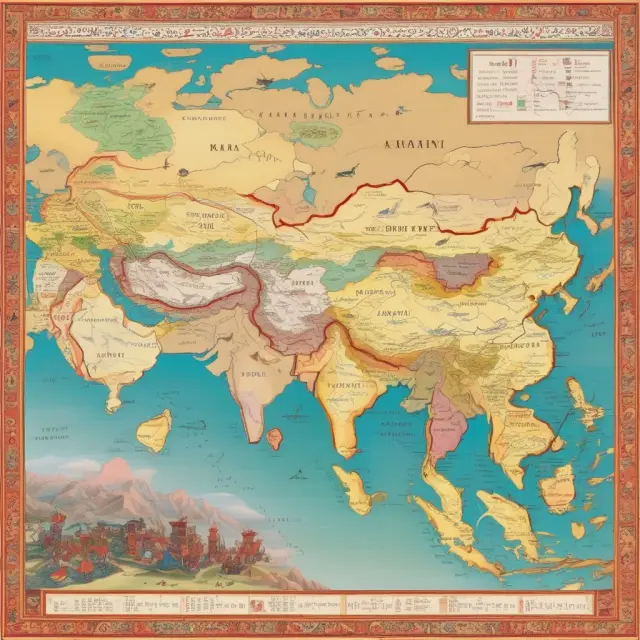
China’s Success Story: Special Economic Zones (SEZs)
Special Economic Zones (SEZs) have proven instrumental in facilitating rapid economic growth for numerous countries, with China being a prime example. The establishment of SEZs in China in 1979 marked the beginning of a remarkable journey towards attracting foreign direct investment (FDI) and transforming the nation into a global manufacturing powerhouse. In this section, we delve deeper into China’s successful implementation of SEZs and their impact on its economy.
The first four SEZs were established in China’s southeastern coastal region: Shenzhen, Zhuhai, and Shantou in Guangdong province, and Xiamen in Fujian province. The government’s decision to create these zones was driven by the need to attract foreign capital and stimulate economic growth in specific geographic areas. By offering incentives such as tax reductions, simplified administrative procedures, and preferential policies for foreign investors, China effectively created liberal economic environments that fostered innovation and technological advancement.
The success of these SEZs led the Chinese government to expand its SEZ strategy by establishing 14 “open coastal cities” in 1984. These cities, including the aforementioned SEZs, shared similar advantages as they were granted the power to approve investment projects, offer incentives to foreign investors, and import equipment and technology duty-free. The impact of these policies on China’s economy has been significant:
- Attracting FDI: By offering tax incentives and a favorable business environment, China successfully attracted a substantial influx of foreign capital, particularly from multinational corporations seeking to tap into the vast Chinese market.
- Technological Advancement: The SEZs provided opportunities for foreign investors to transfer their advanced technology and expertise to local businesses, resulting in rapid innovation and progress within these areas.
- Economic Liberalization: The creation of SEZs was a crucial step towards economic liberalization and the transition from a centrally planned economy to a more market-oriented system. The zones served as a testing ground for implementing new policies that could later be adopted nationwide, helping China transition towards a more open economy.
- Sparking Export Growth: By focusing on export-oriented industries, SEZs enabled China to significantly increase its exports, which in turn contributed to the country’s growing economic strength and influence on the global stage.
In conclusion, China’s successful implementation of Special Economic Zones (SEZs) has played a vital role in transforming the country into an economic powerhouse. By attracting foreign investment, fostering technological advancement, promoting economic liberalization, and boosting export growth, SEZs have been instrumental in driving China’s remarkable economic transformation over the past few decades.

Establishment and Creation of Special Economic Zones (SEZs)
A special economic zone (SEZ) is a designated area within a country where economic regulations differ from those in the rest of the nation. These regions are designed to attract foreign direct investment (FDI) by offering favorable conditions, including tax incentives and preferential tariffs. The concept of SEZs emerged in the late 1950s when industrialized countries sought to create zones with more business-friendly regulations to attract FDI and stimulate economic growth.
China has been one of the most successful countries in utilizing SEZs for attracting foreign capital. In 1979, China established its first four SEZs – Shenzhen, Zhuhai, Shantou in Guangdong province, and Xiamen in Fujian province. These zones quickly became a hub for foreign investment due to their favorable economic conditions. The success of these initial SEZs led China to create 14 “open coastal cities” in 1984. These cities enjoyed similar benefits as SEZs, such as the power to approve investment projects and offer incentives to foreign investors.
Creating an SEZ involves a systematic process that includes:
- Identification of potential sites for an SEZ, considering factors such as proximity to ports, transportation infrastructure, and existing industries.
- Negotiation and agreement between the host country and international organizations or foreign investors on the terms of investment and economic regulations within the zone.
- Establishment of a legal framework defining the jurisdiction, governance structure, and economic incentives for the SEZ.
- Implementation and enforcement of this legal framework, including setting up administrative structures, hiring staff, and providing necessary infrastructure and services to support businesses operating in the zone.
- Marketing and promotion of the SEZ to attract foreign investment through various channels such as international trade exhibitions, conferences, and targeted outreach efforts.
Key elements of an effective SEZ include a well-defined legal framework, clear governance structure, favorable economic conditions, efficient infrastructure, and strong connectivity to global markets. A country’s commitment to maintaining a stable political climate is also crucial for attracting and retaining foreign investment in the zone.
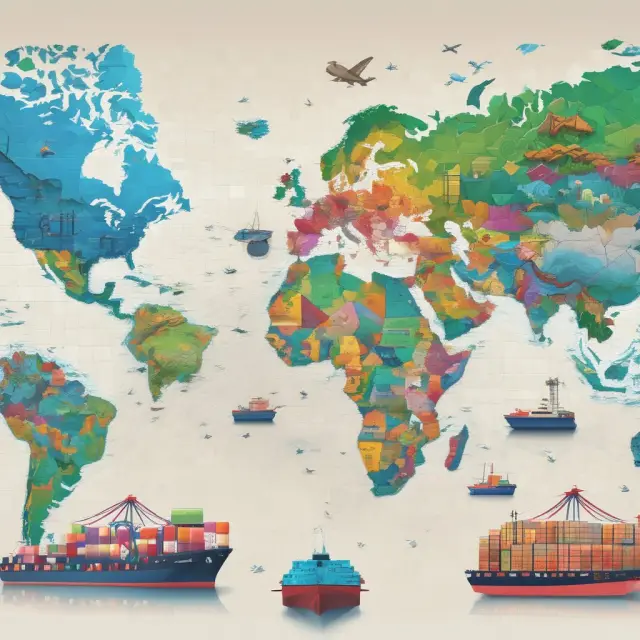
Types of Special Economic Zones (SEZs)
Special economic zones (SEZs) come in various forms, each designed to cater to specific industries or purposes. The most common types include industrial SEZs, export processing zones, and free trade zones. Understanding their differences can help businesses, governments, and investors make informed decisions when deciding which type best fits their needs.
Industrial Special Economic Zones (ISEZs): Industrial special economic zones prioritize manufacturing as the primary activity within their jurisdiction. This type of SEZ offers incentives to attract heavy industry, providing a conducive environment for foreign multinational corporations to set up factories and establish operations in the zone. ISEZs may offer tax exemptions on corporate income taxes, streamlined import/export procedures, and access to a skilled labor force. These zones have been instrumental in attracting foreign investment and promoting technological advancement.
Export Processing Zones (EPZs): Export processing zones are designed for foreign companies that wish to establish production facilities within an SEZ but import the necessary raw materials or components from outside the country, process them in the zone, and re-export the finished products. EPZs offer tax incentives and streamlined procedures for importing raw materials and exporting finished goods, making it an attractive option for businesses looking to tap into international markets while minimizing costs.
Free Trade Zones (FTZs): Free trade zones are distinct from other SEZ types as they allow 100% foreign ownership in the zone’s operations. In an FTZ, companies can conduct business activities such as storage, processing, and manufacturing without being subject to tariffs or customs duties. The primary goal of an FTZ is to facilitate international trade by providing a platform for businesses to import, process, and export goods with minimal hindrances. This type of SEZ offers significant advantages for investors looking to establish regional headquarters, logistics centers, or trading companies.
In summary, understanding the various types of special economic zones—industrial, export processing, and free trade zones—is crucial for businesses, investors, and governments looking to capitalize on the numerous benefits they offer. By carefully considering which type suits their specific needs, stakeholders can make informed decisions that maximize their competitive advantage in a global marketplace while contributing to economic growth within their chosen SEZ.
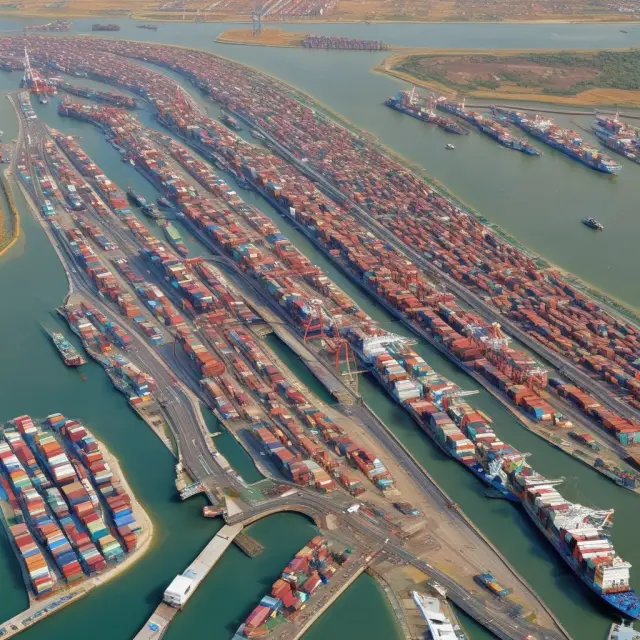
Special Economic Zones (SEZs) vs. Free Trade Zones (FTZs)
When comparing Special Economic Zones (SEZs) and Free Trade Zones (FTZs), it is important to note that both are strategic economic tools employed by countries to attract Foreign Direct Investment (FDI) and promote international trade. However, they differ in various aspects such as taxation, regulatory environment, and investment incentives.
First, let us clarify the definitions of each: A Special Economic Zone (SEZ) is a geographically defined area within a country with unique economic regulations designed to attract FDI and foster rapid economic growth. In contrast, Free Trade Zones (FTZs) are areas where international trade transactions can occur without tariffs or taxes, allowing for greater flexibility in the movement of goods and services across borders.
Now let’s dive deeper into their differences:
1. Taxation
SEZs typically offer tax incentives, such as lower corporate tax rates, reduced customs duties, and exemptions from Value-Added Tax (VAT) to attract investors. On the other hand, FTZs do not levy tariffs or taxes on imported goods when they enter the zone. However, there might be taxes applied upon re-exportation or sale of goods within the domestic market.
2. Regulatory Environment
SEZs often have more relaxed regulations in terms of labor laws and foreign ownership restrictions to make it easier for businesses to operate in the zone. In contrast, FTZs usually adhere to the same regulatory framework as the rest of the country.
3. Investment Incentives
Investment incentives offered by SEZs can include tax holidays, simplified administrative procedures, and various exemptions from local regulations. FTZs generally offer fewer investment incentives, relying on their unique tax regime to attract businesses.
4. Ownership Structure
SEZs may allow full or partial foreign ownership of companies within the zone. In contrast, FTZs typically require that a majority stake in a company must be owned by locals or the domestic entity.
5. Scope of Operations
While SEZs can cover a wide range of industries from manufacturing to services, FTZs are usually focused on handling and processing imported/exported goods before they enter the domestic market or get shipped abroad.
6. Impact on Domestic Economy
SEZs aim at creating export-oriented industries within the country, while FTZs contribute to trade efficiency by streamlining customs procedures and reducing costs for importers and exporters.
Understanding these differences can help businesses, investors, and policymakers make informed decisions regarding the most suitable economic tool for their needs. Both SEZs and FTZs have their unique advantages and challenges, and the choice between them depends on the specific circumstances of a country or investor.

Special Economic Zones (SEZs) and Globalization
One significant impact of Special Economic Zones (SEZs) is their role in promoting globalization and international economic integration. Established as areas with unique economic regulations to facilitate rapid growth, SEZs have proven instrumental in increasing cross-border trade, attracting foreign direct investment (FDI), and fostering technological advancement.
The establishment of SEZs has been a critical factor in promoting globalization, particularly for countries seeking to integrate their economies into the international marketplace. By offering attractive incentives to businesses and investors, such as tax breaks, streamlined regulations, and infrastructure development, countries can attract foreign capital to develop their industries and boost their export levels. The presence of an SEZ can help improve a country’s global competitiveness and build stronger trade relationships with other nations.
Additionally, SEZs can act as a bridge between different economies, facilitating the exchange of goods, services, and ideas. By providing foreign companies with a favorable business environment, countries can attract multinational corporations that bring valuable knowledge, skills, and expertise from their home markets. This transference of technology and best practices can lead to increased productivity, innovation, and long-term economic growth.
Moreover, SEZs contribute to the development of global supply chains by creating a cluster of interconnected industries and businesses. By focusing on specific sectors such as manufacturing, logistics, or services within an SEZ, countries can create economies of scale that lower production costs and enhance competitiveness. The specialization and collaboration among businesses within these clusters lead to increased efficiency, innovation, and value creation, benefiting both the local economy and the global marketplace.
However, it’s important to note that not all SEZs have the same impact on globalization. For instance, some countries may use SEZs as a tool for protectionism instead of promoting openness. By setting up SEZs with high tariffs or stringent regulations, countries can effectively create enclaves that isolate foreign businesses from the domestic market and limit the free flow of goods, services, and capital. This could potentially hinder globalization efforts and undermine the benefits of an SEZ strategy.
In summary, Special Economic Zones (SEZs) have played a vital role in promoting globalization by increasing cross-border trade, attracting FDI, and fostering technological advancement. By offering favorable business environments and incentives to foreign investors, countries can create clusters of interconnected industries that enhance competitiveness and boost long-term economic growth. The success of SEZs is evident in their widespread adoption by countries around the world, with China being one of the most notable examples. As globalization continues to evolve, the importance of SEZs as a tool for economic development and integration will only grow stronger.
Key Takeaways: Special Economic Zones (SEZs) promote globalization by increasing cross-border trade, attracting foreign direct investment (FDI), and fostering technological advancement. The success of SEZs is evident in their widespread adoption by countries around the world, with China being one of the most notable examples. By offering favorable business environments and incentives to foreign investors, countries can create clusters of interconnected industries that enhance competitiveness and boost long-term economic growth.

Criticisms and Controversies Surrounding Special Economic Zones (SEZs)
Despite their potential economic advantages, SEZs have faced controversies regarding labor rights, environmental impact, and potential negative effects on local economies. Critics argue that SEZs may lead to labor exploitation, as foreign companies often take advantage of cheaper wages and weaker labor regulations in these areas. Environmental degradation is another concern, with the rapid industrialization and economic activity within SEZs potentially leading to increased pollution and resource depletion. Furthermore, some claim that SEZs can displace local economies, leading to job losses and reduced opportunities for local communities.
Labor Rights
One criticism of SEZs is their potential for labor exploitation. In many cases, foreign companies operating in these zones may take advantage of lower wages and weaker labor regulations in order to maximize profits. For example, workers in SEZs may face long working hours, low wages, and limited protections, including a lack of union representation or collective bargaining rights. This has led some critics to question whether the economic benefits of SEZs are outweighed by their potential negative impact on labor rights.
Environmental Impact
Another area of controversy surrounding SEZs is their potential environmental impact. The rapid industrialization and economic activity within these zones can lead to increased pollution and resource depletion, particularly in areas where environmental regulations may be weak or non-existent. For example, the production of electronics in Chinese SEZs has been linked to high levels of toxic waste and hazardous working conditions. These concerns have led some critics to argue that SEZs prioritize economic growth over environmental sustainability.
Negative Effects on Local Economies
Finally, some critics argue that SEZs can displace local economies, leading to job losses and reduced opportunities for local communities. For example, the influx of foreign investment into an area may lead to a shift away from traditional industries, as well as increased competition for local businesses. This can result in economic instability and potentially worsening poverty levels for local populations.
Despite these criticisms, it is important to note that not all SEZs follow this pattern. Some have been successful in promoting sustainable development, labor protections, and local economic growth. For example, the Maasai Mara Wildlife Conservancies in Kenya are SEZs designed to protect wildlife habitats while also generating income for local communities through tourism activities. In these cases, SEZs can offer significant benefits to both foreign investors and local populations.
In conclusion, while SEZs have the potential to promote economic growth and attract FDI, it is crucial to consider their potential negative impacts on labor rights, environmental sustainability, and local economies. By addressing these concerns through strong regulations and a commitment to sustainable development, SEZs can offer significant benefits to both foreign investors and local communities.

Frequently Asked Questions (FAQ)
What is a Special Economic Zone (SEZ)?
A Special Economic Zone (SEZ) is an area within a country that operates under different economic regulations than other regions in the same country, designed to facilitate rapid economic growth and attract foreign direct investment (FDI).
What is the origin of SEZs?
The first SEZ was established at Shannon Airport, Ireland, in the late 1950s. The objective was to attract FDI from multinational corporations. In the 1970s, SEZs were also introduced in Latin American and East Asian countries. China became the most successful case study of SEZ implementation with the creation of four initial zones in 1979: Shenzhen, Zhuhai, Shantou (Guangdong province), and Xiamen (Fujian province).
What are the benefits of operating within an SEZ?
Operating within an SEZ provides several advantages, including tax incentives, lower tariffs for imported goods, and access to a larger market. Businesses can also benefit from improved infrastructure and a more business-friendly regulatory environment.
How do SEZs impact macroeconomic growth?
SEZs may increase export levels for the implementing country and other countries supplying it with intermediate products. They can also facilitate technological advancement, attract FDI, and spur economic development in less developed regions.
What are the criticisms of SEZs?
Critics argue that SEZs can lead to labor exploitation, environmental degradation, displace local economies, and create a high level of bureaucracy. The success of an SEZ largely depends on effective implementation and management by the host country.
What types of SEZs exist?
There are several models of SEZs, including industrial zones, export processing zones, and free trade zones. Industrial zones focus on manufacturing and attracting labor-intensive industries. Export processing zones offer tax incentives to foreign companies to import materials and re-export finished products. Free trade zones allow 100% ownership by foreign investors and offer minimal restrictions on the import and export of goods.
How do SEZs contribute to globalization?
SEZs can increase cross-border trade, attract FDI, foster technological advancement, and promote international economic integration. They also help countries access markets that they might not have had access to otherwise.
 Next entry · No. 4,626Understanding Selling, General, and Administrative Expenses (SG&A) for Institutional Investors
See also
-
 No. 4,400
15 Jun 2025
18 min
Understanding Research and Development (R&D) Expenses: The Significance of Innovation in Business
Business Strategy
No. 4,400
15 Jun 2025
18 min
Understanding Research and Development (R&D) Expenses: The Significance of Innovation in Business
Business Strategy -
 No. 5,720
02 Oct 2025
18 min
Understanding Wide Variety in Retail: Impressive Assortments that Compete with Big Box Stores
Business Strategy
No. 5,720
02 Oct 2025
18 min
Understanding Wide Variety in Retail: Impressive Assortments that Compete with Big Box Stores
Business Strategy -
 No. 5,415
06 Sep 2025
20 min
Value Propositions: Understanding the Powerful Marketing Tool for Institutional Investors
Business Strategy
No. 5,415
06 Sep 2025
20 min
Value Propositions: Understanding the Powerful Marketing Tool for Institutional Investors
Business Strategy -
 No. 4,856
22 Jul 2025
19 min
Defining Your Target Market: Strategies for Identifying and Attracting Your Ideal Customers
Business Strategy
No. 4,856
22 Jul 2025
19 min
Defining Your Target Market: Strategies for Identifying and Attracting Your Ideal Customers
Business Strategy -
 No. 4,779
16 Jul 2025
20 min
Strategic Alliances: Leveraging Mutual Resources for Business Growth
Business Strategy
No. 4,779
16 Jul 2025
20 min
Strategic Alliances: Leveraging Mutual Resources for Business Growth
Business Strategy -
 No. 4,564
29 Jun 2025
24 min
Scalability: Understanding the Ability of Organizations and Companies to Grow Without Being Hampered by Structure or Resources
Business Strategy
No. 4,564
29 Jun 2025
24 min
Scalability: Understanding the Ability of Organizations and Companies to Grow Without Being Hampered by Structure or Resources
Business Strategy