Understanding the Concept of Credit: Meaning, Types, and Importance

Learn about credit concepts, meanings, types, importance, and role in lending & borrowing, plus FAQs.
What is Credit?
Credit is a multifaceted term used extensively within the realm of finance and business transactions. At its core, credit signifies an agreement between a lender and borrower whereby the borrower receives funds or goods upfront, with the commitment to repay the lender at a future date. This financial arrangement can be traced back to ancient civilizations; in fact, some historians argue that the first recorded evidence of debt dates back over 5,000 years (Graeber, D. (2011). Debt: The First 5,000 Years. New York: Melville House).
In contemporary society, credit plays a significant role in various aspects of life, from personal finance to business dealings. Some common forms of credit include car loans, mortgages, and lines of credit. When someone obtains a loan, the lender effectively “credits” funds into their account. The borrower then repays this debt along with any agreed-upon interest over time.
However, “credit” can also denote an individual’s or organization’s creditworthiness—their ability to meet financial obligations reliably. Credit scores and ratings provide a quantifiable assessment of an entity’s creditworthiness, which influences their borrowing opportunities and the terms they face.
In the context of accounting, “credit” refers to a specific bookkeeping entry reflecting a decrease in assets or an increase in liabilities (the opposite of a debit). For instance, when a retailer purchases inventory on credit, its inventory account is debited while accounts payable is credited.
Another form of credit is a letter of credit, which acts as a guarantee from a bank assuring that the seller will receive payment in full from the buyer by an agreed-upon date. In international trade, this arrangement helps mitigate risk and facilitate transactions between parties located in different countries.
Credit limits are the maximum amount of credit extended to individuals or businesses, while revolving credit enables borrowing against an open line of credit. Understanding the nuances of credit is essential for navigating personal finances and making informed business decisions.

Credit in Lending and Borrowing
The term “credit” is commonly used to denote a contractual agreement between a borrower and a lender, with the borrower receiving a sum of money or something else of value in exchange for a commitment to repay at a later date. This financial arrangement can be traced back to ancient civilizations and has evolved to accommodate various types of loans and transactions.
In its most basic sense, credit represents an agreement whereby a creditor (lender) extends funds or services to a debtor (borrower), who subsequently promises to repay the lender. This practice is widespread across industries and economies, with common examples including car loans, mortgages, personal loans, and lines of credit.
A borrower’s access to credit can significantly influence their financial wellbeing and ability to engage in transactions that may otherwise be unattainable. In turn, lenders benefit from the interest charges accrued when a borrower fails to repay their debt immediately. One common form of credit is the credit card, which allows consumers to purchase goods or services on credit, with the issuing bank serving as an intermediary between buyer and seller.
When evaluating potential borrowers, financial institutions consider various factors, such as credit history, income level, and employment status, to assess their risk profile. This evaluation is crucial since lenders seek to minimize losses by extending credit only to those who are likely to repay the debt in a timely manner.
Credit plays an essential role not only for individuals but also for businesses, enabling them to expand operations, invest in research and development, or manage cash flow through extended payment terms. In international trade, letters of credit (LC) serve as a guarantee from banks that a seller will receive payment once specific conditions are met.
The significance of credit extends beyond monetary transactions. For instance, creditworthiness is an essential factor that influences the ability to secure various types of loans and even employment opportunities. A good or excellent credit score demonstrates financial responsibility and reduces risks for both lenders and borrowers. Conversely, a poor credit score can hinder access to capital and lead to higher interest rates.
Understanding credit is crucial in today’s economic landscape as it plays an integral role in shaping business relationships, personal finance decisions, and overall economic growth. By grasping the concept of credit and its various applications, one can make more informed choices regarding borrowing, lending, and managing their finances effectively.

Different Definitions of Credit
In finance, credit takes on multiple meanings—one of which is the agreement between a lender and a borrower. However, it can also signify an individual or business’s financial soundness or specific accounting entries. Understanding these various definitions enhances our comprehension of this crucial concept in finance.
The most common definition of credit pertains to the contractual arrangement between a creditor (lender) and a debtor (borrower). This agreement enables the borrower to receive money, goods, or services now and commit to repaying the lender at a later date with interest, or face financial or legal repercussions. The practice of extending credit dates back thousands of years, with various forms including car loans, mortgages, personal loans, lines of credit, and credit cards.
In everyday language, “credit” is also used to describe an individual’s or business’s financial standing, represented by their creditworthiness or credit history. An excellent or good credit rating translates to a lower risk for lenders compared to someone with poor credit. Credit scores like FICO range from 300 to 850, classifying individuals as having exceptional (800+), very good (740-799), good (670-739), fair (580-669), or poor credit (below 579). Companies also receive ratings from agencies like Moody’s and Standard & Poor’s, affecting interest rates for borrowing.
From an accounting standpoint, “credit” refers to a particular bookkeeping entry recording a decrease in assets or an increase in liabilities, opposite of which is a debit. For example, when a retailer purchases merchandise on credit, its inventory increases (debit), while the accounts payable field also increases (credit).
In international trade, a letter of credit functions as a guarantee from a bank ensuring that a seller receives payment from the buyer by a specific date. If the buyer fails to make this payment, the bank is obligated to cover the amount owed.
Understanding the various meanings and applications of credit enables us to navigate complex financial transactions with confidence. By recognizing the importance and versatility of this concept, we can make informed decisions when dealing with lenders or engaging in business deals.

Understanding Letter of Credit
A letter of credit (LC) is an instrument offered by banks to assure that a buyer’s commitment to pay for goods and services will be met, providing security to both the seller and the buyer in international trade transactions. This type of financial guarantee can significantly reduce risk for sellers as they receive payment only after shipping the agreed merchandise.
In a letter of credit arrangement, the issuing bank (usually located in the country where the importer is based) confirms that it will pay the exporter upon presentation of documents verifying that certain conditions have been met, such as:
– The buyer has paid the bank the agreed price.
– The seller has shipped the goods as per the agreed specifications and terms.
This practice helps ensure that both parties uphold their obligations in the transaction. In case the importer fails to meet their payment obligations, the issuing bank pays the exporter instead. Conversely, if the seller fails to fulfill their part of the deal, the documents will not be presented for payment, and the bank owes no obligation to either party.
Letter of credit transactions provide a degree of protection to both buyers and sellers in international trade and help establish trust among trading partners. However, the process involves several fees, including issuance, advice, and transfer charges. Moreover, banks may impose strict requirements on the documents involved and have a set timeline for processing them. These conditions are intended to minimize potential risks and fraud.
Letter of credit transactions can be complex since they involve multiple parties, including importers, exporters, buyers, sellers, and banks. The process typically includes the following steps:
- The buyer opens a letter of credit with their bank.
- The seller’s bank presents an application to the issuing bank for opening the LC on behalf of the seller.
- The issuing bank issues the letter of credit and advises it to the seller’s bank.
- Upon receiving the advice, the seller ships the goods to the buyer.
- Documents are prepared by the seller and presented to their bank for presentation to the issuing bank.
- The issuing bank confirms the documents’ authenticity and advises them to the importer’s bank.
- The importer’s bank releases the funds to the seller, and the transaction is complete.
In conclusion, letter of credit is a powerful tool for managing risks and providing security in international trade transactions. By using this financial instrument, sellers can receive payment upon successful completion of their obligations, while buyers maintain the assurance that they will only pay for goods or services that meet specifications.
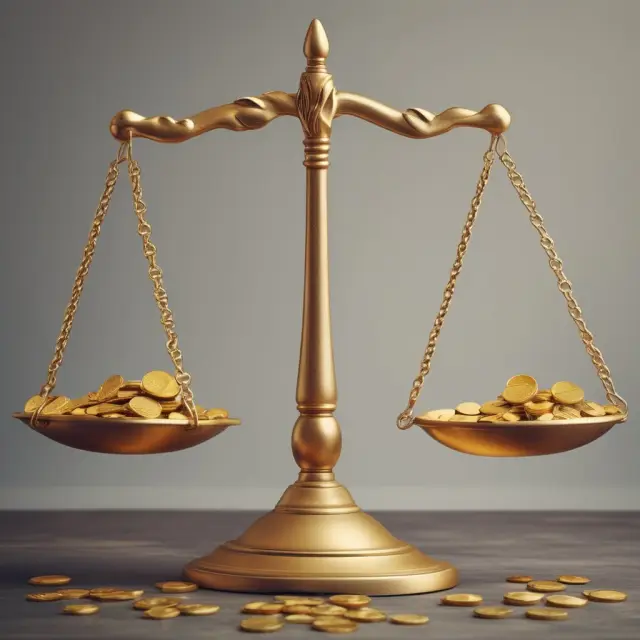
Credit Limit: What It Is and How It Works
A credit limit is a crucial element of several types of financial agreements between borrowers and lenders, such as credit cards and lines of credit. Essentially, it represents the maximum amount of credit or money that a lender is willing to extend to an individual under specific terms. Once the borrower reaches the established limit, they cannot make further purchases until they repay some portion of their balance.
The concept of credit limits helps protect both parties involved in financial transactions by preventing borrowers from accumulating excessive debt and ensuring that lenders maintain control over risk exposure. For instance, a person using a credit card with a $5,000 limit cannot charge more than that amount unless they repay some portion or increase their limit through negotiations with the bank or lender.
Credit limits play an essential role in several types of loans and financial products:
1) Credit Cards: One of the most common applications of credit limits is in the realm of credit cards. These limits are set based on the borrower’s creditworthiness, income level, and other factors that help determine their ability to repay their debt. Credit card companies employ sophisticated algorithms to assess risk when setting these limits, as they aim to mitigate potential losses from customers who may not be able to pay their balances in full or on time.
2) Lines of Credit: A line of credit is a loan that allows borrowers to access money as needed without having to reapply each time. The most common types of lines of credit include home equity lines of credit (HELOCs), which are secured by the borrower’s property, and unsecured lines of credit, where no collateral is required. In both cases, lenders set a maximum amount that borrowers can access based on their financial profile and the lender’s risk assessment.
3) Buy Now, Pay Later Loans: Some merchants and financial institutions offer buy now, pay later loans as an alternative to traditional credit products or cash transactions. These loans typically require no upfront payment but come with a deadline for repayment (usually spread over multiple installments). The borrower is granted a set limit that they can use to purchase goods or services, and any subsequent purchases will be subject to the same limit until it’s paid off in full.
Understanding credit limits is crucial because overspending can lead to financial problems such as high-interest debt, damaged credit scores, and missed payments. As a responsible borrower, keeping track of your credit utilization ratio and staying below your credit limit are essential strategies for maintaining good financial health. In the following sections, we will discuss different definitions of credit and delve deeper into various aspects of this vital concept.

What is a Line of Credit?
A line of credit is a type of loan where a borrower is granted access to a predefined sum of money or credit, allowing them to withdraw and repay it multiple times within an agreed-period or until a specified limit is reached. This financial tool is particularly advantageous for businesses that face fluctuating cash flow requirements or individuals with unforeseen expenses.
Revolving Credit vs Fixed Credit:
A line of credit can be contrasted with traditional fixed loans, such as mortgages or car loans, where a borrower receives a lump sum upfront and must pay it back within an agreed-upon term, often including fixed monthly installments. With revolving credit, the loan balance can be paid down and reborrowed at any time during the credit limit period.
Home Equity Lines of Credit (HELOC):
One popular application for a line of credit is a Home Equity Line of Credit (HELOC), which allows borrowers to tap into their home’s equity, providing flexibility in managing large expenses or investing opportunities. By leveraging their property as collateral, homeowners can access funds without having to sell their house or refinance their mortgage, retaining the benefits of property ownership while enjoying liquidity.
Advantages and Flexibility:
The significant advantage of a line of credit is that it offers flexibility. It allows borrowers to draw on available funds whenever they need them, making it ideal for managing business cash flow or handling emergencies. Additionally, the interest charged is usually only paid on the amount withdrawn and not the total credit limit, resulting in potential savings compared to fixed loans with a large principal amount.
Managing the Line of Credit:
Like all forms of borrowing, it’s essential to manage a line of credit responsibly. Interest rates may vary, and payments are typically required on a monthly basis. Failure to make payments or exceeding the credit limit may result in penalties. Properly managing this financial tool can lead to significant benefits for businesses and individuals alike.
An illustrative example:
Imagine a small business owner dealing with seasonal fluctuations in sales, experiencing cash crunches during certain periods of the year. By obtaining a line of credit from their bank, they’ll have access to funds when they need them most without having to wait for invoices to be paid or customers to settle their debts. With careful planning and responsible repayment, this financial instrument can help keep their business afloat during challenging times.
In conclusion:
A line of credit represents a powerful financial tool that provides borrowers with flexibility to manage their cash flow effectively and address unforeseen expenses. Understanding its features, advantages, and potential risks is crucial for those considering taking advantage of this type of loan to boost their financial position. By choosing the right lender and managing the account responsibly, individuals and businesses alike can unlock a world of opportunities with this versatile financial instrument.

Impact of Credit Scores and Ratings on Borrowers and Lenders
Credit scores and ratings play a significant role when individuals or companies seek to borrow money from financial institutions, as these evaluations determine their creditworthiness. A good credit score signifies that the borrower is trustworthy and financially sound, making them a favorable candidate for loans at competitive interest rates. On the other hand, a poor credit score can result in being denied credit or receiving unfavorable loan terms.
The most widely known individual credit scoring system is FICO (Fair Isaac Corporation) which assesses an individual’s creditworthiness based on five key factors: payment history, credit utilization ratio, length of credit history, types of credit used, and new credit inquiries. The scoring model ranges from 300 to 850; a higher score (above 720) is considered excellent, while lower scores indicate increasing levels of risk.
For businesses, credit ratings are determined by agencies like Moody’s or Standard & Poor’s based on various financial factors such as profitability, liquidity, solvency, and management efficiency. A strong rating indicates that the business has a low level of debt and a high ability to meet its financial obligations, while a weak rating suggests potential risk.
Understanding the significance of credit scores and ratings is essential for both borrowers and lenders, as they affect various aspects of their professional and personal lives. For instance, individuals may face higher interest rates on loans or mortgages with lower credit scores or have trouble securing employment or insurance coverage due to a poor financial history. Conversely, companies with weak credit ratings may be restricted from obtaining additional financing or face higher borrowing costs, potentially impacting their growth prospects and competitiveness in the marketplace.
By maintaining good credit habits and making timely payments on debts, both individuals and businesses can improve their creditworthiness over time, leading to better loan terms and increased financial opportunities.

The Role of Credit in Business Transactions
Credit plays a crucial role in various business transactions, facilitating sales and operations while enabling parties to extend payment terms. Whether it involves buyers purchasing goods or services on credit from sellers or financial institutions providing loans to businesses and individuals, the concept of credit is ubiquitous in commerce. In this section, we delve deeper into the significance of credit in business transactions, exploring its various applications and implications.
First and foremost, credit enables businesses to extend payment terms to their customers, helping to build customer relationships and foster long-term loyalty. For instance, when a retailer offers consumers financing options on large purchases—such as furniture or appliances—it can attract more sales by making the products seem more affordable. Additionally, offering flexible payment plans can help businesses stay competitive in markets where competitors also offer similar terms. In some cases, extended payment terms may even be used as a selling point for services, such as consulting or professional development courses.
Moreover, credit facilitates transactions between businesses themselves, particularly in the context of international trade. For example, a supplier might extend credit to an importer, enabling the latter to purchase goods and pay for them at a later date. This is where letters of credit come into play—documents issued by banks that guarantee payment from buyers to sellers upon shipment of goods or completion of services. By serving as intermediaries between trading parties, these documents help maintain trust and reduce the risk of default, ensuring that transactions are completed efficiently and effectively.
Furthermore, credit plays an essential role in financing business operations and growth. For instance, companies may secure lines of credit to manage seasonal cash flow fluctuations or to fund expansion projects. These loans provide businesses with access to capital when they need it most, allowing them to invest in their future success while maintaining operational flexibility.
In conclusion, the significance of credit in business transactions cannot be overstated. From facilitating sales and enabling extended payment terms to financing operations and fostering long-term relationships, credit is an indispensable component of commerce. By understanding the various ways credit is used in business contexts, we can appreciate its power to unlock opportunities and drive growth for individuals, companies, and entire industries.

Historical Significance and Evolution of Credit
Credit has been an essential component of financial transactions for thousands of years. Its history can be traced back to ancient civilizations, where credit was used as a means of exchange in the absence of a formal monetary system. Spanish anthropologist David Graeber, in his book Debt: The First 5000 Years, documents credit’s origins in various societies, such as ancient Mesopotamia and China, which used forms of credit to facilitate trade.
The concept of credit evolved significantly over time, leading to the modern financial system we know today. In its simplest form, a credit agreement is an understanding between a lender (creditor) and a borrower (debtor). This relationship involves extending payment terms beyond the immediate exchange of goods or services. As civilizations grew more complex, the use of credit became more formalized. For example, in ancient Rome, merchants would issue “septimani,” a type of promissory note, to settle debts.
Throughout history, credit has played a crucial role in various aspects of society. During the Middle Ages, it facilitated the growth of trade networks and enabled merchants to finance long-distance journeys to source raw materials, such as spices or textiles. Credit also played an essential role during the Industrial Revolution, enabling entrepreneurs to invest in new technologies and machinery, leading to increased productivity and economic growth.
As civilizations developed and grew more complex, so did their financial systems. The use of paper money, checks, and credit cards emerged as efficient ways to facilitate transactions, making it easier for individuals and businesses to extend credit to one another.
In the modern era, credit has become a crucial component of personal finance. Consumer credit, such as mortgages, car loans, student loans, and credit cards, is now a common way for people to access funds for major purchases or unexpected expenses. Credit scores have also become an essential aspect of managing personal finances, determining eligibility for various financial products and services.
The use of credit in business has similarly grown in importance. Large corporations rely on credit to finance their operations, invest in new projects, and manage cash flow. The global economy is also heavily reliant on international trade, which often requires the use of letters of credit to ensure payment obligations are met.
Understanding the historical significance and evolution of credit highlights its critical role in shaping economies and societies throughout history. It continues to be an essential component of personal finance, business transactions, and the global economy as a whole.
FAQs: Frequently Asked Questions About Credit
What is the difference between a debit and a credit?
A debit is a decrease in an asset or an increase in a liability, while a credit is an increase in an asset or a decrease in a liability.
What is a credit limit?
A credit limit refers to the maximum amount of credit that a lender will extend to a borrower. Once this limit is reached, the borrower cannot make further purchases until they repay some portion of their balance.
How are credit scores calculated?
Credit scores are based on an individual’s credit history and can be influenced by factors such as payment history, debt-to-income ratio, length of credit history, types of credit used, and new credit applications.
What is a letter of credit in international trade?
A letter of credit is a document issued by a bank guaranteeing that the buyer will pay the seller for goods or services as agreed upon. This document helps ensure that payment obligations are met in international transactions.
How does credit affect economic growth?
Credit plays an essential role in facilitating economic growth by allowing individuals and businesses to invest in new projects, purchase assets, and manage cash flow. It can also help stabilize the economy during periods of instability or recession by making it easier for borrowers to access funds to meet their obligations.

FAQs: Frequently Asked Questions About Credit
What is credit?
Credit refers to a contractual agreement between a lender and borrower, where the borrower receives a sum of money or something else of value and agrees to repay the lender at a later date. In financial terms, it can also describe an individual’s or company’s creditworthiness or an accounting entry.
What is credit’s role in lending and borrowing?
Credit plays a crucial role when individuals or entities borrow or extend payment terms to one another. Essentially, the creditor (lender) makes a loan and “credits” money to the borrower, who must then repay the debt at a future date with interest. This practice dates back thousands of years.
What is a letter of credit?
A letter of credit is a document from a bank, guaranteeing that a seller will receive payment in full from a buyer by an agreed-upon date. If the buyer fails to meet this obligation, the bank becomes responsible for paying the seller instead. It’s commonly used in international trade transactions.
What is a credit limit?
A credit limit refers to the maximum amount of credit that a lender will extend to a borrower under specific financial agreements, such as credit cards. Once the borrower reaches this limit, they cannot make further purchases until some portion of their balance is repaid.
What is revolving credit?
Revolving credit involves a loan without a fixed end date. A good example of this is a credit card account: The borrower can continue to borrow against it as long as the account remains in good standing, up to a pre-established credit limit. These loans are often referred to as open-end credit, while mortgages and car loans are closed-end credits with defined end dates.
How is credit used in accounting?
In accounting, credit refers to a bookkeeping entry that records a decrease in assets or an increase in liabilities, the opposite of a debit entry. For example, when a retailer purchases merchandise on credit, the inventory account increases via a debit, while accounts payable also increases via a credit.
What is the significance of creditworthiness?
Creditworthiness determines the financial soundness or risk level of individuals and companies in relation to lenders. Credit scores are one tool used to evaluate an individual’s creditworthiness, with higher numbers representing better credit quality. Similarly, government securities receive ratings based on their issuer’s creditworthiness, impacting investors’ interest rates.
 Next entry · No. 819Understanding Credit Bureaus: Collection, Calculation, and Regulation of Credit Scores
See also
-
 No. 2,631
22 Jan 2025
18 min
Understanding Joint Credit: A Comprehensive Guide for Co-Applicants
Credit & Loans
No. 2,631
22 Jan 2025
18 min
Understanding Joint Credit: A Comprehensive Guide for Co-Applicants
Credit & Loans -
 No. 5,047
07 Aug 2025
20 min
Understanding Transferable Letters of Credit: A Comprehensive Guide for Institutional Investors
Business Finance
No. 5,047
07 Aug 2025
20 min
Understanding Transferable Letters of Credit: A Comprehensive Guide for Institutional Investors
Business Finance -
 No. 539
29 Apr 2024
20 min
Bullet Repayments: Understanding This Unique Payment Structure for Finance and Investment
Investments
No. 539
29 Apr 2024
20 min
Bullet Repayments: Understanding This Unique Payment Structure for Finance and Investment
Investments -
 No. 829
16 Jun 2024
19 min
Understanding Credit Scores: The Key to Securing Finances and Investments
Credit & Loans
No. 829
16 Jun 2024
19 min
Understanding Credit Scores: The Key to Securing Finances and Investments
Credit & Loans -
 No. 826
15 Jun 2024
19 min
Understanding Credit Risk: Assessing Borrowers’ Capacity, Capital, Conditions, Character, and Collateral
Credit & Loans
No. 826
15 Jun 2024
19 min
Understanding Credit Risk: Assessing Borrowers’ Capacity, Capital, Conditions, Character, and Collateral
Credit & Loans -
No. 819
14 Jun 2024
21 min
Understanding Credit Bureaus: Collection, Calculation, and Regulation of Credit Scores
Credit & Loans