Understanding the Fair Credit Billing Act: Protecting Consumers from Unfair Credit Billing Practices
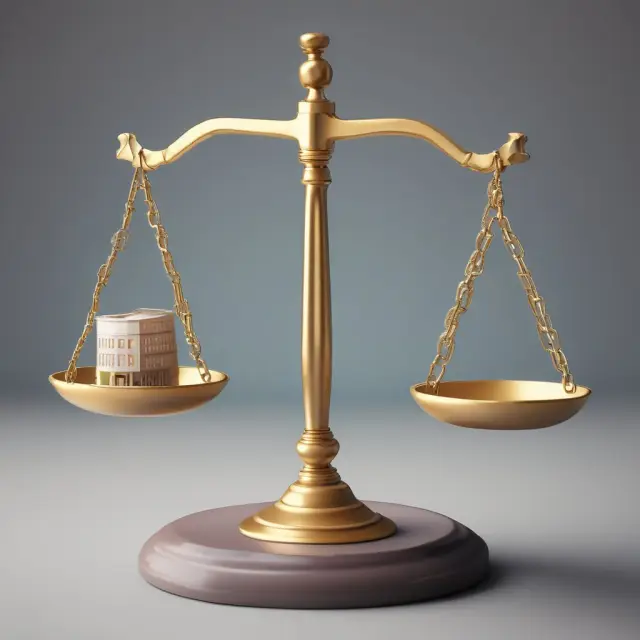
Understand consumer protections against unfair credit billing practices with this in-depth guide on the Fair Credit Billing Act (FCBA).
Introduction to the Fair Credit Billing Act (FCBA)
The Fair Credit Billing Act, passed in 1974, is a crucial piece of legislation protecting consumers from unfair billing practices related to open-end credit transactions, such as credit cards and lines of credit. Its primary goal is to empower consumers when it comes to disputing errors or unauthorized charges on their statements. In this section, we’ll delve deeper into the Fair Credit Billing Act, its key provisions, and how it benefits consumers.
Understanding the Scope of the FCBA: Open-End Credit Only
The Fair Credit Billing Act primarily covers open-end credit, which means the consumer can borrow an indefinite amount for making purchases or obtaining cash advances up to a specified limit. Examples include credit cards, charge accounts, and home equity lines of credit. This legislation does not extend to loans like auto loans or mortgages.
Protections Offered by the FCBA: Billing Errors and Unfair Practices
The Fair Credit Billing Act guards consumers against several billing errors and unfair practices related to open-end credit, including but not limited to:
- Incorrect charges: Charges that are not authorized or those with incorrect amounts or dates.
- Delivered goods or services discrepancies: Charges for undelivered goods or services or those that are delivered but do not match the description provided.
- Calculation errors: Incorrect calculations of interest, fees, or other charges on a credit card statement.
Consumer’s Role in Filing Disputes
If consumers notice any discrepancies, they have the right to dispute these billing errors and unauthorized charges within 60 days from when they receive their statement. They can file disputes by writing to their creditor or card issuer with a detailed description of the error, the date it appeared on their statement, and the amount in question.
Card Issuers’ Responsibilities During Dispute Investigation
When a consumer files a dispute, the creditor or card issuer is required by law to investigate the claim within 30 days from receiving the complaint and complete the investigation within 90 days. During this time:
- They cannot charge interest on the disputed amount or attempt collection.
- They can report it as in dispute to credit bureaus without affecting the consumer’s credit score.
Consequences of Unauthorized Charges
Under the Fair Credit Billing Act, consumers are only liable for $50 if their credit card is used without authorization. However, some credit issuers offer zero-liability policies, reducing this liability to $0.
Comparing FCBA and FCRA: Different Focuses, Similar Protections
It’s important to note that the Fair Credit Billing Act (FCBA) differs from the Fair Credit Reporting Act (FCRA), although both laws focus on consumer protection in the financial sector. The Fair Credit Billing Act protects consumers against unfair billing practices and unauthorized charges, while the Fair Credit Reporting Act focuses on the collection, accuracy, and use of credit information for lending decisions.
Exceptions to the FCBA: Closed-End Credit
While the Fair Credit Billing Act covers open-end credit accounts, it does not extend to closed-end credit, such as home mortgages or auto loans. In cases where consumers wish to dispute a charge involving closed-end credit, they need to refer to other specific laws like the Real Estate Settlement Procedures Act (RESPA).
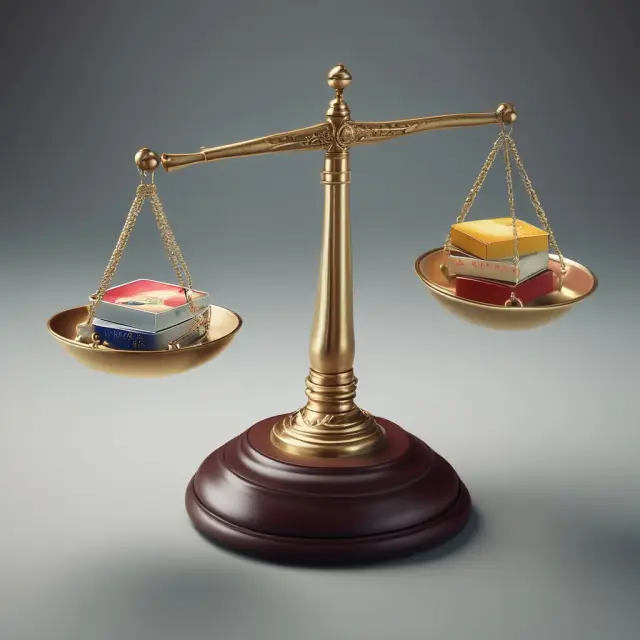
What Does the Fair Credit Billing Act Cover?
The Fair Credit Billing Act (FCBA), passed in 1974, is a federal law designed to protect consumers from unfair billing practices associated with open-end credit, which includes credit cards and lines of credit. It is essential for cardholders to understand the scope and implications of this act.
Open-End Credit Coverage
The FCBA applies only to open-end credit, meaning that consumers can borrow an amount repeatedly within a specific credit limit. Examples include credit cards, charge accounts, and home equity lines of credit. The Act does not cover loans like auto or mortgage loans; instead, such disputes fall under other regulations.
Billing Errors Protected
The FCBA safeguards consumers from billing errors related to unauthorized charges, incorrect dates or amounts, calculation mistakes, undelivered goods or services, and goods or services not as described. This protection ensures that cardholders can contest any inaccuracies they encounter without fear of financial repercussions.
Consumer’s Role
The FCBA empowers consumers to file disputes for billing errors within 60 days from the date they receive their statement. Charges must be over $50 to be eligible for dispute and require written communication unless the card has been lost or stolen. Consumers can withhold payment on the disputed amount, but are expected to pay any other charges on their bill.
Card Issuer’s Responsibility
The FCBA imposes obligations on card issuers and lenders regarding dispute resolution processes. They must acknowledge receipt of complaints within 30 days and complete investigations within 90 days. During this period, they cannot collect payment or interest on the disputed amount or report it as late to credit bureaus. If the investigation validates the dispute, the issuer is required to correct any errors and return fees or interest.
Comparison with Fair Credit Reporting Act
The FCBA and Fair Credit Reporting Act (FCRA) share common objectives of protecting consumers from financial mishaps. However, their areas of focus differ significantly; while the FCBA deals with billing practices, the FCRA governs credit information handling. Both laws contribute to maintaining consumer trust in the financial sector by promoting transparency and fairness.
Understanding the nuances of the Fair Credit Billing Act is crucial for consumers looking to protect themselves from potential billing errors and misrepresentations. By familiarizing yourself with the provisions outlined above, you can confidently navigate disputes while ensuring your rights as a cardholder are upheld.

Billing Errors Covered under the FCBA
The Fair Credit Billing Act (FCBA) is a vital consumer protection law enacted in 1974 to shield consumers from unjust credit billing practices. This act primarily covers open-end credits, including credit cards, charge accounts, and lines of credit. It ensures consumers are not held responsible for incorrect charges or unauthorized purchases.
The FCBA protects consumers against the following types of billing errors:
- Unauthorized Charges – When a consumer did not authorize or initiate a particular transaction.
- Incorrect Dates or Amounts – Billing statements with wrong dates, incorrect amounts, or both.
- Calculation Errors – Bills with mathematical errors in the calculation of finance charges or interest rates.
- Charges for Undelivered Goods or Services – Payments for goods or services that were never received or not as described.
- Clarification of Charges – Disputes regarding the nature or origin of certain charges.
- Delivery to Incorrect Address – Billing statements sent to an incorrect address, despite being addressed correctly.
Consumers are granted a 60-day window from the billing statement’s delivery date to dispute any questionable charge. To initiate a dispute, consumers must file a written complaint with the card issuer or lender within that time frame. If a credit card is lost or stolen, phone notification can be used instead of a written dispute.
During the investigation process, consumers may withhold payment only on the contested charge and not the entire bill. The Fair Credit Billing Act holds issuers accountable for conducting a thorough review and providing prompt resolution to consumer complaints. If the investigation reveals that the disputed charge was indeed unjustified, the card issuer or lender is obligated to issue refunds of any related fees and interest charges.
It’s essential to note that the Fair Credit Billing Act differs from the Fair Credit Reporting Act (FCRA). While the FCBA focuses on credit billing errors and unauthorized transactions, the FCRA deals with personal credit information reporting. By understanding both acts, consumers can better safeguard their financial well-being and take advantage of the protections they provide.

The Consumer’s Role in Filing a Dispute
Understanding Your Responsibilities in the Fair Credit Billing Act (FCBA) Process
When it comes to dealing with billing errors on open-end credit accounts like credit cards and lines of credit, consumers have valuable protections under the Fair Credit Billing Act (FCBA). In this section, we will discuss your role as a consumer in filing a dispute.
First, let us clarify that only open-end credit is covered by FCBA. This term refers to credit types where the borrower can borrow repeatedly and pay only a portion of their outstanding balance each month. Examples include credit cards and home equity lines of credit. On the other hand, closed-end credit, such as mortgages or auto loans, falls under different regulations.
Now, let’s dive into the steps you need to take if you suspect billing errors on your open-end credit account:
1. Identify the Error: Review your monthly statements carefully and identify any charges that appear incorrect. Check for discrepancies in dates, amounts, or services received against what was billed. If you have purchased something that wasn’t delivered or wasn’t as described, this would also be considered a billing error.
2. Report the Error: Once you’ve identified the error, report it to your credit card issuer or other lender within 60 days of when you received the first statement on which the error appeared. You can do this in writing by mail or online through their website. Be sure to include all relevant information, such as your account number and a description of the error.
3. Cooperate with the Investigation: Your credit card issuer or other lender will launch an investigation into your dispute. During this process, they may request additional documentation from you to help resolve the issue. Be prompt in responding to these requests and provide any necessary information as soon as possible. This will expedite the resolution of the dispute.
4. Keep Records: It is essential to keep copies of all correspondence related to your dispute for your records. This includes letters, emails, and even phone conversations. You’ll also want to save copies of any bills or statements that show the disputed charges. These records will help you track the progress of your dispute and provide evidence in case you need it later.
5. Know Your Limits: The FCBA sets limitations on consumers when it comes to disputes. For instance, if you notice unauthorized charges or errors related to services not rendered, you have 60 days from the date of the statement showing the error to dispute them. Additionally, the maximum charge you can dispute is $50 per charge. If a series of errors total more than $50, they should be reported as separate disputes.
By following these steps and staying informed about your rights under the Fair Credit Billing Act, you’ll be able to effectively handle any billing issues that arise on your open-end credit accounts. In the next section, we will discuss how card issuers and other lenders handle the investigation process and consumers’ role in it.

Rules for Card Issuers and Other Lenders
Under the Fair Credit Billing Act, lenders have specific responsibilities when dealing with billing disputes. They are expected to conduct thorough investigations into consumer claims, provide timely responses, and make necessary corrections.
When a Consumer Files a Dispute
Upon receiving a written dispute from a consumer, the card issuer or other lender is required to acknowledge receipt within 30 days. The investigation process then begins, during which neither the consumer nor the lender can collect payment on the disputed amount. Additionally, the lender cannot charge interest or report the transaction as delinquent.
Investigation Timeline
Lenders have a maximum of 90 days to complete their investigations. If they determine that the dispute is valid, the error must be corrected immediately and any related fees or interests refunded. However, if the lender concludes that the dispute is invalid, it must provide a written explanation to the consumer within ten business days.
Consumer Protection
Consumers are protected throughout this process. They can withhold payment on the disputed amount while the investigation is ongoing. If the lender fails to resolve the issue in a reasonable timeframe or incorrectly denies the claim, consumers may seek help from regulatory agencies like the Federal Trade Commission (FTC). In the case of unauthorized charges, their liability is limited to $50 per card under the Fair Credit Billing Act.
Comparison with Fair Credit Reporting Act
While both the Fair Credit Billing Act and Fair Credit Reporting Act aim to protect consumers from financial mismanagement, they serve different purposes. The FCBA focuses on billing errors and unauthorized transactions, while the FCRA addresses credit reporting discrepancies and the accurate maintenance of consumer credit histories.
In conclusion, understanding the rules governing card issuers and other lenders under the Fair Credit Billing Act is crucial for consumers. By being aware of their rights during disputes, they can take action when necessary and ensure a fair resolution.

Comparison of the FCBA with the Fair Credit Reporting Act (FCRA)
The Fair Credit Billing Act (FCBA) and the Fair Credit Reporting Act (FCRA) are two federal laws designed to protect consumers from various credit practices, but they have distinct purposes. Understanding their differences is crucial for consumers seeking clarity on their rights regarding billing disputes and personal information protection.
The Fair Credit Billing Act, enacted in 1974, primarily focuses on protecting consumers against unfair billing practices. It applies specifically to open-end credit types like credit cards and lines of credit. The FCBA empowers consumers to challenge incorrect or unauthorized charges and provides guidelines for dispute resolution processes.
On the other hand, the Fair Credit Reporting Act (FCRA), passed in 1970, is centered on the collection, accuracy, and reporting of consumers’ personal information related to their creditworthiness. The law establishes standards for how creditors can access, collect, maintain, and share credit reports and other consumer data.
While both acts aim to protect consumers, they differ in scope and objectives. The FCBA concentrates on ensuring fair billing practices and resolving disputes between consumers and credit issuers, while the FCRA focuses on regulating the use and dissemination of personal information. A clear understanding of these two laws will help consumers better navigate their rights when dealing with credit issues and safeguard their financial privacy.
The following table summarizes the key differences:
| Fair Credit Billing Act (FCBA) | Fair Credit Reporting Act (FCRA) |
|———————————————-|———————————————–|
| Protects consumers from unfair billing practices | Regulates the collection, accuracy, and reporting of personal information |
| Applies to open-end credit types | Applies to all types of credit |
| Empowers consumers to dispute charges | Focuses on privacy concerns related to credit information |
| Provides guidelines for dispute resolution | Establishes standards for creditors handling consumer data |
In conclusion, the FCBA and the FCRA are essential pieces of legislation that serve different purposes but complement each other in their efforts to protect consumers. By understanding these acts’ differences, consumers can effectively exercise their rights when dealing with billing disputes or personal information-related issues.

Exceptions to the Fair Credit Billing Act
The Fair Credit Billing Act (FCBA) offers extensive protection against unfair billing practices for consumers with open-end credit, such as credit cards and lines of credit. However, there are certain exceptions to this law that limit its applicability in specific situations. It is essential to understand which types of transactions fall outside the FCBA’s coverage to fully grasp its scope.
Open-End Credit vs. Closed-End Credit
The Fair Credit Billing Act applies solely to open-end credit, which refers to a type of credit where an approved credit limit can be borrowed repeatedly. This includes credit cards, charge accounts, and home equity lines of credit. In contrast, closed-end credit, like auto loans, mortgages, or home equity loans, is not covered by the FCBA. Instead, consumers dealing with disputes related to these forms of credit are protected by other laws, such as the Real Estate Settlement Procedures Act (RESPA) for mortgage and loan servicing issues.
Unauthorized Users
While the Fair Credit Billing Act offers significant protection against unauthorized charges, it does not apply to instances where a person authorized to use a credit card makes unauthorized purchases with it. In this situation, the cardholder is liable for any unauthorized charges. It’s crucial for consumers to remain vigilant about their account activity and promptly report any unauthorized transactions to their card issuer to minimize potential damages.
Limited Coverage of Chargebacks
Chargebacks can be a valuable tool for resolving disputes related to credit card transactions, enabling the return of funds to the consumer after a successful dispute. However, it is essential to understand that chargebacks are not explicitly mentioned in the Fair Credit Billing Act. Instead, the act focuses on providing protection against unfair billing practices and unauthorized charges. Chargebacks are more commonly used as a means of resolving disputes between cardholders and merchants, with merchants typically absorbing the cost of the chargeback fee.
In conclusion, while the Fair Credit Billing Act provides substantial protections for consumers dealing with open-end credit, it is important to be aware of its limitations and exceptions. This understanding allows consumers to make informed decisions when navigating their credit card transactions and dispute resolution processes.

What Is a Chargeback?
A chargeback is the financial reversion of funds from a customer’s account following the successful dispute of a particular transaction. In simpler terms, when consumers file a claim that a charge on their credit card statement is incorrect or unauthorized, and their argument is validated, the issuer reverses the charge, returning the money to the consumer. This process is commonly referred to as a “chargeback.”
Chargebacks can stem from various reasons, such as disputed transactions or unrecognized charges. In the case of unauthorized purchases, the Fair Credit Billing Act (FCBA) caps consumers’ liability at $50 for credit cards and no liability for debit cards under most circumstances. However, card issuers may have voluntary zero-liability policies that further reduce the consumer’s responsibility to $0.
Chargebacks can significantly impact both consumers and merchants. For consumers, chargebacks provide a financial safety net when they encounter unauthorized or incorrect transactions. On the other hand, for businesses, chargebacks result in lost revenue and increased transaction costs, making it crucial for them to maintain accurate records, provide excellent customer service, and ensure a smooth checkout process for their customers.
In the event of a chargeback dispute, it is essential to understand the different roles and responsibilities of all parties involved. The consumer initiates the dispute process by filing a complaint with their card issuer or bank. Then, the card issuer investigates the claim and makes a determination based on evidence provided by both the consumer and the merchant.
If the chargeback is deemed valid, the consumer receives a refund of the disputed amount. If the investigation reveals that the transaction was authorized and correct, the consumer remains liable for the original charge. Chargebacks can also result in additional fees, such as interchange fees or assessment fees, being charged to the merchant’s account.
Chargebacks typically take between 30-45 days to be resolved, but this timeline may vary depending on the complexity of the case and the card issuer’s investigation process. In the meantime, consumers should keep track of their account balances and dispute resolution statuses to avoid any potential overdraft fees or credit score damage from missed payments during the chargeback process.
In conclusion, understanding the chargeback process is crucial for both consumers and merchants to ensure a fair outcome when disputing transactions and maintaining financial security in today’s increasingly digital payment landscape.

Dispute Resolution and Consumer Protection
In the event of a billing error, the Fair Credit Billing Act (FCBA) grants consumers significant protections when disputing erroneous charges. Disputes can be filed for any charge considered unauthorized or with incorrect information, as well as those for undelivered goods or services and those where the consumer requires clarification. Understanding these procedures and rules for both cardholders and lenders is crucial in ensuring a smooth resolution and protection of consumers’ financial interests.
Consumers have 60 days from receiving their bill to file disputes, and they may do so by writing to their credit issuer or other lender with the necessary documentation. If a credit card is lost or stolen, consumers can dispute charges via phone instead of in writing. During the investigation, cardholders can withhold payment on the contested amount without affecting the rest of their bill.
The Fair Credit Billing Act obliges card issuers to acknowledge receipt of disputes within 30 days and complete an investigation within 90 days. Throughout this process, lenders cannot attempt collection or report any disputed amounts as late. If the dispute is valid, they must correct errors and refund any applicable fees or interest. If not, they must provide clear documentation explaining their findings and reasoning to the consumer.
To further protect consumers from potential misuse of their personal information, it’s essential to differentiate between the Fair Credit Billing Act and the Fair Credit Reporting Act (FCRA). While both acts safeguard consumers from credit-related wrongdoings, their primary functions are distinct – with FCBA focusing on billing practices, and FCRA addressing issues related to personal information handling.
In summary, the Fair Credit Billing Act is a powerful tool for consumers in resolving disputes related to billing errors or unauthorized charges while ensuring a fair process between credit issuers and cardholders. By following these procedures and understanding their rights, consumers can effectively protect themselves from financial harm and maintain control over their credit accounts.
FAQs about the Fair Credit Billing Act:
What types of credits are covered by the Fair Credit Billing Act?
– The Fair Credit Billing Act primarily covers open-end credit, which includes credit cards, charge cards, and home equity lines of credit. Closed-end credit, such as auto loans and mortgages, falls under different regulations.
What are the deadlines to file a dispute?
– Consumers must submit their written disputes within 60 days from receiving the bill with the erroneous charge. If they suspect unauthorized use of their credit card, they may call their issuer immediately.
How can consumers file a dispute?
– To file a dispute, consumers should write to their credit issuer or other lender and provide any necessary documentation to support their claim. In the case of lost or stolen cards, filing a dispute over the phone is also acceptable.
What happens during an investigation?
– The Fair Credit Billing Act mandates that card issuers acknowledge receipt of disputes within 30 days and complete investigations within 90 days. During this time, they cannot collect any payment on the disputed amount or report it as a late fee to credit bureaus.
What happens if the dispute is determined to be invalid?
– If an investigation reveals that the dispute was not valid, card issuers must provide clear documentation and reasoning to explain their findings to the consumer. No charges or fees may be imposed on the consumer during this process.

FAQs about the Fair Credit Billing Act
What is the Fair Credit Billing Act (FCBA)?
Answer: The FCBA, also known as the Truth in Billing Act, is a federal law enacted to safeguard consumers from unfair credit billing practices by enabling them to dispute unauthorized charges and those for goods or services that weren’t delivered.
What types of open-end credit does the Fair Credit Billing Act cover?
Answer: The FCBA applies to various forms of open-end credit, such as credit cards, charge accounts, and lines of credit. It doesn’t extend to closed-end credit like auto loans or mortgages.
What billing errors are covered under the Fair Credit Billing Act?
Answer: The FCBA shields consumers from unauthorized charges, incorrect dates/amounts, calculation errors, and services not delivered or not as described.
How long do consumers have to dispute a charge with the card issuer or lender?
Answer: Consumers can file disputes within 60 days of receiving their bill.
Is there a minimum charge requirement for disputing a transaction?
Answer: Yes, the minimum amount for eligible disputes is $50.
How should consumers file a dispute?
Answer: Disputes must be submitted in writing but can be initiated by phone if a credit card was lost or stolen.
Can consumers withhold payment while their dispute is being investigated?
Answer: Consumers can withhold payment only on the contested amount, not the entire bill during an investigation.
What happens when a consumer files a dispute?
Answer: The card issuer/lender must acknowledge the complaint and complete an investigation within 30 to 90 days. It cannot attempt collection nor report the disputed charge as late or delinquent.
How is a Fair Credit Billing Act investigation conducted?
Answer: During an investigation, the card issuer/lender will work with the consumer and the merchant to resolve the dispute. If the charge is deemed invalid, the card issuer/lender must correct the error and refund any related fees or interest.
How does the Fair Credit Billing Act differ from the Fair Credit Reporting Act?
Answer: While both laws protect consumers, the FCBA addresses billing practices while the FCRA covers credit information collection and reporting.
 Next entry · No. 1,448Understanding the Fair Credit Reporting Act (FCRA): Protecting Consumers’ Credit Reports
See also
-
 No. 2,772
03 Feb 2025
20 min
Understanding Late Fees: Definition, Implications, and Avoidance Strategies
Personal Finance
No. 2,772
03 Feb 2025
20 min
Understanding Late Fees: Definition, Implications, and Avoidance Strategies
Personal Finance -
 No. 2,292
25 Dec 2024
18 min
Understanding Identity Theft: Types, Warning Signs, Protection, and Recovery Strategies
Consumer Rights
No. 2,292
25 Dec 2024
18 min
Understanding Identity Theft: Types, Warning Signs, Protection, and Recovery Strategies
Consumer Rights -
 No. 1,449
17 Sep 2024
18 min
Understanding the Fair Debt Collection Practices Act (FDCPA): Protecting Your Rights as a Debtor
Consumer Rights
No. 1,449
17 Sep 2024
18 min
Understanding the Fair Debt Collection Practices Act (FDCPA): Protecting Your Rights as a Debtor
Consumer Rights -
 No. 1,252
19 Aug 2024
17 min
Understanding the Electronic Fund Transfer Act (EFTA): Protecting Consumers in Electronic Transactions
Consumer Rights
No. 1,252
19 Aug 2024
17 min
Understanding the Electronic Fund Transfer Act (EFTA): Protecting Consumers in Electronic Transactions
Consumer Rights -
 No. 5,952
18 Sep 2026
20 min
Overdraft and Insufficient Funds Fees: Get the Refund, Then Stop Paying Them
Banking
No. 5,952
18 Sep 2026
20 min
Overdraft and Insufficient Funds Fees: Get the Refund, Then Stop Paying Them
Banking -
 No. 5,918
18 Oct 2025
17 min
Understanding Zombie Foreclosures: The Hidden Dangers for Homeowners and Neighborhoods
Real Estate
No. 5,918
18 Oct 2025
17 min
Understanding Zombie Foreclosures: The Hidden Dangers for Homeowners and Neighborhoods
Real Estate