Understanding the Hersey-Blanchard Model: Situational Leadership for Professional and Institutional Investors

Exploring the Hersey-Blanchard Model: Understanding situational leadership & its impact on professional and institutional investing. Discover how adaptive…
Introduction to the Hersey-Blanchard Model
The Hersey-Blanchard Model, commonly known as Situational Leadership Theory, is an innovative approach to leadership that emphasizes flexibility in adapting management styles based on the needs of employees and their tasks. Developed by Paul Hersey and Ken Blanchard, this model rejects the notion that a single leadership style can be universally effective. Instead, it encourages leaders to tailor their approaches according to various situational factors, ensuring they meet their objectives.
The essence of the Hersey-Blanchard Model lies in its adaptive nature. Rather than dictating specific styles or techniques, the model advocates for managers to consider both the tasks at hand and their relationship with team members when determining their leadership approach. This approach fosters a climate where employees can thrive based on their unique capabilities.
The Hersey-Blanchard Model was born from the idea that successful leadership is task-relevant and relationship-relevant, enabling managers to respond effectively to different follower maturity levels and changing work environments. In this context, maturity refers to employees’ readiness and willingness to perform tasks autonomously, as well as their confidence in their abilities.
Understanding the Hersey-Blanchard Model: Key Concepts & Developers
The Hersey-Blanchard Model is a powerful tool for understanding leadership dynamics that was developed by Paul Hersey and Ken Blanchard, two prominent thought leaders in organizational management. Their groundbreaking work emphasizes that effective leadership is not about rigidly adhering to one style, but rather being able to adapt based on the unique demands of both tasks and relationships within the workplace environment.
Paul Hersey was an American scholar and professor who taught at the University of Southern Maine’s Muskie School of Public Service. Ken Blanchard, a renowned author and speaker, is best known for his book The One Minute Manager. Together, they developed the Hersey-Blanchard Model to help managers adapt their leadership styles to various situations, ensuring that they effectively meet the needs of their teams and achieve desired outcomes.
The Hersey-Blanchard Model’s main premise is that different tasks require varying degrees of direction and support from leaders. The model also suggests that individuals have unique abilities and growth potential that can impact how they respond to leadership styles. By focusing on these factors, the model provides a framework for managers to make informed decisions about which leadership style is best suited for their teams at any given moment.
In the following sections, we will delve deeper into the Hersey-Blanchard Model’s foundational concepts, exploring its focus on situational leadership and the importance of understanding employee maturity levels. We will also examine the four distinct leadership styles that emerge from this model and discuss their implications for professional and institutional investors.
Stay tuned for more insights into the Hersey-Blanchard Model!

The Concept of Situational Leadership
In today’s complex business environment, no single leadership style can be considered universally effective. Instead, leaders are required to adapt their approach based on various factors, including the team’s maturity levels and task requirements. This adaptive leadership concept is encapsulated in the Hersey-Blanchard Model—also known as Situational Leadership Theory. Developed by Paul Hersey and Ken Blanchard in 1969, this model emphasizes that successful leadership is both task-relevant and relationship-oriented. By tailoring their management style to fit specific situations, leaders can create a more effective work environment and meet their goals.
The Hersey-Blanchard Model posits that managers must first consider the maturity levels of their followers before deciding on the appropriate leadership style. Maturity refers to an individual’s ability to perform tasks assigned and accept responsibilities. Follower maturity can be categorized into three distinct groups: high, moderate, and low.
High-maturity followers are experienced, self-confident individuals who require minimal guidance from their leaders. In such cases, a delegating style of leadership is preferred, wherein the manager allows the team to take charge of decisions related to the tasks at hand. This approach fosters autonomy and empowers employees to fully utilize their skills and expertise.
Moderate-maturity followers possess the ability to perform tasks but may lack confidence or willingness to do so. Two subcategories exist within this category: those who are capable but hesitant, requiring a more participative leadership style; and those with the will but not the skill, necessitating a selling leadership style. In the former scenario, the manager engages in shared decision-making, enabling employees to build confidence while contributing to the project. With the latter group, the manager assumes a more assertive role by persuasively communicating expectations and goals to inspire followers to take action.
Low-maturity followers lack both the ability and the willingness to perform tasks effectively. This necessitates a telling leadership style, which involves explicit directions and close supervision from the manager. By providing clear guidance and monitoring progress closely, the manager can help develop essential skills in low-maturity employees while ensuring project success.
The Hersey-Blanchard Model represents an evolution from traditional leadership styles like transformational or transactional approaches. Instead of emphasizing a rigid set of principles, this model encourages managers to assess their team’s maturity level and adapt their style accordingly. By doing so, organizations can better respond to the dynamic nature of modern business environments, fostering a more engaged, productive workforce.
In the following sections, we will explore real-life examples of successful implementation of the Hersey-Blanchard Model in professional and institutional settings, discuss its limitations, and weigh its advantages and disadvantages. Additionally, we will delve into the crucial role that clear communication plays in effective situational leadership.

Maturity Levels of Followers or Employees
In Paul Hersey and Ken Blanchard’s groundbreaking theory on situational leadership, the leaders’ approach is not fixed; instead, they adapt their styles to accommodate followers based on their maturity levels. The Hersey-Blanchard Model divides employees into three distinct categories: high, moderate, and low maturity levels.
High Maturity: Employees with a high level of maturity are self-confident individuals who take ownership of tasks and can work independently. They have the ability to understand complex ideas, evaluate situations, make decisions, and solve problems. These employees typically possess extensive experience in their roles, making them valuable assets to the team.
Moderate Maturity: Employees with moderate maturity levels fall into two groups. The first group consists of individuals who have the capability but lack confidence to take on significant responsibilities. In this case, managers employing a situational leadership approach would use a participating style. This leadership style involves shared ideas and decisions, with the manager acting as a mentor or coach, offering guidance when needed.
The second group of moderate maturity employees has the confidence but is unwilling to take on tasks at hand. In these situations, managers can apply a selling style. This high-task, high-relationship style entails persuading team members by explaining the importance and benefits of tasks and how they contribute to individual and collective growth. By effectively communicating the vision and purpose, managers can motivate employees who need a push in the right direction.
Low Maturity: Employees with low maturity levels are characterized by their lack of skills necessary for performing assigned tasks. However, they remain enthusiastic and motivated to learn new skills and grow. In such cases, managers employing the Hersey-Blanchard Model use a telling style. This high-task, low-relationship leadership approach requires managers to take on the primary responsibility for making decisions and providing clear instructions and guidance to ensure tasks are carried out effectively.
In conclusion, understanding your team’s maturity levels is essential when implementing the Hersey-Blanchard Model. By recognizing each employee’s unique needs and adapting your leadership style accordingly, you can create a more engaged, productive workforce.

The Four Leadership Styles in the Hersey-Blanchard Model
In the Hersey-Blanchard Model, leaders are encouraged to adapt their management styles based on follower maturity levels and situational demands. The model outlines four leadership styles for effectively managing teams, each with a distinct focus on tasks and relationships. Let’s examine these leadership styles in detail:
1. Delegating Style: This low-task, low-relationship style empowers the group to make decisions regarding tasks while offering minimal guidance and direction from their leader. It is most suitable for high maturity followers who can effectively execute tasks without requiring extensive supervision. In this leadership approach, managers let go of control to allow team members to learn, grow, and develop new skills on their own.
2. Participating Style: Also known as the coaching style, this low-task, high-relationship method emphasizes active involvement from leaders while encouraging a collaborative problem-solving approach between managers and followers. This style is effective for moderately mature employees who possess the ability to carry out tasks but may lack confidence or self-assurance. By participating in the process and sharing knowledge, managers can build trust and motivate their team members to develop the necessary skills and confidence to tackle responsibilities.
3. Selling Style: This high-task, high-relationship leadership style focuses on persuading followers by offering clear explanations of tasks and goals, along with a strong rationale for why these objectives are essential. It is an ideal approach for moderately mature employees who have the capacity to perform tasks but lack the motivation or willingness to do so. By effectively communicating the importance of the mission, leaders can inspire their team members to invest time and effort in achieving desired outcomes.
4. Telling Style: In this high-task, low-relationship approach, managers assume full responsibility for decision-making, offering explicit instructions and closely monitoring followers’ progress. It is best suited for low maturity employees who require clear guidance and direction to carry out tasks effectively. By taking charge of the situation, leaders can ensure that projects are completed accurately and efficiently while providing opportunities for followers to learn from their mistakes.
It is essential to note that each leadership style serves a unique purpose in managing teams, making it crucial for managers to adapt their approach based on the specific needs of their followers. By doing so, they create an environment conducive to growth, engagement, and success.

Adaptive Leadership vs. Traditional Approaches
The Hersey-Blanchard Model is an alternative approach to traditional leadership models such as transformational or transactional styles. It focuses on the adaptability of leaders, where they adjust their style based on the situation at hand and the maturity levels of their team members (Hersey & Blanchard, 1969).
Transformational leadership is characterized by inspiring followers to achieve shared vision through individual motivation, while transactional leadership revolves around clarifying roles, setting expectations, and exchanging rewards for effort. In contrast, the Hersey-Blanchard Model’s primary objective is to create an effective leader-follower relationship that aligns with both task requirements and the maturity levels of team members (Hersey & Blanchard, 1969).
Traditional leadership models set a rigid framework for leaders to follow. The Hersey-Blanchard Model provides flexibility by allowing leaders to adapt their style based on the situation. For example, in a transformational leadership context, a leader may inspire and motivate their team through vision and shared goals. However, if the team is less mature or not self-motivated, this approach might be ineffective. In such cases, a more directive or task-oriented style could yield better results.
The Hersey-Blanchard Model’s adaptability stems from its recognition of individual differences among team members and their evolving capabilities throughout the project (Hersey & Blanchard, 1969). This approach allows leaders to effectively manage those with varying maturity levels and provides a more personalized leadership style.
In summary, while traditional leadership models set strict guidelines for leaders to follow, the Hersey-Blanchard Model offers flexibility by allowing leaders to adapt their approach based on team member maturity and task requirements. It’s essential to understand that both approaches have advantages and disadvantages depending on the specific situation, and an effective leader can skillfully navigate between them to ensure optimal outcomes.
References:
Hersey, P., & Blanchard, K. H. (1969). Situational leadership II. McGraw-Hill Professional Publishing.
Applying the Model in Real Life: Case Studies and Success Stories
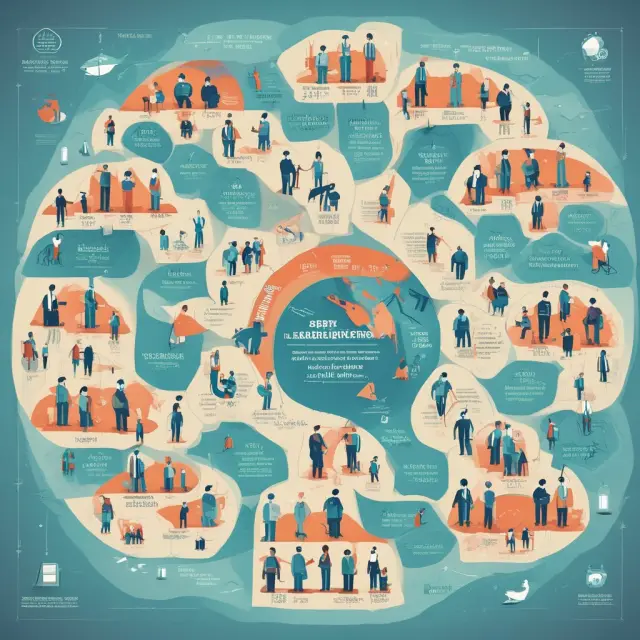
The Hersey-Blanchard Model, or situational leadership style, is not just an abstract concept; it has proven its effectiveness in various professional and institutional environments. In this section, we’ll explore real-life examples of how this model was successfully implemented to address the challenges faced by financial and investment firms.
One prominent instance of applying Hersey-Blanchard principles can be traced back to a major New York City investment bank. During the 2008 financial crisis, the management team recognized that their employees were grappling with high levels of stress and uncertainty in an evolving work environment. The CEO understood that traditional leadership methods might not suffice, given the unique circumstances.
Implementing the Hersey-Blanchard approach allowed the organization to adapt its management style based on the employees’ maturity levels. For instance, some team members had extensive experience navigating turbulent markets and were capable but needed guidance to stay focused amid the chaos. In this case, the bank employed a participating leadership style—a low-task, high-relationship approach that fostered collaboration and shared ideas while maintaining open communication channels.
Other employees displayed varying levels of confidence and required more support from their supervisors. The Hersey-Blanchard model’s delegating style proved to be an effective solution in these cases, as the leaders allowed team members to take ownership over their tasks and provided them with the necessary resources to succeed.
Additionally, there were employees who had the ability but not the willingness to perform due to fear of making mistakes. In such situations, the selling style was utilized to convince these individuals about the importance of their role in achieving the organization’s goals and motivate them towards success.
By implementing a Hersey-Blanchard approach, this investment bank navigated the 2008 financial crisis effectively while retaining its top talent and maintaining morale. This real-life example illustrates how adaptive leadership can be crucial in responding to evolving business environments and employees’ needs.
Another case study from a global technology firm highlights the Hersey-Blanchard Model’s applicability in fast-paced, innovation-driven industries. In this instance, the company had recently undergone a significant restructuring initiative. The management team recognized that the change would bring about uncertainty and unease among employees at various levels of the organization.
To mitigate resistance, the HR department employed a combination of leadership styles based on the maturity levels of their teams. For instance, some employees required more direction due to their lack of confidence in the new organizational structure. The Hersey-Blanchard’s telling style was applied, with managers providing clear instructions and closely monitoring their progress.
As employees became more confident and capable, the management team shifted towards a delegating leadership style, enabling teams to take ownership over their tasks and projects. In this way, the company created an agile workforce that could adapt to rapid technological advancements and shifting business priorities.
These case studies demonstrate how the Hersey-Blanchard Model can be effectively applied in financial and institutional sectors. By adapting their leadership styles based on the maturity levels of employees, organizations can foster resilience during crises, maintain morale, and drive innovation in a constantly evolving landscape.

Limitations of the Hersey-Blanchard Model
Despite its numerous benefits and wide acceptance within organizations, the Hersey-Blanchard Model faces several limitations in real-world applications. Understanding these constraints can help investors, financial professionals, and managers make more informed decisions about adopting this leadership approach.
One limitation of the model is organizational hierarchy. While it advocates for adaptive leadership styles, not all organizations are structured similarly or allow such flexibility. In some cases, a rigid chain-of-command might restrict a manager from implementing certain styles based on their follower maturity levels. This can lead to ineffective leadership and potential misalignment of goals within the organization.
Another limitation is time constraints. Managers may not always have ample time or resources to evaluate their followers’ maturity levels and adapt their leadership style accordingly. In fast-paced industries like finance, where quick decision-making can mean the difference between success and failure, a manager might be forced to adopt a less flexible approach, which could potentially overlook the development of their team members.
Moreover, the Hersey-Blanchard Model assumes that maturity levels are stable over time, which may not always be the case. People evolve constantly, both professionally and personally. The model doesn’t account for situational factors that can impact an individual’s maturity level. For instance, a high-maturity employee might face unexpected personal challenges that temporarily cause them to regress in their professional role, which could result in an inconsistent leadership approach by the manager.
Furthermore, it is important to note that the Hersey-Blanchard Model does not account for potential power imbalances within teams or organizations. In some cases, a team member’s position or seniority might influence their interaction with the leader and impact the overall dynamics of the group. This can lead to complications in implementing the model effectively.
Despite these limitations, it is crucial to understand that the Hersey-Blanchard Model offers valuable insights into effective leadership styles for investors, financial professionals, and managers. By recognizing both its advantages and constraints, organizations can optimize their leadership strategies to best serve their teams and achieve long-term success.
Advantages and Disadvantages
The Hersey-Blanchard Model is a flexible and adaptive leadership approach that has proven successful for many organizations in various industries. It offers numerous benefits, allowing managers to tailor their leadership styles based on the specific needs of their employees and tasks at hand. However, it’s important to note that this model comes with its advantages and disadvantages, which are crucial factors to consider when deciding whether to implement it within a professional or institutional investing context.
Advantages:
- Flexibility in leadership styles: The Hersey-Blanchard Model encourages managers to adapt their leadership approach to different situations, fostering a more effective and productive team overall. As the model’s situational nature emphasizes adjusting leadership based on the maturity levels of employees and tasks, it is particularly beneficial for organizations where employee skill levels vary widely or when dealing with complex projects requiring diverse expertise.
- Improved communication: By understanding the various levels of follower maturity, leaders can develop better communication strategies to effectively delegate responsibilities and provide guidance tailored to each employee’s needs. This leads to clearer expectations, reduced misunderstandings, and a more engaged workforce.
- Enhanced employee development: Situational leadership focuses on the growth of employees by allowing them to gradually take on increased responsibility as their skills and confidence improve. This not only boosts morale but also contributes to a long-term investment in human capital.
- Increased problem-solving capacity: The Hersey-Blanchard Model empowers team members to work through challenges independently, fostering a culture of innovation and creativity. This can lead to better decision-making and more efficient solutions as employees are encouraged to take ownership of their tasks and responsibilities.
- Better performance: By recognizing the unique qualities of each employee and providing appropriate guidance, leaders can optimize team dynamics, resulting in improved productivity and overall business results.
Disadvantages:
- Time-consuming: Implementing the Hersey-Blanchard Model requires significant investment in assessing employee maturity levels and adapting leadership styles accordingly. This process can be time-consuming, making it less attractive to organizations with limited resources or strict deadlines.
- Complexity: The model’s focus on multiple leadership styles and employee maturity levels may seem overwhelming for some managers. Its intricacy could lead to confusion and inefficient implementation if not executed correctly.
- Potential for inconsistency: As the Hersey-Blanchard Model relies heavily on individual assessments of employees, it might result in inconsistent application of leadership styles within a team. This could potentially create confusion and tension among team members if not handled properly.
- Dependence on leadership abilities: The success of situational leadership hinges on the ability of leaders to effectively evaluate employee maturity levels, adapt their leadership styles, and communicate clearly with team members. Inexperienced or poorly skilled managers may struggle to implement the model successfully.
- Limited applicability: While the Hersey-Blanchard Model can be effective in certain contexts, it might not be suitable for every organization. For instance, in a highly regulated industry where following strict guidelines is crucial, implementing this flexible approach could pose challenges and may lead to compliance issues.
In conclusion, the Hersey-Blanchard Model presents numerous advantages, including fostering a more engaged workforce, improving communication, and driving better performance. However, it also comes with disadvantages, such as time commitment, complexity, potential inconsistency, dependence on leadership abilities, and limited applicability in specific industries or contexts. Careful consideration of these factors is crucial when determining whether the Hersey-Blanchard Model is the right fit for a professional or institutional investing organization.
The Role of Communication in Effective Situational Leadership
Clear and open communication is crucial when employing the Hersey-Blanchard Model as leaders must adapt their approach according to the maturity levels of their followers and task requirements. Effective communication helps ensure that both parties are on the same page, allowing for an increased sense of collaboration and a higher likelihood of achieving desired outcomes.
First and foremost, understanding your team’s current level of development is critical to selecting an appropriate leadership style. The Hersey-Blanchard Model divides followers into three categories based on their maturity levels: high, moderate, and low. Communication plays a significant role in assessing the maturity levels of employees as it provides insight into their abilities, attitudes, and willingness to take initiative.
High maturity employees require less guidance from leaders, meaning clear, concise communication is essential to keep them engaged and aligned with organizational objectives. In contrast, low maturity employees require more supervision and direction, necessitating frequent check-ins and constructive feedback.
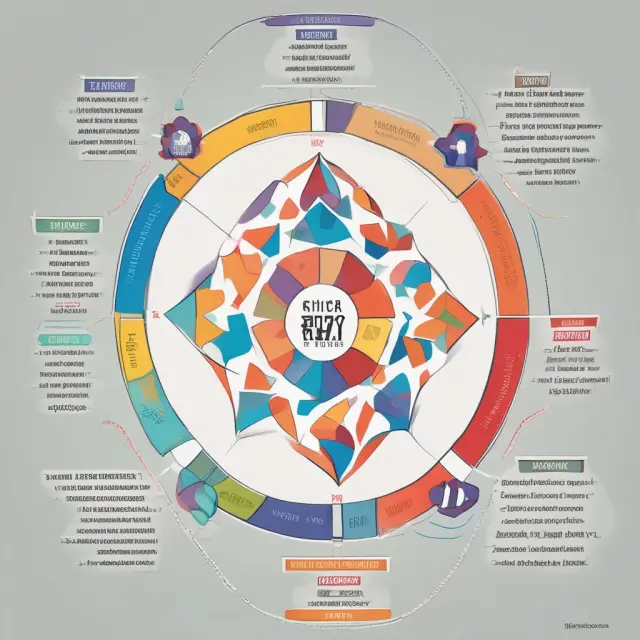
Within the Hersey-Blanchard Model, there are four distinct leadership styles: delegating, participating, selling, and telling. Each style is based on both tasks and relationships. Communication acts as a bridge connecting these elements to ensure effective implementation. For instance, a leader employing the delegating style must communicate the task’s expectations clearly, along with any resources or support available for their team.
Moreover, communication is vital for ensuring that followers understand the reasoning behind why a specific leadership style is being used. By explaining the rationale behind a chosen approach, employees are more likely to engage and buy into the process, ultimately leading to better outcomes.
Effective situational leadership is about adapting to various situations in the workplace and understanding that no single leadership style is universally effective. Communication plays a vital role in this flexibility by allowing leaders to assess their team’s maturity levels, adapt their leadership styles accordingly, and keep employees informed and engaged throughout the process.
In conclusion, the Hersey-Blanchard Model emphasizes the importance of adaptive leadership and clear communication between managers and followers. Effective communication not only enables better understanding of task requirements but also aids in assessing employee maturity levels, ultimately resulting in more successful outcomes.
FAQ: Frequently Asked Questions about Communication in Situational Leadership
What is the role of communication in situational leadership?
Communication is essential for effective situational leadership as it helps leaders assess their team’s maturity levels, adapt their styles accordingly, and ensure that employees are engaged and informed throughout the process.
How does clear communication help in implementing different leadership styles based on follower maturity?
Clear communication allows leaders to understand their team’s abilities, attitudes, and willingness to take initiative, enabling them to choose a leadership style tailored to each follower’s maturity level effectively.
What are some best practices for effective communication in situational leadership?
– Clearly communicate expectations and objectives
– Regularly check-in with team members
– Provide constructive feedback
– Encourage open dialogue and collaboration
Can the Hersey-Blanchard Model be applied to virtual teams or remote work scenarios?
Absolutely! Effective communication is especially crucial for virtual teams as it helps bridge the distance gap. Utilizing technology, such as video conferencing, instant messaging, and project management software, can facilitate open communication and keep team members aligned.

FAQ: Frequently Asked Questions about the Hersey-Blanchard Model
The Hersey-Blanchard Model, or situational leadership style, has garnered significant attention for its adaptive approach to managing teams in professional and institutional settings. Below, we’ll address some frequently asked questions that help clarify this model and its applications.
1. What is the Hersey-Blanchard Model? The Hersey-Blanchard Model proposes that no single leadership style can be universally effective; instead, leaders must adapt their approach to their team’s maturity levels and task requirements for optimal results.
2. Who developed the Hersey-Blanchard Model? Paul Hersey and Ken Blanchard created this model, with Blanchard authoring popular business books such as The One Minute Manager.
3. How does the Hersey-Blanchard Model differ from traditional leadership models? Unlike transformational or transactional leadership styles, situational leadership is adaptive, allowing leaders to respond to various factors in the workplace and adjust their approach accordingly.
4. What are the maturity levels of followers or employees according to the Hersey-Blanchard Model? The model categorizes followers into three distinct groups: high (highly capable), moderate (experienced but lacking confidence), and low (inexperienced but enthusiastic).
5. What is the significance of situational leadership in professional and institutional investments? This adaptive approach can help managers make informed decisions by considering factors like employee maturity, task complexity, and organizational constraints to optimize outcomes.
6. How does Hersey-Blanchard define mature followers? Maturity levels are determined based on an individual’s confidence level and ability to perform the assigned tasks effectively without significant intervention.
7. What are the four leadership styles in the Hersey-Blanchard Model, and how do they differ? The model outlines four distinct styles: delegating, participating, selling, and telling, each tailored to specific task and relationship factors.
8. How can I apply the Hersey-Blanchard Model effectively in my organization? Begin by assessing your team’s maturity levels and understanding the context of their tasks to choose the best leadership style for a given situation.
9. What are some limitations of the Hersey-Blanchard Model? The model may be limited by organizational constraints, such as hierarchies or time constraints that necessitate more rigid leadership styles. Additionally, it may not address all aspects of company goals beyond tasks and relationships.
10. In what situations should I employ a Hersey-Blanchard approach to investing? The adaptive nature of situational leadership can be beneficial in complex, rapidly changing investment environments where flexibility and agility are crucial for success.
In conclusion, the Hersey-Blanchard Model offers a valuable framework for adapting leadership approaches based on situational factors like employee maturity and task requirements. By considering these aspects, managers can optimize their team’s performance and contribute to lasting success in professional and institutional investment settings.
 Next entry · No. 2,096Understanding the Heston Model: A Comprehensive Guide for Professional Investors
See also
-
 No. 2,727
30 Jan 2025
20 min
Maximizing Value through Knowledge Process Outsourcing: A Comprehensive Guide for Institutional Investors
Business Finance
No. 2,727
30 Jan 2025
20 min
Maximizing Value through Knowledge Process Outsourcing: A Comprehensive Guide for Institutional Investors
Business Finance -
 No. 2,512
12 Jan 2025
22 min
Understanding Investment Companies: A Comprehensive Guide for Professional and Institutional Investors
Business Finance
No. 2,512
12 Jan 2025
22 min
Understanding Investment Companies: A Comprehensive Guide for Professional and Institutional Investors
Business Finance -
 No. 2,506
12 Jan 2025
20 min
Understanding the Power of an Investment Thesis: A Comprehensive Guide for Professional and Institutional Investors
Business Finance
No. 2,506
12 Jan 2025
20 min
Understanding the Power of an Investment Thesis: A Comprehensive Guide for Professional and Institutional Investors
Business Finance -
 No. 2,484
10 Jan 2025
20 min
Understanding Inventory Financing: A Comprehensive Guide for Professional and Institutional Investors
Business Finance
No. 2,484
10 Jan 2025
20 min
Understanding Inventory Financing: A Comprehensive Guide for Professional and Institutional Investors
Business Finance -
 No. 2,443
06 Jan 2025
15 min
Interest Rate Floors: Meaning, Bank Loans, Floor Options, and Floor vs Cap
Business Finance
No. 2,443
06 Jan 2025
15 min
Interest Rate Floors: Meaning, Bank Loans, Floor Options, and Floor vs Cap
Business Finance -
 No. 2,340
29 Dec 2024
23 min
Understanding Income Funds: A Guide for Professional and Institutional Investors
Business Finance
No. 2,340
29 Dec 2024
23 min
Understanding Income Funds: A Guide for Professional and Institutional Investors
Business Finance