Understanding the Herrick Payoff Index: A Forward-Looking Technical Analysis Tool for Derivatives Markets
Explore the Herrick Payoff Index in derivatives markets: Understanding components & generating bullish/bearish signals.
Introduction to the Herrick Payoff Index
The Herrick Payoff Index is a valuable technical analysis tool employed by traders in futures and options markets to monitor price movements, trading volume, and open interest. By analyzing these three components, the index offers insights into crowd psychology and money flows within the derivatives markets. This forward-looking indicator helps confirm trends or reversals, making it an essential addition to a trader’s toolbox.
In essence, the Herrick Payoff Index measures the relationship between price, volume, and open interest in a derivative contract, providing valuable insights into traders’ sentiment and market dynamics. This index is unique as it is based on open interest, which is not commonly found in other popular technical indicators, making it particularly useful for traders dealing with futures and options markets.
The Herrick Payoff Index can be employed to identify bullish continuation signals when prices and open interest are both rising. This situation indicates that more traders are buying into the contract, indicating increasing demand and potential for price growth. Additionally, the index can signal a bullish reversal when prices and open interest are falling at the same time, indicating waning selling pressure, making contracts increasingly attractive to buy despite the current downtrend.
Conversely, the Herrick Payoff Index can generate bearish continuation signals when prices and open interest are both declining, suggesting that traders are increasing their bearish bets in the market. Furthermore, it can also signal a bearish reversal when prices are rising, but open interest is falling, indicating that bullish momentum is waning, making contracts increasingly attractive for short sellers or bearish traders.
In summary, the Herrick Payoff Index offers valuable insights into market sentiment and crowd psychology within futures and options markets by tracking price, volume, and open interest. Its forward-looking nature makes it a powerful tool for confirming trends and reversals in these highly volatile and less liquid markets. However, traders should also use other technical indicators to minimize false positives and maximize their chances of success. In the next section, we will delve deeper into understanding the components that make up the Herrick Payoff Index and the significance of bullish continuation signals and bullish reversal signals.

Understanding the Components of the Herrick Payoff Index
The Herrick Payoff Index is a unique technical analysis tool that focuses on price, volume, and open interest to generate bullish and bearish signals in futures and options markets. This indicator can help traders gauge crowd psychology and follow money flows effectively by providing insights into potential trends and reversals. Here’s an in-depth exploration of each component:
1. Price: The Herrick Payoff Index uses a contract’s price to identify the direction of the trend, whether it is bullish or bearish. When prices increase, it indicates a bullish trend, while declining prices suggest a bearish one. This component is crucial for determining the general sentiment in the market and helps traders understand where the market stands regarding uptrends or downtrends.
2. Volume: The Herrick Payoff Index also takes volume into account to measure buying and selling pressures. High trading volumes often coincide with significant price movements, which makes them valuable indicators for potential trends or reversals. For example, a sudden increase in trading volume during an uptrend might suggest a bullish continuation or that the trend is about to reverse, leading to increased profit opportunities for traders.
3. Open interest: This refers to the total number of outstanding derivative contracts that have not been settled yet. The Herrick Payoff Index uses open interest as a measure of liquidity and market sentiment since it reflects the level of underlying commitment from traders. When open interest rises, it indicates increased activity and potential for future price movements based on these open positions.
Bullish continuation signals are generated when prices and open interest rise, suggesting that more traders are entering long positions as they believe the trend will continue. Alternatively, a contract may be poised for a bullish reversal when prices and open interest fall at the same time because selling pressure is declining, making contracts increasingly attractive to buy.
In contrast, bearish continuation signals occur when prices decline while open interest rises, indicating increased bearish bets. Conversely, a contract may be poised for a bearish reversal when prices increase and open interest falls, showing that bullish momentum is weakening.
The Herrick Payoff Index is an essential tool for traders looking to understand the dynamics of futures and options markets, especially when market conditions are volatile and trends can change rapidly. By using this index in conjunction with other technical indicators or chart patterns, traders can improve their chances of making informed decisions based on accurate and actionable information.
In summary, the Herrick Payoff Index is a powerful yet flexible tool that focuses on price, volume, and open interest to help traders navigate futures and options markets. By understanding the implications of each component and recognizing bullish and bearish signals, traders can gain valuable insights into market sentiment and make informed decisions to maximize their profits.

Identifying Bullish Continuation Signals
The Herrick Payoff Index is a versatile technical analysis tool for futures and options traders that can generate bullish continuation signals when both price and open interest are on an upward trend. These signals indicate that traders are increasingly buying into the contract, further fueling its growth. Let’s delve deeper into how this signal is generated and what it means for traders.
Price and Open Interest: The Key Components
The Herrick Payoff Index relies on three essential components to determine potential trends or reversals: price, volume (represented by open interest), and time. In the context of our discussion, we will focus primarily on price and open interest since these factors are integral to identifying bullish continuation signals.
Open interest is a measure of outstanding contracts that have not yet been settled. This metric plays a significant role in determining the Herrick Payoff Index’s value. A rising open interest level indicates growing market participation and increased liquidity, making it an essential indicator for assessing trends and reversals in derivatives markets.
Bullish Continuation Signals: A Bullish Market Environment
Bullish continuation signals are generated when the Herrick Payoff Index displays a bullish trend in both price and open interest. In such scenarios, traders can expect an extended period of upward price movement since there is increasing demand for the contract.
Traders may use the following steps to confirm the presence of a bullish continuation signal:
- Observe rising prices over several time frames (e.g., daily or weekly charts) to ensure a consistent trend.
- Monitor open interest levels, looking for an upward trend that mirrors price movements.
- Check for confirmation using other technical indicators, such as moving averages or momentum indicators.
- Consider the overall market environment and economic conditions that could support the continuation of the bullish signal.
Bullish continuation signals are valuable tools in the Herrick Payoff Index arsenal since they allow traders to enter trades during an established trend and potentially benefit from further price appreciation. However, it’s essential to remember that technical indicators like the Herrick Payoff Index should never be considered in isolation when making investment decisions. Always consult multiple sources of information and use a combination of technical and fundamental analysis to maximize your chances of success.

Recognizing Bullish Reversal Signals
The Herrick Payoff Index generates bullish reversal signals when prices and open interest are falling at the same time. This occurs when selling pressure is declining, making contracts increasingly attractive to buy. While this situation may initially appear counterintuitive – since declining prices may discourage traders from entering long positions – it can serve as an opportunity for savvy investors.
First, let’s take a closer look at what causes a bullish reversal signal according to the Herrick Payoff Index: When prices decrease but open interest falls in tandem, this indicates that selling pressure is weakening. Traders who have been bearish on the contract are now exiting their positions, as they may believe that further downward movement will not materialize or that a new bullish trend could emerge.
These changing market conditions make contracts increasingly attractive to buyers. The combination of declining prices and waning selling pressure can signal an impending bullish reversal. In essence, the Herrick Payoff Index is telling traders that it’s a good time to buy as the market may be nearing a bottom.
To illustrate this concept, consider a hypothetical commodity futures contract for oil. The price of oil has been declining steadily over the past few days due to increased supply and decreased demand. Open interest in the oil futures contract, however, has been consistently high during this timeframe, indicating that many traders have been placing bearish bets.
Now suppose that both prices and open interest start to fall at the same time. This could be an indication that selling pressure is weakening. As more traders exit their bearish positions, the market becomes more favorable for buyers. The Herrick Payoff Index would then generate a bullish reversal signal, suggesting that it’s an opportune moment to enter long positions in the oil futures contract.
It’s important to note that bullish reversals are not guaranteed; they’re merely potential opportunities for traders to consider. Just like any other technical indicator or strategy, the Herrick Payoff Index should be used as part of a larger overall trading approach. Traders should always consult multiple sources of data and analysis to confirm signals and assess market conditions before making investment decisions.
In conclusion, recognizing bullish reversal signals using the Herrick Payoff Index can provide valuable insights for traders in derivatives markets. By identifying declining selling pressure and waning bearish sentiment, investors can take advantage of opportunities to enter long positions at potentially favorable entry points. As always, it’s essential to use the Herrick Payoff Index as part of a comprehensive trading strategy and consult multiple sources of data before making investment decisions.

Understanding Bearish Continuation Signals
The Herrick Payoff Index is a powerful technical analysis tool used to confirm price trends or reversals in futures and options markets by tracking price, volume, and open interest. For derivatives traders seeking an edge in the highly volatile and less liquid markets they operate in, the Herrick Payoff Index provides valuable insights into market sentiment through measuring crowd psychology and following money flows. In this section, we will dive deeper into understanding bearish continuation signals generated by the Herrick Payoff Index.
Bearish continuation signals occur when both the price and open interest are falling. This pattern suggests that selling pressure is increasing, with traders taking profits or closing out their positions. Such a signal can indicate that the downtrend is likely to continue as new bearish bets enter the market.
Consider an example where the Herrick Payoff Index moves below its centerline while both price and open interest are declining. This event may signal a bearish continuation, with traders taking profits or closing positions as they anticipate further downward pressure on the contract. In this scenario, traders may increase their bearish bets or sell existing long positions to capitalize on the trend.
A contract could also exhibit a bullish reversal if prices and open interest are falling at the same time but for different reasons. For instance, if selling pressure is waning while new buyers enter the market, the Herrick Payoff Index may generate false bearish signals. In such cases, the contract might experience a sudden price reversal as the trend shifts from bearish to bullish.
Traders should carefully interpret these signals in relation to overall market conditions and trends. For instance, if the broader market is trending downwards, a bearish continuation signal could indicate a more significant downturn for the contract. Conversely, if the market is range-bound or trendless, the Herrick Payoff Index’s bearish continuation signal might not result in a sustained move.
In summary, understanding bearish continuation signals from the Herrick Payoff Index is crucial for futures and options traders seeking to capitalize on market trends and identify potential reversals. By staying informed about price, volume, and open interest movements, traders can make well-informed decisions and potentially benefit from early exit opportunities before prices drop significantly.
Stay tuned for the next section, where we will discuss bearish reversal signals generated by the Herrick Payoff Index.

Identifying Bearish Reversal Signals
The Herrick Payoff Index is a vital tool for traders in futures and options markets who want to gauge crowd psychology and follow money flows. One important use case for the Herrick Payoff Index involves identifying potential bearish reversal signals. This section will explore what these signals are, how they’re generated, and their significance.
A bearish reversal signal occurs when prices are rising while open interest is declining, indicating that selling pressure is decreasing, making the contract increasingly attractive to bearish traders. Bearish reversals can be a valuable signal for traders looking to profit from price downturns in these markets.
Let’s delve deeper into how this works. When prices are rising and open interest is falling, it suggests that bullish momentum is weakening. This might lead to a bearish trend reversal as the market shifts direction, potentially presenting an opportunity for traders to enter short positions or sell call options.
It’s essential to recognize that bearish reversals don’t always result in significant price drops immediately. Sometimes, prices may continue rising for some time before eventually turning downwards. However, a bearish reversal signal from the Herrick Payoff Index can help traders be more prepared for potential downward price movements and potentially profit from them.
It’s important to note that the Herrick Payoff Index is forward-looking by nature, meaning its signals can sometimes produce false positives. Consequently, it’s best practice to use this indicator in conjunction with other technical tools and chart patterns to minimize false signals and maximize your chances of making successful trades.
Additionally, understanding the context and market conditions is crucial when interpreting bearish reversal signals from the Herrick Payoff Index. For instance, if the broader trend remains bullish, a bearish reversal signal might not be as significant as in a strongly bearish market.
By staying informed about market trends and other relevant factors, traders can use the Herrick Payoff Index to their advantage when spotting potential bearish reversals and adjusting their investment strategies accordingly.
Interpreting the Herrick Payoff Index
The Herrick Payoff Index is a valuable tool for traders in futures and options markets seeking to understand market trends and follow money flows. By analyzing price, volume, and open interest, the Herrick Payoff Index can generate bullish and bearish signals that help confirm or reverse current trends. In this section, we’ll delve deeper into interpreting these signals in various market conditions.
Bullish continuation signals occur when both price and open interest are on an uptrend. This situation indicates that traders are increasingly buying into the contract as prices rise, making it a strong sign of bullish momentum. The Herrick Payoff Index will confirm this trend by plotting above its centerline. Conversely, bearish continuation signals happen when both price and open interest are declining. Traders are reducing their long positions or adding to their short positions as prices fall, suggesting further downward pressure. In such cases, the Herrick Payoff Index plots below the centerline.
However, the Herrick Payoff Index can also generate bullish reversal signals when both price and open interest start to move in opposite directions – with price falling but open interest rising, or vice versa. These situations indicate weakening selling pressure and potentially attractive buying opportunities for those looking to enter the market. For instance, a bearish trader might decide to close their short position due to decreasing downward pressure (signified by declining open interest), while bulls may sense an opportunity to buy as prices dip but open interest rises.
Bearish reversal signals emerge when price and open interest are moving in opposite directions as well, with price increasing but open interest decreasing. In this scenario, the Herrick Payoff Index suggests that buying momentum is weakening, making it an attractive opportunity for bears to enter or increase their short positions.
The interpretation of the Herrick Payoff Index signals should not be taken in isolation; instead, traders should consider overall market trends and conditions when deciding on trades. For instance, a bullish signal in a bear market may not be as reliable as one generated during a strong uptrend. Additionally, other technical indicators or chart patterns can be employed for confirmation, further strengthening the validity of the Herrick Payoff Index signals and reducing false positives.
In conclusion, the Herrick Payoff Index is an essential tool in futures and options markets, offering insights into price trends, momentum changes, and money flows. By understanding how to interpret its bullish and bearish signals in various market conditions and combining it with other indicators, traders can make informed decisions and maximize their trading potential.

Advantages and Disadvantages of the Herrick Payoff Index
The Herrick Payoff Index offers several benefits that make it a popular technical analysis tool among traders in futures and options markets. One significant advantage is its forward-looking nature, enabling traders to exit trades before a potential price drop based on declining open interest. However, this feature also presents one of the disadvantages: generating false signals if prices continue falling after a decline in open interest.
Understanding the Herrick Payoff Index’s Benefits:
A primary advantage of using the Herrick Payoff Index is that it generates exit signals when the underlying security trend might still be underway but is likely to reverse soon. This forward-looking characteristic contrasts with other technical indicators such as moving averages, which are lagging and can only confirm trends that have already occurred. By identifying potential reversals before they happen, traders can make more informed decisions and minimize the risk of substantial losses in highly volatile futures and options markets.
Another advantage of the Herrick Payoff Index is its ability to provide insights into crowd psychology and money flows within derivatives markets. With price, volume, and open interest as its fundamental components, this indicator can help traders gauge the balance of power between bullish and bearish investors in these markets. This information can be crucial for making successful trades while minimizing risks.
Disadvantages of Using the Herrick Payoff Index:
Despite its benefits, the Herrick Payoff Index also comes with some disadvantages. Its most significant drawback is the potential for false signals when prices and open interest are both falling. In such instances, the index may indicate that bullish momentum is waning or that a reversal is imminent, even if the security continues to decline. These false signals can lead traders to make hasty decisions based on inaccurate information and potentially result in losses.
Another disadvantage of the Herrick Payoff Index is its complexity in interpretation. It relies heavily on understanding the relationship between price, volume, and open interest, which can be challenging for newcomers to derivatives markets or those who are not familiar with this specific technical indicator. Additionally, it should always be used in conjunction with other confirmation signals to minimize false positives.
To maximize the benefits of using the Herrick Payoff Index while minimizing its disadvantages, traders are recommended to use it alongside other technical indicators or chart patterns. This approach will help confirm signals generated by the indicator and provide a more comprehensive view of market trends and price movements. In doing so, traders can make informed decisions based on accurate information and potentially enhance their overall trading performance.
In conclusion, the Herrick Payoff Index is an essential technical analysis tool for futures and options markets that offers valuable insights into crowd psychology, money flows, and potential reversals. Its forward-looking nature enables traders to exit trades before a potential price drop, while its complexity requires experienced interpretation and confirmation with other indicators or chart patterns. By utilizing this tool effectively, traders can gain an edge in the volatile derivatives markets and minimize risks associated with their trades.
Using Other Technical Indicators in Combination with the Herrick Payoff Index
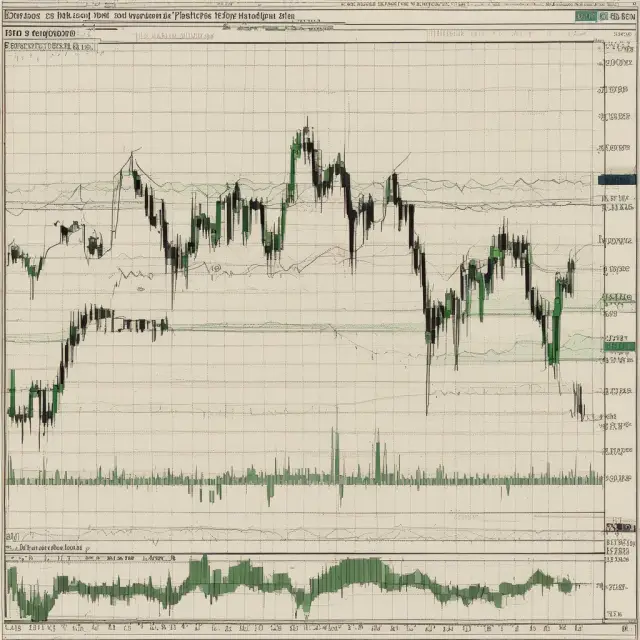
While the Herrick Payoff Index is a powerful technical analysis tool for traders in futures and options markets, it’s not infallible. In fact, false signals can occur due to its forward-looking nature. To minimize these false positives, traders often use other technical indicators in conjunction with the Herrick Payoff Index. Let’s discuss a few popular indicators that can be used to complement and confirm the Herrick Payoff signals.
Moving Averages (MA)
One of the most widely-used technical indicators is Moving Averages (MA). The MA calculates the average price over a specific period, providing insights into underlying trends and potential support or resistance levels. When the Herrick Payoff Index indicates a bullish reversal but prices continue to fall, an upward-trending moving average, like the 50-day or 200-day MA, may help confirm the signal. Conversely, a bearish continuation signal from the Herrick Payoff Index might be confirmed by a downward-sloping moving average.
Relative Strength Index (RSI)
Another useful technical indicator is the Relative Strength Index (RSI), which measures the magnitude and duration of price movements in a security, comparing it to its historical averages. RSI can help traders identify when prices are overbought or oversold, providing valuable insights into potential trend reversals. If the Herrick Payoff Index suggests a bullish reversal but the market still appears overbought according to the RSI, this could indicate that the reversal might not occur immediately. Instead, a deeper correction may be required before a sustainable rally can take place.
Bollinger Bands
Bollinger Bands are another popular technical indicator consisting of three lines: an upper band, a middle (simple moving average), and a lower band. They provide insights into volatility by measuring the standard deviation of price movements from the moving average. The Herrick Payoff Index can help traders identify potential trend reversals; however, Bollinger Bands may provide additional confirmation by highlighting areas of strong support or resistance, enabling traders to enter trades with higher confidence.
MACD (Moving Average Convergence Divergence)
The Moving Average Convergence Divergence (MACD) indicator is a trend-following momentum indicator, displaying the relationship between two moving averages: the 12-day and the 26-day Exponential Moving Averages (EMA). When the Herrick Payoff Index suggests a bullish reversal but the MACD remains bearish, it might indicate that the underlying trend is still downward. This information can help traders adjust their entry or exit strategies accordingly to minimize potential losses and maximize profits.
Fibonacci Retracements
Lastly, Fibonacci retracements are a popular tool for identifying potential support and resistance levels in a security’s price action. They’re based on the mathematical relationship between numbers from the Fibonacci sequence. When the Herrick Payoff Index indicates a bullish reversal but prices face strong resistance at a specific Fibonacci level, traders might choose to wait for the price to retrace before entering a long position. Conversely, if the Herrick Payoff Index suggests a bearish continuation but prices find support at a crucial Fibonacci level, traders may decide to wait for a potential trend reversal instead of exiting their positions prematurely.
In conclusion, using other technical indicators in combination with the Herrick Payoff Index can help traders minimize false signals and make more informed decisions based on the overall market conditions. By combining these powerful tools, traders can maximize their chances of identifying potential trend reversals and entering trades at optimal times.

FAQ
Question: What is the Herrick Payoff Index?
Answer: The Herrick Payoff Index is a powerful technical analysis tool that helps traders understand money flows and crowd psychology in futures and options markets by examining price, volume, and open interest. This unique indicator generates bullish and bearish signals to confirm trends or reversals within these markets.
Question: How does the Herrick Payoff Index work?
Answer: The Herrick Payoff Index takes into account a derivative contract’s price, volume, and open interest, allowing it to generate both bullish continuation and reversal signals based on their relationship. Bullish continuation signals occur when prices and open interest rise, while bearish reversals are identified when prices and open interest decline at the same time.
Question: What markets can the Herrick Payoff Index be applied to?
Answer: The Herrick Payoff Index is primarily used in futures and options markets due to their limited liquidity and potential volatility over extended periods. It helps traders gauge crowd sentiment and track money flows effectively in these markets.
Question: What are the advantages of using the Herrick Payoff Index?
Answer: The Herrick Payoff Index provides several benefits, such as generating exit signals before price drops, which can help traders limit losses and maximize profits. Its forward-looking nature sets it apart from lagging indicators like moving averages, making it an essential tool for traders in highly volatile derivatives markets.
Question: What are the disadvantages of using the Herrick Payoff Index?
Answer: While the Herrick Payoff Index is a valuable indicator, it has its drawbacks, primarily its forward-looking nature which may result in false positives and missed opportunities. Traders should use it in conjunction with other technical indicators or chart patterns to minimize potential errors and maximize their chances of successful trades.
Question: How can traders use the Herrick Payoff Index effectively?
Answer: Traders can enhance their decision-making process by utilizing the Herrick Payoff Index alongside other technical indicators or chart patterns, as it is designed to provide a more comprehensive understanding of market dynamics in futures and options markets. By combining it with other tools, traders can significantly reduce false signals and increase accuracy in their analysis.
 Next entry · No. 2,095Understanding the Hersey-Blanchard Model: Situational Leadership for Professional and Institutional Investors
See also
-
 No. 892
26 Jun 2024
17 min
Decoding the Death Cross: Understanding This Market Indicator’s Significance and Limitations
Markets
No. 892
26 Jun 2024
17 min
Decoding the Death Cross: Understanding This Market Indicator’s Significance and Limitations
Markets -
 No. 3,035
23 Feb 2025
21 min
Understanding Moving Average Convergence/Divergence (MACD) in Finance and Investment
Financial Tools
No. 3,035
23 Feb 2025
21 min
Understanding Moving Average Convergence/Divergence (MACD) in Finance and Investment
Financial Tools -
 No. 213
07 Apr 2024
20 min
Understanding the Aroon Oscillator: A Robust Trend-Following Indicator
Financial Tools
No. 213
07 Apr 2024
20 min
Understanding the Aroon Oscillator: A Robust Trend-Following Indicator
Financial Tools -
 No. 212
07 Apr 2024
20 min
Understanding the Aroon Indicator: Identifying Trend Changes in Finance and Investment
Financial Tools
No. 212
07 Apr 2024
20 min
Understanding the Aroon Indicator: Identifying Trend Changes in Finance and Investment
Financial Tools -
 No. 5,329
30 Aug 2025
21 min
Understanding Up/Down Gap Side-by-Side White Lines in Finance: A Comprehensive Guide
Business Finance
No. 5,329
30 Aug 2025
21 min
Understanding Up/Down Gap Side-by-Side White Lines in Finance: A Comprehensive Guide
Business Finance -
 No. 4,911
27 Jul 2025
20 min
A Comprehensive Guide to Technical Analysis: Understanding Chart Patterns, Indicators, and Strategies
Finance Policy
No. 4,911
27 Jul 2025
20 min
A Comprehensive Guide to Technical Analysis: Understanding Chart Patterns, Indicators, and Strategies
Finance Policy