Understanding the Home Mortgage Disclosure Act (HMDA) and Its Impact on Lending Trends

Understand the Home Mortgage Disclosure Act (HMDA), its history, and role in monitoring lending practices with this comprehensive article.
Introduction to HMDA and Regulation C
The Home Mortgage Disclosure Act (HMDA) represents a significant legislative milestone that has shaped the residential mortgage market since its inception in 1975. Through Regulation C, this act imposes reporting requirements on mortgage lenders, ensuring transparency and borrower protection while enabling regulatory bodies to monitor trends and identify potential fair housing concerns.
The HMDA’s primary objective is to generate greater transparency within the mortgage market by mandating mortgage lenders to maintain and submit specific data regarding their lending practices to designated regulatory authorities. Regulation C, created by the Federal Reserve in 1975, serves as the overlay rule for implementing the HMDA. The Consumer Financial Protection Bureau (CFPB) assumed regulatory oversight of the Home Mortgage Disclosure Act and Regulation C in 2011.
The importance of the Home Mortgage Disclosure Act and Regulation C lies in their role as tools that:
- Monitor geographic targets of mortgage lenders, detecting potentially predatory or discriminatory practices
- Ensure compliance with federal fair housing laws, including the Equal Credit Opportunity Act, Fair Housing Act, Community Reinvestment Act (CRA), and state laws
- Provide statistical insights on the mortgage market for government agencies, consumer watchdogs, and bank examiners to identify trends, growth patterns, and regulatory compliance
- Facilitate community investment initiatives by offering a means for analyzing resource allocation
Understanding HMDA: Key Aspects and Requirements
The Home Mortgage Disclosure Act includes requirements for both regulatory submissions and public disclosures. Title 12, Chapter 29 of the United States Code houses the entire Home Mortgage Disclosure Act. Regulation C, a complementary rule designed by the Federal Reserve, further specifies lenders’ responsibilities in accordance with the Act.
HMDA requires mortgage lenders to record and report specific mortgage lending information for regulatory purposes. As of 2019, approximately 5,496 lenders reported on over 8.1 million loan originations, encompassing about 88% of total estimated loan origination volume in the U.S. In April 2020, the CFPB modified Regulation C by increasing the data-reporting thresholds for collecting and reporting data about closed-end mortgage loans from 25 to 100 transactions, effective July 1, 2020.
The HMDA mandates that lenders provide anonymized data on sex, race, income, and other relevant factors in mortgage applications and originations to ensure regulatory compliance. Federal Regulation C requires lenders to display a poster in every branch office lobby with information on requesting their unique HMDA statistics. The public can access these statistics online for free through the CFPB data repository.
The significance of HMDA data extends beyond individual borrowers, as it offers investors researching banking and lending stocks valuable insights. By analyzing trends in recent years, investors can assess a lender’s core business growth or potential issues.

The History of HMDA
In 1975, the Home Mortgage Disclosure Act (HMDA) was passed as a law to enhance transparency and protect borrowers within the residential mortgage market. It established Regulation C under the Federal Reserve’s jurisdiction for implementing the Act’s requirements. In 2011, rule-writing authority for Regulation C was transferred from the Federal Reserve to the Consumer Financial Protection Bureau (CFPB).
The main objective of HMDA is to collect data on lending practices and make it accessible for regulatory bodies, public officials, and consumer protection groups. This data assists them in monitoring trends in mortgage borrowing and lending for adherence with fair housing laws like the Equal Credit Opportunity Act (ECOA), Fair Housing Act (FHA), Community Reinvestment Act (CRA), and state regulations. The Home Mortgage Disclosure Act also plays a crucial role in directing housing investment and government funding to areas that require it most.
In 1980, the Federal Financial Institutions Examination Council (FFIEC) was granted responsibility for enabling public access to mortgage information from financial institutions in accordance with HMDA. The FFIEC’s role in facilitating this data access is essential because it allows stakeholders to analyze lending trends and allocation of resources effectively.
Over the past five decades, the Home Mortgage Disclosure Act has undergone numerous changes. One significant update came in 2019 when 5,496 lenders reported originating a total of 8.1 million mortgages, accounting for approximately 88% of the estimated mortgage origination volume across the United States. Another substantial modification was implemented on April 1, 2020, when the Consumer Financial Protection Bureau raised the data reporting threshold for collecting and submitting information about closed-end mortgage loans under HMDA from 25 to 100 loans.
The HMDA data encompasses various aspects of mortgage lending statistics, including the number of loan approvals, types of mortgages granted, loan amounts, purposes of individual loans, and more. The collected data also details the approval process for various government-sponsored loans such as those administered by the Federal Housing Administration (FHA), Farm Service Agency (FSA), Rural Housing Services (RHS), and Veterans Affairs (VA).
Lenders are obligated to display a poster in their branch office lobbies providing information on how to request their unique HMDA statistics. The public can also access this data for free online via the CFPB data repository. This information is valuable not just for potential borrowers, but also for investors researching banking and lending stocks. By examining trends from previous years, investors can gauge a lender’s business growth trajectory.

Lender Reporting Requirements under HMDA
The Home Mortgage Disclosure Act (HMDA) mandates that mortgage lenders maintain and report specific data to regulatory authorities, primarily the Consumer Financial Protection Bureau (CFPB), under Regulation C. This data collection process aims to create greater transparency in the residential mortgage market by requiring lenders to submit annual reports detailing their origination and purchase activities. The ultimate goal is to allow regulators, public officials, consumer groups, and community investors to monitor trends in mortgage borrowing and lending for compliance with fair housing laws, including the Equal Credit Opportunity Act, Fair Housing Act, and Community Reinvestment Act (CRA), as well as state laws.
Under HMDA and Regulation C, mortgage lenders are required to maintain records of loan applications, originations, denials, and modifications for a specific period. These records must include various details such as the loan applicant’s income, race, sex, and geographic location. It is important to note that while these categories are recorded, the data remains anonymized in record keeping to protect individual privacy.
Beginning in April 2020, the CFPB implemented changes to the HMDA reporting thresholds. Prior to this update, mortgage lenders were required to report data on loan originations and purchases totaling 25 or more loans per year. Following the amendments, however, this requirement was adjusted to a threshold of 100 loans per year. This change significantly reduced the number of lenders subjected to HMDA reporting requirements, allowing for increased flexibility while maintaining transparency.
The data collected through HMDA and Regulation C offers valuable insights into mortgage trends across various categories. The statistics can be analyzed for information on loan approvals by geographic location, loan amounts, and specific loan purposes, among other factors. This information is crucial to investors researching banking and lending stocks as it provides a means of assessing the growth patterns and regulatory compliance of financial institutions in this sector.
Furthermore, the data made publicly available through the Federal Financial Institutions Examination Council (FFIEC) helps ensure that mortgage lenders remain transparent with consumers. By making HMDA statistics easily accessible online for free, potential borrowers can make informed decisions when selecting a lender. The public availability of this information is also essential for monitoring potential predatory or discriminatory lending practices, as well as maintaining fair housing laws and regulations.
As part of the HMDA reporting requirements, lenders must display a prominent poster in every branch office lobby that provides information on requesting their unique HMDA statistics. These statistics can also be accessed by the public online from the CFPB data repository. The ease of access to this valuable data further underscores the importance of HMDA and Regulation C’s impact on mortgage lending trends, consumer protection, and overall market transparency.

HMDA Data Categories and Public Access
The Home Mortgage Disclosure Act (HMDA) collects extensive data from mortgage lenders to create transparency within the residential mortgage market, ensuring regulatory compliance with fair housing laws and providing valuable resources for government agencies, consumer watchdogs, and investors. This section discusses the different categories of mortgage lending information collected under HMDA and how the public can access these statistics.
Categories of Reported Data
HMDA collects a wide range of data regarding mortgage applications, originations, and denials from financial institutions, broken down by various demographic factors such as race, sex, income level, loan type, and property location. The following categories represent some of the most notable information collected under HMDA:
1. Application Information
Lenders must report data on mortgage applications, including the number of applications received, denied, and approved, as well as the reason for denial if applicable.
2. Loan Originations
Data on originated loans covers loan amounts, interest rates, and terms, which is essential to monitoring lending trends and identifying potential predatory or discriminatory practices.
3. Applicant Information
Demographic data regarding mortgage applicants includes race, sex, income, age, and property location, allowing for the analysis of fair housing compliance and lending patterns in various communities.
4. Property Location Data
This category provides valuable insights into geographic targeting by mortgage lenders and helps regulators assess the allocation of resources and identify potential areas in need of intervention.
Public Access to HMDA Data
The Federal Financial Institutions Examination Council (FFIEC) is responsible for facilitating public access to mortgage data from financial institutions under the Home Mortgage Disclosure Act. The FFIEC maintains a free online database where individuals can search and analyze HMDA statistics, providing transparency into mortgage lending trends and compliance with fair housing laws. This information can be accessed through the HMDA Public Data File, which is updated annually.
In summary, the Home Mortgage Disclosure Act collects extensive data from mortgage lenders on applications, originations, and applicant demographics to promote transparency in the residential mortgage market and ensure compliance with fair housing laws. The public can access this information for free through the FFIEC’s online database, allowing for analysis of lending trends and patterns while providing valuable insights to investors, government agencies, and consumer watchdogs.

The Role of HMDA in Fair Housing Laws Compliance
The Home Mortgage Disclosure Act (HMDA) plays a pivotal role in ensuring that mortgage lending practices are compliant with various federal fair housing laws, including the Equal Credit Opportunity Act (ECOA), Fair Housing Act (FHA), and Community Reinvestment Act (CRA). By mandating mortgage lenders to maintain specific records of their lending practices and report this data to regulatory authorities, HMDA enhances transparency and accountability in the residential mortgage market. This section sheds light on the significance of HMDA compliance with fair housing laws, as well as its implications for consumers and investors.
The Equal Credit Opportunity Act (ECOA) prohibits discrimination based on race, color, religion, national origin, sex, marital status, age, because all or part of an individual’s income depends on public assistance, or because the applicant has in good faith exercised any right provided under consumer credit laws. HMDA data analysis helps detect potential violations of ECOA by monitoring trends and patterns in mortgage lending.
The Fair Housing Act (FHA) prohibits discrimination in housing-related transactions on the basis of race, color, national origin, religion, sex, disability, familial status, or other protected classes. HMDA reporting data provides essential insights for understanding and monitoring compliance with FHA regulations in the mortgage market.
The Community Reinvestment Act (CRA) requires financial institutions to serve the communities from which they draw deposits. This includes providing loans and services that meet the credit needs of those communities. HMDA data analysis is crucial for evaluating CRA performance by enabling assessment of lending patterns in specific geographic areas, ultimately helping to ensure equitable access to credit opportunities for all borrowers.
State fair housing laws may also be enforced through HMDA reporting. The presence of disparities or trends in mortgage lending that appear to conflict with state fair housing regulations can trigger investigations and potential enforcement actions.
Both consumers and investors benefit from the information provided through HMDA. Consumers can utilize these statistics to understand lending patterns in their area, identify potential discrimination issues, and make more informed decisions regarding mortgage applications. Investors can leverage this data to evaluate banking and lending stocks based on trends in mortgage origination and growth, as well as to assess a lender’s compliance with fair housing regulations.
The Future of HMDA: Changes and Updates
HMDA has undergone several changes over the years. In 2015, the CFPB expanded the types of mortgage transactions requiring HMDA reporting, allowing investors to obtain a more comprehensive view of lending patterns. More recent updates include modifications in data collection requirements for certain closed-end mortgages and adjustments to the reporting thresholds. These changes have resulted in a larger dataset, enabling more detailed analysis and better monitoring of fair housing laws compliance.
As technology advances, the ways in which HMDA data is collected and analyzed will continue to evolve. With increased accessibility and advanced analytical tools, both consumers and investors can benefit from deeper insights into mortgage lending practices and trends.

HMDA Data Analysis for Investors
The Home Mortgage Disclosure Act (HMDA) offers valuable insights to investors researching banking and lending stocks by providing extensive information on mortgage lending trends. Analyzing this data can help identify various growth patterns, regulatory compliance, and risk assessment when evaluating the performance of financial institutions.
Investors can compare historical statistics from multiple years to understand whether a particular bank or lender is growing its core business in terms of loan origination volumes, mortgage types, or specific regions. By examining trends related to loan approvals for various income levels, demographics, and property locations, investors can assess the potential risks associated with lending practices that may not conform to fair housing laws or other regulatory requirements.
For example, comparing HMDA data from a region with known discrimination issues to an area with strong compliance could provide evidence of potential risk for financial institutions operating in non-compliant areas. Conversely, identifying lenders with consistently high levels of compliance can be attractive for those looking to invest in companies that prioritize ethical business practices and social responsibility.
Additionally, the availability of HMDA data enables investors to analyze trends and make informed decisions on sector allocations within the banking industry. The data can shed light on macroeconomic factors such as changes in interest rates, regional economic conditions, or shifts in consumer preferences towards specific types of mortgage loans, such as adjustable-rate mortgages (ARMs) versus fixed-rate mortgages (FRMs).
Investors can also use the data to identify lenders that have strong loan origination capabilities and growth strategies. For instance, they may analyze loan origination volumes to understand which institutions are dominating specific markets and how their market share is changing over time. This analysis can help investors determine which banks are best positioned for long-term success in the highly competitive mortgage lending industry.
HMDA data’s significance extends beyond individual financial institutions, as it also plays a crucial role in understanding broader market trends. Analyzing the data at a national level provides insights into consumer borrowing behavior and preferences, as well as regional economic conditions. By comparing trends across multiple years or regions, investors can assess how these factors might impact specific lenders or the industry as a whole.
The accessibility of HMDA data has made it an essential tool for investors seeking to make informed decisions on banking and lending stocks. The information provided in this database is crucial for understanding mortgage market trends, assessing lender performance, and identifying potential risks within the industry. Incorporating these insights into investment strategies can lead to more successful outcomes for those focused on the financial services sector.

The Importance of HMDA Reporting to Consumer Protection
One of the primary goals of the Home Mortgage Disclosure Act (HMDA) and Regulation C is to ensure consumer protection in the residential mortgage market by detecting predatory or discriminatory lending practices. By requiring mortgage lenders to maintain records and report data on their lending activities, HMDA offers valuable insights into the mortgage industry. This information can help regulators, public officials, and consumer watchdogs monitor trends in mortgage borrowing and lending for compliance with various federal fair housing laws, including the Equal Credit Opportunity Act, Fair Housing Act, and Community Reinvestment Act (CRA), as well as state regulations.
The Home Mortgage Disclosure Act is a powerful tool for identifying potential predatory or discriminatory lending practices in several ways:
- Compliance with fair housing laws: By requiring mortgage lenders to collect and report data on loan applications based on applicants’ sex, race, income, and other factors, HMDA enables regulatory agencies and consumer protection organizations to monitor compliance with federal and state fair housing laws. This information helps identify patterns of unequal treatment in lending practices, ensuring that all consumers have equal access to credit.
- Promoting transparency: The public availability of HMDA data allows consumers to make informed decisions when selecting a mortgage lender. By providing detailed statistics on mortgage loans and borrowing trends, regulators can foster a more transparent market where potential borrowers can evaluate lenders based on their performance and compliance with regulations. Additionally, this information can help investors research banking and lending stocks by analyzing lender growth patterns and identifying market trends.
- Supporting community investment initiatives: HMDA data helps government agencies allocate resources to areas in need of funding. This information can be used to identify underserved communities and monitor the allocation of government-sponsored loans, such as those from the Federal Housing Administration (FHA), Farm Service Agency, Rural Housing Services, and Veterans Affairs (VA). By analyzing these statistics, public officials and community organizations can ensure that resources are targeted effectively and efficiently to address housing needs.
The significance of HMDA reporting for consumer protection extends beyond regulatory compliance and transparency. It also helps maintain a fair, ethical, and competitive mortgage market. As the Federal Financial Institutions Examination Council (FFIEC) facilitates public access to mortgage information from financial institutions in accordance with the Home Mortgage Disclosure Act, investors, consumers, and regulators can use this data to make informed decisions and stay up-to-date on industry trends. This commitment to transparency empowers borrowers, investors, and policymakers to protect their interests and promote a more equitable mortgage market for all.

The Future of HMDA: Changes and Updates
Since the Home Mortgage Disclosure Act (HMDA) was first implemented in 1975, this law has undergone several changes to adapt to an evolving financial landscape. One recent significant update came in April 2020 when the Consumer Financial Protection Bureau (CFPB) adjusted the reporting thresholds for collecting and reporting data on closed-end mortgage loans from 25 to 100 loans per year, effective July 1, 2020. This modification was aimed at reducing regulatory burden for smaller lenders while maintaining the overall objectives of HMDA.
Another significant change to HMDA regulations came in October 2015 when the CFPB released a new rule expanding the types and amount of data that would be reported under HMDA. This update sought to provide more detailed information on loan terms, borrower demographics, and loan pricing in an effort to improve transparency and better inform consumers and regulators.
Additionally, technological advancements have impacted how HMDA data is collected, processed, and accessed. The CFPB has emphasized the importance of ensuring that electronic reporting methods are secure and user-friendly for mortgage lenders. In 2015, they initiated a project to develop a new platform called the “HMDA Data Flexibility Initiative,” which aimed to provide more flexible options for data collection, submission, and access.
Looking forward, HMDA is expected to continue adapting to changes in technology and mortgage markets. The CFPB has recently announced its intention to modernize the HMDA system by exploring possibilities such as an API (Application Programming Interface) that would allow developers to create custom applications for accessing HMDA data. This could potentially lead to new insights, analyses, and visualizations of mortgage lending trends.
As the financial landscape continues to evolve, the Home Mortgage Disclosure Act remains a crucial tool in protecting borrowers, ensuring fair housing laws compliance, and promoting transparency in the residential mortgage market. By staying updated on HMDA changes and updates, investors can make informed decisions regarding banking and lending stocks, while regulators and consumer watchdogs can better monitor and address potential issues within the mortgage industry.
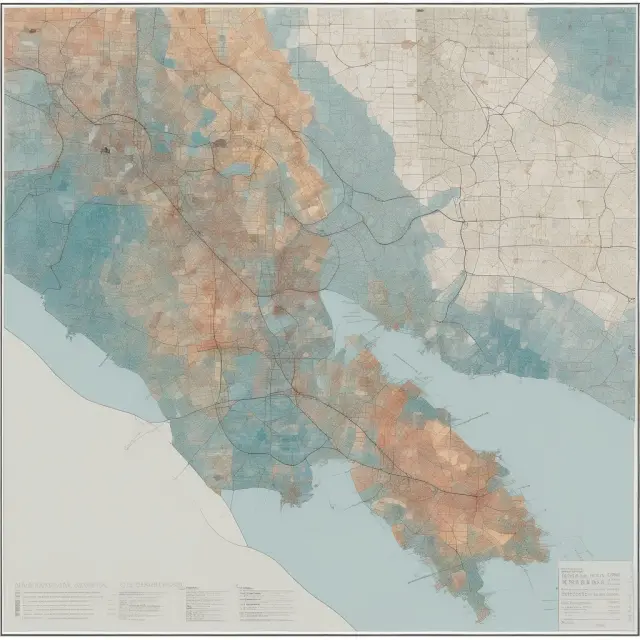
Understanding the Geographic Targeting of Mortgage Lenders through HMDA
The Home Mortgage Disclosure Act (HMDA) and Regulation C provide essential information about mortgage lending practices and their impact on geographical communities. The data collected by HMDA helps regulators, public officials, consumer watchdogs, and researchers identify trends in the mortgage market and ensure compliance with various fair housing laws.
The Home Mortgage Disclosure Act was enacted in 1975 to establish greater transparency in residential mortgage lending practices. Regulation C, created by the Federal Reserve, further outlines specific requirements for HMDA reporting. Together, these rules facilitate public access to critical data on mortgage loans and lenders’ geographic targets.
One primary focus of HMDA is monitoring potential predatory or discriminatory lending practices. By requiring mortgage lenders to report information on applicants’ sex, race, income, loan amounts, and geographical locations, the law provides a valuable tool for detecting disparate lending patterns.
Another key objective of HMDA is supporting government-sponsored community investment initiatives. The collected data enables organizations to analyze the allocation of resources towards underserved areas, promoting fair and equitable access to mortgage loans.
The Federal Financial Institutions Examination Council (FFIEC) plays a vital role in facilitating public access to mortgage information from financial institutions under HMDA and Regulation C. The data collected is anonymized and can be viewed by the public online, providing valuable insights for researchers, investors, and concerned citizens alike.
For investors researching banking and lending stocks, HMDA data is a crucial resource. By analyzing trends in mortgage loans, loan amounts, and geographical locations over several years, one can identify growth patterns and potential risks in specific financial institutions or industries. This information is particularly important for understanding the overall health of the mortgage market and assessing regulatory compliance.
In summary, the Home Mortgage Disclosure Act, through Regulation C, plays a crucial role in ensuring fair lending practices and promoting transparency in the mortgage market by requiring mortgage lenders to report essential data about their lending activities. This geographically targeted information is vital for regulators, consumer advocates, and investors seeking insights into mortgage trends and the allocation of resources towards underserved communities.

HMDA and the Federal Financial Institutions Examination Council (FFIEC)
Under the Home Mortgage Disclosure Act (HMDA), the Federal Financial Institutions Examination Council (FFIEC) plays an essential role in facilitating public access to mortgage information from financial institutions. Established under Regulation C, this collaboration between various federal regulatory agencies is designed to provide transparency in mortgage lending practices and ensure compliance with fair housing laws.
The FFIEC was given the responsibility of administering HMDA reporting requirements in 1980. The organization’s primary mission includes collecting, analyzing, publishing, and disseminating information related to the financial condition and performance of thousands of financial institutions throughout the country. Through its efforts, consumers, investors, researchers, and government agencies can access valuable insights into the mortgage market.
When it comes to HMDA reporting, lenders are mandated by law to submit data on key mortgage lending activities. This information is made publicly available through FFIEC’s database, allowing stakeholders to monitor trends in mortgage borrowing and lending, as well as compliance with various federal fair housing laws including the Equal Credit Opportunity Act, the Fair Housing Act, the Community Reinvestment Act (CRA), and state laws.
For potential borrowers, access to this information can help them make informed decisions when applying for a mortgage. Moreover, investors can use it as a research tool in assessing the performance of banking and lending stocks by examining trends and growth patterns within the mortgage industry. With HMDA data readily available online, anyone interested in understanding the intricacies of the mortgage market can easily access valuable insights that are not obtainable elsewhere.
In summary, the FFIEC plays a critical role under the Home Mortgage Disclosure Act by facilitating public access to mortgage information from financial institutions, enabling greater transparency, and fostering fair housing practices. By understanding the importance of HMDA reporting through FFIEC, you are gaining insight into the broader picture of mortgage lending trends, regulatory compliance, and consumer protection within the U.S. financial system.

Frequently Asked Questions
What is the Home Mortgage Disclosure Act (HMDA)?
The Home Mortgage Disclosure Act (HMDA) is a federal law that was passed in 1975 to require mortgage lenders to maintain records of their lending practices and submit this data to regulatory authorities. This information helps regulators, public officials, and consumer watchdogs monitor trends in mortgage borrowing and lending for compliance with fair housing laws such as the Equal Credit Opportunity Act, Fair Housing Act, Community Reinvestment Act (CRA), and state laws. The data collected also supports government-sponsored community investment initiatives by providing a means to analyze resource allocation.
What is Regulation C?
Regulation C is an essential component of the Home Mortgage Disclosure Act. It was created by the Federal Reserve to overlay the requirements of the Act and designate additional reporting requirements that banks must follow. The primary purposes of HMDA and Regulation C include monitoring geographic targets of mortgage lenders, identifying predatory or discriminatory lending practices, and enabling public access to mortgage information from financial institutions in accordance with the Home Mortgage Disclosure Act.
Who is required to maintain records under HMDA?
Mortgage lenders and other originators that meet certain criteria are subject to HMDA reporting requirements. These institutions include banks, savings associations, credit unions, mortgage companies, mortgage brokers, and others.
What data is reported under the Home Mortgage Disclosure Act?
Lenders must report information on loan applications and originations such as the number of pre-approvals made, mortgages granted, loan amounts, purposes of individual loans, sex, race, income, location, and loan denials. This data helps regulators identify trends in mortgage lending and ensure compliance with fair housing laws.
What agencies regulate HMDA?
The Federal Reserve initially implemented the Home Mortgage Disclosure Act through Regulation C. In 2011, regulatory authority for the rule was transferred to the Consumer Financial Protection Bureau (CFPB).
How can the public access HMDA data?
The Federal Financial Institutions Examination Council (FFIEC) facilitates public access to mortgage information from financial institutions in accordance with the Home Mortgage Disclosure Act and Regulation C. The statistics can be viewed online for free at the CFPB’s data repository.
 Next entry · No. 2,174Maximizing Your Tax Savings with the Mortgage Interest Deduction: Understanding the Changes and Qualifications
See also
-
 No. 5,351
01 Sep 2025
21 min
Understanding the Urban Development Act of 1970: Impacts, Programs, and Key Takeaways
Finance Policy
No. 5,351
01 Sep 2025
21 min
Understanding the Urban Development Act of 1970: Impacts, Programs, and Key Takeaways
Finance Policy -
 No. 5,684
29 Sep 2025
20 min
Understanding Wet Loans: Risks, Benefits, and Differences with Dry Loans
Mortgage
No. 5,684
29 Sep 2025
20 min
Understanding Wet Loans: Risks, Benefits, and Differences with Dry Loans
Mortgage -
 No. 5,372
03 Sep 2025
20 min
Usury Laws: Understanding Interest Rate Regulations and Their Implications for Investors
Business Finance
No. 5,372
03 Sep 2025
20 min
Usury Laws: Understanding Interest Rate Regulations and Their Implications for Investors
Business Finance -
 No. 5,129
14 Aug 2025
21 min
Understanding UDAAP: Unfair, Deceptive, or Abusive Acts or Practices in Finance
Consumerism
No. 5,129
14 Aug 2025
21 min
Understanding UDAAP: Unfair, Deceptive, or Abusive Acts or Practices in Finance
Consumerism -
 No. 2,232
20 Dec 2024
18 min
Understanding the NAHB/Wells Fargo Housing Market Index: A Key Indicator for Investors
Business Finance
No. 2,232
20 Dec 2024
18 min
Understanding the NAHB/Wells Fargo Housing Market Index: A Key Indicator for Investors
Business Finance -
 No. 1,154
05 Aug 2024
19 min
Understanding Durable Goods Orders: A Comprehensive Guide for Institutional Investors
Business Finance
No. 1,154
05 Aug 2024
19 min
Understanding Durable Goods Orders: A Comprehensive Guide for Institutional Investors
Business Finance