Understanding the Implications of Termination of Employment: Voluntary vs Involuntary

Explore the ins and outs of termination of employment, its types, consequences, and compensation. Voluntary vs Involuntary.
Introduction to Termination of Employment
The termination of employment refers to the formal conclusion of an employer-employee relationship, be it voluntary or involuntary. In this article, we’ll dive deeper into the implications and consequences of termination of employment for both employers and employees. We will discuss the differences between voluntary and involuntary terminations, as well as the various reasons why companies may choose to let go of their workforce.
Definition and Explanation of Termination of Employment
Termination of employment is the end result of a formal employee-employer relationship. It can be initiated by either party—the employee or employer—and carries significant consequences for both sides. Voluntary terminations, also known as resignations, are when employees choose to leave their jobs due to various reasons such as better opportunities or personal circumstances. Involuntary terminations, however, involve employers dismissing workers through layoffs, downsizing, or firings.
Understanding the Types and Consequences of Termination of Employment
Termination can come with several repercussions for employees and their livelihoods. Losing a job means having to deal with potential financial instability, as well as emotional challenges that may impact one’s mental health. Involuntary terminations may also make it more difficult to secure future employment due to gaps in the work history.
In this section, we will explore the intricacies of both voluntary and involuntary terminations, providing valuable insights into the reasons behind each and discussing their various implications for employees and employers.
Section Title: Voluntary Termination
Voluntary Termination Overview
The decision to leave a job is a personal one that may be driven by a multitude of factors. In this section, we’ll discuss voluntary terminations in detail, looking at various reasons why employees may choose to resign and the impact it has on their employment situation.
Reasons for Voluntary Termination
Employees may decide to voluntarily terminate their employment due to personal or professional growth opportunities, retirement, starting a business, or even constructive dismissal. Constructive dismissal occurs when working conditions become intolerable, forcing an employee to resign in order to protect themselves from potential harm or unfair treatment. In such cases, the employer may be liable for compensation based on the terms of their employment contract.
Notice Periods and Impact on Healthcare Coverage and Unemployment Benefits
An employee who voluntarily terminates their position is typically required to provide notice, which varies depending on industry standards and company policies. During this period, employees may be eligible for continued healthcare coverage through COBRA or other similar programs. Additionally, they might be entitled to unemployment benefits if their departure from the job was not due to misconduct.
Section Title: Involuntary Termination – Layoffs & Downsizing
Involuntary Termination Overview
Involuntary terminations are a reality for many workers and can arise due to various reasons such as organizational restructuring, economic conditions, or poor performance. In this section, we will delve into the implications of involuntary terminations specifically related to layoffs and downsizing.
Reasons for Layoffs & Downsizing
Companies may choose to implement layoffs or downsize their workforce due to financial difficulties, changing business needs, or restructuring initiatives. Regardless of the motivation behind these decisions, the effects on both employers and employees can be profound.
Impact on Severance Packages and Employee Morale
Layoffs and downsizing often come with severance packages to help mitigate the financial impact on affected employees. However, they can also result in reduced morale and increased anxiety among the remaining workforce.
COBRA Coverage & Unemployment Benefits
Similar to voluntary terminations, involuntary separations may qualify employees for continued healthcare coverage under COBRA or similar programs. Additionally, unemployment benefits might be available to help bridge the gap between jobs during this transitional period.
Section Title: Involuntary Termination – Getting Fired
Getting Fired Overview
Getting fired is a common fear among employees, and it can lead to both personal and professional consequences. In this section, we will discuss various reasons why an employee may get fired, the legal implications for employers, and potential remedies for wrongfully terminated individuals.
Reasons for Getting Fired
Employees may be fired due to misconduct, poor performance, violation of company policies, or other reasons outlined in their employment contracts. In some cases, employees may be wrongfully terminated based on discriminatory grounds such as race, gender, age, religion, disability, or national origin.
Legal Ramifications for Employers & Potential Remedies for Employees
Employers have a legal obligation to adhere to various labor laws and employment regulations when terminating employees. Failure to do so can result in costly lawsuits and potential damage to the company’s reputation. Wrongfully terminated individuals may seek remedies such as reinstatement, back pay, or damages based on the specific circumstances of their case.
Section Title: Termination Compensation
Termination Compensation Overview
Compensation during a termination of employment can take various forms, including severance packages, unemployment benefits, and final paychecks. In this section, we will discuss how these compensation methods work and the legal framework governing their distribution.
Severance Packages & Employment Contracts
Severance packages are discretionary forms of financial assistance provided to employees during a termination of employment. These packages may include salary continuation, bonuses, or other benefits. Employers determine whether to offer severance based on factors such as the employee’s tenure, performance, and company policies.
Legal Framework for Final Paychecks & Unemployment Benefits
Labor laws dictate how employers must handle final paychecks, including the requirement to provide employees with their accrued wages upon termination. Additionally, unemployment benefits are available to employees who lose their jobs through no fault of their own and meet specific eligibility requirements.
Section Title: Moral Clauses & Social Media Usage in Termination of Employment
Moral Clauses & Social Media Usage Overview
Employers may include moral clauses in employment contracts to ensure that employees behave ethically both inside and outside the workplace. In this section, we will discuss how these moral clauses interact with social media usage and their potential impact on termination of employment.
Understanding Moral Clauses & Their Interpretation
Moral clauses are provisions included in employment contracts to outline an employee’s ethical obligations. They may cover topics such as honesty, confidentiality, and professionalism. Employers may use social media activity that violates these moral clauses as grounds for termination.
Implications of Social Media Usage on Termination of Employment
Social media usage can have significant consequences for employees during the termination process. A single post or comment could potentially lead to disciplinary actions, up to and including termination. It is essential for both employers and employees to understand the boundaries set by moral clauses and how they apply in the digital age.
Section Title: Employer Obligations During Termination of Employment
Employer Obligations Overview
Terminating an employment relationship comes with specific obligations for employers, as outlined by various labor laws and regulations. In this section, we will discuss these obligations and their importance in ensuring a fair and ethical termination process for all parties involved.
Legal Obligations & Best Practices for Employers
Employers must adhere to federal and state labor laws when terminating employees, including providing final paychecks, unemployment benefits eligibility, and adhering to applicable employment discrimination regulations. Additionally, best practices include clear communication about the reasons for termination and offering support during the transition period.
Section Title: Impact of Termination on Employees’ Mental Health
Impact on Employees’ Mental Health Overview
The process of losing a job can be emotionally taxing, with many workers experiencing feelings of sadness, anxiety, and uncertainty. In this section, we will discuss the psychological impact of termination of employment and available resources for coping with its effects.
Understanding the Emotional Stages of Job Loss
The emotional journey following a job loss can be divided into various stages, including denial, anger, depression, and acceptance. Understanding these stages and the corresponding emotions can help employees better navigate the process and begin their healing journey.
Available Resources & Coping Mechanisms
A range of resources is available to support individuals during the aftermath of termination, including counseling services, career development programs, and networking opportunities. Employees may also find solace in connecting with others who have experienced similar situations through support groups or online communities.

Voluntary Termination
When speaking of employment termination, the phrase can refer to two distinct scenarios – voluntary and involuntary. In this article, we’ll focus on exploring voluntary termination and its implications for employees and employers alike.
Voluntary termination occurs when an employee leaves a company willingly for personal reasons or new opportunities. This could be due to finding a better job offer, retirement from the workforce, starting their own business, or in the case of constructive dismissal – a situation where working conditions become unbearable and force an individual to resign.
Constructive dismissal is often defined as an employer’s actions that compel an employee to leave their position. This may include creating an intolerable work environment through excessive work hours, low pay, or harassment. In such cases, the responsibility for the termination lies with the employer, even though it was not an explicit dismissal.
Upon voluntary termination, employees are expected to provide notice to their employers, usually within a specified period (often two weeks). This period allows the company time to find a replacement and mitigate potential losses. Failure to give proper notice could result in withheld pay or even a lawsuit.
Voluntary termination has significant implications for healthcare coverage and unemployment benefits. Employees may become eligible for COBRA coverage, which allows them to continue their employer-provided health insurance at their own expense after leaving the company. Additionally, those who lose their jobs involuntarily – through no fault of their own – may be entitled to unemployment benefits. However, in cases of voluntary termination, eligibility for such benefits can vary depending on state regulations and individual circumstances.
In conclusion, understanding the concept of voluntary termination is essential for both employees and employers alike. This type of termination can occur due to various reasons, from personal growth opportunities to constructive dismissal. While it may involve certain obligations and implications regarding healthcare coverage and unemployment benefits, being informed about these aspects can help ensure a smoother transition for all parties involved.

Involuntary Termination: Layoffs and Downsizing
Termination of employment through layoffs and downsizing is a prevalent reality for many workers. Companies might make the decision to reduce their labor force due to a wide range of reasons, including restructuring, mergers and acquisitions (M&A), or economic downturns. Involuntary terminations can have severe consequences on both employees and companies involved.
Why Layoffs and Downsizing Happen
Layoffs occur when companies decide to dismiss workers without their consent due to operational reasons. Businesses go through downsizing for various motivations, including:
– Reducing labor costs: In times of economic uncertainty or financial instability, downsizing can help a company reduce its expenses by eliminating redundancies and streamlining processes.
– Reallocating resources: Companies may reassign human resources to different projects based on their priorities. For instance, during mergers and acquisitions (M&A), organizations might need to focus on integrating new teams or departments, leading to temporary layoffs in others.
– Restructuring operations: When companies undergo major organizational changes, they may decide to restructure their business models, resulting in job losses.
Effects of Involuntary Termination
The consequences of involuntary terminations can vary significantly depending on the circumstances involved. For employees, being let go often entails financial uncertainty and emotional distress. They might struggle with paying bills, securing health insurance, and finding new employment opportunities. On the other hand, companies may face reputational damage, increased turnover costs, or difficulties in attracting and retaining top talent in the future.
Severance Packages
Severance packages are a discretionary benefit that some employers offer to employees when their employment is terminated involuntarily. These benefits provide a financial safety net to help mitigate the negative consequences of job loss. The content and duration of severance packages may vary from one company to another, but they often include:
– Payment in lieu of notice: A lump sum payment to replace the notice period an employee would have served if they had quit voluntarily.
– Extended health insurance coverage: Companies might provide COBRA coverage, which enables former employees to continue using their employer-sponsored health insurance for a limited time.
– Reimbursement of job search expenses: Employers might offer assistance with the cost of interviewing and securing new employment, such as resume workshops or training programs.
COBRA Coverage and Unemployment Benefits
COBRA (Consolidated Omnibus Budget Reconciliation Act) is a federal law that allows employees to maintain their health insurance coverage for up to 18 months following involuntary termination, at their own expense. During this period, former employees can stay enrolled in their company’s group plan until they find new employment or secure other forms of coverage, such as Medicare or Medicaid.
Unemployment benefits provide temporary financial support to individuals who are unemployed through no fault of their own. Eligibility for unemployment compensation varies by state and may depend on factors like the reason for termination, the length of employment, and wage earning history.
In conclusion, involuntary terminations can have far-reaching implications for both employees and employers alike. Understanding the reasons behind layoffs and downsizing, as well as the available resources to mitigate their consequences, is crucial to navigating this challenging transition successfully.

Involuntary Termination: Getting Fired
Getting fired can be a devastating experience, leaving employees feeling uncertain about their future and their ability to provide for themselves and their families. The termination may stem from unsatisfactory work performance, bad behavior, or a poor attitude that doesn’t fit the company culture, but it can also occur due to illegal reasons such as discrimination, whistleblowing, or retaliation. In this section, we explore the implications of getting fired, focusing on the impact on employees and their eligibility for unemployment benefits, state laws concerning final paychecks and unused vacation days, and potential consequences on morale and future employment prospects.
Reasons for Getting Fired
There are various reasons why employers may decide to let go of an employee, ranging from poor performance to misconduct and illegal actions. One of the primary reasons for termination is unsatisfactory job performance. Employees who repeatedly fail to meet expectations in terms of productivity, quality, or attendance may be given a warning and provided an opportunity to improve through coaching and training. If they do not show any signs of progress within a specified period, their employer may decide to terminate their employment contract.
Another common reason for getting fired is misconduct. This includes infringing company policies, such as using company resources for personal purposes or engaging in inappropriate behavior at work. In extreme cases, misconduct can lead to more severe consequences like theft, damage to property, or physical violence, resulting in immediate termination.
Violating company policies isn’t the only reason for getting fired; employers may also let go of employees who engage in illegal activities or whistleblowing. Whistleblowers are individuals who report dishonest or unethical practices within their organizations. Retaliation against whistleblowers is a form of wrongful termination, as it punishes an employee for exposing potentially harmful information or behaviors that could put the company’s reputation or legal standing at risk.
State Laws and Eligibility
Employees who are involuntarily terminated may be eligible for certain benefits depending on their state laws and specific circumstances. For instance, they can receive unemployment benefits if they lose their job through no fault of their own. Unemployment insurance provides temporary financial assistance to those who have been unemployed due to reasons beyond their control, such as a company downsizing or closure. The U.S. Department of Labor offers detailed information on unemployment insurance programs and eligibility requirements.
Additionally, state laws may mandate that employers provide employees with their final paycheck immediately upon termination. This includes wages for any accrued and unused vacation days, as well as reimbursement for any work-related expenses incurred before the termination date. These payments are essential to ensure that former employees have enough resources during their job search and transition period.
Impact on Morale and Future Employment Prospects
Getting fired can be a blow to an employee’s morale and self-confidence, potentially affecting their ability to find a new job or pursue career advancement opportunities in the future. It is crucial for employees who experience involuntary termination to focus on their next steps and maintain a positive attitude. This may include networking within their industry, updating their resume, and seeking support from friends, family, or professional organizations.
By understanding the reasons behind getting fired and being aware of their state’s laws regarding unemployment benefits and final paychecks, employees can take steps to mitigate any potential negative consequences and prepare for the next stage of their careers.

Wrongful Termination
Wrongful termination is a complex concept that refers to the dismissal of an employee in violation of their contractual or legal rights. This type of termination differs significantly from terminations made for cause or at will, as it implies that the employer has breached certain employment laws or regulations. Three primary reasons for wrongful termination are discrimination, whistleblowing, and retaliation.
Discrimination:
Employers cannot terminate an employee based on their race, color, religion, sex (including pregnancy), national origin, age (over 40), disability, or genetic information. Discriminatory terminations can result in legal action against the employer for damages, as well as a potential negative impact on their reputation and relationships with stakeholders.
Whistleblowing:
Employers cannot fire an employee for reporting illegal activity within the organization to relevant authorities or regulatory bodies. This is known as whistleblowing, which is protected by various federal and state laws. An employer who retaliates against a whistleblower can face serious consequences in terms of both financial and reputational damages.
Retaliation:
Employers are prohibited from terminating or disciplining employees for filing complaints related to workplace safety, wages, hours, or other employment conditions. Retaliatory actions taken by employers can lead to costly lawsuits and negative publicity, potentially damaging their brand image and employer reputation.
Consequences for Employers
If an employer is found to have wrongfully terminated an employee, they may face legal action, including fines and damages paid to the affected individual, as well as potential reputational damage. In some cases, regulatory bodies or industry associations may investigate and impose further penalties on companies that engage in discriminatory practices.
In conclusion, it’s crucial for employers to be aware of their legal obligations and maintain a non-discriminatory workplace. This includes creating and enforcing clear policies, providing adequate training, and being open to communication from employees regarding workplace concerns. By fostering a positive and inclusive work environment, employers can minimize the risk of wrongful termination claims and ensure long-term success.

Termination Compensation
When an employer decides to end the employment relationship with an employee, it may offer a severance package as part of the termination process. These packages serve as financial assistance for employees during this transitional period and can include various benefits, such as salary continuation or bonuses, continued health insurance coverage, career transition services, counseling, and job placement assistance.
Severance packages are typically granted based on company policies, employment agreements, and the length of an employee’s tenure with the organization. The decision to offer a severance package is entirely discretionary, meaning that an employer does not have to provide one when terminating an employee. However, the terms and conditions of such packages can vary significantly between organizations.
Federal and state laws do regulate certain aspects of employment termination. For instance, under the Consolidated Omnibus Budget Reconciliation Act (COBRA), employees who are involuntarily terminated or experience a reduction in hours may be eligible to purchase continued group health coverage for themselves and their dependents for a specified period.
Another important aspect of employment termination is the final paycheck, which includes any unpaid wages, accrued vacation days, sick leave, and other benefits. The Fair Labor Standards Act (FLSA) mandates that employers provide their employees with their final pay within specific timeframes following their termination. State laws may also dictate more stringent requirements for the payment of final wages.
Wrongful termination refers to a situation where an employer dismisses an employee due to discriminatory reasons, such as race, gender, age, religion, disability, or other protected classes. In these cases, the employee may be entitled to compensation and reinstatement, depending on the specific circumstances of their employment and applicable state or federal laws.
Understanding termination compensation is crucial for employees who find themselves in this unfortunate situation. By familiarizing yourself with your employer’s policies, understanding the legal framework governing severance packages, final paychecks, and unemployment benefits, you can better navigate this challenging period and ensure that your rights are protected.

Moral Clauses and Social Media Usage
Understanding Moral Clauses in Employment Contracts
In today’s world, employees are expected to maintain a professional image both within the workplace and online. Employees may unintentionally violate their employer’s moral clauses due to social media usage. It is essential to know what moral clauses entail and how they can impact an individual’s employment prospects.
Moral clauses are provisions in employment contracts that outline personal conduct expectations for employees, not only at work but also outside of it. These clauses can range from maintaining a positive image, avoiding any form of discrimination or harassment, to refraining from using drugs or alcohol while on the job or during company events.
Impact of Social Media Usage on Employment Prospects
The rise of social media platforms has blurred the lines between public and private life, making it increasingly challenging for individuals to maintain their professional image online. In some cases, an employee’s social media presence may lead to disciplinary action or even termination.
Employers often monitor employees’ social media profiles to ensure adherence to moral clauses and protect the company’s reputation. However, this practice raises concerns regarding privacy invasion and potential discrimination. Employers must be aware of legal regulations surrounding monitoring employee social media activity.
Examples of How Employers Use Social Media to Monitor Employees
Employers may use several methods to monitor employees’ social media profiles for any violations of moral clauses or company policies. Some common methods include:
- Directly accessing an employee’s social media accounts by requesting their login credentials. This is an invasive and risky method that can lead to privacy lawsuits and potential damage to the employer-employee relationship.
- Utilizing third-party monitoring tools to monitor employees’ online activities without their knowledge or consent. Such tools may scan the internet for mentions of the employee’s name, email address, or username in connection with specific keywords related to the company or industry. This method raises concerns about privacy and can be costly for employers.
- Encouraging open communication about employees’ social media use through clear policies and guidelines. In this approach, employers educate their employees about what is considered acceptable behavior online and provide resources on maintaining a professional image.
- Proactively addressing any potential issues with employees before they escalate and cause negative publicity for the company. This includes open communication, training, and offering support to employees who need it.
Consequences of Social Media Misuse in Employment
Employees should be aware that their online activities can have real-world consequences. A single post or comment on social media could lead to disciplinary action, including verbal warnings, suspension, or even termination depending on the severity of the infraction and its impact on the company’s reputation. It is essential for employees to understand their employer’s moral clauses and social media policies, as well as the potential consequences of violating them.
Best Practices for Employers in Handling Social Media Monitoring
Employers must handle social media monitoring with care and transparency to maintain a positive work environment, protect employee privacy, and avoid legal issues. Some best practices include:
- Clearly communicating the company’s social media policies and guidelines to employees.
- Implementing non-invasive methods for social media monitoring when necessary.
- Ensuring that any monitoring is done in a fair and consistent manner, without targeting specific individuals or groups.
- Offering training to managers and HR personnel on handling sensitive employee information.
- Reviewing and updating policies regularly to ensure they comply with applicable laws and regulations.
Conclusion
The intersection of employment contracts, moral clauses, and social media usage can be complex and nuanced. Employees must be aware of their obligations regarding online behavior, while employers should implement fair and transparent social media monitoring practices that respect employee privacy. Understanding the implications of termination of employment, including voluntary and involuntary scenarios, is crucial for both parties to navigate this ever-evolving landscape successfully.
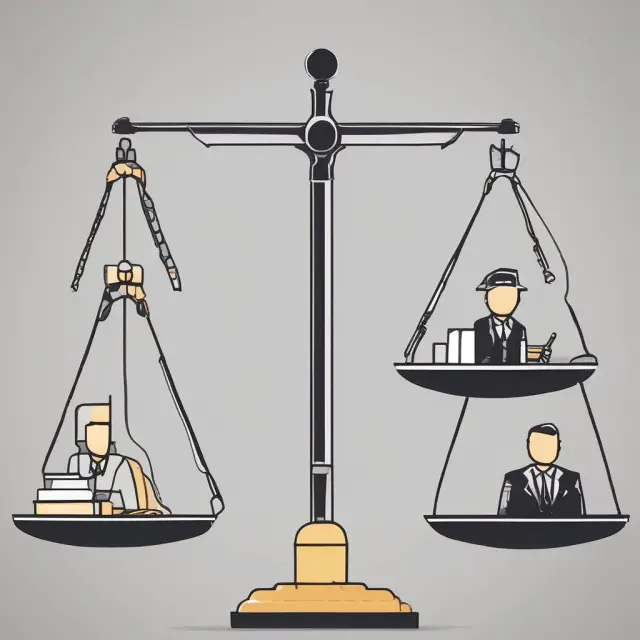
Employer Obligations During Termination
Terminating an employment relationship involves several obligations for both the employer and the employee. In this section, we will discuss the legal framework governing termination of employment, federal and state labor laws, and best practices for employers during the process.
Legal Obligations
Employers must comply with various federal and state labor laws when initiating a termination. These regulations cover minimum wage, overtime, unemployment benefits, workers’ compensation, and final paychecks. Failure to adhere to these requirements can result in costly litigation and potential reputational damage for the organization.
Federal Labor Laws: The Fair Labor Standards Act (FLSA) sets the national minimum wage and regulates overtime for covered employees. Employers must provide final paychecks, including accrued vacation days, within a specific time frame following an employee’s termination or resignation. In some cases, state laws may require more stringent regulations for final payments than federal law.
State Labor Laws: Each state has its labor laws regarding minimum wage, overtime, and other employment conditions that apply to employers operating in their jurisdiction. Familiarizing yourself with these requirements is crucial to ensure compliance and prevent costly litigation. Some states also have specific rules regarding severance pay or unemployment benefits, which can vary significantly from federal guidelines.
Severance Packages: While offering a severance package is not a legal requirement, it may help minimize the potential negative consequences of termination for both parties. Employers may consider providing financial assistance and extended healthcare coverage to support affected employees during their transition into new employment opportunities. Severance packages can also include provisions related to confidentiality, non-compete clauses, and release of claims, among others.
Unemployment Benefits: Eligibility for unemployment benefits varies from state to state, but in general, an employee who is terminated through no fault of their own may be eligible to receive these benefits. The employer must provide the required documentation and cooperate with the relevant state’s unemployment agency during the application process.
Best Practices: Employers should maintain effective communication throughout the termination process. Being transparent about the reasons for the decision, providing timely notice, and following the proper procedures outlined in the employee handbook can help mitigate potential legal risks and minimize negative consequences for all parties involved. By prioritizing clear and respectful communication, employers can demonstrate a commitment to fairness and professionalism during this challenging time.
In conclusion, understanding the obligations of both parties during termination of employment is vital for any organization. Adhering to federal and state labor laws, providing severance packages, cooperating with unemployment agencies, and maintaining effective communication throughout the process are essential best practices for employers looking to manage a termination in an equitable and professional manner. By doing so, organizations can mitigate potential legal risks, preserve their reputation, and support affected employees during this critical transition period.

Impact of Termination on Employees’ Mental Health
The loss of a job can be both financially and emotionally draining for employees. The termination of employment, especially involuntary, can lead to severe psychological consequences. Understanding the emotional stages and available resources for coping with such situations can help individuals navigate this challenging time.
Emotional Stages of Job Loss
The emotional journey following a job loss is often described as having five distinct stages, although it varies from one individual to another:
1. Denial: During the initial stages, the employee may feel shocked and deny that their employment has been terminated. They might believe that they have been given incorrect information or hope that the decision will be reversed.
2. Anger: Anger is a natural response to feeling unfairly treated or betrayed by an employer. The anger can stem from feelings of helplessness, frustration, and injustice.
3. Depression: Following the anger stage, employees often experience deep sadness and depression as they come to terms with their loss. This stage includes feelings of guilt, regret, and a sense of worthlessness.
4. Acceptance: This stage marks the employee’s acceptance of their job loss. They acknowledge that their employment has ended and begin focusing on moving forward.
5. Renewal: The renewal stage is about rebuilding and starting anew. Employees in this phase explore new opportunities, learn from the experience, and gain a fresh perspective on their career goals.
Coping Mechanisms for Employees Facing Termination
1. Acknowledge and Accept the Emotions: Recognizing and accepting the emotions felt during job loss is an essential first step to coping effectively. It may be helpful for employees to seek support from friends, family, or mental health professionals.
2. Create a New Budget: Developing a new budget can help reduce financial stress and ensure that individuals are better prepared for their future employment prospects.
3. Explore Unemployment Benefits: Researching and applying for unemployment benefits is essential to maintain financial stability during the job search process.
4. Networking: Building professional relationships through networking events, LinkedIn, and other platforms can lead to new opportunities and job leads.
5. Skills Development: Upgrading skills or acquiring new ones can make individuals more attractive to potential employers and increase their chances of finding a new job.
6. Maintain a Positive Mindset: Staying positive during the job search process is crucial for maintaining mental and emotional well-being. Engaging in activities that bring joy, such as hobbies or physical activity, can help improve mood and overall outlook.

The Importance of Effective Communication During Termination
Effective communication during the termination process plays a crucial role in maintaining a positive relationship between employers and employees. In a perfect world, the employment tenure would end amicably for both parties, but that is not always the case. Regardless of whether the termination is voluntary or involuntary, clear, respectful communication from the employer can minimize negative repercussions for all involved.
Best Practices for Delivering Termination News
1. Prepare and Plan:
Employers should be well-prepared before delivering the news to the employee. They should have all documentation ready, including any related company policies or employment contracts.
2. Choose an Appropriate Location:
Select a private location where the conversation can take place without interruptions. A quiet conference room or office is usually the best choice.
3. Use Appropriate Body Language and Tone:
Use non-confrontational body language and maintain a calm, professional tone when delivering the news. This will help mitigate any emotional responses from the employee.
4. Be Clear and Concise:
Speak clearly about the reasons for the termination, focusing on facts and avoiding ambiguous statements or personal attacks.
5. Offer Assistance:
Provide resources and assistance to the employee during their transition, such as resume writing help, references, or job search strategies.
6. Provide a Timeline:
Give a clear timeline for when employment will officially end, including information about final paychecks, COBRA health insurance coverage, and unemployment benefits.
7. Be Compassionate:
Employers should acknowledge the emotional impact of termination on their employees, offering compassion and empathy where appropriate.
8. Maintain Confidentiality:
Termination conversations should be kept confidential to protect both parties’ privacy and maintain a professional image for the company.
Examples of Poor Communication Strategies
1. Lack of Preparation:
An unprepared employer may deliver termination news in an emotional state, creating confusion or misunderstanding for the employee.
2. Disrespectful Body Language:
Disrespectful body language, such as crossed arms or a closed-off facial expression, can convey disinterest or hostility towards the employee.
3. Lack of Transparency:
A lack of transparency about reasons for termination can leave the employee feeling uncertain and vulnerable.
4. Providing Misinformation:
Providing misleading information during the termination process can create mistrust and damage the employer’s reputation.
5. Failing to Provide Assistance:
Failing to offer resources or assistance can leave the terminated employee feeling abandoned, which may negatively impact their future employment prospects.
In conclusion, effective communication is crucial during the termination process, regardless of whether it is voluntary or involuntary. By following best practices and avoiding poor strategies, employers can help ensure a smoother transition for both themselves and the terminated employee.
FAQs about Termination of Employment
What exactly is a termination of employment?
Termination refers to the ending of an employee’s relationship with their employer. This can be voluntary, such as when an employee decides to leave for another opportunity, or involuntary, like layoffs and firings.
How does voluntary termination differ from involuntary termination?
Voluntary termination is when an employee leaves a job willingly, while involuntary termination refers to situations where the employer ends the employment relationship, such as through layoffs or firing.
What are some common reasons for voluntary terminations?
Employees may choose to leave their jobs due to new opportunities, retirement, starting a business, or constructive dismissal (unbearable working conditions).
Can an employee be entitled to compensation in a voluntary termination scenario?
Yes, depending on the specific circumstances, such as if the resignation was a result of constructive dismissal or a breach of employment contract.
What happens when employees are involuntarily terminated due to layoffs or downsizing?
Employees may be entitled to COBRA health insurance coverage and unemployment benefits in certain cases.
When is an employer required to provide notice before terminating an employee?
Employers usually follow their company’s policies, employment agreements, or applicable state laws regarding the notice period before termination.
What are some common reasons for involuntary terminations by employers?
Common reasons include poor job performance, misconduct, violation of company policies, and redundancies due to restructuring or economic conditions.
Can an employee be terminated for filing a claim or complaint with HR?
No, employers cannot fire employees for legally protected actions like reporting illegal activity, filing workers’ compensation claims, or requesting accommodations based on disability or family leave.
What is wrongful termination?
Wrongful termination refers to situations where an employer ends an employee’s employment in violation of applicable laws, such as discrimination, retaliation, or breach of contract.
How can employees protect themselves against wrongful termination?
Employees should be familiar with their employment contracts and state laws, maintain detailed records related to their employment, and seek legal advice if they believe they have been wrongfully terminated.
Are employers required to provide severance packages in all cases of termination?
No, severance packages are not mandatory under federal law but may be provided at the employer’s discretion or based on company policies.
 Next entry · No. 4,936Term Life Insurance: A Comprehensive Guide for Professional Investors
See also
-
 No. 4,624
03 Jul 2025
19 min
Understanding Severance Pay: What Is It, Why Offered, and Taxation
Business Finance
No. 4,624
03 Jul 2025
19 min
Understanding Severance Pay: What Is It, Why Offered, and Taxation
Business Finance -
 No. 5,402
05 Sep 2025
20 min
Understanding Value Networks: A Comprehensive Guide for Institutional Investors
Business Strategy
No. 5,402
05 Sep 2025
20 min
Understanding Value Networks: A Comprehensive Guide for Institutional Investors
Business Strategy -
 No. 4,830
20 Jul 2025
21 min
Understanding Synergy in Mergers and Acquisitions: Maximizing Value and Performance
Business Strategy
No. 4,830
20 Jul 2025
21 min
Understanding Synergy in Mergers and Acquisitions: Maximizing Value and Performance
Business Strategy -
 No. 4,688
08 Jul 2025
21 min
Understanding the Power of Social Media for Institutional Investors
Business Strategy
No. 4,688
08 Jul 2025
21 min
Understanding the Power of Social Media for Institutional Investors
Business Strategy -
 No. 3,794
27 Apr 2025
20 min
Understanding Organizational Charts: Depicting a Company’s Hierarchical Structure
Business Strategy
No. 3,794
27 Apr 2025
20 min
Understanding Organizational Charts: Depicting a Company’s Hierarchical Structure
Business Strategy -
 No. 3,575
09 Apr 2025
23 min
Understanding Notice of Termination: What It Is, How It Works and Its Legal Implications
Business Strategy
No. 3,575
09 Apr 2025
23 min
Understanding Notice of Termination: What It Is, How It Works and Its Legal Implications
Business Strategy