Understanding the Labor Force Participation Rate: Key Indicator of Economy’s Workforce
Explore the labor force participation rate - what it is, its importance in economy, factors influencing it and historical trends.
What Is the Labor Force Participation Rate?
The labor force participation rate (LFPR) is a significant economic indicator reflecting the proportion of the civilian labor force, aged 16 and above, who are either employed or actively looking for work. This essential metric is calculated by dividing the number of individuals in the labor force, which includes those employed or seeking employment, by the total civilian non-institutional population (excluding military personnel, inmates, and institutionalized individuals) aged 16 and above. The U.S. Bureau of Labor Statistics publishes monthly LFPR figures, with a range between 62.1% and 62.5% observed during the year ending February 2023 (BLS, 2023).
Understanding the Importance of the Labor Force Participation Rate:
Analyzing employment and unemployment data in conjunction with the LFPR offers valuable insights into an economy’s overall health. The LFPR is a more comprehensive measure compared to the unemployment rate, as it encompasses both employed individuals and those actively searching for work, while excluding institutionalized populations and military personnel. By examining trends in LFPR over time, economic analysts, policymakers, and investors can assess the labor market’s current state and make informed decisions based on the data.
Calculating Labor Force Participation Rate:
The formula for calculating LFPR is as follows: (Number Employed + Number Seeking Work) × 100 / Civilian Non-Institutional Population. The labor force comprises employed individuals and those actively seeking employment, while the civilian non-institutional population represents all members of the population aged 16 and above, excluding military personnel, inmates, and institutionalized individuals (BLS, 2023).
Factors Affecting Labor Force Participation Rate:
The labor force participation rate is influenced by various economic, social, and demographic factors. These factors can cause short- or long-term changes, affecting the overall labor market. Economic factors include business cycles and unemployment rates, while social expectations and education levels represent significant social determinants. Demographic factors such as aging populations and generational shifts also play a crucial role in shaping labor force participation trends (BLS, 2013).
Historical Trends in Labor Force Participation Rate:
The U.S. LFPR has shown fluctuating trends since the 1950s, with long-term increases followed by declines after the 1990s (BLS, 2013). Factors like industrialization, economic policies, and social expectations have contributed to these changes.
Comparing Global Labor Force Participation Rates:
A comparison of labor force participation rates across countries reveals significant differences due to varying socio-economic conditions, demographic factors, and government policies (World Bank, 2023).
Women’s Labor Force Participation Rate:
The trend in women’s labor force participation rate parallels the overall LFPR trends, with notable increases since the post-WWII era and subsequent declines in recent years. Understanding the factors influencing these changes can offer valuable insights into labor market dynamics and the evolving roles of women in the workforce (BLS, 2023).
The Impact of The Great Recession on Labor Force Participation:
The Great Recession led to substantial declines in labor force participation, particularly for younger adults, as many individuals left the workforce due to economic and caregiving considerations. These trends have continued in the post-recession period, with significant implications for institutions, investors, and policymakers (BLS, 2013).
Current State and Future Trends of Labor Force Participation Rate:
As the global population ages and demographic shifts continue to impact labor force participation trends, understanding these changes will be crucial for assessing economic growth, developing policies, and making informed investment decisions. The evolving nature of work, technology, and the gig economy also contribute to shifting labor market dynamics (BLS, 2023).
Frequently Asked Questions on Labor Force Participation Rate:
To help clarify any doubts or misunderstandings, below are answers to frequently asked questions regarding the labor force participation rate (BLS, 2013):
What is included in the calculation of the labor force participation rate?
Answer: The labor force consists of all individuals aged 16 and above who are employed or actively seeking work, excluding military personnel, institutionalized individuals, and those unable to work due to disability or other reasons.
What factors influence labor force participation rate trends?
Answer: Economic conditions (business cycles, unemployment rates), social expectations, education levels, and demographic factors (aging populations, generational shifts) are all influential in shaping labor force participation trends.
How does the labor force participation rate differ from the unemployment rate?
Answer: The labor force participation rate measures the proportion of the labor force that is employed or actively seeking work, while the unemployment rate represents the percentage of the labor force that is unemployed and actively looking for employment.
What has been the historical trend in labor force participation rate?
Answer: The U.S. labor force participation rate has shown long-term increases and declines based on various economic, social, and demographic factors.
How does women’s labor force participation rate compare to men’s?
Answer: Women’s labor force participation rate has historically lagged behind men’s due to social expectations and other factors, but it has been increasing steadily since the post-WWII era.
Importance of the Labor Force Participation Rate
The labor force participation rate is a vital economic indicator that measures the proportion of the working-age population either employed or actively seeking employment. This percentage, which is calculated by dividing the number of people in the labor force (employed plus those seeking employment) by the total civilian non-institutional population aged 16 years and above, provides valuable insights into the health of an economy. The labor force participation rate has fluctuated significantly over the past few decades, with the U.S. rate ranging from a low of 60.2% in April 2020 to a high of 67.3% in April 2000. Understanding the trend and factors influencing the labor force participation rate is essential for investors, policymakers, and institutions seeking insights into the employment landscape.
Analyzing Employment and Unemployment Data Using Labor Force Participation Rate
The labor force participation rate serves as a crucial complement to unemployment data when assessing an economy’s labor market conditions. By considering both the labor force participation rate and unemployment rate together, it is possible to paint a more comprehensive picture of employment trends. While unemployment rates exclude individuals who have stopped searching for work, the labor force participation rate takes into account those who have given up on their job search or retired. As such, it can help identify shifts in the labor market that might not be immediately apparent from focusing solely on unemployment numbers.
Factors Influencing Labor Force Participation Rate
- Economic Factors: Short and long-term economic trends play a significant role in shaping labor force participation rates. The business cycle, including recessions and recoveries, can lead to changes in the percentage of the population seeking employment or withdrawing from the labor force due to discouragement. Government policies aimed at regulating labor markets or providing social benefits can also impact the willingness of individuals to participate in the workforce.
- Social Factors: Changing societal expectations regarding work and family life can influence labor force participation rates, as well. For example, a shift from traditional gender roles could lead to more women participating in the labor force, while an increase in educational attainment levels might delay entry into the workforce until after graduation.
- Demographic Factors: The aging population is one of the most significant demographic factors affecting labor force participation rates. As baby boomers retire and exit the workforce, the rate will decline unless younger generations are able to replace them in the labor market. Generational shifts can also have a substantial impact on labor force trends, as millennials might be more likely to pursue flexible or remote work options that might not always appear in labor force data.
Historical Trends and Comparison with Other Countries
Understanding historical labor force participation rate trends and comparing these figures to other countries can offer valuable insights into the factors driving changes in the labor market. For instance, the U.S. labor force participation rate has experienced a steady decline since its peak in April 2000, falling from 67.3% to 62.5% as of February 2023. This trend is not unique to the U.S., with many developed countries seeing similar declines in their labor force participation rates over the past few decades.
Additional Subtopics
– Women’s Labor Force Participation Rate
– Impact of The Great Recession on Labor Force Participation
– Current State and Future Trends of Labor Force Participation Rate
– FAQs on Labor Force Participation Rate

Formula for Calculating Labor Force Participation Rate
The labor force participation rate is a significant indicator that reflects an economy’s active workforce. To calculate it, we use the following formula: (Number of People Employed + Number of Individuals Actively Seeking Work) / Total Non-Institutionalized Civilian Population. This calculation includes anyone aged 16 or older, considering both those with employment and those actively seeking employment but excluding institutionalized individuals, military personnel, and others not part of the civilian labor force.
Labor Force Participation Rate: A Holistic View on Employment
Understanding the labor force participation rate (LFPR) is crucial when examining economic indicators related to employment and unemployment. The metric measures the proportion of people in an economy that are either employed or actively seeking work, providing valuable insights into the overall health and status of the labor market. By analyzing trends, fluctuations, and underlying factors affecting this rate, we can better comprehend employment dynamics within a particular economy.
Calculating LFPR: The Formula Explained
To calculate labor force participation rate, apply the following formula: (Number of People Employed + Number of Individuals Actively Seeking Work) / Total Non-Institutionalized Civilian Population
This calculation considers individuals aged 16 and above. The total non-institutionalized civilian population includes everyone who falls within this age range and is not institutionalized, such as those living in prisons, nursing homes, or mental health facilities. Institutionalized populations are excluded from the labor force participation rate calculation due to their specific living conditions and employment situations.
Military personnel and other non-civilian individuals, such as students, homemakers, and retirees, also fall outside the scope of this metric.
For instance, in February 2023, the U.S. labor force participation rate was 62.5%. To calculate this figure, we would add up the number of employed individuals during the month and the number of people actively seeking employment, then divide the sum by the total non-institutionalized civilian population.
The Importance of Understanding Labor Force Participation Rate
Labor force participation rate is a critical measure that offers valuable information on an economy’s labor market dynamics. By examining trends in this metric, we can gain insights into the following aspects:
- Employment opportunities and availability
- Workforce composition
- Economic conditions affecting employment decisions
- Demographic shifts within the working-age population
With a solid understanding of labor force participation rate, we can make better-informed judgments about economic trends, evaluate policy impacts, and assess potential implications for investors and financial markets.

Factors Influencing Labor Force Participation Rate
The labor force participation rate is a crucial metric that reflects the percentage of the total working-age population who are either employed or actively seeking employment. This ratio is calculated by dividing the number of people who are in the workforce by the total non-institutionalized, civilian working-age population. In recent years, the U.S. labor force participation rate has fluctuated between 61% and 63%. Several economic, social, and demographic factors have influenced this trend.
Economic Factors:
Business cycles play a significant role in shaping labor force participation. During economic downturns, such as recessions or depressions, the participation rate tends to decline due to high levels of unemployment. People often become discouraged and may give up looking for jobs, reducing their presence in the labor market. Conversely, during economic expansions, the labor force participation rate tends to rise as more people seek employment opportunities.
Additionally, economic policies can influence the labor force participation rate. Labor market regulations, minimum wage laws, and social benefit programs might impact the incentive for individuals to join or remain in the workforce.
Social Factors:
Social expectations and norms also shape labor force participation. For instance, societal pressures might encourage or discourage specific groups from participating in the labor market based on their age, gender, or family status. In some cases, these influences can result in significant generational shifts in labor force participation rates.
For example, as attitudes towards women working outside the home have evolved, the labor force participation rate for women has significantly increased over the decades. Additionally, changing societal expectations regarding retirement age and extended education have impacted labor force participation trends.
Demographic Factors:
The aging population is another crucial factor that can influence labor force participation rates. As demographics shift, the proportion of working-age individuals in the population may change, leading to fluctuations in the overall labor force participation rate.
Moreover, the composition of the workforce can evolve due to shifts in immigration patterns or changes in employment opportunities for various demographic groups. For instance, immigrants have historically contributed significantly to labor market growth during times when native populations were declining.
Understanding these factors and how they interrelate is essential for both policymakers and investors seeking to navigate the ever-changing landscape of labor force participation rates. By analyzing historical trends and current data, it’s possible to glean valuable insights into the economy’s workforce, making informed decisions regarding education, employment opportunities, and long-term planning.
Historical Trends in Labor Force Participation Rate
Long-term trends and changes in the labor force participation rate offer valuable insights into an economy’s workforce composition and overall health. The labor force participation rate (LFPR) measures the proportion of the population aged 16 years old and above, who are either employed or actively seeking employment. This section discusses long-term trends and changes in labor force participation rates from a historical perspective.
The U.S. labor force participation rate has been steadily declining since its peak in April 2000 at 67.3%. The decline can be attributed to various factors, including social, demographic, and economic trends. From 2013 onwards, the monthly figures held steady around 63% before experiencing a significant dip during the COVID-19 pandemic in early 2020. In April 2020, the rate reached its lowest point at 60.2%. As of February 2023, the U.S. labor force participation rate stood at 62.5%.
Trends in Labor Force Participation Rate: Economic Factors
Economic factors significantly impact labor force participation rates. In the long run, industrialization and wealth accumulation can increase or decrease labor force participation. Industrialization tends to create employment opportunities, leading to higher labor force participation. Conversely, high levels of accumulated wealth may reduce labor force participation because wealthy individuals have less need to work for a living. Short-term economic trends, such as business cycles and unemployment rates, also influence the labor force participation rate. During recessions or periods of high unemployment, discouraged workers may leave the labor force, causing a temporary decline in labor force participation.
Economic policies, such as heavy labor market regulation and generous social benefit programs, can also decrease labor force participation. In some countries, these factors have led to significant reductions in labor force participation. For instance, Italy’s labor force participation rate is lower than many other European countries due in part to its complex regulatory framework.
Trends in Labor Force Participation Rate: Social Factors
Social expectations and changes can impact who is available to participate in the workforce. Married women are an example of how social expectations can affect labor force participation. Historically, married men were considered responsible for supporting their families while married women stayed home, leading to a lower labor force participation rate for women. However, as social expectations evolved and more women entered the workforce, labor force participation rates increased.
Changes in education expectations have also influenced labor force participation rates. For example, the expectation that young people should attend college instead of entering the workforce after completing high school can result in a lower labor force participation rate for young adults until their early or mid-twenties.
Trends in Labor Force Participation Rate: Demographic Factors
Demographic changes, particularly those related to aging populations and generational shifts, significantly impact labor force participation rates. As large age cohorts enter retirement age and leave the labor force, the overall labor force participation rate declines. The retirement of baby boomers, who are one of the largest demographic blocks in the population, has been a major contributor to the decline in labor force participation. Smaller generations following the baby boomers will not replace the active, younger workers as they retire.
The Role of Women in Labor Force Participation Trends
The trends in women’s labor force participation largely mirror those for the total population. The women’s labor force participation rate nearly doubled from 32% to 60% between 1948 and 1998. Since then, it has declined slightly to 57.2% as of February 2023.
Impact of the Great Recession on Labor Force Participation
The labor force participation rate experienced a sharp decline during the Great Recession from 2007 to 2009, when unemployment rose from 5% to 10%. In the decade that followed, the labor market recovered, but many workers who had left the workforce never returned to full-time employment. As of February 2023, the labor force participation rate is still recovering from this decline.
The Impact of COVID-19 on Labor Force Participation
The COVID-19 pandemic led to another sharp drop in labor force participation rates in early 2020 when many vulnerable workers were unable or unwilling to remain in face-to-face jobs, and others left their jobs to care for family members. Women left the workforce at higher rates than men due to caregiving expectations. As of February 2023, labor force participation rates are still below pre-pandemic levels, with women’s labor force participation rate remaining lower than that of men.
Global Labor Force Participation Rate Comparison
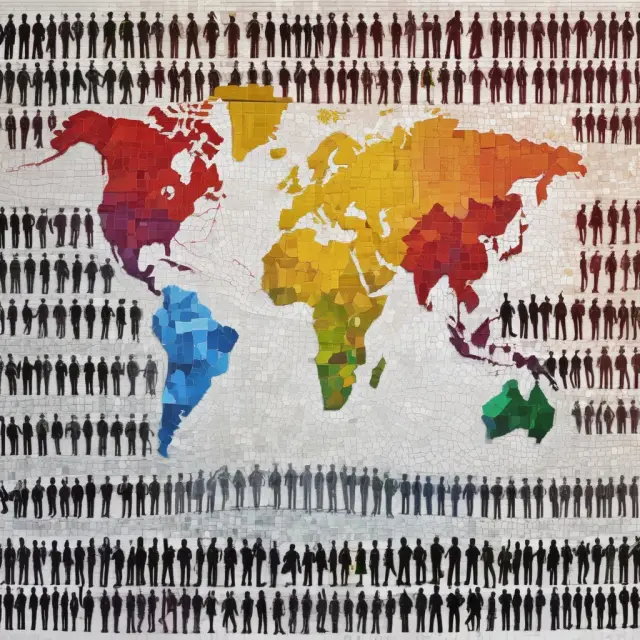
Comparing labor force participation rates across countries can offer valuable insights into various economies’ employment situations and demographic trends. In this section, we’ll explore some differences in global labor force participation rates and the factors shaping these trends.
First, let’s delve into a comparison of labor force participation rates among major countries around the world:
1. United States – The U.S. labor force participation rate was 62.5% as of February 2023. This rate is influenced by factors such as demographics, economic conditions, and social norms. In recent years, aging populations and structural changes in the economy have contributed to a gradual decline in the U.S. labor force participation rate.
2. Japan – Japan has one of the lowest labor force participation rates among developed countries, with an average of 54.6% between 2010-2020. The aging population, long working hours, and cultural norms around retirement are major factors contributing to this trend.
3. Germany – In contrast, Germany boasts a relatively high labor force participation rate of approximately 70%, thanks to a strong focus on education, employment policies, and a well-regulated labor market.
4. China – China’s labor force participation rate has been declining since the late 1990s, largely due to demographic changes as the population ages and transitions from rural areas to urban centers in search of employment opportunities. As of 2020, China’s labor force participation rate stood at approximately 63%, down from a high of over 70% in the late 1990s.
5. India – India’s labor force participation rate is relatively high due to its large workforce and significant agricultural population. However, the rate has also been declining in recent years as the economy transitions towards services and manufacturing sectors, and young people increasingly seek education rather than entering the labor force immediately after graduating from school.
These trends illustrate how economic, social, and demographic factors can shape labor force participation rates worldwide. Countries with robust employment policies, well-regulated labor markets, and a focus on education are more likely to have high labor force participation rates. Conversely, aging populations, long working hours, and cultural norms around retirement and expectations for women’s roles in the workforce can lead to lower labor force participation rates.
Understanding these trends can help investors, policymakers, and economists make informed decisions regarding employment opportunities, economic growth, and potential challenges. Stay tuned as we continue our exploration of labor force participation rate in the next sections.
Women’s Labor Force Participation Rate
The labor force participation rate (LFPR) not only indicates the proportion of the total working-age population who are employed or actively seeking employment but also offers valuable insights into demographic trends and economic conditions. One significant demographic factor influencing LFPR is gender, as women’s labor market participation has historically lagged behind men’s. In this section, we delve deeper into the historical trends, challenges, and progress related to women’s labor force participation rate.
Historical Trends: Women’s labor force participation rate exhibited a steady upward trend since the 1940s. From 32% in 1948 to almost 60% by 1998, this growth signified substantial progress towards gender equality in the workforce (U.S. Bureau of Labor Statistics). However, starting from the late 1990s and continuing through the early 21st century, women’s participation rate stagnated, with only minor gains made since then.
Challenges: Several factors contributed to this stalling progress in women’s labor force participation. One major challenge was the persistence of gender roles and societal expectations that placed significant pressure on women to balance their family responsibilities and caregiving duties with employment opportunities. This led to the phenomenon known as the “Mom Penalty,” where women faced wage penalties when they took time off to care for children or prioritize family commitments (Hegewisch & Neely, 2018).
Another challenge was the prevalence of occupational segregation. Women have historically been concentrated in certain low-paying industries and occupations like education, healthcare, and social assistance, while men dominate high-wage fields such as engineering, computer science, and finance (Cotter & McFarlin, 2018). This gender imbalance in the labor market has contributed to a wage gap between men and women.
Progress: Despite these challenges, progress continues to be made towards improving women’s labor force participation rate. One significant step forward was the passage of the Family and Medical Leave Act (FMLA) in 1993. This legislation allowed eligible employees to take up to 12 weeks of unpaid leave for specific family and medical reasons, including caregiving responsibilities or personal health issues (U.S. Department of Labor). The FMLA provided crucial support for working mothers and helped mitigate the “Mom Penalty” effect.
Another significant factor driving women’s labor force participation has been educational attainment. As more women have pursued higher education, they have entered traditionally male-dominated industries and occupations (Cotter & McFarlin, 2018). This trend has contributed to an increase in women’s wages and a narrowing of the gender wage gap over time.
Implications: Understanding women’s labor force participation rate holds crucial implications for institutions, investors, and policymakers. As demographic shifts continue to occur, businesses and organizations must adapt by implementing policies that attract and retain female talent, particularly in male-dominated industries. Policymakers can also promote gender equality in the labor market through initiatives that address occupational segregation and the wage gap. These steps will not only improve economic opportunities for women but also benefit society as a whole by increasing overall productivity and competitiveness.
In conclusion, women’s labor force participation rate is an essential indicator of economic progress and gender equality. While significant strides have been made in recent decades, there are still challenges that need to be addressed. By continuing to analyze this data and implement policies that promote equal opportunities for all genders, we can ensure a more inclusive and productive workforce for the future.

Impact of The Great Recession on Labor Force Participation
The labor force participation rate was significantly affected by the Great Recession in 2008. This economic downturn brought about an increase in unemployment and a decrease in employment opportunities, leading many individuals to become discouraged and leave the workforce altogether. Consequently, labor force participation rates saw a sharp decline following the recession.
In the months following the recession, the labor force participation rate dropped dramatically. The BLS reported that it plummeted from 65.7% in December 2007 to a low of 60.4% in August 2010. Although the unemployment rate eventually began to decrease, many workers remained out of the workforce for extended periods of time, either due to long-term unemployment or because they became discouraged and gave up their job search entirely.
The labor force participation rate continued to hover around this low point until 2013. However, since then it has stabilized slightly above 63%. Nevertheless, the total decline in labor force participation from pre-recession levels can be attributed mostly to those who left the workforce during and immediately following the recession.
The economic downturn also disproportionately affected certain demographic groups, particularly older workers. The BLS reported that the labor force participation rate for those aged 55 and over declined by almost 4 percentage points from the pre-recession levels to a low of 38.9% in October 2010. Though it has since partially recovered, remaining at 39.6% as of February 2023, this decline can be attributed to both a higher retirement age and a lack of job opportunities for older workers during the recession.
Another factor contributing to the decline in labor force participation following the Great Recession has been long-term unemployment. According to the BLS, those unemployed for 27 weeks or more accounted for 36% of all unemployed individuals during the first quarter of 2014. This trend can be linked back to the recession as many individuals who became unemployed during this time had difficulty finding reemployment and eventually gave up their search.
In conclusion, the Great Recession significantly impacted labor force participation rates in the United States by leading to a decrease in employment opportunities, long-term unemployment, and discouragement among job seekers. These factors, combined with demographic changes, have contributed to the overall decline in labor force participation since 2008. Understanding these trends is essential for institutions, investors, and policymakers as they consider the future of the workforce and the implications it may have on economic growth and productivity.

The Role of Demographics in the Labor Force Participation Rate Decline
The labor force participation rate (LFPR) is a key indicator of an economy’s active workforce. It measures the proportion of the population aged 16 and older who are either employed or actively seeking employment. In recent years, the LFPR has experienced a significant decline in many developed economies. Demographics play a crucial role in this trend, with aging populations and generational shifts being two primary factors contributing to the decrease in labor force participation.
Aging Populations
As populations age, the workforce naturally shrinks as more people retire. In the United States, the retirement of large baby boomer cohorts has led to a substantial decline in LFPR. Baby boomers are the largest demographic group since World War II and began turning 65 in 2011. As they leave the labor force, younger generations fail to replace them, leading to an overall decline in labor force participation.
Generational Shifts
Demographic shifts can also influence LFPR through changes in societal expectations about work and retirement. For instance, recent generations have seen a trend toward extended education and later retirement ages. Students now tend to delay entering the workforce until after they’ve completed their higher education, which pushes labor force entry into their late twenties or even thirties. Additionally, retirement ages have risen as people live longer and seek to maintain their standard of living in their golden years. These factors contribute to a lower overall LFPR, as fewer people are entering the workforce at younger ages while more are leaving it due to retirement.
The Impact on Institutions, Investors, and Policymakers:
A shrinking labor force can have significant implications for institutions, investors, and policymakers alike. For businesses, a smaller labor pool might make talent acquisition more challenging, potentially driving up wages and salaries in an attempt to attract the best candidates. On the other hand, a declining LFPR could also indicate an aging population with less disposable income, affecting consumer spending and demand for goods and services. Investors may need to adjust their portfolios to accommodate these demographic shifts, as industries that cater to older populations (e.g., healthcare, financial services) become increasingly attractive. Policymakers will be faced with challenges related to retirement funding, healthcare, education, and labor market policies that aim to encourage younger generations to join the workforce and maintain a robust economy.
In conclusion, demographics significantly influence the labor force participation rate by contributing to both aging populations and generational shifts. As these trends continue, understanding their impact on the LFPR will be essential for institutions, investors, and policymakers looking to navigate the evolving economic landscape.

Current State and Future Trends of Labor Force Participation Rate
The current state of the labor force participation rate (LFPR) is influenced by multiple factors, which include economic conditions, demographic changes, social expectations, and economic policies. Understanding these trends and their implications for institutions, investors, and policymakers is crucial for assessing the health of an economy.
Since 2013, the U.S. labor force participation rate has remained relatively stable, hovering around 63%. This trend was disrupted by the Great Recession, where the LFPR dropped dramatically from its previous highs, reaching a low of 60.2% in April 2020 due to the COVID-19 pandemic.
Economic Conditions
The labor force participation rate is influenced significantly by economic conditions such as unemployment rates and business cycles. The labor force participation rate tends to decline during an economic downturn, as laid-off workers become discouraged and stop seeking employment. Conversely, the labor market’s recovery can lead to a rise in participation rates.
Demographic Changes
Demographics also play a crucial role in shaping the labor force participation rate. Aging populations and generational shifts have significant impacts on labor force participation trends. The retirement of large age cohorts can result in a decrease in the overall labor force participation rate as these workers exit the workforce. Conversely, changes in social expectations regarding education levels and the role of women in the workforce can increase participation rates.
Social Expectations
Social factors like changing social norms, education levels, and employment opportunities have a significant impact on labor force participation trends. For example, rising educational attainment levels often result in a delay in entering the labor market for young adults. Additionally, societal expectations regarding caregiving responsibilities can disproportionately affect women’s participation rates.
Economic Policies
Government policies can significantly impact labor force participation trends by influencing employment opportunities, education and training programs, and social welfare provisions. For instance, generous unemployment benefits or heavy labor market regulations might reduce the incentive for individuals to seek employment, leading to lower labor force participation rates.
Future Trends
Several factors are expected to shape the future trends in labor force participation, such as demographic shifts, technological advancements, and changing social expectations. The aging population will continue to influence labor force participation due to retirements, while advances in automation could lead to changes in employment patterns. Moreover, changes in societal expectations regarding education and work-life balance may affect the timing of when young adults enter the workforce or re-enter after taking time off for caregiving responsibilities.
Institutions, investors, and policymakers must remain aware of labor force participation trends and their implications on economic stability, growth, and inequality. Understanding these factors can inform investment strategies, policy decisions, and operational approaches to address the challenges and opportunities presented by a changing workforce.
FAQs on the Labor Force Participation Rate
What is the labor force participation rate?
The labor force participation rate (LFPR) refers to the percentage of the total working-age population who are either employed or actively looking for work. It is calculated by dividing the number of individuals in the labor force, which consists of the employed and those seeking employment, by the civilian noninstitutionalized population, defined as all persons aged 16 years and over living in a particular area who are not in institutions such as prisons or nursing homes.
What influences labor force participation?
Several factors influence labor force participation: economic conditions, demographics, education levels, and social norms. Economic factors include unemployment rates, business cycles, and government policies that might provide incentives for individuals to work or not work. Demographic changes, such as aging populations and generational shifts, can also impact labor force participation. Additionally, social expectations, especially regarding women’s roles in the workforce, have influenced participation rates throughout history.
What is the historical trend of labor force participation?
Historically, labor force participation has followed several significant trends:
- Long-term upward trend from 39% to 67.3% between 1940 and 2000, mainly due to women’s increased participation
- Steady decline since 2000, with a notable dip during the Great Recession and later due to COVID-19
- Women’s labor force participation rate nearly doubled from 32% in 1948 to 60% in 1998 but dropped to 57.2% by February 2023
- The male labor force participation rate remained relatively stable over the same period, averaging around 70%-75%
Why is the labor force participation rate important?
The labor force participation rate provides valuable insights into an economy’s employment situation. It not only reflects the current state of employment but also helps in understanding longer-term trends and predicting future workforce needs. The LFPR can impact a wide range of economic indicators, including economic growth, productivity, inflation, and wages.
How does labor force participation differ between countries?
There are notable differences in labor force participation rates among countries, depending on their demographic structures, cultural norms, and economic conditions. Countries with high population aging, such as Japan and Italy, have lower participation rates due to retirees leaving the workforce. Additionally, countries with strong gender equality policies exhibit higher female labor force participation rates than those with more traditional views on women’s roles in society.
What was the impact of the Great Recession on labor force participation?
The 2008 financial crisis and subsequent recession led to a significant decline in labor force participation, particularly among long-term unemployed workers who dropped out of the workforce due to lack of job opportunities or disillusionment with the employment market. The U.S. labor force participation rate fell from 63% in December 2007 to 62.6% in February 2010, and did not recover to pre-recession levels until early 2015.
What role has demographics played in the decline of labor force participation?
Demographic shifts such as aging populations and generational changes have contributed to the decline in labor force participation. The retirement of the baby boomer generation has led to a significant decrease in the overall labor force size, as more individuals exit the workforce due to retirement. Additionally, millennials and Gen Z have lower rates of labor force participation compared to previous generations, which could impact future economic growth.
 Next entry · No. 3,907Understanding Participating Policies: Sharing Profits with Insurance Companies
See also
-
 No. 2,278
24 Dec 2024
33 min
Understanding Hysteresis in Economics: Persistent Economic Effects and Unemployment Rates
Economics
No. 2,278
24 Dec 2024
33 min
Understanding Hysteresis in Economics: Persistent Economic Effects and Unemployment Rates
Economics -
 No. 862
21 Jun 2024
23 min
Understanding Cyclical Unemployment: Causes, Effects, and Examples
Economics
No. 862
21 Jun 2024
23 min
Understanding Cyclical Unemployment: Causes, Effects, and Examples
Economics -
 No. 4,009
14 May 2025
19 min
Understanding Populations and Samples in Finance and Investment
Business Finance
No. 4,009
14 May 2025
19 min
Understanding Populations and Samples in Finance and Investment
Business Finance -
 No. 5,784
07 Oct 2025
18 min
Understanding the Working Class: Defining the Socioeconomic Group and Its Evolution
Economics
No. 5,784
07 Oct 2025
18 min
Understanding the Working Class: Defining the Socioeconomic Group and Its Evolution
Economics -
 No. 5,783
07 Oct 2025
19 min
Understanding the Concept and Impact of Working-Age Population
Economics
No. 5,783
07 Oct 2025
19 min
Understanding the Concept and Impact of Working-Age Population
Economics -
 No. 5,463
11 Sep 2025
23 min
Understanding the Velocity of Money: Measuring the Rate at Which Money Changes Hands in an Economy
Economics
No. 5,463
11 Sep 2025
23 min
Understanding the Velocity of Money: Measuring the Rate at Which Money Changes Hands in an Economy
Economics