Understanding the Law of Diminishing Marginal Utility: Predicting Consumer Behavior for Institutional Investors

Understanding consumer behavior through the law of diminishing marginal utility: Learn how this economic principle informs household budgets, business…
Introduction to Utility and Marginal Utility
Utility is a crucial concept in economics that refers to the satisfaction or happiness an individual derives from consuming a particular good or service. This enjoyment can manifest as physical pleasure or the relief of pain, for instance. In economics, we measure utility on a cardinal scale, enabling us to compare and quantify it among individuals.
Marginal utility is a related concept that builds upon the notion of utility. It represents the incremental increase in utility gained from consuming one additional unit of a good or service. For example, if you enjoy a hot cup of coffee on a cold morning, the marginal utility gained from drinking the second cup would be less than the first since your initial need for warmth has already been met to some extent.
Section Title: Understanding the Concept of Diminishing Marginal Utility
The Law of Diminishing Marginal Utility (LDMU) states that as consumption increases, the marginal utility derived from each additional unit declines. This concept holds significant implications for both individuals and businesses alike when it comes to making rational decisions regarding consumption and resource allocation.
This phenomenon is known as the law of diminishing returns or diminishing marginal utility. It assumes that the consumer’s preferences remain constant, and they make rational decisions about their consumption. As you consume more units of a given product, your satisfaction from each successive unit decreases. The law applies to all goods and services, including necessities like food and water as well as luxuries like electronics or entertainment.
Section Title: Implications for Consumers and Household Budgets
From a consumer’s perspective, the LDMU plays a significant role in determining their household budget. It explains why people diversify their consumption across various goods and services to maintain high utility levels. For example, if an individual enjoys both pizza and hamburgers, they might allocate their budget accordingly to ensure that they can continue experiencing maximum satisfaction from their food choices.
Section Title: The Impact of Diminishing Marginal Utility on Businesses
Businesses must also consider the LDMU when making pricing strategies and workforce management decisions. For example, a company producing chocolate might initially find it profitable to produce and sell more units to maximize revenue. However, as sales increase, the marginal utility gained from each additional unit sold declines, leading to decreased profitability per unit.
Section Title: Examples and Real-world Applications
The LDMU can be observed in various industries and real-life scenarios. For example, consider a person buying multiple tickets for a concert or a movie. The first ticket provides the most satisfaction as it grants entry to the event; subsequent tickets may offer less satisfaction since the individual is already attending the event. Businesses also use this concept when pricing their goods and services. For instance, a company might offer discounts when purchasing multiple items to encourage customers to buy more units while still maintaining a level of utility.
Section Title: Assumptions and Limitations of Diminishing Marginal Utility
However, it’s essential to note that the LDMU operates under specific assumptions, such as constant consumer preferences, rational decision-making, identical goods, and no breaks in consumption. Additionally, there are some limitations to this law. For instance, it may not apply when dealing with very small units or rare items where every unit holds unique value.
Section Title: Further Applications: Portfolio Management and Investing
The LDMU has further applications in portfolio management and investing, helping institutional investors understand consumer behavior and make informed investment decisions based on the principle that people prefer a diversified set of goods over identical ones to maintain high levels of satisfaction or utility.
Section Title: The Role of Diminishing Marginal Utility in Pricing Strategies
Businesses can use the LDMU to price their goods and services effectively by understanding the consumer’s marginal utility and willingness to pay. For example, businesses might initially charge a higher price for the first unit sold to account for the high marginal utility gained from the initial sale, while gradually decreasing prices as more units are sold to attract customers with diminishing marginal utility.
Section Title: Diminishing Marginal Utility in Marketing and Sales Strategies
Marketing and sales strategies can also benefit from understanding the LDMU. For instance, businesses might employ product differentiation to create unique offerings that maintain high levels of consumer satisfaction, ensuring that each additional unit sold provides some utility beyond the previous one. Additionally, promotional pricing can be used to attract customers with diminishing marginal utility by offering discounts on subsequent units purchased.
Section Title: FAQs About Diminishing Marginal Utility
How do you calculate marginal utility?
A. To calculate marginal utility, subtract the total utility before consuming an additional unit from the total utility after consuming that unit. The result represents the marginal utility gained from consuming one extra unit.
What is the difference between utility and marginal utility?
A. Utility refers to the overall satisfaction or happiness derived from consuming a product, whereas marginal utility represents the incremental increase in utility gained from consuming an additional unit.
How does the law of diminishing marginal utility impact consumer behavior?
A. The law of diminishing marginal utility influences consumer behavior by predicting that individuals will experience decreasing satisfaction from each successive unit consumed, leading them to allocate their budgets among various goods and services for maximum utility.
What industries commonly apply the law of diminishing marginal utility?
A. Many industries use the law of diminishing marginal utility to understand consumer behavior and make informed business decisions, including marketing, finance, production, and sales.

Understanding the Concept of Diminishing Marginal Utility
The law of diminishing marginal utility is a fundamental principle in economics that explains how as consumption increases, the additional satisfaction or utility derived from each unit decreases. This concept is vital to understanding consumer behavior and making rational decisions, especially for institutional investors.
At its core, utility refers to the level of satisfaction or happiness an individual derives from consuming a specific product or service. Marginal utility, on the other hand, represents the additional satisfaction gained from each subsequent unit consumed. In the context of diminishing marginal utility, the concept suggests that the more units we consume, the less utility we derive from each additional unit.
For instance, imagine an individual consuming a sandwich, which brings them substantial satisfaction and utility due to their initial hunger. However, if they continue consuming sandwiches, their marginal utility will gradually decrease as their satiety levels increase. Eventually, the additional utility derived from each sandwich may even turn negative, meaning it could bring more harm than good.
The law of diminishing marginal utility has several implications for consumers and businesses alike. For consumers, understanding this concept can help them make informed decisions regarding household budgets, ensuring they derive maximum satisfaction from their spending while minimizing unnecessary expenses.
Businesses, meanwhile, can use this principle to inform various strategies such as pricing, workforce management, marketing, and sales tactics. By recognizing the diminishing marginal utility of goods or services, businesses can tailor their offerings to cater to consumer preferences and optimize their revenue generation.
Examples illustrating real-world applications of diminishing marginal utility can be found in various industries and scenarios. For instance, a company may decide to diversify its product line to avoid the law’s negative implications or price goods strategically based on consumers’ decreasing marginal utilities as they consume more units.
Despite its significance, it is important to note that the law of diminishing marginal utility carries certain assumptions and limitations. For example, the goods being consumed should be identical, the units should be consumed quickly without extended breaks, and there should be no changes in prices or consumer tastes.
Moreover, understanding the implications of diminishing marginal utility can inform portfolio management decisions for institutional investors. By recognizing the relationship between utility, marginal utility, and consumption patterns, investors can make informed decisions about which securities to buy or sell to maximize their returns while minimizing risk.
In conclusion, the law of diminishing marginal utility is an essential concept in finance and investment, with far-reaching implications for consumer behavior, business strategies, and portfolio management. By understanding this principle and its applications, investors can make more informed decisions that lead to increased satisfaction and long-term financial success.

Implications for Consumers and Household Budgets
Understanding how consumers make rational decisions in their household budgets based on diminishing marginal utility is crucial for businesses seeking to attract customers. The law of diminishing marginal utility implies that as the quantity of a product consumed increases, the utility derived from each additional unit decreases. For instance, imagine a consumer purchasing sandwiches. They gain the highest level of satisfaction from their first sandwich due to hunger. However, after consuming several more sandwiches, they derive less enjoyment and utility from each subsequent sandwich. This pattern can help consumers make rational decisions when managing their budgets.
Consumers allocate their resources efficiently by prioritizing the items with the highest marginal utility first. They focus on obtaining goods that provide the most satisfaction or utility for their limited budget. Once those needs are met, they allocate remaining funds to items with lower marginal utility but still provide some level of utility. By doing so, consumers maintain a balance between essential and non-essential purchases while ensuring maximum satisfaction from their expenditures.
However, it’s important to note that consumer behavior is not always rational or consistent due to various factors such as emotions, impulses, or changing preferences. These variables can lead to deviations from the law of diminishing marginal utility, making consumer decisions less predictable and more complex for businesses trying to cater to their needs effectively.
The law also has significant implications for businesses seeking to optimize pricing strategies, workforce management, and product offerings. By understanding the concept of diminishing marginal utility, businesses can create marketing, sales, and promotional strategies tailored to consumers’ preferences while ensuring that they maximize profitability and maintain customer satisfaction.
For instance, companies might consider tiered pricing models where prices decrease as customers purchase more units. This strategy appeals to consumers’ decreasing marginal utility by providing them with increasingly attractive price points for each additional unit purchased. Alternatively, businesses can use product diversification to cater to consumers seeking new sources of satisfaction and utility.
In summary, understanding how the law of diminishing marginal utility impacts consumer decisions in household budgets is a crucial concept for both consumers and businesses. It provides insights into rational consumer behavior while highlighting opportunities for businesses to optimize their offerings and pricing strategies. By embracing this fundamental economic principle, stakeholders can work together to create a mutually beneficial ecosystem that prioritizes satisfaction, efficiency, and long-term growth.
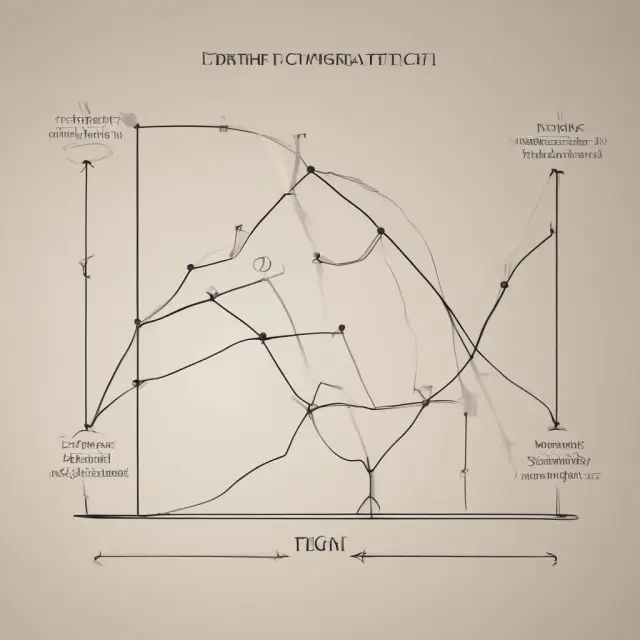
The Impact of Diminishing Marginal Utility on Businesses
The Law of Diminish Marginal Utility (LDMU) is a fundamental economic concept that has significant implications for businesses, particularly in pricing strategies and workforce management. According to the LDMU, as consumption increases, the marginal utility derived from each additional unit decreases. This section explores the practical applications of the law in business contexts.
Businesses often rely on the LDMU to understand consumer behavior and optimize their offerings. By recognizing that consumers derive less satisfaction from each additional unit consumed, businesses can develop pricing strategies that align with these preferences. For instance, a company may price its products to reflect the diminishing utility consumers experience as they consume more units. This approach not only caters to consumer preferences but also allows businesses to maximize revenue and profitability.
Moreover, workforce management is another area where the LDMU plays an essential role. Companies can optimize their hiring practices by considering marginal utility when assessing the need for new hires. Hiring additional staff may not always lead to a proportional increase in productivity or positive outcomes. Instead, businesses often experience diminishing returns, as each additional employee contributes less to overall performance than the previous one. This concept is known as diminishing returns to scale (DRS).
To illustrate this idea, consider a company producing widgets with two workers: one skilled worker and one unskilled worker. The skilled worker can produce 120 widgets per day, whereas the unskilled worker can only manage 80 widgets per day. By hiring an additional unskilled worker, the total output increases from 200 widgets to 320 widgets daily. However, the marginal productivity of the second unskilled worker is lower than that of the first, as the company’s resources are spread thinly between more workers.
In terms of pricing strategies, businesses can use the LDMU to structure their offerings effectively. For example, a business selling coffee might price its products according to the diminishing marginal utility consumers experience when consuming additional cups. It may offer discounts for buying multiple cups at once to cater to consumers who would otherwise pay for each cup separately but derive less utility from subsequent cups. This strategy can lead to increased customer satisfaction and revenue growth.
Moreover, the LDMU influences businesses’ marketing and sales strategies. Product differentiation and promotional pricing are common tactics that companies use to address the law of diminishing marginal utility. By offering various products or services, businesses cater to consumers with diverse preferences and needs. Additionally, discounts, coupons, and loyalty programs can be used to incentivize customers to purchase more units, thereby capitalizing on their diminishing marginal utility.
In conclusion, understanding the law of diminishing marginal utility is crucial for businesses looking to optimize their pricing strategies, workforce management, product offerings, and marketing initiatives. By recognizing that consumers derive less satisfaction from each additional unit consumed, businesses can effectively cater to consumer preferences, maximize revenue growth, and improve overall efficiency.

Examples and Real-world Applications
The law of diminishing marginal utility is an essential concept in economics that plays a significant role in understanding consumer behavior. By illustrating this concept through real-life applications across various industries, we can gain a deeper understanding of its significance and impact on both consumers and businesses. Let’s explore some examples that highlight the importance of diminishing marginal utility.
First, let’s consider the example of purchasing food items, like pizza slices or sandwiches. Suppose you walk into your favorite pizzeria, famished and ready for a delicious meal. As you sit down and look at the menu, the first slice of pizza catches your eye – its aroma alone is enough to make your stomach growl with anticipation. The marginal utility derived from that first slice is particularly high. After devouring it, however, the second slice provides less satisfaction since you’re no longer as hungry. This pattern continues as the marginal utility of each subsequent slice diminishes until you reach a point where consuming another slice results in negative utility (i.e., displeasure). This phenomenon is not exclusive to pizza – it applies to various food items, drinks, or even consumer goods like electronics or clothing.
In the context of businesses, understanding the law of diminishing marginal utility can help them optimize their pricing strategies and production levels based on consumer demand. For instance, a company might offer discounts for purchasing multiple units of a product to incentivize customers to buy more than they initially intended. The goal is to maintain a balance between the cost of producing each additional unit and the revenue generated from selling it. By understanding the diminishing marginal utility that consumers experience when buying in larger quantities, businesses can price their products effectively and remain competitive within their industry.
Moreover, the law of diminishing marginal utility plays a crucial role in marketing and sales strategies, particularly for firms operating in saturated markets. For example, if a company introduces a new product that faces significant competition from similar offerings, it may struggle to attract customers willing to pay a premium price for its product. In such cases, offering complementary products or services or employing promotional pricing (e.g., buy-one-get-one-free deals) can help businesses increase their overall revenue by tapping into the diminishing marginal utility of consumers’ consumption patterns.
A popular example of utilizing diminishing marginal utility in marketing comes from Coca-Cola and its iconic “Share a Coke” campaign, where customers could personalize Coke bottles with their names or those of loved ones. This campaign aimed to create a positive emotional connection between the consumers and the product, increasing the marginal utility derived from each bottle consumed. By appealing to the human desire for personalization and social connections, Coca-Cola successfully tapped into the law of diminishing marginal utility and generated substantial sales growth.
In conclusion, the law of diminishing marginal utility is a fundamental concept in economics that plays a crucial role in understanding consumer behavior, pricing strategies, and overall market dynamics. By examining its real-world applications across various industries and scenarios, we can gain valuable insights into how businesses can optimize their operations to cater to consumers’ evolving preferences and maximize revenue growth.

Assumptions and Limitations of Diminishing Marginal Utility
The Law of Diminishing Marginal Utility (LDMU) is a fundamental concept in microeconomics that predicts how consumers respond to an increase in consumption of a product or service. The law assumes that the marginal utility derived from each additional unit declines as consumption increases. However, it’s crucial to understand the assumptions and limitations of this principle when applying it to real-world situations.
Assumptions of LDMU
- Identical goods: The assumption is that all units being consumed are identical. In reality, consumers can value different qualities or characteristics of products.
- Quick consumption: Consumption occurs without long breaks between units. However, some goods may be consumed over extended periods or in installments.
- No substitutes: There are no substitute goods available. Nevertheless, consumers often have options and can switch to alternatives.
- Rationality: The consumer makes rational decisions about consumption based on their preferences and budget constraints. However, irrational behavior and biases influence decision-making processes.
- Measurable units: Units of consumption are easily measurable, while some goods like love or happiness are intangible and cannot be measured.
- No externalities: The law assumes no external effects on utility from other people’s consumption, but externalities can exist in various forms (positive or negative).
- Constant tastes: Consumer preferences remain constant over time, which may not always be the case due to changing trends and tastes.
Limitations of LDMU
- Non-consumption goods: The law does not apply to non-consumption goods like art, experiences, or knowledge, as their utility does not decrease with use or consumption.
- Infinite consumption: The assumption that marginal utility decreases indefinitely as consumption increases is not always the case. Some goods may provide increasing marginal utility beyond a certain point (e.g., education or exercise).
- Irrational behavior: Consumers do not always act rationally, and their decisions can be influenced by various factors, including emotions, social pressures, and addiction.
- Incomplete markets: The law assumes perfect competition, but in reality, there are often imperfect markets where consumers face asymmetric information or lack choices (e.g., monopolies).
- Limited resources: Consumers cannot consume an infinite amount of goods due to budget constraints. Thus, the marginal utility they receive from consuming another unit might not be diminishing but rather constrained by their limited resources.
In conclusion, while the Law of Diminishing Marginal Utility provides essential insights into consumer behavior and decision-making processes, it is important to consider its assumptions and limitations when applying it to real-world situations. By understanding these nuances, investors and businesses can make more informed decisions about pricing strategies, resource allocation, and marketing efforts.

Further Applications: Portfolio Management and Investing
Understanding the Law of Diminishing Marginal Utility is crucial for institutional investors because it helps them make more informed decisions about portfolio management. In investment terms, utility can be interpreted as the return on investment or satisfaction gained from a particular asset or security. The concept of diminishing marginal utility applies to investing in various ways, especially when considering risk versus reward and diversification.
First, let’s explore how understanding the law of diminishing marginal utility can help investors better manage their portfolio risk. As an investor adds more units (assets) to their portfolio, they may find that each additional asset provides less overall return on investment (utility). For example, consider a well-diversified portfolio consisting of various stocks, bonds, and real estate investments. Each asset class offers unique benefits and risks, providing different levels of utility or return on investment.
However, as the investor continues to add more assets that have already provided strong returns, they may find that the marginal utility (return) gained from these additional assets declines significantly. This diminishing marginal utility is an essential factor to consider when managing risk in a portfolio. By understanding this concept, investors can avoid overexposure to specific asset classes and maintain a well-diversified portfolio, ensuring they are not sacrificing potential returns for unnecessary risk.
Now let’s discuss the role of diminishing marginal utility in optimizing investment diversification. As an investor adds more assets or securities to their portfolio, they may find that each additional asset offers less incremental benefit due to the law of diminishing marginal utility. However, this doesn’t mean that the investor should limit themselves to just a few assets. Instead, they should aim for a balance between maximizing returns and minimizing risk through diversification.
By adding various asset classes with different correlations, an investor can effectively spread out their portfolio risk while still maintaining strong returns. This strategy helps investors capitalize on the positive utility generated by each asset class while mitigating the impact of diminishing marginal utility from any single investment.
Moreover, understanding the concept of diminishing marginal utility is crucial when it comes to rebalancing a portfolio. As an investor adds or sells assets to maintain their desired asset allocation, they must consider the marginal utility gained or lost with each transaction. For example, selling an asset that has provided strong returns may result in negative marginal utility, as the investor would be sacrificing future potential returns for cash or other assets offering lower utility.
In conclusion, understanding the law of diminishing marginal utility is a powerful tool for institutional investors, allowing them to make more informed decisions about portfolio management and optimization. By applying this concept to their investment strategies, investors can better manage risk, optimize diversification, and rebalance their portfolios effectively.

The Role of Diminishing Marginal Utility in Pricing Strategies
Understanding the Law of Diminishing Marginal Utility’s Impact on Businesses’ Pricing Strategies
The concept of utility, which refers to satisfaction or happiness gained from consuming a good or service, is a fundamental principle in economics. The law of diminishing marginal utility holds significance for both consumers and businesses, particularly regarding pricing strategies. This section will delve deeper into the role of the law of diminishing marginal utility when it comes to how businesses price their goods and services effectively.
Businesses rely on understanding consumer behavior to thrive in a competitive marketplace, making the law of diminishing marginal utility a crucial concept for pricing strategies. This economic principle asserts that the marginal utility, or additional pleasure or satisfaction derived from each extra unit of consumption, declines as more units are consumed (Luenberger, 2019).
To illustrate the role of diminishing marginal utility in pricing strategies, let’s explore its connection to consumer behavior and the concept of decreasing prices. As the utility of a product diminishes as consumption increases, consumers become willing to pay smaller amounts for more of that product (Luenberger, 2019).
Imagine a consumer purchasing a vacuum cleaner for $100. They may initially be willing to pay a high price for this first unit, as they have a significant need and derive substantial utility from it. However, if the same consumer considers buying a second vacuum cleaner at the same price, they might not perceive as much value in the additional product (Luenberger, 2019). In this situation, the consumer may be willing to pay a significantly lower price for the second unit due to the diminishing marginal utility.
This dynamic can lead businesses to adjust their pricing strategies accordingly. For instance, a company might adopt tiered pricing structures, where they offer discounts on bulk purchases. This strategy incentivizes consumers to buy more units while ensuring that the business is maximizing revenue and profit (Luenberger, 2019).
The law of diminishing marginal utility also influences businesses’ decisions regarding their product offerings. By understanding consumers’ utility levels and willingness to pay for various quantities, businesses can optimize their pricing strategies and target segments with different price sensitivities (Luenberger, 2019). For example, a company might offer high-priced, premium versions of its products to cater to consumers who place a higher value on the additional features or benefits. On the other hand, they could also sell lower-priced alternatives for those who are less sensitive to price changes (Luenberger, 2019).
To summarize, the law of diminishing marginal utility plays a pivotal role in shaping businesses’ pricing strategies by revealing insights into consumer behavior and preferences. By recognizing that consumers’ utility levels decrease as they consume more units, businesses can tailor their offerings to maximize revenue while catering to various price sensitivities.
References:
Luenberger, R. G. (2019). Microeconomics: Principles, Problems, and Policy Applications. Pearson Education.

Diminishing Marginal Utility in Marketing and Sales Strategies
The concept of Diminishing Marginal Utility plays a significant role in both marketing and sales strategies, as it highlights the fact that the utility consumers derive from consuming additional units of a product decreases with each increment. This understanding can aid businesses in various aspects of their operations, including pricing, advertising, and product development.
Understanding how Diminishing Marginal Utility impacts consumer behavior is crucial for businesses seeking to optimize their marketing and sales strategies. By taking advantage of this concept, companies can tailor their offerings and messaging to better align with customers’ preferences and maximize revenue.
For example, a business may use promotional pricing to target consumers when they are experiencing high utility from the product, as this is typically when they are more likely to make a purchase. Additionally, understanding Diminishing Marginal Utility can inform decisions regarding product differentiation. By offering various options at different price points or with unique features, businesses can cater to customers seeking increased utility and satisfaction from their purchases.
Product bundling is another popular marketing strategy that leverages the principles of Diminishing Marginal Utility. By packaging complementary items together and offering them as a bundle, businesses can provide additional value to consumers while increasing overall sales revenue. For instance, a company may sell a laptop and a keyboard as a bundle at a discounted price, making it an attractive offer for customers seeking both products.
Another application of Diminishing Marginal Utility in marketing and sales is the implementation of loyalty programs and subscription services. These strategies enable businesses to build long-term relationships with their customers by offering incentives that cater to their increasing preference for additional units or benefits over time. This, in turn, can help prevent churn and encourage repeat purchases.
Moreover, Diminishing Marginal Utility also plays a role in the way consumers perceive the value of goods and services. As consumers become accustomed to using certain products or services, their utility from each additional unit decreases. This is why businesses often employ advertising campaigns that emphasize the unique features or benefits of their offerings, as well as the potential consequences of not using their product – such as missing out on valuable opportunities or falling behind competitors.
In conclusion, the law of Diminishing Marginal Utility serves as a powerful tool for both marketing and sales strategies by highlighting the relationship between consumer preferences, utility, and purchasing behavior. By understanding this concept and its implications, businesses can develop more effective pricing, advertising, product development, and customer retention strategies that cater to the dynamic nature of consumer preferences.

FAQs About Diminishing Marginal Utility
What is the Law of Diminishing Marginal Utility? The law of diminishing marginal utility (LDMU) states that as consumption increases, the marginal utility derived from each additional unit declines. It’s an economic principle explaining how individuals derive greater pleasure or satisfaction from consuming more units of a good up to a point and then less pleasure from each subsequent unit consumed.
What is the definition of utility in economics? In economics, utility refers to the happiness, satisfaction, or benefit derived from consuming a product or service. The concept can be applied on both individual and societal levels to measure consumer preferences and economic behavior.
How does the LDMU affect consumption patterns? The LDMU principle shapes our consumption patterns by showing that as we consume more units of a product, the additional utility derived from each unit decreases. For instance, imagine buying slices of pizza. The first slice provides significant utility due to hunger and satisfaction. However, subsequent slices provide less pleasure as our appetite wanes.
Why is the LDMU important for businesses? Understanding the LDMU is crucial for businesses because it helps in:
- Pricing strategies: By setting prices based on the diminishing marginal utility, businesses can maximize revenue and profit by catering to consumers’ willingness to pay for various quantities of a good or service.
- Workforce management: The LDMU concept also plays an essential role in optimizing workforce allocation based on labor productivity and resource utilization.
- Understanding consumer behavior: By analyzing the LDMU, businesses can gain insights into consumers’ preferences and make informed decisions about marketing, sales, and product offerings to meet their needs effectively.
What are some limitations of the LDMU? The LDMU has certain assumptions that may not always hold in real-world situations:
- Consumption rate: The principle assumes constant consumption rates, which might not be realistic for various goods or services.
- Substitute goods: The LDMU only considers one good at a time and does not account for the presence of substitute goods that can influence consumer preferences.
- Consumer behavior: The LDMU relies on rational consumer behavior and might not accurately predict irrational or impulsive buying patterns.
- Measurability: It is challenging to measure utility objectively, as it is based on subjective individual experiences.
- External factors: The LDMU does not consider external influences that can significantly impact the marginal utility of a good, such as social factors or psychological effects.
 Next entry · No. 2,779Understanding the Law of Large Numbers: Its Significance in Finance and Statistics
See also
-
 No. 3,072
26 Feb 2025
19 min
Understanding Marginal Benefit: Maximizing Consumer and Business Value
Business Strategy
No. 3,072
26 Feb 2025
19 min
Understanding Marginal Benefit: Maximizing Consumer and Business Value
Business Strategy -
 No. 1,657
18 Oct 2024
27 min
The Four Ps of Marketing: Product, Price, Place, and Promotion
Business Strategy
No. 1,657
18 Oct 2024
27 min
The Four Ps of Marketing: Product, Price, Place, and Promotion
Business Strategy -
 No. 1,249
19 Aug 2024
18 min
Understanding Elasticity: An Economic Measure of Consumer Response to Price Changes
Business Strategy
No. 1,249
19 Aug 2024
18 min
Understanding Elasticity: An Economic Measure of Consumer Response to Price Changes
Business Strategy -
 No. 3,108
01 Mar 2025
19 min
Understanding the Role and Importance of Market Indexes for Institutional Investors
Business Finance
No. 3,108
01 Mar 2025
19 min
Understanding the Role and Importance of Market Indexes for Institutional Investors
Business Finance -
 No. 2,919
14 Feb 2025
21 min
Understanding Liquidity: Measuring Market and Accounting Liquidity for Institutional Investors
Business Finance
No. 2,919
14 Feb 2025
21 min
Understanding Liquidity: Measuring Market and Accounting Liquidity for Institutional Investors
Business Finance -
 No. 1,925
25 Nov 2024
20 min
Gross Exposure in Investment: Understanding Total Risk and Amplified Returns for Institutional Investors
Business Finance
No. 1,925
25 Nov 2024
20 min
Gross Exposure in Investment: Understanding Total Risk and Amplified Returns for Institutional Investors
Business Finance