Understanding the MSCI EAFE Index: A Guide for Institutional Investors

Explore the intricacies of the MSCI EAFE Index - its composition, historical performance, benefits, and role in institutional investing.
Introduction to the MSCI EAFE Index
The MSCI EAFE Index is a renowned stock market benchmark that represents developed market equities outside of North America. Introduced by Morgan Stanley Capital International (MSCI) in 1986, this index has become an essential tool for institutional investors and asset managers seeking to evaluate the performance of international stocks. The EAFE acronym stands for Europe, Australasia, and Far East—regions where the index focuses on companies from economically advanced countries.
The MSCI EAFE Index is not only a significant performance benchmark but also an essential component in assessing the effectiveness of fund managers and investment strategies. In this section, we will delve deeper into the background, importance, and definition of this influential index, providing you with valuable insights on why it holds such significance within the realm of global equity investing.
Background:
Morgan Stanley Capital International launched the EAFE Index in 1986 to track the performance of non-U.S. and non-Canadian stocks from developed markets. The index was designed as a performance benchmark for investors seeking international investment exposure beyond North America, thereby catering to an increasing globalized economy and expanding investor pools.
Importance:
The importance of the MSCI EAFE Index lies in its comprehensive coverage of developed markets outside of North America. Its inclusion of 795 stocks from 21 countries provides a well-diversified investment opportunity for both institutional and retail investors. The index’s performance serves as a valuable benchmark, allowing investors to compare their portfolio returns against the broader market and assess potential underperformance or outperformance.
Definition:
The MSCI EAFE Index is a market-capitalization weighted equity index that comprises companies from 21 developed markets within Europe, Australasia, and the Far East. Market capitalization refers to the total value of all outstanding shares multiplied by their current market price. By following this methodology, the index reflects the economic significance of countries and industries within the regions it covers.
Stay tuned for further exploration of the MSCI EAFE Index in upcoming sections, where we will discuss its constituents, historical performance, benefits, usage as a benchmark, and comparisons with other indices like ACWI and FTSE All-World.
Composition of the MSCI EAFE Index: Countries and Sectors
The MSCI EAFE Index is a renowned global equity benchmark that covers developed markets in Europe, Australasia, and the Far East (EAFE). Launched by Morgan Stanley Capital International (MSCI) in 1986, this index offers asset managers and institutional investors insights into non-US stock market performance. The following discussion sheds light on the composition of the MSCI EAFE Index, focusing specifically on its countries and sectors.
Countries and weights:
The 21 countries featured in the MSCI EAFE Index span various regions like Europe, Australasia, and East Asia. Israel, which was added to the index in May 2010, is a notable addition as it was classified by MSCI as a developed country. The table below lists these countries and their corresponding weightage within the index:
MSCI EAFE Index Countries Europe Pacific Middle East Austria Germany Australia Israel Belgium Ireland Spain Hong Kong Denmark Italy Sweden Japan Finland Netherlands Switzerland Singapore France Norway United Kingdom New Zealand
As of February 2023, Japan held the largest allocation in the MSCI EAFE Index at 21.22%, while the United Kingdom accounted for 15.33%. The remaining top countries and their respective percentages include France (12.41%), Switzerland (9.84%), and Germany (8.49%).
Sectors and weights:
The MSCI EAFE Index comprises various sectors that represent the economies of its constituent countries. The sector allocation is shown below:
MSCI EAFE Index Sectors Financials 19.19% Industrials 15.34% Health Care 12.73% Consumer Discretionary 11.67% Consumer Staples 10.07% Information Technology 8.08% Materials 7.7% Energy 4.9% Communication Services 4.45% Utilities 3.32% Real Estate 2.55%
Financials, which include companies in the banking, insurance, and real estate sectors, are the largest sector with a weight of 19.19%. Industrials and Information Technology follow closely at 15.34% and 8.08%, respectively. Health Care is another major sector, representing approximately 12.73% of the index.
The MSCI EAFE Index offers investors exposure to a broad range of countries and sectors, diversifying their international portfolio and potentially reducing overall risk. For asset managers, this benchmark provides an essential performance standard against which they can measure their strategies’ success.
Historical Performance of the MSCI EAFE Index
Since its inception in 1986, the MSCI EAFE Index has been a vital benchmark for international equity markets. This broad market index covers mid- and large-cap stocks in developed countries across Europe, Australasia, and the Far East (EAFE). In this section, we will analyze the historical performance of the MSCI EAFE Index, comparing it with other indices to provide a better understanding of its merits.
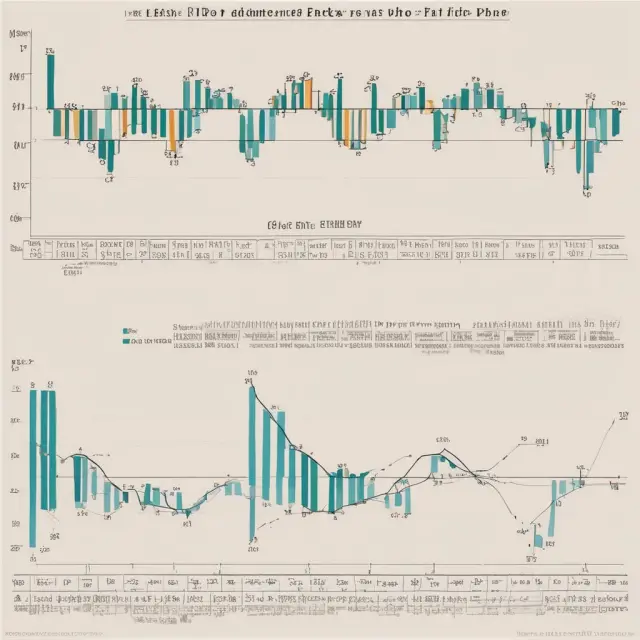
Performance Comparison: The MSCI EAFE Index has displayed relatively consistent growth over the last three decades. Figure 1 illustrates the index’s annual returns since 2000, highlighting several significant periods in its history, including the dot-com bubble burst, the global financial crisis, and the subsequent bull market.
Figure 1: MSCI EAFE Index Annual Returns (%)
As shown in the chart, the MSCI EAFE Index experienced a significant decline during the tech bubble burst in 2000-2002 (-35.6%), followed by a sharp recovery and subsequent growth until the global financial crisis in 2008 (-49.1%). After a volatile period following the crisis, the index began to recover, with strong gains between 2009 and 2022.
Comparing the MSCI EAFE Index with other global equity indices reveals some interesting insights. For example, the MSCI ACWI (All Country World Index), which represents the performance of global markets, had a lower return than the MSCI EAFE Index from 2000 to 2014 (-5.6% vs. 7.9%). However, this trend reversed after 2014, with the MSCI ACWI outperforming the MSCI EAFE Index by approximately 3 percentage points from 2015 onwards. This difference can be attributed to the strong performance of emerging markets during this period (Figure 2).
Figure 2: MSCI EAFE vs. MSCI ACWI Annual Returns (%)
Comparing the MSCI EAFE Index with major equity indices in developed economies, such as the S&P 500 and FTSE 100, further highlights its historical performance (Figure 3). Between 2000 and 2022, the S&P 500 had an annual return of 6.9%, while the FTSE 100 posted a higher annual return at 8.5%. However, these differences are relatively small compared to those between the MSCI EAFE Index and other global indices like MSCI ACWI.
Understanding the historical performance of the MSCI EAFE Index is crucial for investors and asset managers seeking to diversify their portfolios beyond U.S. or domestic markets. By analyzing its long-term performance, one can gain insights into the potential risks and returns associated with international developed market equities.
In the next section, we will discuss the benefits and drawbacks of investing in the MSCI EAFE Index for institutional investors.

Benefits and Drawbacks of Investing in the MSCI EAFE Index
For institutional investors, understanding the benefits and drawbacks of investing in the MSCI EAFE Index is crucial for asset allocation decisions. The following section discusses these advantages and disadvantages, which are particularly important for passive investments through ETFs or mutual funds designed to mimic its performance.
Advantages:
- Diversification: With over 700 companies from 21 developed countries in the EAFE Index, investing in it offers a well-diversified international portfolio for investors looking beyond their home markets. This diversification can potentially reduce overall risk and volatility.
- Lower costs: Since these investments are passive and track the performance of the index, they typically come with lower management fees compared to actively managed funds.
- Less Volatility: The developed nature of the countries included in the EAFE Index means that the index itself, as well as associated investment vehicles, tend to experience less volatility than other international indices with a focus on developing or emerging markets.
- Convenience: Investing in an ETF or mutual fund that tracks the MSCI EAFE Index offers investors a simple and convenient way to access international developed equity markets without needing to pick individual stocks themselves.
- Potential for long-term growth: With the inclusion of established companies across various sectors in developed markets, investors may achieve potential long-term capital appreciation.
Disadvantages:
- Limited country exposure: The EAFE Index excludes emerging and developing countries like China, India, Brazil, and Russia, potentially limiting potential returns from these rapidly growing economies.
- Less growth potential: As the index is focused on developed markets, it may not offer as much growth potential as indices with a wider geographic scope or those including emerging markets.
- Market capitalization bias: Since the EAFE Index is market-capitalization weighted, larger companies in countries like Japan and the United Kingdom have a more significant impact on the index’s composition and performance, potentially limiting diversification for investors.
Institutional investors and asset managers use the MSCI EAFE Index as a benchmark to gauge performance against their portfolios. It provides a standardized and widely-followed measure of international developed equity market performance, making it an essential tool for comparison and analysis.

How to Use the MSCI EAFE Index as a Benchmark
The MSCI EAFE Index is widely used as a benchmark for institutional investors seeking exposure to developed international equity markets. Investors and asset managers rely on the EAFE Index to evaluate the performance of their investments, establish diversification strategies, and construct well-balanced portfolios. In this section, we’ll discuss the various applications, advantages, and potential drawbacks of using the MSCI EAFE Index as a benchmark.
Institutional Applications:
Institutional investors use the MSCI EAFE Index for several purposes, including:
1. Performance measurement: By comparing the performance of their investment vehicles against the EAFE Index, institutional investors can assess whether they are achieving their objectives and delivering value to clients. This is an essential aspect of portfolio management, as it enables managers to optimize their strategies based on market conditions and client expectations.
2. Diversification: The MSCI EAFE Index covers a wide range of countries and sectors, making it an effective tool for institutional investors seeking diversification beyond their domestic markets. By investing in equities that represent different economies and industries, portfolio managers can mitigate the risks associated with holding a concentrated or unbalanced portfolio.
3. Asset allocation: The MSCI EAFE Index provides a framework for constructing asset allocations based on investor risk tolerance and investment objectives. For instance, institutional investors may allocate a portion of their portfolios to developed international equities as part of a broader global asset allocation strategy.
Usage as a Performance Measure:
Institutional investors often use the MSCI EAFE Index to measure the performance of their investment strategies relative to the overall market. This allows them to:
1. Evaluate active managers: By comparing the returns of actively managed funds to the EAFE Index, institutional investors can determine whether an active manager is delivering value by outperforming or underperforming the benchmark. If an active manager consistently fails to meet or exceed the index’s performance, it may be worth considering alternative investment options.
2. Monitor passive strategies: Institutional investors who use exchange-traded funds (ETFs) or index mutual funds that track the MSCI EAFE Index can easily assess the effectiveness of their passive investments by comparing their returns to the benchmark. This information helps investors ensure they are meeting their desired investment objectives and maintaining appropriate diversification levels.
Advantages and Drawbacks:
Using the MSCI EAFE Index as a benchmark comes with several advantages, including:
1. Diversification: The EAFE Index covers 21 developed countries across Europe, Australasia, and the Far East (East Asia), making it an ideal tool for investors seeking international diversification. By investing in a broad range of developed markets, portfolio managers can spread risk across multiple geographies and industries, potentially reducing overall volatility.
2. Lower costs: Passively managed ETFs and index mutual funds designed to track the MSCI EAFE Index offer lower expense ratios compared to actively managed counterparts. This cost advantage makes it easier for institutional investors to build a diversified international equity portfolio at a reasonable price.
3. Transparency: The MSCI EAFE Index is transparent, as its methodology and constituents are publicly available. This transparency enables institutional investors to understand the underlying composition of their benchmark index and make informed investment decisions based on market conditions and economic trends.
However, using the MSCI EAFE Index as a benchmark also has some potential drawbacks:
1. Limited country exposure: The EAFE Index excludes emerging markets such as China, India, Brazil, and Russia from its coverage, which could limit an institutional investor’s potential for returns in these rapidly developing economies.
2. Less growth potential: By focusing on developed countries, the MSCI EAFE Index may not provide sufficient exposure to high-growth markets and companies, potentially limiting an investor’s long-term return potential.
3. Country concentration risk: The EAFE Index has a significant allocation to Japan (21.22% as of February 2023), which could lead to country concentration risk if the Japanese market underperforms or experiences significant volatility. This risk can be mitigated by implementing a diversified portfolio strategy that includes other developed and emerging markets.
In conclusion, the MSCI EAFE Index is an essential tool for institutional investors seeking exposure to developed international equity markets. By using this benchmark as a performance measure, establishing diversification strategies, and constructing well-balanced portfolios, institutional investors can effectively manage risk, optimize returns, and meet their clients’ investment objectives. However, it is essential to be aware of the potential drawbacks and limitations associated with the EAFE Index and consider alternative benchmarks or asset classes to maintain a well-diversified portfolio.

Constituents of the MSCI EAFE Index: Top Countries and Companies
The MSCI EAFE Index, a widely used benchmark for international equities, encompasses 21 countries across Europe, Australasia, and the Far East. To provide context to potential investors, this section will delve into the top constituent countries and their representative companies.
Starting with country allocations, Japan holds the largest weighting within the MSCI EAFE Index, amounting to approximately 21.22%. This can be attributed to the substantial market capitalization of Japanese companies, making them a significant influence on the index’s overall performance. The United Kingdom comes in second place with an allocation of 15.33%, followed closely by France (12.41%), Switzerland (9.84%), and Germany (8.49%). Together, these five countries account for over half the index’s total value.
Now let’s explore some of the top companies in the MSCI EAFE Index:
1) Nestlé (Switzerland): A global leader in nutrition, health, and wellness, this consumer goods conglomerate holds a 2.07% weighting within the index. With operations spanning over 86 countries, Nestlé’s diverse offerings include infant formula, bottled water, coffee, and various food products.
2) ASML Holding N.V. (Netherlands): This leading global provider of photolithography equipment for the semiconductor industry holds a 1.67% weight within the index. Their technology plays a crucial role in enabling miniaturization in the production of integrated circuits, which are essential components of modern electronic devices.
3) Novo Nordisk (Denmark): A global healthcare company focusing on diabetes care, this organization represents a 1.56% allocation in the MSCI EAFE Index. Its broad portfolio includes insulins, glucose testing systems, and other diabetes treatments that have improved the lives of millions worldwide.
4) LVMH Moet Hennessy (France): With a weighting of 1.54% within the index, this luxury goods company is well-known for its prestigious brands in fashion, perfumes, cosmetics, watches, and spirits. Its acquisitions have expanded into new markets and product categories, increasing the global reach and appeal of their luxurious offerings.
These are just a few examples of the influential companies that make up the MSCI EAFE Index. By understanding these constituents, investors can gain a better perspective on the diversity and potential opportunities within the index.

The Role of the MSCI EAFE Index in an Institutional Investor’s Portfolio
Understanding the significance of the MSCI EAFE Index is crucial for institutional investors seeking to expand their investment horizons beyond their domestic markets. As a benchmark for international developed market equities, this index offers several advantages and disadvantages that can influence asset allocation decisions and investment strategies. In this section, we will discuss the importance of the MSCI EAFE Index in an institutional investor’s portfolio, its implications for asset allocation, and potential pitfalls to consider.
The MSCI EAFE Index serves as a valuable performance benchmark for international equity markets. It covers mid- and large-cap stocks across 21 countries in Europe, Australasia, and the Far East (EAFE), providing diversification opportunities beyond domestic borders. This diversification can help institutional investors manage risk more effectively and potentially increase returns.
Asset Allocation Implications
When constructing a well-diversified portfolio, asset allocation is a critical consideration for institutional investors. By including the MSCI EAFE Index in their portfolios, investors can achieve exposure to various international developed markets with a single investment. This approach can offer several benefits, such as:
- Lower volatility: The performance of the MSCI EAFE Index is generally less volatile than other international indices due to its focus on developed countries. By diversifying into this index, institutional investors may experience reduced portfolio volatility and potential risk mitigation.
- Reduced home country bias: By investing in international developed markets through the MSCI EAFE Index, institutional investors can minimize their home-country bias and potentially uncover new investment opportunities with attractive returns.
- Improved overall diversification: Including the MSCI EAFE Index in a portfolio allows for greater diversification across multiple regions, sectors, and companies, which may lead to more consistent returns over time.
- Access to global leaders: The MSCI EAFE Index includes some of the largest and most influential companies from Europe, Australasia, and East Asia. By investing in this index, institutional investors can gain exposure to these corporate giants and potentially benefit from their growth prospects.
However, it is important for investors to recognize that there are also potential pitfalls associated with investing in the MSCI EAFE Index. Some of the disadvantages include:
- Limited country exposure: While the MSCI EAFE Index offers exposure to 21 developed countries, it excludes emerging markets such as China, India, Brazil, and Russia. Institutional investors seeking to expand their reach beyond developed markets should consider supplementing their investments in the MSCI EAFE Index with other global equity indices or targeted investment vehicles that focus on emerging economies.
- Potential for lower growth: The MSCI EAFE Index consists mainly of large- and mid-cap companies from developed countries, which may limit potential returns compared to smaller, high-growth opportunities in emerging markets. Institutional investors should consider a balanced approach, incorporating both developed and emerging markets into their portfolios to optimize growth potential while managing risk.
- Currency risks: Investing in international equities, including those included in the MSCI EAFE Index, introduces currency risks. Institutional investors must be prepared to manage the impact of exchange rate fluctuations on their overall portfolio performance. One strategy to mitigate this risk is through careful asset allocation and hedging strategies that account for potential currency movements.
- Market cap bias: The MSCI EAFE Index’s market-capitalization weighting can result in overexposure to the largest companies within each country, potentially limiting returns from smaller companies with significant growth potential. Institutional investors may need to consider alternative investment strategies or funds that provide more balanced exposure to various market capitalizations and sectors.
In conclusion, the MSCI EAFE Index is an essential component of a well-diversified institutional investor’s portfolio. By offering exposure to international developed markets with reduced volatility, potential risk mitigation, and access to global leaders, it can provide valuable benefits for long-term investment success. However, investors must be aware of the potential pitfalls associated with this index, such as limited country exposure, lower growth potential, currency risks, and market cap bias. A balanced approach that incorporates both developed and emerging markets, along with careful asset allocation and risk management strategies, can help institutional investors maximize returns while minimizing risk.

Comparison of the MSCI EAFE and ACWI Indices
MSCI’s EAFE (Europe, Australasia, and Far East) Index and the All Country World Index (ACWI) are two prominent international equity indices used by institutional investors. Both indices serve as benchmarks for assessing the performance of international stocks. However, their compositions, investment objectives, and coverage vary significantly. This article provides a detailed comparison between MSCI EAFE and ACWI, including their constituents, methodologies, differences in composition, and applications.
The MSCI EAFE Index was introduced in 1986 and covers large- and mid-cap securities across developed markets in Europe, Australasia, and the Far East. In contrast, the MSCI ACWI Index was launched in 2005 and tracks stocks from both developed and emerging markets worldwide.
The primary differences between these indices lie in their geographical coverage and investment universe. While the MSCI EAFE Index covers 21 countries (Australasia being a combination of Australia and New Zealand), the ACWI Index includes securities from 47 countries, including both developed and emerging markets. This expanded coverage makes the ACWI Index more diversified in terms of geography and market exposure.
Another significant difference between these indices is their sector allocations. The MSCI EAFE Index has a heavier weighting towards European countries, with the United Kingdom, France, and Germany being the most heavily represented. In contrast, the ACWI Index covers a broader range of sectors across all regions. This sector diversification can be beneficial to investors seeking exposure to various industries and economies.
Regarding constituents, the MSCI EAFE Index has 1,343 securities, while the ACWI Index includes approximately 6,900 securities. As a result, the ACWI Index offers more diversification opportunities for investors and potentially higher returns due to its larger investment universe.
Institutional investors can use both indices in various ways. The MSCI EAFE Index is suitable for those who seek exposure to developed international markets and want to diversify beyond their home market. Meanwhile, the ACWI Index is more appealing to investors looking for broader global diversification and higher returns through emerging markets’ inclusion.
In conclusion, MSCI EAFE and ACWI are essential benchmarks for assessing the performance of international equities. While both indices have similar objectives as performance benchmarks, their significant differences in composition, coverage, and sector allocation make them appealing to various investors depending on their investment objectives and risk tolerance levels. Investors should consider these differences carefully when selecting an index or investing in funds that track these indices.

MSCI EAFE Index vs. Other Global Equity Indices
When considering investing in international markets, it is essential for institutional investors to understand various equity indices that serve as benchmarks for tracking the performance of global stocks. Among these indices, the MSCI EAFE (Europe, Australasia, and Far East) Index stands out. However, it’s important to compare this index with other popular global equity indices, like FTSE All-World, S&P 500, and Russell 1000, to gain a comprehensive understanding of their differences and similarities.
FTSE All-World Index: The FTSE All-World Index is a market-capitalization weighted index that covers approximately 98% of the world’s investable market capitalization, making it an extensive benchmark for global equity performance. It includes developed and emerging markets and consists of over 3,500 companies from 47 countries. One notable difference between MSCI EAFE and FTSE All-World is that the latter covers a larger number of countries and includes emerging markets, which can offer more growth potential but also come with higher volatility compared to developed markets represented in the EAFE Index.
S&P 500 Index: The S&P 500 is a market-capitalization weighted index comprised of 500 large companies listed on the NYSE or NASDAQ in the United States. While it provides an excellent representation of U.S. equities, it doesn’t cover international markets directly. Asset managers can compare the performance of their portfolios against MSCI EAFE instead to evaluate international developed market exposure.
Russell 1000 Index: The Russell 1000 is a U.S. equity index, consisting of the largest 1,000 stocks in the Russell 3000 Index, which represents approximately 92% of the total market capitalization of the Russell 3000 Index. Similar to the S&P 500, it serves as a benchmark for U.S. equity performance but does not provide direct exposure to international markets like the MSCI EAFE Index.
Comparing these indices highlights several factors that set MSCI EAFE apart:
- Geographical coverage: MSCI EAFE covers 21 developed countries in Europe, Australasia, and the Far East, while FTSE All-World offers a broader scope, including emerging markets as well. S&P 500 and Russell 1000 are strictly focused on U.S. equities.
- Diversification: MSCI EAFE provides more diversification opportunities by allowing investors to invest in companies from various developed economies across different regions.
- Risk profiles: While the MSCI EAFE Index offers a potentially lower risk profile compared to indices with emerging market exposure, such as FTSE All-World, it may still provide more growth potential than U.S.-focused indices like S&P 500 and Russell 1000.
When making investment decisions, institutional investors should carefully evaluate the performance of various global equity indices against their specific goals and risk tolerance levels. By comparing MSCI EAFE to other indices like FTSE All-World, S&P 500, and Russell 1000, they can better understand the role each index plays in their asset allocation strategy.

FAQ: Frequently Asked Questions About the MSCI EAFE Index
The MSCI EAFE (Europe, Australasia, and Far East) Index is a well-known equity index maintained by Morgan Stanley Capital International (MSCI). It provides institutional investors with a comprehensive view of international developed markets. In this section, we answer some frequently asked questions about the MSCI EAFE Index to help you better understand its significance.
**What Is the MSCI EAFE Index?**
The MSCI EAFE Index represents the performance of large- and mid-cap stocks in 21 developed markets outside the United States and Canada. These countries include Europe, Australia, New Zealand, and the Far East (Asia). The index is designed to track the equity market performance in these regions and serves as a benchmark for institutional investors seeking exposure to international equities.
**Which Exchanges Are Included in the MSCI EAFE Index?**
The MSCI EAFE Index covers companies listed on major exchanges from the following countries: Austria, Belgium, Denmark, Finland, France, Germany, Hong Kong, Ireland, Israel, Italy, Japan, the Netherlands, New Zealand, Norway, Portugal, Singapore, Spain, Sweden, Switzerland, and the United Kingdom.
**What Comprises the MSCI EAFE Index?**
The MSCI EAFE Index is a market-capitalization-weighted index, meaning that the constituents are weighted based on their market capitalization. As of March 2023, the sectors with the highest representation include Financials (19.7%), Industrials (15.4%), and Health Care (12.8%). The top countries in terms of allocation include Japan (22.3%) and the United Kingdom (15.6%).
**What Are the Advantages of Investing in the MSCI EAFE Index?**
Investing in the MSCI EAFE Index offers several benefits, such as diversification, exposure to developed markets, potential lower volatility, and a large and liquid investment universe. Additionally, many investors use it as a benchmark for measuring the performance of international equity portfolios.
**What Are the Disadvantages of Investing in the MSCI EAFE Index?**
While the MSCI EAFE Index offers several advantages, there are also some potential disadvantages to consider. These include limited exposure to emerging markets and smaller countries, potentially lower growth opportunities compared to other indices, and a focus on developed markets that may not be suitable for all investors.
**What Are Some Alternatives to the MSCI EAFE Index?**
Alternatives to the MSCI EAFE Index include other global equity indices like the FTSE All-World Index, S&P 500, and Russell 1000. These indices offer different geographic coverage, sector allocations, and investment styles that cater to various investor preferences and objectives.
By addressing these frequently asked questions about the MSCI EAFE Index, we aim to provide you with a clearer understanding of this widely used equity benchmark. If you have any additional questions or require further clarification on specific topics related to international equities or investing in general, please don’t hesitate to ask.
 Next entry · No. 1,165Understanding the Role and Impact of Early Adopters in Finance and Investment
See also
-
 No. 4,490
22 Jun 2025
22 min
Rethinking Portfolio Allocation with Risk Parity: Advanced Investment Strategies for Institutional and Professional Investors
Business Finance
No. 4,490
22 Jun 2025
22 min
Rethinking Portfolio Allocation with Risk Parity: Advanced Investment Strategies for Institutional and Professional Investors
Business Finance -
 No. 2,997
20 Feb 2025
23 min
Long-Term Growth (LTG) Investment Strategy: Understanding the Long Game for Institutional and Professional Investors
Business Finance
No. 2,997
20 Feb 2025
23 min
Long-Term Growth (LTG) Investment Strategy: Understanding the Long Game for Institutional and Professional Investors
Business Finance -
 No. 1,098
27 Jul 2024
20 min
Understanding the Dow Jones Industrial Average (DJIA): A Comprehensive Guide for Institutional Investors
Business Finance
No. 1,098
27 Jul 2024
20 min
Understanding the Dow Jones Industrial Average (DJIA): A Comprehensive Guide for Institutional Investors
Business Finance -
 No. 1,227
15 Aug 2024
20 min
Understanding Economic Indicators: A Comprehensive Guide for Institutional Investors
Finance Policy
No. 1,227
15 Aug 2024
20 min
Understanding Economic Indicators: A Comprehensive Guide for Institutional Investors
Finance Policy -
 No. 262
07 Apr 2024
23 min
Understanding Attribution Analysis: A Comprehensive Guide for Institutional Investors
Investments
No. 262
07 Apr 2024
23 min
Understanding Attribution Analysis: A Comprehensive Guide for Institutional Investors
Investments -
 No. 5,830
11 Oct 2025
19 min
X-Efficiency: Understanding the Concept and Its Significance for Institutional Investors
Business Finance
No. 5,830
11 Oct 2025
19 min
X-Efficiency: Understanding the Concept and Its Significance for Institutional Investors
Business Finance