Understanding the Norwegian Krone: History, Value, and Impact on Norway’s Economy

Explore the history, design, and impact of Norway's currency, the Norwegian Krone. Understand its economic significance, compared currencies, and potential…
Introduction to the Norwegian Krone
The Norwegian krone (NOK) is Norway’s official currency, governed by its central bank, Norges Bank. The history of this currency dates back to 1875 when it replaced the speciedaler. Its code is “NOK,” and its symbol is “kr.” The krone is subdivided into 100 øre. Banknotes come in denominations of 50, 100, 200, 500, and 1,000 kroner. Coins include values of 1, 5, 10, and 20 krone. The newest banknote series features Norwegian maritime history on the front and abstract sea and wind designs on the back.
History and Symbolism of the Norwegian Krone
The Norwegian krone first entered circulation in 1875 as a replacement for the speciedaler, with a conversion rate of four kroner for one speciedaler. Norway joined the Scandinavian Monetary Union until World War I. During this period, the krone was on the gold standard until 1931 when it was pegged to the British pound. The currency shifted among different pegs following the war, including the U.S. dollar and gold, before finally free floating in the market. In 1992, the Norges Bank abandoned the fixed exchange rate in favor of a floating exchange rate based on foreign currencies.
The krone’s symbol, “kr,” is derived from its name, which means ‘the crown.’ The design of the Norwegian banknotes and coins highlights various aspects of Norway’s rich history. The images on the notes feature themes like maritime history, while their abstract back designs display elements such as wind, water, and waves.
Economic Impact of the Norwegian Krone
The Norwegian economy is considered stable with a high living standard. Its GDP is driven by industries such as shipping, hydroelectric power generation, fishing, and manufacturing. Norway is one of the world’s wealthiest countries due to its oil reserves and strategic position in Europe. The krone’s value can fluctuate due to economic trends, like changes in crude oil prices and euro uncertainty, making it an attractive investment for some investors.
Comparing the Norwegian Krone to Other Currencies
The Norwegian krone shares similarities with other Scandinavian currencies: the Danish krone (DKK) and Swedish krona (SEK). The NOK is worth 9% more than the SEK. When it comes to investing, understanding the differences between these currencies can help investors make informed decisions based on their investment goals and risk tolerance.
In conclusion, the Norwegian krone plays a vital role in Norway’s economy, with its value impacted by various economic factors both at home and abroad. Its rich history is reflected in the design of its banknotes and coins. By understanding the unique aspects of this currency, investors can make informed decisions when considering potential investments in the NOK or other currencies.
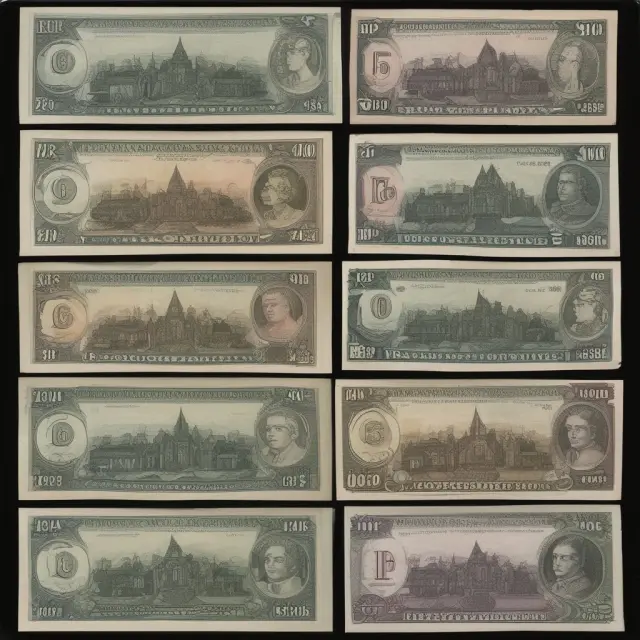
The Design of the Norwegian Banknotes and Coins
The Norwegian krone (NOK) is a currency that exudes both beauty and functionality. Its design showcases various aspects of Norway’s rich history and culture. Let us explore the images on banknotes, their denominations, and the coins’ specifications.
Banknote Design: A Sneak Peek into Norwegian History
The designs on each Norwegian krone banknote reflect various periods in Norway’s maritime history. The front of each note features an image representing a significant part of the country’s past, while the back displays an abstract sea and wind pattern inspired by the country’s natural beauty. This captivating combination ensures that every banknote is not only a medium of exchange but also a piece of art.
For instance, the 50-krone note showcases the Utvær Lighthouse on its front side, representing Norway’s long maritime tradition and resilience against harsh elements. The back design consists of an abstract interpretation of the light signal from the lighthouse and the constellation Ursa Major.
Coins: A Tribute to Norwegian History and Culture
The coins in circulation feature symbols that represent Norway’s diverse heritage. They come in denominations of 1, 5, 10, and 20 krone. The obverse side of each coin carries a common design—a portrait of King Harald V, who has been the reigning monarch since 1991. However, the reverse side varies depending on the denomination:
– The 1 krone coin bears the image of a traditional wooden fishing boat called a “fiskebåt.” It symbolizes Norway’s deep connection to the sea and its fishing industry.
– The 5 krone coin features an elk, which is Norway’s largest land animal. It is also known as the European moose or wapiti.
– The 10 krone coin displays a stylized representation of the sun crossing the horizon. This design symbolizes the country’s long summer days and the midnight sun during summer solstice.
– The 20 krone coin features an image of the Mølla lighthouse, which sits at the entrance to Oslofjord, Norway’s capital city. It is a significant landmark that has guided sailors since its construction in 1844.
Stay tuned for more captivating insights on the Norwegian krone! In our next section, we dive into the history of the currency and how it has shaped Norway’s economy over the years.

History of the Norwegian Krone: From Speciedaler to Today’s Floating Currency
The Norwegian krone (NOK), officially introduced in 1875, has seen a rich history that reflects the country’s economic evolution and strategic alliances. Replacing the speciedaler, the krone initially joined the Scandinavian Monetary Union and was pegged to gold until the start of World War I. The Norwegian Krone’s value was stable on the gold standard until 1931 when it was pegged to the British pound. During World War II, Norway’s currency was pegged to the Reichsmark due to occupation but was eventually linked to the US dollar in 1940. After the war, it remained pegged to the British pound until 1939, when the krone finally floated freely from 1971 to 1992.
The timeline of the Norwegian Krone’s history is as follows:
1875 – Introduction of the Norwegian Krone and replacement of the speciedaler
1875 – Norway joins the Scandinavian Monetary Union
1931 – Pegged to gold standard
1939 – Occupation forces peg the krone to the Reichsmark
1940 – Pegged to British pound after liberation
1971 – Freely floats in the market for seven years
1992 – Moves away from fixed exchange rate and floats based on foreign currency exchange rates
Throughout its history, the Norwegian Krone’s value has been influenced by various factors. Economic trends, oil prices, and political events have all played a role in shaping its worth. As an essential exporting nation for crude oil, Norway’s economy is sensitive to fluctuations in global oil prices. This volatility affects the NOK’s value, making it a valuable asset for investors seeking to hedge against risk.
The Norwegian Krone’s economic significance and stability stem from Norway’s robust industries such as shipping, hydroelectric power, fishing, and manufacturing. These sectors contribute significantly to its gross domestic product (GDP), making the krone an attractive investment option for those seeking a stable currency with strong potential returns. Norway is among Europe’s wealthiest countries, enjoying a high standard of living, with a well-educated population and a diversified economy that is not overly reliant on any single industry.
Investors and economists often compare the Norwegian Krone to other currencies like the Danish Krone (DKK) and Swedish Krona (SEK). While all three share similarities, the differences in their relative values provide opportunities for strategic investment decisions based on market analysis and trends. Understanding the unique characteristics of each currency is crucial for maximizing returns while minimizing risk.
The Norwegian Krone’s rich history and significance to Norway’s economy make it an intriguing subject for further study. As a prudent investment option, the krone offers stability, strong returns, and potential protection against economic downturns in other markets. Its value is influenced by various factors, including global oil prices, political events, and exchange rates, making it an essential currency to monitor for those seeking to navigate the complex world of international finance and investment.
Economic Impact on the NOK’s Value: Crude Oil Prices and European Union Membership
The Norwegian Krone (NOK) is a crucial part of Norway’s economy, significantly influenced by global crude oil prices and its relationship with the European Union. The NOK serves as the official currency of Norway, and its value plays an essential role in the country’s exports, imports, and overall economic health.
Norway is the leading oil exporter in Western Europe, making its economy heavily reliant on crude oil prices. As a result, fluctuations in global oil prices directly impact the NOK’s value against major currencies like the US dollar (USD) or the euro (EUR). When oil prices rise, the demand for the Norwegian Krone increases due to Norway’s export-driven economy. Conversely, a decline in crude oil prices can lead to a depreciation of the NOK against other currencies.
Another significant factor that influences the NOK is its relationship with the European Union (EU). Although Norway is not an EU member state, it has joined the European Economic Area (EEA) and the European Free Trade Association (EFTA). The EEA agreement ensures the free movement of goods, services, capital, and people between Norway and EU countries. This close economic bond also impacts the NOK’s value against the euro, as any changes in the Eurozone’s economy can indirectly affect Norway.
Despite its reliance on crude oil and the EU, Norway has maintained a stable economy with one of the highest standards of living worldwide. With a high-income economy and a slow population growth rate, the country boasts an impressive GDP growth rate and a low inflation deflator.
It’s important to note that while the Norwegian Krone offers relative stability as a currency, investing in it carries risks just like any other investment. In making investment decisions, individual investors should consider their objectives, risk tolerance, and financial circumstances before deciding whether the NOK is right for them. As with all investments, it’s crucial to understand that there’s a possibility of losing principal.
Understanding the Norwegian Krone’s relationship with crude oil prices and the EU can provide valuable insights into the currency’s value, offering a better perspective on its role in Norway’s economy.
The Stable Economy and High Living Standards Backed by the Norwegian Krone
Norway’s impressive economic performance is closely linked to its official currency, the Norwegian krone (NOK). This stable currency plays a significant role in maintaining Norway’s high living standards and strong economy. The country boasts a wealth ranking among the highest globally, with a gross domestic product (GDP) of $437 billion as of 2021.
Norway’s industries include shipping, hydroelectric power, fishing, and manufacturing, and many are state-owned, providing stability to the economy. According to the World Bank, Norway has a high-income economy with slow population growth at 0.5% annually. In 2021, GDP growth stood at 3.9%, while the inflation deflator was 16.9%.
The Norwegian krone’s (NOK) value is affected by various factors such as economic trends and changes in global crude oil prices. The country is Western Europe’s leading oil exporter, so shifts in petroleum markets can significantly impact the NOK’s worth. Additionally, Norway’s economy benefits from being a prudent investment due to its stability.
As of August 2022, one U.S. dollar is equivalent to approximately 9.77 Norwegian kroner (NOK). This stable currency enables Norwegians to enjoy a high standard of living, with an average monthly salary of 50,800 NOK in 2021 ($5,178 USD). The Norwegian economy is a safe haven for investors because it has a solid foundation in various industries and maintains stability despite occasional domestic troubles.
The Norwegian krone (NOK) is often compared to other currencies like the Danish Krone (DKK) or Swedish Krona (SEK). The NOK’s value is 9% more significant than the Swedish Krona. A well-known indicator of a currency’s purchasing power is The Economist’s “Big Mac Index.” According to the index, Norway ranks second on the list for having the most expensive Big Mac at an average cost of 62 krone ($5.15 USD).
The Norwegian economy remains one of Europe’s most stable, with a strong currency and a high standard of living. The NOK plays a crucial role in this achievement.

Comparing the Norwegian Krone to Other Currencies: The U.S. Dollar, Danish Krone, and Swedish Krona
When discussing the value and exchange rate of the Norwegian krone (NOK), it’s essential to compare it with other currencies, particularly those in Europe such as the Danish Krone (DKK) and the Swedish Krona (SEK). Understanding these relationships can provide valuable insights into the strengths and weaknesses of each currency.
The Norwegian krone is one of three Scandinavian currencies, with Denmark’s DKK and Sweden’s SEK being the other two. These neighboring countries share close economic ties, but their currencies differ significantly in value due to various factors. Let’s examine the similarities and differences between these currencies.
Firstly, it is crucial to note that one Norwegian krone (NOK) is equivalent to roughly 0.10 US dollars as of August 2022. However, when comparing NOK to DKK or SEK, the Norwegian krone has a stronger value. Specifically, it’s worth about 9% more than the Swedish Krona.
Now let’s discuss the historical background and economic factors contributing to these differences in value. All three currencies were historically linked through the Scandinavian Monetary Union (SMU), a currency union between Denmark, Norway, Sweden, and Iceland that existed from 1873 to 1924. During this period, all countries used the same coins for their respective currencies, with slight differences in their designs.
Following the dissolution of the SMU, Norway, Denmark, and Sweden adopted floating exchange rates, allowing their currencies to fluctuate based on market forces. Although these economies share numerous similarities—such as strong manufacturing industries, advanced welfare systems, and high living standards—their currencies have diverged significantly in value due to unique factors specific to each country.
Norway’s economy is heavily reliant on its vast natural resources, particularly oil. As a result, its currency is sensitive to changes in global crude oil prices, which can substantially impact the NOK’s exchange rate against other currencies like the US dollar and the euro. In contrast, Denmark and Sweden have more diversified economies with various industries, including technology, manufacturing, and services.
As of August 2022, one U.S. dollar is equal to approximately 9.77 Norwegian kroner. This exchange rate reflects a stronger US dollar compared to the NOK, which can influence international trade between Norway and the United States as well as cross-border investments. However, this relationship is not static, and exchange rates can change frequently based on economic conditions and other market factors.
In conclusion, understanding how the Norwegian krone compares to other currencies like the Danish Krone and Swedish Krona provides valuable insights into their respective strengths and weaknesses. This knowledge can help investors, travelers, and businesses make informed decisions when dealing with these currencies in various contexts.

Is the Norwegian Krone a Safe Haven or a Good Investment?
The Norwegian krone (NOK) has long been known as a stable currency within Europe and is often considered a safe-haven asset for investors due to its strong economy, high interest rates, and connection to oil exports. Let’s delve deeper into why the NOK might be an attractive choice for those seeking stability and potential investment opportunities.
Firstly, Norway boasts one of the world’s most robust economies, with a high standard of living, low unemployment rate, and a stable political climate. The country is rich in natural resources, particularly oil, which plays a significant role in its economy and global competitiveness. This economic foundation provides a strong base for the Norwegian krone and helps maintain its value against other currencies.
Moreover, Norway’s central bank, Norges Bank, has maintained an independent monetary policy since 1986, which includes setting its own interest rates. Historically, Norway has had higher interest rates than most European countries due to its stable economy and oil wealth. This differential can make the NOK more attractive to investors seeking a higher yield on their savings or investments.
However, while some view the NOK as a safe haven, others argue that it should be approached with caution. One potential drawback is its close association with crude oil prices. As Norway is one of Europe’s leading oil exporters, fluctuations in global oil prices can significantly impact the value of the Norwegian krone. This linkage introduces an element of uncertainty and risk for investors.
Additionally, it’s essential to note that past performance does not guarantee future results when it comes to investing in currencies like the NOK. Currency markets are influenced by a multitude of factors, including economic indicators, political events, and investor sentiment. Investors should conduct thorough research on current market conditions before making an investment decision.
In conclusion, the Norwegian krone can serve as a stable currency for those seeking to minimize risk or diversify their portfolio, thanks to its strong economy, high interest rates, and ties to oil exports. However, it’s crucial to remember that past performance does not guarantee future results and investors should consider the potential risks before making an investment in the Norwegian krone. Stay informed about market conditions, economic indicators, and geopolitical events to make well-informed decisions.

The Norwegian Krone’s Buying Power: A Look at the Big Mac Index
Comparing currencies through their purchasing power is an effective way to understand their relative worth. This is where the Big Mac Index comes in, a helpful tool for evaluating the buying power of different currencies by comparing the price of a standardized item, namely a Big Mac burger, across various countries. Let’s explore how this index can shed light on the Norwegian Krone’s worth.
The Big Mac Index was first published in 1986 by The Economist and has since served as an informative resource for understanding exchange rates and purchasing power parity (PPP) between currencies. This index calculates the difference in the price of a Big Mac across countries, converting the prices to a single currency (USD) to compare the relative value.
As of August 2022, Norway’s average Big Mac price is 62 krone, which translates to roughly $5.15 USD. This is the second most expensive country for a Big Mac in the world, just behind Switzerland. Considering that Norway’s monthly average salary was reported at 50,800 NOK in 2021, the Big Mac Index can provide some context to evaluate the Norwegian Krone’s buying power.
This index not only offers a comparison of the value of different currencies but also highlights how it affects citizens’ standard of living. For example, countries with higher Big Mac prices generally have a higher cost of living and vice versa. In Norway’s case, its high Big Mac price reflects the country’s overall high standard of living, as well as the relatively stable economy and wealth accumulation that the Norwegian Krone represents.
As you delve deeper into understanding the Norwegian Krone, it is essential to note that its value can be influenced by various factors such as interest rates, crude oil prices, inflation, and political events. While the Big Mac Index offers a unique perspective on purchasing power, it should not be the sole determining factor for assessing a currency’s worth or making investment decisions. Instead, investors should consider multiple sources of information and market trends to make informed choices.
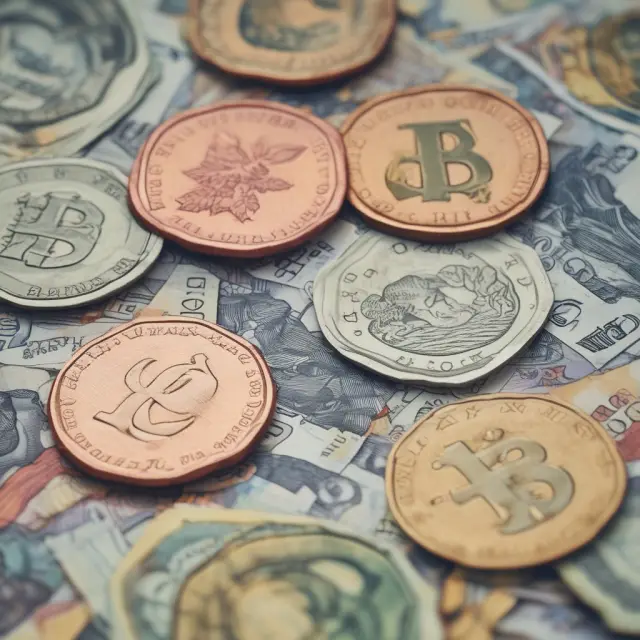
Exchange Rates, Interest Rates, and Domestic Troubles: Factors Affecting the Norwegian Krone
The Norwegian krone’s (NOK) value is influenced by various factors, which include exchange rates, interest rates, and domestic troubles. Understanding these aspects can help you determine if investing in Norwegian currency or assets is a wise choice.
Exchange Rates: The krone’s value is significantly impacted by exchange rates. Investors may seek the NOK when doubts surface regarding the euro (EUR) value, leading to increased trading activity and heightened exchange rates. Additionally, changes in the global crude oil price affect Norway as its leading oil exporter.
Interest Rates: The interest rate differential between Norway’s central bank, Norges Bank, and other countries influences the Norwegian krone’s value. When the Norwegian interest rates are higher than those of other countries, foreign investors may seek to purchase bonds issued by Norges Bank, increasing demand for the Norwegian krone, leading to a stronger exchange rate. Conversely, if the NOK’s interest rates fall below those of other currencies, investors will sell their holdings, resulting in a weaker Norwegian krone.
Domestic Troubles: Occasionally, domestic troubles can impact the value of the Norwegian krone. Norway has one of Europe’s most stable economies, but political instability or economic downturns may affect its currency. For instance, concerns over fiscal policy, political unrest, or labor disputes could negatively influence the NOK. However, these occurrences are rare and generally short-lived, as Norway has a robust economy and well-managed finances.
Comparing the Norwegian Krone to Other Currencies:
The value of the Norwegian krone is also compared with other currencies like the U.S. dollar (USD), Danish krone (DKK), and Swedish krona (SEK). Understanding their differences can provide insight into how the NOK performs under different market conditions. The Norwegian krone’s value is worth 9% more than the Swedish krona, making it a stronger currency. Additionally, Norway has not adopted the euro like Denmark and Sweden, which may also impact its exchange rate.
Investing in the Norwegian Krone:
The Norwegian krone (NOK) can be a safe haven for investors due to its stability and strong economy. It is often considered an attractive investment option, especially during times of economic uncertainty. However, it’s essential to consider factors like exchange rates, interest rates, and domestic troubles when deciding on investing in the NOK. As always, consult with a financial advisor before making any significant financial decisions.

FAQs About the Norwegian Krone: Exchange Rates, Investment, and Euro Adoption
Many readers may wonder about the value of the Norwegian Krone (NOK) against other currencies, its potential as an investment, or Norway’s decision to not adopt the Euro. In this section, we answer these common questions.
What is the current exchange rate between the U.S. Dollar (USD) and Norwegian Krone (NOK)?
One US dollar is equivalent to 9.77 NOK as of August 23, 2022. This exchange rate is influenced by various factors, including interest rates, economic conditions in both countries, and the global price of crude oil.
Is the Norwegian Krone a safe haven currency?
The Norwegian Krone (NOK) is considered a relatively stable currency due to Norway’s strong economy and prudent fiscal policies. Its value remains relatively unaffected by market fluctuations in other countries, making it an attractive option for investors seeking safety during periods of economic instability.
Is the Norwegian Krone a good investment?
The decision to invest in the Norwegian Krone (NOK) ultimately depends on an individual’s investment goals and risk tolerance. Norway’s economy is stable, with a strong focus on industries like oil production, shipping, hydroelectric power, fishing, and manufacturing. Additionally, its wealth ranking among countries worldwide and high standard of living make it an attractive option for investors.
Why doesn’t Norway use the Euro?
Norway has opted not to adopt the Euro as its currency despite being a part of the European Economic Area (EEA). This decision is due in part to Norway’s desire to maintain control over its own monetary policy and interest rates. Additionally, there are concerns about the potential loss of sovereignty that comes with adopting a common currency like the Euro.
How does the Norwegian Krone compare to other Scandinavian currencies?
The Norwegian Krone is worth 9% more than the Swedish Krona and 13% more than the Danish Krone. While their names are similar, each currency’s value and purchasing power differ significantly. This discrepancy highlights the importance of considering exchange rates when making international transactions or investing in foreign currencies.
In conclusion, understanding the Norwegian Krone goes beyond its history and design; it also involves comprehending its economic significance, relationship with other currencies, and its potential value as an investment opportunity. By answering these frequently asked questions, readers can gain a deeper appreciation for Norway’s currency and the role it plays in their personal finance or global economy.
**KEY TAKEAWAYS:** The Norwegian Krone is a valuable and stable currency with a strong economy backing it up. Its exchange rate against other currencies, such as the U.S. dollar, can impact international transactions and investments. Norway’s decision to not adopt the Euro has both advantages and disadvantages. By considering these factors, you’ll be well-equipped to make informed decisions regarding your interactions with the Norwegian Krone.
 Next entry · No. 3,486Understanding Nominal Rate of Return: The Key Metric for Institutional Investors
See also
-
 No. 3,331
19 Mar 2025
17 min
Understanding Narrow Money: Definition, Components, and Significance
Finance Policy
No. 3,331
19 Mar 2025
17 min
Understanding Narrow Money: Definition, Components, and Significance
Finance Policy -
 No. 5,803
08 Oct 2025
19 min
Understanding the World Gold Council: Its Role in Gold Mining, Investment, and Consumption
Business Finance
No. 5,803
08 Oct 2025
19 min
Understanding the World Gold Council: Its Role in Gold Mining, Investment, and Consumption
Business Finance -
 No. 5,797
08 Oct 2025
19 min
Understanding the Role and Impact of the World Bank Group: A Comprehensive Guide for Institutional Investors
Business Finance
No. 5,797
08 Oct 2025
19 min
Understanding the Role and Impact of the World Bank Group: A Comprehensive Guide for Institutional Investors
Business Finance -
 No. 5,226
22 Aug 2025
20 min
Understanding the Basics of Unemployment Claims: A Comprehensive Guide for Institutional Investors
Business Finance
No. 5,226
22 Aug 2025
20 min
Understanding the Basics of Unemployment Claims: A Comprehensive Guide for Institutional Investors
Business Finance -
 No. 3,595
11 Apr 2025
17 min
Numismatics: The Fascinating Study of Currency, Coins, and Collectibles
Finance History
No. 3,595
11 Apr 2025
17 min
Numismatics: The Fascinating Study of Currency, Coins, and Collectibles
Finance History -
 No. 2,856
09 Feb 2025
17 min
Liberty Bonds: A Historical Look at War Financing and Public Investment
Finance History
No. 2,856
09 Feb 2025
17 min
Liberty Bonds: A Historical Look at War Financing and Public Investment
Finance History