Understanding the Product Life Cycle and Its Impact on Business Strategy

Understand the importance of the product life cycle and its stages. Learn strategies for managing a product throughout its lifecycle to maximize profits.
The Concept of Product Life Cycle
The product life cycle refers to the length of time a product remains in the market from its introduction to its eventual removal. This concept plays a crucial role in business strategy and marketing efforts by informing decisions on pricing, promotion, expansion, or cost-cutting. By understanding the four distinct stages of a product’s life cycle – introduction, growth, maturity, and decline – businesses can make strategic moves that maximize profitability and minimize risk.
Introduction Stage: A New Beginning
A product enters its life cycle during the introduction stage when it is first presented to consumers. Companies invest heavily in research and development (R&D), production, marketing campaigns, and advertising to create awareness and differentiate their offering from competitors. The introduction phase can yield minimal sales initially due to low customer awareness and high marketing costs. However, once a product gains traction, sales growth follows.
Growth Stage: Expansion and Competition
As the product’s popularity grows, companies may experience increasing sales and revenue during the growth stage. Competition intensifies, prompting businesses to expand their distribution channels, invest in advertising to differentiate themselves from competitors, and potentially lower prices to attract more customers. This stage represents a significant opportunity for market expansion and increased profits.
Maturity Stage: Peak Profitability
During the maturity stage, sales stabilize, and costs of producing and marketing decrease. As competition intensifies, companies focus on product innovation and improvements based on customer feedback to maintain market share and differentiate themselves. Competition is at its peak during this phase, making it vital for businesses to identify new ways to capture a larger market presence and capitalize on the profitability generated during maturity.
Decline Stage: Adapt or Discontinue
The decline stage marks the end of a product’s life cycle as sales decrease due to increased competition and market saturation. Companies may choose to discontinue the product entirely or invest in revitalizing it by introducing updates, new features, or even an entirely new model to re-enter the product life cycle. Understanding the product life cycle is essential for businesses to optimize resources and maintain a competitive edge while maximizing revenue throughout each stage of a product’s journey.
The product life cycle offers valuable insights into how a business should manage its products, allocate resources, and adapt to market dynamics. By understanding the various stages and their implications on marketing strategies and sales patterns, businesses can make informed decisions to effectively navigate the ever-changing product landscape.

Four Stages of the Product Life Cycle
Understanding the life cycle of a product is crucial for businesses looking to make informed decisions about their marketing, pricing, and resource allocation strategies. The concept of a product life cycle refers to the length of time from its introduction into the market until it’s eventually discontinued. This model consists of four distinct stages: introduction, growth, maturity, and decline.
1. Introduction Stage:
The first stage in the product life cycle is all about introducing a new offering to consumers. At this point, a company must invest in marketing efforts to create awareness and generate interest. Sales during the introduction phase are generally lower due to limited market penetration and competition. It is essential for businesses to effectively communicate the benefits of their new product in order to set it apart from competitors. During this stage, companies may also choose to employ promotional pricing strategies to attract customers and establish a customer base.
2. Growth Stage:
As more consumers adopt a product, it moves into the growth stage. Characterized by increasing demand and sales, this phase calls for continued marketing investments to maintain market share and differentiate the offering from competitors. Product enhancements may also be introduced based on customer feedback during this period. Financially, companies experience higher revenue due to increased sales volume, but competition intensifies as other businesses enter the market.
3. Maturity Stage:
The maturity stage represents the peak of a product’s sales and popularity. Competition is high, and profit margins start to shrink as companies face intense competition from rivals offering similar products. In order to maintain market share, businesses may explore methods such as innovation or targeted marketing campaigns to capture larger market segments or expand their customer base.
4. Decline Stage:
Eventually, sales of a product begin to dwindle due to market saturation and the introduction of competing products. At this point, companies may choose to discontinue the product entirely or revitalize it through updates or redesigns in an effort to regain popularity. The decline stage marks the end of the product life cycle, but it can also present opportunities for innovation and the introduction of new, improved offerings.
Each stage of the product life cycle comes with its unique challenges and opportunities, making it essential for businesses to stay informed and adapt their strategies accordingly. By effectively managing a product throughout its life cycle, companies can maximize profits, minimize costs, and maintain a competitive edge in their market.

Product Life Cycle Management
The concept of a product life cycle (PLC) offers valuable insights for businesses seeking to optimize their strategies and make informed decisions regarding marketing efforts, sales, pricing, production, and innovation. This understanding is especially crucial in industries where product development and competition are constant. In essence, product life cycle management involves the strategic planning and implementation of various tactics designed to maximize profits and minimize costs throughout a product’s existence within the market.
The PLC theory breaks down the stages of a product into four distinct phases: introduction, growth, maturity, and decline. Each stage presents unique challenges and opportunities for businesses, necessitating different approaches to effectively manage the product.
Introduction Stage (R&D to Initial Sales)
In this initial phase, a company invests significant resources in researching, developing, testing, and introducing a new product to the market. Marketing strategies during this period include advertising campaigns to create awareness and generate interest. Since competition is usually minimal at this stage, businesses may offer promotional pricing to attract customers and establish brand loyalty. Companies must focus on building a strong foundation for their product by carefully considering factors such as target audience, unique value proposition, and competitive landscape.
Growth Stage (Increasing Sales)
Once the product gains traction in the market, it moves into the growth stage characterized by increasing sales, expanding customer base, and heightened competition. Companies must adjust their strategies to address the evolving market dynamics. Sales strategies may include expanding distribution channels, entering new markets, and implementing price adjustments to maintain or increase profitability while retaining market share.
Maturity Stage (Stabilization)
Reaching maturity signifies a product has reached its peak sales, making it an established player in the industry. During this stage, competition intensifies due to rivals entering the market and existing competitors refining their offerings. Strategies during this phase include differentiation and innovation to maintain market presence. Companies may focus on enhancing product features, improving customer service, or creating new offerings to cater to evolving customer needs.
Decline Stage (Waning Sales)
The decline stage represents the eventual decrease in sales as customers shift their preferences towards alternative products or services. At this point, companies must decide whether to discontinue the product entirely or invest in revitalizing it through innovation or rebranding efforts. While some may choose to withdraw resources and focus on newer ventures, others might see potential for extending the product’s life cycle by introducing upgrades or new applications.
Effective product life cycle management enables businesses to make the most of their resources and adapt to changing market conditions. By understanding the unique challenges and opportunities associated with each stage, companies can optimize their strategies to maximize profits while minimizing costs throughout the product’s lifespan.

Introduction Stage: Marketing Efforts
The introduction stage marks a crucial period for businesses as they introduce a new product to consumers. During this phase, companies allocate significant resources to advertising and promotional campaigns to create awareness and generate interest in the product. The primary objective is to differentiate the new offering from competitors, highlighting its unique features and benefits to potential customers.
At the initial stage of a product’s life cycle, competition is relatively low as competitors may not have access to the same information about the new product. Thus, companies can capitalize on this opportunity by focusing on marketing efforts to build market share and gain an edge over future competitors. However, profitability during this phase might be elusive due to high upfront costs for market research, development, and initial promotion.
To maximize returns during the introduction stage, businesses employ various marketing strategies such as:
- Introductory Offers: Special pricing or discounts are provided to attract first-time customers.
- Targeted Advertising: Companies create targeted campaigns using media platforms that cater to their audience demographics and psychographics.
- Product Demonstrations & Sampling: Free trials, product demonstrations, or samples are used to generate word of mouth and positive customer reviews.
- Trade Shows & Industry Events: Companies engage with potential customers at industry events and trade shows, building brand awareness and showcasing their offerings.
- Public Relations (PR) Campaigns: Positive media coverage helps create buzz and interest around the product, driving sales.
- Referral Programs: Encouraging existing customers to refer new users or clients can help expand a customer base at a lower cost per acquisition.
- Strategic Partnerships & Influencer Marketing: Partnering with influential individuals or brands can help boost visibility and credibility for the new product.
By executing effective marketing strategies during the introduction stage, businesses set the foundation for long-term success. As the product gains traction and moves into the growth phase, companies can reassess their strategies to adapt to changing market dynamics and maximize their return on investment (ROI).
Growth Stage: Sales Strategies
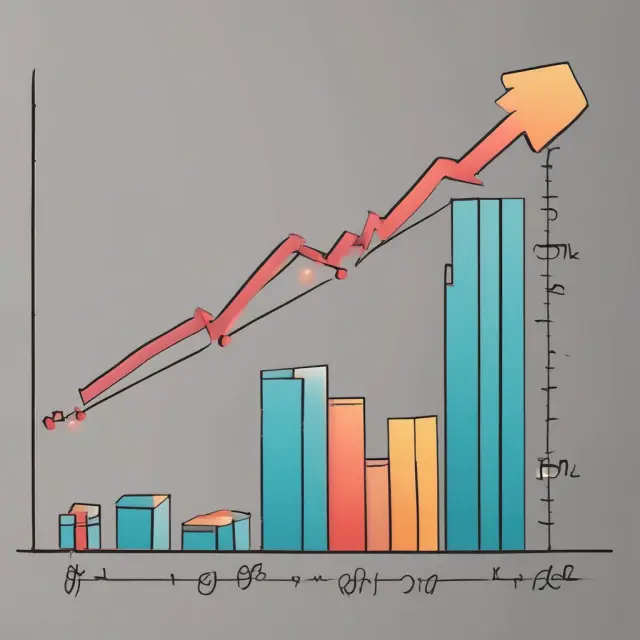
The growth stage, which occurs after a product’s introduction, marks an increase in sales and demand. Companies must employ effective sales strategies during this period to capitalize on growing markets and competition. Sales strategies during the growth stage often include adjusting pricing and expanding distribution channels.
Price Adjustments
As sales increase, companies may consider implementing various pricing strategies to maintain competitiveness and optimize revenue. Some popular pricing methods during the growth stage are penetration pricing, psychological pricing, and skimming.
Penetration Pricing: This strategy involves setting low initial prices for a product in order to attract a large market share quickly and establish a customer base. Penetration pricing can lead to short-term losses but long-term gains as companies eventually increase prices once they have a substantial market presence.
Psychological Pricing: Companies also use psychological pricing tactics, such as setting prices ending in ‘9’ or ’99,’ to influence consumers’ perception of value and encourage purchases. These subtle price adjustments can result in significant sales increases without significantly affecting profit margins.
Distribution Expansion
To capitalize on growing demand, companies may expand their distribution channels to reach new markets and customers. Distribution expansion includes strategies such as opening additional retail locations, increasing online presence, or partnering with other businesses for cross-promotion.
Market Penetration: Companies may also focus on market penetration efforts to increase sales within their existing customer base. Strategies like product bundling, loyalty programs, and targeted advertising can help attract new customers and retain existing ones. Effective sales strategies during the growth stage enable businesses to maximize profits, solidify market position, and prepare for future challenges such as increasing competition.
By understanding how product life cycles impact sales strategies, companies can make informed decisions about pricing, distribution, and market penetration to optimize growth and profitability. The growth stage is a critical period in a product’s life cycle and requires careful planning and execution to sustain long-term success.

Maturity Stage: Competition and Innovation
Once a product reaches maturity, competition intensifies as more companies enter the market with similar or improved offerings. Companies at this stage need innovative strategies to retain their market position and grow sales. Here’s how they can do it.
Innovate Product Features
Companies can differentiate themselves from competitors by introducing new features or improvements in their products. This could be anything from enhanced functionality, better design, increased durability, or added convenience. For instance, when smartphones with larger screens became popular, Apple released the iPhone 6 and 6 Plus to meet consumer demand for a bigger display, helping it maintain its competitive edge against competitors.
Expand Market Segments
Another way to thrive in maturity is by targeting new market segments or customer demographics. This could include entering new geographic regions, catering to different age groups or income levels, or expanding into complementary industries. For example, McDonald’s introduced the McChicken sandwich to attract customers who prefer chicken over beef burgers, and it became a huge success.
Diversify Product Line
Brands can also sustain sales by diversifying their product offerings. This could be achieved through introducing new products in related categories or expanding into completely different markets. Procter & Gamble is an excellent example of this strategy. It started as a soap and cleaning products company but expanded its portfolio with brands like Pampers, Charmin, and Crest, to name a few, thus increasing its market presence and revenue streams.
Partnerships and Acquisitions
Collaborations and acquisitions can help companies stay competitive in the maturity stage by leveraging each other’s strengths and capabilities. This can lead to innovations, cost savings, or access to new markets. For example, when Nestle acquired Rowntree Mackintosh in 1988, it gained control of popular brands like Kit Kat, Aero, and Smarties, which significantly boosted its market presence.
In conclusion, understanding the product life cycle is crucial for companies aiming to effectively manage their products throughout their stages. By implementing strategies such as innovating product features, expanding market segments, diversifying product lines, or forming partnerships, businesses can maximize profits while minimizing costs during the maturity stage.
Decline Stage: Discontinuation or Revitalization?
As a product loses market share due to competition, the decline stage marks the beginning of the end for its life cycle. However, it’s not always the best decision to discontinue a product entirely. In some cases, businesses can revitalize their declining products with updates, new features, or rebranding efforts. Let’s examine strategies for handling declining products in this section.
Discontinuation: The End of the Road
When sales and profits for a product begin to drop dramatically, it might be time for companies to consider discontinuing it. Discontinuing a product can help save resources that could be reallocated towards more profitable ventures, especially when the cost of production becomes too high or the demand is no longer there. However, product discontinuation comes with risks such as loss of market share and potential customer backlash.
Revitalization: A New Lease on Life
Another strategy for handling declining products is to invest in revitalizing them. This can involve updating the product’s features, improving its design, or even rebranding it as a new product altogether. Revitalization requires careful planning and execution, especially when competitors are gaining ground or market conditions change rapidly. By focusing on customer feedback, identifying new markets, or investing in research and development, businesses can inject new life into declining products.
Product Life Cycle vs. BCG Matrix: Comparing Strategic Tools for Business Growth
The product life cycle and the Boston Consulting Group (BCG) matrix are two essential strategic tools that help companies make informed decisions about their offerings. While both frameworks focus on business growth, they approach it from different angles. Understanding the similarities and differences between these strategic tools can provide valuable insights for businesses looking to optimize their product portfolios.
In conclusion, managing a product through its life cycle is an essential aspect of any successful business strategy. By understanding the four stages of the product life cycle—introduction, growth, maturity, and decline—companies can make informed decisions about pricing, marketing efforts, sales strategies, competition, innovation, and discontinuation or revitalization. Whether a product is new to the market or has been around for decades, adopting a strategic approach to its life cycle can help maximize profits and minimize costs while staying competitive and meeting customers’ evolving needs.

Advantages and Limitations of the Product Life Cycle
Understanding the product life cycle offers significant advantages for businesses when it comes to strategic planning, resource allocation, and decision-making. By analyzing a product’s position in its life cycle, companies can determine where to invest their resources, whether to introduce new marketing strategies or price adjustments, expand distribution channels, or consider discontinuing the product entirely.
Advantages:
- Effective resource allocation: The product life cycle provides businesses with valuable insights into how their products are performing and allows them to allocate resources accordingly. For example, a company may decide to invest more in marketing during the growth stage when sales are increasing, or focus on customer support during the maturity stage as competition intensifies.
- Strategic planning: By understanding the product life cycle stages, companies can plan for future developments and adapt their strategies to maintain competitive advantages. For instance, they may introduce new features or innovations to keep up with changing consumer needs or address emerging competitors.
- Informed decision-making: The product life cycle offers a framework for making informed decisions about pricing, promotions, market expansion, and resource allocation throughout the entire life of a product. This can help businesses optimize their returns and minimize costs as the product transitions from one stage to another.
Limitations:
- Not applicable to every industry or product: The product life cycle doesn’t apply uniformly across all industries or products. Some industries, such as software development, may not fit neatly into a linear model, and certain products might have multiple lifecycles due to technological advancements or changing market conditions.
- Market dynamics may not align with the product life cycle: While the product life cycle is a useful tool for understanding the typical progression of a product through its various stages, it doesn’t account for external factors like regulatory changes, competitor actions, or unexpected consumer trends that could impact sales and market positioning.
In conclusion, while the product life cycle offers valuable insights into managing products throughout their lifetimes, it is essential to recognize its limitations as well. By combining the product life cycle with other strategic tools and considering market dynamics, businesses can create effective strategies for maximizing profits and maintaining competitive advantages in today’s dynamic business environment.
Product Life Cycle vs. BCG Matrix
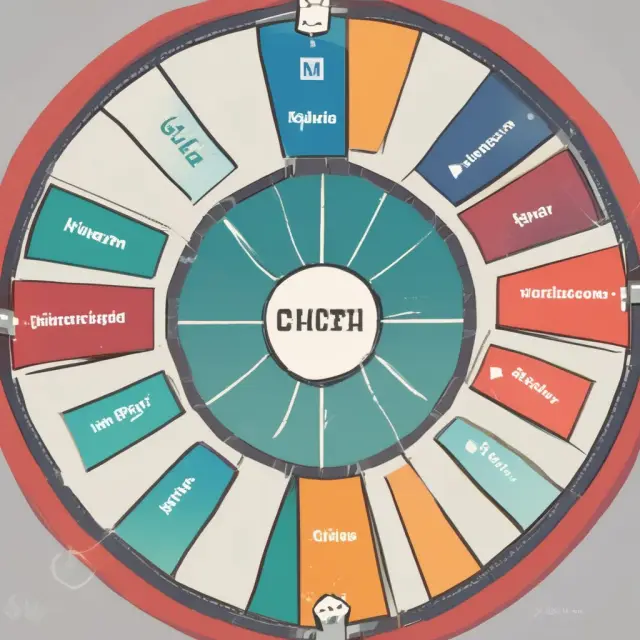
In today’s business world, companies rely on various strategic tools for making informed decisions regarding their product portfolios. Two widely used frameworks are the Product Life Cycle (PLC) and the Boston Consulting Group (BCG) matrix. While both models offer valuable insights, understanding the similarities and differences between them can help businesses make better-informed strategic choices.
The Product Life Cycle (PLC), as previously discussed, is a model that describes the process a product goes through from its introduction to its eventual decline. The PLC provides essential information on when to allocate resources for advertising, pricing, distribution, and innovation.
On the other hand, the BCG matrix, introduced by the Boston Consulting Group in 1970, is a strategic management tool that categorizes business units based on their relative market share and growth rate within an industry. This model helps managers determine which areas of their portfolio require attention for growth and profitability enhancement.
Comparing the two models reveals some striking similarities and differences:
Similarities:
- Both models provide a framework for understanding product performance over time.
- They help managers identify opportunities to optimize resource allocation based on different market conditions and stages in each model.
- Both require companies to analyze their offerings’ profitability, growth potential, competition, and customer demand.
- The insights gained from these models can inform marketing strategies, innovation priorities, and overall business strategy.
Differences:
- Product Life Cycle focuses on the stages of a single product or brand throughout its life span, whereas BCG matrix concentrates on an entire portfolio of products within an industry.
- The PLC model is more dynamic and deals with the lifecycle of individual offerings, while the BCG matrix assesses the positioning of business units within their respective markets.
- Product Life Cycle is a more comprehensive tool that considers various aspects of marketing, pricing, sales, and product development throughout a product’s life cycle, whereas the BCG matrix primarily focuses on market share and growth rate when making strategic decisions.
By understanding both PLC and BCG matrix models, businesses can make informed decisions about their product portfolio strategies, resource allocation, and overall business success. The complementary nature of these two frameworks provides a holistic view that allows companies to effectively manage their offerings in different stages and markets while maintaining a competitive edge.
Additionally, it is important to note that these models are not mutually exclusive; they can be used together to gain an even clearer understanding of the market landscape and a product’s potential within it. By combining insights from both frameworks, businesses can make data-driven decisions on resource allocation, innovation priorities, and overall strategic planning.
In conclusion, the Product Life Cycle (PLC) and Boston Consulting Group (BCG) matrix are essential strategic tools that help managers optimize their product portfolios based on various market conditions and stages. Understanding their differences and similarities enables businesses to make informed decisions regarding resource allocation, marketing strategies, innovation priorities, and overall business strategy.
Incorporating the PLC model into your marketing efforts helps you understand which stage your products are in and how to allocate resources accordingly. Meanwhile, using the BCG matrix provides insights on the relative positioning of your offerings within an industry and allows you to make strategic decisions based on market share and growth rate. By combining these frameworks, companies can effectively manage their product portfolio throughout different stages and markets while maintaining a competitive edge.

Case Studies: Apple’s iPod
The concept of the product life cycle has been applied to various industries and products, providing a valuable framework for understanding the dynamics of bringing new offerings to market. One such example is Apple’s iconic iPod, which experienced distinct stages throughout its 14-year lifecycle, from its introduction in October 2001 until its eventual discontinuation in July 2017.
Introduction Stage: The initial launch of the iPod brought a paradigm shift to how people managed and enjoyed their music collections. Apple invested significant resources into marketing efforts, emphasizing the product’s sleek design, ease of use, and large storage capacity, which set it apart from existing MP3 players. During this phase, Apple offered various promotions, such as free iTunes downloads with each purchase, to attract early adopters and differentiate its offering in a nascent market.
Growth Stage: As the popularity of iPods grew, demand for the device surged, driven by widespread media coverage, word-of-mouth recommendations, and Apple’s expanding marketing efforts. Sales volumes expanded significantly, as did competition in the market, with numerous manufacturers launching their own MP3 players to compete against the iPod. To maintain its position, Apple introduced new versions of the iPod, such as the Mini, Nano, Shuffle, and Touch, catering to various consumer preferences and price points.
Maturity Stage: As iPod sales peaked in 2007, the market became saturated with competitors offering similar products. Apple responded by focusing on innovation, releasing updates like the touchscreen iPod Nano and the iPod Classic’s increased storage capacity to maintain its market share and differentiate itself from competitors. During this phase, Apple also leveraged the success of the iPod as a platform for expanding its ecosystem with new offerings, such as the App Store and iTunes, which strengthened customer loyalty and incentivized users to upgrade their devices more frequently.
Decline Stage: By the late 2010s, smartphones with larger storage capacities and multimedia capabilities began to overshadow dedicated MP3 players like the iPod. Apple eventually discontinued the product in July 2017 due to declining sales. Though the iPod had reached the end of its life cycle, it left a lasting impact on the market and paved the way for newer technologies such as the iPhone and iPad that continue to redefine how consumers manage their media collections.
Understanding the product life cycle and its application through the lens of Apple’s iPod offers valuable insights into the strategic decisions made by a company during each stage, from introducing a new product to managing competition and ultimately discontinuing it when market conditions no longer favor its continued existence.

FAQ: Commonly Asked Questions about Product Life Cycle
What is the Product Life Cycle?
The product life cycle refers to the length of time a product exists in the market, from its introduction to its eventual removal. It’s an essential strategic tool for businesses, helping inform decisions on pricing, promotion, production expansion, and cost-cutting.
How Does the Product Life Cycle Impact Marketing Strategies?
The product life cycle influences marketing strategies by determining how a company introduces new products, differentiates mature ones from competitors, and ultimately decides whether to revitalize or retire declining products.
Why Do Products Go Through Different Stages in Their Life Cycles?
Products evolve through stages such as introduction, growth, maturity, and decline due to changes in demand, competition, and market saturation. Understanding these stages helps businesses optimally allocate resources and adapt their strategies accordingly.
Understanding the product life cycle (PLC) is crucial for businesses looking to make strategic decisions regarding pricing, promotion, production expansion, or cost-cutting. The PLC represents a product’s journey from its introduction into the market until it reaches obsolescence. Let’s take a closer look at the four primary stages of this cycle and their significance for marketing efforts.
1. Introduction Stage: In this early phase, consumers are introduced to the new product, and companies invest heavily in advertising and marketing campaigns to increase awareness. Since competition is minimal during this stage, sales may initially be low as the company determines the best sales strategy.
2. Growth Stage: As the product gains popularity and more consumers adopt it, sales increase, and production expands. Competition enters the market, so companies may continue to invest in marketing to differentiate their products from competitors and maintain market share.
3. Maturity Stage: In this stage, the product reaches its peak sales, becoming a mainstay in the market. Sales stabilize, and competition increases as rival companies offer similar or improved products. Companies may innovate their products during this phase to retain market presence.
4. Decline Stage: As products age and face increased competition, sales begin to dwindle. Companies may choose to discontinue the product entirely or revitalize it with updates or new features to maintain relevance.
Managing a product throughout its life cycle is critical for maximizing profits while minimizing costs. By understanding the unique challenges presented at each stage and employing appropriate strategies, businesses can extend the life of their products and stay ahead of the competition.
 Next entry · No. 4,102Product Lines: Understanding the Strategy Behind a Company’s Range of Offerings
See also
-
 No. 5,409
06 Sep 2025
28 min
Understanding the Value Chain: Maximizing Efficiency and Competitive Advantage for Institutional Investors
Business Strategy
No. 5,409
06 Sep 2025
28 min
Understanding the Value Chain: Maximizing Efficiency and Competitive Advantage for Institutional Investors
Business Strategy -
 No. 5,406
06 Sep 2025
20 min
Value Added: Understanding the Concept, Importance and Implementation in Businesses and Economy
Business Strategy
No. 5,406
06 Sep 2025
20 min
Value Added: Understanding the Concept, Importance and Implementation in Businesses and Economy
Business Strategy -
 No. 4,630
04 Jul 2025
23 min
Maximizing Revenue Through Share of Wallet: Strategies for Companies to Expand Customer Spending
Business Strategy
No. 4,630
04 Jul 2025
23 min
Maximizing Revenue Through Share of Wallet: Strategies for Companies to Expand Customer Spending
Business Strategy -
 No. 3,667
17 Apr 2025
19 min
Understanding Oligopolies: The Market Structure That Influences Prices and Innovation
Business Strategy
No. 3,667
17 Apr 2025
19 min
Understanding Oligopolies: The Market Structure That Influences Prices and Innovation
Business Strategy -
 No. 3,168
06 Mar 2025
20 min
Merchandising: Understanding the Art of Promoting and Selling Goods for Retail and Wholesale Sales
Business Strategy
No. 3,168
06 Mar 2025
20 min
Merchandising: Understanding the Art of Promoting and Selling Goods for Retail and Wholesale Sales
Business Strategy -
 No. 3,101
28 Feb 2025
20 min
Market Cannibalization: Understanding the Impact of New Products on Old
Business Strategy
No. 3,101
28 Feb 2025
20 min
Market Cannibalization: Understanding the Impact of New Products on Old
Business Strategy