Understanding the Role and Impact of the Organization of the Petroleum Exporting Countries (OPEC)

Understanding the role, history, challenges, and future of OPEC in managing global oil production and prices.
Introduction to OPEC
The Organization of the Petroleum Exporting Countries (OPEC) is an international organization comprised of 13 major oil-exporting nations. Established in 1960 by five founding members—Iran, Iraq, Kuwait, Saudi Arabia, and Venezuela—OPEC’s primary mission is to manage the supply of crude oil on the world market, thereby regulating prices and ensuring a steady income for its member nations. With headquarters in Vienna, Austria, OPEC now includes Algeria, Angola, Congo, Equatorial Guinea, Gabon, Iraq, Libya, Nigeria, Qatar (until 2019), the United Arab Emirates, and Venezuela.
OPEC’s Importance: Stabilizing Oil Markets
By managing oil production, OPEC plays a crucial role in stabilizing international oil markets. This is particularly important for both producing and consuming countries, as price volatility can significantly impact their economies. The organization collaboratively sets production targets, aiming to maintain balance within the market and avoid oversupply or shortages.
The Challenges Facing OPEC: Innovation and Green Energy
OPEC’s dominance in the oil industry faces challenges from emerging technologies and green energy sources that threaten its market power. The rise of shale oil production, for example, has reduced the cartel’s ability to control prices. In response, OPEC must adapt its strategies to remain competitive and relevant in the evolving global energy landscape.
Understanding OPEC’s Impact on the Global Economy
OPEC’s influence extends beyond the oil market itself. Its decisions can impact various economic indicators, such as inflation, exchange rates, and trade relations. For instance, increased production can lead to a decrease in oil prices, which may result in lower inflation for consumers but reduced income for producers. Conversely, decreased production can drive up prices, affecting both consumers and producers differently.
Staying Ahead: OPEC’s Adaptation Strategies
As the oil industry evolves, OPEC must adapt its strategies to maintain its role in the market. This includes monitoring emerging trends, such as renewable energy and technological advancements, and implementing policies that address these challenges. By remaining responsive and adaptive, OPEC hopes to ensure long-term success in a rapidly changing world.
The Role of Decision-Making Within OPEC: Collaborative Approach
OPEC’s decision-making process is collaborative by nature. Member nations work together to establish production quotas and coordinate efforts to maintain supply levels. This cooperative approach allows OPEC to respond effectively to market changes, ensuring a steady flow of oil while minimizing price fluctuations.
Navigating Relationships with Non-member Nations
OPEC’s relationships with non-member nations, such as Russia and the United States, are complex. Competition exists alongside cooperation and collaboration in various aspects, such as production levels and market influence. These dynamics contribute to an intricate web of alliances and tensions that shape global oil markets.
The Future of OPEC: Adapting to Market Dynamics
In order to thrive in the evolving energy landscape, OPEC must navigate the complexities of technological advancements and geopolitical shifts. By remaining agile and responsive to market demands, the organization hopes to maintain its position as a dominant player in the global oil industry.
History of OPEC: Founding and Growth
OPEC, or the Organization of the Petroleum Exporting Countries, is an essential global organization consisting of 13 major oil-exporting countries. Established on September 14, 1960, in Baghdad by founding members Iran, Iraq, Kuwait, Saudi Arabia, and Venezuela, OPEC was created with the mission to coordinate petroleum policies among its members and ensure a stable supply of oil on the world market. The organization’s headquarters is located in Vienna, Austria, where it manages the day-to-day business under the leadership of a secretary-general.
Since its founding, OPEC has grown to include 13 member countries. Following the initial five members, Qatar joined in 1961, Indonesia in 1962, Libya in 1962, the United Arab Emirates in 1967, Algeria in 1969, Nigeria in 1971, Ecuador in 1973, Gabon in 1975, Angola in 2007, Equatorial Guinea in 2017, and Congo in 2018. Notably absent from the list are Russia, China, and the United States—three significant oil-producing nations.
OPEC’s primary role is to manage the supply of oil on the global market by regulating production quotas among its members. This approach aims to stabilize prices for both producers and consumers while maintaining a steady income for exporting countries. However, OPEC faces several challenges as technological advancements and evolving energy markets shift the landscape of the international oil industry.
The arrival of fracking technology has significantly reduced OPEC’s ability to control the world market, as it allows countries like the United States to produce more crude oil domestically. Additionally, renewable energy sources are gaining popularity, posing a significant threat to traditional oil-based energy sources. As a result, OPEC must adapt its strategies and continue to innovate in order to remain competitive in the evolving industry landscape.
In summary, OPEC is an influential international organization that plays a vital role in managing the global supply of crude oil and setting prices on the world market. Established in 1960 by five founding members, it currently consists of 13 member nations with significant crude petroleum exports. OPEC’s mission is to ensure a steady income for its members while keeping oil markets stable through supply management strategies. However, the organization faces challenges from technological advancements and the adoption of renewable energy sources, which require OPEC to continuously adapt and innovate in order to maintain relevance.

OPEC’s Role: Supply Management
The Organization of the Petroleum Exporting Countries (OPEC) is a significant player in the global oil market by managing the supply of crude oil. Established in 1960, OPEC was founded to ensure a steady income for its member nations while stabilizing oil prices. The organization’s primary objective is to control the production and pricing of oil, aiming to maintain an efficient and economic oil supply for both producers and consumers.
Since its establishment, OPEC has been responsible for managing oil market fluctuations by coordinating among its members on production levels and ensuring a continuous supply to the global economy. This collective approach enables the organization to adjust production to meet demand effectively, as well as mitigate price volatility in response to geopolitical tensions or unexpected events.
OPEC’s role is crucial because it represents 80.4% of the world’s proven oil reserves (as of 2021) and influences the global oil market significantly. By managing supply, the organization strives to maintain a stable and predictable oil price environment for consumers while securing an adequate return on investment for its members.
However, OPEC has faced challenges in recent years from emerging alternative energy sources and technologies, such as shale production, natural gas, and renewable energy. These developments have altered the global energy landscape and reduced OPEC’s control over oil prices, making it essential for the organization to adapt its strategies and remain competitive in the evolving industry.
One notable challenge is the impact of new technologies on traditional crude oil production methods. For instance, hydraulic fracturing, or fracking, has disrupted traditional oil markets by enabling the United States to become a significant oil producer despite not being an OPEC member. This competition poses a threat to OPEC’s market dominance and compels the organization to adapt its strategies.
In conclusion, understanding the role of the Organization of the Petroleum Exporting Countries (OPEC) in managing oil supply is essential for investors, policymakers, and anyone interested in the global oil market. As a significant player with a considerable share of proven crude oil reserves, OPEC’s influence on pricing and production can impact economic conditions, including inflation, exchange rates, and trade relations worldwide. Stay tuned as we explore OPEC’s challenges, controversies, and future plans in the subsequent sections.
OPEC’s Challenges: New Technologies and Green Energy
The Organization of the Petroleum Exporting Countries (OPEC) has faced increasing challenges in recent years due to the emergence of new technologies and the growing adoption of green energy sources. As a cartel of major oil-exporting nations, OPEC holds significant influence over global oil production and prices. However, this dominance is under threat from alternative sources of energy and new production techniques that are disrupting traditional oil markets.
One such technology is fracking, or hydraulic fracturing, which allows for the extraction of shale gas and oil in large quantities. The U.S., one of the world’s largest consumers of oil, has become a major producer thanks to this technique, significantly reducing its reliance on imported crude oil. This development poses a significant challenge to OPEC, as it undermines the organization’s ability to control global oil markets and set prices.
The rise of renewable energy sources such as wind and solar power also threatens OPEC’s market dominance. As these technologies become more efficient and cost-effective, they are increasingly competing with oil as a source of energy. The adoption of electric vehicles (EVs) and hybrid cars further reduces the demand for oil as a transportation fuel. According to the International Energy Agency, renewable sources are expected to account for over half of global electricity generation by 2030, which would have significant implications for the oil market.
To remain relevant in an evolving industry landscape, OPEC must adapt to these challenges. The organization has begun to acknowledge the importance of renewable energy and has called for collaboration between member states and non-members on the development and implementation of cleaner energy technologies. Additionally, OPEC is exploring ways to diversify its members’ economies and reduce their reliance on oil exports by investing in industries such as tourism, agriculture, and manufacturing.
Despite these efforts, OPEC faces significant hurdles in adapting to the changing market dynamics. The organization’s reputation for manipulating oil prices and exerting control over global markets has made it a target of criticism from both consumers and competitors. Moreover, geopolitical tensions within the Middle East, where most OPEC members are located, continue to pose risks to oil production and supply.
In conclusion, the challenges posed by new technologies and green energy sources are reshaping the global oil market and forcing OPEC to adapt in order to remain relevant. While the organization has taken steps to acknowledge these changes, it remains to be seen whether it can successfully navigate the complex dynamics of a rapidly evolving industry landscape.
In the following sections, we will explore the history and role of OPEC, its challenges, criticisms, and controversies, as well as its impact on the global economy. We will also discuss how OPEC makes decisions regarding production levels and its relationship with other major oil-producing nations.

OPEC’s Influence: Criticisms and Controversies
Despite its mission to stabilize oil prices and secure a fair return for those investing in the industry, OPEC has faced numerous criticisms and controversies throughout history. The organization’s greatest critics argue that it artificially inflates prices for the benefit of its members while holding considerable power within the industry.
Historically, OPEC has been accused of manipulating oil prices to maintain control over the market. This is a significant concern for both consumers and other producing countries not part of the organization. For example, when OPEC decided to cut production in 2016 due to concerns about oversupply and low prices, it led to a sharp increase in crude oil prices, causing hardships for many importers. Conversely, when the organization decided to boost production in 2014 to counteract falling prices resulting from increased competition, it resulted in an oversupply that further depressed prices.
Geopolitical tensions have also posed challenges for OPEC throughout its history. For instance, conflicts between member states such as Iraq and Iran, or the ongoing tensions between Saudi Arabia and Iran, have impacted the organization’s ability to effectively manage oil supply and maintain market stability.
Additionally, emerging alternatives like shale production and renewable energy pose a significant threat to OPEC’s market dominance. Innovation in this area has forced the cartel to adapt its strategies and collaborate with other producing nations to remain competitive. This is evident in OPEC’s decision to form an alliance with Russia, known as OPEC+, in 2016, which resulted in coordinated production cuts aimed at supporting oil prices.
Despite these challenges, OPEC maintains considerable influence over the global economy due to its control of crude oil production and pricing. Its decisions can significantly impact inflation, exchange rates, and trade relations between countries. As such, understanding the organization’s role, history, and controversies is essential for anyone interested in finance and investments.
Impact of OPEC: Effects on Global Economy
The Organization of the Petroleum Exporting Countries (OPEC) holds a significant influence over the global economy by managing the supply and pricing of crude oil. The decisions made by this group can have far-reaching impacts on various sectors, including inflation rates, exchange markets, and trade relations.
Crude oil is an essential commodity for numerous industries and economies around the world. As the largest cartel producing approximately 80.4% of the world’s crude oil reserves (as per OPEC data in 2021), OPEC plays a crucial role in determining the global oil supply and market prices.
Inflation rates are a critical economic indicator that can be significantly affected by changes in oil prices. The cost of crude oil is a significant component of the production costs for various industries, especially those reliant on transportation fuels like aviation and shipping. As a result, any fluctuation in oil prices directly impacts consumer prices, leading to potential inflationary pressures.
Exchange markets are another area that can be affected by OPEC’s actions. The demand for crude oil and the resulting changes in supply have an impact on major currencies, primarily those of oil-producing countries. A decrease in oil production or an increase in prices could lead to a stronger oil-producer currency, affecting the balance of trade and potentially causing economic instability in other countries.
Trade relations can also be influenced by OPEC’s decisions. Oil is one of the most traded commodities globally, and its price fluctuations can significantly impact international trade agreements and relations between various countries. For example, if oil prices rise dramatically due to OPEC actions, countries that heavily rely on imports may face economic difficulties and potential trade disputes with oil-producing nations.
Historically, OPEC’s decisions have led to both positive and negative economic outcomes for various countries and industries. However, the organization faces numerous challenges in today’s rapidly evolving market dynamics. The emergence of new technologies like fracking and the shift towards green energy sources pose significant threats to OPEC’s market dominance. To remain relevant in this changing landscape, OPEC must adapt its strategies and collaborate with non-member countries like Russia and the United States to maintain its role in the industry.
In conclusion, understanding OPEC’s impact on the global economy is crucial for businesses, investors, and policymakers alike. Its influence over crude oil production and pricing can significantly affect inflation rates, exchange markets, and trade relations. As the organization navigates the challenges of a rapidly evolving market landscape, its decisions will continue to shape the economic fortunes of countries worldwide.

Future of OPEC: Adapting to a Changing Market
Innovation and emerging technologies have significantly impacted the crude oil market. The Organization of the Petroleum Exporting Countries (OPEC) must adapt its strategies to remain competitive in this rapidly evolving industry landscape.
Emergence of Shale Oil and Gas and Renewable Energy Sources
The United States’ emergence as a significant player in shale oil and natural gas production, along with the increasing popularity of renewable energy sources like wind and solar power, poses a challenge to OPEC’s market dominance. This is due to their potential to reduce both demand for crude oil and the influence OPEC has over global prices (Barkindo & Al-Olayan, 2021).
Need for Adaptation
To maintain its role in the industry, OPEC must adapt its strategies and respond effectively to these challenges. This could involve a shift towards alternative energy sources, such as investing in solar, wind, and hydroelectric power, or focusing on producing high-quality crude oil that caters to evolving market demands (Hughes, 2019).
Innovative Technological Solutions
Embracing innovation and technological advancements is essential for OPEC members to stay competitive. This could include the adoption of advanced drilling techniques like fracking or carbon capture utilization and storage (CCUS) technology, which can help reduce greenhouse gas emissions while maintaining oil production levels (IEA, 2021).
Collaboration and Partnership
Forming collaborative partnerships with other energy-producing countries, such as Russia, China, or the United States, could be another way for OPEC to adapt. Through joint ventures, knowledge exchange programs, and cooperation on technological advancements, OPEC members can strengthen their position in the industry and share best practices (Al-Ghanem & Alshammari, 2019).
References:
– Barkindo, M. S., & Al-Olayan, A. M. (2021). The Role of OPEC+ in the Energy Transition. IHS Markit Energy Insights.
– Hughes, J. W. (2019). OPEC and the Future of Oil: The Role of Alternative Energy Sources. Middle East Economic Survey.
– Al-Ghanem, A., & Alshammari, K. (2019). Collaborating for a Sustainable Energy Future: A Case Study of the Kingdom of Saudi Arabia and the United States. Arabian Business.
– International Energy Agency (IEA) (2021). World Energy Outlook 2021. Organisation for Economic Cooperation and Development (OECD)/International Energy Agency (IEA).

How Does OPEC Decide on Production Levels?
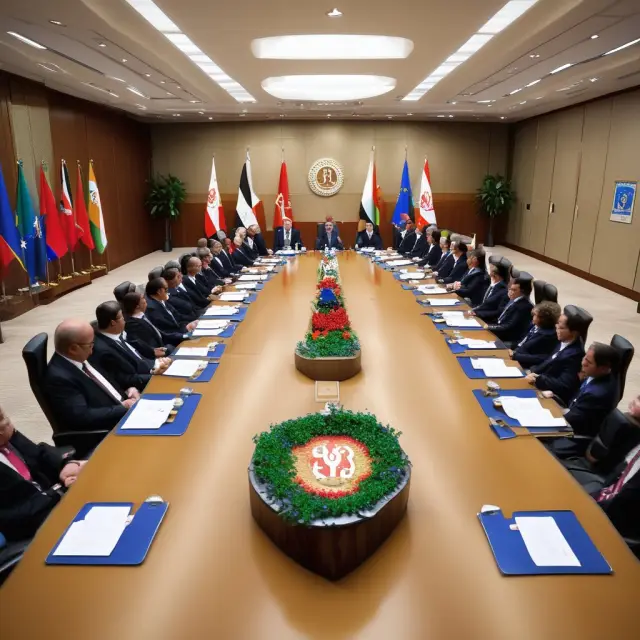
Understanding the production quotas and decision-making processes within OPEC is crucial to understanding how the organization manages oil supply and prices in the global market. As a cartel, OPEC’s primary goal is to balance the interests of its member nations while ensuring an efficient, economic, and regular supply of petroleum to consumers and a fair return on capital for those investing in the industry.
In order to achieve this goal, OPEC monitors global oil production levels and makes adjustments as needed through a consensus-based decision-making process. This collaborative approach helps to stabilize the market by managing oil supply and prices. The organization holds regular meetings, called the OPEC Conference or OPEC Ministerial Conferences, where member nations discuss and agree on production quotas. These quotas dictate how much crude oil each member nation is allowed to produce and export.
Adjustments to these production quotas can be made in response to changes in market conditions. For instance, if there is an oversupply of oil in the market causing prices to drop, OPEC may agree to reduce production levels in order to increase prices. Alternatively, if demand for oil is high and supplies are limited, OPEC may decide to increase production quotas to meet this demand.
The Organization of the Petroleum Exporting Countries’ (OPEC) influence on the global oil market extends far beyond its own production capabilities. As a major player in the industry, OPEC has significant sway over other oil-producing countries through its collaborative relationships and strategic partnerships. These partnerships enable OPEC to coordinate production levels with non-member countries like Russia, which is not part of the organization but is a significant oil producer.
OPEC’s influence on the global oil market is not without controversy. Critics argue that the organization artificially inflates oil prices in order to benefit its members, while others claim that OPEC’s decision-making processes are opaque and lack transparency. Nevertheless, OPEC remains an important force in managing the supply of crude oil on the global market, making it a vital topic for investors, policymakers, and consumers alike.
OPEC’s Relationship with Other Major Oil-Producing Nations
The Organization of the Petroleum Exporting Countries (OPEC) has long held considerable influence over global oil markets due to its role as a cartel representing the interests of 13 major oil-exporting nations. However, its relationships with other significant players in the industry, such as Russia, China, and the US, are complex and multifaceted, involving both competition, cooperation, and collaboration.
Competition among OPEC and non-member countries exists due to overlapping interests in setting oil prices and maintaining market shares. For example, during periods of oversupply or falling demand, price wars can break out between these nations as they seek to secure a larger share of the market. One notable example occurred in 2014 when OPEC opted not to reduce production levels in response to declining global demand, ultimately leading to a significant drop in oil prices. This move was met with opposition from non-OPEC members like Russia, which reacted by increasing their own output in an effort to protect their market share and revenues.
However, cooperation between OPEC and non-member countries is also essential for maintaining the stability of global oil markets. In recent years, OPEC has worked closely with Russia and other non-OPEC producers to coordinate production levels and manage supply in response to market fluctuations. This collaboration was most evident during the COVID-19 pandemic when both OPEC and its allies implemented substantial production cuts to offset falling demand and prevent a potentially devastating oversupply situation.
Collaboration between OPEC and non-member countries is driven by mutual interests, as all major oil producers aim to maintain stable oil prices and secure their market shares in an increasingly competitive global energy landscape. However, challenges remain, such as the growing influence of renewable energy and technological advancements that could disrupt traditional oil markets. As a result, it will be crucial for OPEC and its partners to continue working together to adapt to these evolving market dynamics and navigate the complexities of the global oil industry.
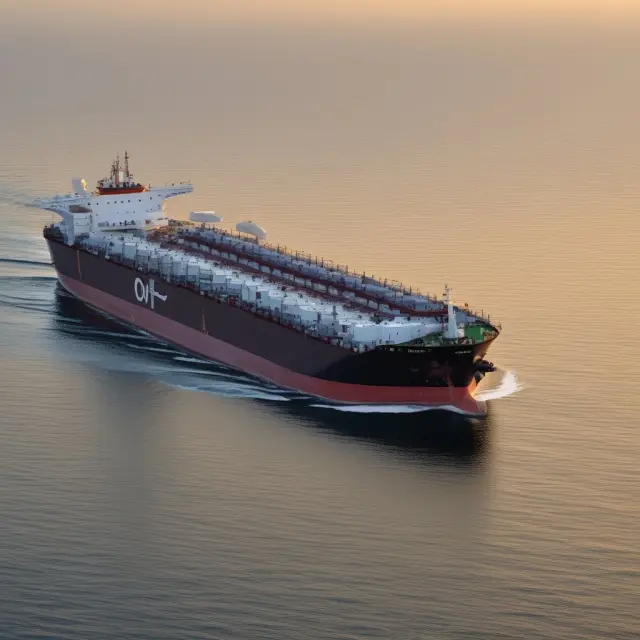
The Future of OPEC: Navigating Market Dynamics
OPEC’s influence in the oil market has been a topic of considerable debate for decades. The organization, which was founded in 1960 by five major oil-exporting nations – Iran, Iraq, Kuwait, Saudi Arabia, and Venezuela – plays a significant role in managing the global oil supply to maintain stable prices. However, with the emergence of new technologies and alternative energy sources, OPEC faces challenges that could potentially disrupt its dominant position in the market. In this section, we’ll explore how OPEC navigates these challenges and the potential impact on its future role in the industry.
Navigating Market Dynamics: Adapting to Technological Advancements
The oil industry has undergone significant transformation over the past few decades, with new technologies and alternative energy sources gaining prominence. OPEC must adapt to these developments to maintain its position as a major player in the market. One of the most notable advancements is the rise of unconventional oil production, such as fracking for shale oil in the United States. This has led to increased competition and reduced OPEC’s ability to control the world market. In response, the organization has had to reassess its strategies and find ways to remain competitive in a rapidly evolving industry landscape.
Understanding OPEC’s Challenges: Geopolitical Tensions and Market Volatility
OPEC’s role in managing global oil prices has not been without controversy. Historically, the organization has been criticized for artificially inflating oil prices to benefit its member nations. Moreover, geopolitical tensions between OPEC members and non-member countries have at times led to production cuts or increases that can cause market volatility. Additionally, oversupply and drops in demand can significantly impact oil prices, making it essential for OPEC to remain agile in its decision-making processes.
Impact on the Global Economy: Stable Prices and Inflation
Oil prices have far-reaching implications for the global economy. The price of crude oil affects inflation, exchange rates, and trade relations between countries, making it crucial for OPEC to maintain a balance between supply and demand. By managing production levels and setting prices, OPEC aims to ensure a stable and efficient oil market that benefits both producers and consumers.
Looking Ahead: The Future of OPEC and the Oil Market
As the oil industry continues to evolve, OPEC must adapt its strategies to remain relevant in a rapidly changing market. This means finding ways to collaborate with non-member countries like Russia, China, and the United States, as well as embracing innovation and new technologies. By staying informed about market dynamics and making strategic decisions, OPEC can continue to influence global oil prices and maintain its role as a key player in the industry.
In conclusion, OPEC’s future relies on its ability to navigate the complexities of the global oil market while adapting to emerging technologies and alternative energy sources. By staying agile and informed, the organization can continue to play a significant role in managing supply and setting prices, ensuring a stable and efficient oil market for producers and consumers alike.
FAQ: Common Questions About OPEC
What is the Organization of the Petroleum Exporting Countries (OPEC)?
Answer: OPEC is a cartel of 13 major oil-exporting nations founded in 1960. It aims to manage the supply of oil on the world market and set prices for its members’ benefit.
Which countries are part of OPEC?
Answer: The organization consists of 13 member states, including Iran, Iraq, Kuwait, Saudi Arabia, Venezuela, Algeria, Angola, Congo, Equatorial Guinea, Gabon, Libya, Nigeria, and the United Arab Emirates.
What is OPEC’s primary objective?
Answer: OPEC’s main goal is to coordinate the petroleum policies of its member nations and ensure a steady supply of oil on the world market to maintain prices for their benefit.
How does OPEC influence oil prices?
Answer: By managing the production levels, OPEC can impact the global oil market and ultimately affect the price per barrel. The organization holds considerable power due to its control over 80% of the world’s crude oil reserves.
Who are some notable non-OPEC countries in the oil industry?
Answer: Some of the world’s largest oil producers, like Russia, China, and the United States, are not members of OPEC. Their independent actions can impact the global market dynamics significantly.
What challenges does OPEC face in the modern oil industry?
Answer: OPEC faces challenges from new technologies, such as fracking and renewable energy sources, which have reduced its ability to control the world market. Additionally, geopolitical tensions, oversupply, and drops in demand can impact its strategies.
What is the relationship between OPEC and non-member nations like Russia, China, and the US?
Answer: OPEC’s relationship with non-member countries varies from competition to cooperation and collaboration, depending on the specific circumstances of each country.
How can OPEC adapt to a rapidly evolving oil industry landscape?
Answer: In order to remain competitive in the changing market, OPEC must innovate and adapt its strategies. This includes embracing new technologies and addressing concerns over environmental sustainability.
 Next entry · No. 3,701The OPEC Basket: Understanding the OPEC Reference Basket of Crude
See also
-
No. 3,701
19 Apr 2025
18 min
The OPEC Basket: Understanding the OPEC Reference Basket of Crude
Energy Finance
-
 No. 3,679
18 Apr 2025
21 min
One Belt One Road (OBOR): Understanding China’s Global Connectivity Initiative
International Trade
No. 3,679
18 Apr 2025
21 min
One Belt One Road (OBOR): Understanding China’s Global Connectivity Initiative
International Trade -
 No. 835
17 Jun 2024
21 min
Crude Oil: Understanding This Vital Fossil Fuel
Business Strategy
No. 835
17 Jun 2024
21 min
Crude Oil: Understanding This Vital Fossil Fuel
Business Strategy -
 No. 5,828
10 Oct 2025
19 min
Understanding West Texas Intermediate (WTI): The Key Oil Benchmark for North America
Energy Finance
No. 5,828
10 Oct 2025
19 min
Understanding West Texas Intermediate (WTI): The Key Oil Benchmark for North America
Energy Finance -
 No. 5,709
01 Oct 2025
17 min
Understanding Wholesale Energy: A Comprehensive Guide for Institutional Investors
Energy Finance
No. 5,709
01 Oct 2025
17 min
Understanding Wholesale Energy: A Comprehensive Guide for Institutional Investors
Energy Finance -
 No. 4,377
13 Jun 2025
21 min
Renewable Resources: Understanding the Sustainable Energy Solutions for a Growing Population
Energy Finance
No. 4,377
13 Jun 2025
21 min
Renewable Resources: Understanding the Sustainable Energy Solutions for a Growing Population
Energy Finance