Understanding the Role and Responsibilities of a Certified Information Systems Auditor (CISA)

Understanding the role and responsibilities of a Certified Information Systems Auditor (CISA), including requirements for certification, the examination…
What is a Certified Information Systems Auditor (CISA)?
The role of a Certified Information Systems Auditor (CISA) is pivotal in today’s technological landscape. A CISA is a professional who holds the globally recognized certification issued by the Information Systems Audit and Control Association (ISACA). This designation signifies that they possess the required knowledge, skills, and experience to assess and manage information technology risks for various organizations.
CISAs play an essential role in ensuring that their employer’s technology systems are secure, effective, and meet all relevant standards. They work closely with management to develop strategies aimed at mitigating potential vulnerabilities, implementing controls, and maintaining business continuity plans.
A CISA is an indispensable asset for companies dealing with complex IT environments, given the ever-evolving cybersecurity threats and increasing regulatory requirements. In essence, they act as a bridge between technology and business by providing valuable insights to both sides, enabling organizations to optimize their IT investments while safeguarding sensitive information assets.
To become a Certified Information Systems Auditor, one must meet specific requirements, including passing the comprehensive CISA exam and having the necessary professional experience. In this article, we will delve deeper into what it takes to become a CISA and explore their crucial responsibilities in detail.
Responsibilities of a Certified Information Systems Auditor:
The primary duties of a Certified Information Systems Auditor can be broken down into several key areas, including:
- Assessing technology-related systems and identifying vulnerabilities
- Evaluating risks and making recommendations to management on steps for improvement
- Implementing IT policies, standards, or procedures
- Overseeing audits before, during, and after the testing phase
- Monitoring IT personnel and ensuring adherence to established controls
- Drafting and maintaining up-to-date documentation on IT governance and security
- Developing and implementing risk strategies, continuity plans, and security upgrades
By mastering these responsibilities, a CISA can help organizations minimize risks, optimize their technology infrastructure, and maintain regulatory compliance. In the following sections, we will discuss the requirements for becoming a CISA, the process of auditing information systems, and the various domains covered in the CISA exam.
In summary, a Certified Information Systems Auditor is an invaluable professional who plays a crucial role in today’s technology-driven business landscape. By understanding their responsibilities, requirements, and the value they bring to organizations, we can better appreciate why this certification holds significant weight in the industry.

Responsibilities of a Certified Information Systems Auditor
Being a Certified Information Systems Auditor (CISA) entails significant responsibilities as the professional is entrusted with ensuring that an organization’s technology-related systems are secure and functioning optimally. A CISA acts as a watchdog, assessing vulnerabilities, identifying strengths, making recommendations for improvement, and implementing IT policies, standards, or procedures to protect sensitive information.
CISAs are involved in the planning, execution, and reporting of audits that evaluate an organization’s objectives, systems, and potential risks. They must have a deep understanding of risk areas and recommend appropriate steps to mitigate those risks. After the audit is complete, CISAs present their findings to management and collaborate on implementing suggested improvements, ensuring all recommendations are carried out effectively.
The role of a CISA extends beyond formal audits. They also help develop risk strategies, draft IT policies, standards, or procedures, and perform ongoing monitoring and reporting. Additionally, they may work closely with IT personnel to implement new security measures and provide training on best practices to ensure an organization remains secure and compliant.
CISAs must possess excellent analytical skills, strong communication abilities, and the ability to navigate complex systems. They must be able to identify vulnerabilities in technology infrastructure, assess risk areas, and make recommendations for improvements that enhance security while minimizing disruption to business operations.
The importance of a CISA cannot be overstated in today’s fast-paced digital world. With increasing cyber threats and data breaches, organizations rely heavily on their CISAs to help safeguard valuable information assets and maintain regulatory compliance. In turn, CISAs must keep up with the latest trends, technologies, and best practices to effectively carry out their responsibilities.
The path to becoming a Certified Information Systems Auditor requires passing a comprehensive exam, satisfying industry work experience requirements, and adhering to ethical standards and continuous education. For those aspiring to take on this important role, it is essential to have a strong foundation in information systems auditing, control, or security, as well as excellent analytical and communication skills.
With the ever-evolving landscape of technology and its increasing importance in business operations, the responsibilities of a Certified Information Systems Auditor are more critical than ever before. They play a vital role in ensuring organizations protect their sensitive information from potential threats and maintain regulatory compliance.

Requirements for Becoming a Certified Information Systems Auditor
To become a Certified Information Systems Auditor (CISA), there are several requirements that must be met. First and foremost, individuals must pass the comprehensive CISA exam, which is administered by the Information Systems Audit and Control Association (ISACA). In addition to passing the exam, candidates are required to submit an application and meet specific work experience, education, ethical, continuing education, and information systems auditing standard requirements.
Passing the Exam
The CISA certification is awarded to individuals who demonstrate competence in their field by passing a rigorous exam. The four-hour exam consists of 150 multiple-choice questions that cover five domains, each of which is weighted differently. These domains include:
- The Process of Auditing Information Systems (21%)
- Government and Management of IT (17%)
- Information Systems Acquisition, Development, and Implementation (12%)
- Information Systems Operations and Business Resilience (23%)
- Protection of Information Assets (27%)
To sit for the exam, candidates must meet specific eligibility requirements, such as having a minimum of five years of professional experience in information systems auditing, control, or security, and obtaining an acceptable score on a prerequisite ISACA assessment. CISA exam registration can be completed online, and the candidate must pay an upfront fee for a 12-month membership to ISACA. The exam is offered multiple times per year at various testing centers worldwide, with scores reported on a scale between 200 and 800.
Submitting an Application
In addition to passing the CISA exam, candidates must submit an application that demonstrates their applicable work experience, educational experience, or a combination of both. Work experience can include time spent in roles such as systems auditor, IT security manager, network administrator, database administrator, and information security analyst. A bachelor’s degree in a related field, such as computer science or information systems, can substitute for up to one year of work experience. Candidates with a master’s degree in information security or information technology from an ISACA-accredited university may also be eligible for a work experience waiver.
Adhering to Ethical Requirements
CISA-holders must adhere to the ISACA Code of Professional Ethics, which requires them to maintain objectivity, integrity, confidentiality, and professionalism in their work. This includes avoiding conflicts of interest, safeguarding sensitive information, maintaining appropriate relationships with clients, and reporting any ethical violations or suspected breaches.
Meeting Continuing Education Standards
To ensure that CISA-holders maintain the knowledge necessary to protect an organization’s information systems, they are required to complete 20 hours of continuing education each year. This can include attending conferences, completing online courses, and participating in webinars or workshops.
Following Information Systems Auditing Standards
Finally, CISA-holders must follow the ISACA Information Systems Audit Standards (ISAS), which outline best practices for conducting information systems audits. These standards cover all aspects of the audit process, from planning and execution to reporting and following up on recommendations. By adhering to these standards, CISA-holders can ensure that their audits are thorough, objective, and valuable to their organizations.
In conclusion, becoming a Certified Information Systems Auditor requires passing a comprehensive exam, submitting an application, adhering to ethical requirements, meeting continuing education standards, and following information systems auditing standards. By fulfilling these requirements, individuals can demonstrate their expertise in information systems auditing, control, and security and contribute to the protection of their organization’s critical information assets.

The CISA Exam
The CISA (Certified Information Systems Auditor) exam is a critical stepping stone for IT professionals aiming to advance their careers in auditing, control, and security. The exam, administered by the Information Systems Audit and Control Association (ISACA), assesses candidates’ knowledge, technical skills, and proficiency in information systems auditing best practices. In this section, we delve into the CISA exam format, requirements, and content domains.
Format and Duration
The CISA exam lasts for four hours, and it comprises 150 multiple-choice questions. To pass the exam, candidates must earn a minimum score of 450 out of 800 possible points. The exam covers five job practice domains, each with varying weights:
- The Process of Auditing Information Systems (21%)
- Government and Management of IT (17%)
- Information Systems Acquisition, Development, and Implementation (12%)
- Information Systems Operations and Business Resilience (23%)
- Protection of Information Assets (27%)
Registration and Eligibility
To be eligible for the CISA exam, candidates must fulfill two primary requirements:
1. Meet the necessary educational background or work experience.
– A bachelor’s degree in any discipline OR a combination of 4-year college/university education (minimum of 120 semester hours) and at least five years of professional IT experience.
2. Apply for CISA certification and pay the associated fees ($575 for ISACA members, $760 for non-members).
Scoring Scale and Test Centers
Test results are reported on a scale from 200 to 800, with a minimum passing score of 450. CISA exams can be scheduled at authorized test centers worldwide in the following months: June, September, and December. When registering, candidates must submit an acceptable form of ID (such as a driver’s license or passport), provide their contact information, and sign the ISACA Code of Professional Ethics.
Exam Content Domains
The CISA exam tests candidates on the following five domains:
- The Process of Auditing Information Systems (21%) – Planning, execution, reporting, and following up on audit engagements
- Government and Management of IT (17%) – Developing, implementing, maintaining IT governance frameworks and policies
- Information Systems Acquisition, Development, and Implementation (12%) – Managing system development life cycles, ensuring project success, and securing assets
- Information Systems Operations and Business Resilience (23%) – Monitoring and reporting on system operations, ensuring continuity during disruptions, and implementing business resilience plans
- Protection of Information Assets (27%) – Designing, implementing, and maintaining security controls, managing risk, and safeguarding information assets.

The Process of Auditing Information Systems
The process of auditing information systems is a crucial aspect of any organization that relies on technology to manage its operations. The Certified Information Systems Auditor (CISA) plays an essential role in this process, ensuring the security and efficiency of their organization’s IT infrastructure. In this section, we will delve deeper into what the process entails, breaking it down into three distinct stages: planning, execution, and reporting.
Planning
Before any testing can begin, a CISA must first evaluate a company’s objectives, systems, and risks to better understand its potential vulnerabilities and strengths. This critical stage involves setting the overall audit strategy and designing a detailed plan for reviewing potential risk areas. The planning phase may also involve engaging with stakeholders, understanding their expectations, and aligning the audit plan accordingly.
Execution
Once a solid audit plan has been established, the execution phase begins. During this time, the CISA will carry out various testing methods, such as interviews, reviews of documentation, or automated tools, to gather evidence and assess the effectiveness of controls. A CISA may also test vulnerabilities by attempting unauthorized access, exploiting weaknesses in applications or infrastructure, or employing social engineering techniques.
Reporting
Following a thorough examination, the final stage is reporting the audit results back to management. During this phase, the CISA will compile and communicate findings in a clear and concise manner, offering recommendations for improvements when necessary. Depending on the outcome of the audit, the CISA may collaborate with the organization to implement suggested changes or serve as an advisor during the implementation process.
It’s important to note that a CISA’s responsibilities do not end once the audit report has been delivered; they must also ensure that any recommended changes have been effectively implemented and that controls continue to function appropriately. Through ongoing monitoring, the CISA plays a critical role in maintaining the organization’s IT security posture.

Government and Management of IT
The role of a Certified Information Systems Auditor (CISA) goes beyond just reviewing information systems and assessing vulnerabilities. A CISA is also responsible for identifying critical issues within an organization and making company-wide recommendations to ensure the effective and efficient use of technology resources. In this section, we will discuss the importance of understanding IT frameworks, enterprise architecture, laws, regulations, and quality assurance in the context of a CISA’s responsibilities.
IT frameworks provide organizations with a structured approach for managing their information systems. A CISA should be well-versed in various frameworks such as COBIT (Control Objectives for Information and Related Technology), ITIL (Information Technology Infrastructure Library), and ISO 27001 (Information Technology – Security Techniques). These frameworks offer guidelines for implementing best practices, monitoring risks, and ensuring compliance with relevant laws and regulations.
Enterprise architecture refers to the structural design and planning of an organization’s information systems. A CISA needs to understand how these structures are organized, maintained, and managed. By evaluating enterprise architecture, a CISA can ensure that the technology infrastructure aligns with business objectives and is optimally aligned for the company’s operations.
Laws and regulations are essential considerations when dealing with information systems, especially those dealing with sensitive data. A CISA must be familiar with relevant legislation, such as HIPAA (Health Insurance Portability and Accountability Act), GDPR (General Data Protection Regulation), or various data protection acts. Understanding these laws enables a CISA to guide organizations in complying with applicable regulations and ensuring the security of their data.
Lastly, quality assurance is crucial for maintaining effective and efficient information systems. A CISA should possess knowledge of different methodologies, such as Six Sigma and Agile, that can improve system performance, minimize errors, and ensure user satisfaction. By implementing quality assurance measures, a CISA helps organizations meet their business objectives while adhering to industry standards and regulations.
In the next section, we will discuss the requirements for becoming a Certified Information Systems Auditor.

Information Systems Acquisition, Development, and Implementation
Certified Information Systems Auditors (CISAs) play a significant role in managing an organization’s information systems acquisition, development, and implementation processes. Their responsibilities include initiating projects, conducting feasibility analyses, employing design methodologies, overseeing configuration management, and executing system migrations. Let us explore these tasks in greater detail.
Initiating Projects
In a rapidly evolving business landscape, organizations need to adopt new technology systems frequently. CISAs ensure projects are started effectively by aligning them with the company’s strategic objectives. This may involve preparing and presenting comprehensive business cases that demonstrate how proposed information systems will generate value and contribute to organizational success.
Feasibility Analysis
Before beginning a project, it is crucial for CISAs to assess its feasibility – that is, whether the benefits outweigh the costs and risks. This evaluation process may involve determining the technical viability of potential solutions, evaluating financial implications, and analyzing the organizational impact on processes, personnel, and stakeholders.
Design Methodologies
CISAs use proven design methodologies to ensure that newly acquired or developed information systems meet an organization’s functional, operational, and security requirements. This may involve following standards such as Agile, Waterfall, or DevOps frameworks to manage the entire lifecycle of a project – from planning and development through testing and deployment.
Configuration Management
Managing configuration changes in complex IT environments can be challenging. CISAs ensure that configuration items are properly documented, tracked, and controlled throughout an organization’s technology infrastructure. This helps maintain system stability, improve security, and facilitate efficient problem resolution.
System Migrations
System migrations refer to the process of transitioning from one technology environment to another. Whether it is a simple upgrade or a large-scale migration, CISAs are responsible for planning, executing, and overseeing these efforts. This includes developing migration plans, coordinating with stakeholders, managing risks, and ensuring a smooth transition for end-users.
The importance of a Certified Information Systems Auditor’s role in information systems acquisition, development, and implementation cannot be overstated. Their expertise helps organizations navigate the complexities of technology projects and successfully implement new systems that support strategic objectives while mitigating risks.

Information Systems Operations and Business Resilience
Operating information systems is a critical component of any organization’s success, particularly in today’s digital landscape. A Certified Information Systems Auditor (CISA) plays an essential role in ensuring information systems operate efficiently and effectively while maintaining resiliency and security. In this section, we delve deeper into the responsibilities of a CISA regarding information system operations and business resilience.
1. Understanding Information System Operations:
Information system operations refer to the day-to-day management and execution of IT services in an organization. A CISA is responsible for ensuring that these systems operate smoothly, securely, and meet business objectives. They conduct audits to assess system performance, identify areas for improvement, and recommend changes to maintain optimal functionality.
2. End-User Computing:
End-user computing involves managing the devices, applications, and services that employees use to access organizational data and systems. A CISA ensures these tools are secure, compliant with company policies, and meet user requirements. They also implement security measures such as multi-factor authentication, encryption, and access control to protect sensitive information.
3. System Resiliency:
System resilience refers to an organization’s ability to recover from disruptions or failures in its IT infrastructure. CISAs oversee the development and implementation of disaster recovery plans and business continuity strategies, ensuring that critical data is backed up and can be quickly restored during unexpected incidents. They also help organizations adhere to regulatory requirements regarding data protection and business continuity planning.
4. Data Backup:
Effective data backup and recovery are crucial for organizations to maintain business continuity in the face of disruptions or failures. CISAs design, implement, and test data backup strategies that ensure critical information is protected. They also perform regular checks to verify that backups are functioning correctly and can be restored in a timely manner.
5. Business Continuity Planning:
Business continuity planning helps organizations prepare for unexpected events by outlining steps to maintain essential operations during and after disruptions. A CISA’s role includes evaluating an organization’s risk appetite, designing disaster recovery plans, and conducting regular testing and training to ensure that the organization is prepared for potential incidents.
In conclusion, a Certified Information Systems Auditor plays a crucial role in ensuring information systems operate efficiently, securely, and resiliently within organizations. Their expertise in areas such as system operations, end-user computing, system resiliency, data backup, business continuity planning, and disaster recovery planning are essential components of any well-functioning IT environment. By understanding these responsibilities, we can better appreciate the value that CISAs bring to businesses in today’s technology-driven landscape.
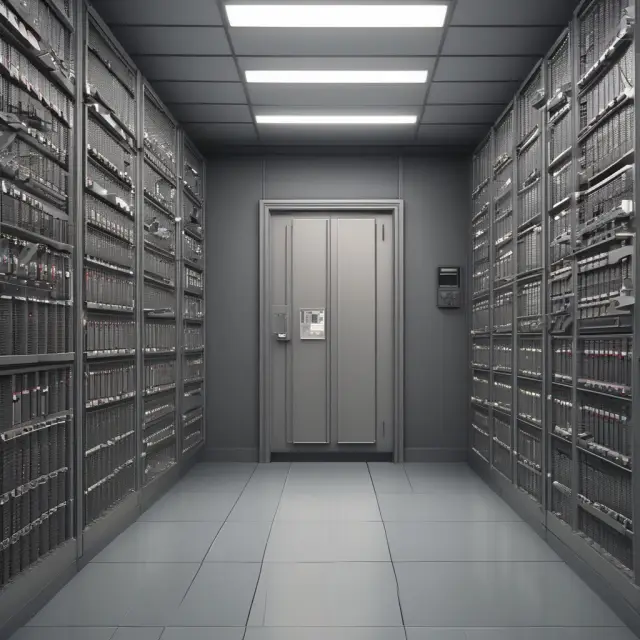
Protection of Information Assets
A Certified Information Systems Auditor (CISA) plays a crucial role in protecting valuable intellectual property and sensitive customer information. In today’s increasingly digitized world, securing such data is paramount for organizations to maintain their competitive edge and avoid costly breaches or reputational damage.
Understanding Security, Controls, and Security Event Management
To safeguard a company’s most precious information, CISAs need to be well-versed in various security measures and controls. These professionals should have an intricate knowledge of different security frameworks, firewalls, and encryption methods. They must also understand the importance of implementing security event management systems that can detect potential threats and provide timely alerts when needed.
Physical Access Limits
Protecting digital assets is only one part of the equation; securing physical access to computer rooms, server facilities, or data centers is equally essential. A CISA must know how to implement appropriate access controls based on the principle of least privilege, ensuring that only authorized personnel have physical access to sensitive areas.
Security Recommendations and Implementation
CISAs are often called upon to assess an organization’s security infrastructure and recommend improvements where necessary. Once management has approved their recommendations, CISAs may be responsible for implementing the new measures, such as installing firewalls or updating access control policies. They must also verify that these changes have been effectively implemented and monitor their impact on the organization’s IT systems.
Balancing Security with Business Needs
While security is crucial, it should not come at the expense of business efficiency or growth. CISAs must strike a balance between maintaining strong security measures and enabling employees to perform their duties effectively. This may involve setting up secure remote access solutions for staff or implementing user-friendly but robust password policies that encourage strong authentication practices without hindering productivity.
Mitigating Insider Threats
An often overlooked aspect of information security is the risk posed by insiders. Employees, contractors, or third parties with authorized access to sensitive data can intentionally or unintentionally cause significant damage. CISAs must understand the importance of implementing appropriate controls to mitigate these threats, such as monitoring user behavior for unusual activity or setting up multi-factor authentication procedures.
Staying Informed and Adapting to New Threats
Cybersecurity is an ever-evolving field, with new threats emerging every day. A CISA must stay informed about the latest vulnerabilities and trends, as well as adapt their security strategies accordingly. This may involve undergoing continuous education or professional development programs to ensure they have the skills needed to keep their organization’s information secure in an ever-changing threat landscape.

FAQs about the Certified Information Systems Auditor (CISA)
What is a Certified Information Systems Auditor (CISA)?
A Certified Information Systems Auditor (CISA) is a professional designation issued by ISACA to individuals who have demonstrated expertise and knowledge in information systems auditing, control, security, and technology risk management.
Who can become a CISA?
To be eligible for the CISA certification, candidates must meet certain requirements including having at least five years of professional experience in IT audit or related fields, passing the CISA exam, adhering to ISACA’s Code of Professional Ethics and Information Systems Auditing Standards, and fulfilling ongoing continuing education requirements.
How do I apply for the CISA certification?
To apply for the CISA certification, candidates must submit an application along with proof of meeting the experience requirement and pay the required application fee. Once approved, they can register for and take the exam.
What is the format of the CISA exam?
The CISA exam is a computer-based test consisting of 150 multiple-choice questions that must be completed within four hours. The exam covers five domains related to information systems auditing, control, security, and technology risk management.
When can I take the CISA exam?
The CISA exam is offered three times a year – in June, September, and December. Registration for each exam session opens approximately six months prior to the test date.
How long does it take to prepare for the CISA exam?
Preparation time varies depending on individual learning styles and prior knowledge of the subject matter. Most candidates recommend dedicating at least three to six months to studying and taking practice exams.
What resources are available for CISA exam preparation?
ISACA provides a variety of study materials, including textbooks, self-study courses, online training, and practice exams. Additional resources, such as study groups and professional organizations, may also be helpful in preparing for the exam.
What is the passing score for the CISA exam?
To pass the CISA exam, candidates must achieve a total score of 450 out of 800 possible points.
How long does it take to receive my CISA certificate after passing the exam?
Once a candidate has passed the exam, they can expect to receive their CISA certificate within 6-8 weeks.
What are the benefits of becoming a CISA?
Becoming a CISA demonstrates expertise in IT audit, control, security, and technology risk management, opening doors for career advancement opportunities and higher salaries. It also signifies adherence to ethical standards and commitment to ongoing professional development.
 Next entry · No. 661Understanding Ceteris Paribus: The Concept Economists Rely on for Building Economic Models
See also
-
 No. 5,949
16 Sep 2026
17 min
Lump Sum vs Dollar-Cost Averaging: What Waiting Costs on $120,000
Investments
No. 5,949
16 Sep 2026
17 min
Lump Sum vs Dollar-Cost Averaging: What Waiting Costs on $120,000
Investments -
 No. 5,935
07 Sep 2026
17 min
How Much Life Insurance You Actually Need
Insurance
No. 5,935
07 Sep 2026
17 min
How Much Life Insurance You Actually Need
Insurance -
 No. 5,455
10 Sep 2025
18 min
Understanding Vault Receipts: A Comprehensive Guide for Institutional Investors
Business Finance
No. 5,455
10 Sep 2025
18 min
Understanding Vault Receipts: A Comprehensive Guide for Institutional Investors
Business Finance -
 No. 5,161
16 Aug 2025
19 min
Understanding Ommer Blocks in Ethereum: Functionality and Implications
Crypto
No. 5,161
16 Aug 2025
19 min
Understanding Ommer Blocks in Ethereum: Functionality and Implications
Crypto -
 No. 2,273
24 Dec 2024
19 min
Understanding Hyperledger Sawtooth: An Enterprise Blockchain Solution for Smart Contracts
Fintech
No. 2,273
24 Dec 2024
19 min
Understanding Hyperledger Sawtooth: An Enterprise Blockchain Solution for Smart Contracts
Fintech -
 No. 2,272
24 Dec 2024
20 min
Understanding Hyperledger Iroha: A Permissioned Business Blockchain Platform
Fintech
No. 2,272
24 Dec 2024
20 min
Understanding Hyperledger Iroha: A Permissioned Business Blockchain Platform
Fintech