Understanding the Tax Equity and Fiscal Responsibility Act of 1982 (TEFRA)

Explore the historical significance of the Tax Equity and Fiscal Responsibility Act of 1982 (TEFRA), including its economic impact, key provisions…
Introduction to TEFRA
The Tax Equity and Fiscal Responsibility Act of 1982 (TEFRA), a significant piece of U.S. fiscal legislation, was enacted in response to the burgeoning federal budget deficit following the Economic Recovery Tax Act of 1981. Signed into law on September 3, 1982, TEFRA marked the largest tax increase in American history when adjusted for inflation, overturning some provisions of ERTA while introducing new measures to bolster government revenue and curb spending.
Historical Context: TEFRA emerged during a time of significant economic turmoil. The U.S. economy was experiencing a recession—known as the “double-dip” recession due to its unique cyclical pattern, where the economy recovered briefly before entering another period of contraction. This economic downturn exacerbated an already substantial budget deficit, which had surged to $110.7 billion in 1982.
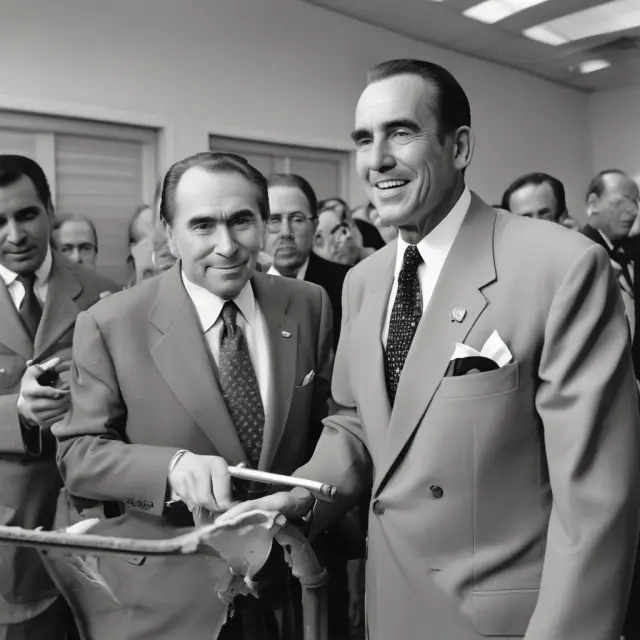
Political Context: As a response to the growing federal deficit, TEFRA aimed to close loopholes in the tax system, tighten enforcement and collection measures, and generate additional revenue without increasing income taxes. The act’s architect was none other than Senator Bob Dole, who, at the time, chaired the Senate Finance Committee.
TEFRA’s Impact on Businesses: One of TEFRA’s most noteworthy consequences involved abolishing some tax breaks granted to businesses under ERTA. Additionally, new withholding taxes were introduced for dividends and interest paid to individuals without certified tax identification numbers.
Healthcare Implications: The legislation also significantly impacted the healthcare sector, particularly through provisions such as Medicaid reforms and the introduction of TEFRA Medicaid, which allowed states to extend in-home services to children with disabilities regardless of their family income.
The Controversial Senator: While Senator Bob Dole played a pivotal role in shaping TEFRA, his association with the legislation would later haunt him during his presidential run in 1995. Despite being the architect behind the largest tax increase in American history, Dole remains an influential figure in U.S. political history.
The following sections will delve deeper into the specific provisions of TEFRA and their implications for individuals and businesses, as well as the political context, controversies, and criticisms surrounding this watershed piece of legislation.

Impact on the Economy
The Tax Equity and Fiscal Responsibility Act of 1982 (TEFRA) came into being during a critical juncture in U.S. history. The early 1980s saw an economic recession, soaring budget deficits, and contentious tax policy debates. TEFRA aimed to address these issues through a mix of tax increases, spending cuts, and reforms.
Before diving deeper into the specifics of TEFRA, it’s essential to understand its historical context. The U.S. economy entered a recession following the passage of the Economic Recovery Tax Act of 1981 (ERTA), which introduced significant tax cuts. This double-dip recession, coupled with growing budget deficits, necessitated action to close loopholes and raise revenues through TEFRA.
TEFRA’s biggest impact was on the U.S. economy during this turbulent period. The legislation became the largest tax increase in U.S. history, when adjusted for inflation. This came as a stark contrast to ERTA, the previous year’s tax cut, which remained the most significant tax reduction in U.S. history at that time.
TEFRA was not universally popular, and its supporters emphasized closing loopholes rather than raising taxes directly. The legislation aimed to improve tax compliance through stricter enforcement measures and increased withholding taxes, which would ultimately raise revenues. Additionally, TEFRA rescinded some ERTA reductions in personal income-tax rates that had not yet taken effect.
Senator Bob Dole, the architect of TEFRA, justified the legislation by stating that it raised more than $98 billion over three years while cutting spending by $280 billion during the same period. However, this figure was disputed, with some experts claiming that TEFRA actually increased spending by 21 cents for every dollar brought in through tax increases.
The economic impact of TEFRA extended beyond budgeting and tax policy. For instance, it led to significant changes in various sectors such as healthcare, where TEFRA provisions introduced reforms to the Medicaid and Medicare reimbursement systems. These changes aimed to save the government money while ensuring essential services for vulnerable populations.
In summary, the Tax Equity and Fiscal Responsibility Act of 1982 played a critical role in U.S. economic history during the early 1980s recession. Its provisions focused on tax enforcement measures, reforms to healthcare, and budgeting adjustments left lasting impacts that continue to influence modern fiscal policy.
In the following sections, we will explore the key provisions of TEFRA and their impact on businesses, individuals, and the broader economy.

Key Provisions of TEFRA
TEFRA’s primary objective was to reduce the federal budget deficit through a combination of tax increases and spending cuts. While it is often remembered for rescinding some ERTA tax reductions, TEFRA also introduced significant changes in tax enforcement measures and affected individuals, businesses, and the healthcare system.
One of TEFRA’s most notable provisions was its crackdown on underreported income and overstated deductions. This included:
- Enhanced withholding requirements: A requirement for automatic 10% tax withholding on dividends and interest payments made to individuals, effectively closing the so-called “tax gap.”
- Stricter enforcement of pension and annuity income reporting: TEFRA mandated withholding on pension and annuity payments. This measure targeted individuals whose income sources were not subject to withholding before.
- Tip reporting: With TEFRA, waiters and other service workers were required to report their tips as taxable income, ensuring that this often overlooked source of income was captured within the tax system.
Additionally, TEFRA imposed higher penalties for non-compliance to further encourage taxpayer compliance and close the tax gap.
One of the most far-reaching effects of TEFRA occurred in the healthcare sector. The legislation introduced numerous changes aimed at reducing government spending on Medicaid and Medicare, resulting in significant long-term implications.
For instance, under TEFRA, states were given increased flexibility to extend certain in-home services to children with disabilities, regardless of their family income. This provision, now known as TEFRA Medicaid, proved vital for millions of families and set the groundwork for future healthcare policies.
In the years following its passage, TEFRA’s provisions continued to impact various sectors. For example, taxpayers felt the consequences in their personal finances, while businesses had to adapt to new regulatory requirements. The Tax Equity and Fiscal Responsibility Act of 1982 undeniably left an indelible mark on U.S. fiscal policy, shaping the way taxes were collected and enforced for decades to come.

Impact on Businesses
The Tax Equity and Fiscal Responsibility Act of 1982 (TEFRA) significantly affected businesses in various ways as it abolished some tax breaks and introduced new withholding taxes. This change came shortly after the Economic Recovery Tax Act of 1981 (ERTA), which brought substantial tax cuts for corporations.
The double-dip recession that followed ERTA, coupled with escalating budget deficits, paved the way for TEFRA’s enactment in September 1982. With businesses experiencing economic instability and new fiscal measures on the horizon, understanding TEFRA’s implications for businesses is crucial.
One of the most notable changes was the elimination of some tax breaks granted under ERTA. Accelerated depreciation, which allowed faster write-offs for business investments, was no longer an option. Additionally, TEFRA introduced a 10% withholding tax on dividends and interest paid to individuals who didn’t have certified tax identification numbers.
Another significant impact of TEFRA was the increase in corporate taxes, which came as a surprise for businesses that had just enjoyed the benefits of ERTA’s tax cuts. The new legislation also raised excise taxes on various items like cigarettes and telephone services, adding to businesses’ operational costs.
The tax changes brought about by TEFRA were met with resistance from the business community. Some argued that these measures would stifle economic recovery and deter investment. However, supporters of TEFRA contended that these measures were essential for reducing the federal budget deficit and ensuring fiscal responsibility.
Senator Bob Dole, who played a pivotal role in shaping TEFRA, believed that the new legislation would help restore balance to the U.S. economy while promoting tax fairness. Despite controversy, TEFRA remained a landmark piece of legislation in U.S. tax policy history.
The following year, 1983, saw a rebound in economic growth, with real GDP expanding by an average of 8% during the first three quarters. The combination of ERTA’s tax cuts and TEFRA’s fiscal measures contributed to this recovery. However, it’s important to note that the economic improvements did not last long-term; the U.S. economy faced another recession in the late 1980s.
In conclusion, TEFRA had a substantial impact on businesses by reversing some tax breaks and introducing new withholding taxes in response to the economic instability and escalating budget deficits of the early 1980s. The long-term effects on the business community are still debated among scholars and policymakers, making this an intriguing topic for further exploration.

Senator Bob Dole’s Role in TEFRA
The Tax Equity and Fiscal Responsibility Act of 1982 (TEFRA) was a significant piece of legislation with far-reaching consequences for the American economy. The bill, which aimed to address budget deficits and tax loopholes, was led by Senator Bob Dole, a prominent Republican from Kansas and chairman of the Senate Finance Committee at the time.
Background
Born on July 22, 1923, in Russell, Kansas, Robert Joseph Dole entered politics following his service in World War II. His political career spanned over five decades, during which he represented his home state in the U.S. Senate for a remarkable 30 years, including three terms as Senate Majority Leader. As chairman of the Senate Finance Committee, Senator Dole wielded considerable influence.
TEFRA’s Inception
The Tax Equity and Fiscal Responsibility Act emerged in response to the Economic Recovery Tax Act (ERTA) of 1981, which had passed under President Reagan a year earlier. ERTA was celebrated as the largest tax cut in U.S. history at that time. However, the country soon faced a recession and an escalating budget deficit.
In this context, Senator Dole, who believed in fiscal responsibility, took it upon himself to address these issues by proposing TEFRA. This legislation aimed to reduce federal spending and close tax loopholes. The act’s primary goal was to raise revenues without increasing income taxes.
Architect of the Bill
As the bill’s architect, Senator Dole played a significant role in shaping and pushing TEFRA through the Senate. Although some Republicans were displeased with his decision, as they viewed it as a departure from their party’s commitment to lowering taxes, he remained undeterred.
TEFRA’s Controversies and Criticisms
Despite its noble intentions, TEFRA faced controversies and criticisms. Some argued that the tax increases primarily targeted low-income families and individuals. Others believed it was a repudiation of Reagan’s campaign promises. Senator Dole, however, maintained his stance on fiscal responsibility and argued that the bill would ultimately save money in the long run.
TEFRA’s Legacy
Senator Bob Dole’s role in TEFRA left a lasting impact on American politics. Although he is now best remembered for championing this tax legislation, it was not his only significant accomplishment. He also played crucial roles in drafting the Americans with Disabilities Act (ADA) and the Balanced Budget Act of 1997, among other legislative achievements.
In conclusion, Senator Bob Dole’s role as the architect behind TEFRA was instrumental in shaping one of the most significant tax laws in U.S. history. His unwavering commitment to fiscal responsibility, even in the face of opposition from within his own party, set a precedent for bipartisan cooperation on budgetary issues that would continue for decades.
Controversies and Criticisms
The Tax Equity and Fiscal Responsibility Act (TEFRA) of 1982, which aimed to close loopholes and raise revenue through stricter tax compliance measures and excise taxes on certain goods, faced significant criticism and opposition during its passage. The act was a repudiation of the Economic Recovery Tax Act (ERTA) of 1981, which was a landmark tax cut law signed only a year prior by President Ronald Reagan. TEFRA’s controversial provisions led to ethical concerns, political backlash, and long-term implications for individuals and businesses.
One of the most divisive elements of TEFRA involved stricter enforcement measures on underreported income and unclaimed withholding taxes. The automatic 10% tax withholding requirement on dividends and interest paid to individuals without certified tax identification numbers was particularly contentious. Critics argued that this provision unfairly targeted low-income Americans, as many lacked the necessary documentation to comply with the new rule.
Furthermore, TEFRA’s impact on businesses, especially in regards to the repeal of ERTA’s tax breaks, sparked criticism and resistance from various industries. For instance, the abolition of accelerated depreciation led to concerns among businesses regarding their ability to invest and remain competitive.
Additionally, the tax increase had long-term repercussions for individuals, particularly those in the healthcare sector. The changes to Medicaid and Medicare reimbursement systems implemented under TEFRA resulted in significant reductions in funding for these programs, leading to negative consequences for millions of Americans.
Another area of controversy surrounded the role of Senator Bob Dole, who championed TEFRA in Congress as chair of the Senate Finance Committee. Despite his reputation as a fiscal conservative and his earlier support for tax cuts, the passage of TEFRA tarnished Dole’s image among conservatives and ultimately impacted his presidential campaign in 1995.
Moreover, TEFRA was criticized for being an excessive response to the federal budget deficit at the time. While the deficit was indeed a concern, some argued that the tax increase was too severe and lacked clear evidence of long-term benefits. In fact, The Heritage Foundation disputed the claim that TEFRA would raise more revenue than it would cost the economy, stating that for every dollar raised through increased taxes, the government would actually spend an additional 21 cents.
In conclusion, while the Tax Equity and Fiscal Responsibility Act of 1982 was intended to address budget deficits through tax increases and stricter enforcement measures, its implementation led to controversies, ethical concerns, and long-term implications for individuals and businesses in various sectors. The debate surrounding TEFRA’s impact continues to be a topic of interest among economists and policymakers today.
Understanding the Controversial Provisions of the Tax Equity and Fiscal Responsibility Act (TEFRA)
In the early 1980s, as the federal budget deficit continued to grow, Congress passed the Tax Equity and Fiscal Responsibility Act of 1982 (TEFRA) in an attempt to address the situation. While TEFRA was designed to raise revenue through stricter tax compliance measures and excise taxes on certain goods, it faced significant opposition due to its controversial provisions.
One of the most contentious aspects of TEFRA involved increased enforcement measures targeting underreported income and unclaimed withholding taxes. The requirement for individuals to provide tax identification numbers in order to avoid having 10% automatically withheld from their dividends and interest payments led to criticism that this provision unfairly targeted low-income Americans, who were more likely to lack the necessary documentation.
Another area of contention surrounded the impact on businesses, particularly in regards to the repeal of ERTA’s tax breaks. The abolition of accelerated depreciation was a major concern for industries, as it affected their ability to invest and remain competitive. This prompted some businesses to lobby against TEFRA, which delayed its passage.
The long-term consequences of TEFRA were also felt in the healthcare sector. Changes to the Medicaid and Medicare reimbursement systems led to significant reductions in funding for these programs, with negative implications for millions of Americans, particularly those from low-income backgrounds.
Perhaps one of the most controversial figures during TEFRA’s passage was Senator Bob Dole, who championed the legislation as chair of the Senate Finance Committee. Although he was known for his fiscal conservatism and support of tax cuts, the passage of TEFRA tarnished his reputation among conservatives, ultimately impacting his presidential campaign in 1995.
Critics argued that TEFRA was an excessive response to the federal budget deficit at the time, with some questioning its long-term benefits and potential negative economic implications. The Heritage Foundation disputed the claim that TEFRA would raise more revenue than it cost the economy, stating that for every dollar raised through increased taxes, the government would actually spend an additional 21 cents.
In conclusion, while the Tax Equity and Fiscal Responsibility Act of 1982 aimed to address budget deficits through tax increases and stricter enforcement measures, its implementation led to controversies, ethical concerns, and long-term implications for individuals and businesses in various sectors. The debate surrounding TEFRA’s impact continues to be a topic of interest among economists and policymakers today.

TEFRA’s Impact on Healthcare
The Tax Equity and Fiscal Responsibility Act (TEFRA) enacted in 1982 significantly influenced the U.S. healthcare system, mainly through provisions concerning Medicaid reform. Medicaid, a joint federal-state program designed to provide medical assistance for low-income individuals, faced escalating costs due to population growth and increased healthcare expenses during the early 1980s. TEFRA aimed to address these financial challenges by implementing several reforms that changed how states administered their Medicaid programs and shaped modern healthcare policy.
Medicaid Reimbursement Changes
To control Medicaid costs, TEFRA made substantial changes to the Medicaid reimbursement system. Previously, Medicaid paid for services based on actual cost or cost reports submitted by providers. TEFRA implemented a prospective payment system (PPS), also known as Diagnostic-Related Groups (DRGs). Under this new approach, hospitals were paid a lump sum per beneficiary based on the diagnosis-related group of their condition rather than relying on actual cost reports. DRGs allowed states to predict and manage healthcare costs more effectively. The implementation of PPS paved the way for value-based payments that are prevalent in today’s modern healthcare landscape.
Impact of Medicaid Reforms
These reforms not only helped control Medicaid spending, but they also had lasting impacts on healthcare provision and access. By implementing a standardized reimbursement method across the country, TEFRA allowed for more uniform healthcare billing and reimbursement practices between states. Furthermore, DRGs incentivized providers to be more efficient in their service delivery, as they were now being paid based on the average cost of providing care for a particular condition rather than the actual amount spent.
State Flexibility and Cost Savings
TEFRA also granted states greater flexibility in managing their Medicaid programs within certain parameters. States could opt to receive federal funding in two forms: Federal Medical Assistance Percentage (FMAP) grants or block grants. This allowed states to tailor their programs based on their unique demographic and healthcare needs, leading to cost savings and more targeted services for Medicaid beneficiaries.
In conclusion, the Tax Equity and Fiscal Responsibility Act of 1982’s provisions regarding Medicaid reform have shaped modern healthcare policy in significant ways. The introduction of a prospective payment system (DRGs) paved the way for value-based payments and increased efficiency in healthcare service delivery, ultimately helping to control Medicaid spending while improving access to essential medical services for low-income individuals.

Repercussions for Individuals
The passage of the Tax Equity and Fiscal Responsibility Act (TEFRA) in 1982 led to significant repercussions for individuals in various ways. While the primary goal of TEFRA was to address the federal budget deficit, it also included provisions that affected individual taxpayers, many of whom were already grappling with the consequences of ERTA’s tax cuts during a recession.
One major provision required individuals with interest and dividend income to have their financial institutions withhold and remit taxes directly from those sources. This 10% withholding tax applied regardless of whether the individual had sufficient income or not, causing some hardships for retirees living on fixed incomes. The withholding requirement was a departure from previous practice, which relied on individuals to pay estimated taxes quarterly based on their expected annual earnings.
Additionally, TEFRA tightened enforcement of tax laws for various types of income. Waitstaff and other workers who earned tips as part of their income faced increased scrutiny for underreporting, potentially impacting their take-home pay. The legislation also required tax withholding on pension and annuity payments, making it more complex for retirees to manage their financial affairs.
Furthermore, the increase in taxes through TEFRA affected people differently depending on their income levels, residency status, and other factors. For instance, certain deductions that had been available under ERTA were disallowed or restricted under TEFRA. Some individuals experienced a decrease in net disposable income due to these changes, exacerbating economic uncertainty during a time of recession.
TEFRA’s repercussions on individuals served as a reminder of the complex relationship between fiscal policy and the everyday lives of Americans. While some provisions were aimed at improving tax compliance and addressing budget deficits, others created unintended consequences for those affected by these changes. In the years that followed TEFRA, debates over tax reform continued to focus on striking a balance between revenue generation, economic growth, and individual taxpayer fairness.
In conclusion, understanding the Tax Equity and Fiscal Responsibility Act of 1982 (TEFRA) is crucial for anyone interested in U.S. fiscal policy and its impact on individuals. The legislation’s provisions significantly affected the lives of many Americans, from changes to healthcare systems to modifications of personal income tax structures. By examining TEFRA’s history, objectives, and consequences, we gain a deeper appreciation for the role that taxes play in shaping our economy and society.
TEFRA’s Legacy and Historical Significance
The Tax Equity and Fiscal Responsibility Act (TEFRA) was a significant milestone in U.S. fiscal policy, marked by its ambitious attempt to address the burgeoning federal budget deficit through tax reform measures. Enacted in 1982, TEFRA followed the Economic Recovery Tax Act of 1981 (ERTA), which had been hailed as a substantial tax cut at the time. This section aims to shed light on the enduring impact of TEFRA, particularly in the context of U.S. fiscal policy and tax reform.
TEFRA’s Economic Context
The Tax Equity and Fiscal Responsibility Act was born out of the economic crisis that engulfed the United States during the early 1980s. The economy was grappling with a recession, marked as a “double-dip” due to its brief recovery before plunging back into another downturn. At the same time, the federal budget deficit soared, reaching an unprecedented $110.7 billion in 1982 (equivalent to approximately $330 billion in 2021). In response, TEFRA was designed to raise more revenue and cut spending, as well as reform the tax system with a focus on closing loopholes and improving compliance.
Impact on the U.S. Economy
TEFRA is most notable for its significant impact on the U.S. economy during this time. The Act raised taxes substantially (adjusted for inflation), making it the largest tax increase in American history. By rescinding some provisions of ERTA and introducing new measures, TEFRA aimed to restore fiscal responsibility and address the deficit crisis.
Controversial Legislation
TEFRA was a contentious piece of legislation, with significant controversy surrounding its passage and implications for various sectors. While supporters argued that it would close loopholes and improve tax compliance, critics pointed to the impact on businesses and individuals, particularly as the economy continued to struggle in the aftermath of the recession.
Lasting Impact on Businesses
The Tax Equity and Fiscal Responsibility Act had far-reaching consequences for U.S. businesses. One of its most notable impacts was the abolition of ERTA tax breaks, which led to increased corporate taxes and changes in business structures. Additionally, TEFRA introduced new withholding taxes on dividends and interest, putting additional pressure on companies and investors alike.
Healthcare and Social Programs
TEFRA also significantly affected the healthcare system through provisions related to Medicaid reforms, Medicare reimbursement rules, and other changes to social programs. While some of these measures were aimed at reducing costs, others had unintended consequences, such as increased administrative burden and potential reductions in services for vulnerable populations.
Senator Bob Dole’s Role
Senator Robert Dole played a pivotal role in the passage of TEFRA. As chair of the Senate Finance Committee during this time, he was responsible for shaping the legislation and pushing it through Congress, despite facing significant opposition from both parties.
Long-Term Implications
The Tax Equity and Fiscal Responsibility Act left a lasting impact on U.S. fiscal policy, tax reform, and public perception of government’s role in the economy. Its efforts to close tax loopholes, tighten enforcement, and reduce spending paved the way for future legislative efforts in these areas. Additionally, TEFRA set the stage for ongoing debates about the balance between economic growth and fiscal responsibility, as well as the role of government in addressing economic challenges.
In conclusion, the Tax Equity and Fiscal Responsibility Act of 1982 represents a critical moment in U.S. fiscal policy and tax reform history. Its ambitious goals to address the federal budget deficit through a combination of tax increases, spending cuts, and tax reform measures laid the groundwork for future legislative efforts and ongoing debates about the role of government in the economy. By examining its economic context, impact on various sectors, and enduring significance, we can gain a deeper understanding of this landmark legislation’s historical importance and legacy.

Conclusion: TEFRA’s Enduring Impact
The Tax Equity and Fiscal Responsibility Act (TEFRA) was a significant piece of legislation that shaped the U.S. tax system, economy, and federal budget during the early 1980s. Passed in September 1982, TEFRA aimed to address the mounting budget deficit caused by the Economic Recovery Tax Act (ERTA) of 1981 and other factors. This conclusion explores the long-term consequences of TEFRA on the U.S. economy, tax system, and fiscal policies.
TEFRA’s economic impact was substantial, particularly in relation to the then-ongoing recession. With an economy struggling to recover from the double-dip recession, the legislation introduced measures such as higher excise taxes on cigarettes and telephone services and increased corporate taxes. These actions aimed to restore fiscal discipline while also reducing tax loopholes.
One of TEFRA’s most enduring impacts was its influence on the healthcare system. The bill contained several provisions that altered Medicaid and Medicare reimbursement systems, allowing for significant cost savings in these areas. One of the most notable outcomes is TEFRA Medicaid, which enabled states to extend specific in-home services for children with disabilities regardless of their family income.
Bob Dole, the then-chairman of the Senate Finance Committee, played a crucial role in shaping and passing TEFRA. Although some conservatives criticized Dole for championing the biggest tax increase in U.S. history, his efforts ultimately helped to mitigate the fiscal crisis caused by ERTA’s tax cuts.
Despite its successes, TEFRA was not without controversy or criticism. The legislation abolished several tax breaks introduced under ERTA and instituted new withholding taxes on dividends and interest paid to individuals. This led to backlash from affected individuals and businesses alike.
As the U.S. grapples with ongoing budget deficits and debates around fiscal policy, TEFRA remains an essential chapter in American tax history. Its legacy serves as a reminder of the complex interplay between government revenue, tax reforms, and economic conditions. The Act’s enduring impact can still be felt today, influencing modern tax policies and fiscal discussions.
FAQs about TEFRA:
What was the purpose of TEFRA?
The Tax Equity and Fiscal Responsibility Act (TEFRA) aimed to address the U.S.’s growing budget deficit in the early 1980s by closing tax loopholes, increasing excise taxes, and reforming Medicaid and Medicare reimbursement systems.
Who was responsible for TEFRA’s passage?
TEFRA was largely shaped and pushed through the Senate by then-chairman of the Senate Finance Committee, Bob Dole.
What were some controversial provisions in TEFRA?
TEFRA introduced new withholding taxes on dividends and interest paid to individuals, abolished several ERTA tax breaks for businesses, and contained stricter compliance measures.
How did TEFRA impact healthcare?
TEFRA changed the Medicaid and Medicare reimbursement systems, resulting in cost savings and creating provisions like TEFRA Medicaid, which allows states to extend certain in-home services for children with disabilities regardless of their family income.
What was the overall economic impact of TEFRA?
TEFRA’s economic impact included higher excise taxes on cigarettes and telephone services, increased corporate taxes, and a crackdown on underreported income. The legislation also helped restore fiscal discipline during a struggling economy.

FAQs about TEFRA
What is the Tax Equity and Fiscal Responsibility Act of 1982 (TEFRA)?
The Tax Equity and Fiscal Responsibility Act of 1982 (TEFRA) was a significant piece of legislation passed in response to the U.S. economy’s second recession within a short period, escalating budget deficits, and growing federal debt. Signed into law on September 3, 1982, TEFRA aimed to raise revenue by closing tax loopholes, introducing stricter compliance measures, and increasing taxes on certain goods and services.
Who was behind the passage of TEFRA?
Republican Senator Bob Dole, who served as the chair of the Senate Finance Committee at that time, led the charge for the Tax Equity and Fiscal Responsibility Act of 1982. He championed this legislation to address growing concerns about the federal budget deficit and the need for tax reform.
What was the main objective of TEFRA?
The primary goal of TEFRA was to reduce the federal budget deficit by increasing taxes, introducing stricter compliance measures, and implementing new tax policies that would generate more government revenue. The legislation also aimed to close loopholes in the tax system and target specific industries for increased taxation, such as cigarettes and telephone services.
What were some key provisions of TEFRA?
TEFRA introduced various provisions, including:
- Abolishing some ERTA business tax breaks, like accelerated depreciation
- Implementing a 10% withholding tax on dividends and interest for individuals without certified tax identification numbers
- Cracking down on underreported tips
- Imposing tax withholding requirements on pensions and annuities
- Toughening tax enforcement and increasing penalties for non-compliance
How did TEFRA impact the economy at the time?
TEFRA was passed during a recession, and its implementation led to several consequences for the U.S. economy:
- Increased taxes and stricter compliance measures placed additional financial burden on individuals and businesses
- The repeal of certain tax breaks negatively affected some sectors of the economy
- TEFRA’s impact on the healthcare system included changes in Medicaid reimbursement systems and provisions like TEFRA Medicaid, which allowed states to extend Medicaid services to children with disabilities regardless of their family income.
What was TEFRA’s legacy, and how did it shape future tax policy?
TEFRA represented the largest tax increase in U.S. history at that time, setting a precedent for future tax reforms and fiscal policies. The legislation influenced later developments, including the Tax Reform Act of 1986 and the Tax Cuts and Jobs Act of 2017. TEFRA’s emphasis on closing tax loopholes and increasing taxes became a recurring theme in subsequent policy debates regarding federal budgeting and taxation.
In summary, TEFRA was a crucial legislative response to the economic challenges during the early 1980s, shaping U.S. fiscal policy through its focus on tax reform, stricter enforcement measures, and industry-specific taxes.
 Next entry · No. 4,922Understanding Telegraphic Transfers (TT): An In-depth Look at This Electronic Method of Fund Transfer
See also
-
 No. 5,196
19 Aug 2025
18 min
Under Reporting: The Hidden Cost to Society and Its Consequences for Companies and Individuals
Taxation
No. 5,196
19 Aug 2025
18 min
Under Reporting: The Hidden Cost to Society and Its Consequences for Companies and Individuals
Taxation -
 No. 4,859
22 Jul 2025
21 min
Understanding Tax Accounting: A Comprehensive Guide for Individuals and Businesses
Taxation
No. 4,859
22 Jul 2025
21 min
Understanding Tax Accounting: A Comprehensive Guide for Individuals and Businesses
Taxation -
 No. 3,787
27 Apr 2025
17 min
Understanding Ordinary Income: Tax Implications for Individuals and Businesses
Taxation
No. 3,787
27 Apr 2025
17 min
Understanding Ordinary Income: Tax Implications for Individuals and Businesses
Taxation -
 No. 4,894
25 Jul 2025
20 min
Understanding the Impact of the Tax Reform Acts of 1986 and 1993 on Finance and Investment
Business Finance
No. 4,894
25 Jul 2025
20 min
Understanding the Impact of the Tax Reform Acts of 1986 and 1993 on Finance and Investment
Business Finance -
 No. 4,635
04 Jul 2025
19 min
Understanding Shareholders Agreements: Key Provisions and Benefits for Institutional Investors
Business Finance
No. 4,635
04 Jul 2025
19 min
Understanding Shareholders Agreements: Key Provisions and Benefits for Institutional Investors
Business Finance -
 No. 4,386
14 Jun 2025
22 min
Understanding Repatriation in Finance and Investment: Taxes, Risks, and Practical Applications
Business Finance
No. 4,386
14 Jun 2025
22 min
Understanding Repatriation in Finance and Investment: Taxes, Risks, and Practical Applications
Business Finance