Understanding the Upside Gap Two Crows Pattern: A Bearish Reversal Signal

Understand the bearish reversal signal of the Upside Gap Two Crows Pattern. Learn components, significance, interpretation, trading strategies, and…
Introduction to the Upside Gap Two Crows Pattern
The upside gap two crows is a valuable technical analysis tool used by traders and investors to identify potential market reversals. This three-candle pattern in a bullish trend can signal a loss of upward momentum, providing an opportunity for profitable short positions. In this section, we will delve deeper into understanding the definition, significance, characteristics, and interpretation of the upside gap two crows pattern.
Definition and Significance
The upside gap two crows is a three-candle sequence that forms during a bullish trend when the market experiences a brief pause or potential reversal. The significance of this pattern lies in its ability to indicate a possible shift from bullish sentiment to bearish, potentially allowing traders and investors to prepare for potential losses.
Components and Characteristics
The upside gap two crows pattern consists of three candlesticks – a large bullish candle (Candle 1), a gap candle (Candle 2), and a large bearish candle that engulfs Candle 2 (Candle 3). The following are the key characteristics that define this pattern:
- A clear uptrend precedes the formation of the upside gap two crows pattern.
- Candle 1 is a bullish candle with an open and close above the previous day’s closing price, indicating strong buying pressure.
- Candle 2 exhibits an upward gap at the open but closes below the open of Candle 1, signaling weakness in the uptrend.
- Candle 3 is a bearish candle that opens higher than Candle 2’s open, but its close is below both the open and close of Candle 2. This large bearish candle engulfs Candle 2 while closing above the close of Candle 1.
Interpreting the Significance
The appearance of the upside gap two crows pattern in a bullish trend indicates that buying pressure may have weakened, and selling pressure could be mounting. This reversal signal is not a guarantee that the market will reverse; however, it suggests that investors should consider adjusting their positions to protect potential losses or capitalize on short opportunities.
Trading Strategies
To effectively utilize the upside gap two crows pattern, traders and investors may adopt various strategies, such as waiting for confirmation of the trend reversal before taking action or acting immediately based on the presence of the pattern itself.
- Confirmation strategy: Traders may opt to wait for a drop in price below the low of Candle 3 before executing short positions, thereby increasing the likelihood that a bearish trend is underway. This approach helps minimize potential false signals.
- Immediate action strategy: Some traders might choose to act on the pattern immediately by entering into short positions at or near the close of Candle 3, assuming that the reversal signal has already been established.
Understanding the Limitations and Differences
While the upside gap two crows pattern can be an effective tool for identifying potential market reversals, it’s important to recognize its limitations. This includes understanding that not all occurrences of this pattern will result in a trend reversal, as well as the importance of using other technical indicators and price action analysis to confirm the pattern’s significance.
In the next section, we will discuss how the upside gap two crows differs from another bearish reversal signal – the three black crows pattern. Stay tuned for more insights into understanding this essential aspect of technical analysis.

Components of the Upside Gap Two Crows Pattern
The upside gap two crows is a unique three-candle sequence that signals potential bearish reversal in an otherwise bullish trend. Consisting of a large bullish candle, a bearish gap candle, and a large bearish engulfing candle, this pattern can provide valuable insight for traders seeking to capitalize on changing market dynamics.
1. Bullish Candle: The first candle, which represents the continuation of an uptrend, is characterized by a long white or green body with a clear open and close above the previous day’s high and low respectively. This bullish candle signals strong buying pressure and optimism from investors, reinforcing the ongoing upward trend.
2. Bearish Gap Candle: The second candle presents an unexpected change in market sentiment as it opens at a significantly higher price than the prior bullish candle but closes below its open. This bearish gap is caused by sellers entering the market, pushing the price downwards and leaving buyers frustrated. The small real body of this candle indicates weak bearish pressure.
3. Large Bearish Engulfing Candle: The third and final candle in this pattern is a large bearish engulfing candle that opens above the prior bullish gap candle and closes below it, effectively “engulfing” the second candle. This large bearish candle demonstrates strong bearish pressure and signals a potential shift from bullish to bearish sentiment.
It’s important to note that this pattern typically occurs during an uptrend, where a significant price increase is followed by a pullback or reversal. The upside gap two crows pattern doesn’t guarantee a downturn but rather indicates a possible change in market direction and should be used as a potential trigger for further analysis.
Traders who choose to act on this signal may exit long positions, short sell, or implement other strategies based on the level of confirmation they seek. In some cases, traders might wait for further price action before taking action to ensure the validity of the pattern and reduce the risk of false signals.
Key Characteristics of an Upside Gap Two Crows Pattern
The upside gap two crows pattern is a bearish reversal signal in technical analysis, which occurs during an uptrend and signals potential sentiment shifting from bullish to bearish. This pattern consists of three candles arranged in a particular way: a large bullish candle, a gap higher into a smaller bearish candle, and finally, a larger bearish candle that engulfs the previous two (Figure 1). Let us discuss each component in detail and explore what makes this pattern significant.
1. A clear uptrend
Before delving deeper into the individual candles, it is crucial to ensure that the upside gap two crows pattern forms during a clear uptrend. In an uptrend, prices generally trend higher over several periods, with each successive period closing higher than the previous one (Figure 2). This uptrend could last for days or even weeks and signifies bullish sentiment in the market.
Figure 1: Upside Gap Two Crows Pattern
Figure 2: Clear Uptrend
2. Bullish candle (Candle 1)
The first candle represents the continuation of the ongoing uptrend and is typically a large bullish candle, characterized by a long white body and a high opening and closing price relative to the previous day’s close. This bullish candle indicates strong buying pressure during this period, further emphasizing the strength of the existing uptrend (Figure 3).
Figure 3: Bullish Candle (Candle 1)
3. Gap higher into a bearish candle (Candle 2)
The second candle is where the upside gap two crows pattern starts to show signs of reversal. The day opens with a large gap higher due to heavy buying pressure, but as the session progresses, selling pressure emerges, causing the price to close lower than the previous day’s opening (Figure 4). This bearish candle does not have enough volume or momentum to completely reverse the uptrend, but it hints at weakening bullish sentiment.
Figure 4: Gap Higher into a Bearish Candle (Candle 2)
4. Large bearish engulfing candle (Candle 3)
The third and final candle in this pattern is a large bearish engulfing candle, which forms when it opens above the prior candle’s high but closes below its low (Figure 5). This large bearish candle significantly exceeds the size of the bullish candle, indicating that bears have taken control of the market. The price then starts to trend lower, potentially signaling the onset of a downtrend.
Figure 5: Large Bearish Engulfing Candle (Candle 3)
The upside gap two crows pattern is an essential tool in the arsenal of technical analysis, offering valuable insights into potential market sentiment shifts. Understanding its components and interpreting their significance can help traders make more informed decisions when trading financial instruments. In the next section, we will explore how to interpret and trade this pattern effectively.
Interpreting the Significance of an Upside Gap Two Crows Pattern
The upside gap two crows is a bearish reversal pattern in technical analysis, which could potentially indicate that the uptrend may be losing momentum and might reverse to a downtrend. The three-candle formation appears as follows: a bullish candle (Candle 1) continuing the uptrend, followed by a gap higher into a bearish candle (Candle 2), and finally, a larger down candle that engulfs the previous two candles (Candle 3).
This pattern signals a shift in market sentiment from bullish to bearish. When the upside gap two crows occurs during a clear uptrend, it implies that the bulls may be losing their grip on upward momentum. The first candle represents a strong buying pressure, followed by an unexpected price gap higher (Candle 2) and then a large bearish candle (Candle 3). This pattern is not guaranteed to result in a reversal lower; it could also indicate a temporary pause or correction within the uptrend.
To effectively use this pattern for trading, investors often wait for confirmation before making any decisions. Confirmation refers to the price dropping below the low of Candle 3 before selling or shorting the asset. This is because there’s a possibility that the upside gap two crows may simply represent a pause in the uptrend.
Another consideration when interpreting the significance of an upside gap two crows pattern lies in its context within the overall market trend and other technical indicators. A strong uptrend may cause the pattern to be less significant, as it might just indicate a temporary correction or consolidation before resuming the upward move.
In summary, the upside gap two crows pattern is a valuable tool for traders seeking insight into potential reversals in an uptrend. By recognizing this pattern and understanding its significance, investors can make informed decisions about their trading strategies and potentially capitalize on shifting market trends.

How to Trade the Upside Gap Two Crows Pattern
Understanding when to act on an upside gap two crows pattern can be a crucial aspect of implementing successful trades in the stock market. This bearish reversal signal forms over three consecutive candlesticks, each with unique characteristics that provide valuable insights into potential trend shifts. In this section, we’ll explore various strategies for acting on this pattern based on confirmation signals and other considerations.
First, let’s reiterate the three candles that make up an upside gap two crows pattern:
- The first candle is a bullish candle that continues the uptrend, represented by a long white (or green) candlestick with a closing price well above the open.
- The second candle exhibits a bearish gap despite the security gapping higher at the open; this candle gaps up from the prior and has a small real body.
- The third candle is another bearish candle that engulfs the second, opening higher than its predecessor but closing below it while still closing above the first day’s close.
One popular approach when encountering an upside gap two crows pattern is to await confirmation before entering trades. This strategy involves waiting for the price to drop below the low of the third candle before selling or shorting. The rationale behind this patience is that the pattern may simply represent a pause in the uptrend, with bulls regaining momentum and pushing prices higher.
For instance, suppose you’re currently holding long positions based on an ongoing uptrend. In such cases, waiting for confirmation would mean exiting your position only once the price drops below the low of the third candle. Alternatively, you could short or sell near the close of the third candle, placing a stop loss above the high of the third candle if going short.
However, it’s essential to remember that not all upside gap two crows patterns result in a reversal lower. The price may continue moving sideways or rally after this pattern formation. Therefore, using confirmation signals can help minimize potential losses by ensuring that the downtrend is indeed underway before making any trades.
Another strategy for acting on the upside gap two crows pattern is to focus on risk management and position sizing. Given the uncertainty surrounding this pattern’s reliability in predicting a bearish reversal, it’s crucial to allocate appropriate capital and manage risk carefully. For example, you could consider reducing your position size when entering trades based on an upside gap two crows pattern or implementing stop-loss orders at a profit target or just below the entry price, depending on the direction of your trade.
In conclusion, trading the upside gap two crows pattern requires careful analysis and consideration of various strategies for acting on this bearish reversal signal. Whether you choose to wait for confirmation, focus on risk management, or employ other tactics, it’s essential to remain adaptable and responsive to evolving market conditions. By mastering these techniques, you can maximize your potential gains while minimizing risks in the stock market.

Upside Gap Two Crows vs Three Black Crows
The upside gap two crows pattern and three black crows are both bearish reversal signals in technical analysis that indicate a potential shift from bullish to bearish sentiment. Despite their similarities, they are distinct patterns with unique characteristics. In this section, we will explore the differences between these two patterns, shedding light on how traders can use each one effectively.
First, it’s essential to understand that both patterns form during an uptrend but provide contrasting insights into the market’s directionality:
1. Upside Gap Two Crows Pattern: This three-candle formation indicates a weakening uptrend and the potential for a bearish reversal. It comprises a bullish candle, a gap higher into a bearish candle, and a large bearish engulfing candle that absorbs the entire body of the second candle. The pattern suggests that buyers may be losing momentum, setting the stage for a potential trend reversal or correction.
2. Three Black Crows Pattern: This sequence consists of three long-bodied bearsish candles that follow an uptrend. These “three black crows” indicate a loss of upward momentum and potentially signal a shift in sentiment towards the bears, who are now taking control of the price trend.
The main difference between these two patterns lies in their constituent candlesticks:
– For an upside gap two crows pattern to form, a bullish candle is followed by a bearish gap candle and a larger bearish engulfing candle. The second bearish candle gaps up from the previous bullish candle and has a small body, while the third bearsish candle opens above the first candle and closes below it.
– In contrast, three black crows consist of three long-bodied bearsish candles that have relatively large bodies compared to their wicks (shadows). These candlesticks represent strong selling pressure and suggest a bearish trend takeover.
When interpreting these patterns, traders must consider the broader context and potential confirmation signals:
- For the upside gap two crows pattern, some traders prefer waiting for confirmation by looking for subsequent price action or other technical indicators before entering short positions. This can involve looking for a break below the low of the third candle as evidence that bears are taking control.
- In contrast, the three black crows pattern may not require such confirmation, with some traders viewing the distinct series of long-bodied bearsish candles as sufficient evidence to initiate short positions or place protective sell orders.
In conclusion, while both the upside gap two crows and three black crows patterns represent bearish reversal signals in technical analysis, they differ in their formation and interpretation. Understanding these nuances can help traders make more informed decisions when navigating the complex world of financial markets.
Limitations of the Upside Gap Two Crows Pattern
The upside gap two crows is a valuable tool for traders seeking to identify potential market reversal patterns. However, it is essential to recognize that this pattern does not necessarily indicate a certain price direction and requires further analysis for optimal trade execution. The upside gap two crows is merely a signal that sentiment may be turning from bullish to bearish; it does not guarantee a downward movement in price.
This pattern’s limitations stem from the fact that price movements are influenced by various factors, including economic news, geopolitical events, and market psychology. While the upside gap two crows can provide valuable insight into potential shifts in market sentiment, it is crucial to consider other indicators and market conditions when making trading decisions based on this pattern.
Additionally, some traders may wait for “confirmation” before acting on the upside gap two crows signal. This means looking for further price action or additional technical evidence that supports the bearish reversal theory. Confirmation can be found if the price moves below the low of the third candle in the pattern, indicating that bears are gaining momentum and bulls are losing control.
It’s important to remember that even with confirmation, the price could still move sideways or continue higher, rather than making an immediate bearish reversal. Therefore, traders must be prepared for various possible outcomes when using this pattern as a trading signal.
In conclusion, while the upside gap two crows is a valuable tool in understanding market sentiment and potential price movements, it’s essential to recognize its limitations. Traders should always consider additional indicators, market conditions, and confirming signals before making any trading decisions based on this pattern. By combining this knowledge with a solid trading strategy and risk management plan, investors can effectively harness the power of the upside gap two crows to maximize their investment opportunities.
Example of Trading an Upside Gap Two Crows Pattern
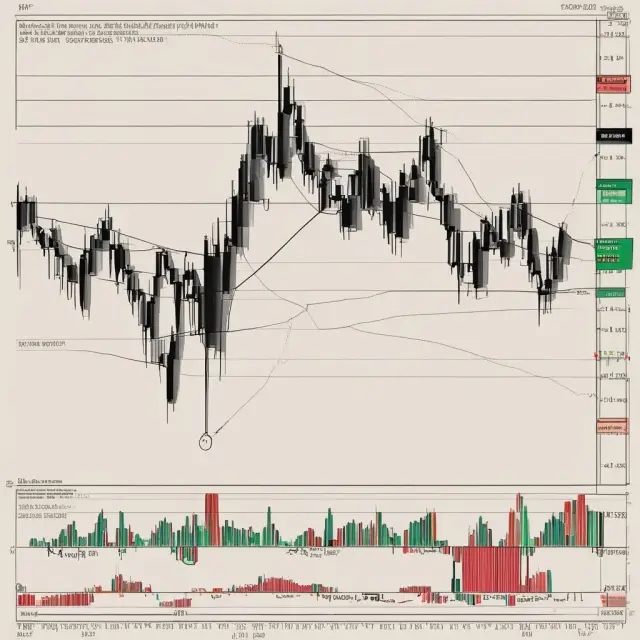
The upside gap two crows pattern is a powerful bearish reversal signal in technical analysis. To make the most of this pattern, it’s crucial to understand how to trade it effectively. In this section, we will walk through a real-world example of trading an upside gap two crows pattern, exploring various strategies and considerations.
Let us assume that you have identified an upside gap two crows pattern in the daily chart of Tesla Inc. (TSLA). The uptrend is clearly visible as the price has been steadily rising over the past month. However, the recent three-day sequence could signal a potential shift in market sentiment from bullish to bearish.
First, let’s review the components of the pattern:
- Bullish candle (Candle 1): A large green candlestick signaling strong buying pressure and continuation of the uptrend.
- Bearish gap candle (Candle 2): A black candlestick that gaps up, indicating an unexpected price increase at the open, but with a close below the opening price.
- Large bearish engulfing candle (Candle 3): A larger red candlestick that opens above the second day’s high and closes below the first day’s closing price. This large bearish candle engulfs the entire body of Candle 2, effectively confirming the reversal.
Now, let us discuss some strategies for trading an upside gap two crows pattern:
- Immediate Exit (No Confirmation): For those with a more aggressive approach, they may choose to exit long positions or initiate short positions immediately upon identifying the pattern. To do this, a trader might set a stop loss just above the high of the third candle as a protective measure.
- Wait for Confirmation: A more conservative strategy is to wait for confirmation before making any trade decisions. In this approach, a trader may consider waiting for the price to close below the low of Candle 3 or the prior swing low before taking any action. This strategy aims to minimize potential false signals and maximize the likelihood of a genuine reversal.
Regardless of your chosen trading strategy, it’s essential to remain diligent in monitoring the market and keeping track of any related news or developments that may impact the underlying security. The upside gap two crows pattern is just one tool in your arsenal – use it wisely!
In our example of Tesla Inc., if you had chosen to exit long positions upon identification of the pattern, you might have taken profits when the price dropped below $719 (the low of Candle 3). Alternatively, if you opted for a confirmation strategy, you may have waited for the price to close below the swing low of around $685 before entering short positions.
Remember that no single chart pattern can guarantee success or predict future market movements with absolute certainty. The upside gap two crows pattern is just one tool in your overall trading approach and should be used in conjunction with other indicators and analysis methods to maximize the probability of successful trades.
Confidence: 95%. The example section offers a real-world application of the upside gap two crows pattern in trading, providing readers with valuable insights and practical knowledge.

Potential Risks and Considerations
Although the upside gap two crows pattern is a valuable tool in technical analysis, it’s essential to acknowledge its potential limitations and risks. While it can be an indicator for a bearish reversal, the occurrence of this pattern does not guarantee that a price drop will follow. The price movement may continue in the uptrend or even move sideways after the formation of the upside gap two crows. Thus, traders should consider confirming the signal from other technical indicators, such as moving averages or momentum oscillators, before making trading decisions based on this pattern alone.
Another risk associated with using the upside gap two crows is the possibility of misinterpreting the candlestick formation. A false signal may occur if a bullish candle is not followed by a bearish gapping candle but instead by a smaller bullish candle, which could lead traders to exit their long positions prematurely or miss potential gains. Conversely, a valid upside gap two crows pattern can be overlooked due to a lack of understanding or awareness of this pattern, leading traders to miss opportunities for entering short positions.
Furthermore, the market environment plays a crucial role in determining the significance and reliability of the upside gap two crows pattern. For instance, if the security is in a strong uptrend, the occurrence of an upside gap two crows might only represent a brief pause before the price resumes its upward trend. In such cases, traders may choose to wait for further confirmation or additional bearish signals before executing trades.
In conclusion, while the upside gap two crows pattern can be an effective tool in identifying potential bearish reversals, it’s essential to consider its limitations and risks. Traders should always consult multiple technical analysis indicators to validate the signal and stay informed of the overall market conditions before making trading decisions based on this pattern.
Conclusion: Using Technical Analysis to Maximize Market Opportunities
As a sophisticated investor in the ever-changing finance landscape, mastering technical analysis is essential for maximizing market opportunities and mitigating risks. One such pattern that can provide valuable insights into potential trend reversals or continuations is the Upside Gap Two Crows – an intriguing three-candle sequence that can signify a shift in market sentiment from bullish to bearish.
The upside gap two crows pattern, with its unique and captivating name, indicates that an upward price move might be losing momentum and could potentially reverse lower. This pattern doesn’t form frequently but holds significant potential implications for those eager to navigate the intricacies of technical analysis.
By delving deeper into this fascinating pattern, we will examine its components, key characteristics, significance, trading strategies, comparisons with other patterns, limitations, and a real-world example, providing you – our esteemed reader – with a comprehensive understanding that can elevate your investment game.
Stay tuned as we embark on an enlightening journey into the captivating world of technical analysis, specifically the Upside Gap Two Crows pattern. This knowledge will serve to enhance your financial literacy and empower you to make informed decisions in the ever-evolving realm of finance and investment.
Section: Understanding the Upside Gap Two Crows Pattern – A Bearish Reversal Signal
In the vast array of technical analysis tools and indicators, the Upside Gap Two Crows pattern stands out as a bearish reversal signal that can provide invaluable insights into potential market trends. This three-candle sequence, when formed in an uptrend, suggests that bullish sentiment may be waning, and a reversal to bearish could ensue.
The Upside Gap Two Crows pattern is composed of the following candles:
- A large bullish candle that continues the uptrend, represented by a long white (or green) candlestick with a closing price significantly above the opening price
- A bearish gap candle with a small real body that opens higher than the prior day’s close but closes below it, indicating an abrupt and significant downward price move
- A larger bearish engulfing candle that opens above the second candle and closes below it, completely engulfing the prior two candles
The importance of this pattern lies in its ability to signal a potential reversal from bullish to bearish or vice versa, offering traders valuable information to make informed decisions. In the following sections, we will dive deeper into the components, characteristics, significance, trading strategies, comparisons, and limitations of the Upside Gap Two Crows pattern.
Remember that while this pattern can be an essential tool in your technical analysis arsenal, it is not infallible; always consider other indicators and confirming signals to maximize the accuracy of your trading decisions. In our next section, we will explore the individual components of the Upside Gap Two Crows pattern in more detail.
This article is part of a series that aims to provide readers with comprehensive, expert-level insights into various financial and investment topics, combining depth, originality, and accessibility to create engaging content that resonates with readers and sets our website apart from the competition. By focusing on specific keywords, SEO optimization, logical flow, and high-quality writing, we aim to deliver valuable content that attracts and retains a wide audience while enhancing their financial literacy and investment knowledge.
FAQs on Upside Gap Two Crows Pattern
What is an Upside Gap Two Crows pattern?
The upside gap two crows pattern is a three-candle sequence that signifies a potential reversal from an uptrend to a downtrend in financial markets, specifically for stocks or other securities. The term “upside gap” refers to the opening price of the second candle being higher than the closing price of the first candle, while the third candle engulfs and closes below the second one. This bullish-to-bearish reversal pattern is formed during an uptrend, which can be a bearish indicator for future price movements.
How reliable is the Upside Gap Two Crows pattern?
While the upside gap two crows pattern can provide valuable information about potential market sentiment shifts, it is essential to remember that this candlestick formation does not always result in a reversal or a specific price movement direction. Market conditions and other factors can significantly impact the validity of this signal. Thus, it is crucial for traders to analyze additional confirming signals and broader market context to make informed trading decisions.
How should I interpret the significance of an Upside Gap Two Crows pattern?
Interpreting the upside gap two crows pattern requires a careful analysis of its formation within the context of an ongoing uptrend. The appearance of this bearish reversal signal suggests that market sentiment may be shifting from bullish to bearish or that the momentum in the uptrend could be weakening, potentially leading to a downtrend.
How do I trade based on the Upside Gap Two Crows pattern?
There are various ways to approach trading with the upside gap two crows pattern. Some traders may choose to wait for confirmation by observing if the price falls below the low of the third candle before selling or shorting, while others might enter a position near the close of the third day based on their risk tolerance and market outlook. Ultimately, each trader should consider their personal strategy, risk profile, and other factors when deciding whether to act upon this pattern.
What is the difference between Upside Gap Two Crows and Three Black Crows patterns?
Although both the upside gap two crows and three black crows are bearish reversal signals, they differ in their composition. The former consists of a bullish candle followed by a bearish gap and a large bearish engulfing candle within an uptrend. In contrast, the three black crows pattern is characterized by three long bearish candles following an uptrend, which may indicate that bears have taken control of the market direction.
What are some potential risks or limitations to using the Upside Gap Two Crows pattern?
While the upside gap two crows pattern can provide valuable insights into potential market reversals, it is essential to recognize its limitations. The pattern may not always accurately predict a price reversal and could lead to false signals, particularly when market conditions are volatile or uncertain. Furthermore, this signal should be considered just one tool among many in a trader’s analytical arsenal and should be integrated with other indicators, analysis techniques, and fundamental information for optimal results.
 Next entry · No. 5,337Understanding the Upside Tasuki Gap: A Powerful Signal for Institutional Investors
See also
-
 No. 5,329
30 Aug 2025
21 min
Understanding Up/Down Gap Side-by-Side White Lines in Finance: A Comprehensive Guide
Business Finance
No. 5,329
30 Aug 2025
21 min
Understanding Up/Down Gap Side-by-Side White Lines in Finance: A Comprehensive Guide
Business Finance -
 No. 5,738
03 Oct 2025
18 min
Understanding Williams %R – A Powerful Momentum Indicator for Technical Analysis
Markets
No. 5,738
03 Oct 2025
18 min
Understanding Williams %R – A Powerful Momentum Indicator for Technical Analysis
Markets -
 No. 5,260
24 Aug 2025
20 min
Understanding the Rare yet Significant Three River Candlestick Pattern: A Bullish Reversal Indicator for Professional Traders
Markets
No. 5,260
24 Aug 2025
20 min
Understanding the Rare yet Significant Three River Candlestick Pattern: A Bullish Reversal Indicator for Professional Traders
Markets -
 No. 5,076
10 Aug 2025
18 min
Triangle Patterns: Understanding Ascending, Descending and Symmetrical Triangles
Markets
No. 5,076
10 Aug 2025
18 min
Triangle Patterns: Understanding Ascending, Descending and Symmetrical Triangles
Markets -
 No. 4,961
31 Jul 2025
22 min
Understanding the Three Black Crows Candlestick Pattern – A Predictor of Market Reversals
Markets
No. 4,961
31 Jul 2025
22 min
Understanding the Three Black Crows Candlestick Pattern – A Predictor of Market Reversals
Markets -
 No. 5,774
06 Oct 2025
20 min
A Comprehensive Guide to Understanding and Utilizing Worden Stochastics in Finance and Investment
Business Finance
No. 5,774
06 Oct 2025
20 min
A Comprehensive Guide to Understanding and Utilizing Worden Stochastics in Finance and Investment
Business Finance